Explore Analysis
Long-form investigative journalism and in-depth analysis from across the TIGI newsroom.

DeepSeek’s Funding Talks Could Create China’s Next AI Powerhouse
DeepSeek’s reported fundraising talks signal more than a major capital raise — they reflect intensifying competition across global AI markets. As artificial intelligence becomes increasingly capital-intensive, access to infrastructure and long-term funding may define the next generation of industry leaders.
MAY 16, 2026
Anil Agarwal's Next Big Bet: Inside Vedanta's $20 Billion Wager On Post-Demerger India
Fresh off splitting itself into five independent listed companies, the Vedanta group is preparing to plough $20 billion into India over the next three to five years, betting heavily on execution,...
JUL 25, 2026
THE ADANI-AMBANI CAPEX RACE: HOW TWO INDIAN BILLIONAIRES ARE SPENDING ₹3.2 LAKH CRORE TO RESHAPE INDIA — AND THE WORLD
Gautam Adani and Mukesh Ambani Together Account for 28% of India's Entire Private Investment — Their AI Data Centres, Green Energy Bets, and Global Ambitions Are Rewriting the Rules of Indian Capitalism
JUL 10, 2026
The ₹7 Lakh vs. ₹45 Lakh Question: How the Telangana Theatre War Became a Battle for the Soul of Indian Cinema
On the morning of May 28, a press note issued by the Telangana State Film Chamber of Commerce landed in the inboxes of journalists across the country, and the single-sentence announcement it contained—"The old rental system in theatres will be completely abolished from July 3"—was the culmination of a war that had been building for nearly four decades. The war was not fought between stars and studios, or between producers and directors, or between any of the glamorous combatants who dominate the business pages of the entertainment press. It was fought between the people who own the screens and the people who make the films, and it was fought over a question so fundamental that the industry had never thought to ask it: when a film earns a rupee at the box office, who deserves to keep it?
MAY 29, 2026
The Machine: How Akshay Kumar Built a ₹2,500 Crore Empire on Relentless Productivity
When the Hurun Rich List 2025 was released, the name that surprised most readers was not Shah Rukh Khan ($1.4 billion) or Juhi Chawla ($560 million). It was Akshay Kumar, with an estimated net worth of $300 million (approximately ₹2,500 crore) — placing him among the top five wealthiest actors in India. This is a man who started his career as a waiter in Bangkok. Who was rejected for his "unconventional" looks. Who was told he would never be a leading man. Today, he commands a per-film fee of ₹120–150 crore (including profit share) — the highest in Bollywood history. He owns five luxury apartments in Mumbai (including a ₹85 crore sea-facing duplex in Andheri). He has a private jet, a fleet of luxury cars, and a production house that has delivered twelve consecutive profitable films.
MAY 28, 2026
Michael: How A $150 Million Biopic Turned Into One Of Hollywood’s Most Expensive Movie Gambles
The Michael Jackson biopic evolved from a $150 million film into a near-$200 million Hollywood gamble after legal complications triggered costly reshoots, restructuring and discussions of a multi-part release.
MAY 31, 2026
Spider-Noir: The $200 Million Bet That Became Amazon's Global Superhero Hit
This is not just a show. It is a case study in how to save a dying cinematic universe by doing the exact opposite of everything Hollywood has taught us about superhero content.
MAY 31, 2026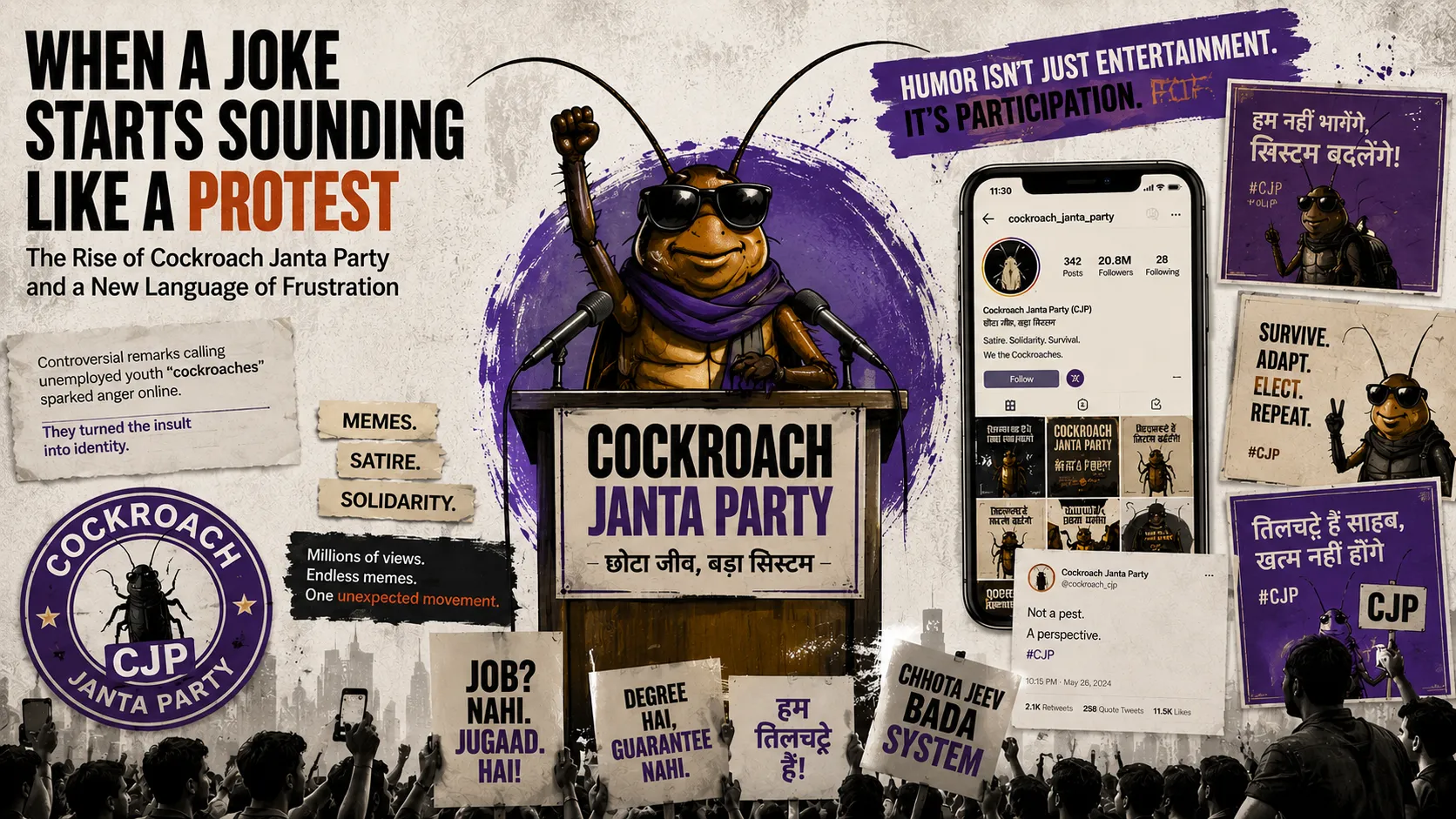
Cockroach Janta Party Is Becoming More Than A Meme Story : It May Be Turning Into A Bigger Conversation About Youth Frustration In India
The rise of Cockroach Janta Party increasingly reflects broader conversations around Gen Z frustration, internet culture and how humor is becoming a new language of public expression.
MAY 22, 2026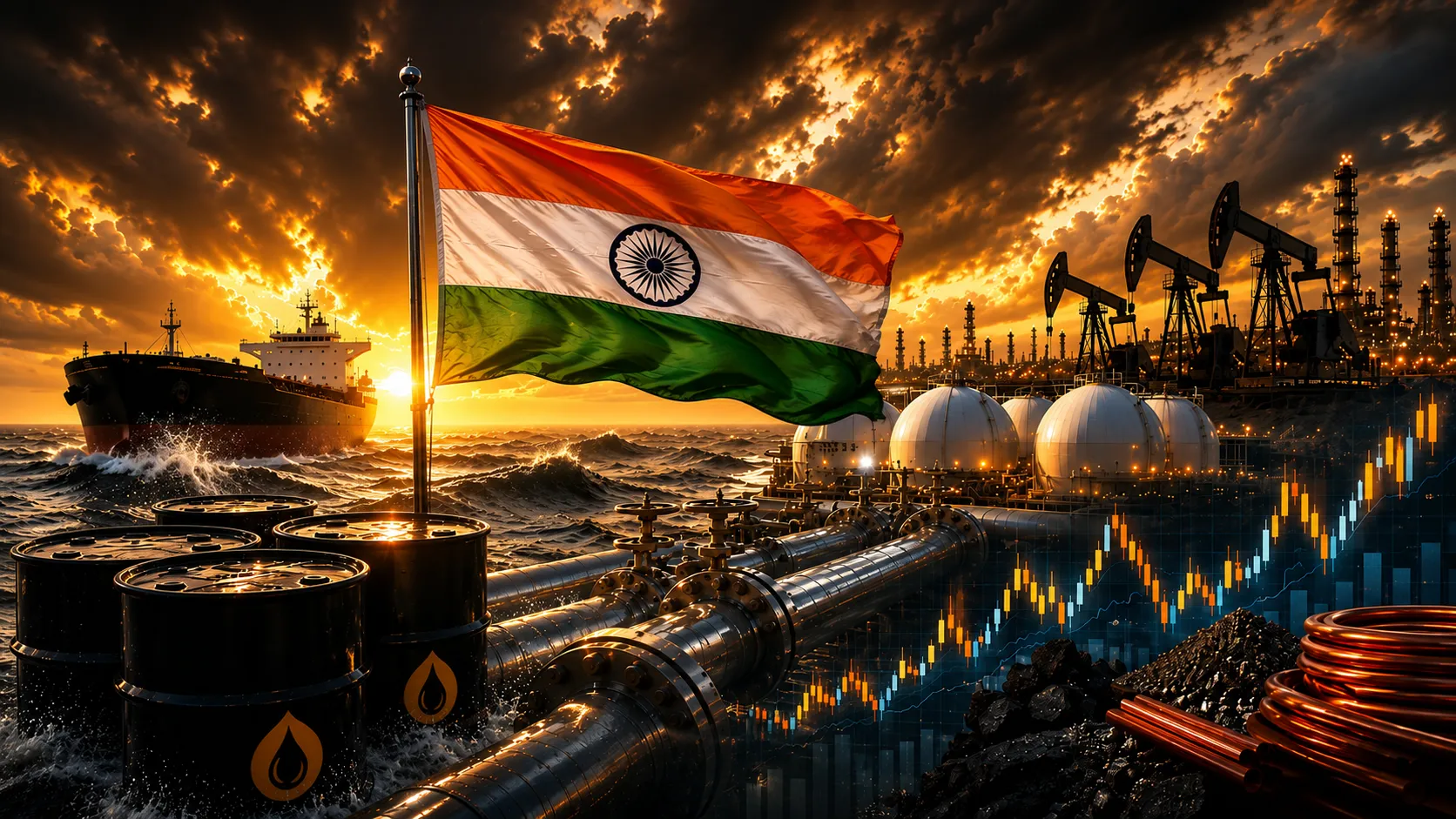
India's Fuel Exports Hit 10-Month High as Global Shortages Turn Crisis Into Opportunity for Domestic Refiners
India's fuel exports have climbed to a nearly 10-month high as West Asia-driven shortages widen refining margins for Indian oil majors, even as the same crude price spike pushes up domestic fuel costs.
JUL 23, 2026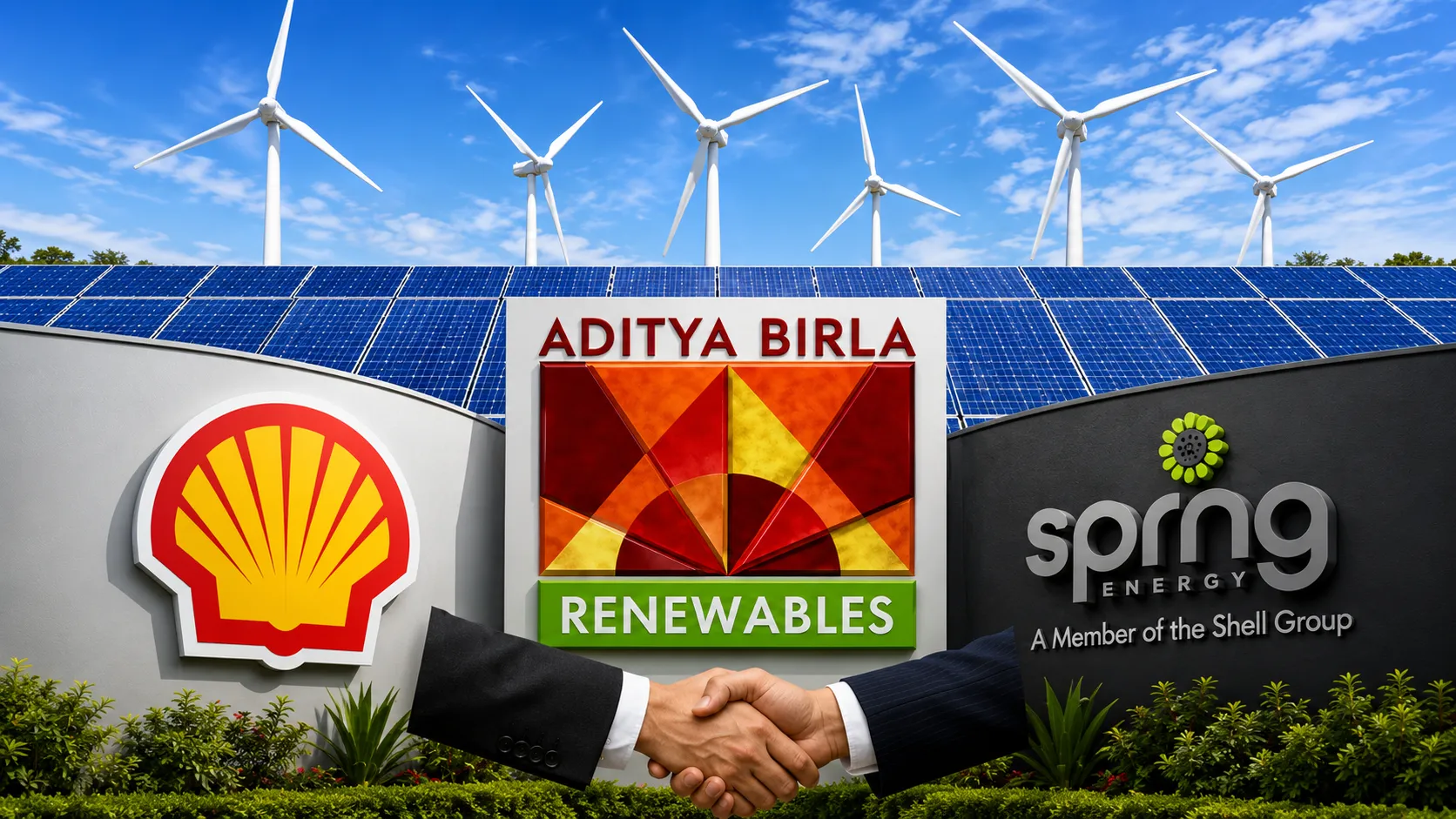
Aditya Birla Group Strikes Rs 17,200 Crore Deal to Acquire Shell's Sprng Energy — India's Renewable Race Gets Its Biggest Conglomerate Yet
Aditya Birla Group has struck a Rs 17,200 crore deal to acquire Shell's Indian renewable energy platform, Sprng Energy, marking a major conglomerate push into India's clean energy sector.
JUL 23, 2026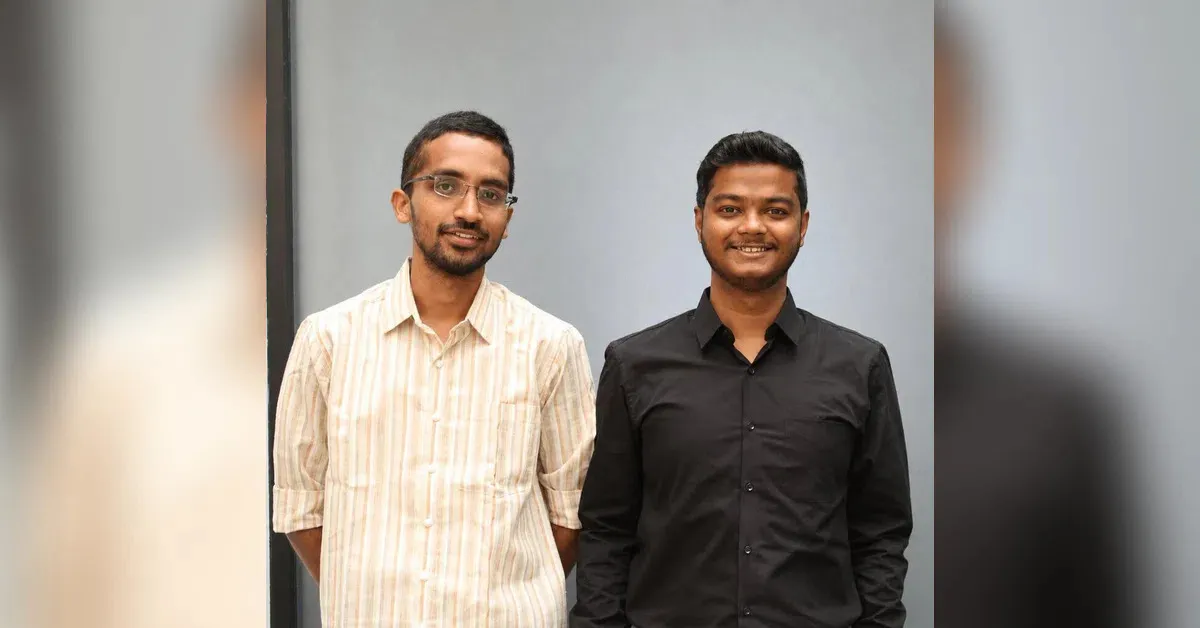
Blurgs AI Raises $2.2 Million: The IIT Madras Deep-Tech Startup Serving the Indian Navy
Every customer Blurgs AI has was acquired before they raised a rupee of institutional capital. The Indian Navy. The Indian Coast Guard. Bharat Electronics. DRDO Labs. Mumbai Port Authority. Dubai Maritime City. The Nature Conservancy.
JUL 8, 2026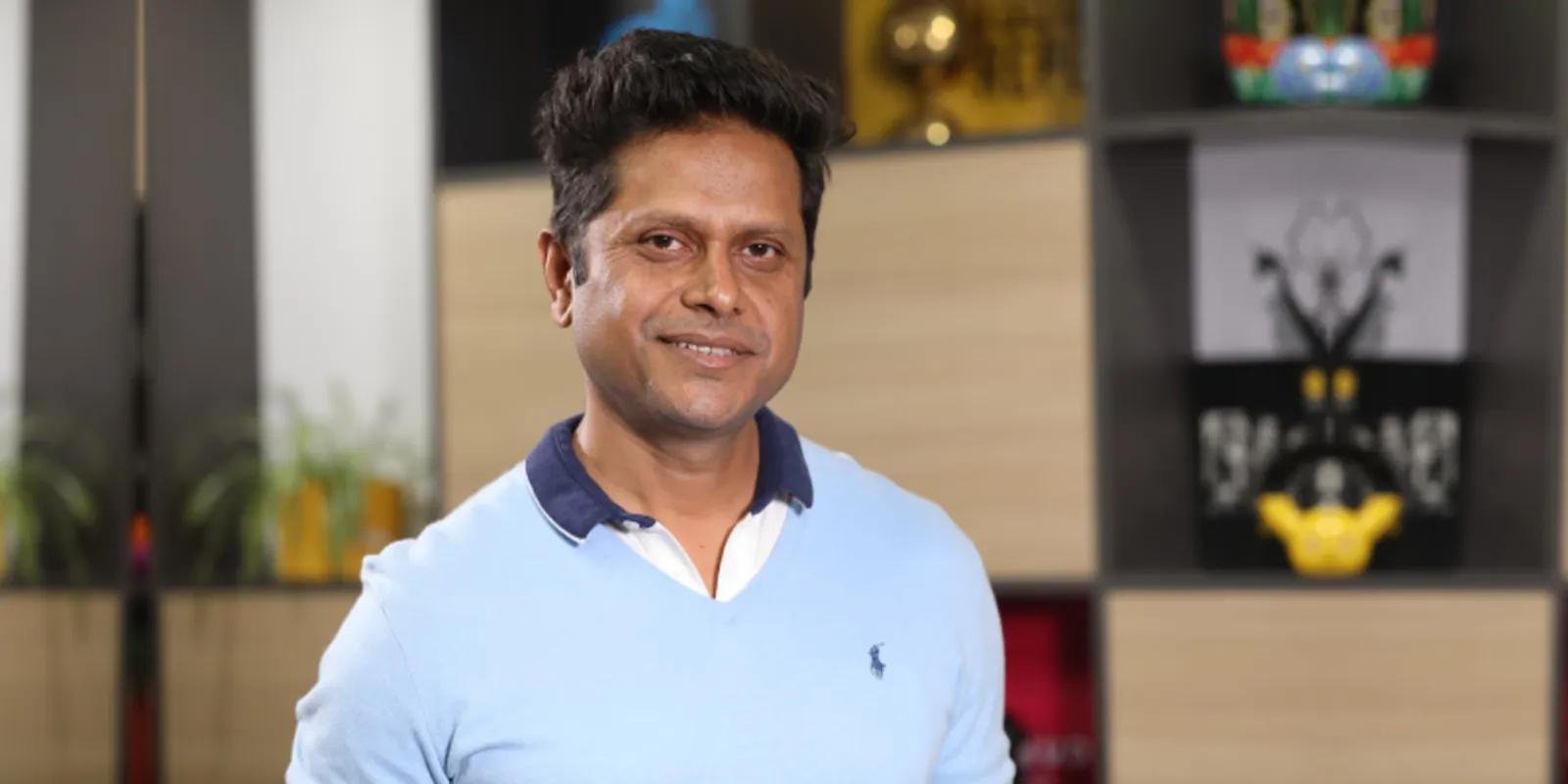
Cult.Fit Plans to Raise ₹950 Crore Through Its IPO
Revenue more than doubled in two years: from ₹927 crore in FY24 to ₹1,721 crore in FY26. Net loss narrowed 48% in a single year. Adjusted EBITDA margin flipped from negative 2.8% to positive 8.4%. 708 fitness centres across 77 cities — four times the scale of the next largest competitor.
JUL 8, 2026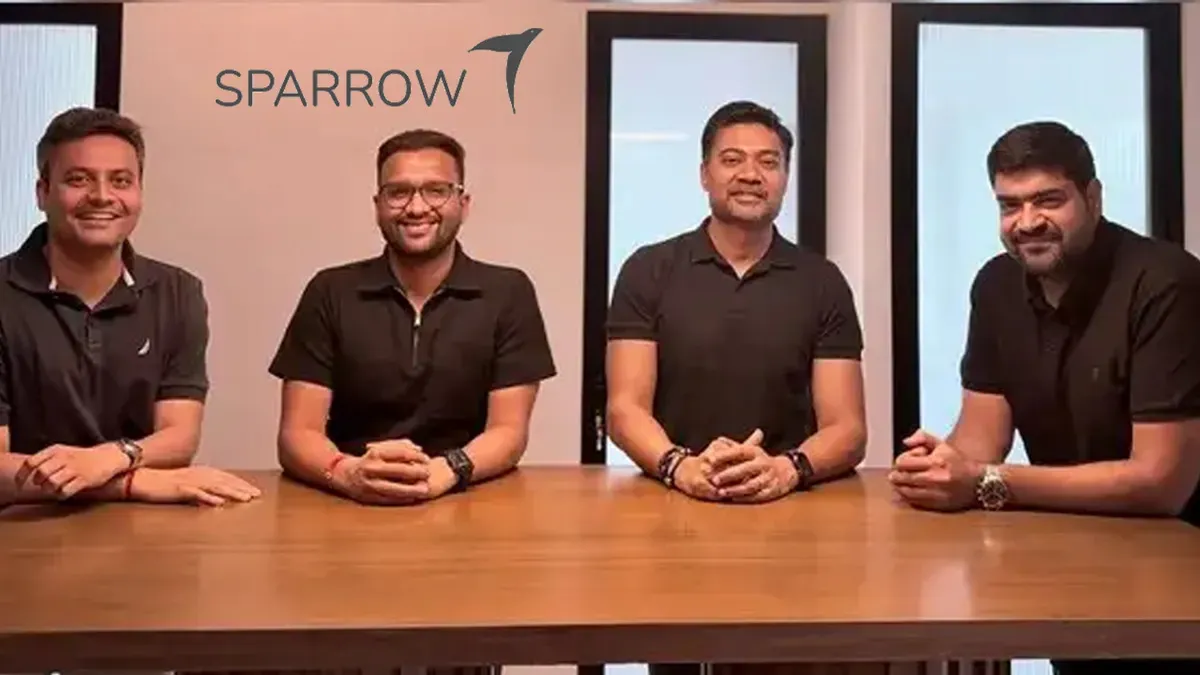
Sparrow Capital Closes ₹475 Crore Fund III
India's seed funding market raised $3.34 billion across 608 rounds in H1 2026 — compared to $2.96 billion across 1,055 rounds in H1 2025. Fewer companies are getting funded. Bigger cheques are going to the ones that do. The average early-stage cheque size has nearly doubled from $2.8 million to $5.5 million in twelve months.
JUL 7, 2026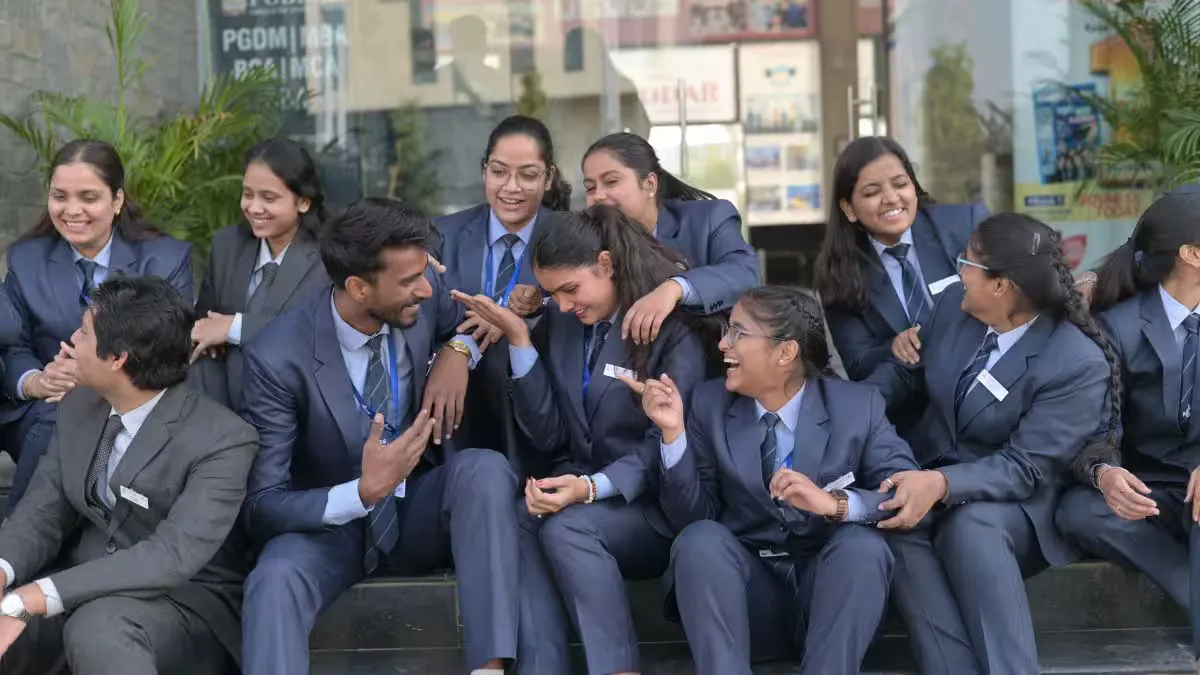
Himachal Pradesh's ₹2 Crore State Innovation Fund: What the Policy Says and What the Women's Focus Actually Means
Himachal Pradesh has approved a State Innovation Policy and ₹2 crore fund running from 2026 to 2028. The money is modest. The policy framework is not. Micro-grants, seed funding, incubation support, innovation competitions, and IP ownership for student innovators
JUL 7, 2026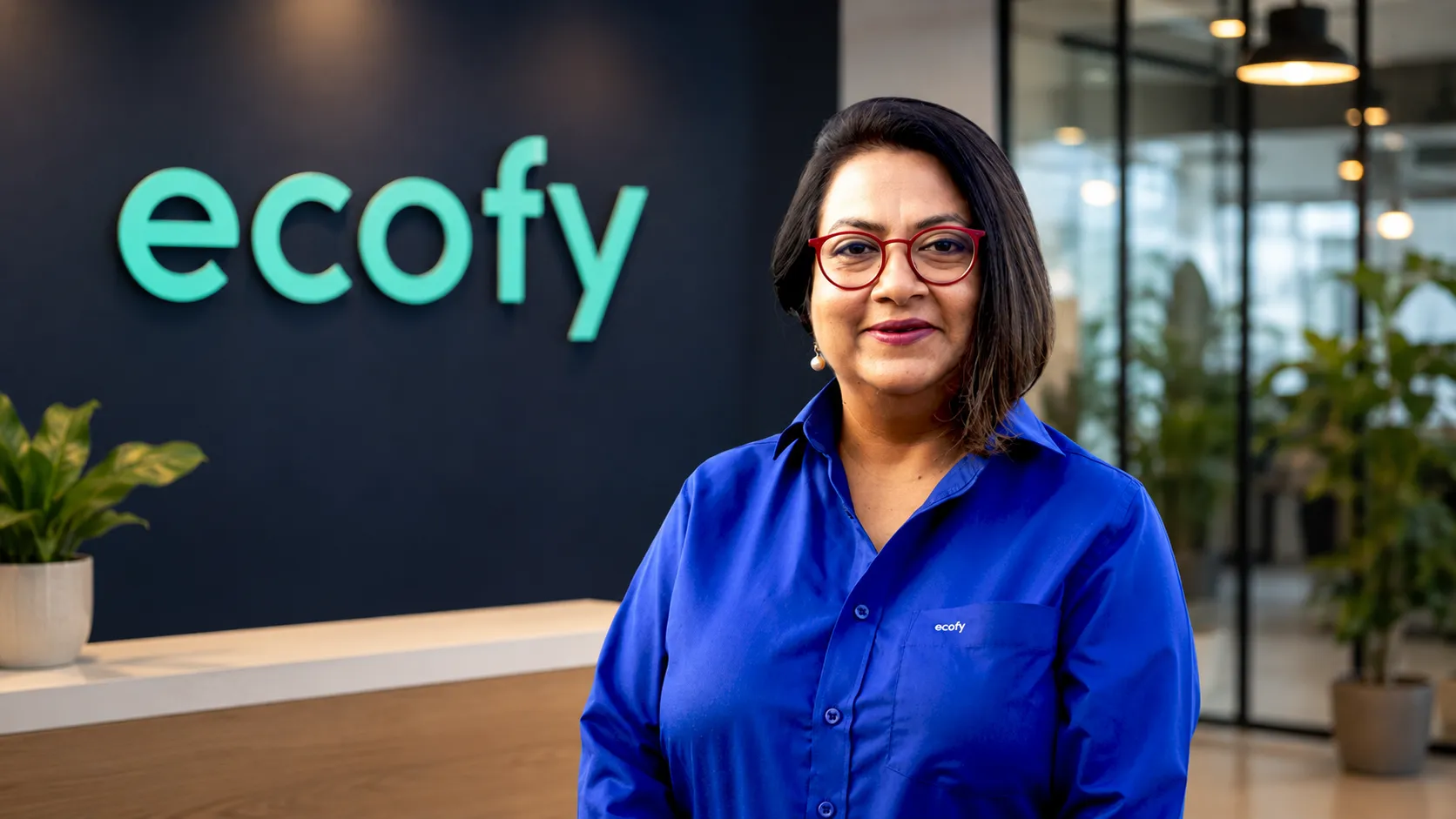
Ecofy's ₹380 Crore Series B
Most climate finance in India flows to large projects and large borrowers. The electric rickshaw driver who needs ₹1.5 lakh to buy an EV, the homeowner who needs ₹3 lakh for a rooftop solar installation, the small business that needs green equipment financing — these are the borrowers India's green finance ecosystem was not built for.
JUL 4, 2026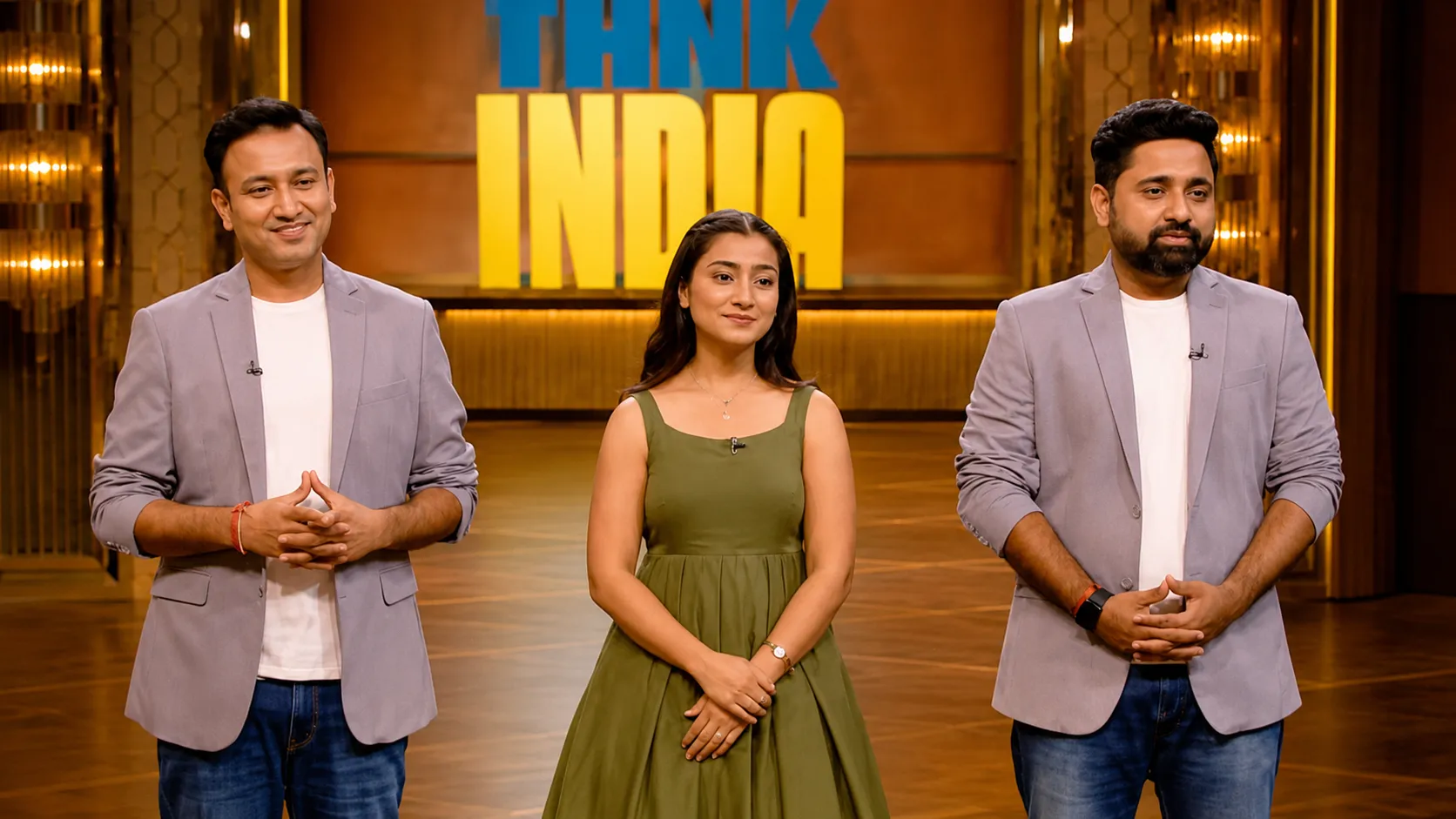
Phitku's ₹100 Crore Ananta Capital Deal
Phitku was founded in early 2025, bootstrapped to profitability, built a 6 lakh customer base, appeared on Shark Tank India, and by July 2026 had completed a ₹100 crore majority stake deal with Ananta Capital — the PE firm backed by the Taparia family of Famy Care Group, which also owns Bella Vita, HipHop, and India's GNC franchise
JUL 4, 2026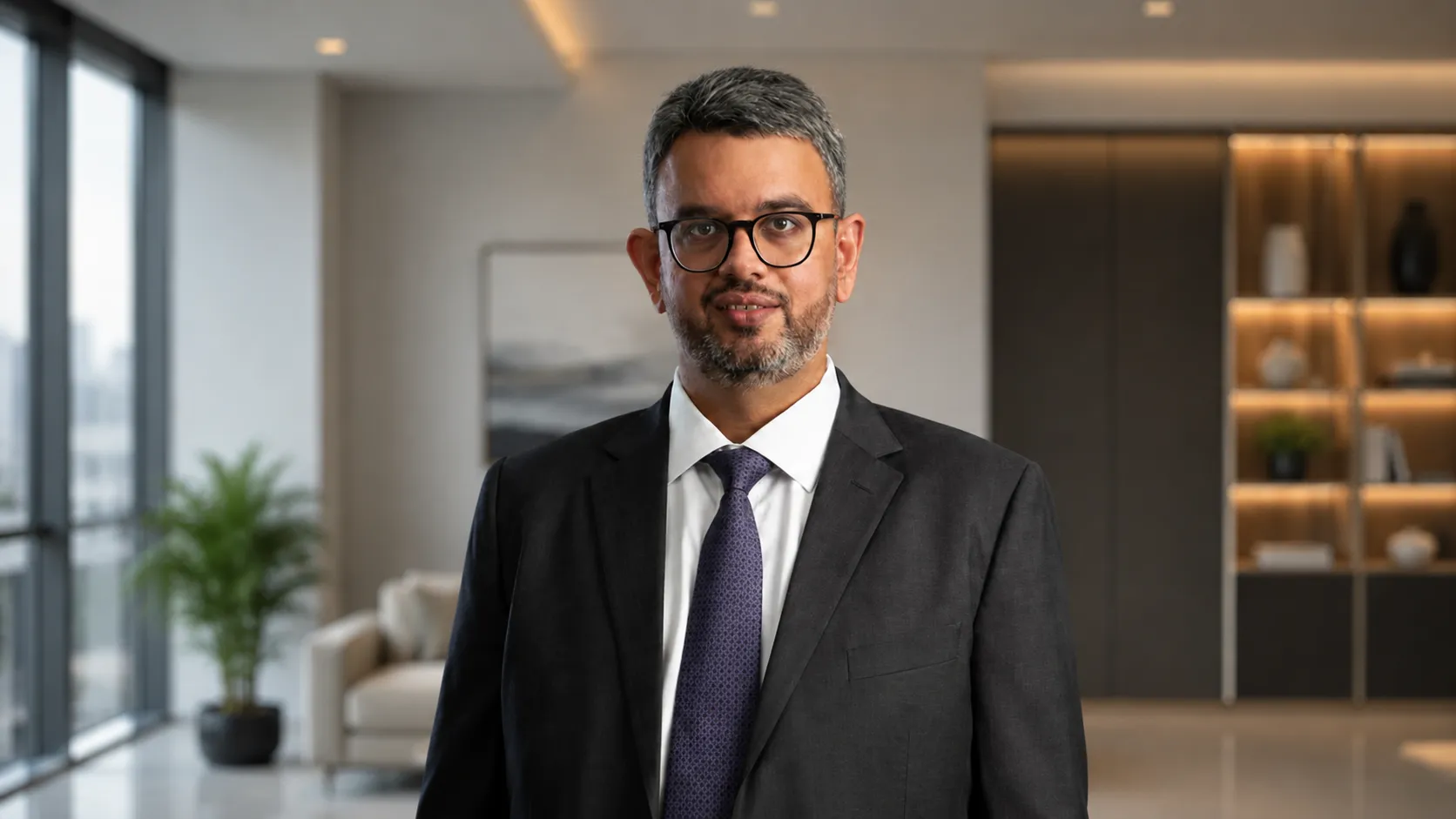
Dovetail Capital Raises ₹100 Crore from Elev8 Venture Partners to Scale Asset Servicing Globally
For years, asset servicing in India was the exclusive domain of large banks that also ran asset management and broking businesses. Dovetail Capital offered something different: an independent, technology-first partner with no competing agenda. Now, ₹100 crore in fresh capital and a marquee investor validate what its founders believed in 2017.
JUL 1, 2026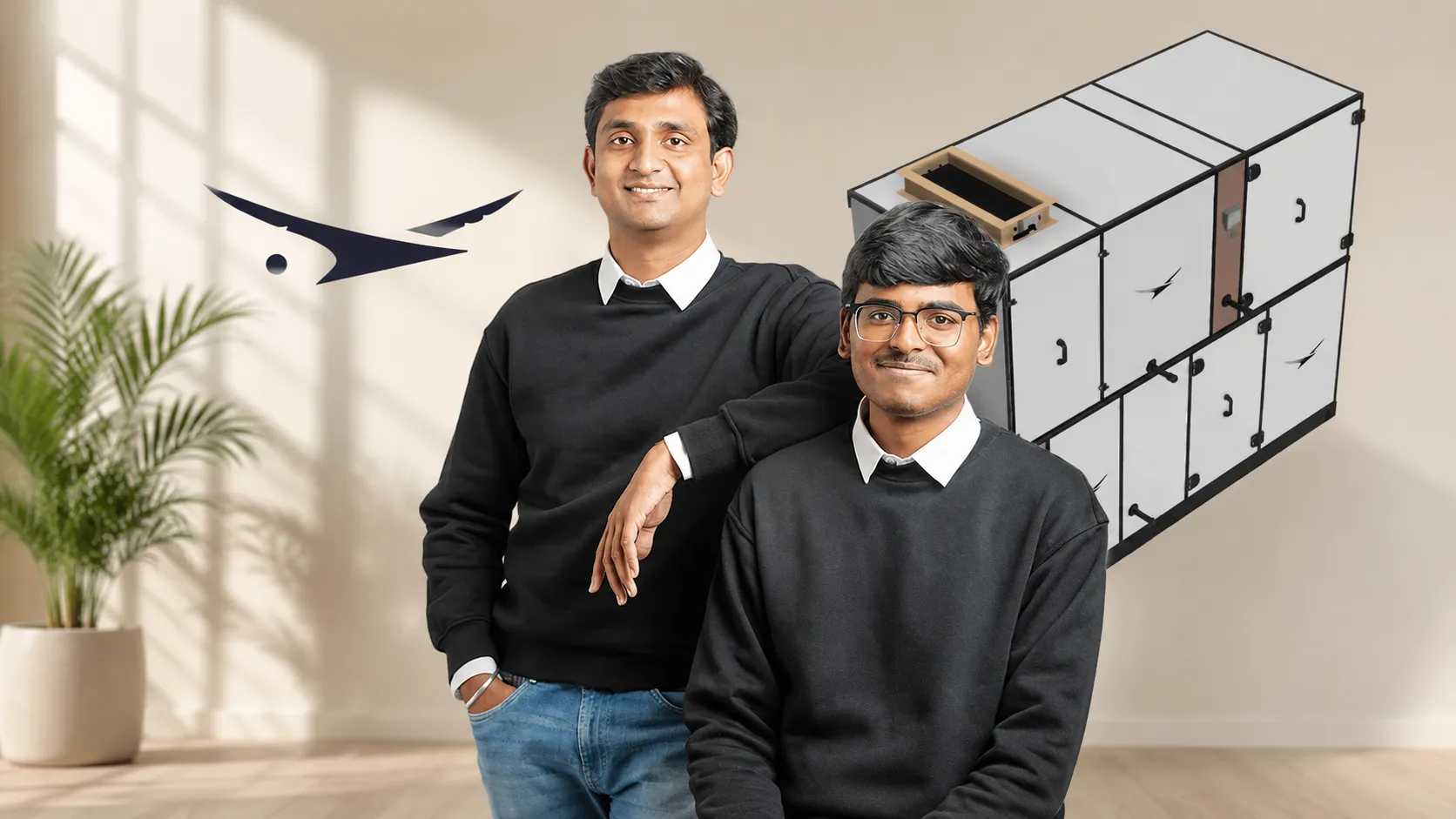
Albatross Energetics Raises $1.05 Million to Scale Energy-Efficient Cooling Tech
Industrial air conditioning is energy-guzzling and carbon-heavy. Albatross Energetics is attacking the problem at its source, pulling moisture from the air before it needs cooling. With $1.05 million in fresh funding, the Mumbai startup is ready to scale its quiet revolution.
JUL 1, 2026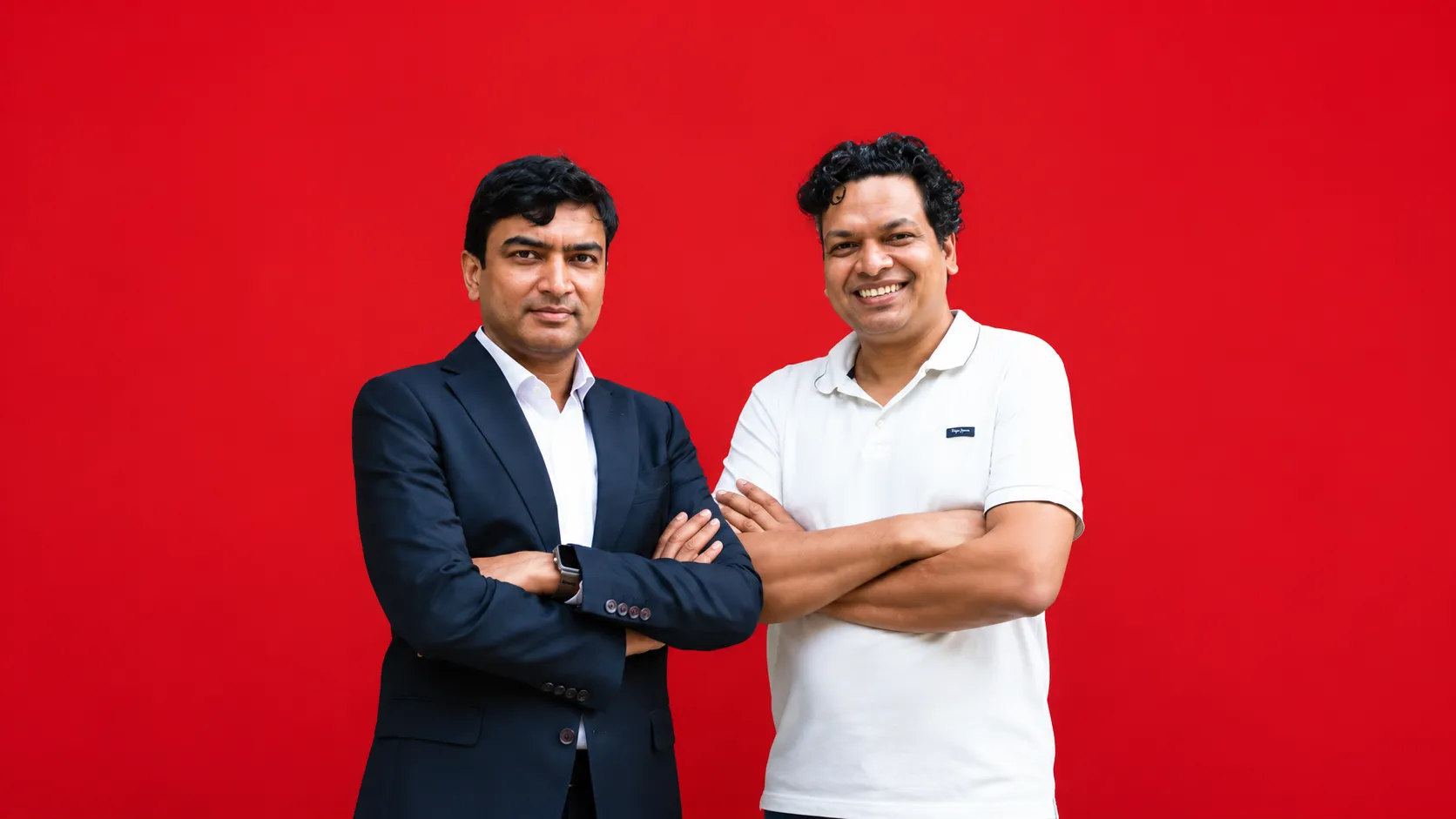
Kapture CX Raises $10M Pre-Series B Led by Bajaj Finserv Ventures
Since its Series A in 2023, Kapture CX has grown 4X and achieved profitability — rare in the AI economy. Bajaj Finserv Ventures, in its first-ever AI investment, led the round. 1,000 enterprise clients in 18 countries. 5x revenue growth targeted. The experimentation phase for enterprise AI is over. Kapture is where real value begins.
JUL 1, 2026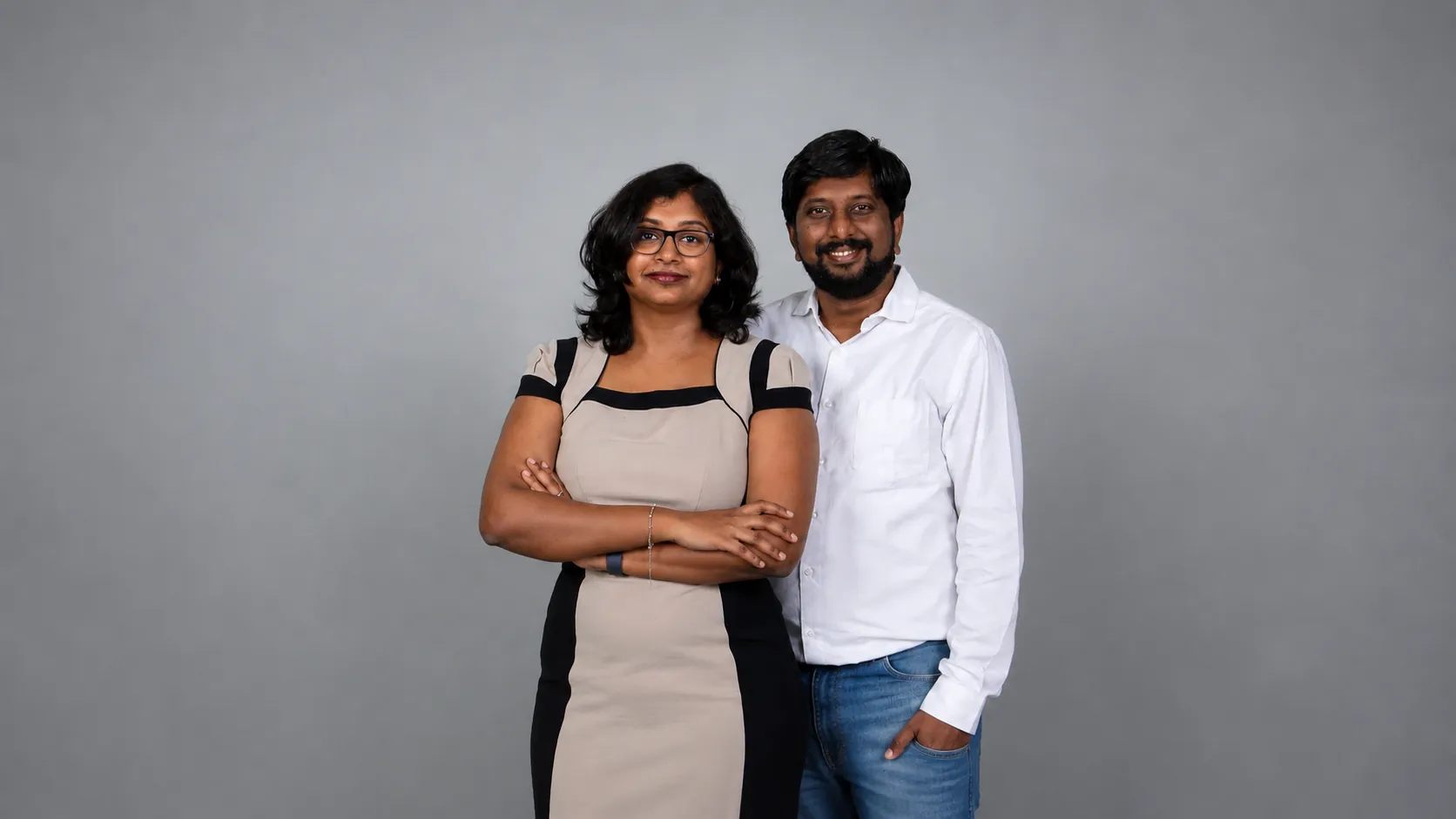
India's Kitchens Are Coated in Chemicals. The Indus Valley Just Raised $17 Million to Change That.
Most Indian households cook daily in non-stick pans coated with PFAS chemicals that degrade over heat. The Indus Valley was founded in 2016 to offer an alternative: cast iron, triply steel, clay, copper, brass, wood. In 10 years they built a D2C brand. Now Gaja Capital is backing the national expansion.
JUL 1, 2026
Less Money Spread Wider, More Money Pooled Narrower: India's $7.2 Billion Tech Funding Story Has a Twist
More money. Fewer deals. Faster unicorns. India's startup funding in 2026 isn't bigger — it's narrower, sharper, and moving at a completely different speed than it used to.
JUN 27, 2026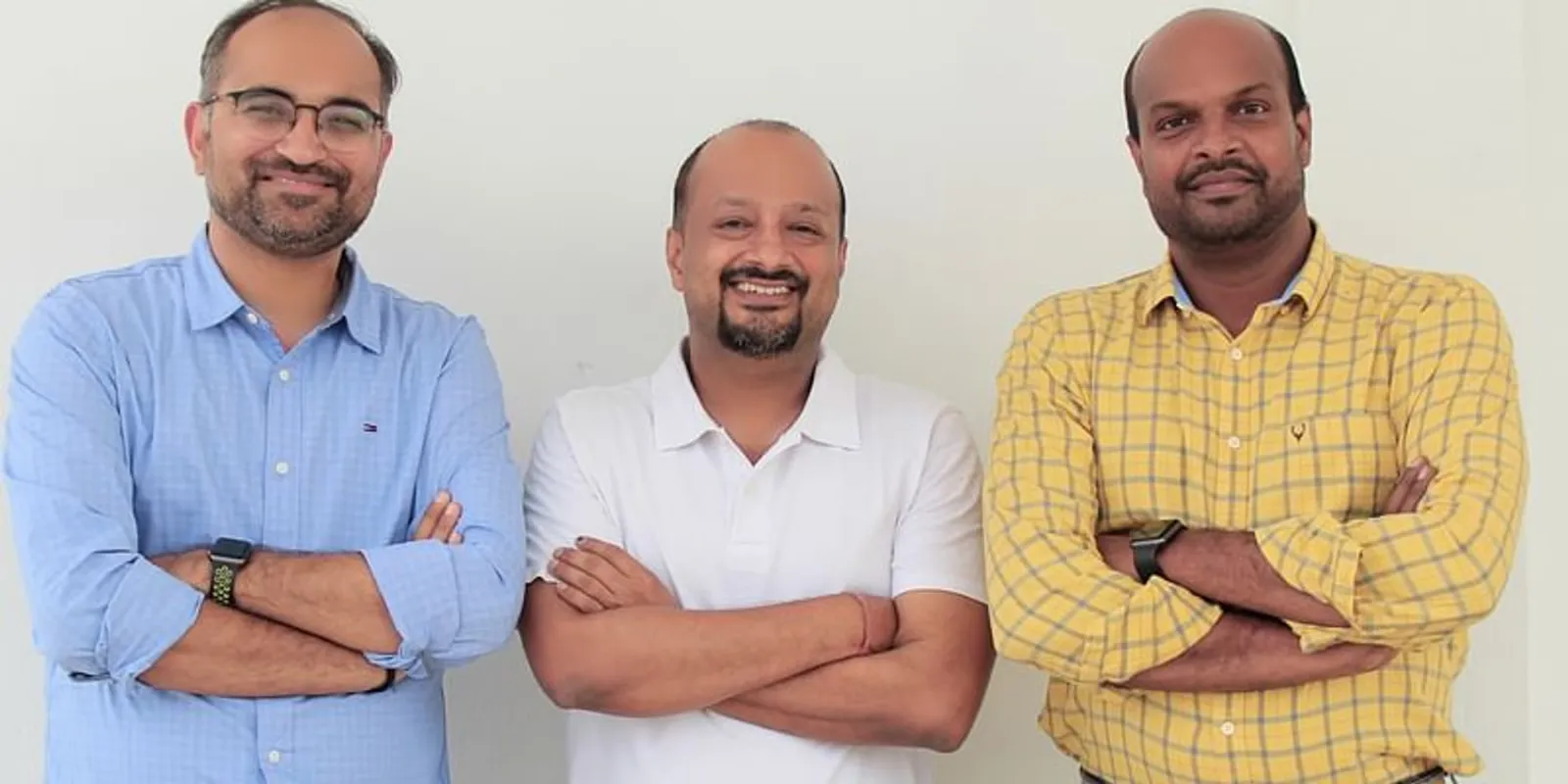
MyGate: How an IITian Became a Security Guard
Abhishek Kumar is an IIT graduate. Before building MyGate, he worked as a security guard at a gated community to understand what the job actually required and what was going wrong. That decision — to start at the lowest point in the system and learn it from the inside — explains everything about how MyGate was built, what problem it actually solves, and why 5.7 million households now trust it.
JUN 27, 2026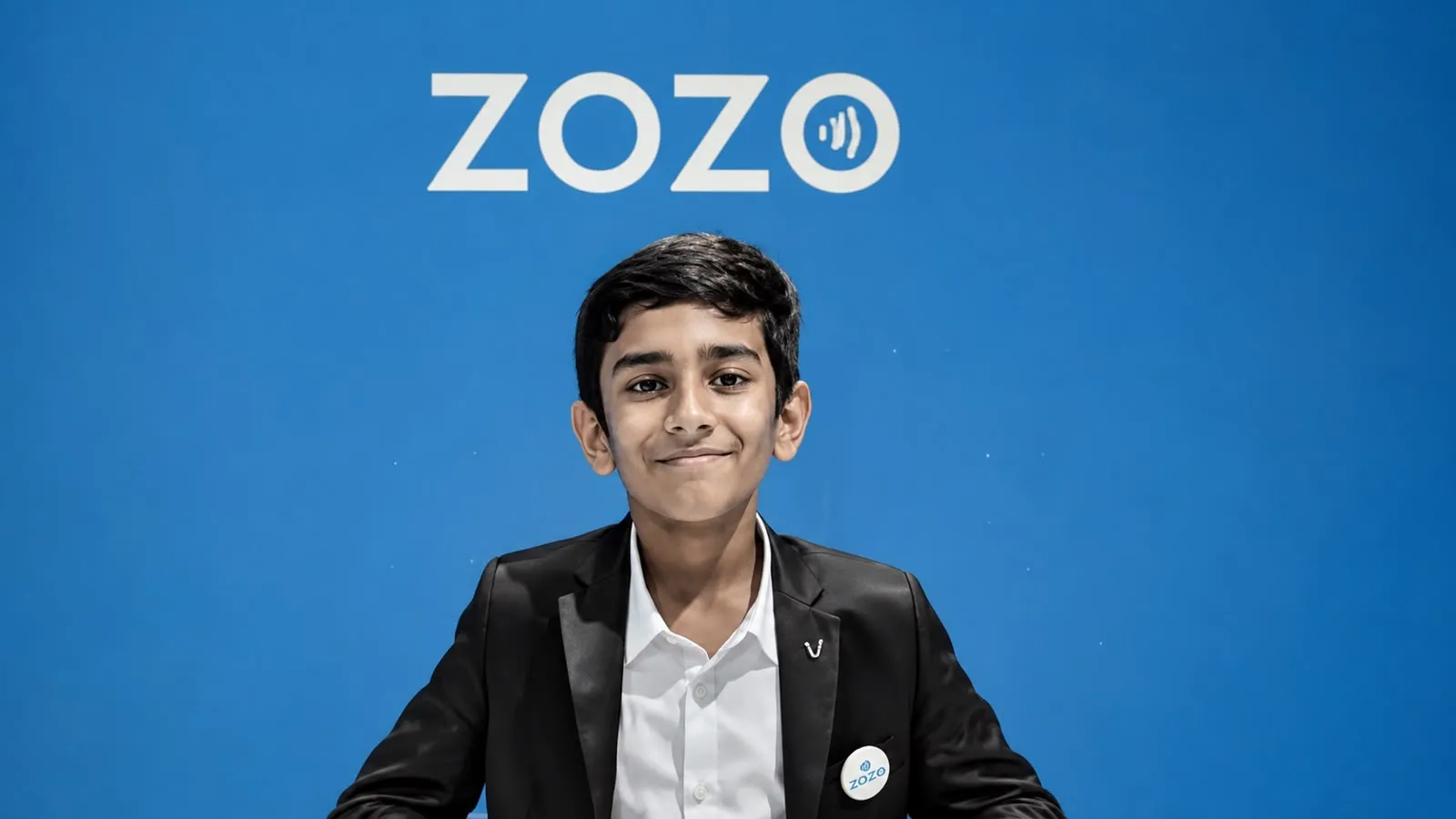
Athvik Amith Kumar: The 11-Year-Old Founder of ZOZOconnect
The tycoons on Bharat Ke Super Founders questioned him on margins, technology, and sustainability. He answered with calm precision and held his ground through every question. Suniel Shetty called him a chhota packet, bada dhamaka. Nitish Mittersain gave him ₹11 lakh. And the entire panel committed to mentor him. Athvik Amith Kumar started his company at 10.
JUN 27, 2026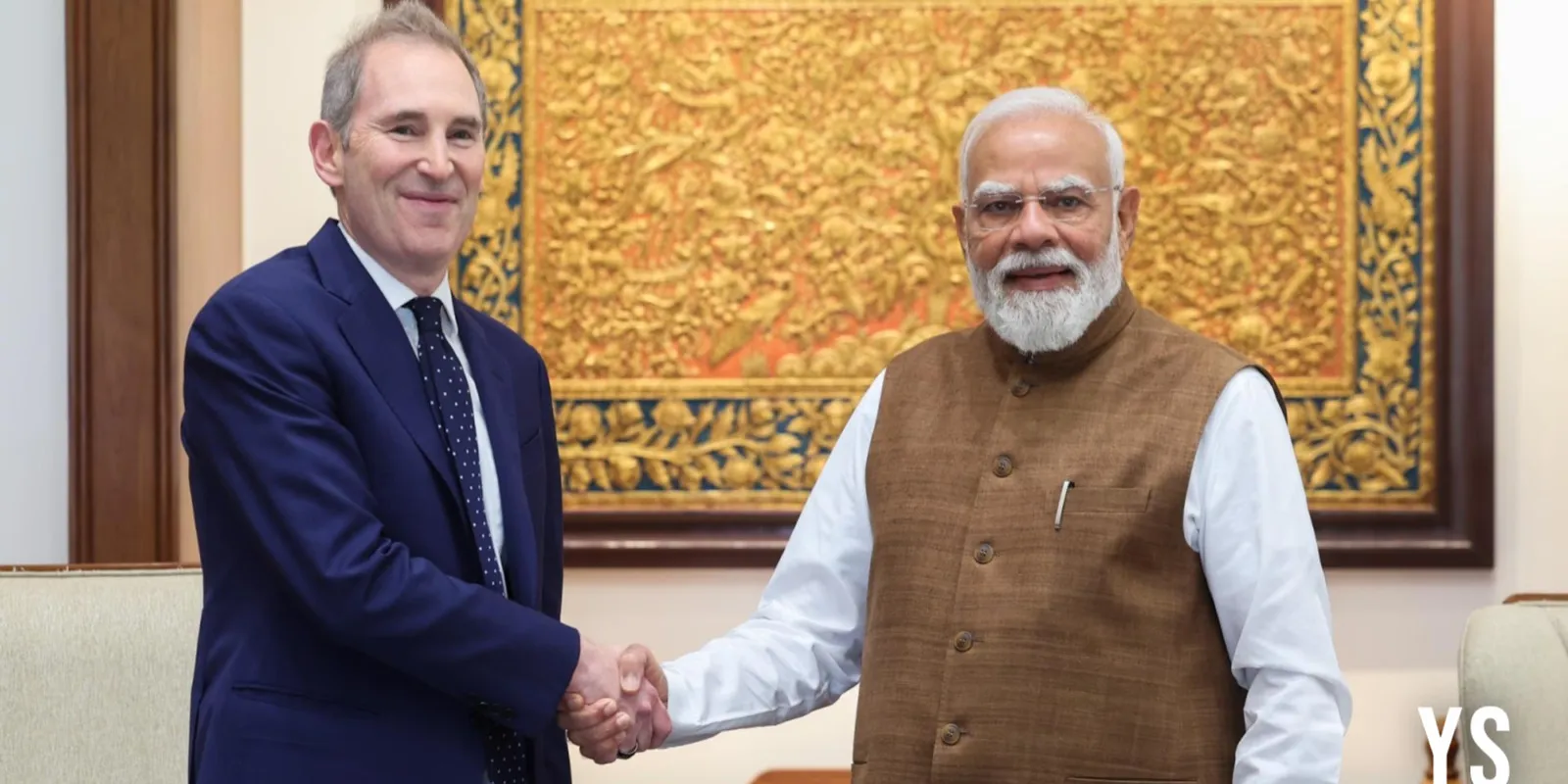
Amazon investing $13B in India's AI and cloud infrastructure by 2030
Six months ago, Amazon announced $35 billion in new India investments. Yesterday, Andy Jassy flew to New Delhi, met Narendra Modi, and added $13 billion more. The total India commitment through 2030 is now $48 billion, of which $21 billion is directed at AI and cloud infrastructure. Amazon's total India investment from 2010 to 2030 will exceed $88 billion. No other foreign company has committed this much capital to India's digital infrastructure.
JUN 26, 2026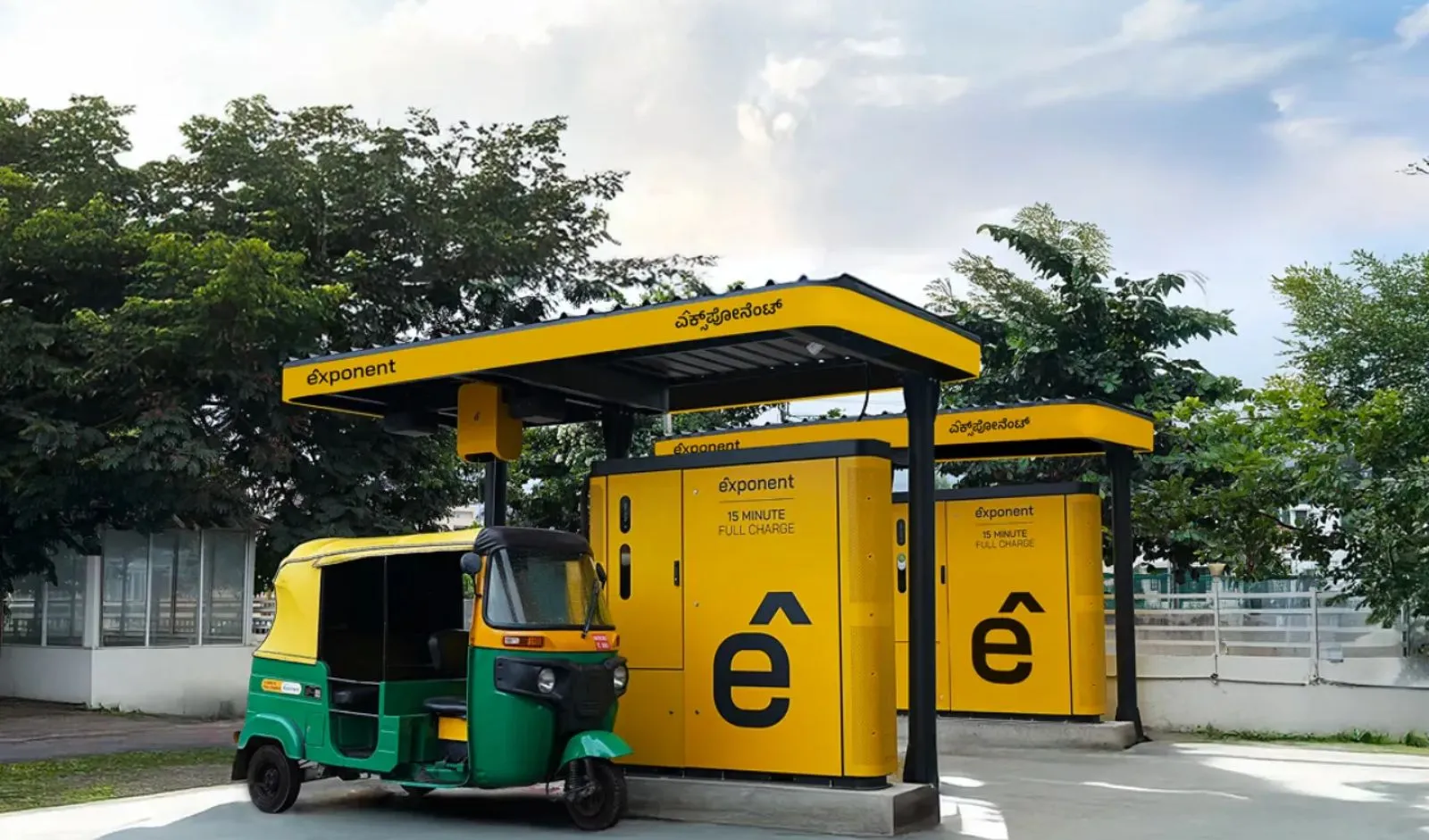
Exponent Energy Raises ₹200 Crore
Every EV company is trying to build batteries that can survive fast charging. Exponent Energy looked at that problem and decided everyone was solving it backwards. Instead of making the battery more expensive, they moved the heat management to the charger. The result: 15-minute full charge, regular affordable LFP cells, 3,000-cycle warranty — and a business model that locks in the fleet operator for the life of the vehicle.
JUN 23, 2026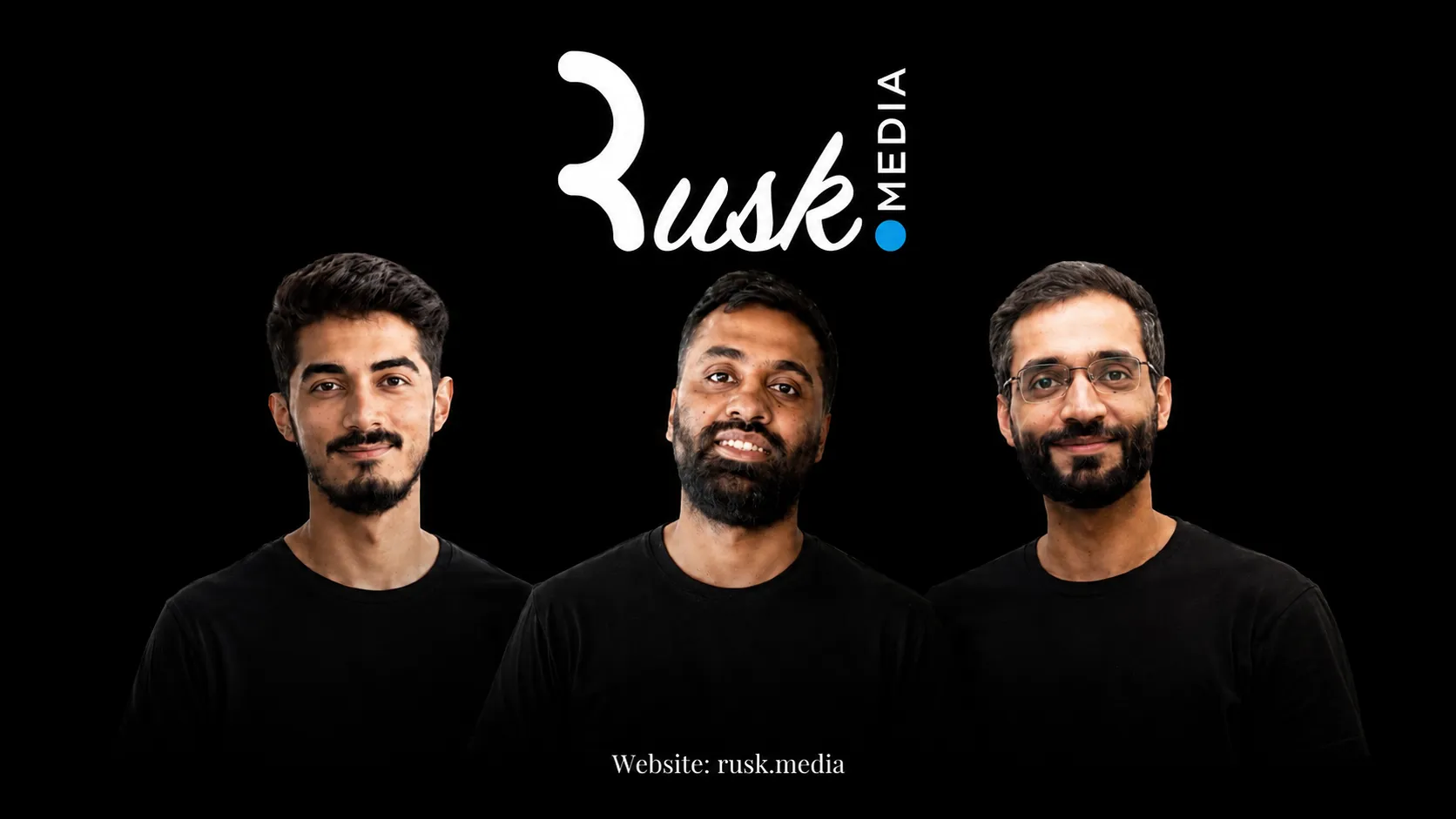
Rusk Media Raised ₹100 Crore. The Bet Is That India's Gen Z Will Watch Entertainment Built for a Phone, Not a TV.
Rusk Media was founded in 2019. It makes content that a Gen Z audience watches on a phone, not a TV — scripted fiction, unscripted formats, vertical dramas, live entertainment, a talent reality franchise, and a dating show. It built its own platform. It built an advertising business. And it just raised ₹100 crore from the company behind Candy Crush licensing in India, the investor behind Zomato and PolicyBazaar, and one of India's most active VC firms.
JUN 22, 2026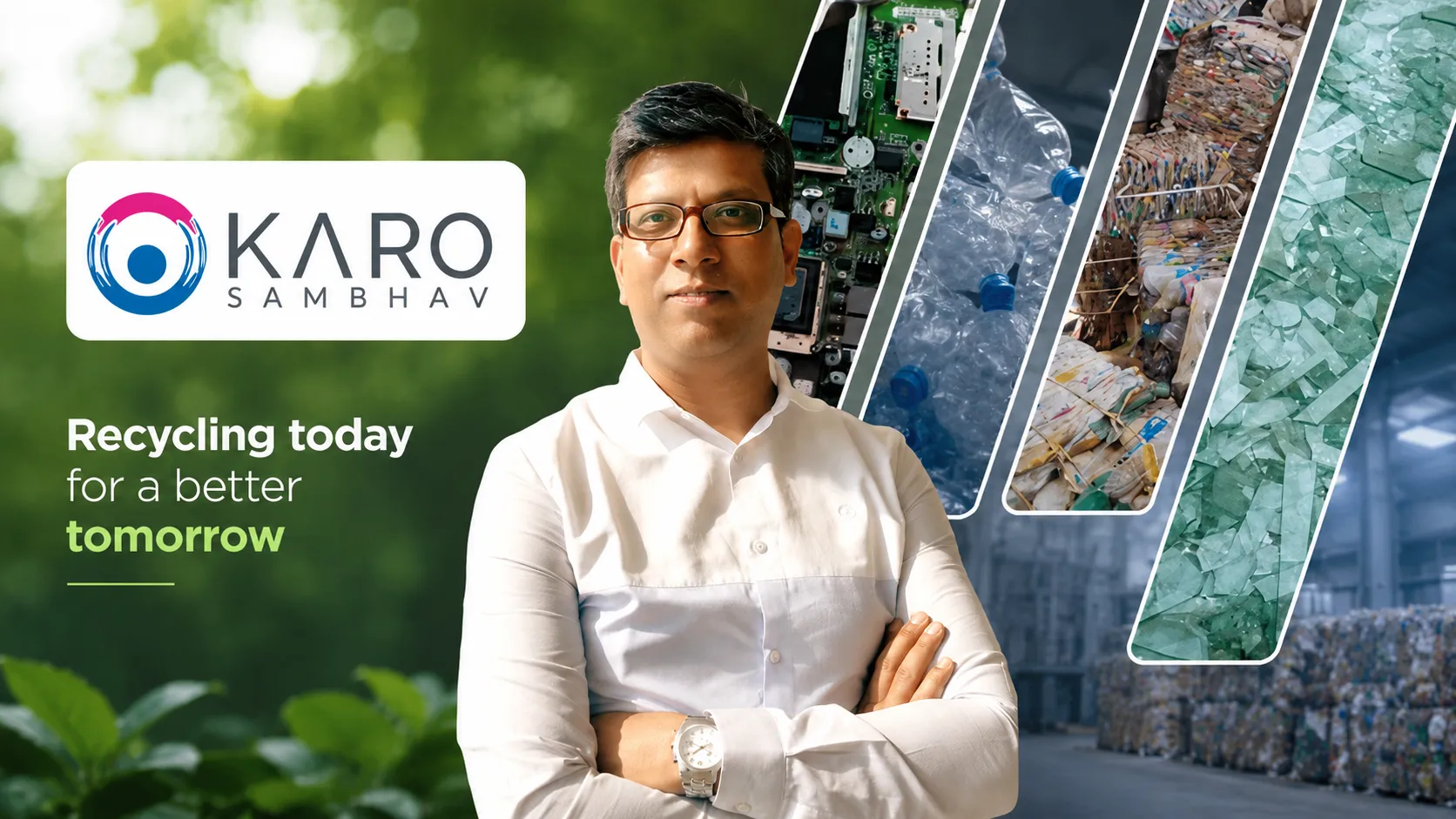
India Throws Away 4.1 Million Tonnes of E-Waste Every Year. Karo Sambhav Just Raised ₹56 Crore to Turn It Into Something Valuable.
India is the third-largest generator of e-waste in the world. The metals inside discarded smartphones, laptops, and batteries — lithium, cobalt, copper, gold, rare earth elements — are the same materials that India needs to build its electric vehicles, solar panels, semiconductors, and defence systems. Karo Sambhav has spent nine years building the infrastructure to recover those materials. Rainmatter just backed the next phase.
JUN 22, 2026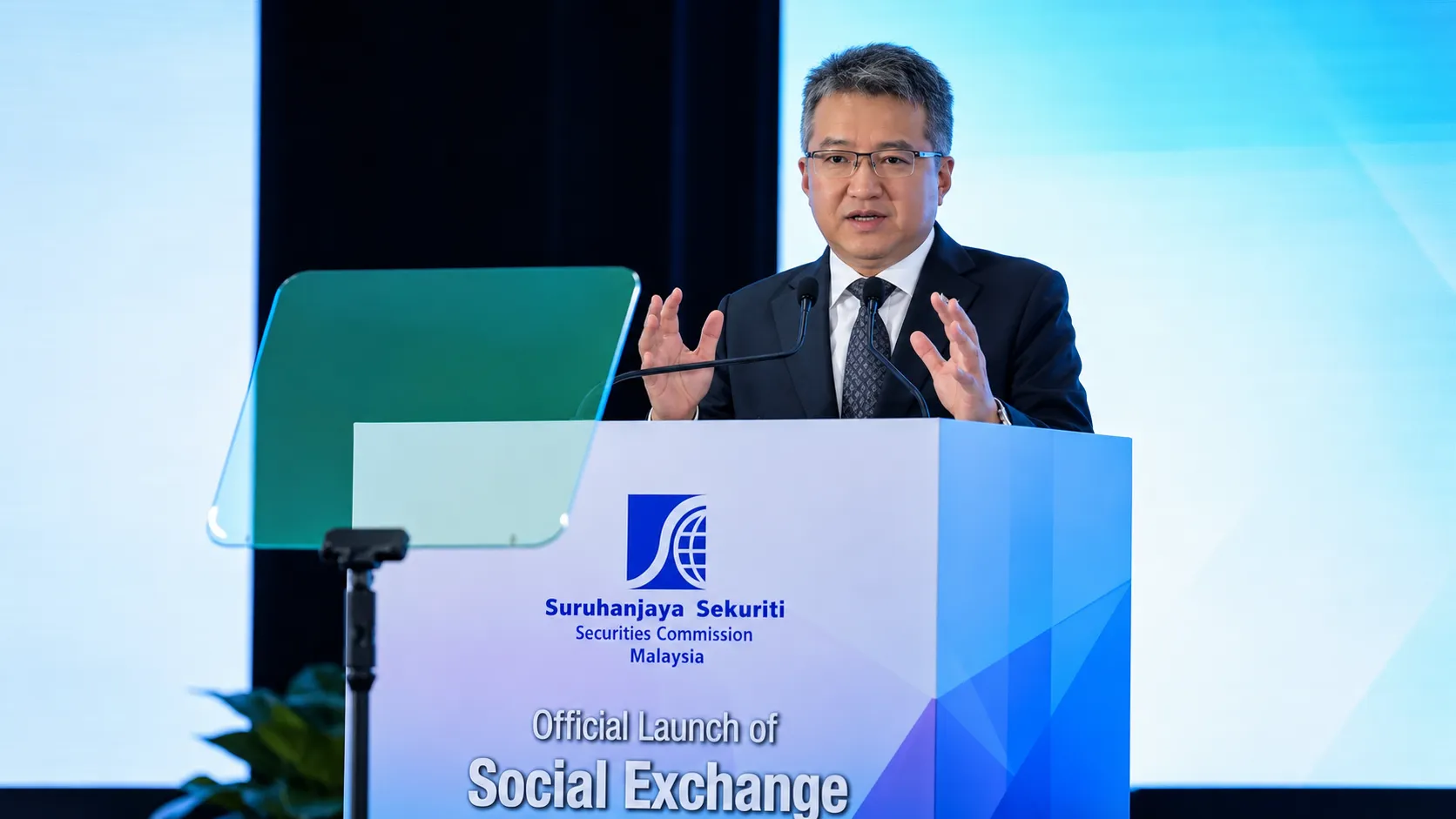
The Social Economy Is Having Its Biggest Month in Years — and Most Business Media Missed It
BlueMark assessed 307 impact funds and named 22 best-in-class. The Tropical Forest Finance Facility has a $125 billion target and $6.5 billion so far. Australia turned AU$1 million in grants into AU$3.77 million in total capital. Malaysia launched its first Social Exchange. Vietnam approved a five-year sustainable business programme.
JUN 22, 2026
From Insurance Agents to a ₹4,500 Crore IPO: Turtlemint's Big Public Market Debut Just Got Real
Eleven years ago, two founders set out to make insurance simpler for India's agents. This week, the biggest mutual funds and insurers in the country lined up to buy a piece of that idea.
JUN 21, 2026
₹550 Crore and Counting: HealthQuad's New Fund Is Betting Big on the Future of Indian Healthcare
India needs double its hospital beds, seven times its clinical workforce, and $500 billion in healthcare investment. HealthQuad just put ₹550 crore toward closing that gap.
JUN 21, 2026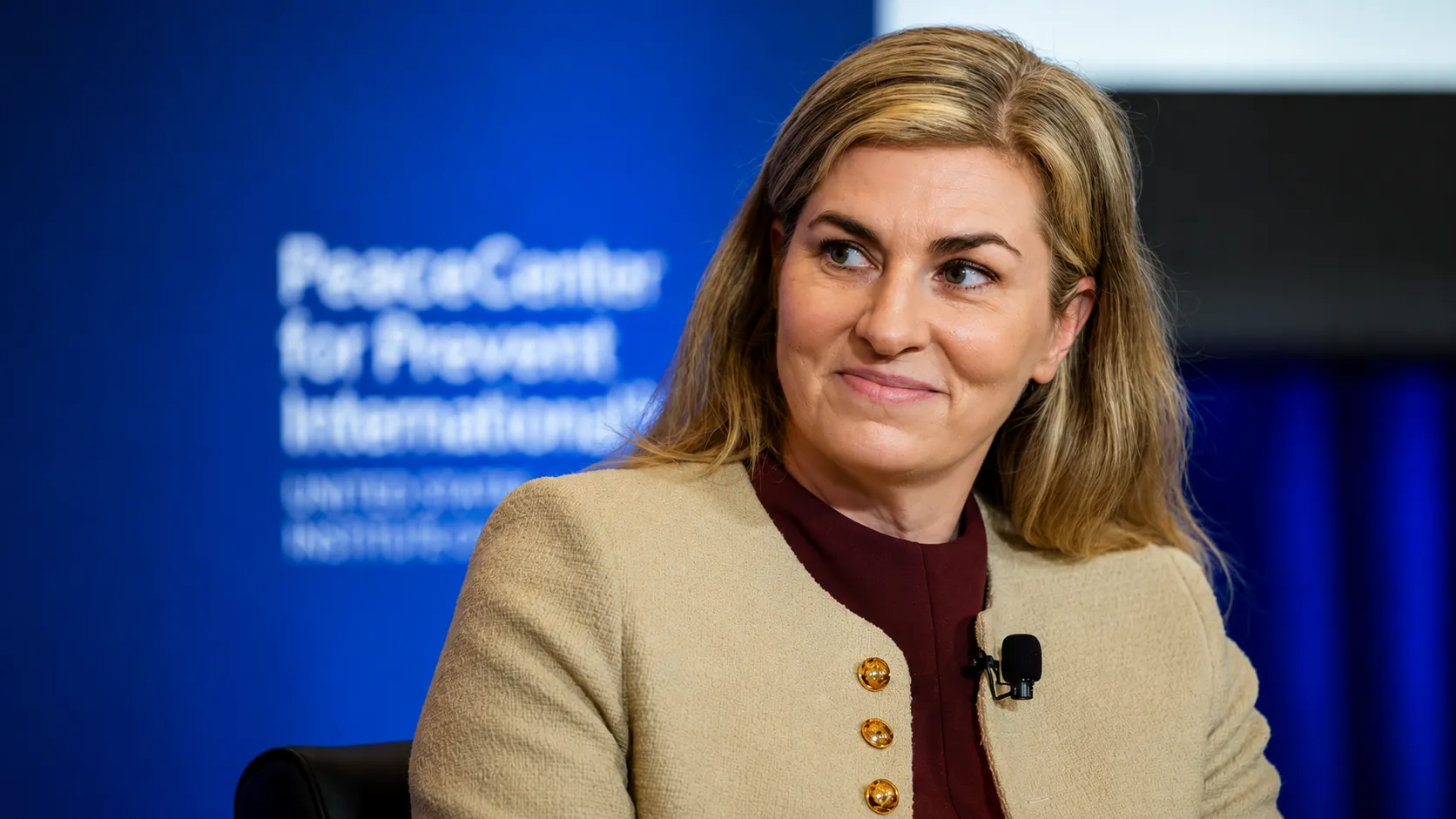
Lynne Fitzpatrick to Run a $90 Billion Financial Empire—CME's First Female CEO
The woman who will soon run a $90 billion financial empire started as an investment banker at Credit Suisse and UBS. She joined CME Group in 2006 and steadily rose through the ranks, becoming CFO in 2023 and President in 2024. In March 2027, Lynne Fitzpatrick will become the first female CEO of the world's largest derivatives exchange—a position that gives her oversight of markets that influence global interest rates, commodity prices, and the financial system itself.
JUN 19, 2026
$105 Million Just Landed for India's Green Hydrogen Future — And the World Bank, Siemens & Germany Are All In
Green hydrogen has been India's big clean energy promise for years. Hygenco just turned that promise into $105 million worth of global institutional conviction — and three to four new plants are already on the drawing board.
JUN 14, 2026
Wingreens Just Bought Safe Harvest. The Bigger Story Is The Race To Build India's Next Clean-Label Food Giant.
Wingreens' acquisition of Safe Harvest following its Series D funding round highlights the company's ambition to build a multi-brand clean-label food platform rooted in transparency and trust.
JUN 6, 2026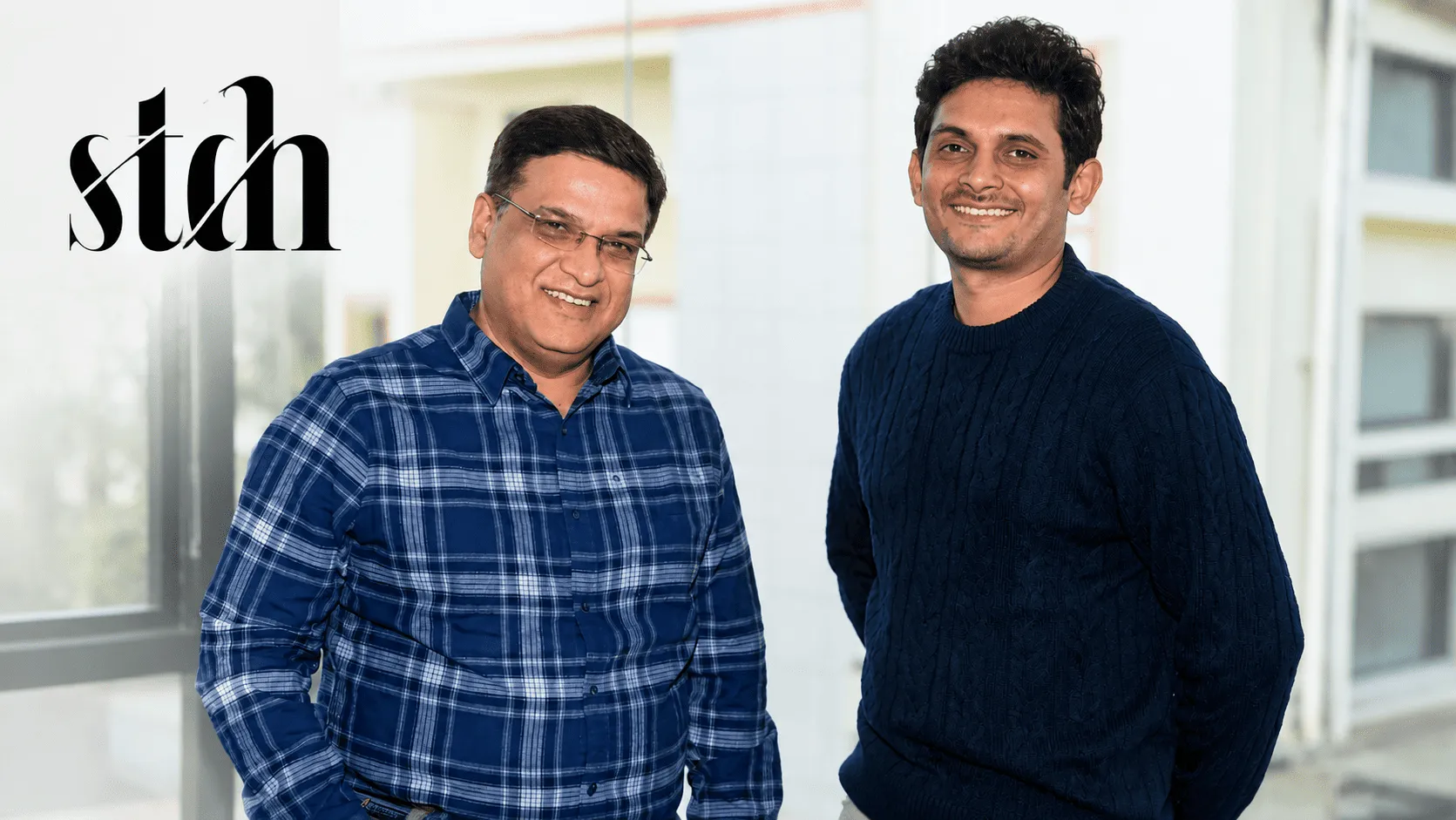
STCH Raises $5.5M to Build 'Fabric GPT': The AI Startup Fixing Fashion's Broken Supply Chain
Most AI innovation in fashion has focused on virtual try-ons and design tools. But the real bottleneck has always been the fabric itself. STCH is building what it calls Fabric GPT to decode the science of textiles, and global brands are already paying for it.
JUN 4, 2026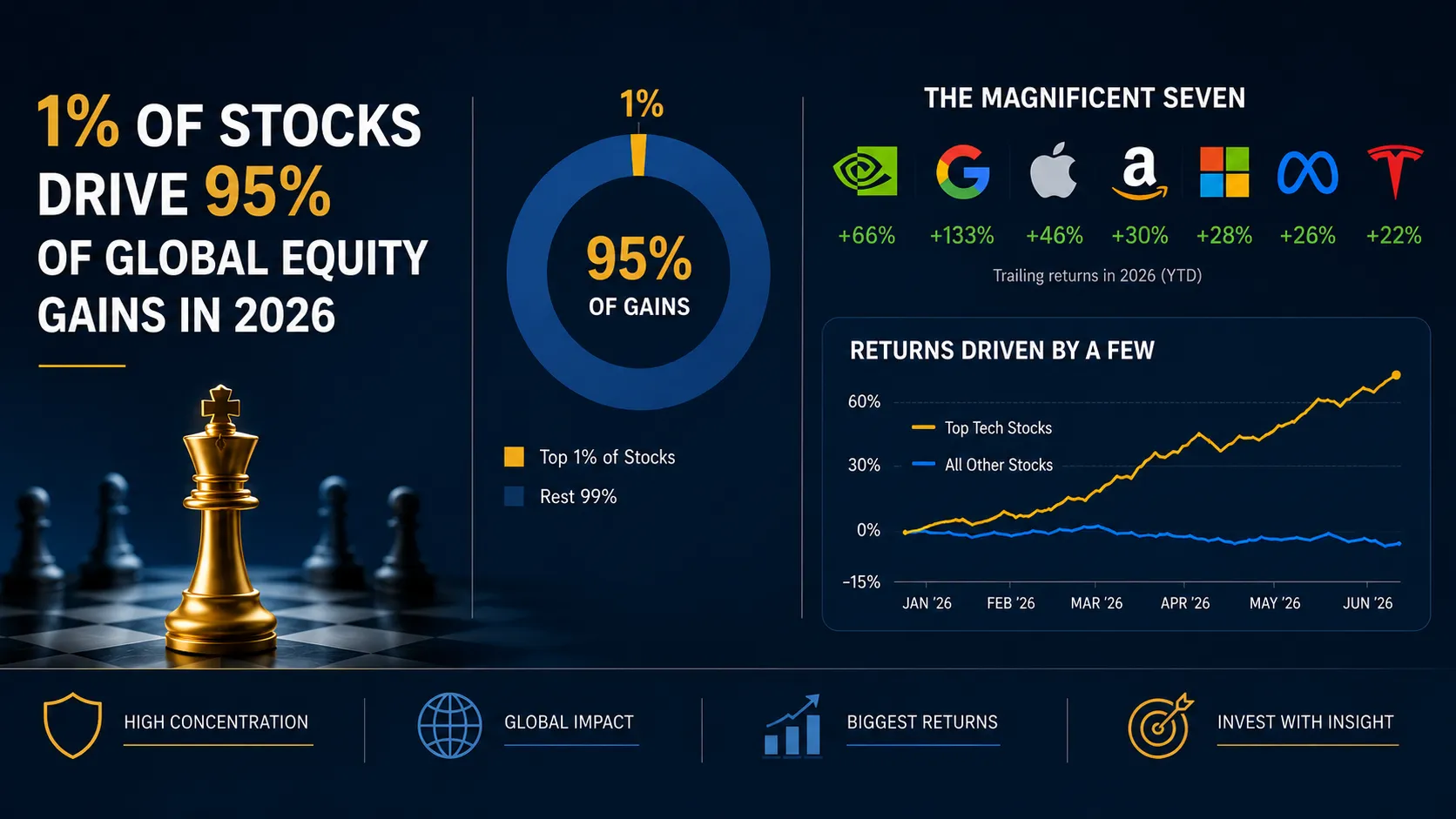
Just 1% of Stocks Account for 95% of Global Equity Gains in 2026
Global stock markets are reaching new highs, but beneath the headline returns lies a striking reality: just 1% of listed companies are responsible for nearly 95% of equity wealth creation in 2026. As mega-cap technology firms dominate global indices, investors face growing concentration risk hidden behind the illusion of diversification.
MAY 29, 2026
India’s Gold Story Is Changing: Why Investors and Jewellery Brands Are Betting on a New Consumer Shift
India’s gold market is undergoing a quiet transformation as rising prices and changing preferences reshape jewellery buying, investment behavior and consumer identity.
MAY 26, 2026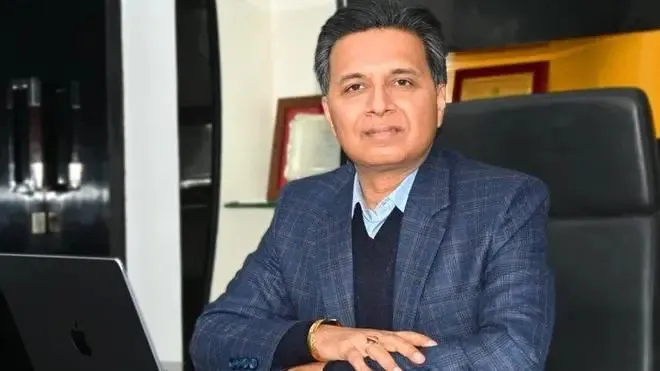
Six Years, Seventy-Two Chargesheets, One Arrest: Inside The Mahadev App Case's Dramatic New Turn
What investigators once filed away as a routine betting scandal is now being described as an unlicensed financial system — an exchange, a clearing house, and a merchant bank hidden inside betting...
JUL 25, 2026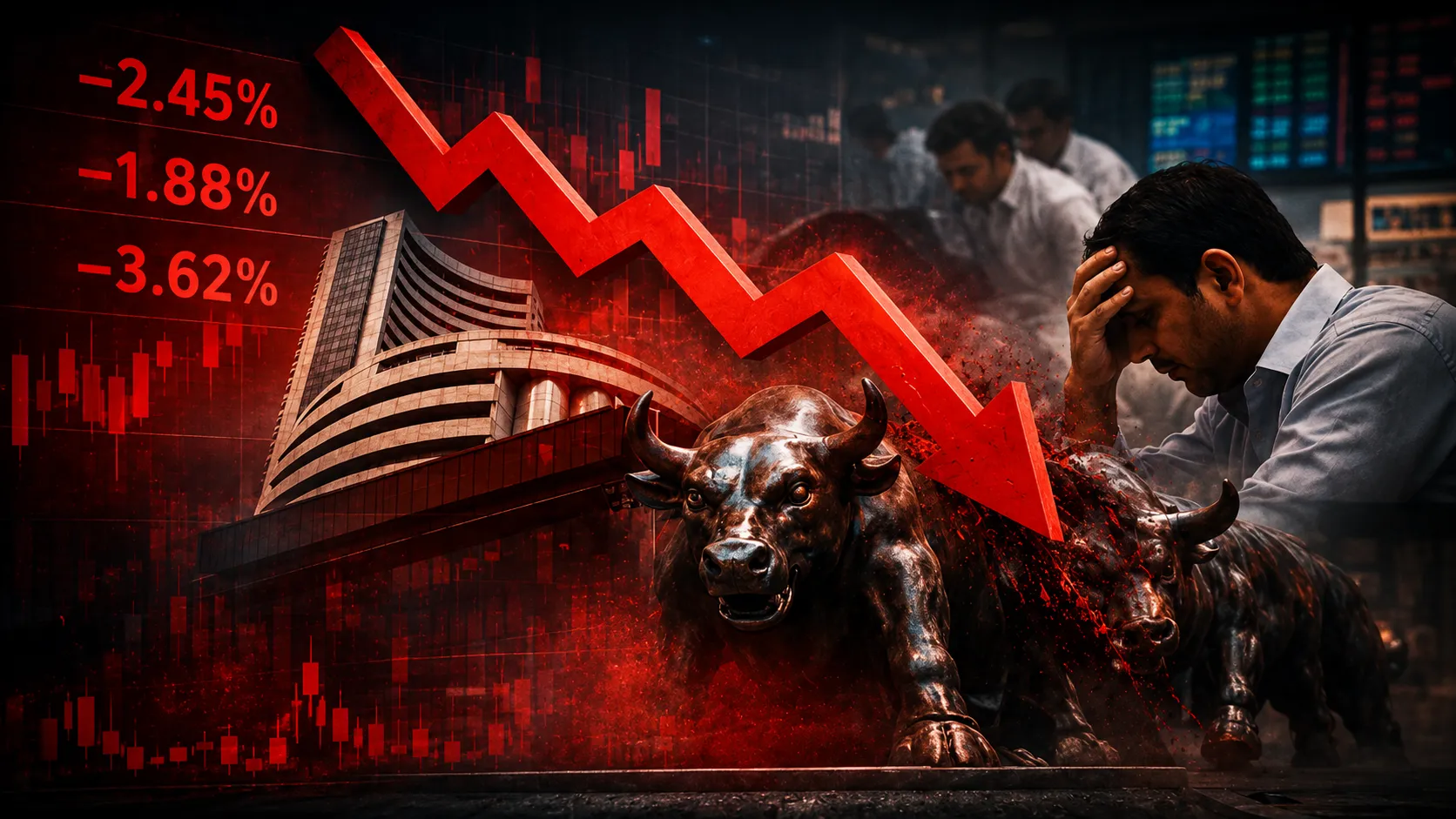
Bandhan Bank Stock Bloodbath: Shares Crash 19% Despite Healthy Q1 Profit — What Spooked Dalal Street
Bandhan Bank shares crashed nearly 19% on July 22, 2026 after a conservative FY27 guidance cut overshadowed otherwise healthy Q1 loan growth, wiping out thousands of crores in market value in a single session.
JUL 23, 2026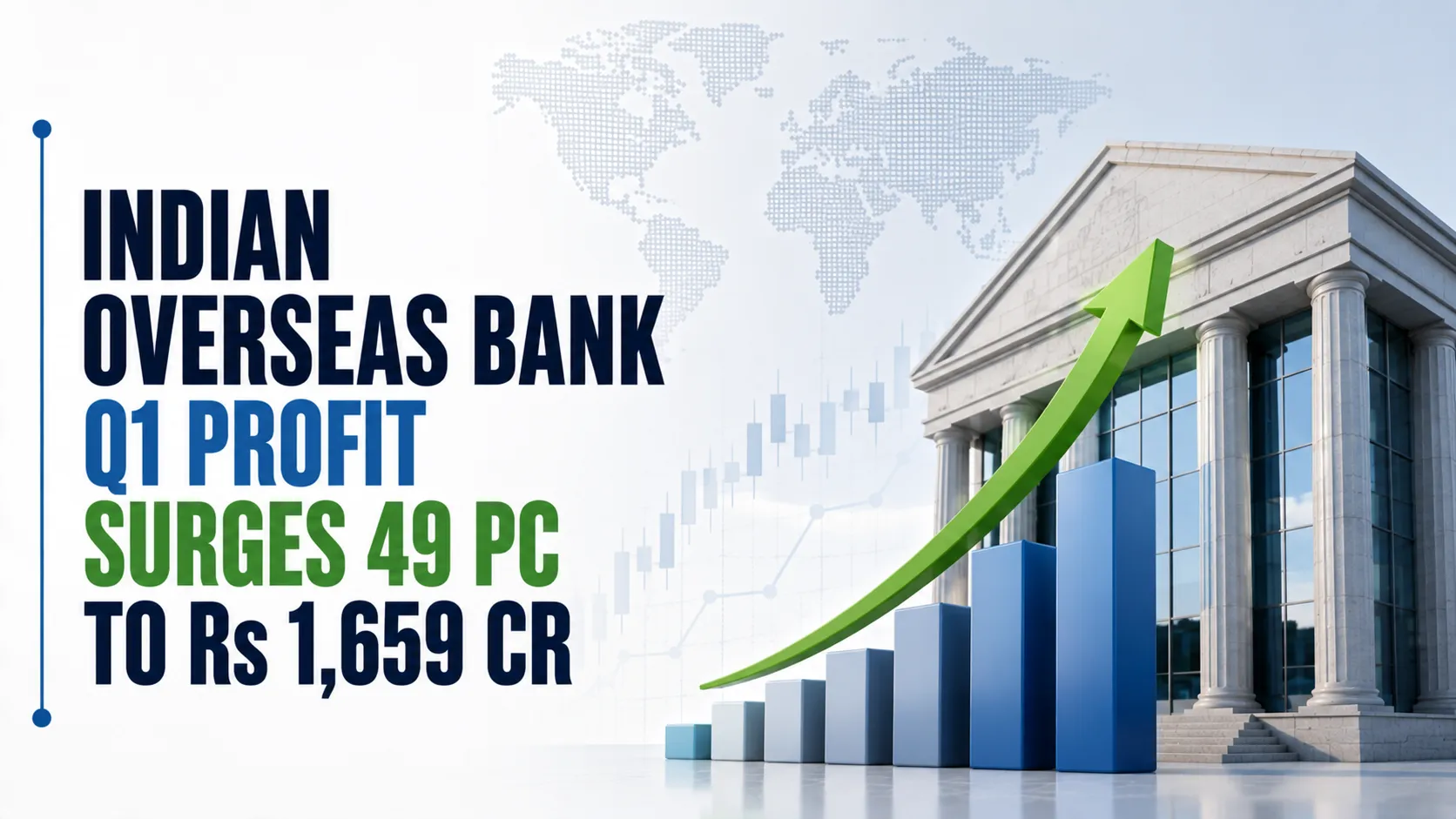
Indian Overseas Bank Q1 Net Profit Soars 49 Percent As Bad Loans Continue To Shrink
A sharp decline in both gross and net non-performing assets underscores the state-run lender's sustained asset quality turnaround, offering a bright spot among public sector banks reporting June quarter results
JUL 21, 2026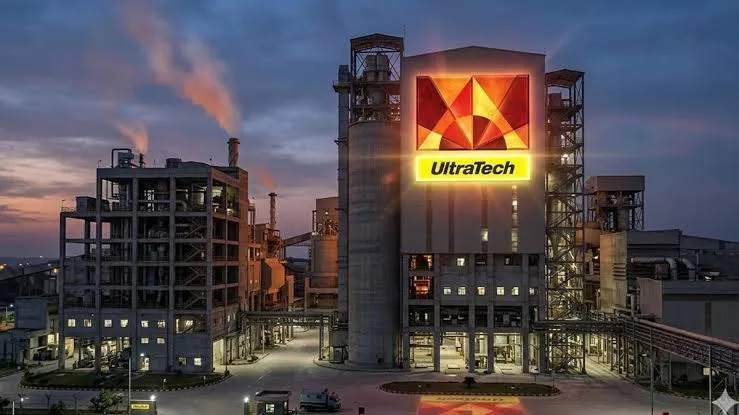
UltraTech Cement Posts 17 Percent Jump In Q1 Profit As Volume Growth And India Cements Turnaround Power Results
The Aditya Birla Group cement major's June quarter numbers offer a rare bright spot for India's infrastructure-linked sectors even as broader markets grapple with geopolitical volatility and elevated input costs
JUL 21, 2026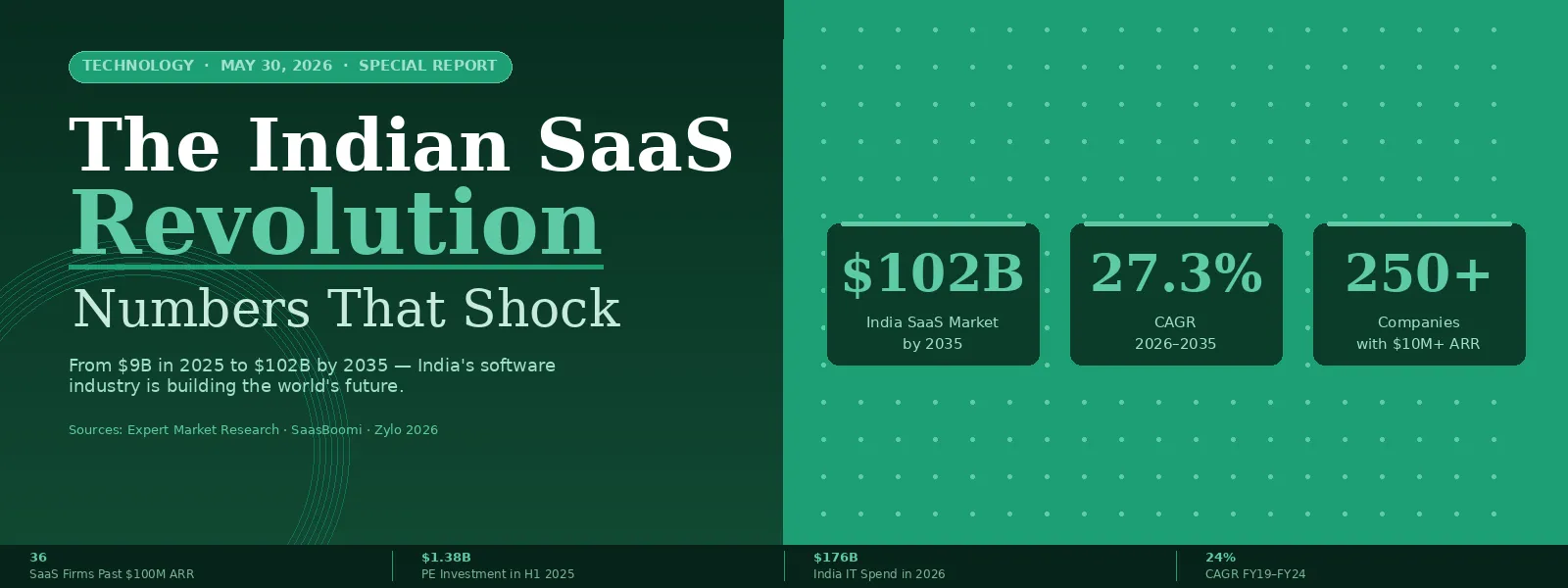
The Indian SaaS Revolution: Numbers That Shock
From a $9 billion market in 2025 to a projected $102 billion by 2035, India's software industry is no longer just the world's back office — it's building the world's software.
MAY 30, 2026
New US Tariffs Loom Over Indian Exporters: Washington Weighs 10-12.5% Duty to Replace Expiring Global Levy
Washington is reportedly weighing a 10-12.5% tariff on Indian goods to replace an expiring temporary levy, extending months of trade uncertainty for India's exporters.
JUL 23, 2026
The Last One Per Cent: Inside The India-US Trade Deal That Refuses To Close
As a temporary tariff window lapses on July 24, negotiators in New Delhi and Washington remain locked over the final, stubborn details of a Bilateral Trade Agreement that could reshape half a...
JUL 25, 2026
The 18 Per Cent Floor: What America's Reduced Tariff On Indian Goods Actually Means
Washington's reciprocal tariff on Indian exports has already been cut from 25 per cent to 18 per cent under an interim arrangement — a rate that now serves as the baseline both sides are...
JUL 25, 2026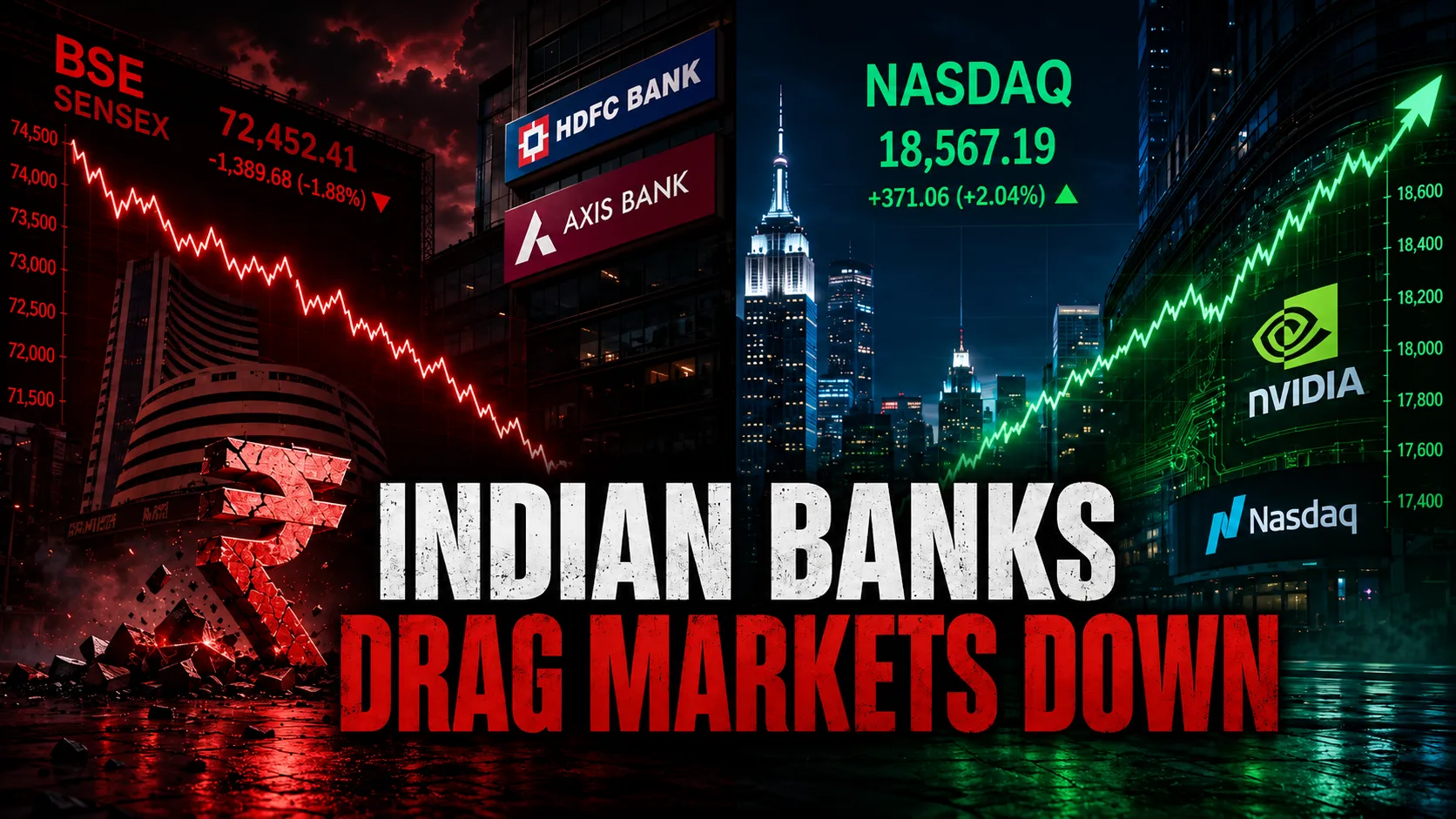
HDFC Bank and Axis Bank Just Had Their Worst Week in Ages — Here's What Actually Spooked Investors
India's two banking bellwethers shed 9.4% and 7.6% over the week following their June-quarter results, dragging benchmark indices down with them
JUL 27, 2026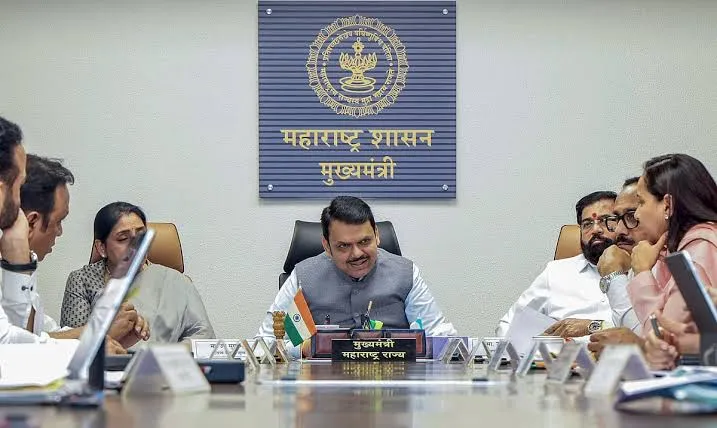
A ₹5,680 Crore Bill Six Years in the Making: Inside Bank of Maharashtra's NMC Health Reckoning
The state-owned lender has absorbed a massive one-time charge tied to the collapse of UAE hospital group NMC Health — even as its core lending business keeps posting resilient growth
JUL 27, 2026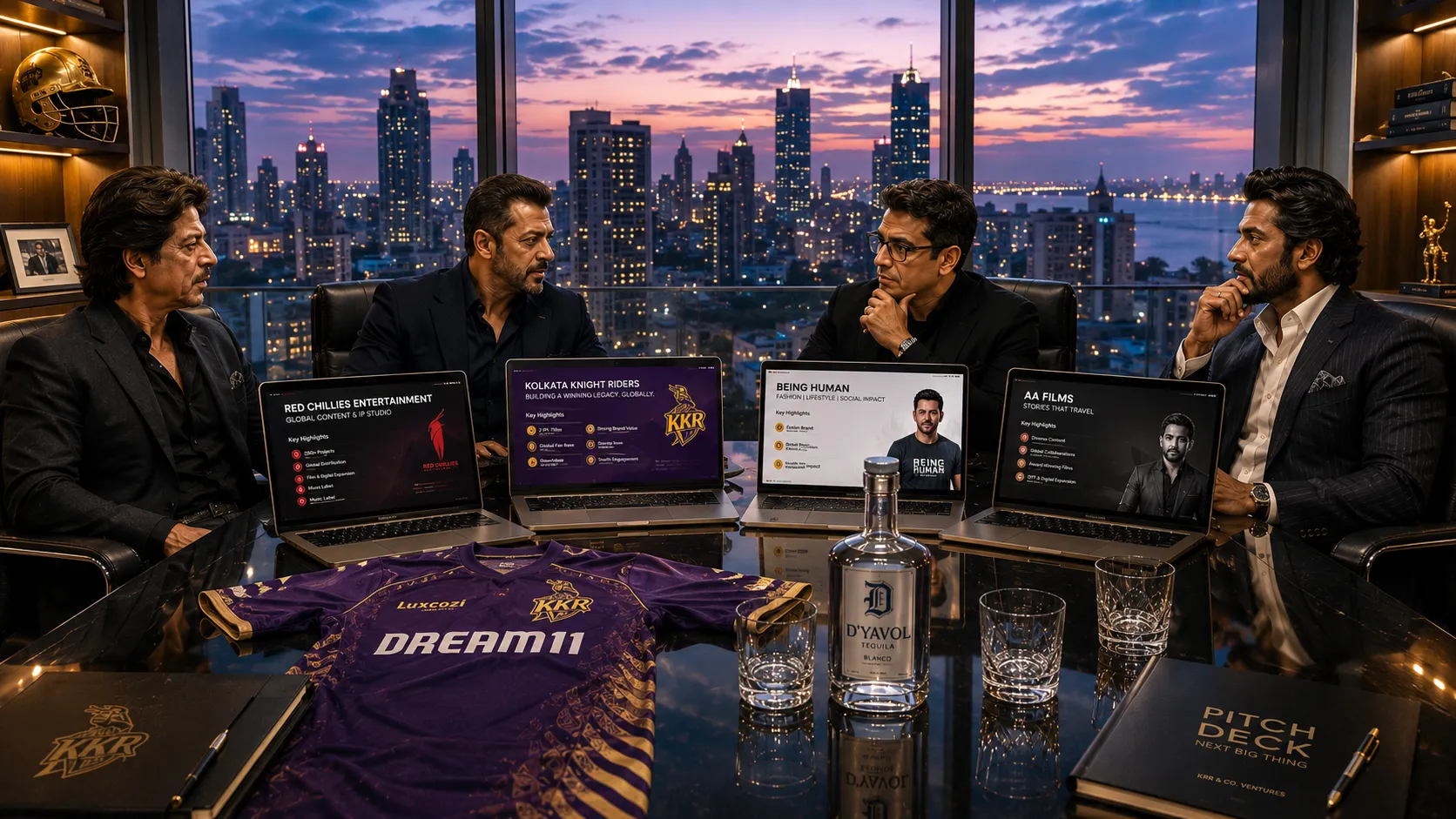
Beyond the Screen — How Indian Stars Are Quietly Building Billion‑Dollar Investment Portfolios
Almost every Indian believes Bollywood stars make a run for the bank only from their movies. But today, these celebrities are savvy investors, diversifying their wealth into startups, companies, stock markets, and venture capital opportunities. From Shah Rukh Khan’s family office co‑investing ₹100 crore with Ashika Group to Juhi Chawla’s net worth of ₹7,790 crore from cricket and real estate, Bollywood has transformed into a serious wealth engine. This article decodes the "secret portfolios" of SRK, Salman Khan, Aamir Khan, and others, revealing how they earn more from business than from box office collections.
JUN 9, 2026
Tata Group Eyes ₹10,000 Crore Kerala Shipbuilding Bet In Landmark Entry Into Commercial Shipbuilding
Tata Group is seeking approval to invest ₹10,000 crore in a Kerala shipbuilding project — a potential first entry into commercial shipbuilding for the conglomerate.
JUL 20, 2026
India Inc Faces A Capital Allocation Crossroads As Muted FY26 Sets Up A Potential FY27 Earnings Rebound
Brokerages including Nuvama, CLSA and Motilal Oswal are debating whether corporate India's slowing demand cycle and elevated valuations are a warning sign or the calm before a stronger rebound
JUL 22, 2026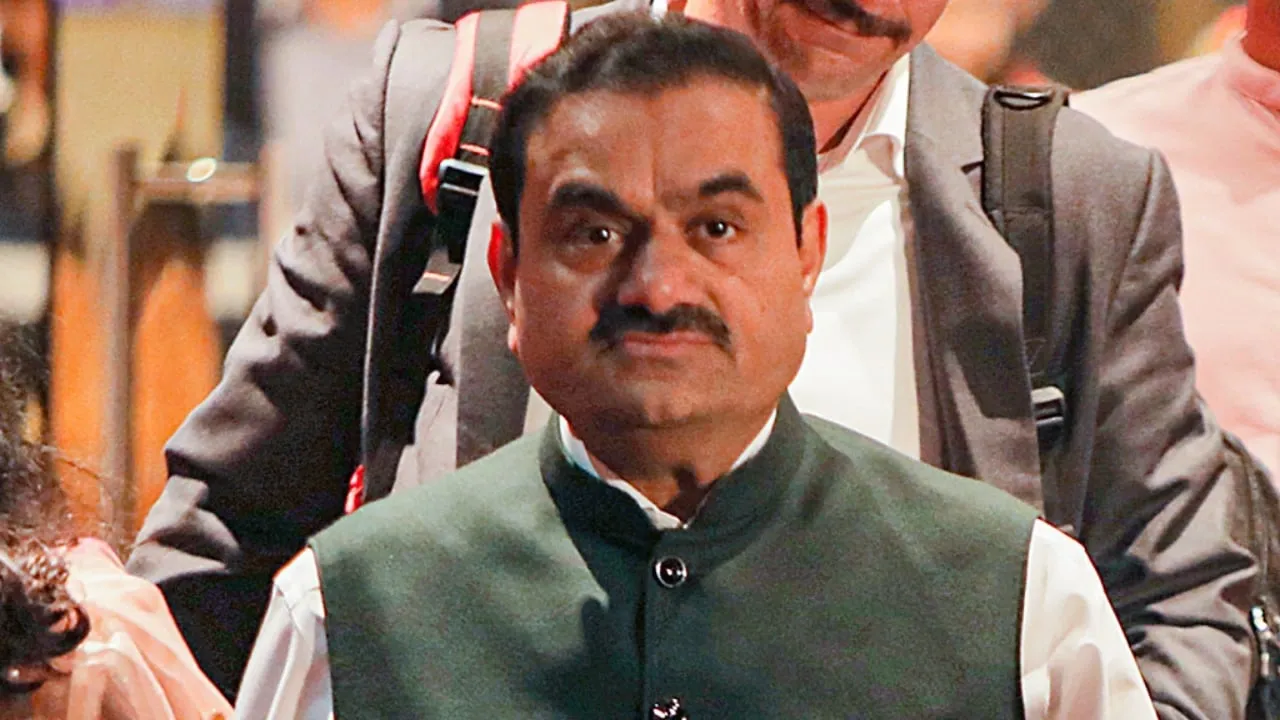
Gautam Adani Files Sworn US Court Affidavit Denying Any Quid Pro Quo Behind DOJ's Dismissal Of Charges
Gautam Adani files a sworn US court affidavit denying any quid pro quo behind the DOJ's dismissal of criminal charges against him.
JUL 20, 2026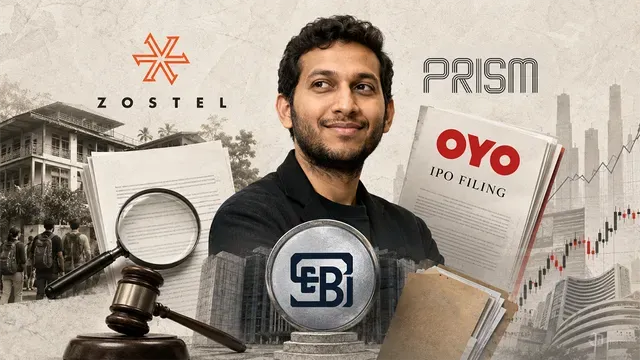
Zostel Asks SEBI To Scrutinise OYO's IPO Disclosures As A Decade-Long Legal Battle Refuses To Fade
Zostel has urged SEBI to scrutinise OYO parent Oravel Stays' IPO disclosures over their long-running legal dispute, adding fresh uncertainty to OYO's public listing.
JUL 20, 2026
EPFO Launches 'VISHWAS 2026' One-Time Settlement Window For Employer Compliance Disputes
EPFO has launched VISHWAS 2026, a one-time settlement window for employer compliance disputes, aiming to clear years of pending penalty and damage litigation.
JUL 20, 2026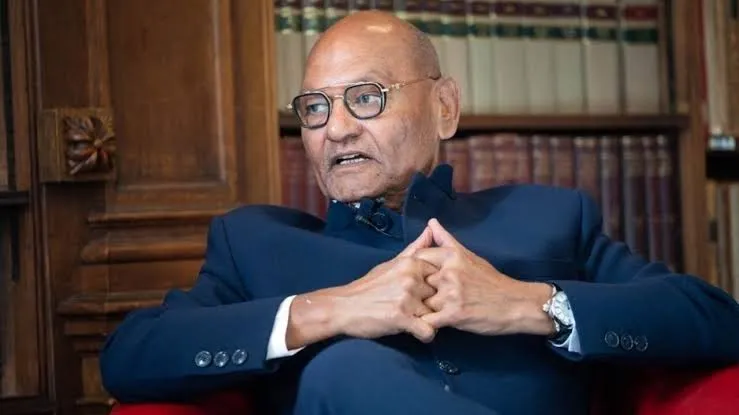
Anil Agarwal's $20 Billion Gambit: Inside Vedanta's Boldest India Bet Since Its Historic Demerger
Anil Agarwal is preparing to invest $20 billion in India over 3-5 years following Vedanta's landmark five-way demerger — his boldest India bet yet.
JUL 20, 2026
Inspira Global Completes ₹2,235 Crore Takeover Of Burger King India Operator In Landmark QSR Deal
Inspira Global has completed its ₹2,235 crore acquisition of Restaurant Brands Asia, the operator of Burger King in India. Here's the full deal breakdown.
JUL 20, 2026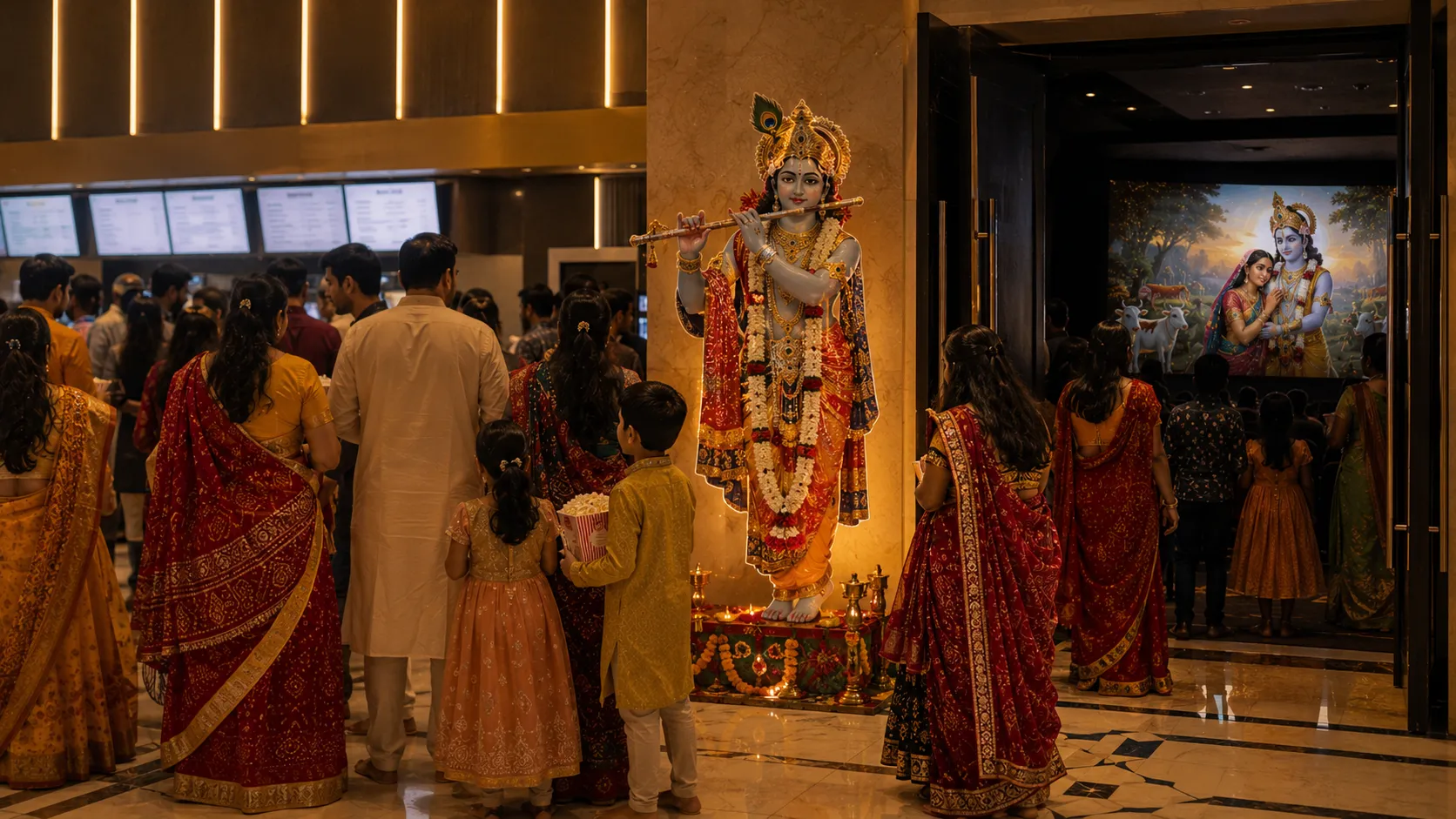
The ₹5 Crore Miracle: How a Gujarati Film Just Crossed ₹100 Crore—And What It Reveals About India's Most Overlooked Film Industry
For most of Indian cinema's history, the Gujarati film industry has been an afterthought. It produced films for a regional audience that was assumed to be small, price‑sensitive, and culturally conservative—an audience that would watch a Gujarati film if it was convenient, but that would not seek one out. The industry's output was modest: a few dozen films a year, produced on shoestring budgets, screened in a handful of theatres, and forgotten within weeks of their release. The last time a Gujarati film had earned ₹100 crore at the box office was never—because no Gujarati film had ever done so. The industry was not in decline. It was in a state of permanent, unremarkable stasis.
MAY 30, 2026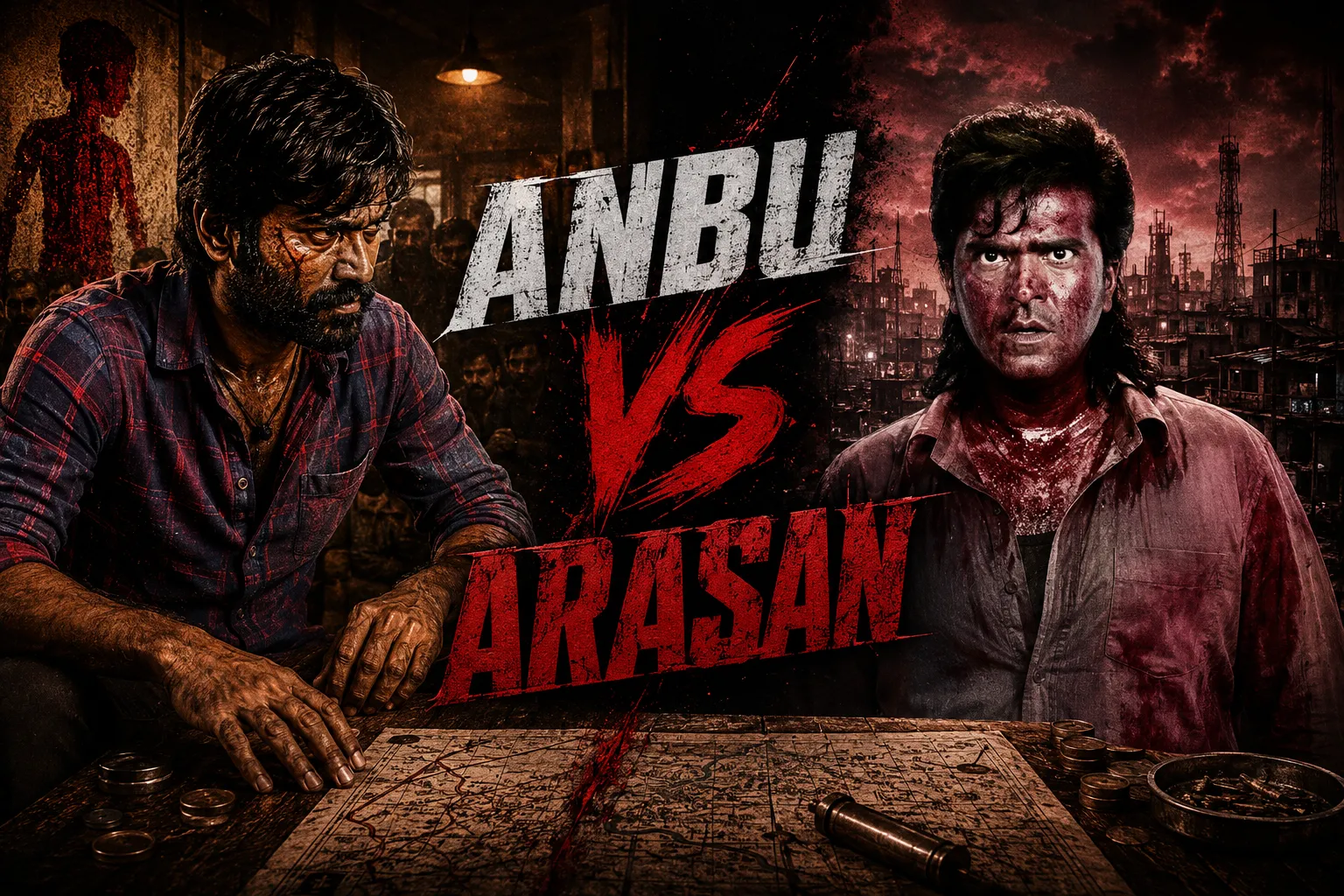
The Star Wars of North Madras
Sometime in the spring of 2025, a conversation took place in a production office on the outskirts of Chennai that, in retrospect, will be remembered as the moment the Tamil film industry’s most ambitious intellectual‑property project pivoted from a trilogy into a cinematic universe. The conversation was between Vetrimaaran, the director who had been developing the Vada Chennai saga for more than a decade, and the leadership of DhanuProductions, the studio that owned the franchise. The subject was the casting of a single role—the antagonist who would drive the second and third instalments of the trilogy, the rival gang leader whose decades‑long conflict with Dhanush’s Anbu would be the engine of the franchise’s narrative arc. The name they discussed, according to two people familiar with the meeting, was Silambarasan T. R.—Simbu, the actor whose career had been transformed by the success of Maanaadu (2021) and Vendhu Thanindhathu Kaadu (2022), and whose star power, combined with Dhanush’s, would create a two‑hero dynamic that the Tamil film industry had not seen since the era of Rajinikanth and Kamal Haasan.
MAY 29, 2026
The ₹500 Crore Wedding: How Bollywood's Marriage Industrial Complex Became India's Most Lucrative Unregulated Economy
On a December evening in 2025, a Bollywood actor who had appeared in two moderately successful films that year married his longtime partner at a heritage palace in Rajasthan. The wedding was attended by approximately 400 guests, lasted three days, and featured performances by two of the most famous playback singers in the country. The bride's lehenga, designed by a leading couturier, cost approximately ₹75 lakh. The groom's sherwani, by a different designer, cost ₹35 lakh. The floral arrangements, imported from the Netherlands and Thailand, cost ₹2 crore. The catering, by a celebrity chef, cost ₹3 crore.
MAY 29, 2026
The 60‑Second Empire: How India's Microdrama Gold Rush Is Creating a New Generation of Celebrity Entrepreneurs—And Reshaping the Economics of Entertainment Itself
Sometime in the spring of 2025, a 23‑year‑old from Indore with no film training, no industry connections, and no budget beyond a smartphone and a ring light uploaded a 90‑second video to a platform called Jio Tadka. The video—a melodramatic confrontation between a young woman and her mother‑in‑law, performed in Hindi with a plot twist that would make a television writer blush—was watched 4.7 million times in its first 48 hours. The platform paid her ₹18,000 for the performance, a fraction of what a single day's shooting on a television serial would earn. She uploaded another video the following day. And the day after that. Within six months, she was earning ₹3 lakh a month, supporting her entire family, and fielding calls from talent agencies that had once ignored her existence.
MAY 29, 2026
The Sneaker War: How Hrithik Roshan, Tiger Shroff, and Virat Kohli Turned Indian Athleisure Into a ₹500 Crore Battleground—And Why the Real Winner Isn't a Bollywood Star
In 2013, a Bollywood star launched an athleisure brand with a simple proposition: Indian men who went to the gym deserved clothes that looked as good as they felt. The star was Hrithik Roshan. The brand was HRX. And the launch, which consisted of a modest collection of T‑shirts, track pants, and training shoes sold through a single e‑commerce partnership, was so low‑key that most of the fashion industry barely noticed it. Thirteen years later, HRX is a ₹300 crore brand sold through more than 200 exclusive outlets and every major e‑commerce platform in the country. It has expanded into footwear, accessories, and a growing range of fitness equipment. It has spawned a half‑dozen competitors, each launched by a celebrity who saw what Hrithik had built and decided they wanted a piece of it. And it has become the anchor of a celebrity‑athleisure market that is now conservatively estimated at over ₹500 crore—a market that barely existed a decade ago, and that is now one of the most competitive segments in the Indian consumer economy.
MAY 29, 2026
The Bottle That Broke Bollywood: How One Star's Year-Long Quest to Launch a Tequila Brand Exposed Every Structural Barrier Keeping Indian Celebrities Out of the $55 Billion Liquor Market
On a Thursday morning in January 2026, a Bollywood actor whose last three films had together grossed over ₹1,200 crore sat across a table from the managing director of one of India's largest spirits companies and made his pitch. He wanted to launch a tequila brand. Not an endorsement deal. A brand. His own capital. His own name on the label. His own equity in the company. He had been studying the Casamigos playbook for months—George Clooney, Rande Gerber, Mike Meldman, the four‑year build, the billion‑dollar exit—and he believed he could replicate it in India. The spirits executive listened politely, nodded at the appropriate moments, and then asked three questions that the actor had not anticipated.
MAY 29, 2026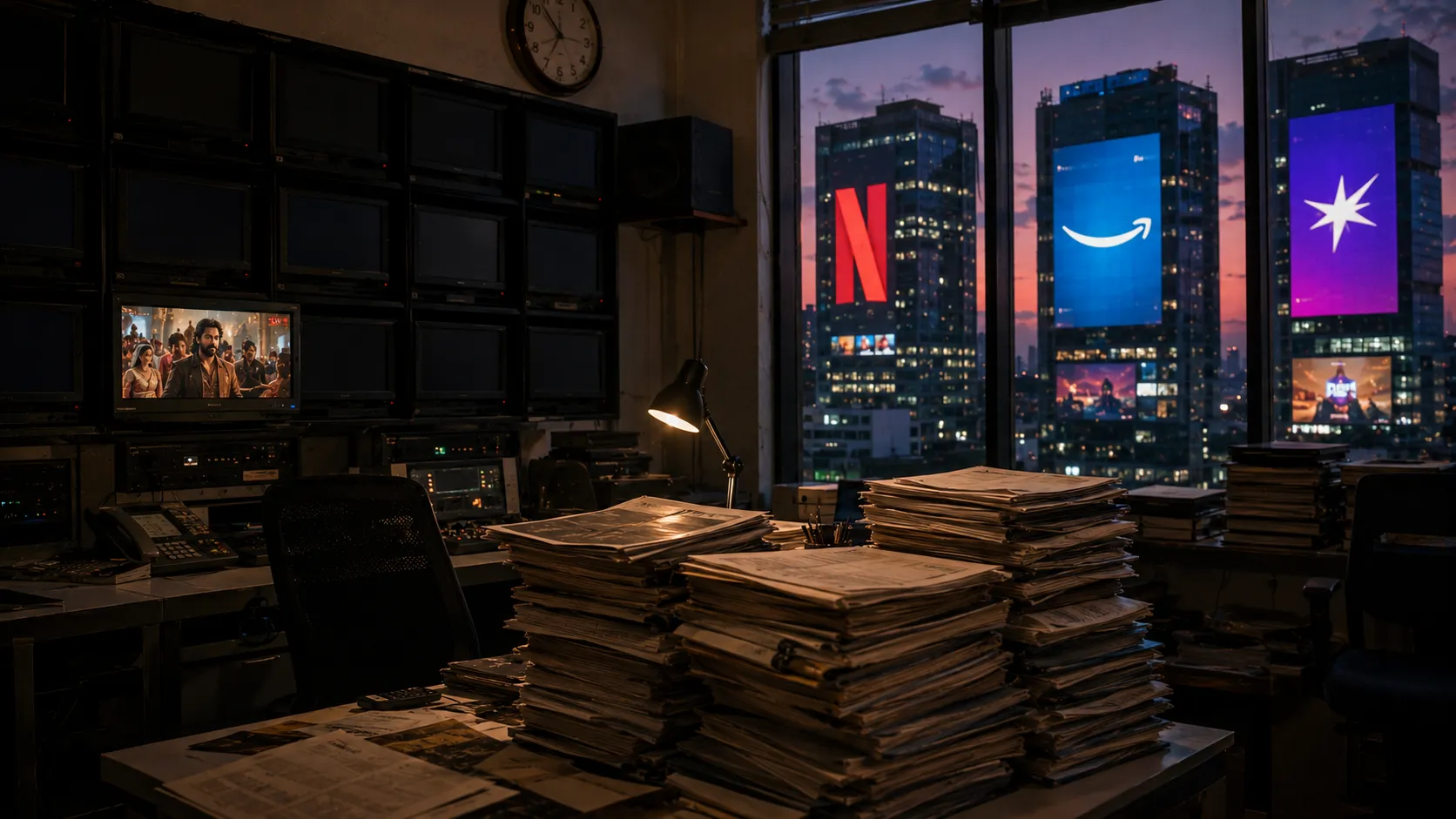
The Satellite Sunset: How the Quiet Collapse of TV Rights Revenue Is Rewriting the Economics of Indian Cinema—And Nobody Is Talking About It
Sometime in 2018, a major Bollywood studio sold the satellite rights to a moderately successful star vehicle for approximately ₹55 crore. The film had performed respectably at the box office—not a blockbuster, but profitable—and the satellite deal, which granted a national television network the exclusive right to broadcast the film for ten years, was the largest single revenue line item in the film's post‑theatrical lifecycle. The studio booked the revenue, the network scheduled the premiere, and the model—theatrical first, satellite second, digital third—continued to function as it had functioned for a generation.
MAY 29, 2026
The Streaming Checkbook: How Netflix, Amazon, and JioHotstar's Billion‑Dollar Bidding War for Post‑Theatrical Rights Is Quietly Reshaping the Risk Calculus of Every Film You Watch
Sometime in the spring of 2025, a negotiation took place in a Bandra‑Kurla Complex boardroom that, in retrospect, will be remembered as the moment the Indian film industry's financial centre of gravity permanently migrated from the box office to the streaming platform. The producers of Dhurandhar 2 were selling the post‑theatrical digital rights to their film—the right to stream it, exclusively, after its theatrical run ended. Three bidders were at the table: Netflix, Amazon Prime Video, and JioHotstar. The opening bid was ₹180 crore. The final price, after a week of escalating offers, exceeded ₹350 crore—a figure that, by itself, would have made the film profitable before a single ticket was sold.
MAY 29, 2026
The Pixel War: How Shah Rukh Khan and Ranbir Kapoor Are Building Competing VFX Empires—And Why the Future of Indian Cinema Will Be Rendered, Not Filmed
Sometime in the summer of 2025, two conversations took place in two different corners of the Indian film industry, neither of which was reported in the press, and both of which, in retrospect, will be understood as the opening moves in a battle that will define the visual language of Indian cinema for a generation. In the first conversation, Shah Rukh Khan met with the leadership team of Red Chillies VFX, the visual‑effects division of his production company, and approved a ₹300 crore expansion plan that would more than double the studio's capacity—adding new motion‑capture stages, expanding its team of artists, and investing in the proprietary rendering technology that had already made Red Chillies one of the most respected VFX houses in Asia. In the second conversation, Ranbir Kapoor met with the leadership of DNEG India, the Indian arm of the London‑headquartered visual‑effects giant that has won seven Academy Awards for its work on films like Dune, Tenet, and Blade Runner 2049. Ranbir, who had quietly acquired a substantial stake in DNEG India over the preceding two years, approved a plan to position the studio as the primary VFX partner for Ramayana, the ₹4,000 crore epic in which he also stars as Lord Ram, and to compete directly with Red Chillies for the most technically demanding projects in the Indian pipeline.
MAY 29, 2026
How Shah Rukh Khan, Salman Khan, and Bollywood's Quietest Tycoons Built Property Empires That Out‑Earn Their Film Careers
Sometime in 2019, a company called Aryan Realty—registered in Mumbai, directors drawn from a famous family, its name a tribute to a star's eldest son—quietly purchased a 99‑year lease on a plot of land in Dubai's exclusive Palm Jumeirah district. The transaction was not announced to the press. There was no filmi launch event, no celebrity photo‑op, no red‑carpet spectacle. It was a property deal, conducted with the same discretion that the world's wealthiest families have always brought to their most significant investments. The company paid approximately ₹120 crore for the land. It is now developing a luxury residential tower on the site, with units expected to sell for between ₹15 crore and ₹60 crore each. When completed, the project's total sale value will comfortably exceed ₹500 crore—a return that is larger than the global box‑office gross of most Bollywood blockbusters.
MAY 29, 2026
The Reel Estate: How Shah Rukh Khan, Salman Khan, and Bollywood's Quietest Tycoons Built Property Empires That Out‑Earn Their Film Careers
Sometime in 2019, a company called Aryan Realty—registered in Mumbai, directors drawn from a famous family, its name a tribute to a star's eldest son—quietly purchased a 99‑year lease on a plot of land in Dubai's exclusive Palm Jumeirah district. The transaction was not announced to the press. There was no filmi launch event, no celebrity photo‑op, no red‑carpet spectacle. It was a property deal, conducted with the same discretion that the world's wealthiest families have always brought to their most significant investments. The company paid approximately ₹120 crore for the land. It is now developing a luxury residential tower on the site, with units expected to sell for between ₹15 crore and ₹60 crore each. When completed, the project's total sale value will comfortably exceed ₹500 crore—a return that is larger than the global box‑office gross of most Bollywood blockbusters.
MAY 29, 2026
The ₹1,700 Crore Blueprint: How the Dhurandhar Duology Became Bollywood's Most Profitable Franchise—and What It Reveals About the Science of Sequel Economics
In the winter of 2025, a spy thriller starring an actor whose commercial appeal was still being debated by the trade released to an opening weekend that exceeded every pre‑release projection. By the time it finished its theatrical run, Dhurandhar had grossed approximately ₹878 crore worldwide—the highest‑grossing Hindi film in history at the time of its release. Four months later, its sequel, Dhurandhar 2: The Revenge, opened even larger and ran even longer, crossing ₹1,789 crore globally and establishing the franchise as the most commercially potent intellectual property in the history of Hindi cinema. Together, the two films have grossed over ₹1,700 crore at the global box office, on combined production budgets of approximately ₹550 crore. The return on investment is not merely impressive. It is structural. And the franchise's performance has already begun to reshape how every major Indian studio thinks about sequel economics, star compensation, and the value of intellectual property.
MAY 29, 2026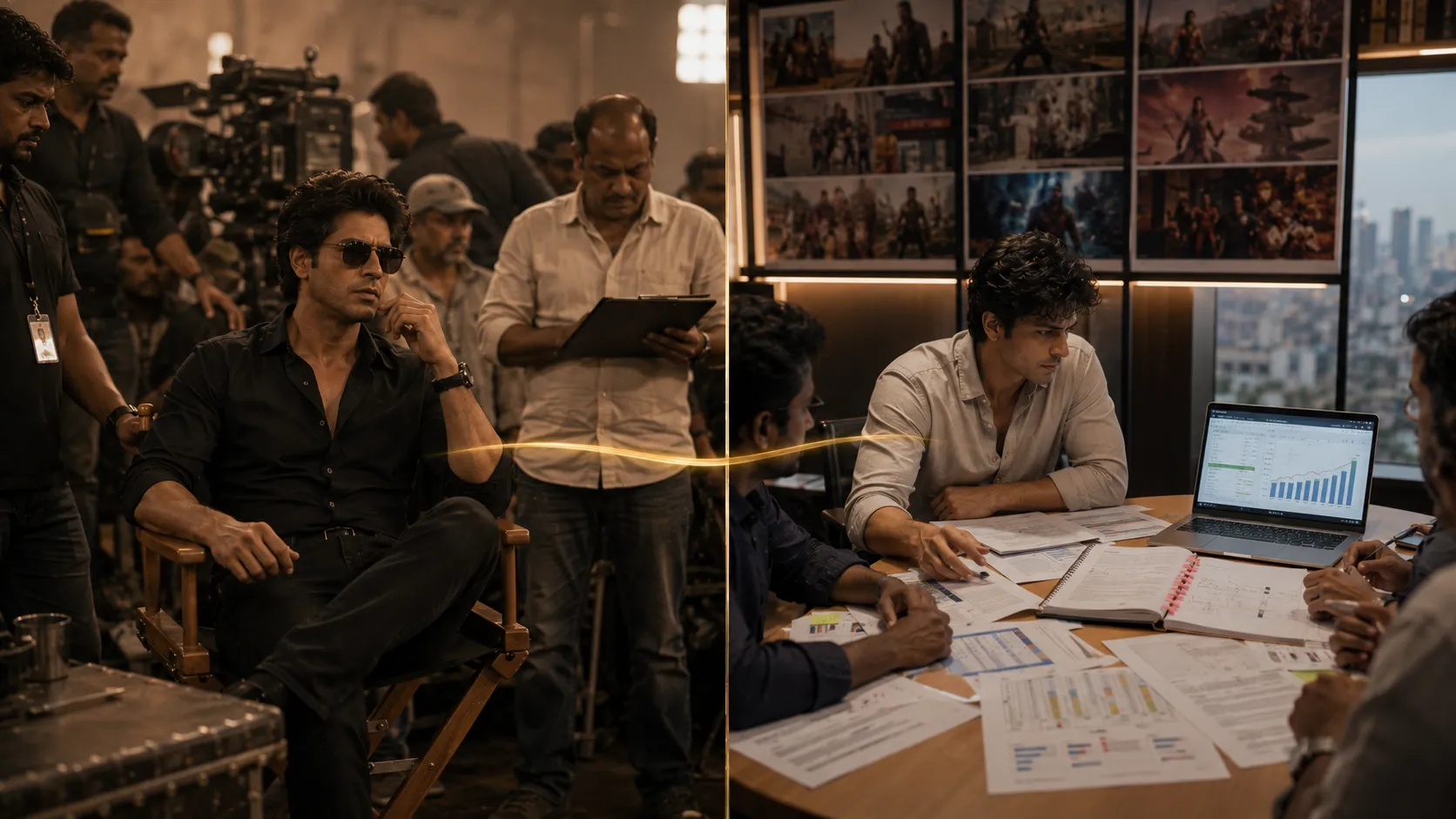
The Star Who Writes the Cheque: How Ranveer Singh, Allu Arjun, and a New Generation of Actor‑Producers Are Rewriting the Risk‑Reward Equation of Indian Cinema
In the winter of 2025, as Dhurandhar completed its record‑breaking rampage through the global box office, Ranveer Singh sat down with his financial team and made a decision that would, in retrospect, mark the moment the Indian film industry's oldest hierarchy was formally inverted. He would no longer be merely the star of his films. He would be their primary financier. His production company, Ma Kasam Films—launched quietly during the pandemic and previously limited to smaller, experimental projects—would now co‑finance every film he starred in, committing tens of crores of his own capital to each production, assuming a share of the risk in exchange for a larger share of the upside. The actor who had spent his career as the highest‑paid employee on every set he worked on was now becoming the employer. The distinction was not merely financial. It was structural. And it represented the culmination of a shift that has been building for years and that is now, unmistakably, reshaping the power dynamics of the Indian film industry.
MAY 29, 2026
The ₹200 Crore Trailer: How Indian Films Started Spending More on Marketing Than on Stars—And Why That Changes Everything
In the spring of 2024, a film released in India that spent approximately ₹80 crore on prints and advertising. The figure was not remarkable—the largest Hindi releases had been crossing the ₹50 crore P&A threshold for years. What was remarkable was the line item that had disappeared from the budget. The film's lead actor, one of the most recognisable faces in the country, had taken no upfront fee. His compensation was structured entirely as a share of the film's profits, and the money that would have been allocated to his salary—approximately ₹60 crore—had been redirected into the marketing campaign instead. The film was Jawan. The actor was Shah Rukh Khan. And the decision to swap star fee for marketing spend was, in retrospect, the moment the Indian film industry's centre of economic gravity shifted from the face on the poster to the machinery that sold it.
MAY 29, 2026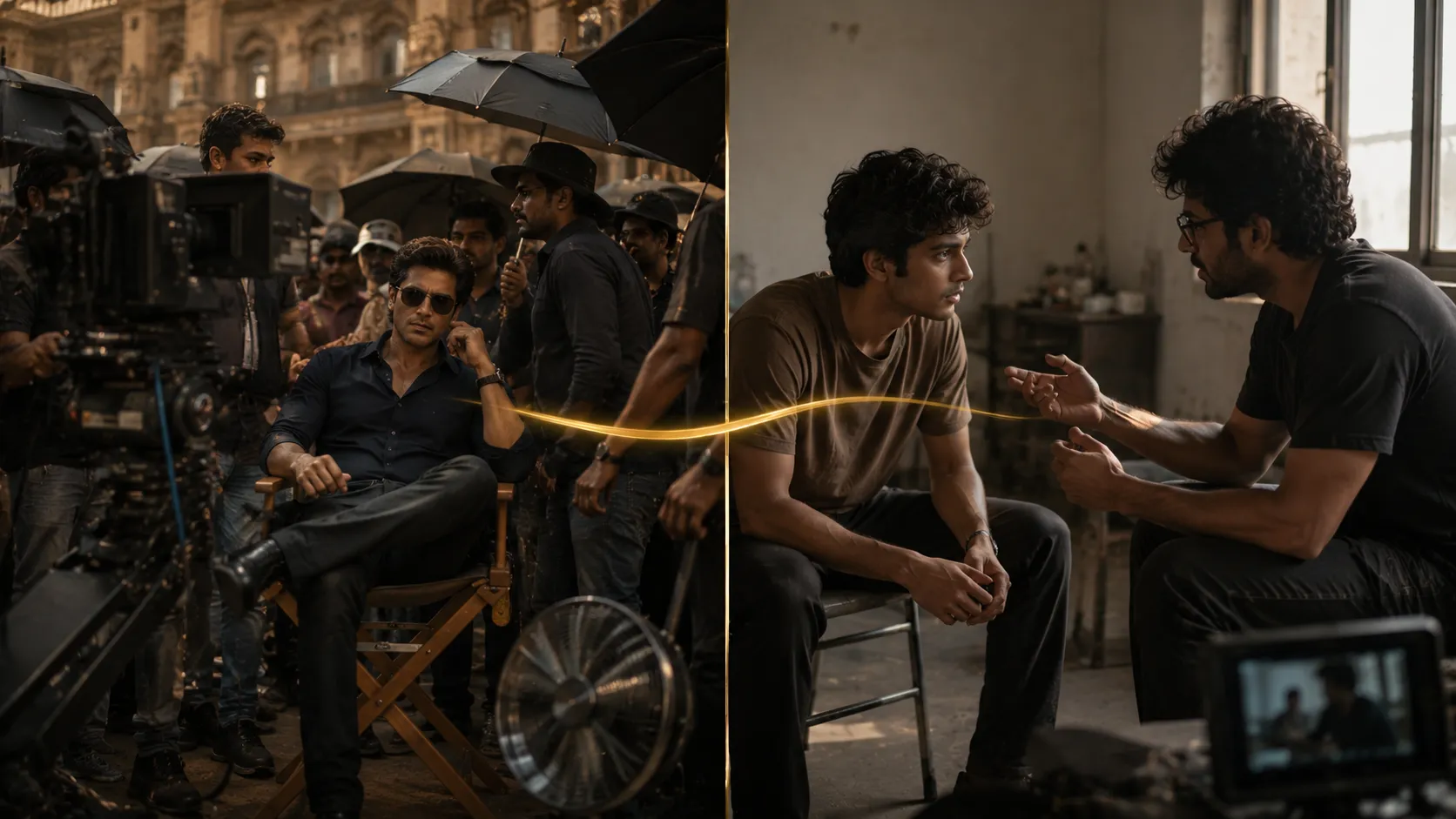
The ₹50 Crore Debut: Why Bollywood Studios Are Betting on Complete Strangers—And What It Reveals About the Death of the Star System
In the summer of 2024, a 21‑year‑old woman with no film lineage, no social‑media following, and no prior acting experience walked into a casting office in Andheri and auditioned for a role that would, within eighteen months, make her one of the most talked‑about faces in the country. The film was Saiyaara, a romantic drama produced by Dharma Productions and directed by a debutant. Its budget was approximately ₹60 crore. Its lead actor, who had appeared in two moderately successful films, was paid ₹3 crore. Its lead actress, the 21‑year‑old who had walked into the casting office, was paid ₹35 lakh. The film grossed nearly ₹500 crore worldwide, and the actress is now negotiating her fourth film, with offers that reportedly exceed ₹8 crore per project. The studio that bet on her—that bet on an unknown face, a modest budget, and a script that had been rejected by three established stars—has earned a return on investment that no star‑driven blockbuster of the same period has matched.
MAY 29, 2026
The Celebrity Wellness Industrial Complex: How Bollywood Stars Built a ₹5,000 Crore Health Empire—And Why Most of It Is Built on Science, Not Just Fame
In 2020, as the pandemic shut down film sets and forced the most famous people in India into the same confinement as everyone else, Akshay Kumar did something that, in retrospect, marked the beginning of a new era in the Indian celebrity economy. He launched a vegan protein brand. Not an endorsement deal. Not a licensing arrangement. A company—co-founded with a sports nutrition expert, backed by his own capital, and built around the same philosophy that had transformed his own body over the previous decade: plant-based, high-protein, no shortcuts.
MAY 29, 2026
The Red Carpet Is Now a Distribution Pipeline: How Indian Indies and Regional Cinema Turned Cannes, Busan, and Sundance Into Their Most Valuable Theatrical Trailer
For most of Indian cinema's history, the international film festival was a gilded door that almost never opened. It was a place where a handful of auteurs—Satyajit Ray, Mrinal Sen, Adoor Gopalakrishnan—were celebrated by critics and ignored by audiences, where the applause of a Cannes audience was considered its own reward, and where the journey from festival premiere to commercial distribution was so rare, and so fraught, that most producers treated it as an impossibility. The festival was an honour. It was not a business.
MAY 29, 2026
The Billion-Dollar Hangover: Why George Clooney and Dwayne Johnson Built ₹10,000 Crore Liquor Empires—And Why No Bollywood Star Has Come Close
In June 2017, George Clooney sold the tequila company he had co-founded four years earlier to the British spirits conglomerate Diageo for $1 billion. The deal—$700 million upfront, another $300 million in earn-outs—was not the largest celebrity exit in history, but it was the most consequential. It demonstrated, to an entire generation of famous people, that a celebrity's name on a bottle could be worth more than their name on a poster. It launched a gold rush that has since produced Dwayne Johnson's Teremana (valued at over $3 billion), Ryan Reynolds' Aviation Gin (sold for $610 million), and a wave of celebrity-backed spirits that has reshaped the global liquor industry. And it raised a question that, nine years later, the Indian film industry has still not answered: if George Clooney can build a billion-dollar tequila brand, why can't Shah Rukh Khan?
MAY 29, 2026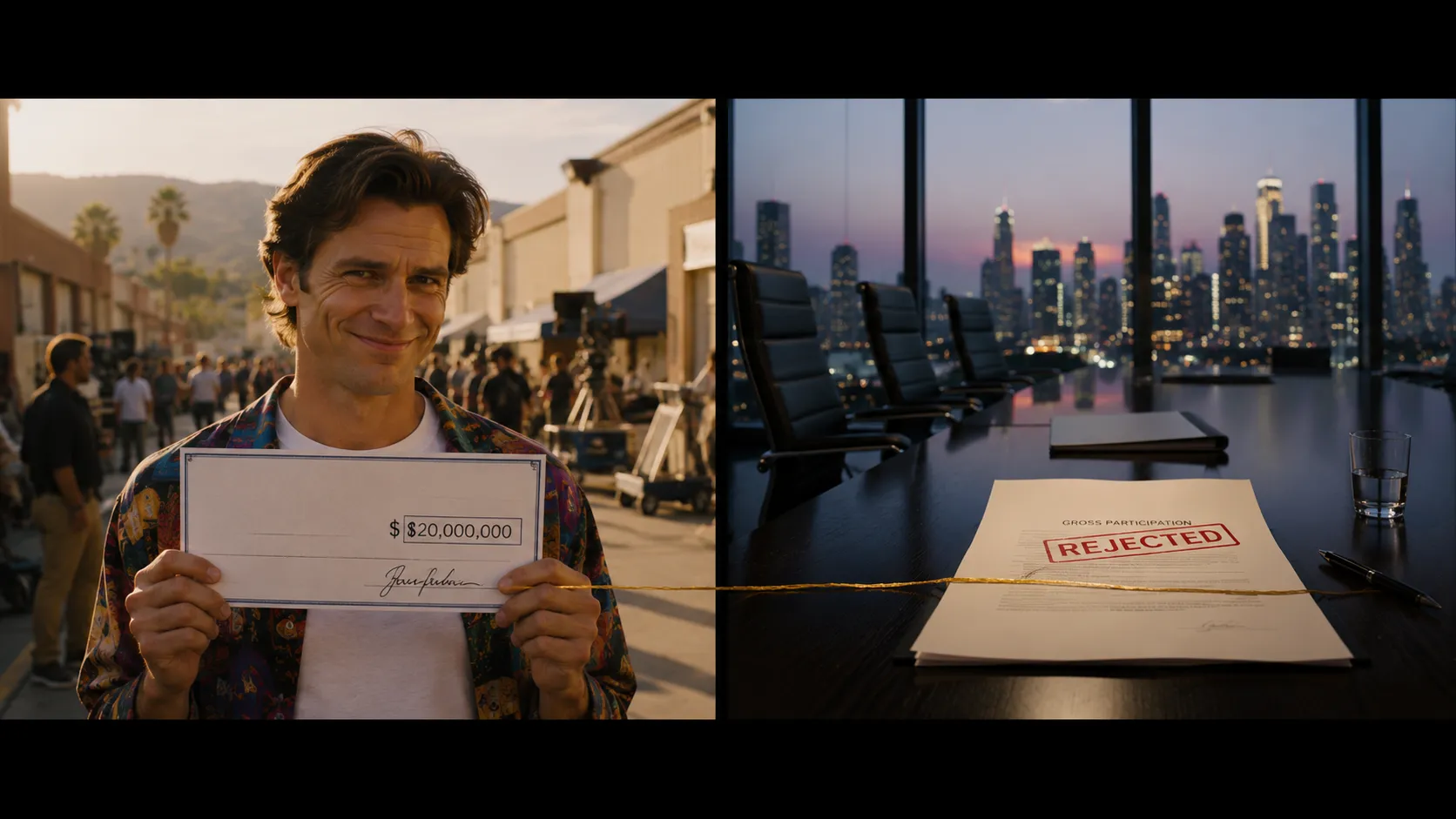
"You Want Ryan Reynolds Money?": The Star vs. Studio War That Will Define Bollywood's Next Decade
Sometime in the spring of 2026, in a conference room at a Bandra‑Kurla Complex high‑rise, a negotiation took place that, in retrospect, will be remembered as the moment the old Bollywood died. The details remain private—the parties involved have signed NDAs that will outlast the film they were discussing—but the broad strokes are known because they have been repeated, with variations, in every studio and talent agency in the city. A star, whose last two films had together grossed over ₹1,700 crore, asked for a back‑end deal. Not a signing fee. Not a profit share disguised as a producer credit on a shell company that existed only on paper. A real, Hollywood‑style, gross‑participation contract: a percentage of the film's revenue, paid from the first rupee, regardless of whether the studio turned a profit.
MAY 29, 2026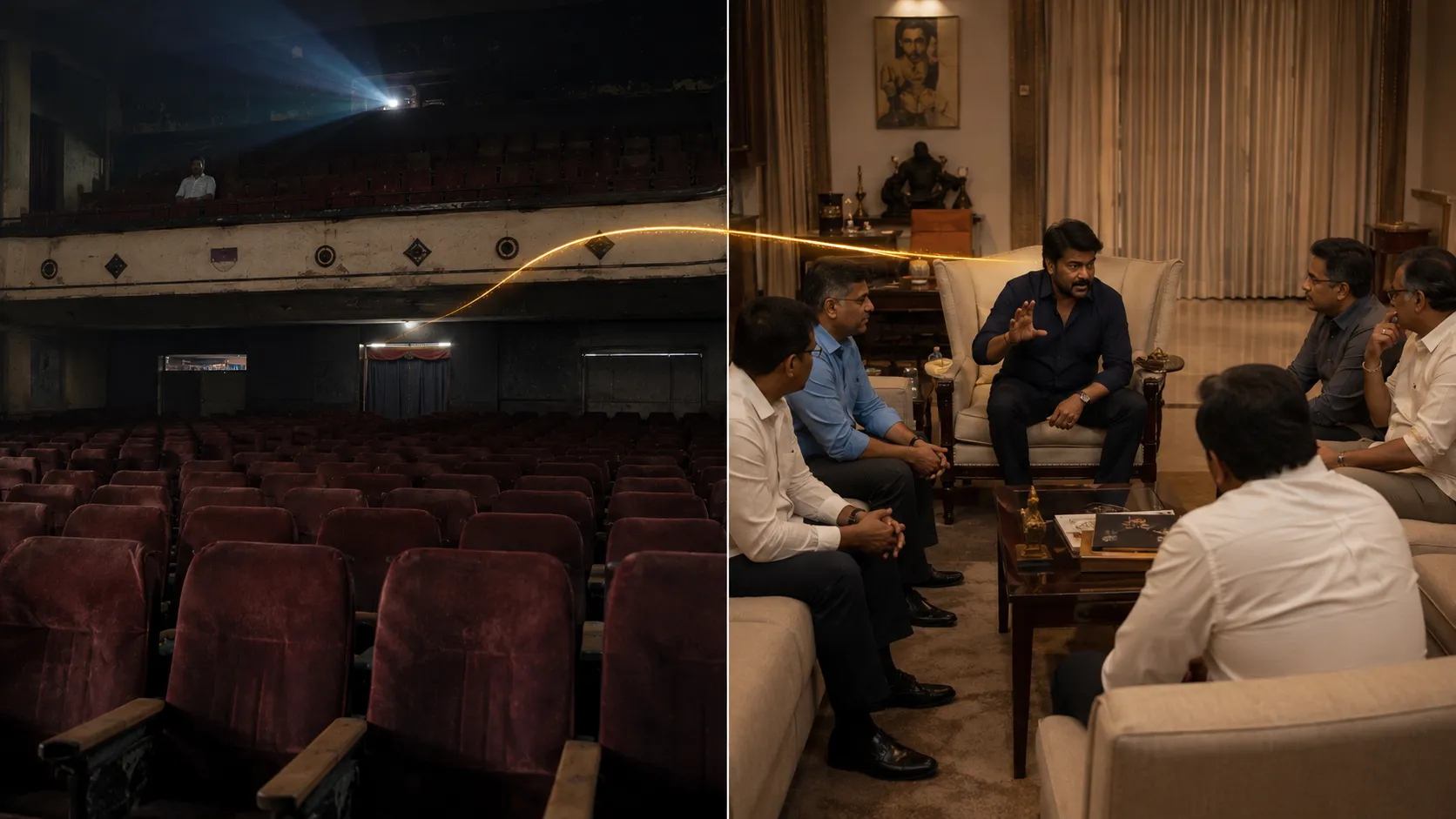
The Rental System Is Dead: How Ram Charan's ₹350 Crore 'Peddi' Became the Battleground for Telangana's Single-Screen Survival—And How Chiranjeevi Stepped In to Save It
For nearly four decades, the single-screen theatres of Telangana have operated on a principle so simple it was never questioned: the exhibitor pays a fixed rent, the producer collects it, and the box office—whether triumphant or tragic—belongs to whoever took the risk. The system was designed for an era when audiences had nowhere else to go, when the only screen in town was the one with the faded posters and the creaking seats, and when the relationship between the man who made the film and the man who screened it was governed by handshake and habit rather than contract and calculation. That era is now over. The system that sustained it is being dismantled. And the film that finally broke it—or, more precisely, the film whose near-death experience finally forced the industry to acknowledge that the system was already broken—is Ram Charan's Peddi, a ₹350 crore sports action drama that was never meant to be a revolutionary document but has become one anyway.
MAY 28, 2026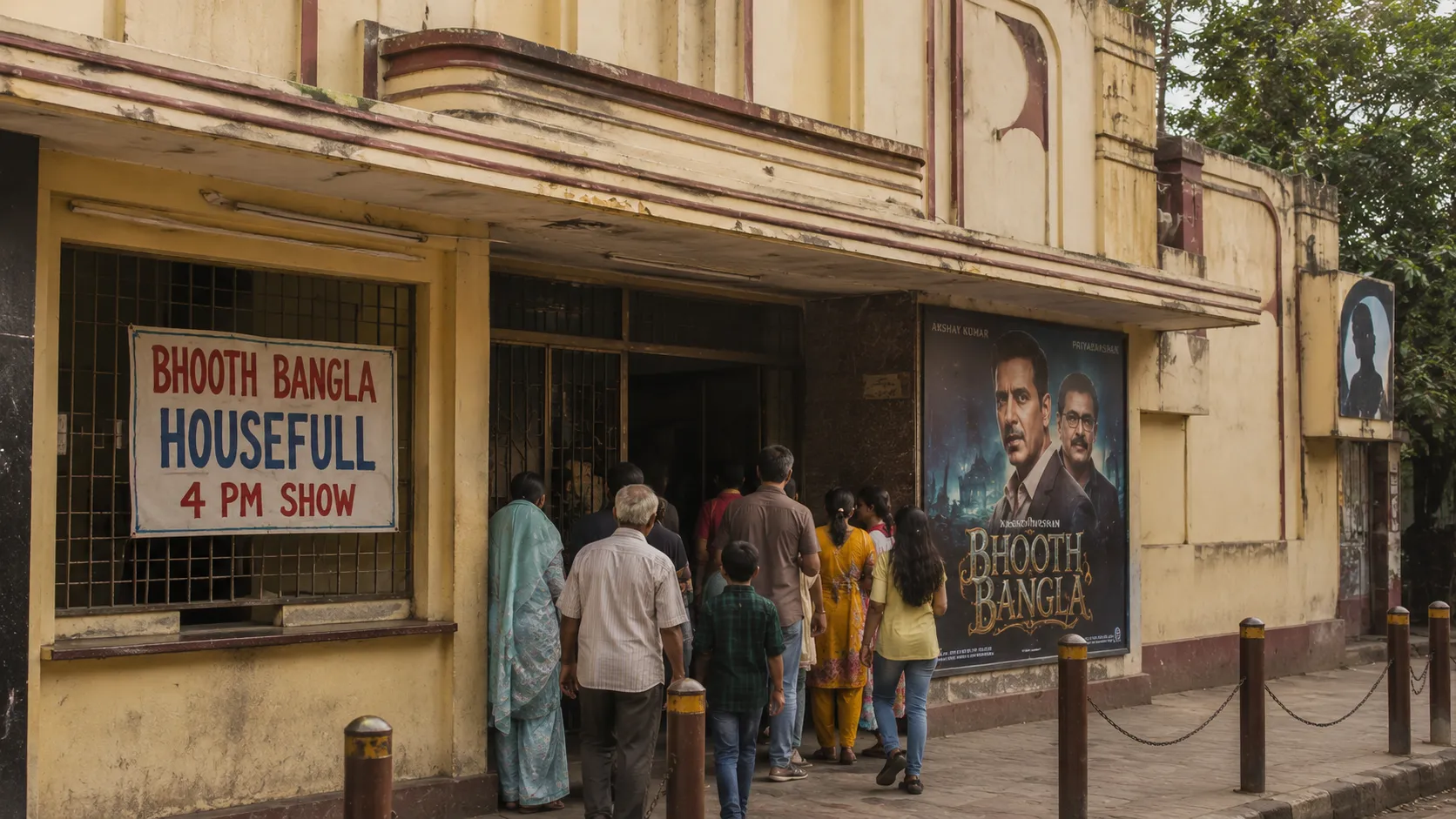
The 14-Year Exile That Ended in a Haunted Mansion: How Akshay Kumar's 'Ghar Wapsi' With Priyadarshan Became His Fourth Consecutive Hit—And Silenced the Critics Who Said He Was Finished
MAY 28, 2026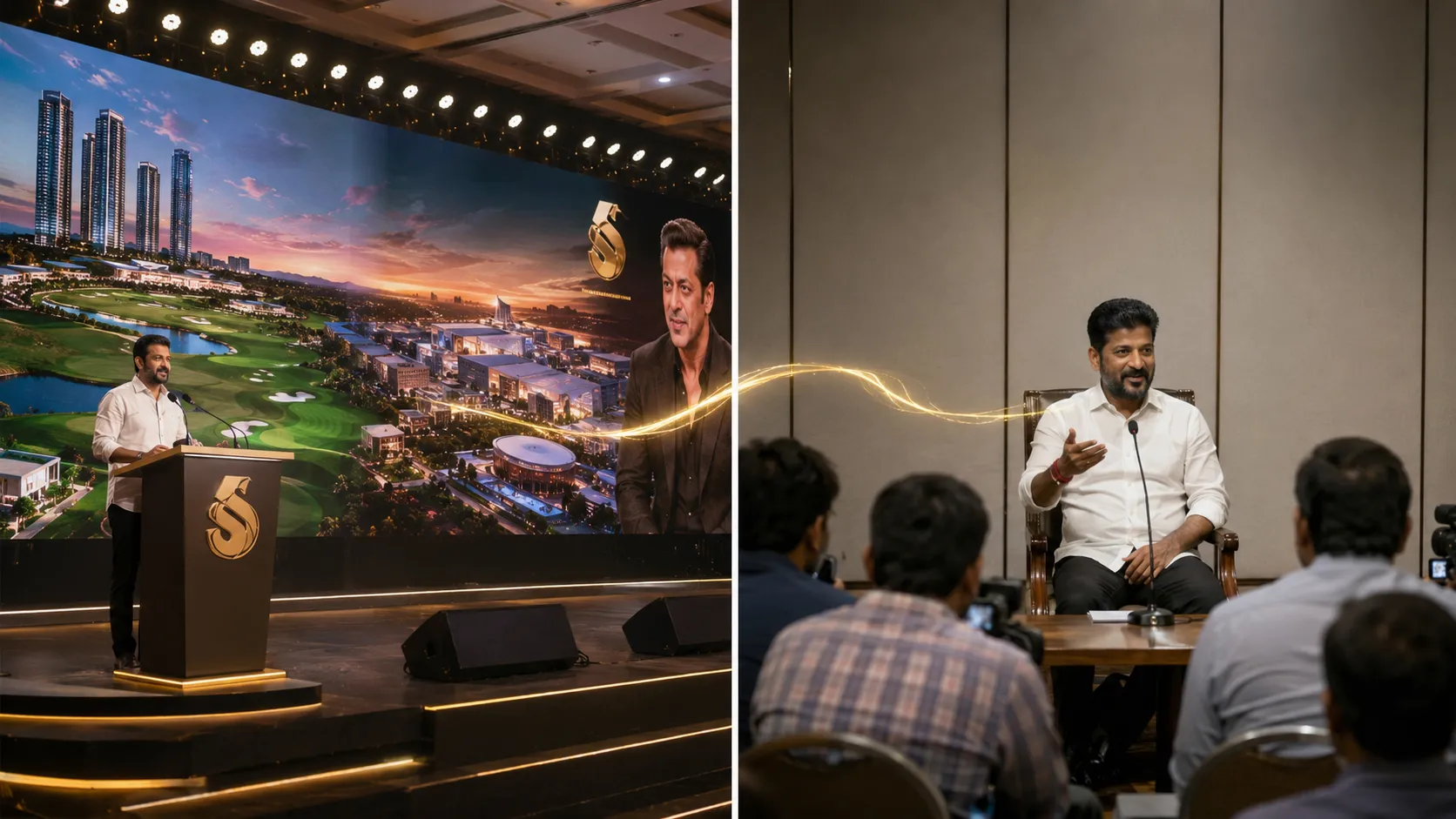
The Superstar, The Chief Minister, and The ₹10,000 Crore Mirage: Inside Salman Khan's Audacious Township Bet—And the Clarification That Followed
On December 8, 2025, the first day of the Telangana Rising Global Summit, a press release landed in the inboxes of journalists across the country that momentarily rewrote the ceiling of what a Bollywood star could build. Salman Khan Ventures Private Limited—the business arm of the actor whose films have grossed over ₹5,000 crore at the Indian box office and whose net worth is estimated at ₹3,225 crore—had signed a Memorandum of Understanding with the Telangana government. The announcement was staggering in its scale: a ₹10,000 crore integrated township and world-class film studio, spread across 500 acres in the proposed Bharat Future City on the outskirts of Hyderabad. It was, by a factor of roughly ten, the largest single real estate bet ever announced by an Indian film personality, and it promised to transform not just the actor's business empire but the geography of India's creative economy.
MAY 27, 2026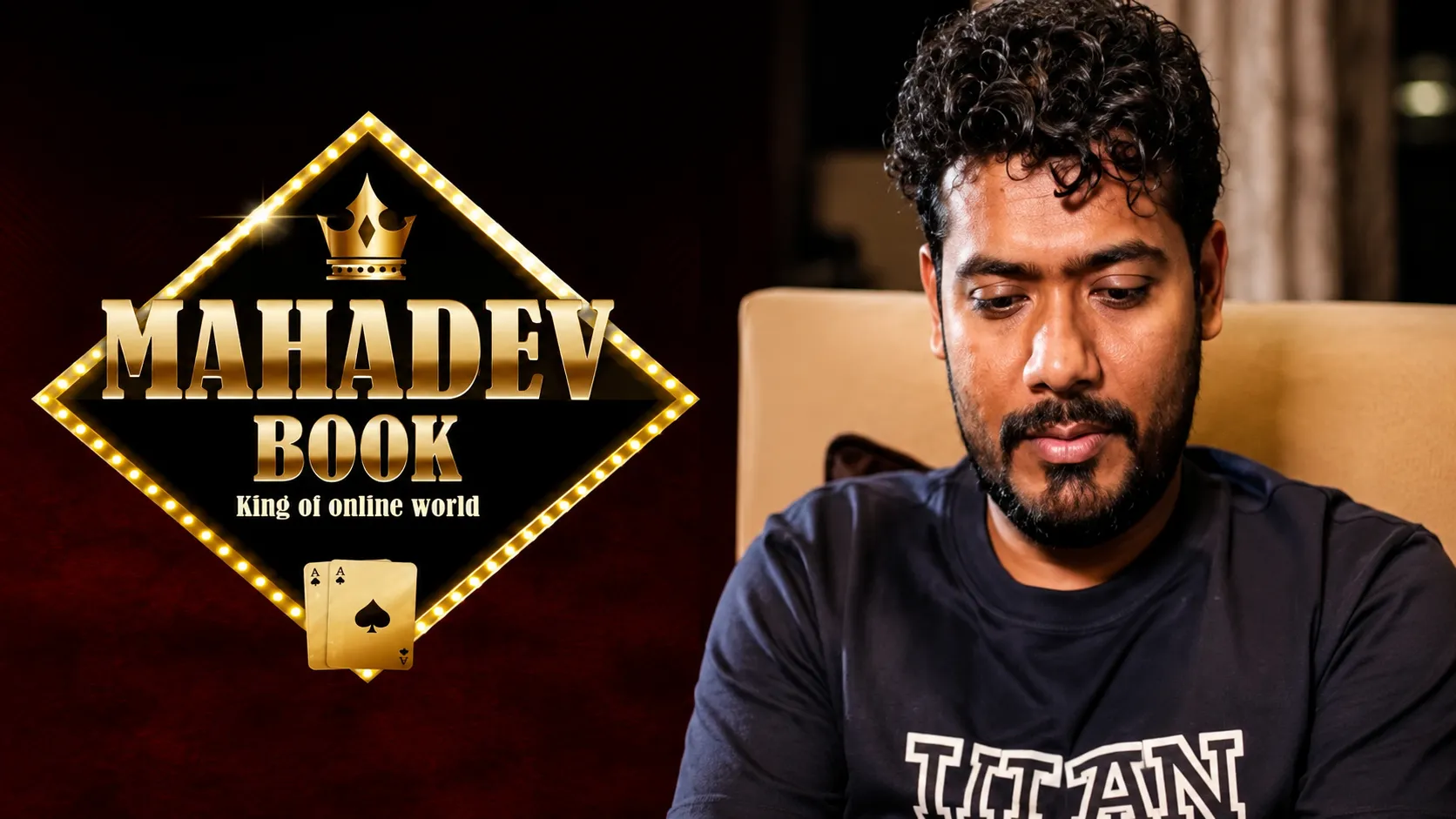
Inside the Mahadev Betting App Probe: How a "Betting Scandal" Turned Into a Full-Blown Financial Crime Investigation
With board-level executives now being arrested, the Enforcement Directorate's years-long investigation into the Mahadev app is revealing what officials describe as an unlicensed financial system operating inside a betting platform
JUL 27, 2026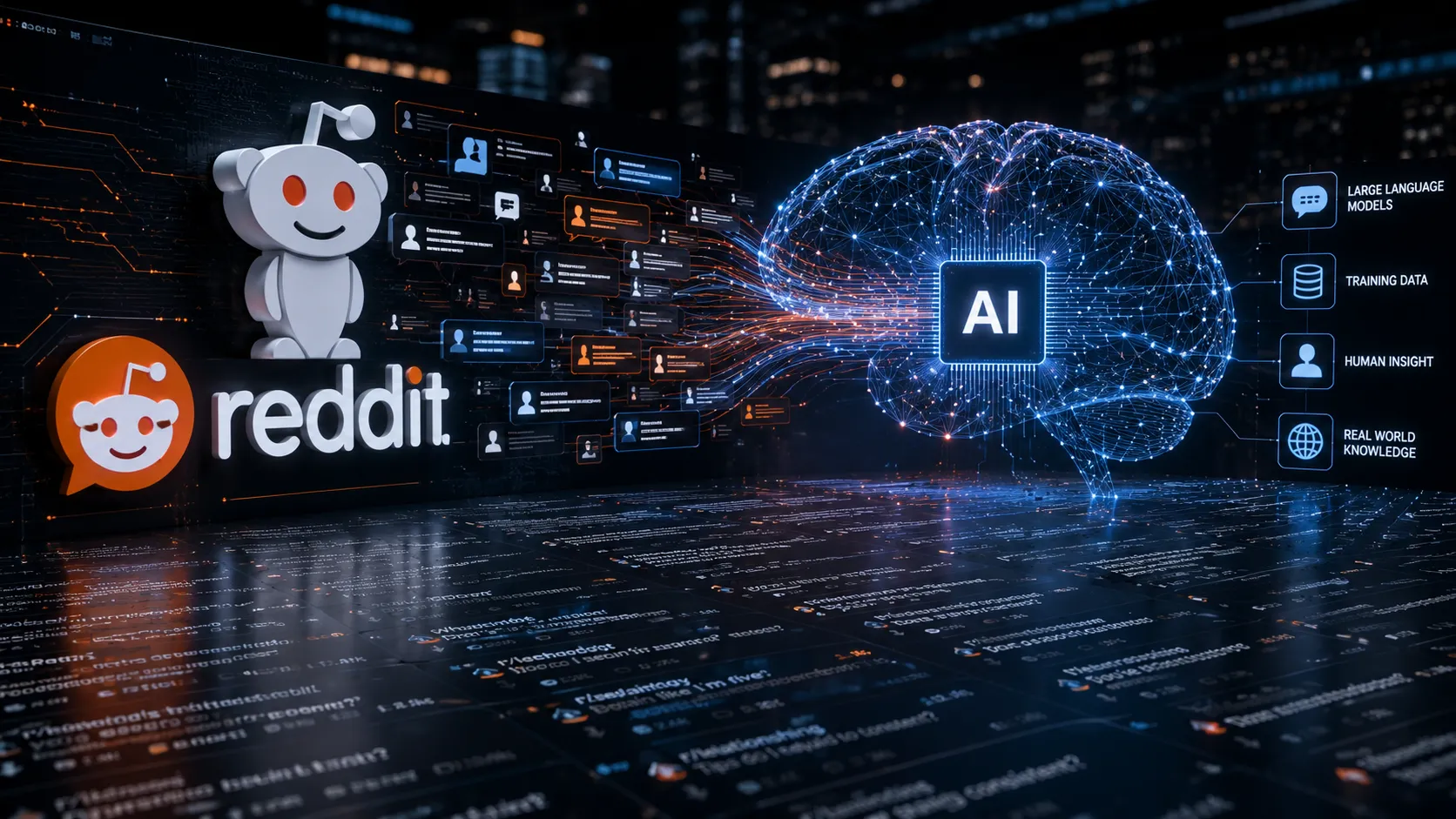
Can Reddit Become A Real AI Company?
Reddit's vast archive of human conversations has become a valuable resource for AI companies, creating new opportunities and raising important questions about data, ownership and the future of the internet.
JUN 3, 2026
The Hidden Business Behind Formula 1’s Global Popularity Boom
Formula 1's explosive growth is being driven not only by racing but by a sophisticated business strategy built around entertainment, storytelling, sponsorships and global media expansion.
JUN 3, 2026
Brita's Unhinged Cartoon Shark Broke Through to Gen Z : 4 Lessons Legacy Brands Need to Steal Right Now
Brita’s unexpected shark campaign increasingly highlights broader conversations around internet culture, Gen Z behavior and how legacy brands are learning new rules of attention.
MAY 24, 2026
Motherhood, Money and the Modern Indian Workplace: How Women Are Rewriting the Rules of Leadership and Independence
Motherhood increasingly appears reshaping workplace leadership conversations, raising broader questions around financial systems, professional identity and how capability itself gets recognized.
MAY 24, 2026
Why Gen Z Is Paying for Handwritten Letters in the Age of ChatGPT: Inside the Growing “Anti-AI” Revolution
Gen Z’s growing interest in handwritten mail increasingly highlights broader conversations around attention, authenticity and the emotional economics of slower experiences.
MAY 24, 2026
Why Lego Keeps Winning While Toy Companies Struggle
Lego's success stems from much more than toys. The company has built a powerful ecosystem around creativity, intellectual property, adult consumers and community-driven engagement.
JUN 5, 2026
Decoding the 2024 Tech Layoffs: A Structural Shift or Seasonal Cycle?
The recent wave of job cuts in the tech sector has sent shockwaves through the ecosystem. We analyze the underlying economic factors and what this means for talent acquisition in the next decade.
MAY 24, 2024
The Rise of Remote-First Management in Startups
How young founders are building culture across six different time zones and rethinking traditional productivity metrics.
APR 23, 2026
Early Stage Funding: What Investors Look For in 2024
Unit economics is the new king, as VCs move away from growth-at-all-costs and prioritize sustainable profitability.
APR 23, 2026
GenAI: From Hype to Real-World Utility
Case studies of Indian companies actually making money with LLMs and custom AI implementations across sectors.
APR 23, 2026
Women in DeepTech: Breaking the Ultimate Ceiling
Meet the researchers turning academic breakthroughs into billion-dollar ventures and paving the way for inclusivity.
APR 23, 2026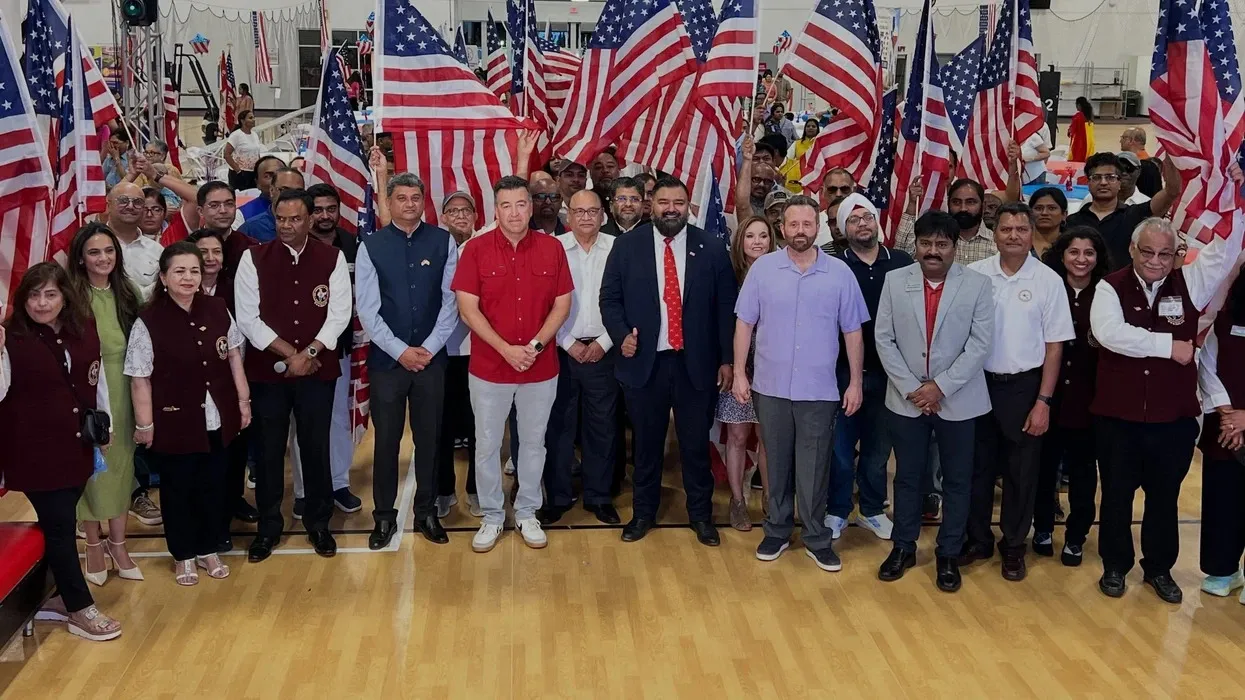
Why Indian-Americans Are Becoming America's Most Influential Business Community
The Indian-American community is 1.5% of the US population. It produces 8.3% of founders at US unicorns. It holds 11 Fortune 500 CEO chairs overseeing $6.5 trillion in combined market cap. It accounts for 71% of all US H-1B visas. Its combined annual income exceeds $730 billion globally.
JUL 9, 2026
From Immigrants to Investors: How Indian-Americans Are Funding the Next Generation of Startups
The first generation of Indian professionals in America worked to build individual economic security. The second generation is deploying that security as capital — into Indian startups, into American startups built by Indian founders, and into funds whose entire thesis is that the diaspora's networks and knowledge produce better returns in India than most outsiders can access.
JUL 9, 2026
Why Indian Americans Could Become The World's Most Powerful Angel Investor Network
The first generation of Indian Americans proved they could build billion-dollar companies. The next generation may prove they can build an ecosystem. As successful founders become angel investors, mentors and venture capitalists, the Indian diaspora could become one of the most influential startup funding networks in the world.
JUL 7, 2026
Can Indian Americans Move From Career Building to Institution Building?
Indian Americans are experiencing a marked uptick in discrimination. They are politically engaged, largely Democratic, and increasingly visible in national political discourse. They have produced 11 Fortune 500 CEOs.
JUL 3, 2026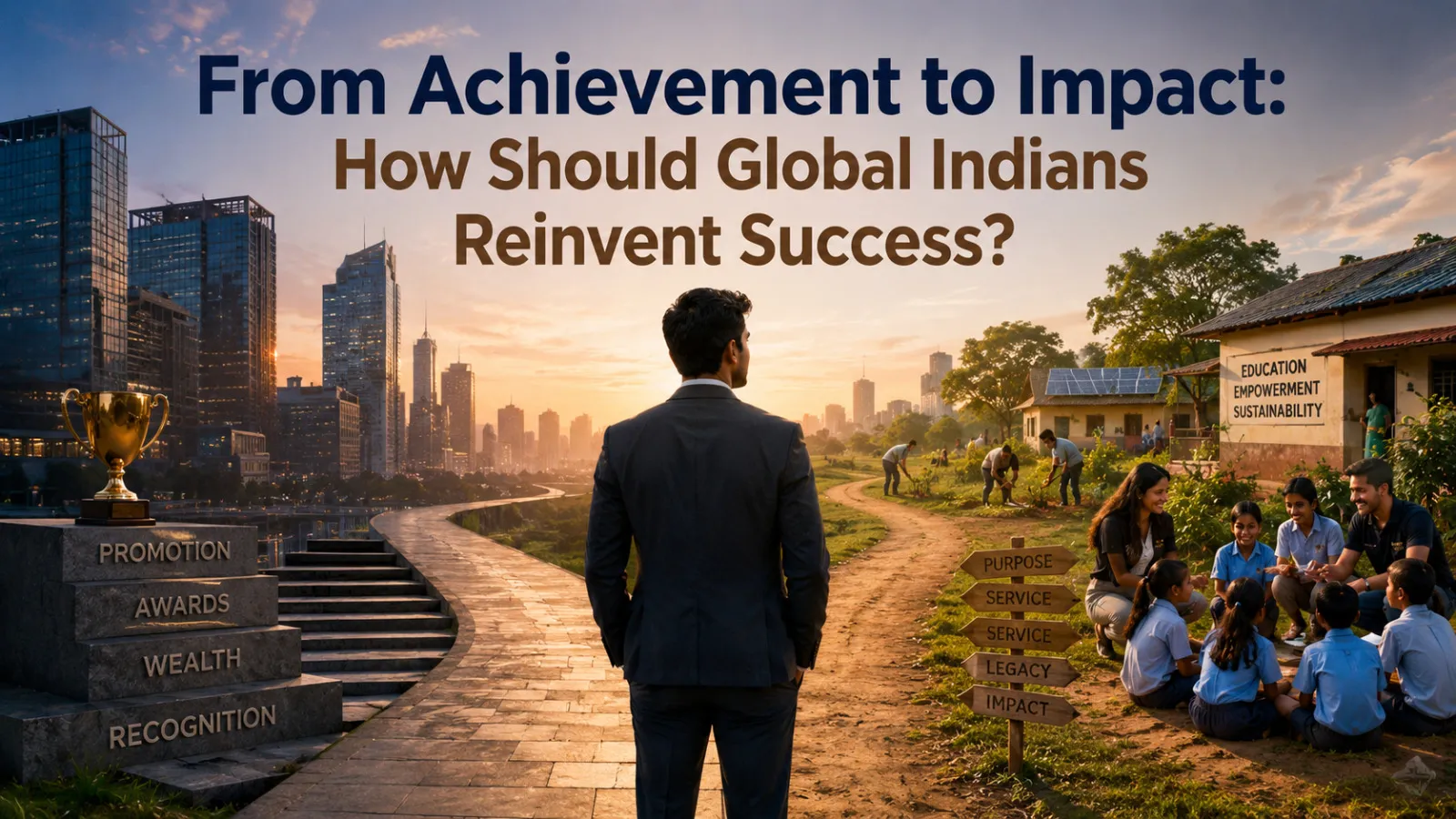
From Achievement to Impact: How Should Global Indians Reinvent Success?
The Indian diaspora has spent sixty years proving it can succeed anywhere. The next sixty years ask a different question: now that you have succeeded, what will you build with it? The shift from achievement to impact is not a rejection of ambition. It is ambition at a larger scale, with a longer time horizon, pointed at a harder problem.
JUL 3, 2026
A Piece Of Telangana Comes To Texas: Dallas Telugu Organization To Host Major Bonalu Festival In Frisco
The Dallas Telugu Alai Balai Sangham's daylong, free public celebration on August 2 will bring one of Telangana's most cherished folk traditions to North Texas, reflecting the rapidly growing scale of Indian cultural life in the Dallas-Fort Worth region
JUL 24, 2026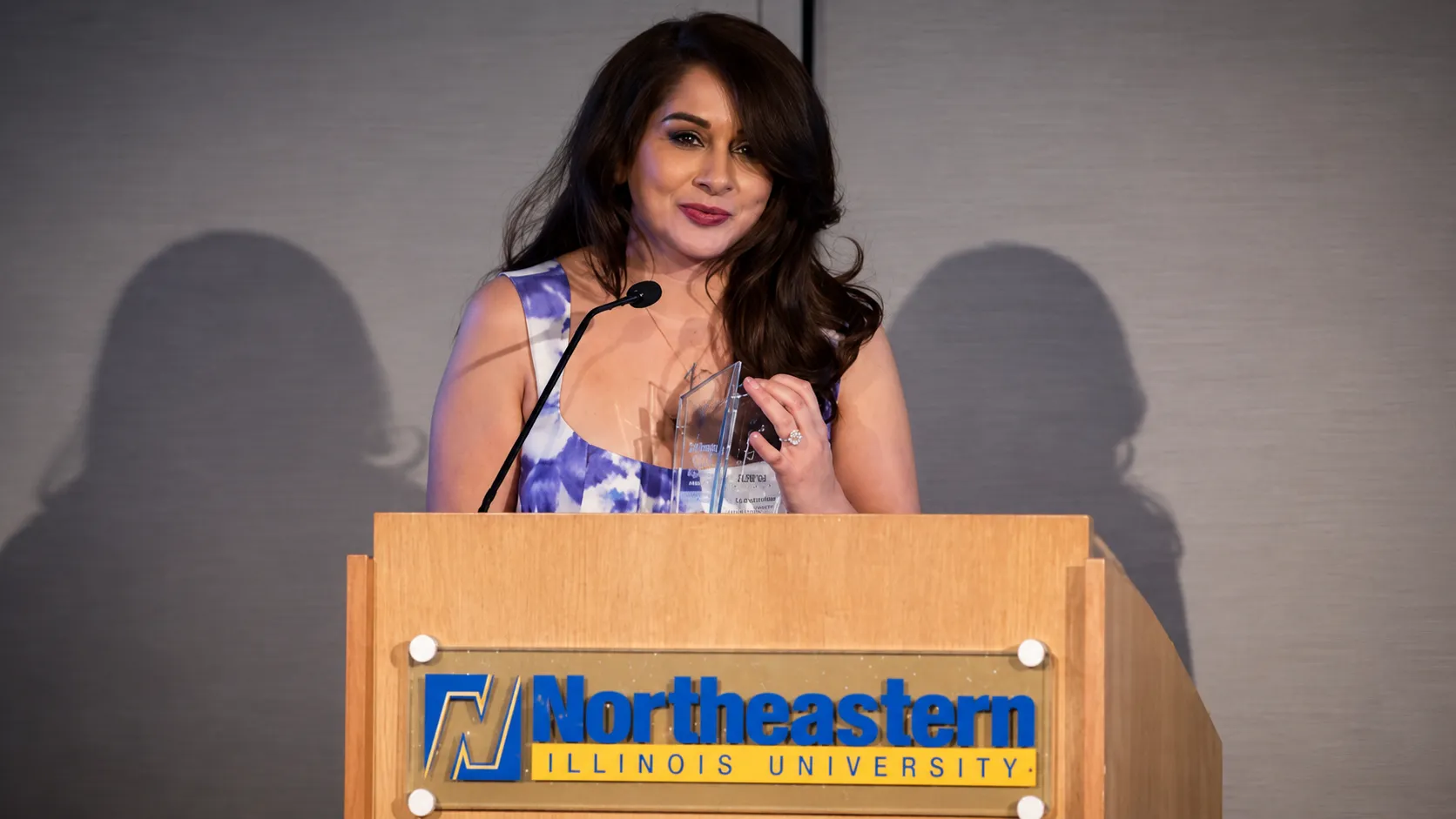
Investigative Journalist PJ Randhawa Wins Northeastern Illinois University's Highest Alumni Honor
The Sikh-Canadian-American reporter, whose consumer investigations for NBC 5 Responds have recovered more than $1 million for Chicago-area viewers, received the Distinguished Alumna Award just months after becoming a U.S. citizen
JUL 24, 2026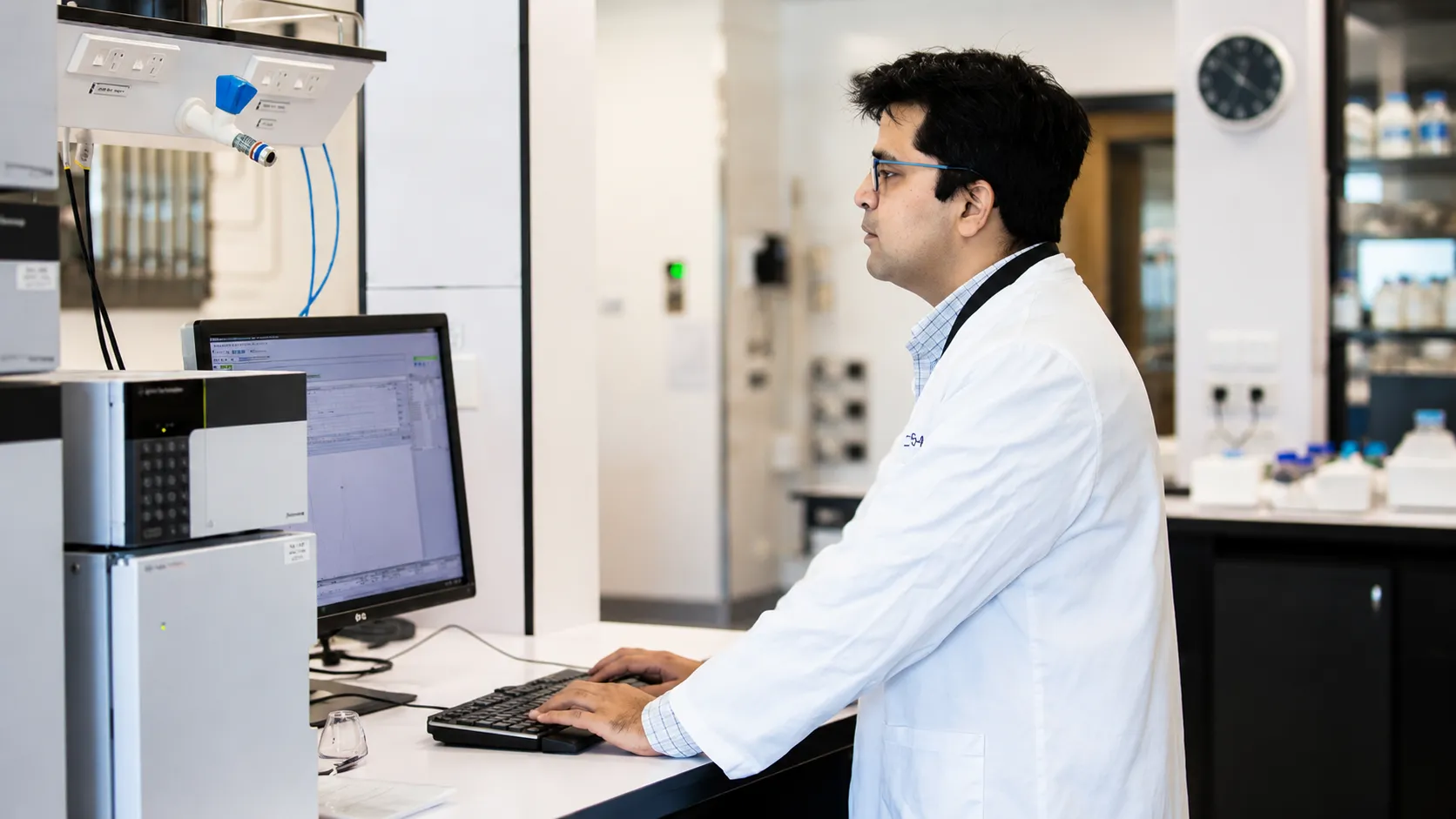
Indian American Scientist Lokesh Padhye To Lead Two Major PFAS Research Projects Backed By New York Sea Grant
The Stony Brook University professor's $480,000 in combined funding will support groundbreaking research into using invasive bamboo to clean contaminated Long Island groundwater and tracking four decades of 'forever chemical' pollution in the Hudson River Estuary
JUL 24, 2026
The Strait Of Hormuz Explainer: Why A 21-Mile-Wide Waterway Keeps Deciding The Fate Of India's Economy
Beyond this week's headlines lies a deeper, structural story about just how concentrated India's energy security remains around a single, geopolitically fragile shipping lane — and what the country has, and hasn't, done to reduce that exposure
JUL 24, 2026
India Races Against The Clock To Seal US Trade Deal Before July 24 Tariff Deadline
India and the US are racing to finalise a bilateral trade agreement before the July 24, 2026 tariff deadline. Here's where negotiations currently stand.
JUL 20, 2026
Deloitte Aligns With RBI's 6.6% Growth Call, Reinforcing Confidence In India's FY27 Economic Trajectory
Deloitte's latest GDP forecast broadly aligns with the RBI's revised 6.6% growth projection for FY27, reinforcing confidence in India's economic trajectory.
JUL 20, 2026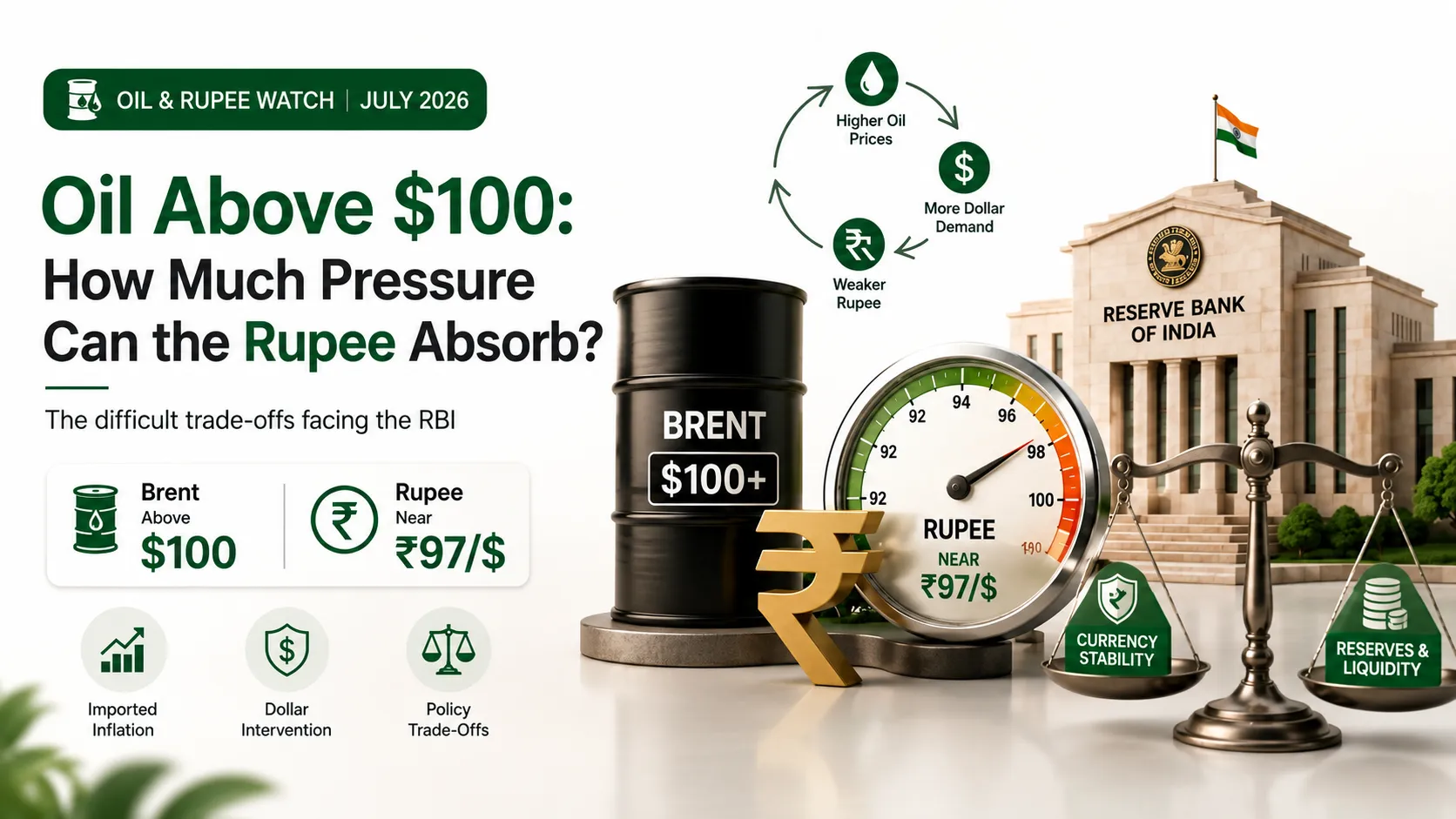
Why $100 Oil Is Suddenly Everyone's Problem Again — And What It Means for India
Escalating US-Iran strikes have pushed Brent crude past the symbolic $100-a-barrel mark, threatening to unwind years of hard-won inflation control in India
JUL 27, 2026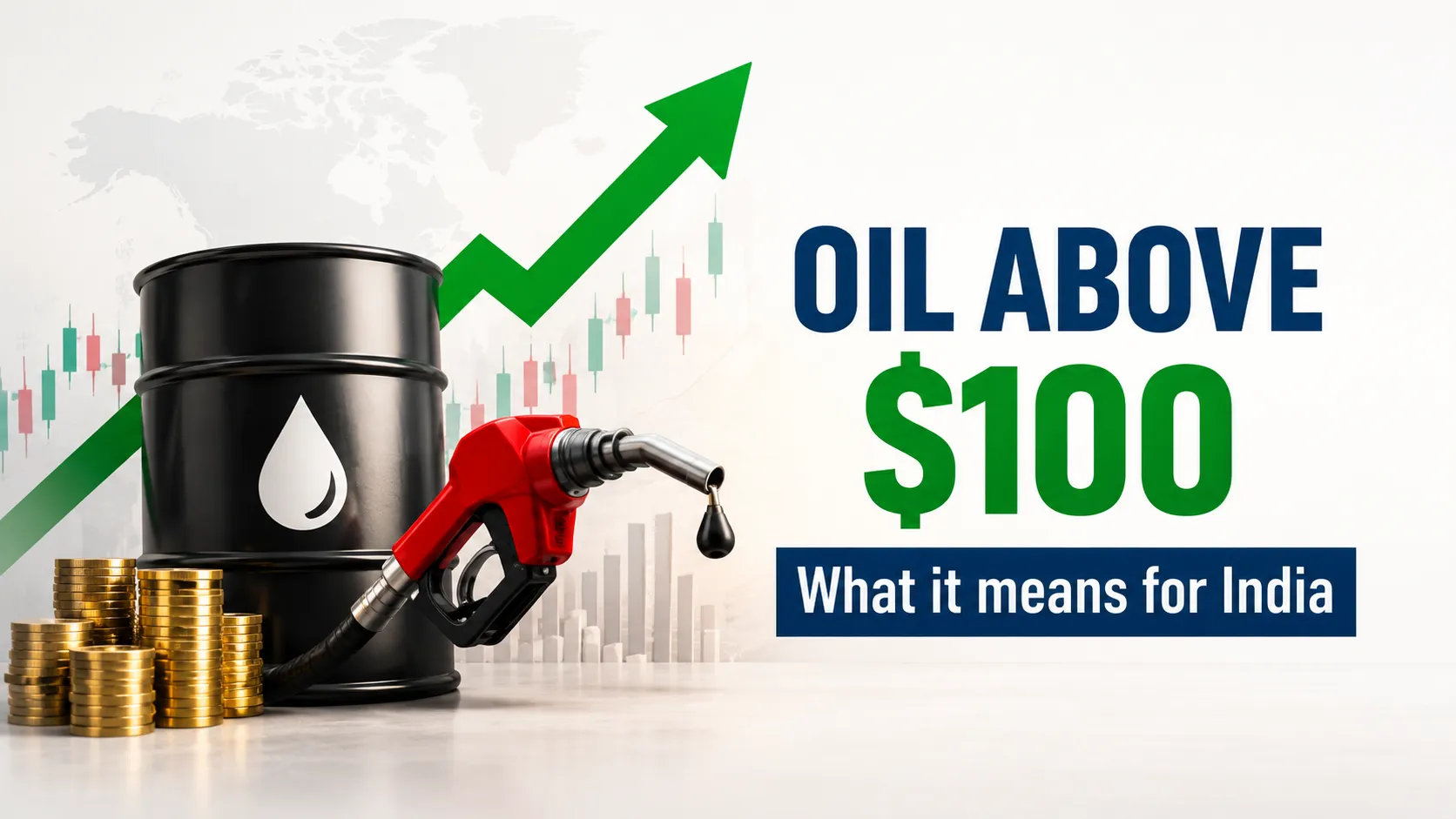
Why $100 Oil Is Suddenly Everyone's Problem Again — And What It Means for India
Escalating US-Iran strikes have pushed Brent crude past the symbolic $100-a-barrel mark, threatening to unwind years of hard-won inflation control in India
JUL 27, 2026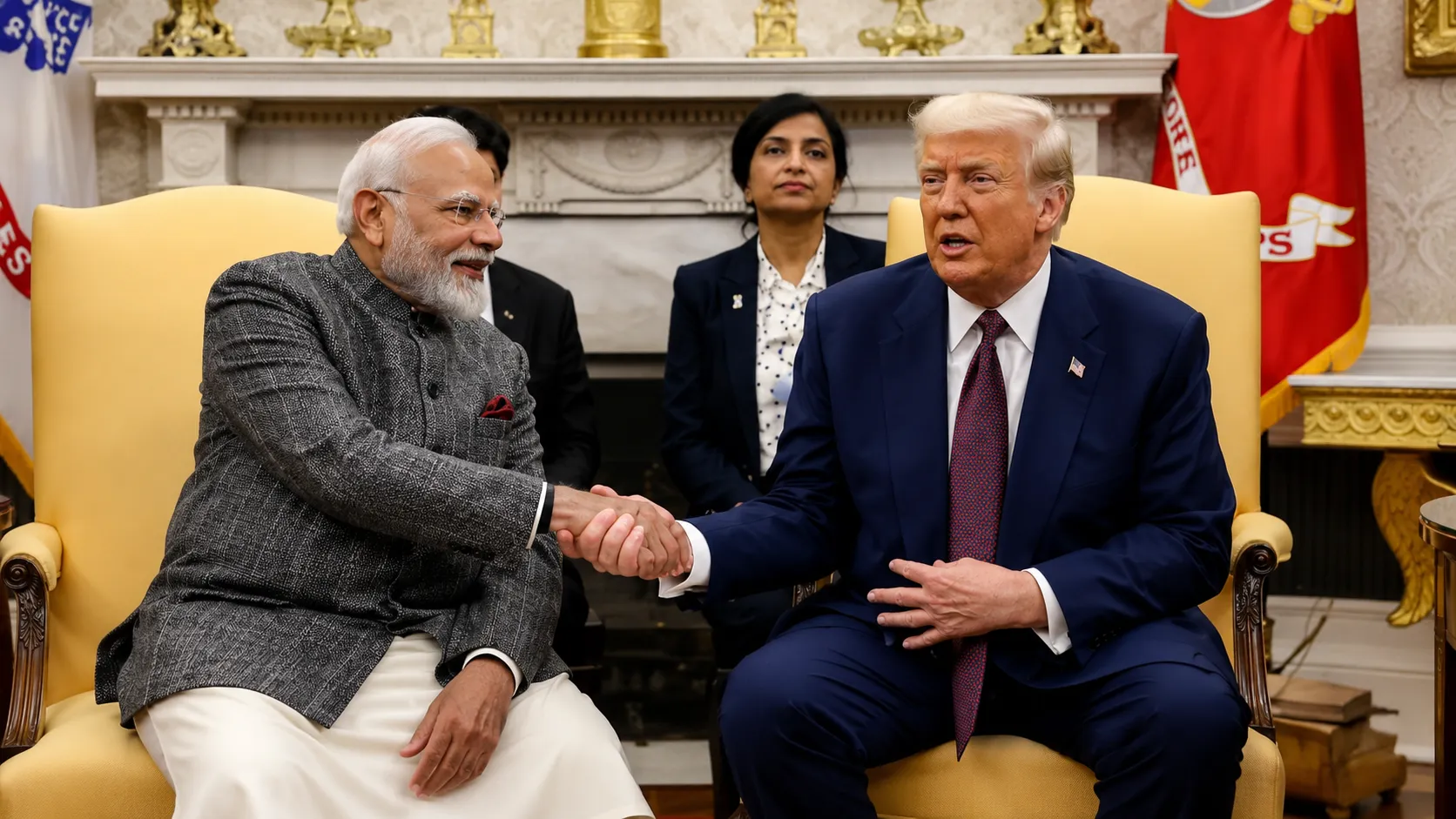
50% and Counting: The Exporters Still Bleeding While India and the US Argue Over a Deal
While headlines focus on the looming trade deal deadline, Indian textile, gems, and auto parts exporters are living with punishing tariffs right now. Here's how they're actually coping.
JUL 17, 2026
The 12.55% Question: What Reliance's Weak Q4 Really Tells Us Ahead of Today's Q1 Verdict
RIL's Q4 FY26 net profit fell 12.55% year-on-year to ₹16,971 crore. Before today's Q1 FY27 numbers land, here's a deep dive into what went wrong last quarter — and whether it was a one-off or a warning sign.
JUL 17, 2026
Tashkent to Singapore: Inside FICCI's Quiet Push to Open New Markets for Indian Business
While India's headline trade deals get signed in Delhi, FICCI has spent recent weeks doing the groundwork in Tashkent and Singapore, plus hosting Bharat Buildcon 2026 at home. Here's why these lower-profile missions matter more than they look.
JUL 14, 2026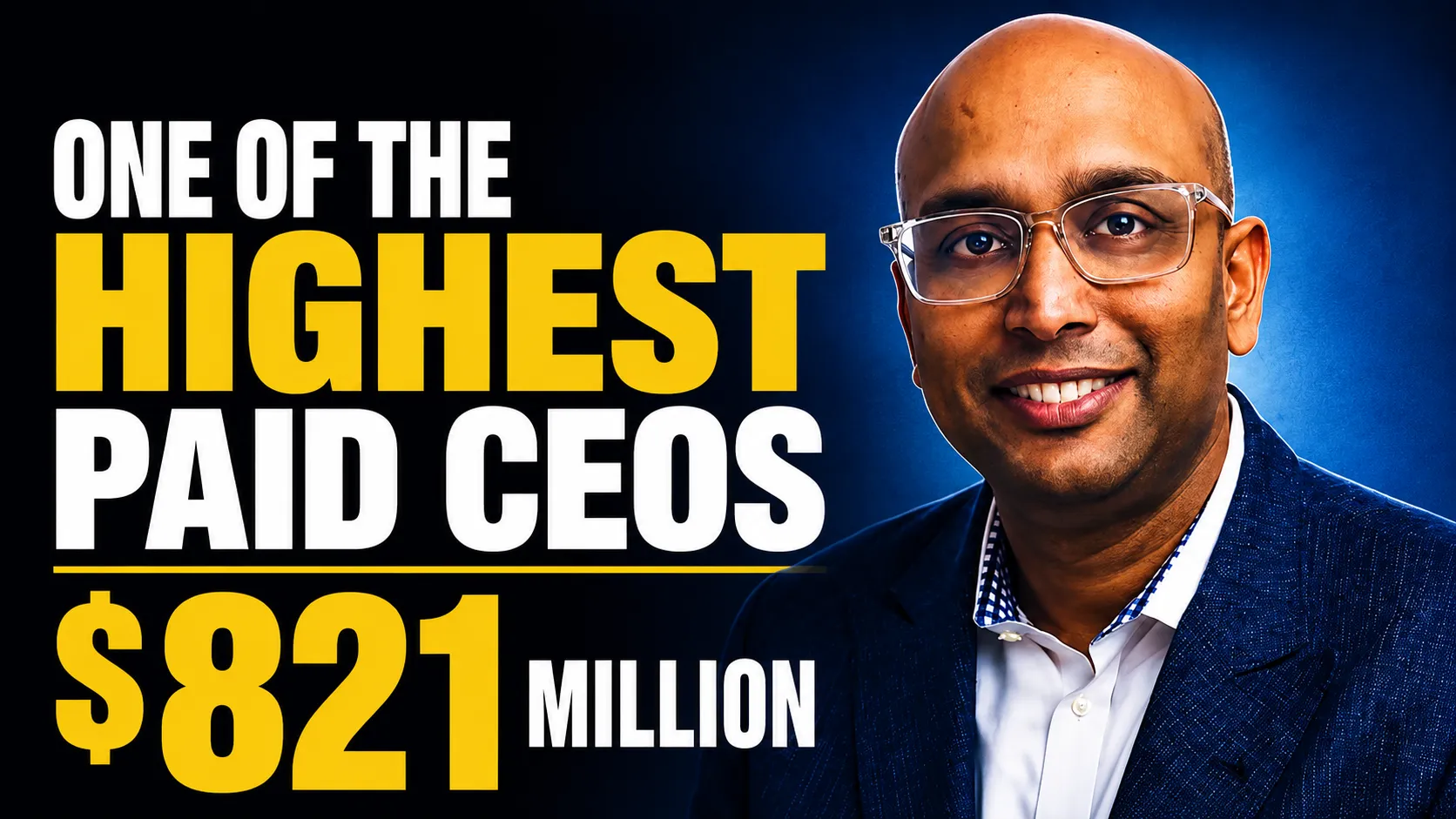
The Highest-Paid CEO You've Never Heard Of: Inside Shankh Mitra's $821 Million Year at Welltower
Shankh Mitra isn't a household name like Sundar Pichai or Satya Nadella. But in 2026, the Kolkata-born CEO of Welltower became the world's second-highest-paid executive after Elon Musk — with an $821.1 million pay package built almost entirely on a pandemic-era bet that paid off.
JUL 14, 2026
The Balance Sheet and the Ballot Box: Wealth, Wages, and Belonging in the Global Indian Story
From Mukesh Ambani's return to the top of Hurun's rich list to a quiet compensation record at Welltower, from a 250th-anniversary honor roll in Washington to a string of attacks in Dublin, this week's Indian business and diaspora stories describe a community as consequential as it is vulnerable.
JUL 14, 2026
The Quiet Power Brokers: How FICCI, CII, and ASSOCHAM Are Shaping India's Reform Agenda
India's three apex industry chambers — FICCI, CII, and ASSOCHAM — have spent 2026 doing the unglamorous work of turning Budget promises and SEBI regulations into practical outcomes for businesses. Here's why that work matters more than it looks.
JUL 14, 2026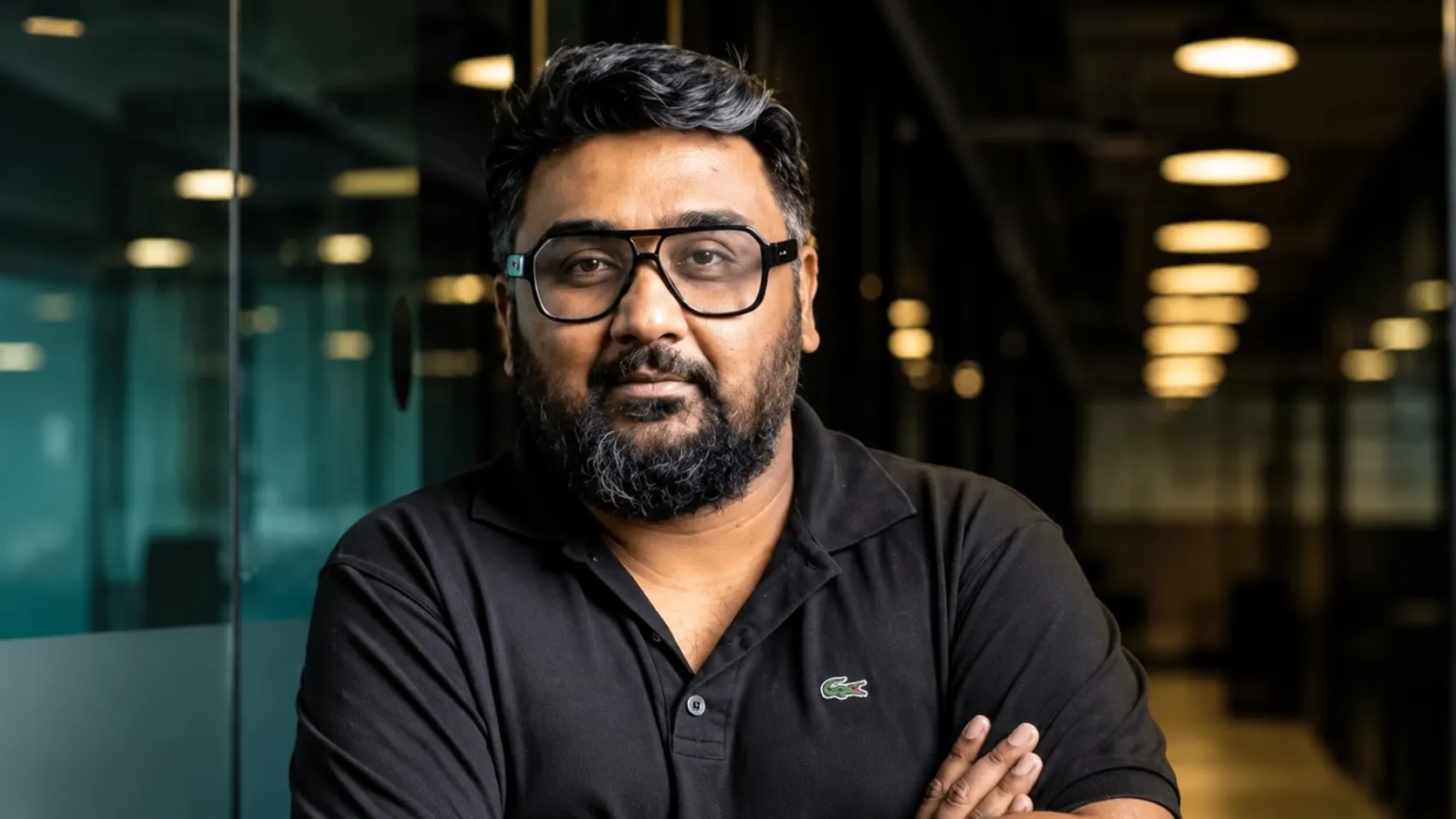
From FreeCharge to WhatsApp: Inside Kunal Shah's Unlikely Rise to Meta's Corner Office
Kunal Shah built FreeCharge, sold it, then built CRED on a contrarian bet. In June 2026, Meta handed him the keys to WhatsApp — the messaging app that runs daily life for billions of people.
JUL 14, 2026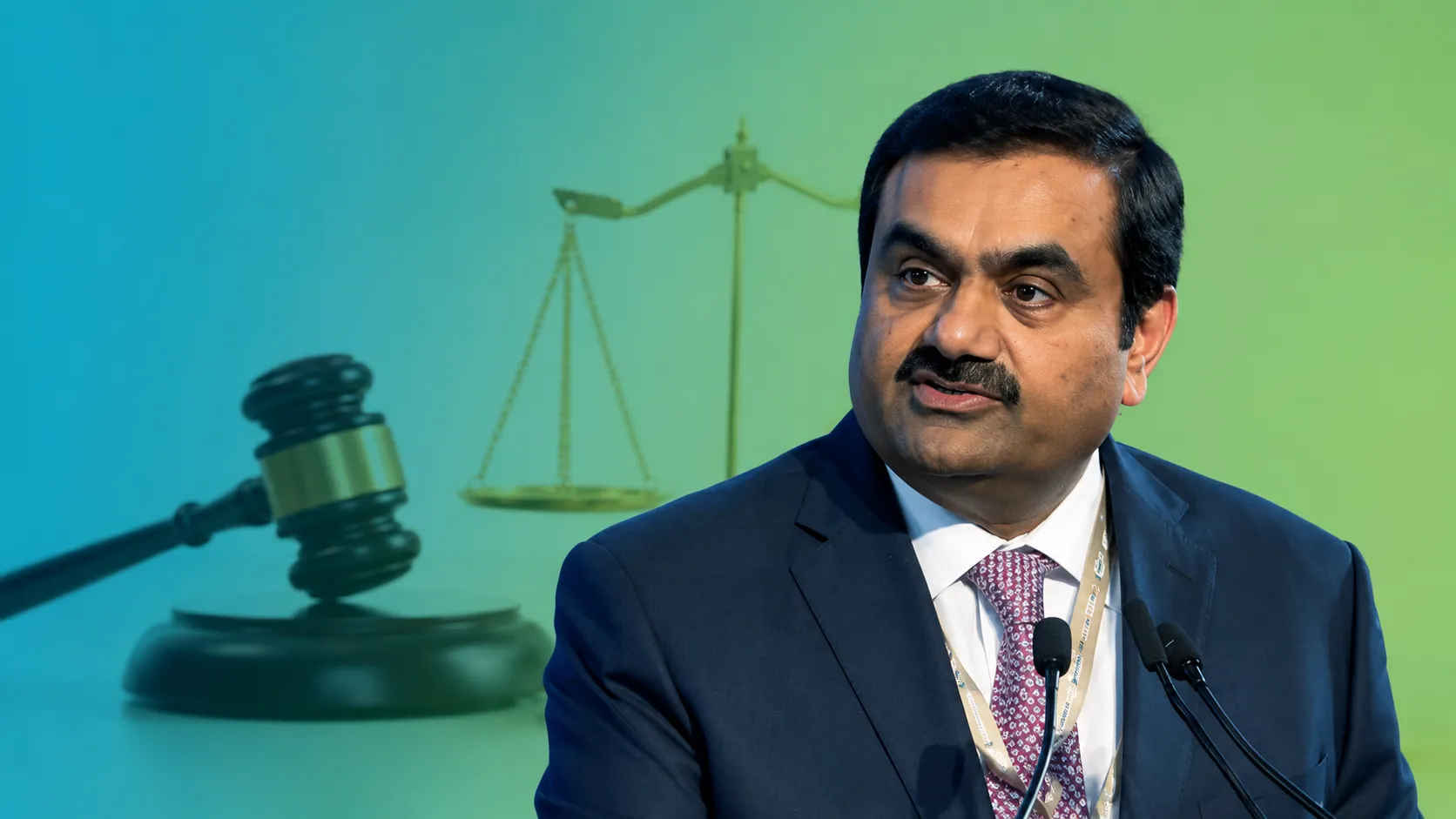
Not So Fast: Federal Judge Presses Adani And DOJ For Answers Before Dismissing $250 Million Bribery Case
A Brooklyn federal judge presses the DOJ and Gautam Adani for sworn answers before agreeing to dismiss the $250 million bribery indictment.
JUL 12, 2026
How Tata Capital Just Pulled Off India's Tightest Dollar Bond Pricing of the Year
Tata Capital raised $400 million through a 3.5-year dollar bond at 107 basis points over Treasuries — the tightest pricing for any Indian investment-grade dollar bond in 2026. Here's how they did it.
JUL 17, 2026
Earnings Season Blitz: Why HDFC Life, ICICI Lombard and a Dozen Others Reporting Today Matters More Than You Think
Insurance, NBFC, and financial services heavyweights are all reporting Q1 FY27 results in the same window. Here's why this earnings cluster is a real-time referendum on India's financial sector health.
JUL 17, 2026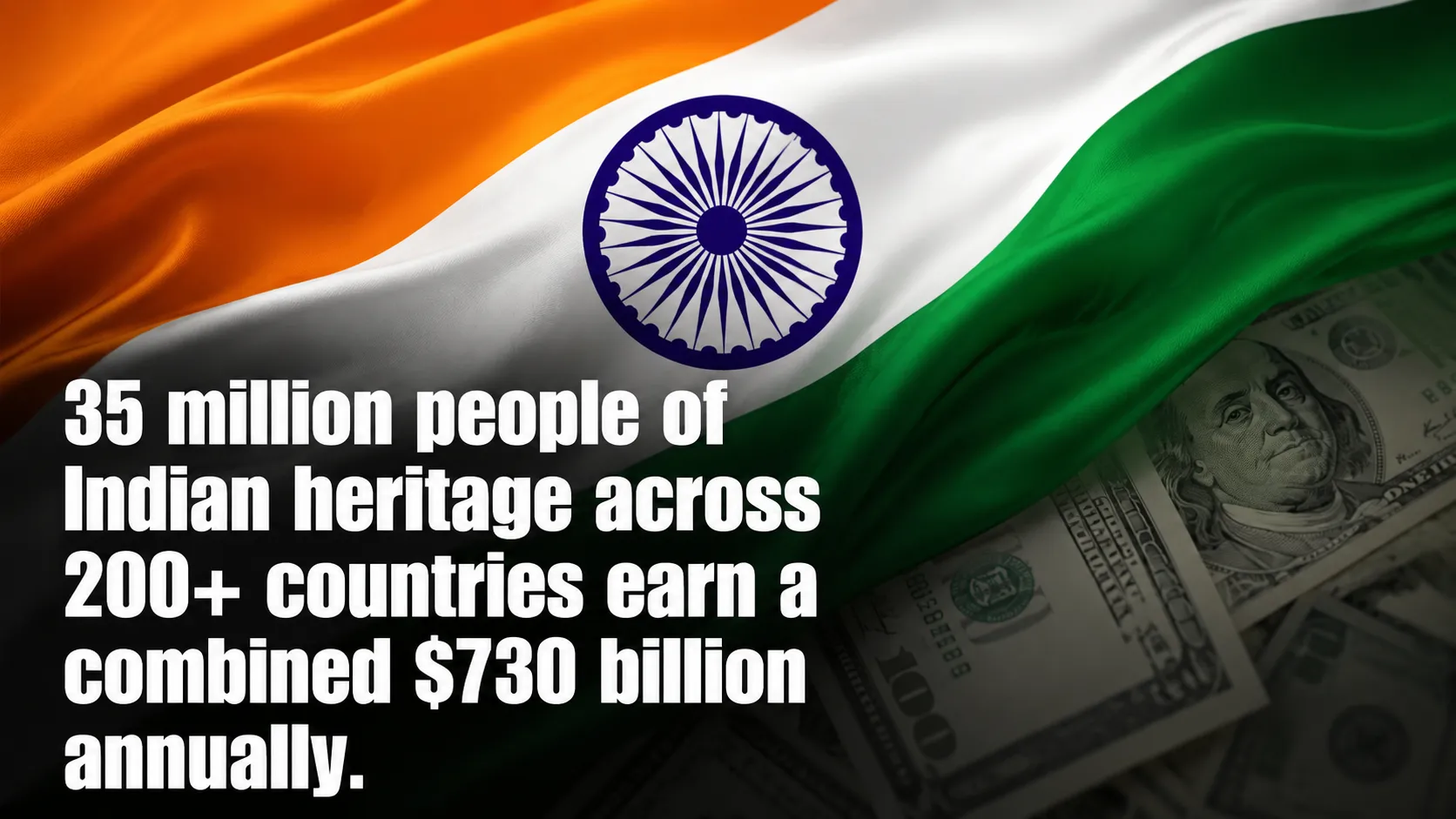
$730 Billion and Counting: What the Indiaspora Report Actually Measures
The Indiaspora report 'India and its Diaspora: Partners in Progress' estimates 35 million people of Indian heritage across 200+ countries earn a combined $730 billion annually. Here's what that number does, and doesn't, tell us.
JUL 14, 2026
Immigrant Journey as Campaign Platform: Inside the Indian-Origin Republican Congressional Push
Indian-origin Republican candidates, including one running in Wisconsin, are building congressional campaigns explicitly around their immigrant journeys, according to New India Abroad. Here's what that framing choice actually signals.
JUL 14, 2026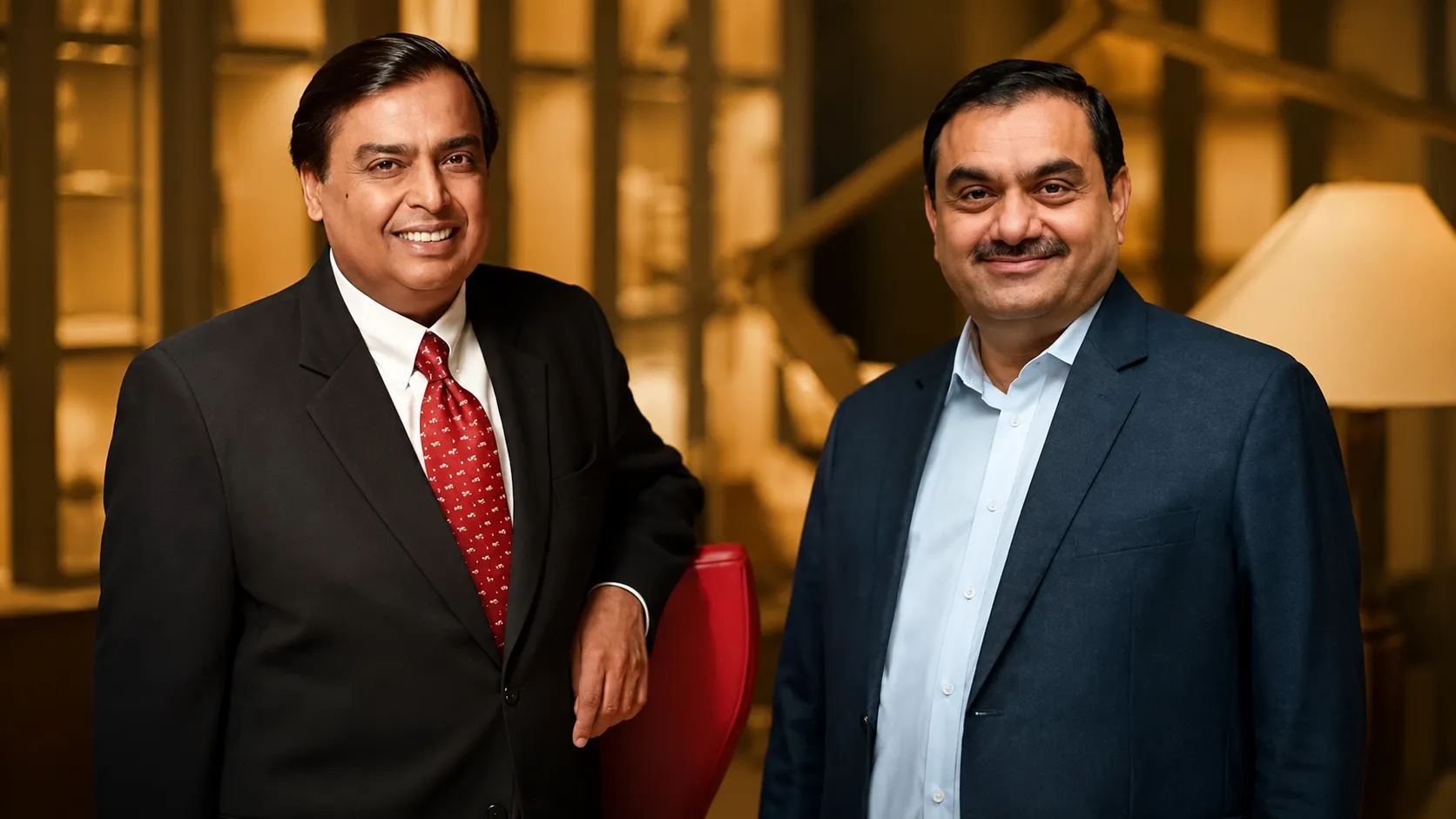
Servers, Soap, and a Fugitive: The Many Faces of Indian Business Power in July 2026
From Ambani and Adani racing to build India's AI data center backbone to a Mumbai-born executive taking the helm at Procter & Gamble, from a philanthropy award in Florida to a fugitive who slipped through a Look-Out Circular — this week's stories show how wide the Indian business story has grown.
JUL 14, 2026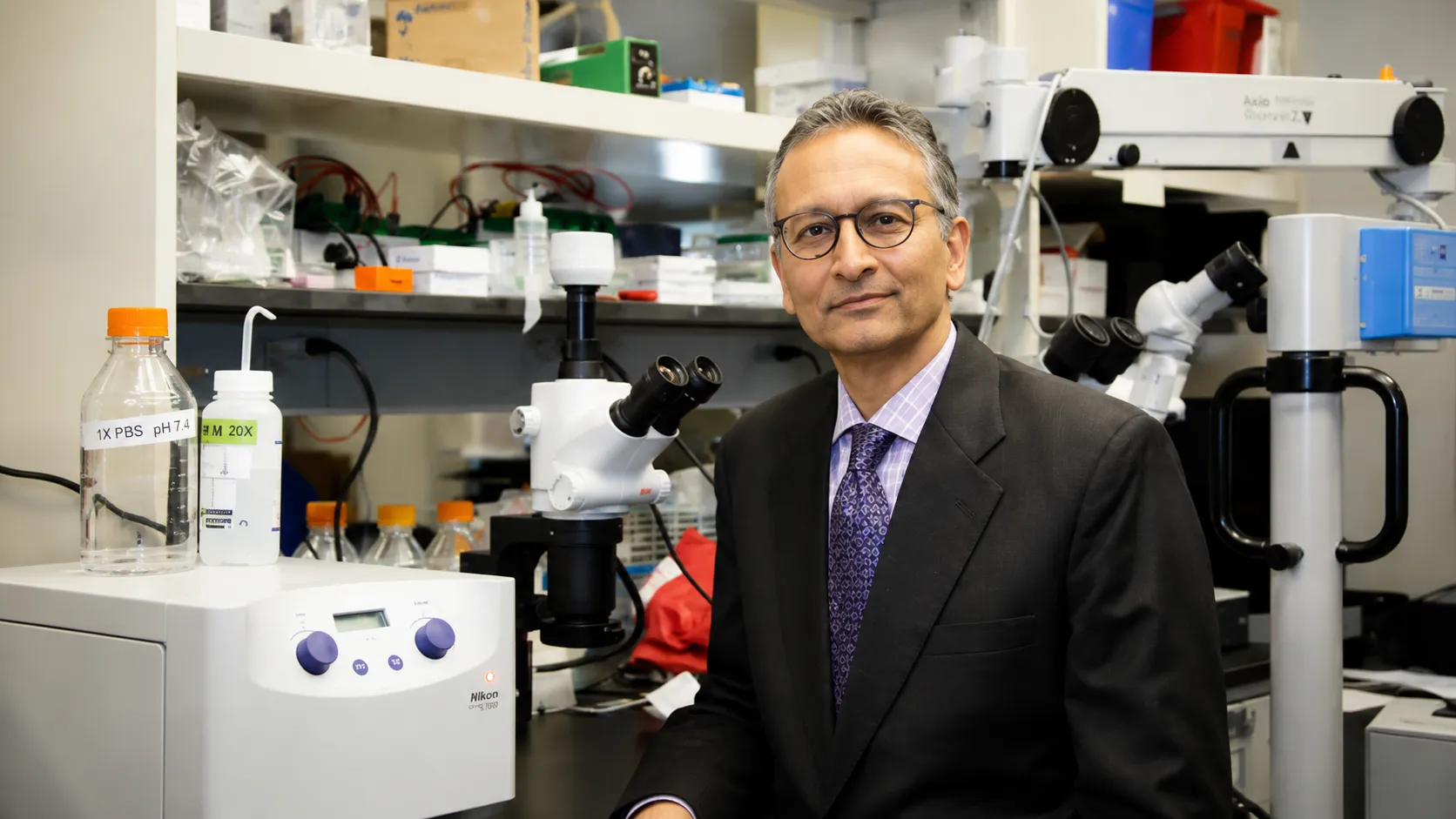
Leaving Columbia for Kanpur: Why a Leading Surgeon-Scientist Is Relocating to Build India's Newest Medical School
Anil K. Lalwani built a distinguished career in hearing disorders and surgical innovation across Columbia, NYU, and UCSF. In July 2026, he's packing up his lab to help build IIT Kanpur's medical school from the ground up — in person, not just with a check.
JUL 14, 2026
The Look-Out Circular That Didn't Work: Inside the Mahadev Fugitive Investigation
A multi-part investigative report has resurfaced hard questions about how a fugitive wanted in India's largest illegal betting-app case secured a Dubai passport and a ten-year golden visa despite an active Look-Out Circular against him.
JUL 14, 2026
The New Battle For Mumbai's Skyline: Inside The Adani-Ambani Turf War Reshaping India's Financial Capital
India's two most powerful business families turn their rivalry toward Mumbai's slum redevelopment sector in a high-stakes new contest.
JUL 12, 2026
Sensex and Nifty Stay Range-Bound as DIIs Cushion Persistent FII Selling
Sensex and Nifty remain range-bound as domestic institutional buying continues to offset persistent FII selling amid currency and global uncertainty.
JUL 18, 2026
Rupee Slides Toward Record Lows as Crude Oil Prices Surge on Strait of Hormuz Disruption
The Indian rupee has slid toward record lows against the US dollar as crude oil prices surge amid the ongoing Strait of Hormuz disruption.
JUL 18, 2026
Crude Oil Prices Stay on Edge as Strait of Hormuz Tensions Keep Global Energy Markets Volatile
Crude oil prices remain volatile as the Strait of Hormuz disruption continues, with fresh price spikes tied to shipping disruptions and toll-fee disputes.
JUL 18, 2026
Inside HCLTech's AI Force: How the IT Giant Is Betting on Agentic AI to Win Its Next Decade of Growth
x is scaling its AI Force platform to deploy agentic AI capabilities for enterprise clients, including a major insurance partnership. Here's what agentic AI actually means for India's IT services industry.
JUL 17, 2026
Skip the Visa Line Entirely: How Indian Students Are Getting US Degrees Without Ever Leaving India
As visa uncertainty and enrollment declines dominate the US study-abroad conversation, a quieter structural shift is unfolding: US-accredited degrees are becoming available on Indian soil. Illinois Tech's Mumbai campus and IIT Bombay's US expansion offer a genuine hedge against the volatility.
JUL 17, 2026
Crude Shock: Why Rising Oil Prices Are Quietly Squeezing India's Biggest Fuel Companies
Higher crude is great news for ONGC and upstream producers — but it's putting real pressure on OMC marketing margins and city gas distributors. Here's the full breakdown.
JUL 17, 2026
The Missing Piece of India's $30 Trillion Dream: Why Its Bond Market Still Punches Below Its Weight
Crisil says India's debt capital market needs to expand dramatically to support a $30 trillion economy by 2047. Here's why bank-dominated financing has been the norm — and what deepening the bond market would actually take.
JUL 17, 2026
Economists Warn India's GST "Re-Labelling" May Be Masking the True Revenue Picture
Economists warn that recent GST rate re-labelling may be obscuring India's true revenue picture, raising fresh questions about fiscal transparency.
JUL 18, 2026
Beyond the Balance Sheet: The Three Questions Every RIL Investor Wants Answered Today
Beyond the Q1 numbers, three questions loom over Reliance's earnings call today: new energy capex timelines, capital expenditure discipline, and the ever-present Jio IPO speculation. Here's why each matters.
JUL 17, 2026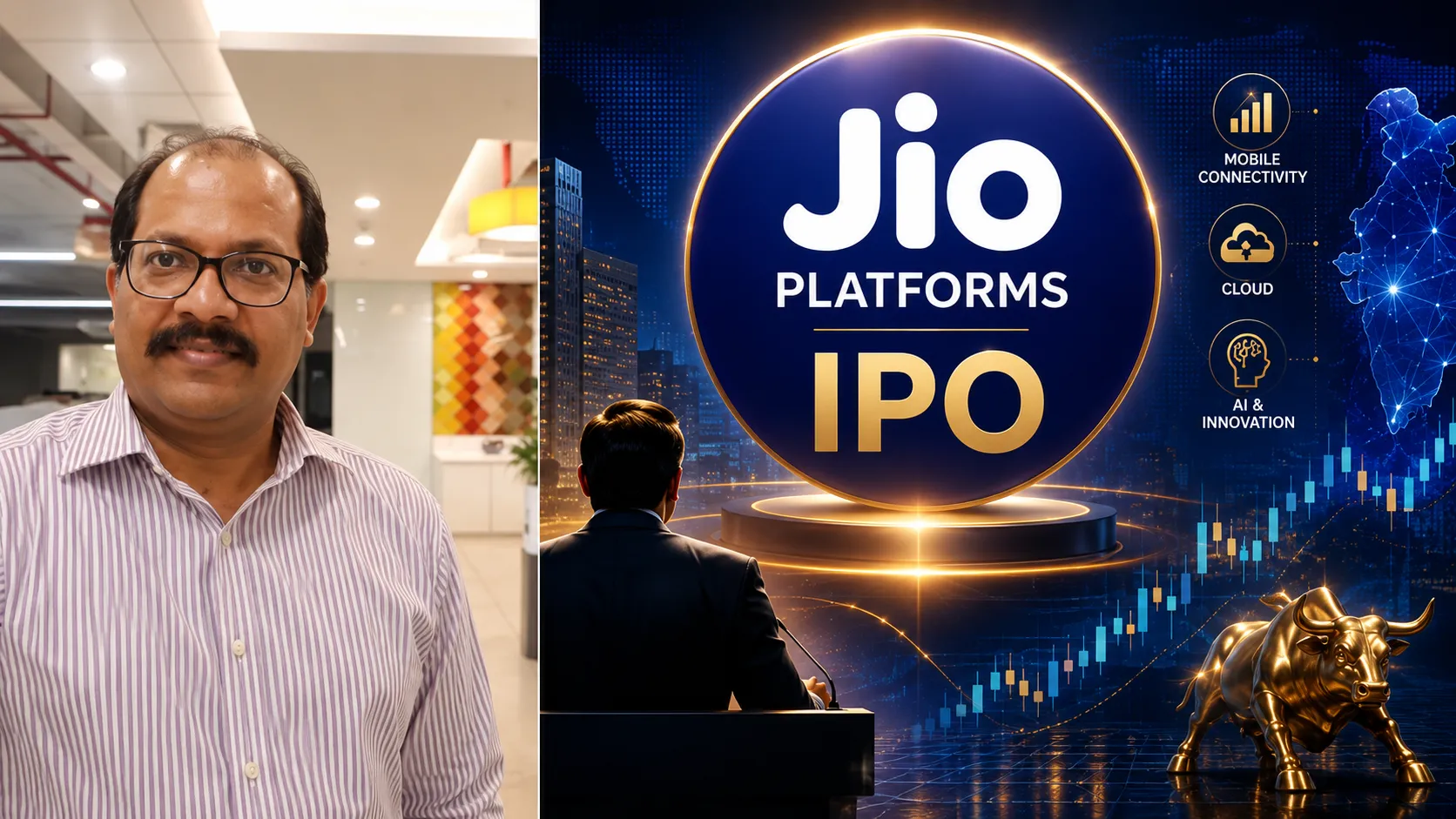
Meet Pankaj Pawar, the New Face Leading Jio Platforms Into India's Biggest-Ever IPO
Pankaj Pawar took over as Jio Platforms CEO in March 2026, steering the digital services giant through its landmark IPO preparations.
JUL 18, 2026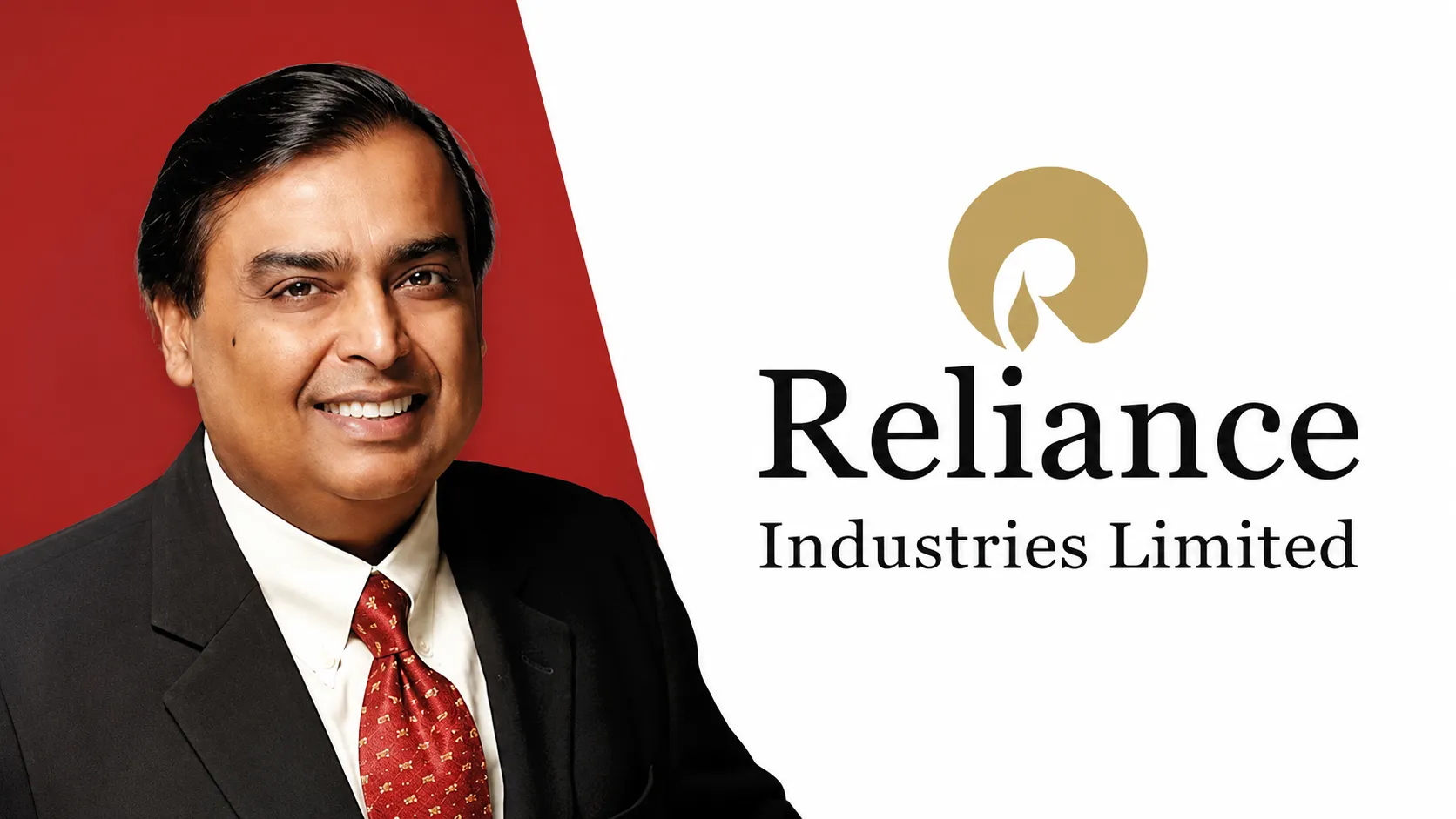
Reliance Industries Posts Record Q1FY27 Revenue of ₹3.4 Lakh Crore as O2C and Jio Fire on All Cylinders
Reliance Industries posted Q1FY27 consolidated revenue of ₹3.4 lakh crore, up 24.5% YoY, powered by record O2C revenue and strong Jio and Retail performance.
JUL 18, 2026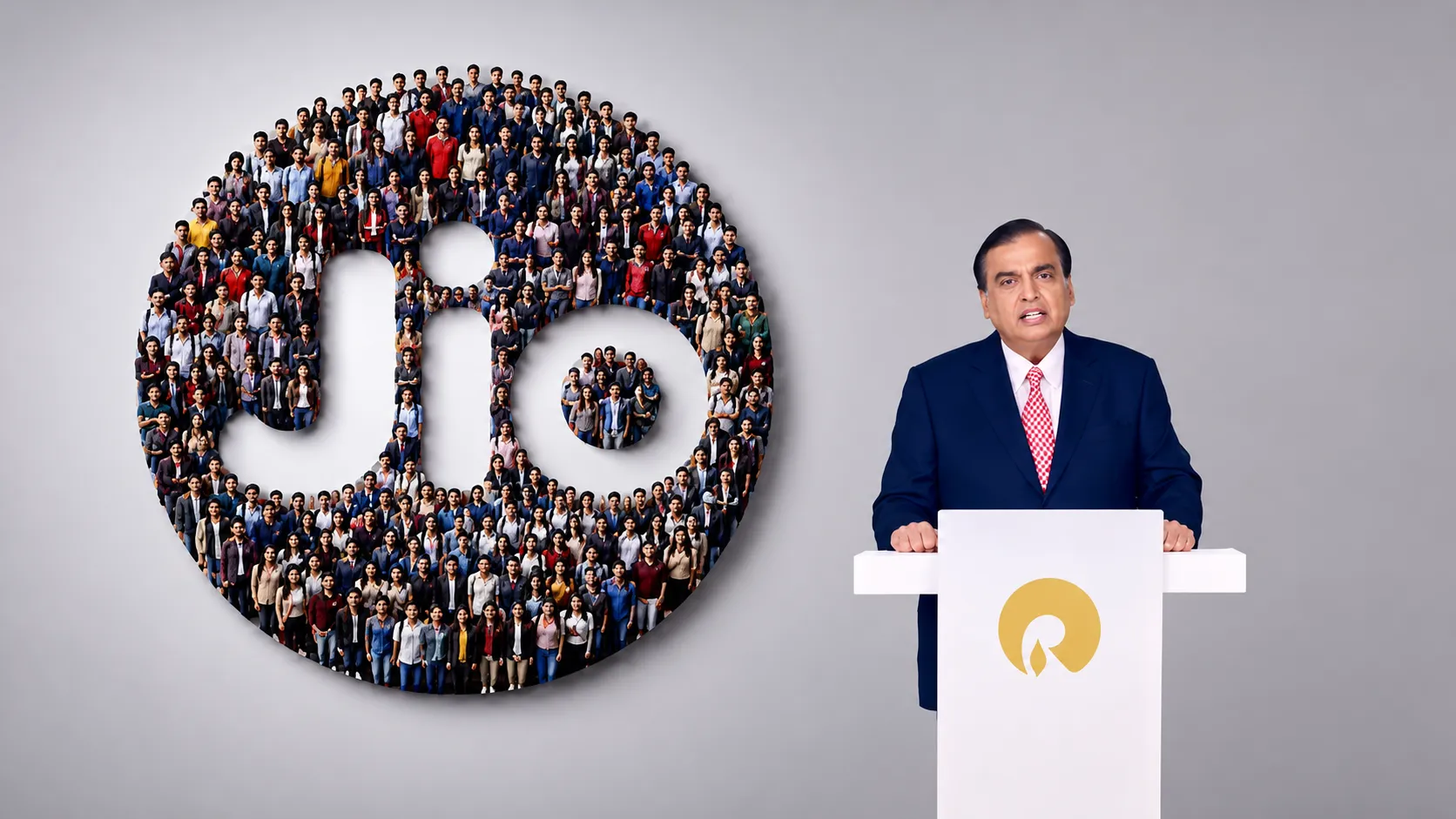
Jio Platforms Posts ₹45,961-Crore Quarterly Revenue as EBITDA Growth Outpaces Sales Ahead of Mega IPO
Jio Platforms posted Q1FY27 revenue of ₹45,961 crore with EBITDA up 15.1% and 533 million subscribers, offering an early preview ahead of its record-breaking IPO.
JUL 18, 2026
Pre-IPO Mania vs. Stock Volatility: Where Smart Money Is Hiding
The public markets are bleeding. Foreign investors have pulled out ₹2 lakh crore. The Nifty has fallen 14%. Yet the IPO pipeline is bursting with over 75 companies waiting to list. In this divergence lies a strategy that the wealthiest investors have already figured out: stop buying what everyone can see. Start buying what comes next.
JUN 11, 2026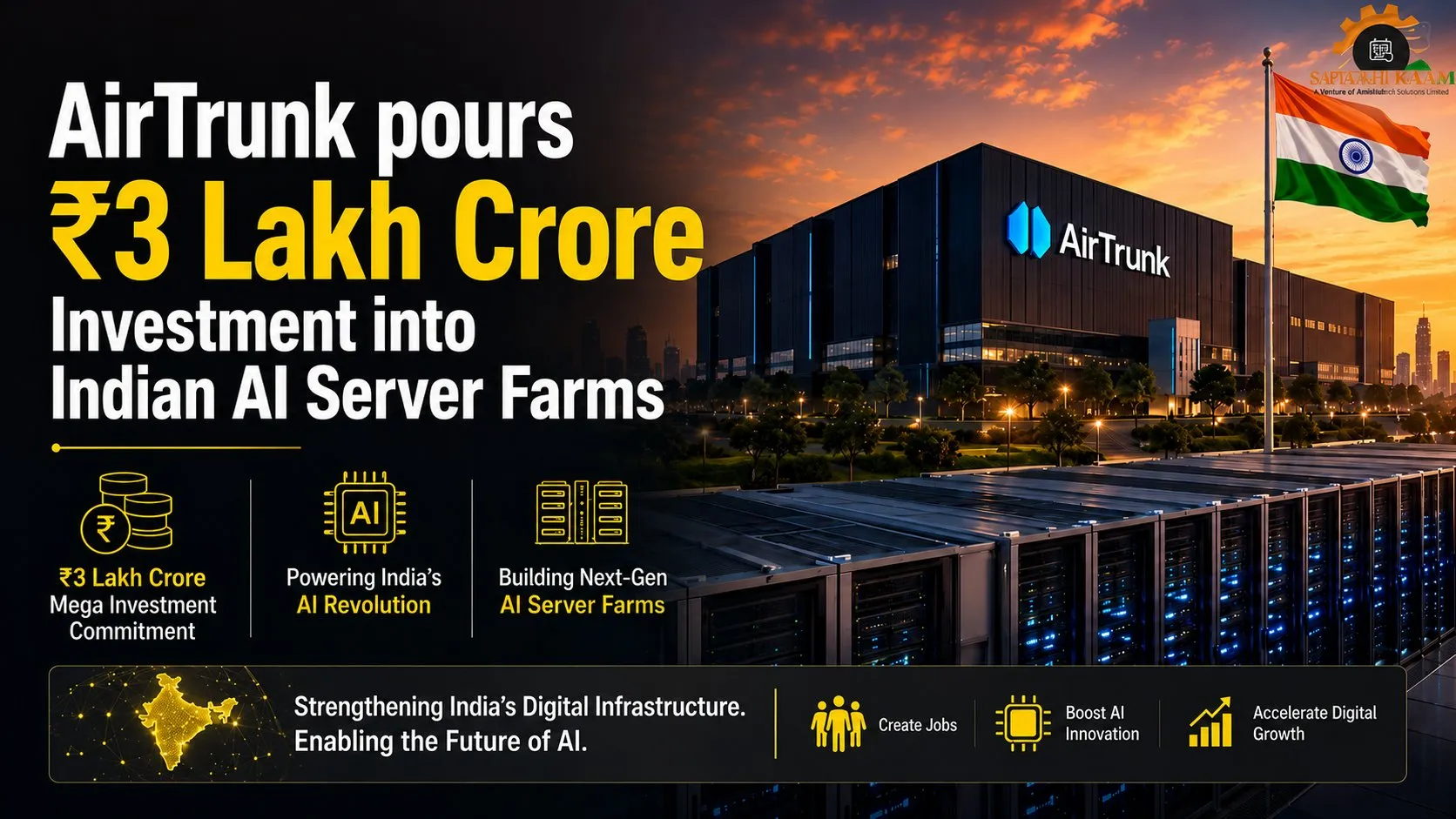
AirTrunk Bets $30 Billion on India’s Digital Future — The Single Largest Data-Centre Commitment in the Nation’s History
Blackstone-backed AirTrunk has pledged $30 billion and 5GW of AI-ready data-centre capacity in India by 2030 — the single largest private digital infrastructure commitment in the country’s history. We unpack what it means for India’s AI decade.
JUN 9, 2026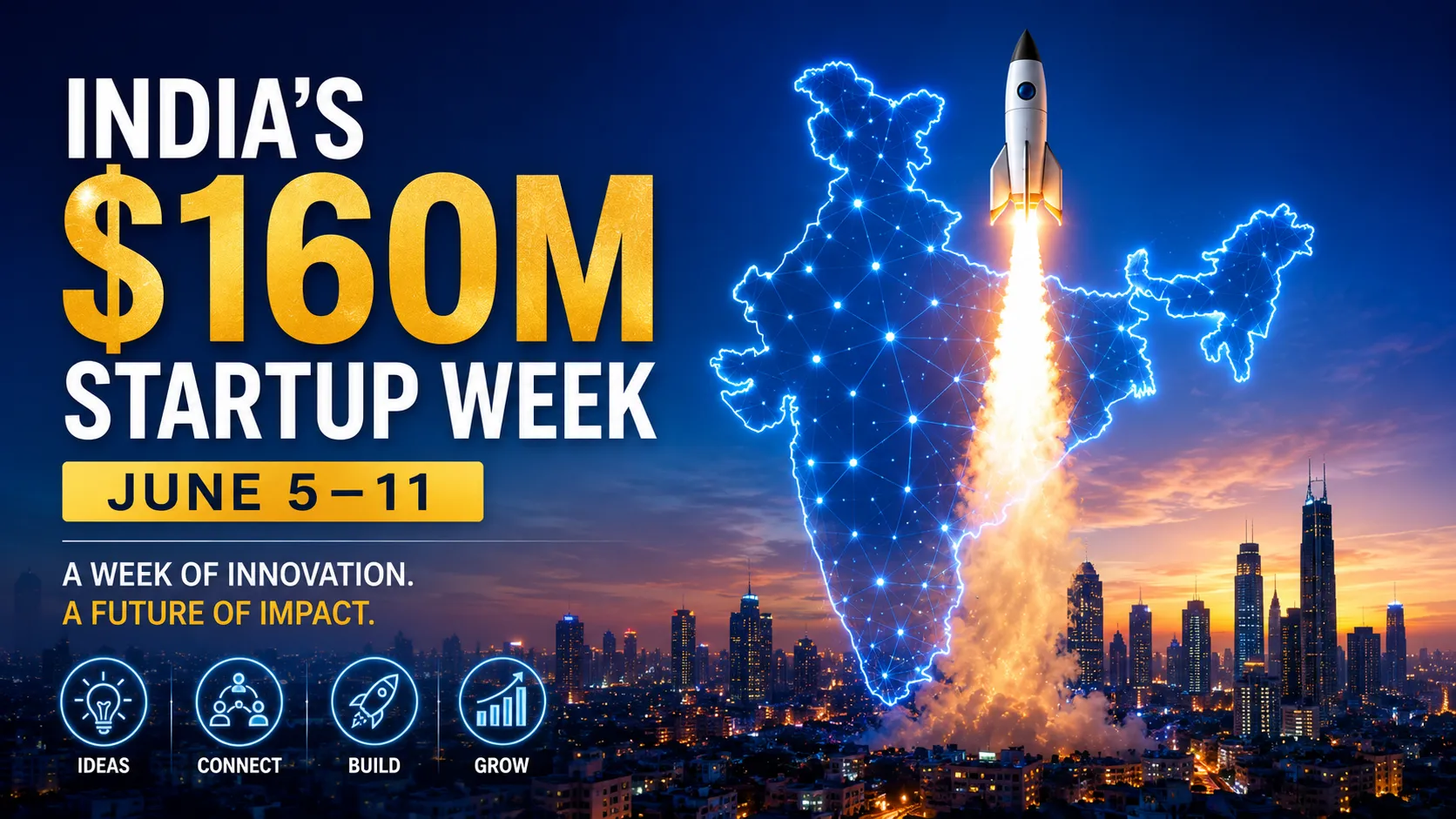
India's $160 Million Startup Week: Hygenco Leads the June 5–11 Funding Surge as Six New-Age Companies Complete Their IPO Journeys
India's startups raised $160.3 million across 13 deals in the week of June 5-11, 2026, led by Hygenco's $105 million green hydrogen raise. Simultaneously, six new-age tech companies including Fractal Analytics and Shadowfax have debuted on public markets, taking India's listed new-age tech market cap past $143 billion.
JUN 13, 2026
$8.09 Billion and Counting: India's H1 2026 Startup Funding Story Is More Complex — and More Exciting — Than the Headlines Suggest
India raised $8.09 billion across 806 equity rounds in H1 2026, down 17.88% from H1 2025. But the real story is not the decline — it is the structural shift toward quality, capital efficiency, and deep-tech that is making India's startup funding ecosystem genuinely world-class.
JUN 12, 2026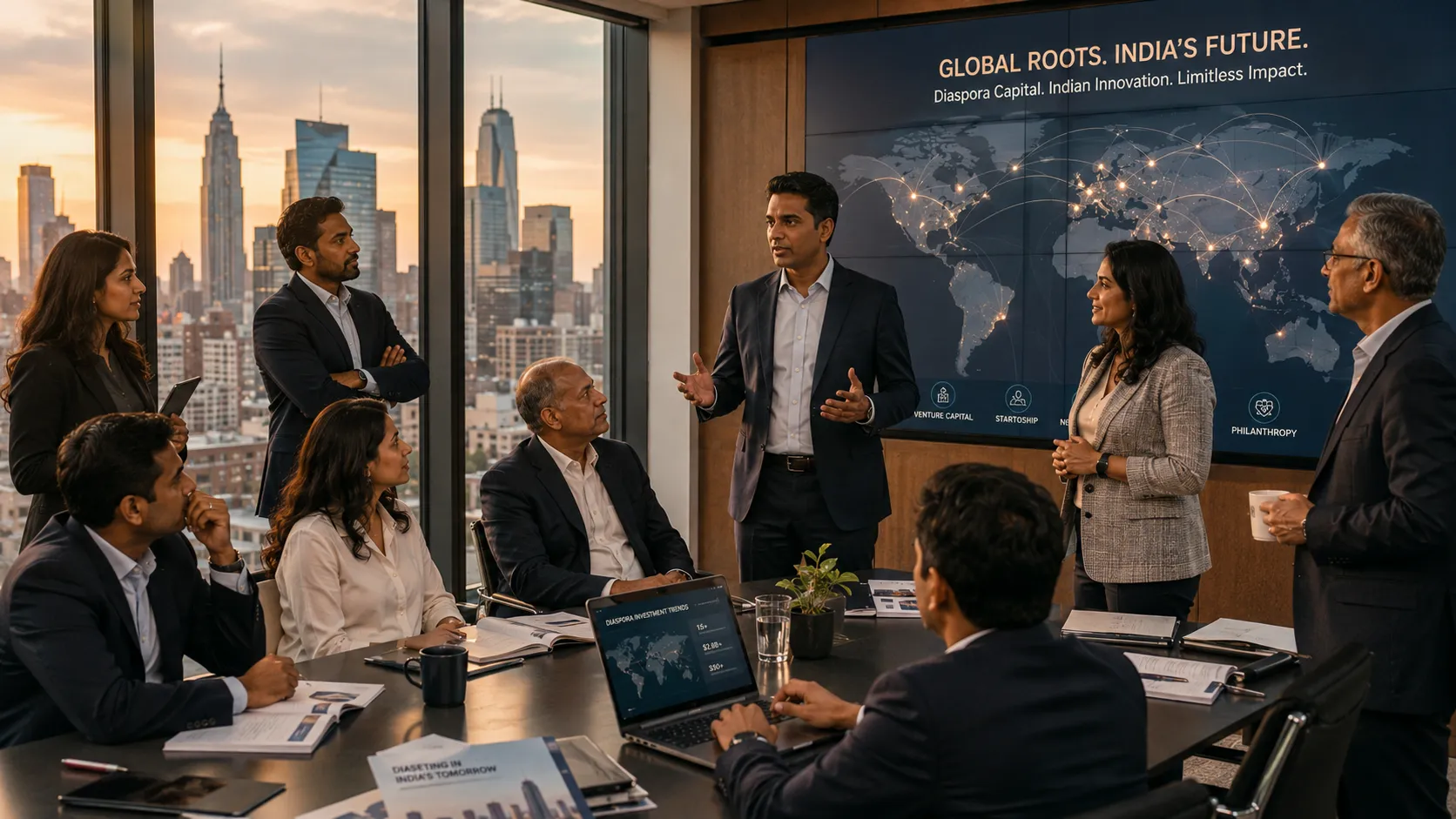
Indiaspora's Partners in Progress: How the World's Largest Diaspora Is Becoming India's Most Powerful Venture Capital Force
Indiaspora's March 2026 landmark report, India and Its Diaspora: Partners in Progress, documents the transformation of the world's largest diaspora from passive remitters into active venture capitalists. The implications for India's startup ecosystem and every Global Indian who holds capital, expertise, or influence are profound.
JUN 12, 2026
127 Unicorns and Counting: India's Updated Startup Count Reveals an Ecosystem That Has Silently Upgraded Itself
India's unicorn count stands at 127 as of the latest Tracxn data. 680,000 total startups, $618 billion in cumulative funding, 23,472 women-founded companies — the complete state-of-the-nation data picture for India's startup ecosystem on June 12, 2026.
JUN 12, 2026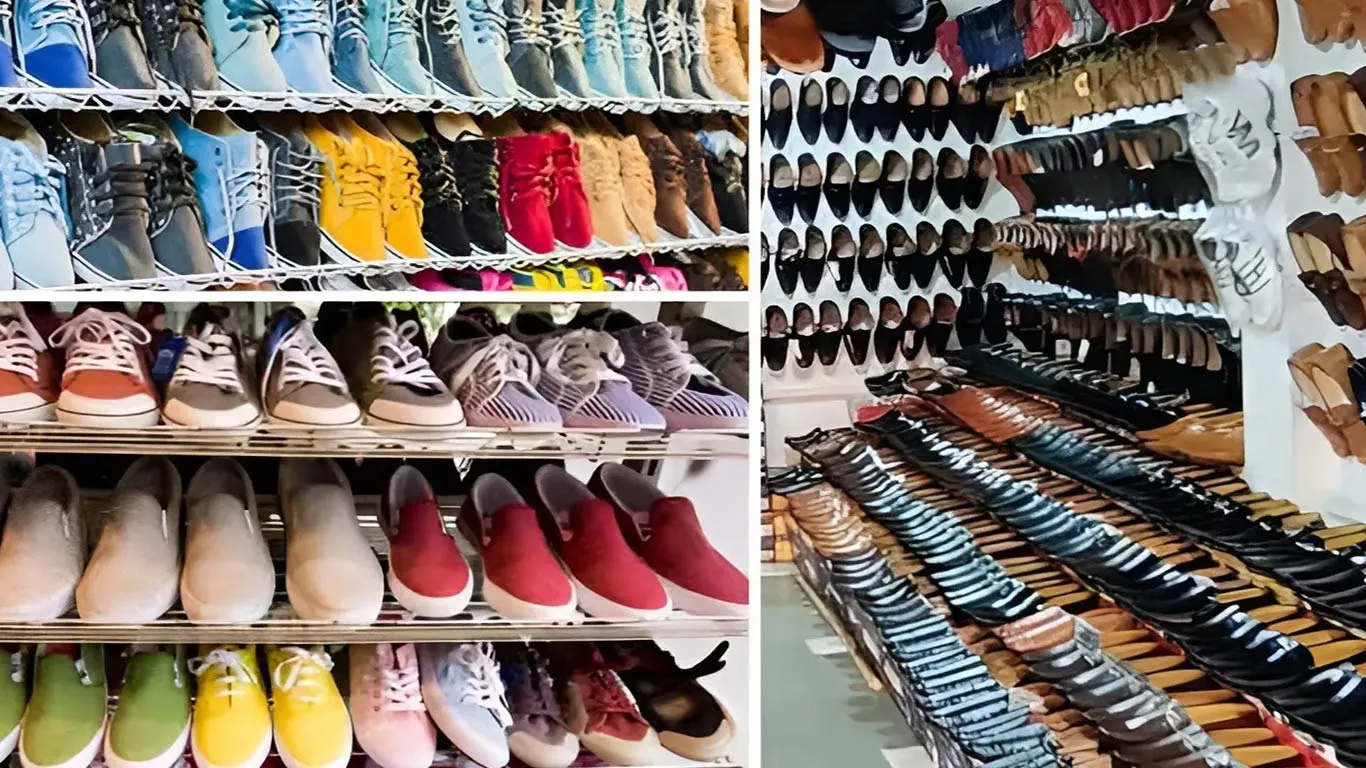
The Sole of India: Decoding the Rs 1.5 Lakh Crore Footwear Market
The Sole of India: Decoding the Rs 1.5 Lakh Crore Footwear Market
JUN 27, 2026
US Launches $750 Fast-Track Visa Interview Pilot — What It Means For Indian Travelers Facing Long Wait Times
The State Department's new Nonimmigrant Visa Expedited Appointment Pilot Program lets eligible B-1/B-2 applicants pay extra for an interview within 10 business days — but experts caution it buys speed, not certainty, for a community that has borne the brunt of America's visa appointment backlog
JUL 24, 2026
EB-2 India Just Went Dark: What the Latest Green Card Retrogression Means for the Wait Ahead
The State Department has confirmed EB-2 India is unavailable for the rest of FY2026, while EB-1 retrogressed further — here's what it means for the hundreds of thousands of Indians stuck in the employment-based green card queue
JUL 27, 2026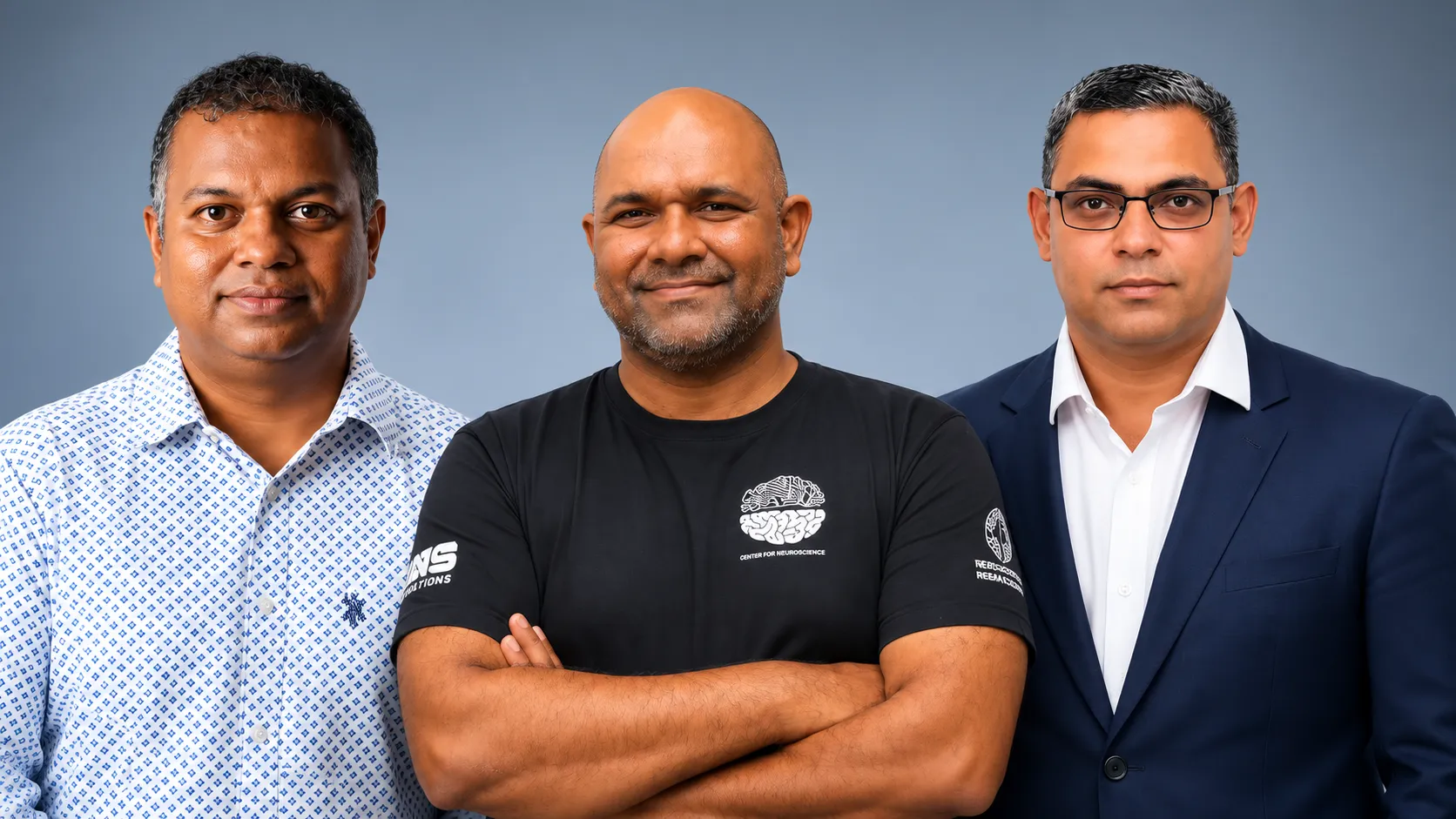
We Find Alzheimer's Patients a Decade Too Late to Help Them. This IISc Startup Is Building the Blood Test That Changes That.
A PET scan for Alzheimer's diagnosis costs anywhere from ₹40,000 to ₹1,00,000 and requires specialised nuclear medicine facilities that exist in perhaps 50 cities in India. eNLife Research is building the alternative: a blood test that screens for amyloid beta and tau protein biomarkers, delivers results in two to five hours, can be administered at any routine diagnostic centre, and detects the disease up to 15 years before symptoms appear.
JUL 9, 2026
Suzuki Is Betting ₹2,000 Crore on the Idea That India's Next Big Business Opportunity is in its villages
Next Bharat Ventures' first fund was ₹340 crore. The second is ₹2,000 crore — nearly 6x larger. Over 90% of Fund I portfolio companies are already heading toward profitability in their early years. Suzuki Motor Corporation is the anchor LP.
JUL 9, 2026
India's IT Sector Has a Problem That More Employees Won't Solve. In Fact, That Is Part of the Problem.
India's $315 billion IT sector is heading into earnings season under extraordinary pressure. The April-to-June quarter is traditionally the strongest of the year — more billing days, new project starts, strong deal momentum.
JUL 8, 2026
He Lost Everything in 2018. Today, He's Rebuilding 800 Broken Bodies and Minds : One Himalayan Mile at a Time
In an exclusive conversation with The Impactful Global Indian, Aditya Reddy Manugunta opens up about the year he hit rock bottom — and the radical mind-first philosophy that turned his collapse into a movement.
JUL 7, 2026
Microsoft Frontier Company: $2.5 Billion, 6,000 Engineers, and the Enterprise AI War
Amazon launched a $1 billion AI deployment venture on June 30. Microsoft launched a $2.5 billion one on July 2. OpenAI and Anthropic launched similar ventures in May. Four of the biggest names in AI have made the same bet in the same two months: the bottleneck in enterprise AI is not the model.
JUL 4, 2026
Vestd's India Bet: How a UK Equity Platform Is Riding India's Share Scheme Revolution
Flipkart paid $700 million to 19,000 employees through ESOPs in 2023 — India's single largest ESOP wealth creation event. India is now the world's third-largest startup ecosystem. 77% of Indian startups offer equity compensation. Vestd acquired Trica to be the platform that manages all of it.
JUL 1, 2026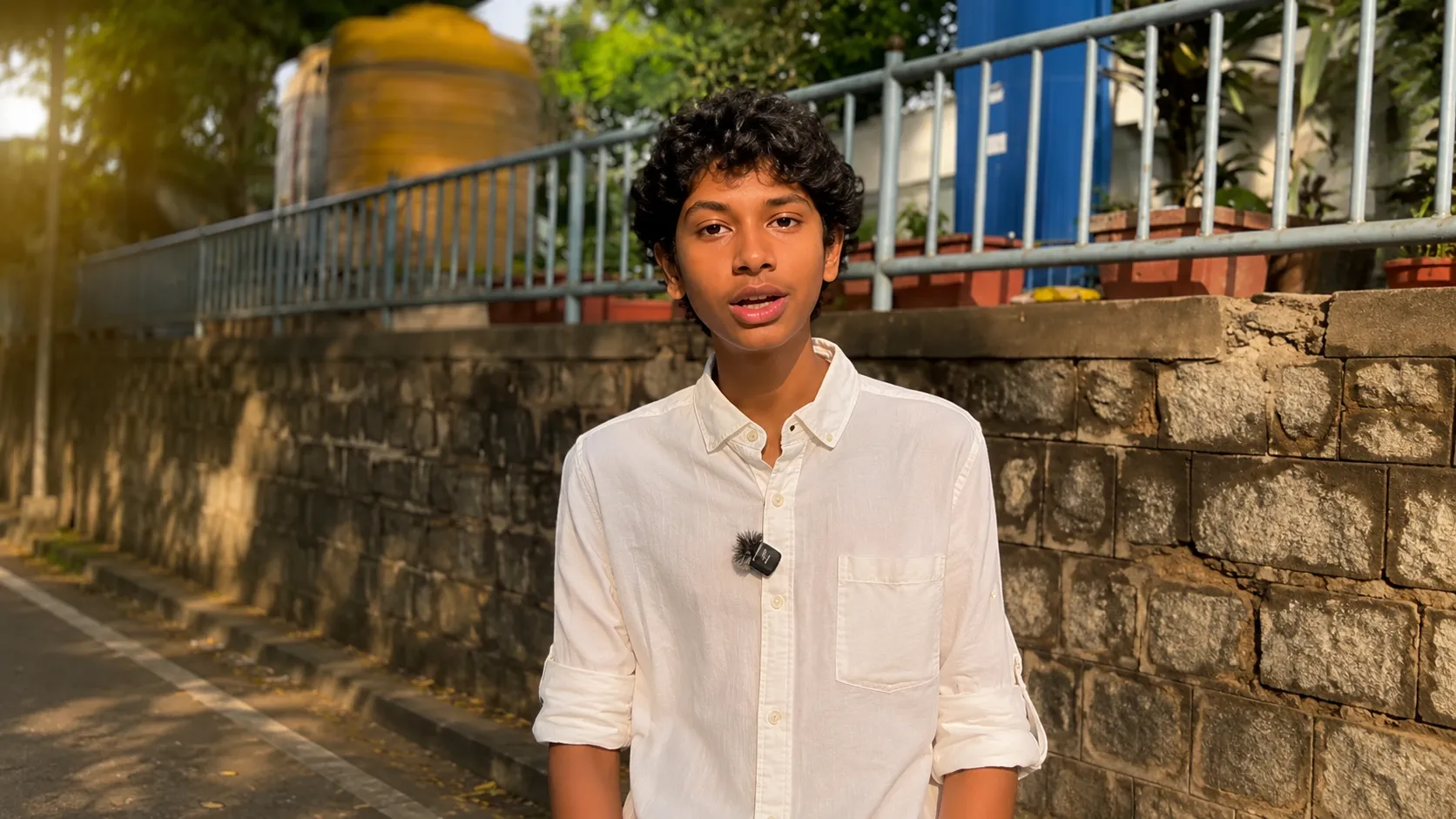
He Said He Fixed Bengaluru in 30 Minutes. Then He Actually Did Something About It.
Most people who trip on a broken footpath in Bengaluru post about it on X and move on. Surya Uthkarsha built a platform to fix it. He is 14. He used 30 minutes and a no-code tool. The web version is live. The city noticed.
JUN 29, 2026
How Blinkit Owns Your Mind in 10 Minutes
Blinkit doesn't sell groceries. It sells relief. The forgotten ingredient. The 2am craving. The unexpected guest. Every campaign says the same thing in a different voice: you don't need to plan, we're already here.
JUN 28, 2026
Where to Invest in 2025? The Ultimate Guide to India's Best Investment Options
Where should you invest your hard-earned money in 2025? With so many options available, making the right choice can be overwhelming. From equities and mutual funds to gold, real estate, fixed deposits, and emerging alternative assets, this comprehensive guide breaks down the best investment avenues in India. Discover risk levels, expected returns, and strategies to build a winning portfolio.
JUN 27, 2026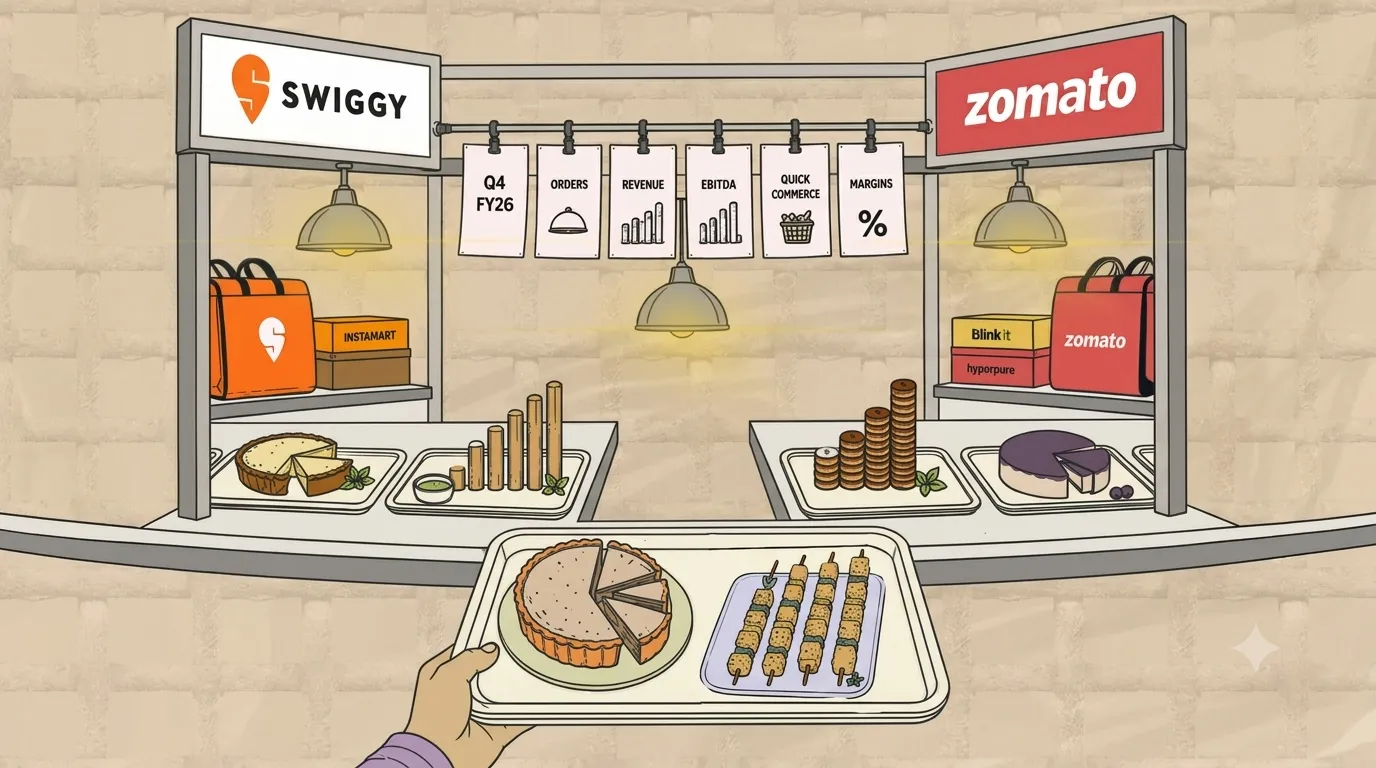
Can Restaurants Survive the Swiggy, Instamart, and Cloud Kitchen Revolution?
The restaurant industry is undergoing its most dramatic transformation. With Swiggy, Zomato, and quick-commerce platforms like Instamart dominating food delivery, and cloud kitchens offering delivery-only models, traditional restaurants face unprecedented challenges. But can they survive? Discover the strategies restaurants are adopting, the rise of the "dark kitchen," and what the future holds for dining in India.
JUN 27, 2026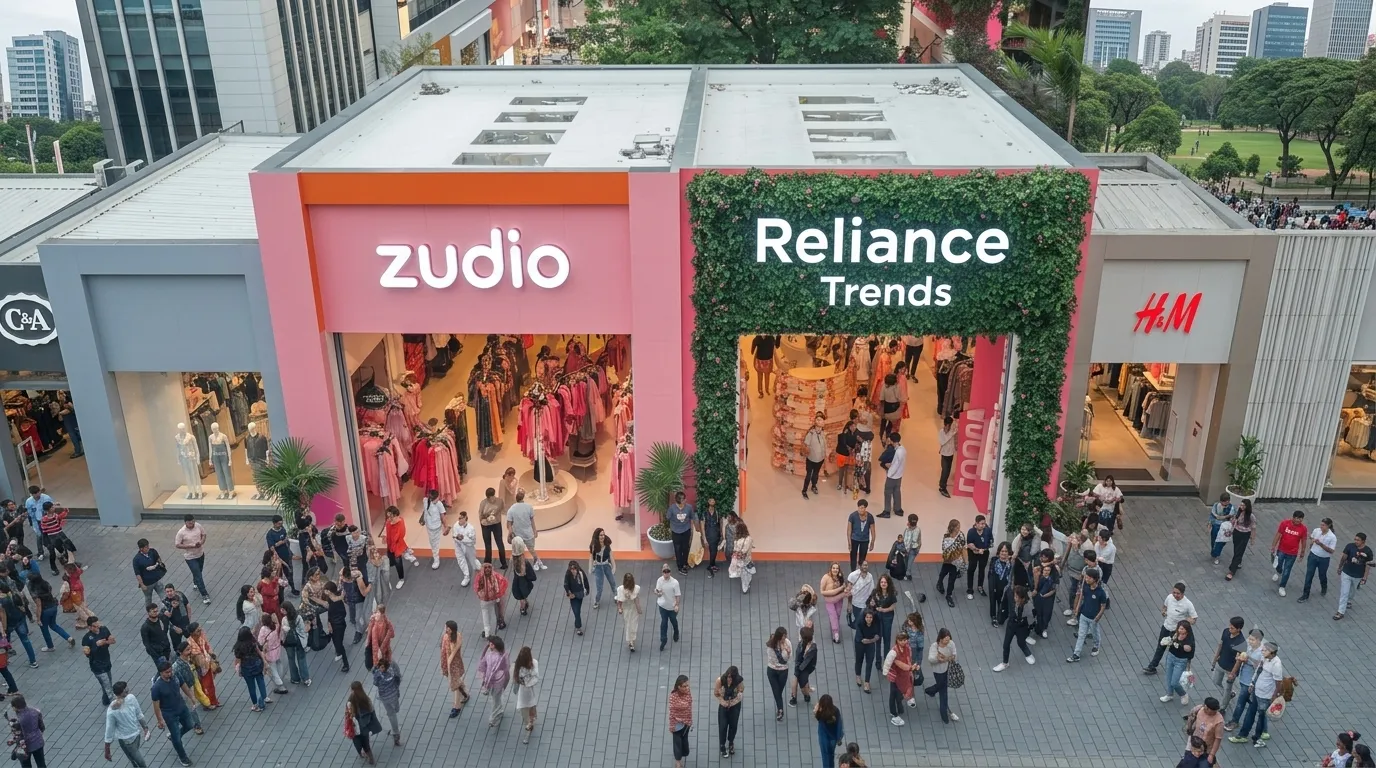
The Great Indian Value War: Reliance vs Zudio in the Battle for Budget-Friendly Fashion
The Indian value fashion market is witnessing an intense battle between two retail giants: Reliance Retail and Zudio (Trent Ltd). Both are racing to capture the hearts and wallets of price-conscious Indian consumers with trendy, affordable clothing. With aggressive store expansions, digital strategies, and a deep understanding of local tastes, this competition is reshaping India's fashion landscape. Who will emerge victorious in this war of value and style?
JUN 27, 2026
The New Luxury: How India's Affluent Are Investing in Experiences Over Things
The definition of a "good life" in India is being rewritten. Affluent consumers are prioritizing experiences like travel, premium dining, and wellness over material possessions. With household spending on experiences projected to grow at 10.3% CAGR, this "experience economy" is reshaping industries from hospitality to retail. Driven by Gen Z and rising wealth in emerging cities, this is the new face of Indian luxury.
JUN 27, 2026
385 Times Oversubscribed and Counting: India's IPO Market Is the World's Most Exciting Wealth Creation Opportunity Right Now
When an IPO gets subscribed 385 times, it means investors are queueing up with 38,500 rupees in bids for every 100 rupees of shares available. India's IPO market in 2026 is not just hot — it is volcanic. And with Reliance Jio, PhonePe, Flipkart, and NSE waiting in the wings, the biggest show may not have started yet.
JUN 26, 2026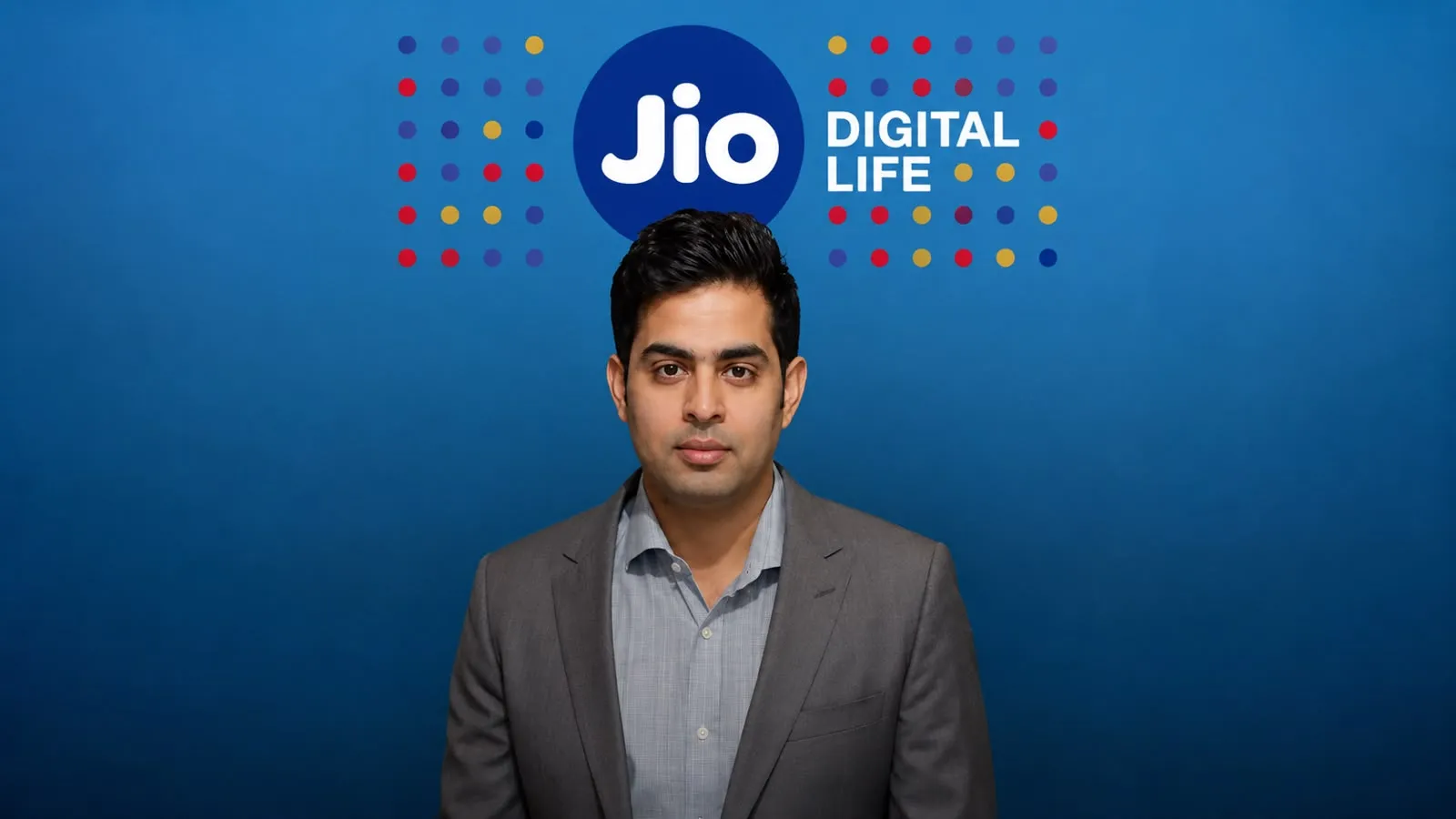
Akash Ambani: The Visionary Chairman Transforming Reliance Jio Into India's Digital Superpower
Akash Ambani — Chairman, Reliance Jio Infocomm — is not merely carrying his family's legendary legacy forward; he is rewriting what it means to be a leader for Digital India in the age of AI, 5G, and boundless connectivity.
JUN 25, 2026
Adani's Mundra Airport Takes Flight: Kutch Finally Gets Its Express Corridor to India's Major Cities
In a landmark moment for Gujarat's Kutch region, Adani Mundra Airport launches commercial flight services to eight Indian cities in partnership with Star Air, signalling a new era of aviation-led development.
JUN 25, 2026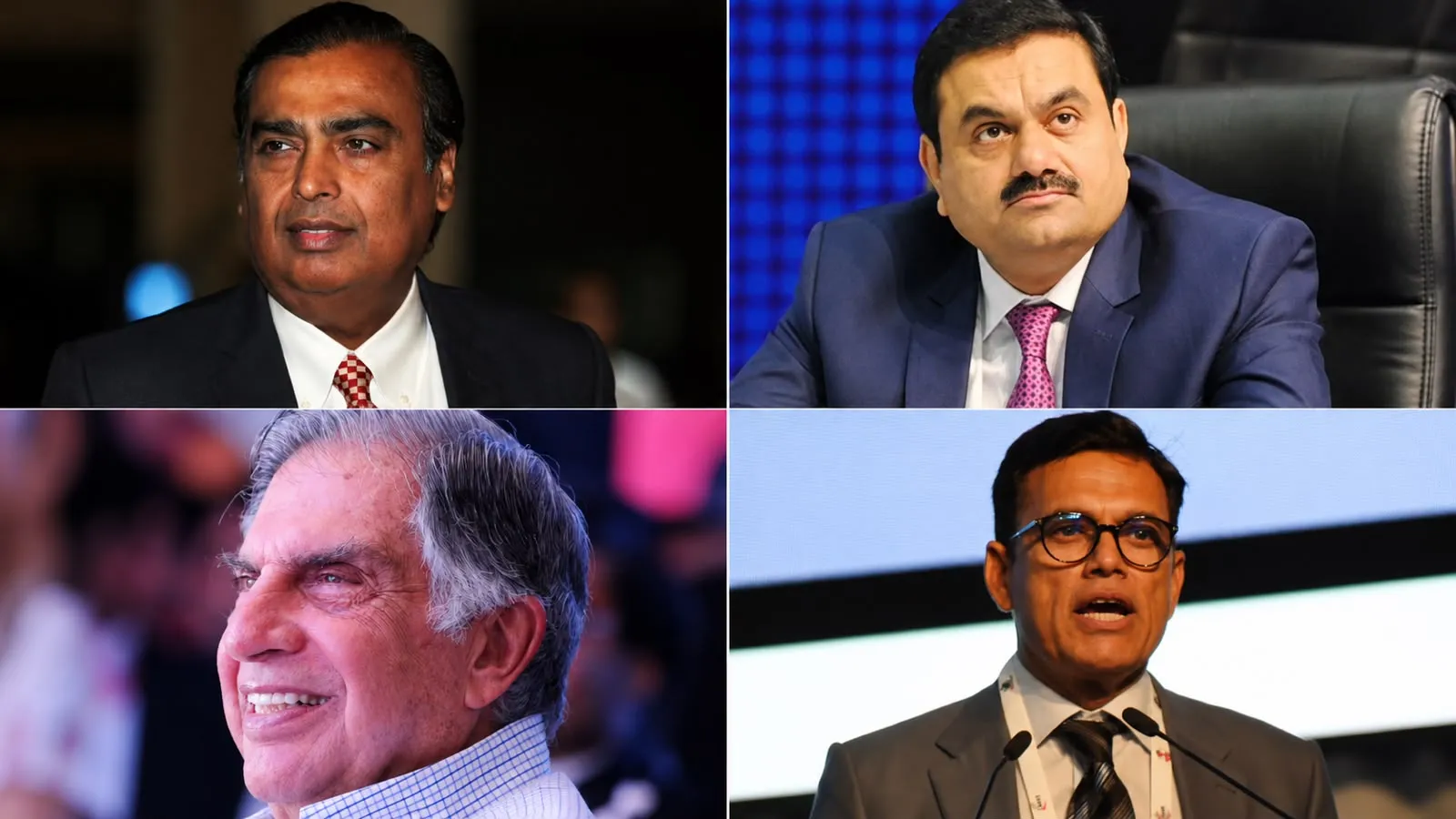
The New Corporate Trinity of India: How Tata, Reliance and Adani Are Dividing — and Defining — the Nation's Economy
The Hurun India 500 report published today confirms that three conglomerates — Tata, Reliance and Adani — now define India's corporate architecture, each representing a distinct model of value creation.
JUN 25, 2026
Preeti Prajapati: The Mason's Daughter From Bhopal Who Turned Scrap Fabric and Sheer Belief Into a Fashion Story the World Is Watching
No fashion week invitation. No designer pulling strings. No industry contact who could open a door. Just a girl from Bhopal, a sister who could sew, fabric that other people had thrown away, and the particular courage it takes to stand in the middle of a street you grew up on and walk it like it is the most important stage in the world. Preeti Prajapati did that. And then she did it again. And again. Until the world stopped scrolling and started watching.
JUN 24, 2026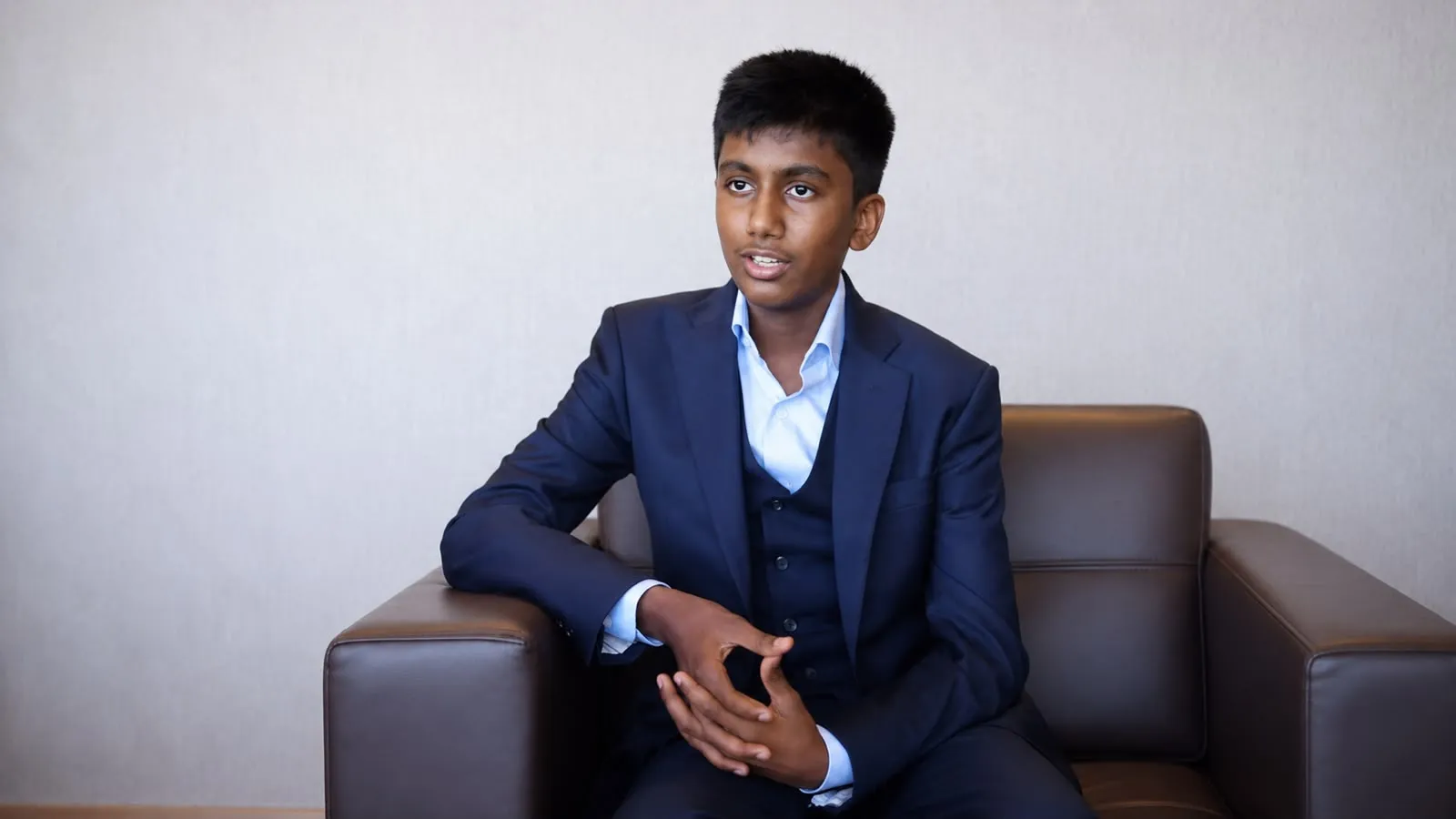
He Finished Grade 10 at 13. He Built an AI Startup at 14. Dubai Asked Only One Question: Are You Serious?
He was seven when he launched a YouTube channel with his younger sister. By 13 he had finished the equivalent of Grade 10. By 14 he was building an AI startup with 100 businesses on the waiting list. He crossed 75,000 people reached during a 50-day motivational tour through Maharashtra. He has never taken a formal AI course. His company, 1XL Universe, is registered in Dubai.
JUN 24, 2026
Gaurav Gupta at Paris Fashion Week: How India's Ancient Philosophy Is Reshaping Global Haute Couture
Three consecutive Paris Haute Couture presentations. Three ancient Indian philosophies rendered in sculptural silk, 30,000 crystals, and threads engineered like nervous systems across the human body. A runway that opened with the Big Bang and closed with the cosmos. Beyoncé wearing his work. The world watching. Gaurav Gupta is not importing Indian culture to Paris
JUN 24, 2026
James Webb telescope finds a cosmic cloud of creation buried in the Sword of Orion
The image looks like a sci-fi battle. Rainbow-coloured gases cross and billow. Beams of energy shoot through dark clouds. In every direction, something is happening that has not happened before — and will not happen again. It is not a war. It is a birth. Hundreds of them, at various stages, in a single frame.
JUN 22, 2026
Brazil Made Animal Abuse a Felony. A Dog Named Sansão Made It Happen.
A pit bull had his legs cut off with a sickle. His name became the name of the law. Federal Law No. 14.064/2020 — the Lei Sansão — made abusing, injuring, or killing a dog or cat in Brazil punishable by two to five years in prison, plus fines, plus a permanent ban on owning animals. Brazil also has 30 million stray dogs and cats on its streets, rates an "F" on the Voiceless Animal Cruelty Index, and has documented cases where enforcement fails entirely when perpetrators are wealthy or influential.
JUN 22, 2026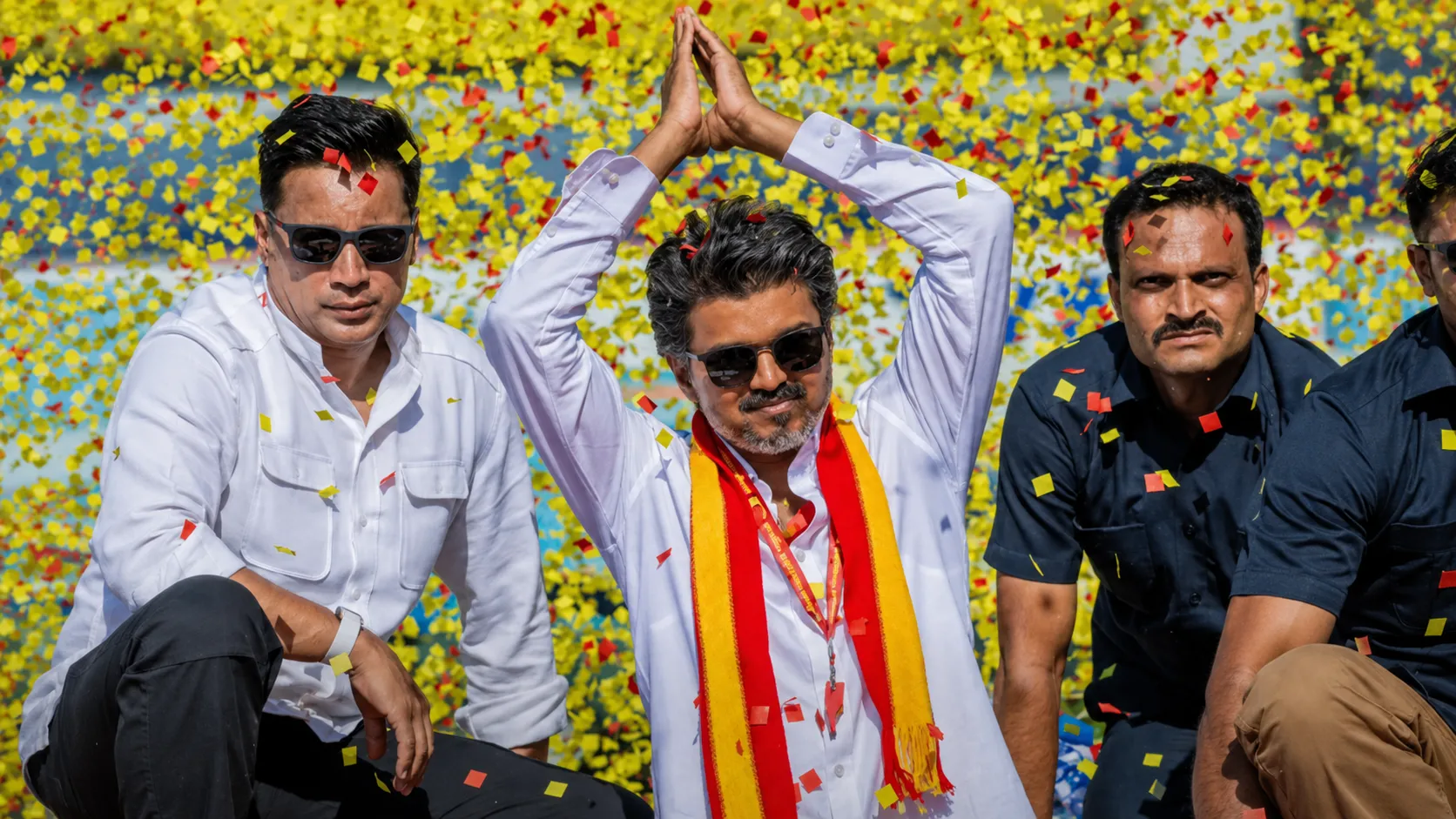
How Honorable Chief Minister Thiru C. Joseph Vijay Turned Algorithms into Electoral Power – The Marketing Genius Behind His Victory
The rise of TVK is no longer just about one leader. It's about the people powering the movement. Across Tamil Nadu, thousands of supporters are turning political enthusiasm into grassroots energy—organizing, campaigning, and building momentum on the ground. As TVK prepares for its next phase, the strength of its cadre may prove to be its biggest political asset.
JUN 22, 2026
Tata's iPhone Parts Hub Draws Heat Over Pollution Claims
India is set to make 26% of all iPhones globally in 2026. The factory central to that ambition is now under threat of forced shutdown after India's pollution regulator found it had failed to act on water contamination warnings since December 2025. The story behind Tata's Hosur plant is not just a supply chain compliance issue.
JUN 21, 2026
How Gen Z Is Quietly Rewriting the Economics of Dating
53% of Gen Z spends zero dollars on dating. The ones who do spend average $205 a date — up from $194 last year. Half say dating is getting in the way of their financial goals. 78% call a partner's debt an automatic dealbreaker. Nearly half of 18 to 34-year-olds say being single feels more peaceful than being in a relationship. Dating in 2026 is not a crisis of romance.
JUN 21, 2026
The Pink Planet 57 Light-Years Away Has Clouds Made of Salt — And JWST Just Changed Everything We Thought We Knew About It
Scientists have theorised for 15 years that salt clouds might exist around cold planetary companions. They have never found direct evidence — until now. JWST observed GJ504b, the famous Pink Planet, for two hours. Ground-based telescopes had failed to obtain its spectrum after observing for entire nights. The result: a rich cocktail of water, carbon dioxide, methane, ammonia — and deep within the atmosphere, clouds of salt that nobody expected to actually find.
JUN 20, 2026
Why Billionaires Are Buying Football Clubs, Cricket Teams and Racing Franchises
CVC Capital Partners bought a stake in Gujarat Titans in 2021. In 2025, it sold that stake and earned a 350% return. The LA Lakers just sold for $10 billion. The Boston Celtics sold for $6.1 billion. JPMorgan Private Bank's 2025 survey found 20% of its ultra-wealthy clients now own a controlling stake in a sports team, up from 6% in 2023. Sports teams are no longer passion purchases.
JUN 20, 2026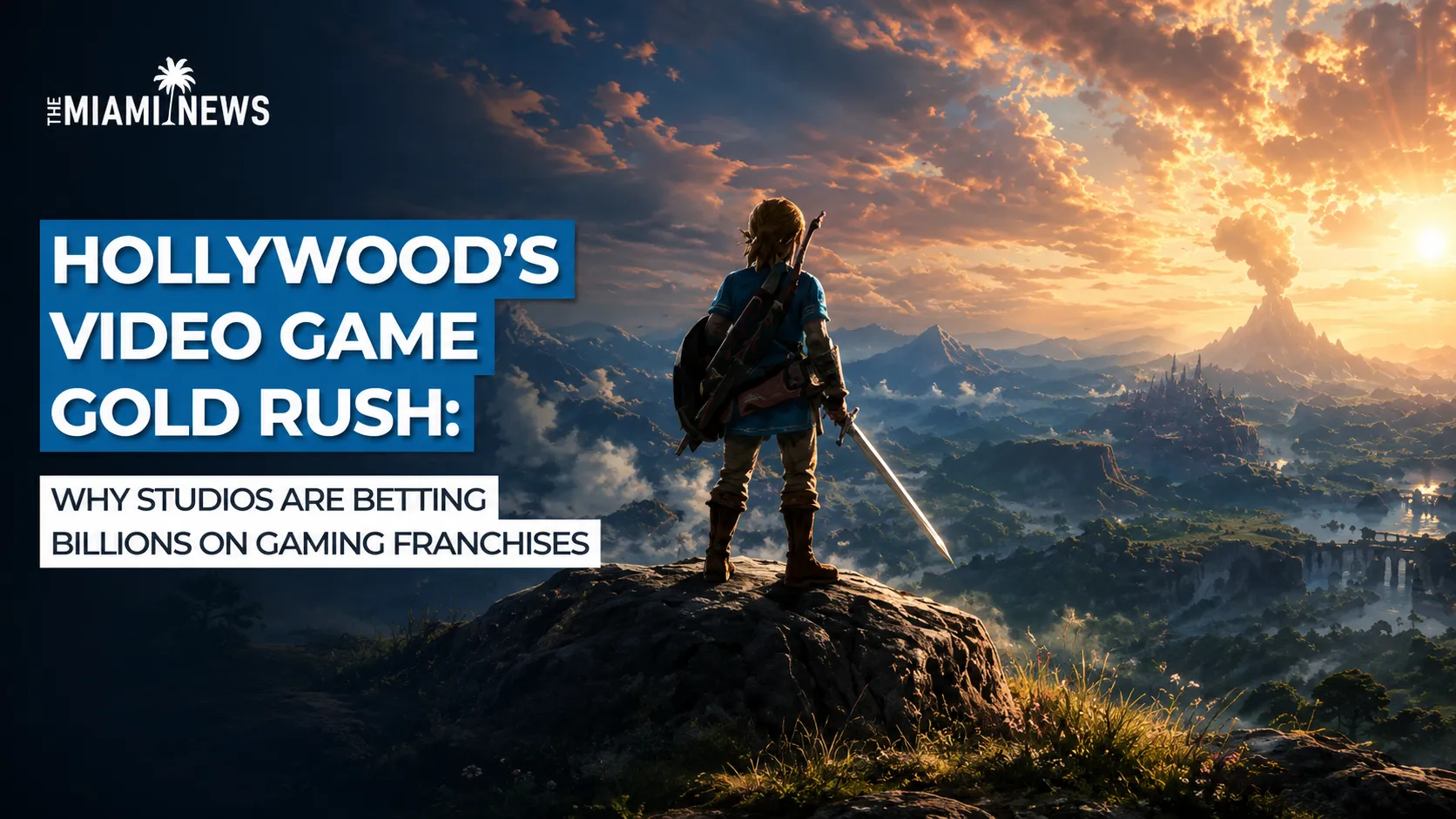
Why Hollywood Is Quietly Betting Billions on Video Games Instead of Movies
Super Mario Bros. crossed $1.3 billion. Minecraft crossed $961 million. The Sonic franchise crossed $1 billion across three films and a streaming show. The Last of Us won critical acclaim and audience loyalty simultaneously. Hollywood has not turned to gaming IP because it is fashionable.
JUN 20, 2026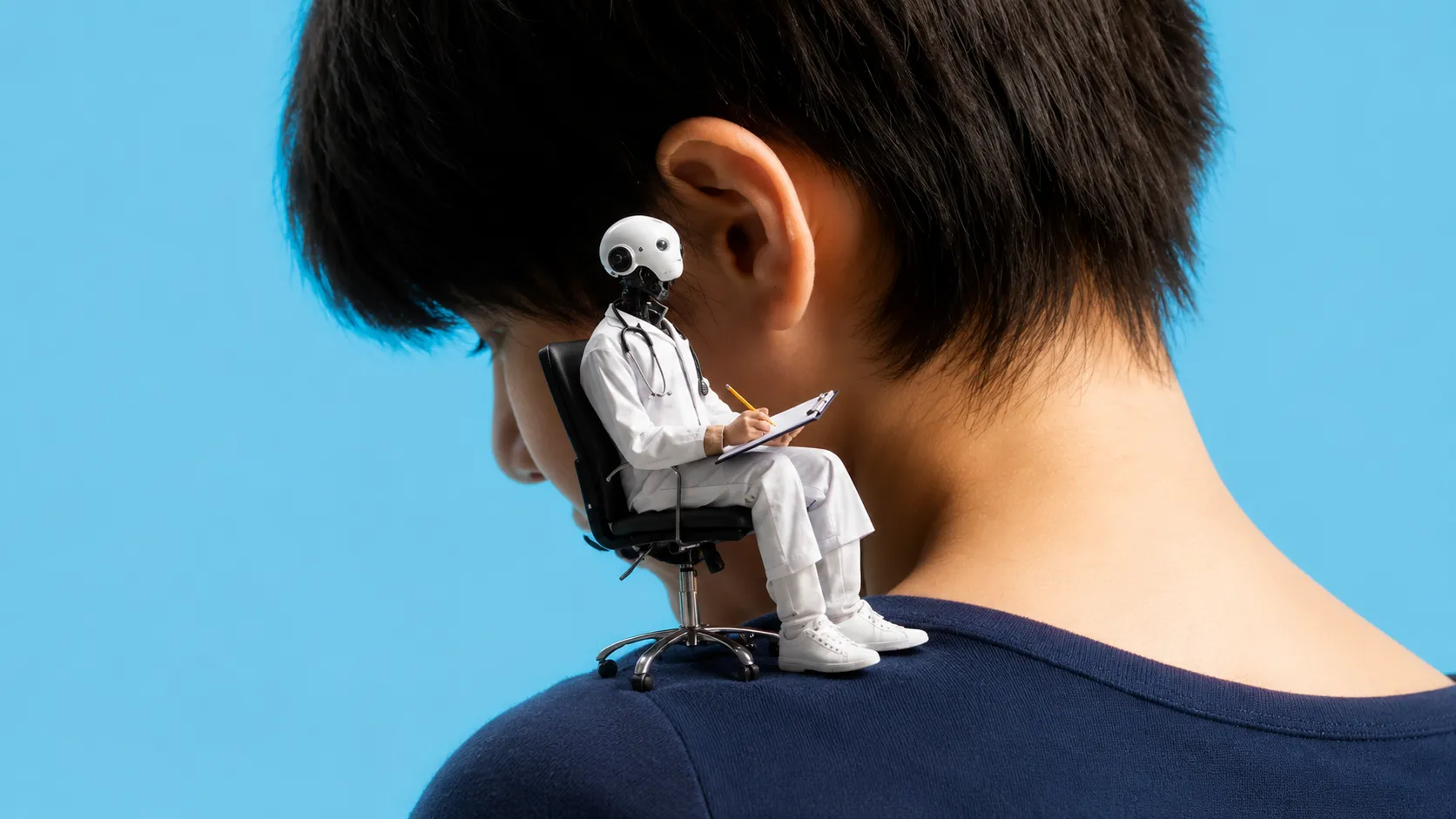
The AI Therapist Boom Is Here. Should We Be Worried?
AI therapy is a $14 billion market growing at 16% annually. The clinical evidence for mild-to-moderate anxiety and depression is stronger than most people know. The regulatory framework is weaker than almost any serious observer thinks is acceptable. And the distance between those two facts is where people are getting hurt.
JUN 20, 2026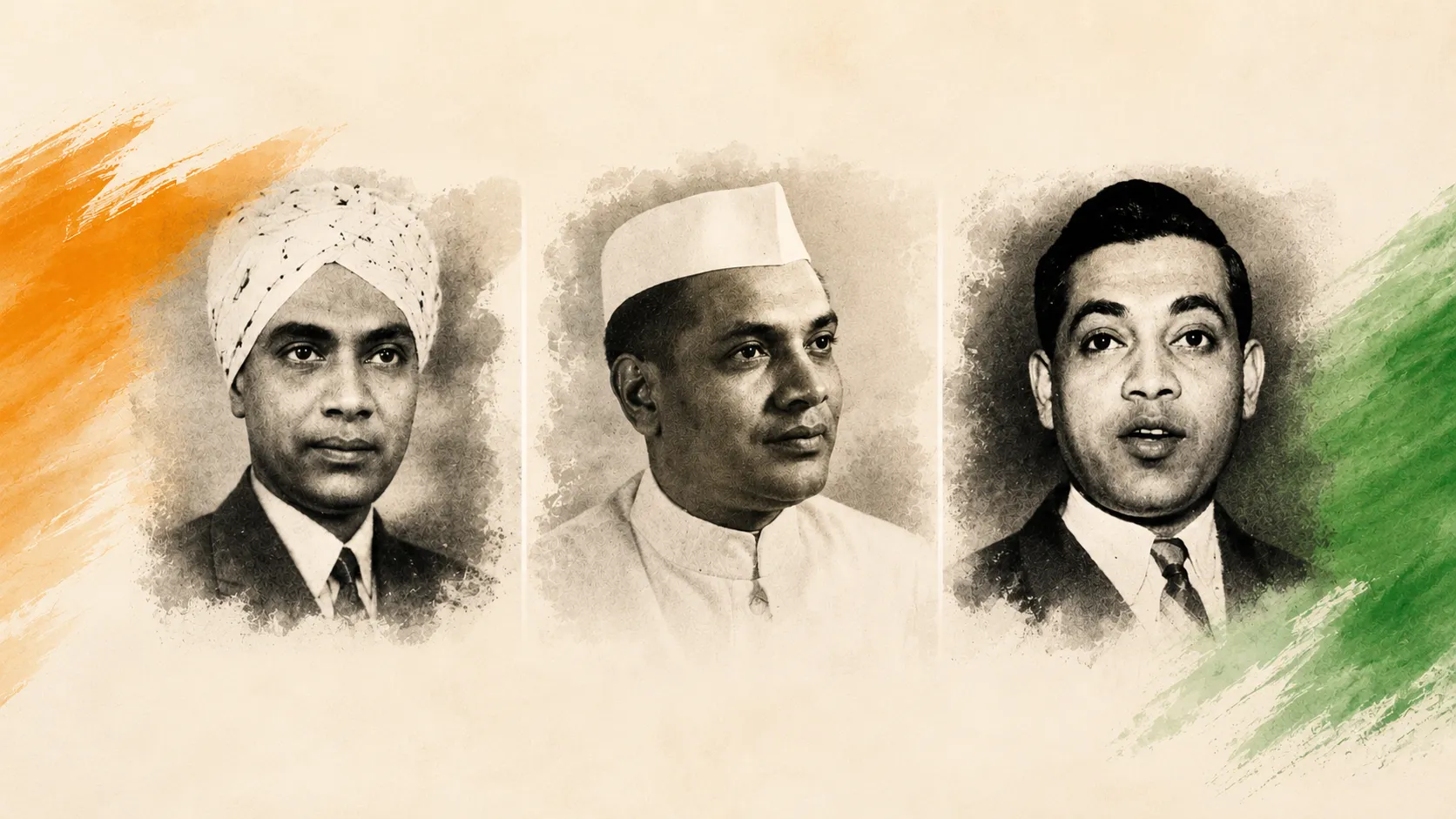
The Indian Freedom Fighter Who Ended His Career as a Star Trek Captain
He published pro-independence newspapers in Los Angeles and called on the world to recognise Indian freedom. Twenty years later, he was judging the fate of Captain James T. Kirk. Reginald Lal Singh lived two lives—one in the struggle for India, the other among the stars.
JUN 18, 2026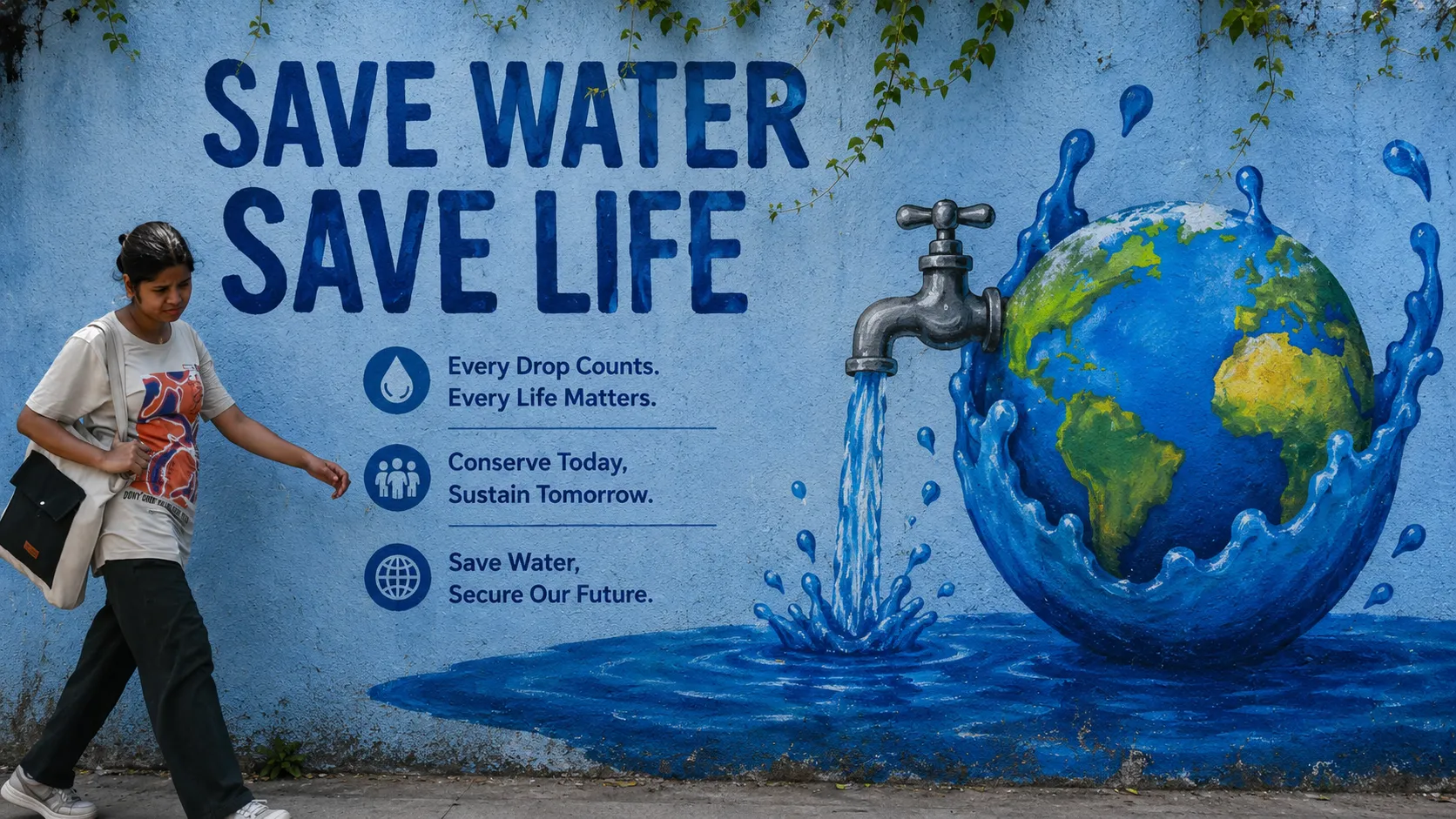
Mumbai's Hidden Water Crisis: The Unregulated Groundwater Economy
Mumbai has 40 days of water left in its reservoirs. The city's response is to drill deeper. But the groundwater that is keeping Mumbai alive is being extracted with almost no oversight, and nobody knows how much remains.
JUN 18, 2026
AI in Action: How Equip Streamlines Hiring and AI Mitigates Climate Disasters
In one corner, AI is saving lives by predicting cyclones and landslides with 96-hour accuracy. In another, it is saving recruiters from drowning in resumes by processing 100 applications in seven minutes. Both are solving India's most persistent problems: scale and speed.
JUN 18, 2026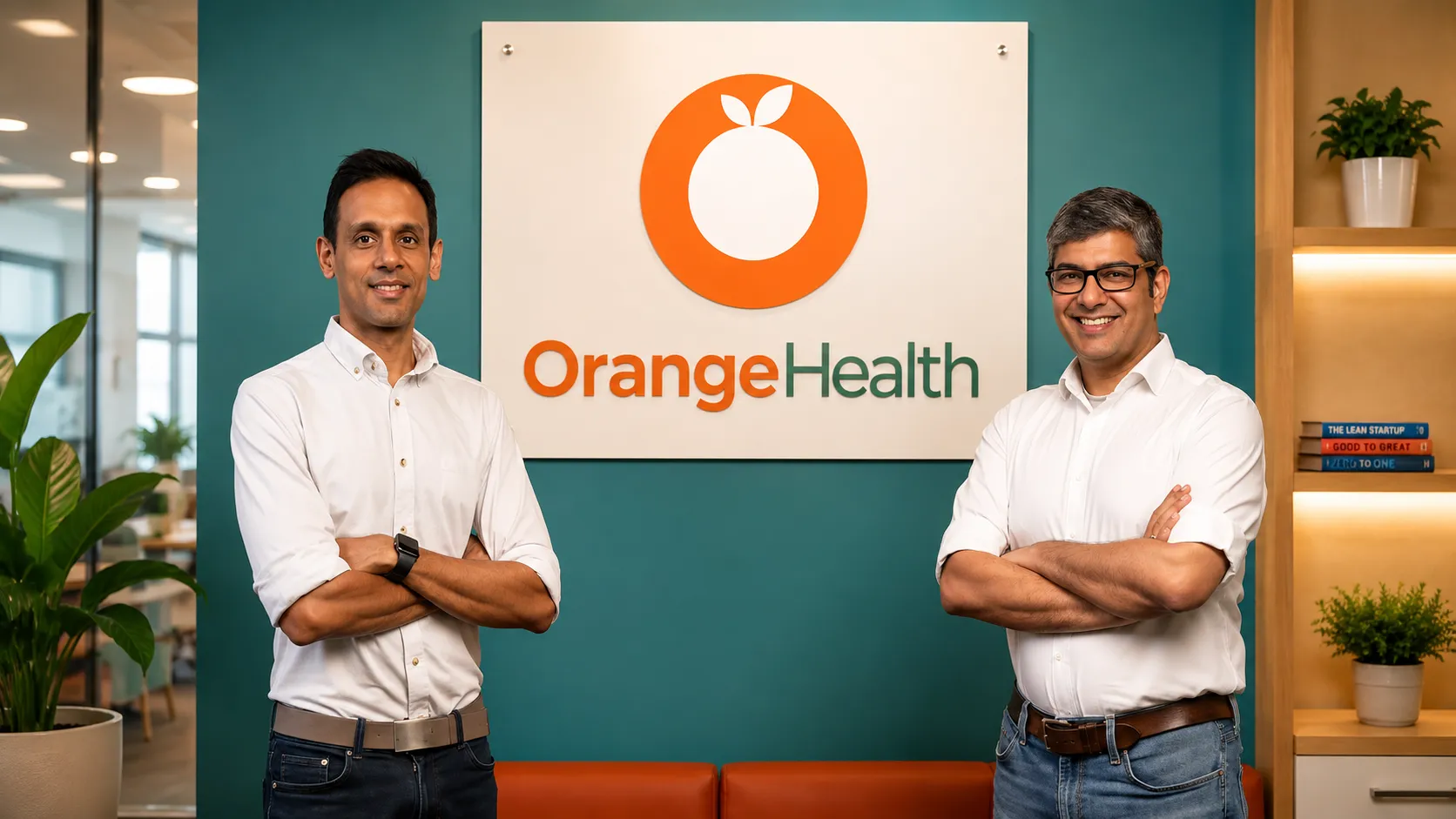
Orange Health Labs: 30-Minute Home Sample Collection Disrupts Indian Diagnostics
In a country where diagnostic errors often begin before samples reach the lab, Orange Health Labs is betting that speed is the missing link. With 30-minute home collection and 750 trained eMedics, the startup is turning healthcare into an on-demand service.
JUN 18, 2026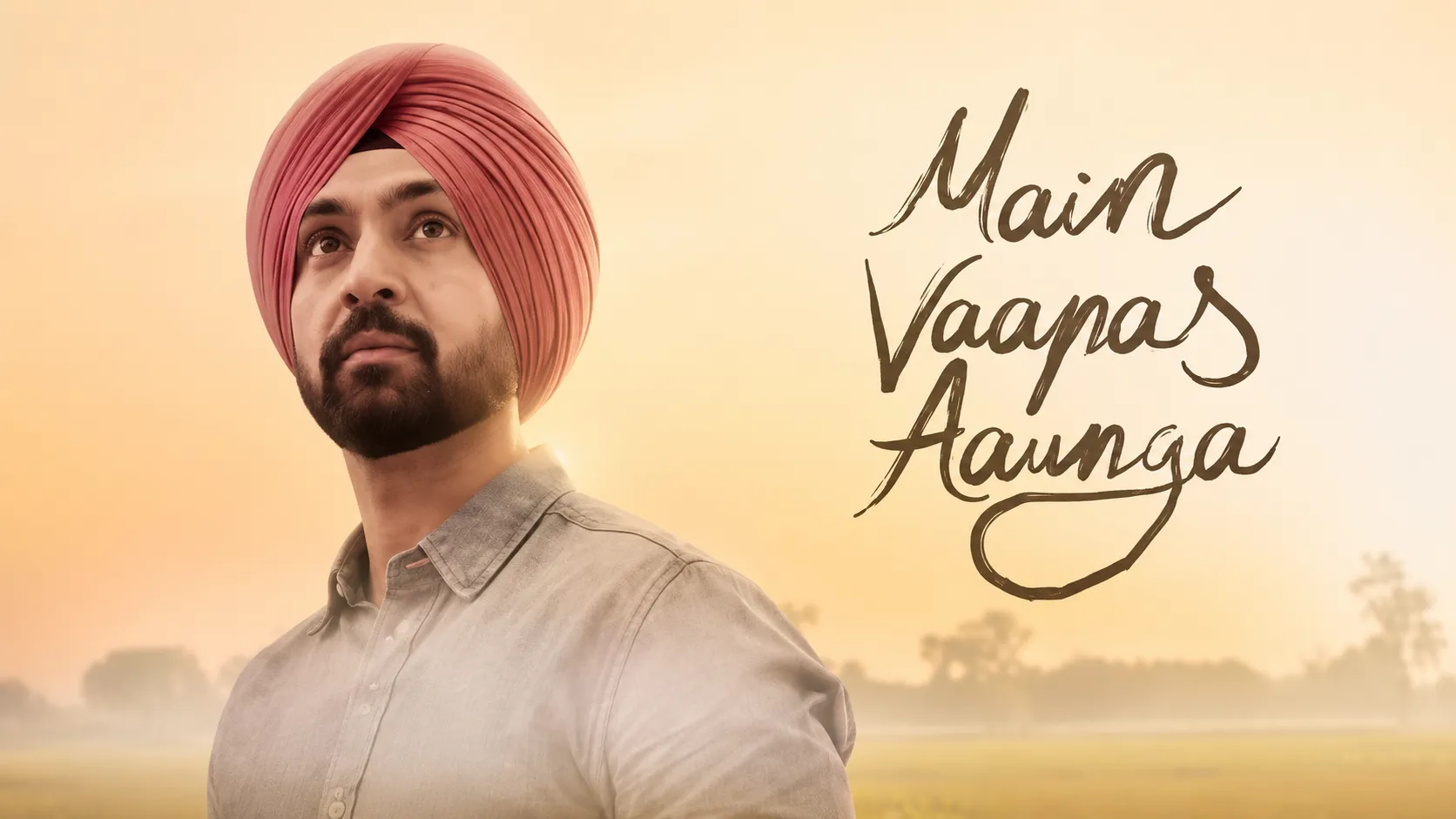
Main Vaapas Aaunga Review: Imtiaz Ali's Partition Love Story Is a Masterclass in Love, Closure, and Consent
A 95-year-old man lies dying, his mind drifting between decades. In 78 years of life in India, he never stopped belonging to the 17 years he lived before Partition. The love he left without a goodbye never left him. Main Vaapas Aaunga is set in 1947. But it is really about right now — about read receipts left on seen, about people who walk away without a word, and about what it costs everyone involved when love ends without consent.
JUN 17, 2026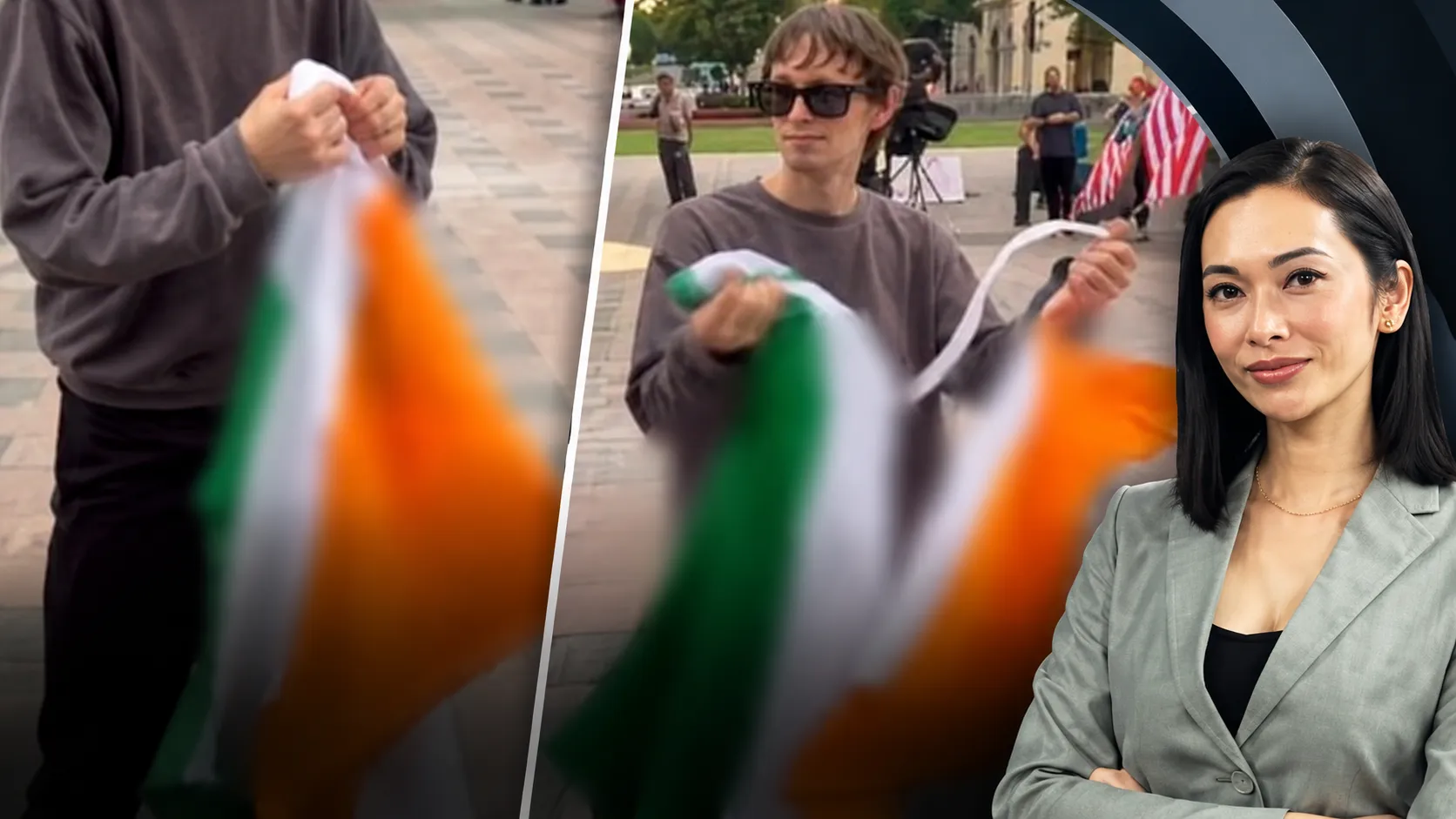
How a Wave of Anti-Indian Hostility Spread Across Texas — and Why Researchers Say It's Part of a Larger National Pattern
The Frisco flag-tearing incident was not an isolated event. Across Texas, a series of anti-Indian and anti-Hindu demonstrations, public stunts, and online campaigns have alarmed civil rights groups and researchers. New data suggests these incidents are part of a wider national trend fueled by xenophobia, misinformation, and increasingly organised online hate networks.
JUN 16, 2026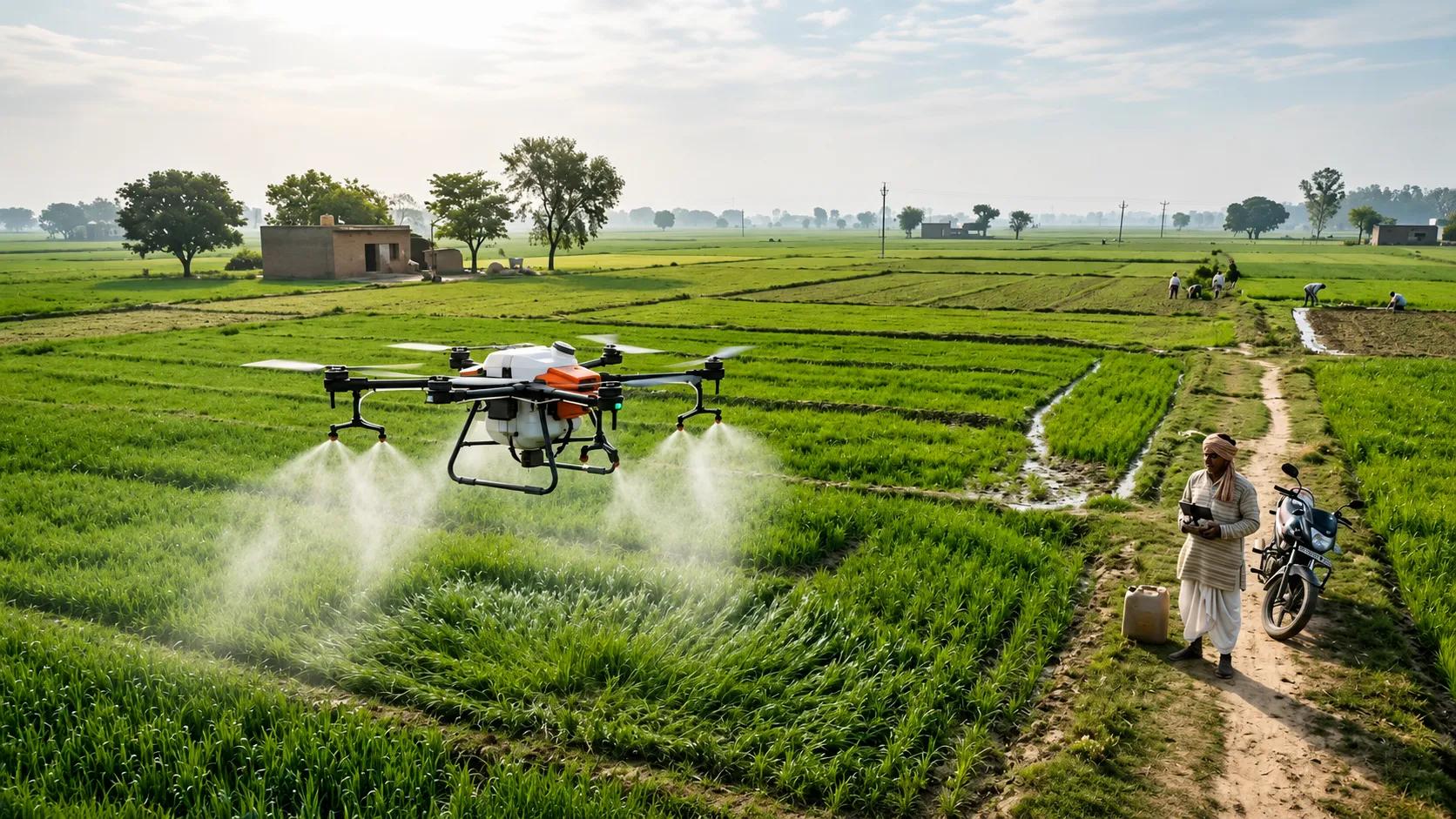
The Rise of Hydroponic Farming in India — How Engineers, Designers, and Lecturers Are Reinventing Agriculture, and Why the Government Is Betting Big on It
India's next agricultural revolution may not happen in fields. It is emerging on rooftops, inside warehouses, and in climate-controlled farms where crops grow without soil. Driven by technology, government support, and a new generation of entrepreneurs, hydroponics is rapidly becoming one of the country's most promising agri-tech sectors.
JUN 15, 2026
How IndiGo Built India's Only Consistently Profitable Airline — and What Happens When the Machine Slips
For nearly two decades, IndiGo seemed unstoppable. Its low-cost model, relentless operational efficiency, and reputation for punctuality turned it into India's dominant airline. But when regulatory changes triggered a massive scheduling breakdown in 2025, the airline faced its biggest test yet — forcing it to prove that even the most efficient machine can recover from turbulence.
JUN 15, 2026
The Pause of Exotic Food Company
A Bold Culinary Dream That Chennai Was Not Yet Ready For
JUN 15, 2026
Matrix Geo Solutions: How a Small Mapping Firm Became India's AI-Powered Geospatial Success Story
Most startup success stories begin in software. Matrix Geo Solutions began with maps. Today, the company sits at the intersection of AI, drones, LiDAR, infrastructure, and digital twins — proving that some of India's most valuable deeptech businesses are being built far away from the spotlight.
JUN 14, 2026
How Papacream Is Making Premium Ice Cream Affordable For India's New Consumer
Founded by former Wall Street trader Tanvi Chowdhri, Papacream is tapping into India's growing appetite for affordable premium products through quick commerce, nostalgia and innovative branding.
JUN 13, 2026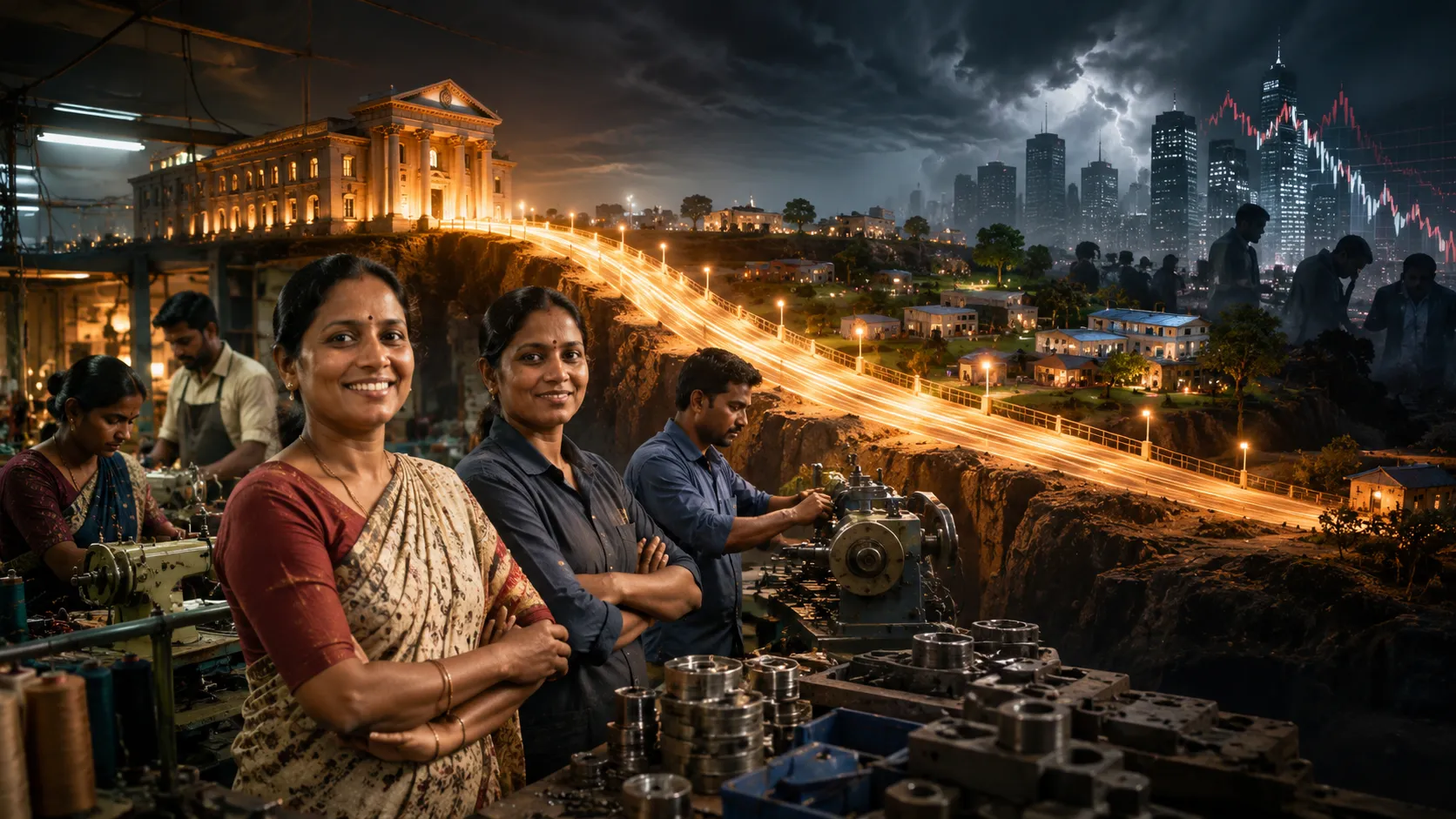
The Emergency Credit Lifeline: Has India's ECLGS 5.0 Worked?
In just one month, ECLGS 5.0 issued guarantees covering nearly ₹50,000 crore in loans. The government is factoring in potential credit losses of 6-8 per cent—double the rate of previous versions. This is not a normal bailout. This is a wartime measure against an economic siege. But when the war ends, the debt remains.
JUN 11, 2026
India's FDI Flip: Outbound Investment Crashes 49% Amid Global Chaos
Indian companies are sitting on record profits and record cash reserves. But instead of building factories at home or acquiring assets abroad, they are doing something unexpected: nothing. The 49% crash in outward FDI is not just about geopolitics. It is a quiet vote of no confidence in the very market where they made their fortunes.
JUN 11, 2026
The Trump Consequence Doctrine: Markets vs. Military Action
The old playbook said bonds hedge equities in a crisis. The Iran war shattered that assumption. As Trump ordered strikes on Iranian "critical facilities," both stocks and bonds fell together—while swaption straddles surged. This is not your grandfather's geopolitical risk. The rules have changed.
JUN 11, 2026
India's Lakhpati Didi vs. The West's VC Gap: A Tale of Two Economies
In the West, the conversation about women in business begins with venture capital and ends with the funding gap. In India, a parallel economy is quietly creating crores of women entrepreneurs without waiting for a single term sheet. The Lakhpati Didi programme is not charity. It is a market correction happening one self-help group at a time.
JUN 11, 2026
The Hidden Business Behind Costco's Cult Following
Costco's real business isn't selling products. It's selling memberships, a model that allows the retailer to prioritize customer value and build extraordinary loyalty.
JUN 9, 2026
RBI Holds Rates But Fires a Bold 5-Point Plan — India's Central Bank Is Fighting to Protect the Rupee
The RBI didn't move rates. But it moved everything else. India's central bank just launched its most aggressive capital attraction strategy in years — and the rupee's future depends on whether it works.
JUN 7, 2026
The World's Most Populous Nation Is Having Fewer Babies — And Elon Musk Just Called It Out
India just surpassed China to become the world's most populous nation. Now it's having fewer babies than it needs to sustain that population. The irony is striking — and the implications are enormous.
JUN 7, 2026
Google’s $80 Billion AI Bet Shows The Infrastructure War Is Getting Bigger Than The AI Race
Google's recent AI infrastructure investments, including an $80 billion debt-backed expansion strategy, reveal how the future of artificial intelligence may be determined by computing power, chips and cloud infrastructure rather than software alone.
JUN 2, 2026
The Deep Dive Into India’s New Hostel Economy: Why Students and Workers Are Living Differently
India’s rapidly expanding hostel economy reflects larger changes around mobility, lifestyle and how younger students and professionals increasingly approach housing.
MAY 26, 2026
Why More Young Indians Are Leaving Traditional Careers for Creator-Led Businesses
Creator-led businesses are becoming more than internet careers, opening larger conversations around ownership, identity and how young Indians increasingly define success.
MAY 26, 2026
The $20,000 Mechanical Worker: Inside Tesla’s Master Plan to Put an Optimus Robot in Your Home by 2027
As Tesla readies its initial mass-production infrastructure for the Optimus humanoid robot, the technology sector anticipates a massive realignment of workplace and home life. With a long-term public consumer price goal targeted below $20,000 and widespread residential availability expected for late 2027, Elon Musk's most ambitious project is quickly stepping from factory R&D directly into commercial reality.
MAY 25, 2026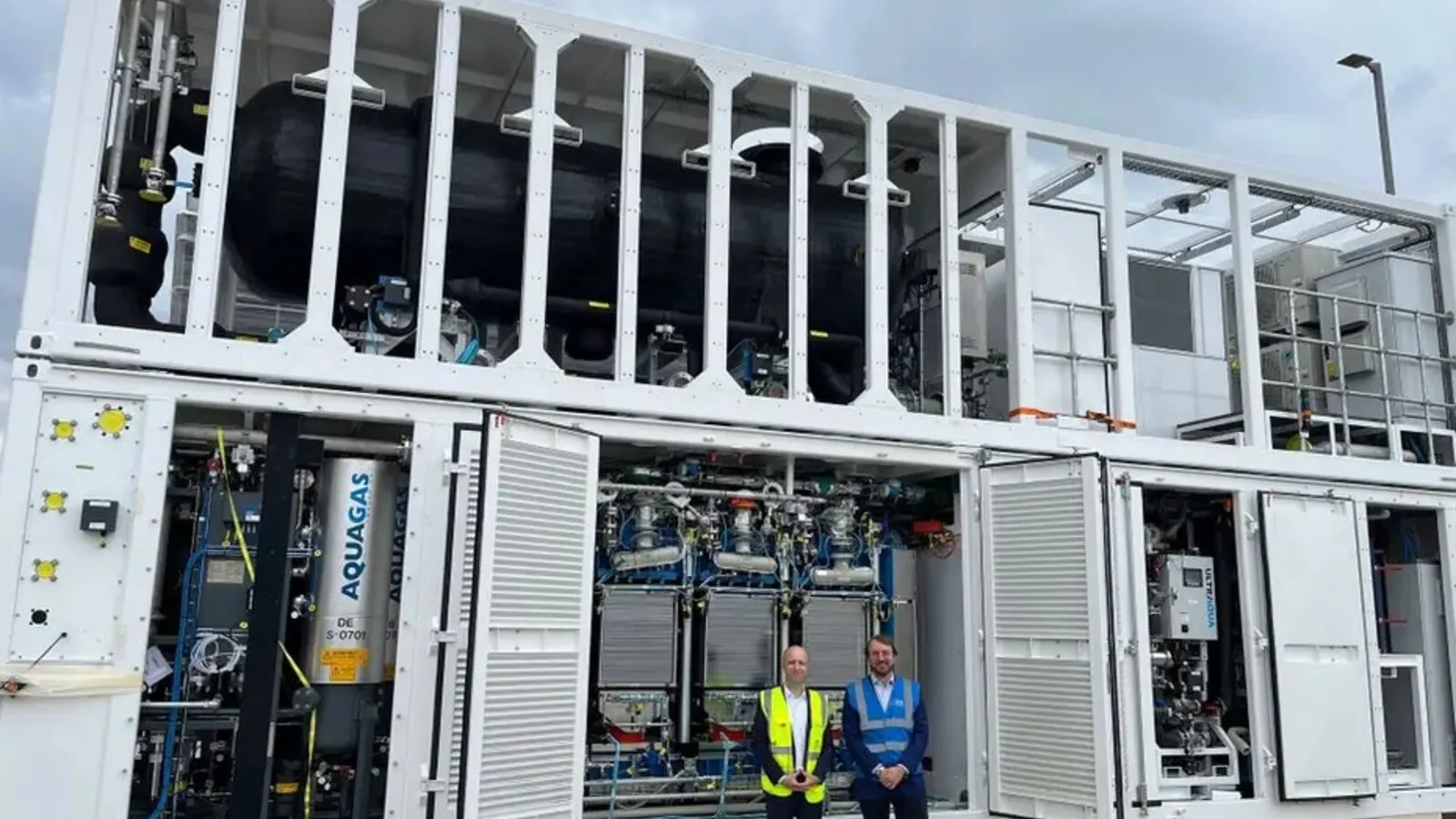
Hygenco Seals India's Landmark $105 Million Green Hydrogen Deal: IFC, Siemens and Fullerton Back the Country's Boldest Clean Energy Bet Yet
Hygenco Green Energies signed definitive agreements on June 5, 2026 for a $105 million equity investment from IFC, Siemens Financial Services, and the Fullerton Carbon Action Fund — marking all three investors' first direct entry into India's green hydrogen sector in a landmark deal that could accelerate the country's clean energy transition.
JUN 13, 2026
The RBI's Historic June 2026 Move: New NRI Investment Rules Are Opening India's Capital Markets to the World's Most Powerful Diaspora
On June 5, 2026, RBI Governor Sanjay Malhotra announced sweeping relaxations to investment rules for NRIs, OCI cardholders, and Persons Resident Outside India. Combined with Indiaspora's record $138 billion remittance figure, the announcement is transforming the relationship between Global Indians and India's capital markets.
JUN 12, 2026
India's Deep Tech Startups Are the Country's Most Consequential Climate Story — And the World Has Not Yet Noticed
India's climate tech startup ecosystem is producing companies that solve problems at a scale and cost point that Western climate tech companies cannot match. GPS Renewables' Rs 635 crore Series C, Exponent Energy's Rs 200 crore Series B2, and agri-climate startups are telling the most important global climate story you haven't read yet.
JUN 12, 2026
The IndiaAI Mission's Rs 10,371 Crore Bet: How India Is Using Public Investment to Win the Global AI Race
India's IndiaAI Mission, backed by Rs 10,371 crore in public investment, is building the compute infrastructure, curated datasets, AI safety frameworks, and startup support systems that will determine whether India becomes a global AI leader or a global AI market. A definitive account for Global Indians in technology.
JUN 12, 2026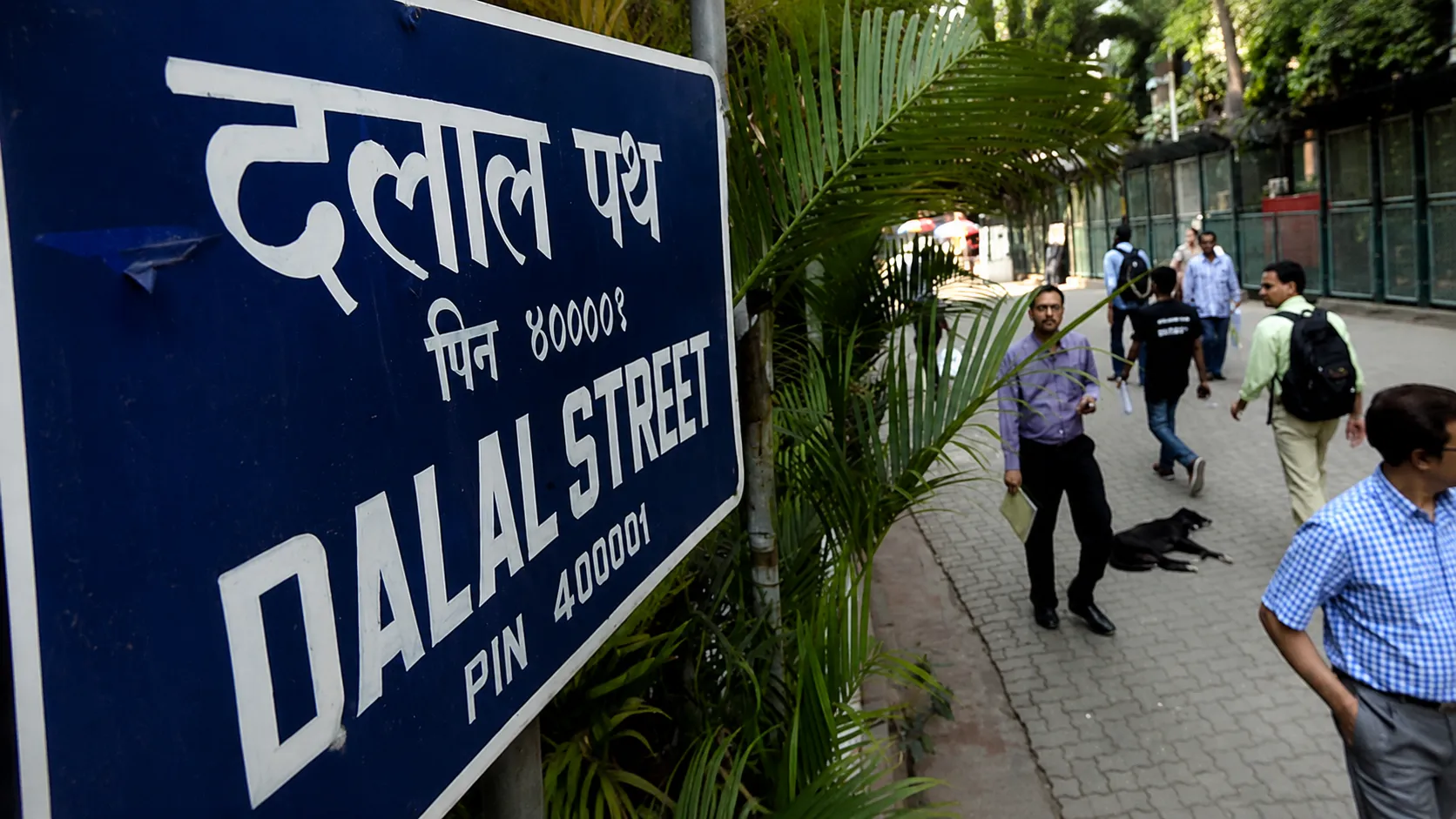
Five Days, Five Losses: What's Really Rattling Dalal Street Right Now
Sensex and Nifty extend their longest losing run in over a month as crude oil shocks, a wobbling rupee and disappointing bank earnings converge on India's markets
JUL 27, 2026
Nestlé India Rewrites The Playbook: Profit Soars 48%, Stock Rockets To A Record High
Double-digit growth across every product category, a 40% jump in advertising spend, and surging exports power Nestlé India's strongest quarter in years — sending its shares to an all-time peak even as the broader market wobbles
JUL 24, 2026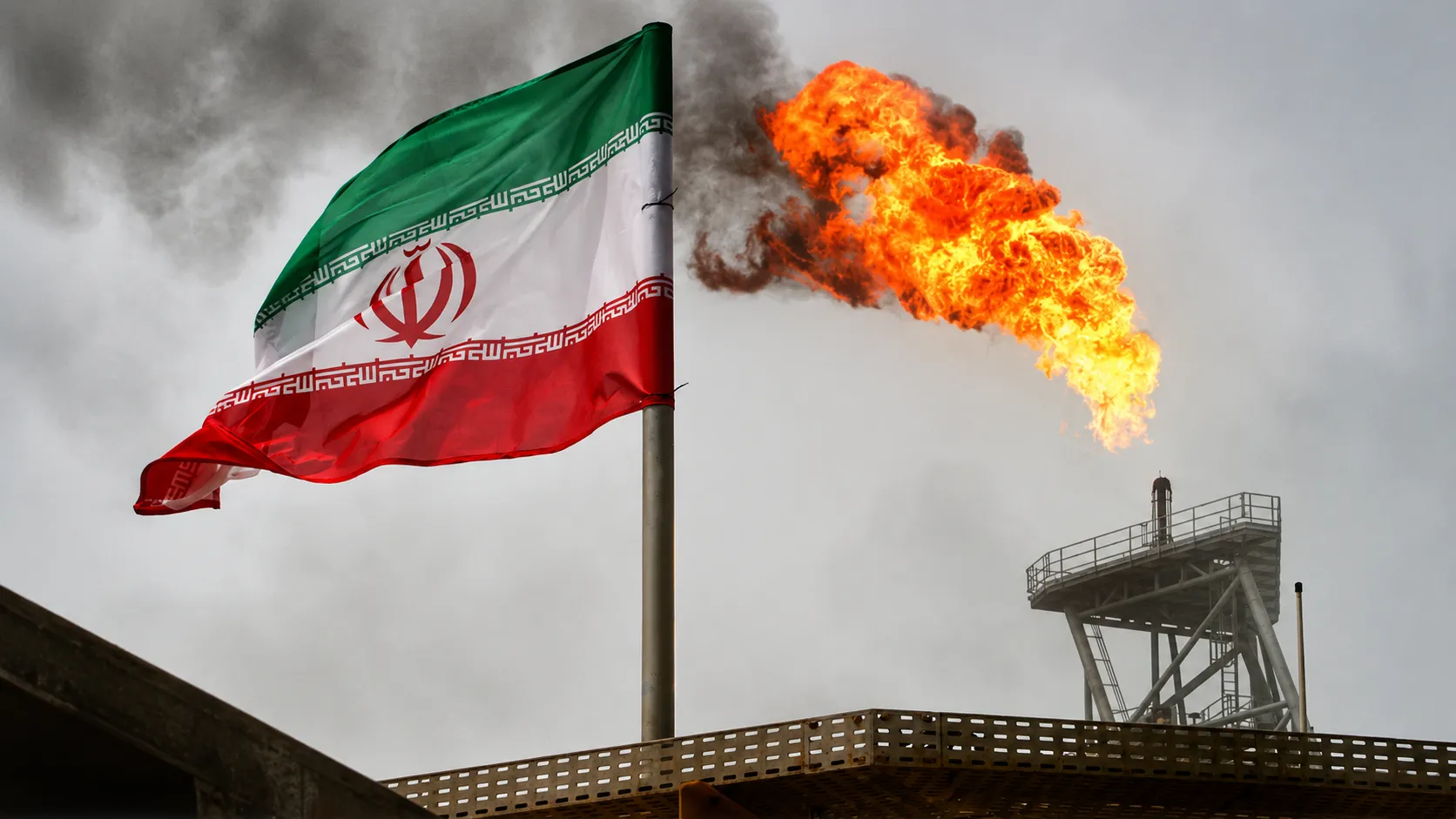
US Launches Fresh Airstrikes On Iran As Gulf Tensions Escalate, Sending Shockwaves Through Global Oil And Currency Markets
A rapidly evolving military confrontation in the Gulf is reshaping the global risk landscape, with direct and immediate consequences for India's oil import bill, currency stability and inflation tr...
JUL 22, 2026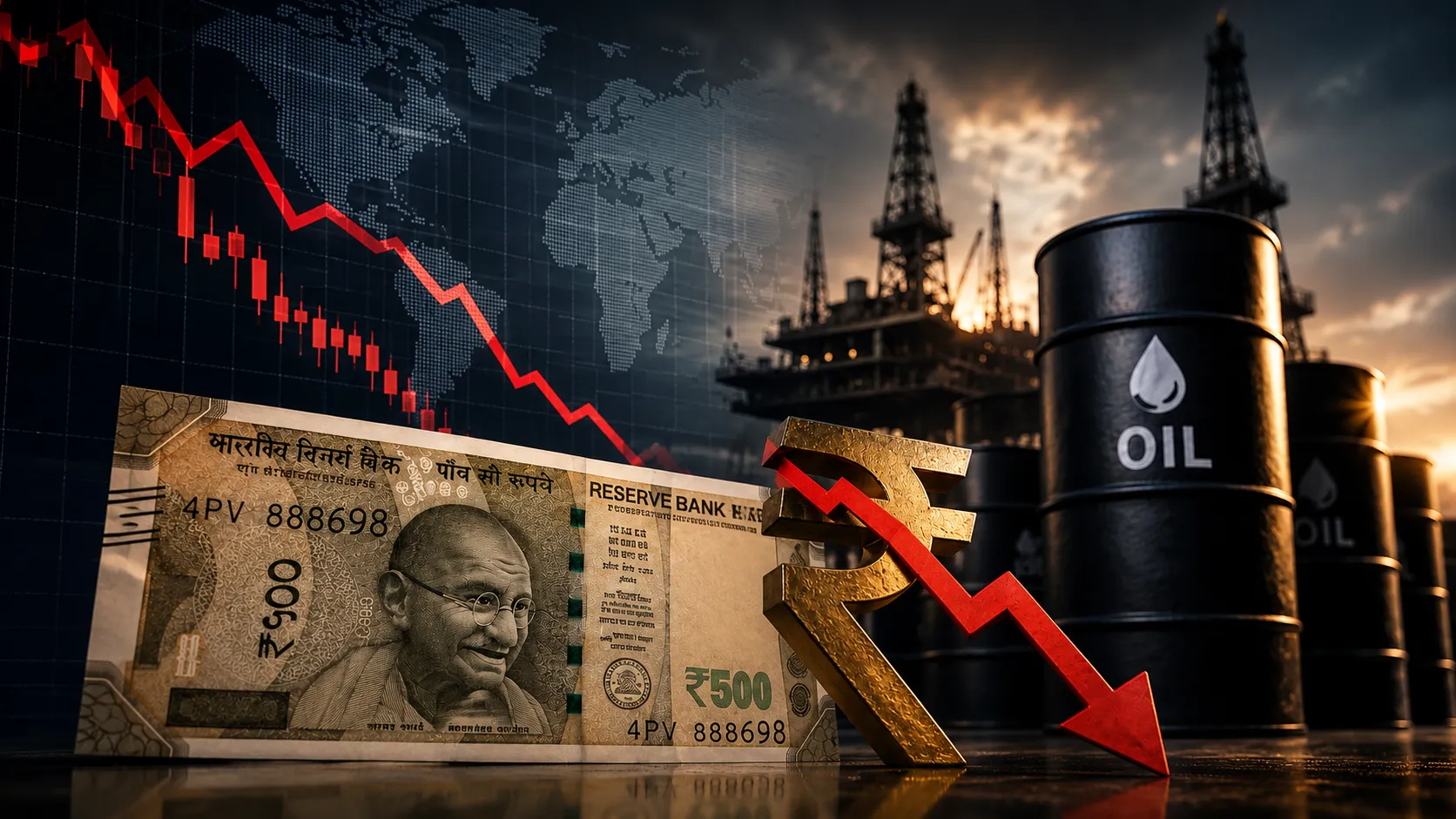
Indian Rupee Slips Further As Dollar Strength And Oil Prices Squeeze The Currency From Both Sides
The rupee's struggle to hold ground reflects a challenging convergence of global and domestic pressures, keeping the Reserve Bank's currency desk on high alert
JUL 22, 2026
Why D-Street Can't Look Away From This Earnings Season — Even Though It Wants To
With dozens of companies still due to report June-quarter results, India's Q1 FY27 earnings season has become the market's single biggest swing factor amid an already volatile macro backdrop
JUL 27, 2026
GIFT Nifty Signals A Flat Start: Decoding What India's Pre-Market Indicator Is Really Telling Traders Today
With GIFT Nifty futures hovering around the 23,862–23,873 range ahead of Friday's open, here's a closer look at how this Gujarat-based derivatives exchange has become one of the most closely watched barometers for how Indian markets will open each day
JUL 24, 2026
Rupee Slides To 96.73 Against The Dollar, Edging Toward Record-Low Territory — Inside The Currency's Toughest Stretch Of 2026
A toxic combination of surging crude prices, sustained foreign investor selling, and a resilient dollar has pushed the Indian rupee to within striking distance of its all-time low, forcing the RBI into another round of active market intervention
JUL 24, 2026
Dr Reddy's Labs Crashes 9% To 52-Week Low As Semaglutide Setback Wipes Out Nearly 70% Of Quarterly Profit
A one-time provision tied to disrupted semaglutide supplies, combined with weaker North America generics sales, triggered a brutal sell-off in Dr Reddy's shares — and a wave of brokerage downgrades questioning how quickly the pharma major can recover
JUL 24, 2026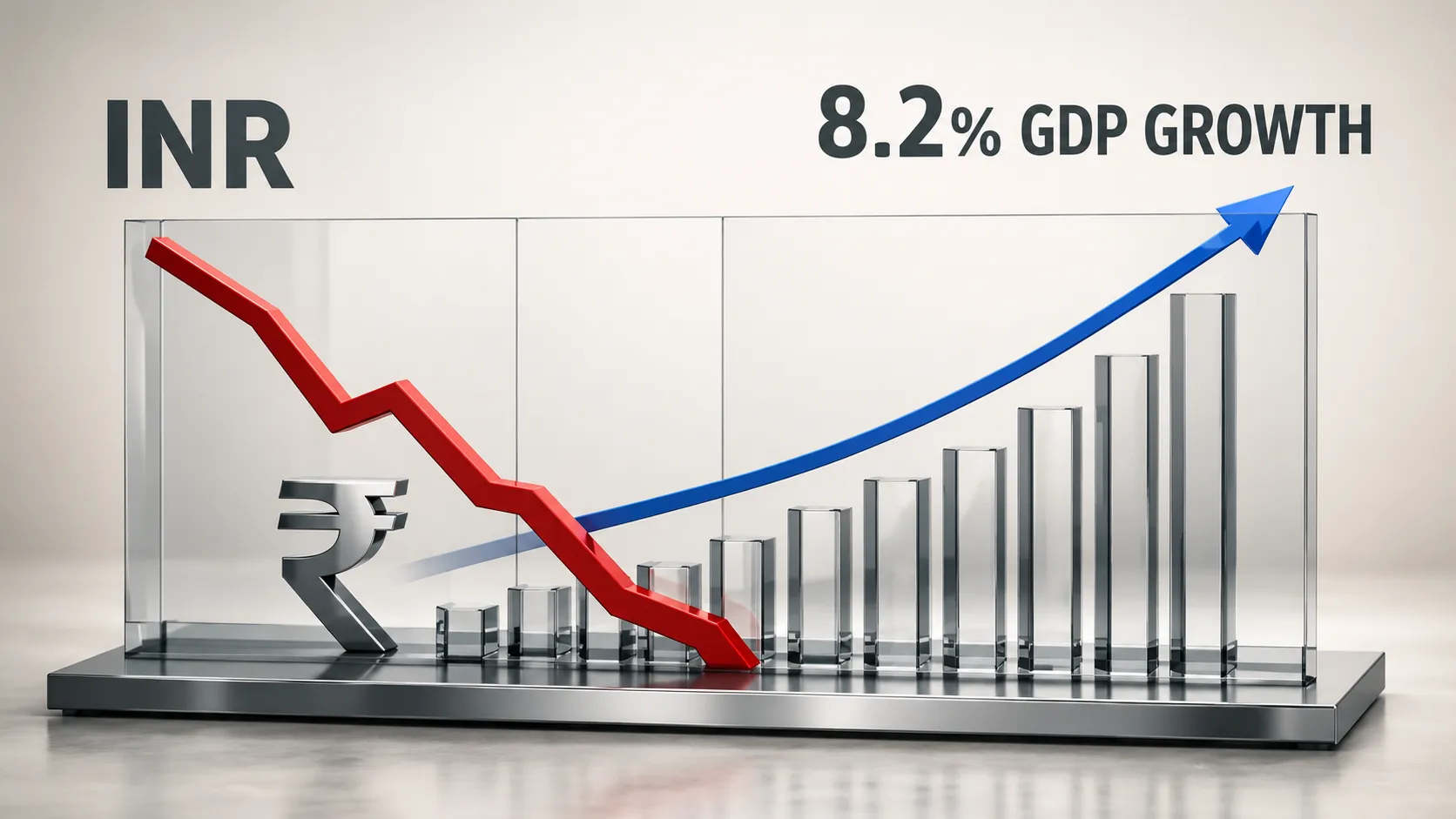
RBI's Weekly Scorecard Is Due Today — Why Credit Growth, Deposits And Forex Reserves Matter More Than Ever Right Now
As the rupee flirts with record lows and crude prices spike on West Asia tensions, today's Reserve Bank of India data drop on bank credit, deposit growth, and foreign exchange reserves will be scrutinised for clues on how much buffer India really has
JUL 24, 2026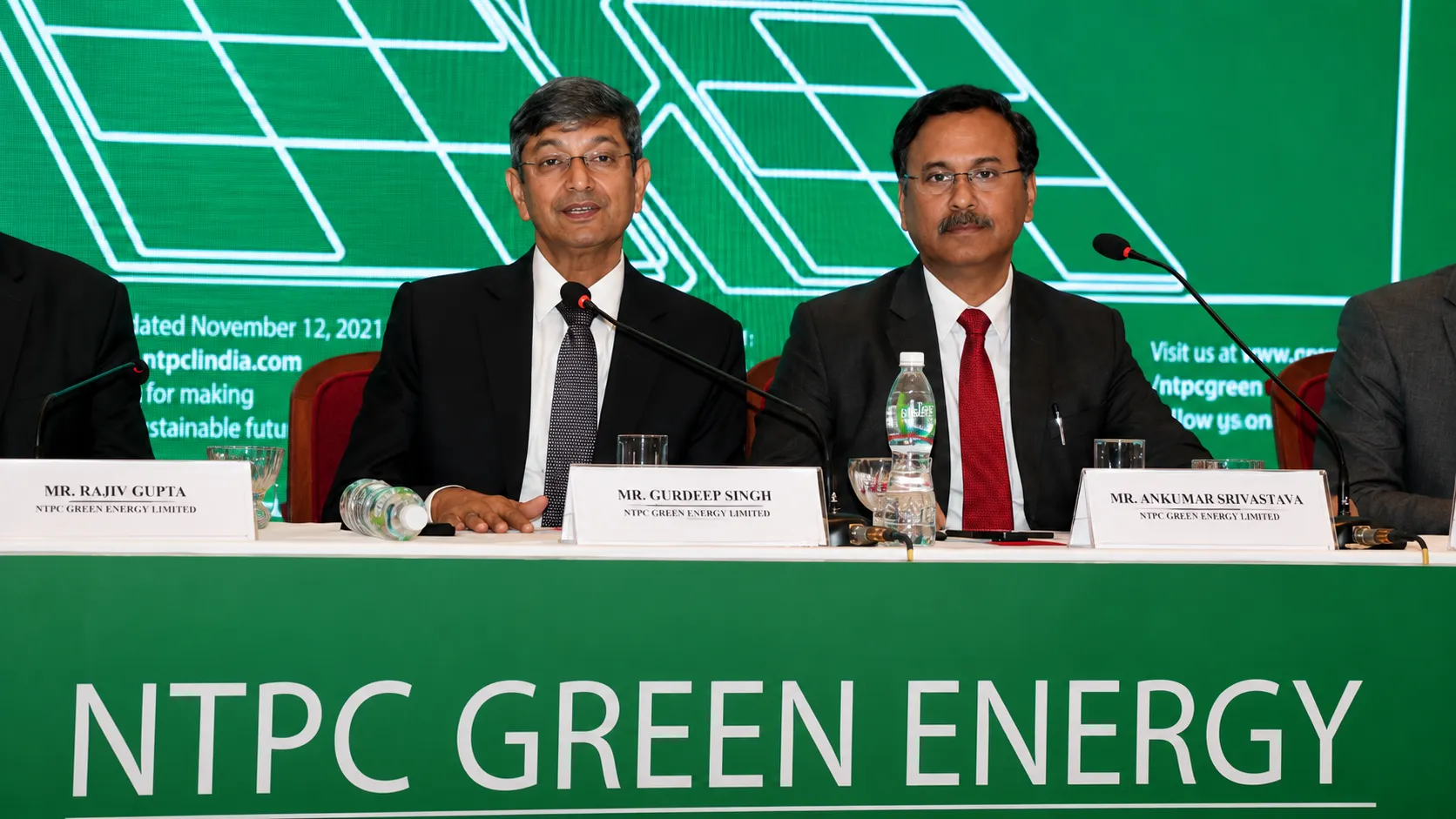
63 Companies, One Day: Inside Wednesday's Bumper Q1 Earnings Slate From Eternal To NTPC Green
Zomato-parent Eternal's profit tripled, Nestle India posted its fastest sales growth in years, and IndusInd Bank's profit nearly doubled sequentially — even as HPCL posted an ₹11,526 crore loss and Dr Reddy's profit more than halved
JUL 23, 2026
Inside India's Earnings Marathon: 63 Companies, One Day, And A Season That's Testing Every Sector At Once
From Eternal and IndusInd Bank to Adani Power and BPCL, this week's Q1 FY27 results have delivered a genuinely dispersed set of outcomes — reminding investors that India's earnings season is rarely a single, uniform story
JUL 24, 2026
Crude, Conflict And Capital Flight: The Three-Pronged Overhang Weighing On Indian Markets Right Now
As Brent crude pushes toward a five-week high, foreign investors keep pulling money out, and West Asia tensions refuse to cool, Dalal Street finds itself squeezed from every direction at once
JUL 23, 2026
Brent Crude Tops $90 A Barrel As US-Iran Tensions Escalate, Reviving India's Energy Shock Fears
A near-16% weekly surge in global oil prices puts India's import bill, rupee and inflation trajectory back in the spotlight as Gulf tensions intensify
JUL 22, 2026
Follow the Money: Why Foreign Investors Keep Trimming Their India Bets
Foreign portfolio investors have been steadily reducing their exposure to Indian equities as oil prices, currency weakness, and earnings disappointments compound — here's what's driving the exodus and whether it's likely to reverse
JUL 27, 2026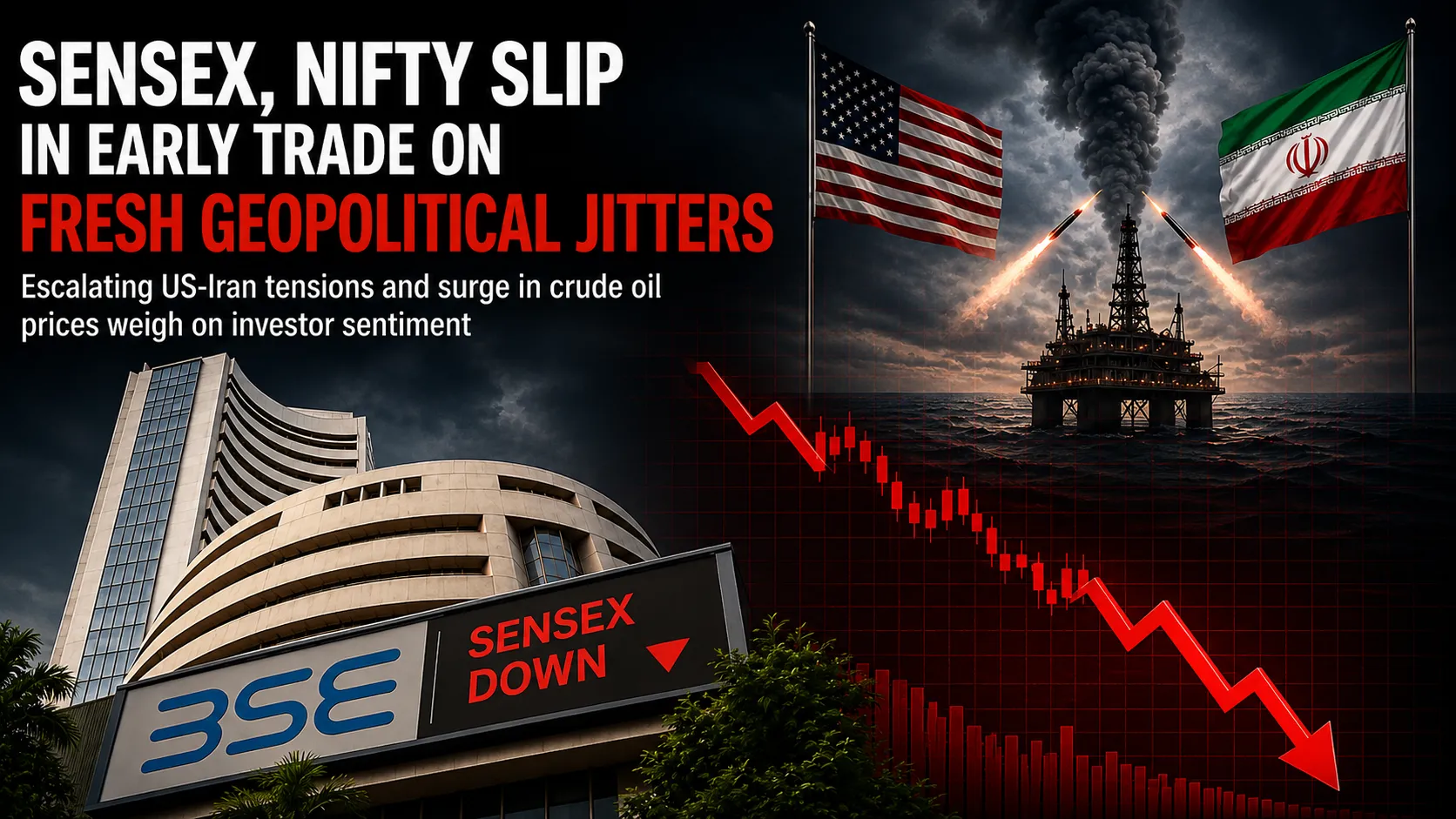
F&O Expiry Meets Geopolitical Jitters: Why Bank And Gas Stocks Have Been Swinging So Wildly This Week
The convergence of derivatives expiry dynamics, a volatile earnings season, and rising energy-market tension has produced some of the sharpest single-stock swings of the year — and it's a pattern worth understanding beyond the headlines
JUL 24, 2026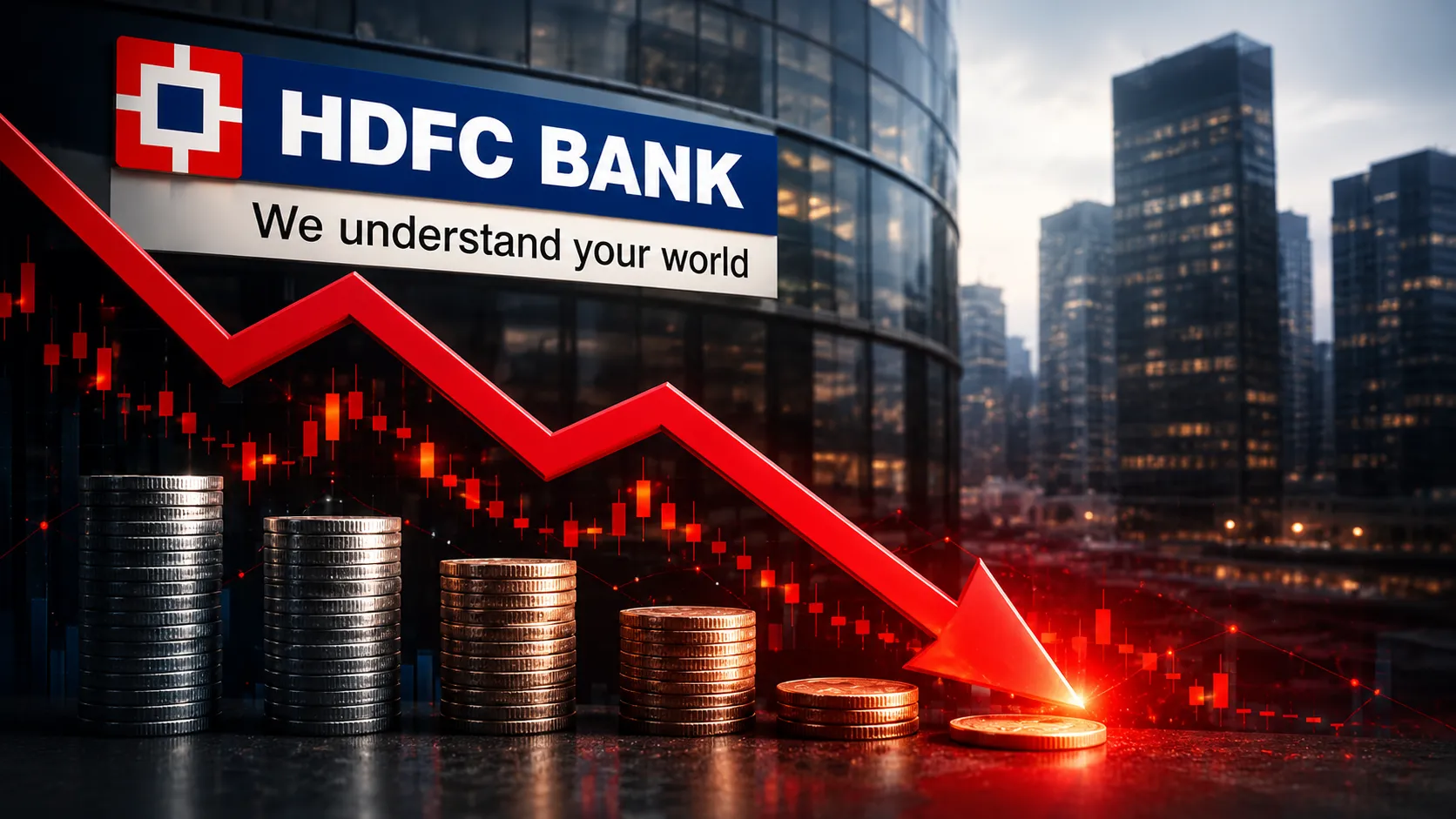
HDFC Bank Delivers A Steady Quarter, But The Market Wants More — Shares Slip Despite Solid Deposit And Advances Growth
India's largest private lender posted healthy double-digit growth in advances and a resilient deposit franchise in Q1 FY27, yet the stock's post-results reaction shows just how high the bar has been set for a bank this size
JUL 24, 2026
Wall Street And Dalal Street Both Turn Cautious On Dr Reddy's: Inside The Wave Of Brokerage Downgrades
CLSA, Nomura, Goldman Sachs, Citi, and Elara Securities have all revised their targets on Dr Reddy's Laboratories downward this week — a rare moment of near-unanimous caution from a normally more divided analyst community
JUL 24, 2026
Coca-Cola India Lines Up JPMorgan And Citi For A Potential IPO — What It Means For India's Bottling Business
The beverage giant's reported move to appoint global investment banks signals serious intent to unlock value in its local bottling operations and deepen retail distribution across the country
JUL 24, 2026
Fed Rate-Hike Odds For September Climb To 52%, Adding New Layer Of Pressure On Emerging Markets Including India
A shift in probability estimates for US monetary policy is reshaping expectations across currency and bond markets, with India's rupee and rate outlook directly in the crosshairs
JUL 22, 2026
250 Companies, One Make-Or-Break Week: Inside India's Q1 FY27 Earnings Season Crunch
Around 250 Indian companies report Q1 FY27 earnings between July 20-25, including UltraTech, Paytm and Infosys — one of the busiest reporting weeks of the year.
JUL 20, 2026
SEBI-Registered Merchant Bankers Hit 244, Highest Since FY2000, As India's IPO Boom Reshapes Capital Markets Infrastructure
SEBI-registered merchant bankers have reached 244, the highest count since FY2000, as India's IPO boom drove a record ₹1.8 lakh crore raised in FY26.
JUL 20, 2026
‘Durandhar’ Duology Becomes First Indian Franchise to Cross ₹3,000 Crore — Redefining the Global Blockbuster
The Durandhar duology has made history. As of May 26, 2026, the two‑film series — Durandhar (2025) and Durandhar: The Revenge (2026) — became the first Indian film franchise to surpass ₹3,000 crore at the worldwide box office, with a cumulative gross of ₹3,019.35 crore (approximately $362 million USD).
MAY 27, 2026
The ₹8,700 Crore Idea Hiding in Plain Sight: How Better Rail Access Could Transform India's MSMEs
A new FICCI-KPMG report says improving rail freight access for small businesses could unlock thousands of crores in annual revenue for Indian Railways — while cutting logistics costs for the backbone of India's economy
JUL 27, 2026
cloud platform Neysa became India’s second unicorn of 2026 after securing a $1.2 billion funding
India had fewer than 60,000 GPUs deployed when Neysa raised $1.2 billion in February 2026. The country needs 2 million to realise its AI ambition — a 30x increase that requires sovereign infrastructure, not just hyperscaler access. Sharad Sanghi built Netmagic, sold it, and came back to build the compute layer India needs. Blackstone holds a majority stake.
JUL 1, 2026
D2C Billionaires — Inside the Rise of India’s Direct‑to‑Consumer Unicorns
Mamaearth went public at ₹10,000 crore. SUGAR Cosmetics crossed ₹1,500 crore. boAt became a household name. The D2C revolution in India is no longer a trend; it’s a full-blown industry. This article breaks down the business models, valuation drivers, and success secrets of India’s top D2C brands. We analyze how founders leveraged digital marketing, supply chain innovation, and celebrity partnerships to build billion‑dollar businesses from scratch.
JUN 9, 2026
The Star Who Became a VC — How Hrithik Roshan, Anushka Sharma, and Others Are Betting on Startups
Hrithik Roshan’s activewear brand HRX is a household name. Anushka Sharma’s clothing brand Nush is thriving. But beyond their own brands, many Bollywood stars are becoming full-spectrum investors, backing fintech, edtech, and consumer internet startups. This article looks at how actors are transitioning from passive brand ambassadors to active venture partners, the deals they’ve made, and why founders are increasingly eager to have a celebrity on their cap table.
JUN 9, 2026
Vivek Oberoi — The ₹1,200 Crore Actor Who Became a Full‑Time Business Magnate
Transitioning from a Bollywood star to an entrepreneur, Vivek Oberoi now helms a ₹1,200 crore business empire spanning luxury real estate, hospitality, aerospace, tech startups, and premium spirits. Through the Oberoi Family Office, he’s investing across the board while still occasionally acting. This article traces how he built a multi-asset conglomerate, the strategic pivots he made, and why he believes actors should think like founders, not just artists.
JUN 9, 2026
Numi, Mythik, KidZania — The Surprising Startup Bets of Shah Rukh Khan’s Family Office
Excerpt: Shah Rukh Khan’s wealth isn’t just from films and IPL. His family office has been quietly building a portfolio across health tech, edutainment, media technology, real estate, and direct-to-consumer brands. From backing health tech venture Numi to co-investing $15 million in Mythik, the media technology company founded by FreeCharge’s Jason Kothari, SRK’s portfolio is more diverse than any other Bollywood star. This article takes a deep dive into the Baadshah of diversification, analyzing each major investment, the strategy behind it, and how his family office operates like a mini venture capital firm.
JUN 9, 2026
The ₹300 Crore Bonfire: How a Once‑Promising Bollywood Mini‑Studio Burned Through a Fortune in 18 Months—And What Its Collapse Reveals About the Industry's Broken Economics
The studio had been founded by a successful talent manager who had spent two decades building relationships with the biggest stars in Bollywood, and who had convinced a consortium of high‑net‑worth investors—industrialists, real‑estate developers, a Gulf‑based family office—to back his vision of a new kind of film company: lean, talent‑first, data‑driven, built for the streaming era. The initial capital commitment was ₹300 crore. The slate, announced at a glamorous launch event at a five‑star hotel, included six films—a mix of star‑driven event movies, mid‑budget content‑driven dramas, and a web series for a major streaming platform. The talent manager, now the studio's CEO, told the assembled journalists that his company would be profitable within two years and would challenge the dominance of the legacy studios that had, in his view, grown complacent and inefficient.
MAY 30, 2026
The Ex-Banker Who Was Told She Didn't Look Like a Founder: How Romita Mazumdar Built a ₹650 Crore Skincare Challenger in Four Years—and Just Won Over a Japanese Beauty Giant
Before she built one of India's fastest-growing skincare brands, before she raised $30 million from a 80-year-old Japanese cosmetics conglomerate, before she stood on stage at retail conferences and was introduced as a founder to watch, Romita Mazumdar was asked a question she still remembers. She was at a team dinner, early in her career, surrounded by colleagues from the venture capital firm where she worked. Someone looked at her across the table and asked, in the casual, unthinking way that such questions are asked, whether she was an intern.
MAY 24, 2026
Paris Calls India's AI Founders: The IndiaAI Global Acceleration Program and the New Shape of Indian Ambition
Ten Indian AI startups will spend four months in Paris, plugged into Europe's most prestigious startup ecosystem through a landmark collaboration between IndiaAI, Station F, and HEC Paris. We examine what this program means for the founders going, for the companies they will build, and for the future of Global Indian AI.
JUN 6, 2026
Shadowfax Goes Public: How India's Hyperlocal Logistics Unicorn Built an Unassailable Moat in the Country's Most Gruelling Delivery Market
Shadowfax Technologies, founded by Vaibhav Khandelwal and Abhishek Bansal in 2015, has completed its IPO journey in 2026, raising Rs 1,000 crore in fresh issue alongside an OFS component. The logistics major's public market debut reveals the resilience of India's last-mile delivery infrastructure and the founders who built it.
JUN 13, 2026
boAt, Lenskart, Mamaearth: India's Top 10 D2C Brands of 2026 and the Playbook They Are Writing for the World
India's D2C market has reached $108.76 billion. boAt, Lenskart, Mamaearth, Noise, Wakefit, and others have built genuine category leadership in one of the world's most demanding consumer markets. A definitive breakdown of what makes these brands exceptional and what every Global Indian builder can learn.
JUN 12, 2026
He sold his house. He failed IIT. He said no to ₹75 crore. And then he built a billion.
This is not a success story. Success stories are tidy. This is a war story. The story of a man who fought poverty, failure, a broken education system, and billion-rupee offers — and came out the other side not just wealthy, but wealthier than Shah Rukh Khan, and still a teacher at heart. Alakh Pandey. Remember the name. Because in the history of Indian entrepreneurship, few journeys are as raw, as real, and as earth-shaking as his.
JUN 1, 2026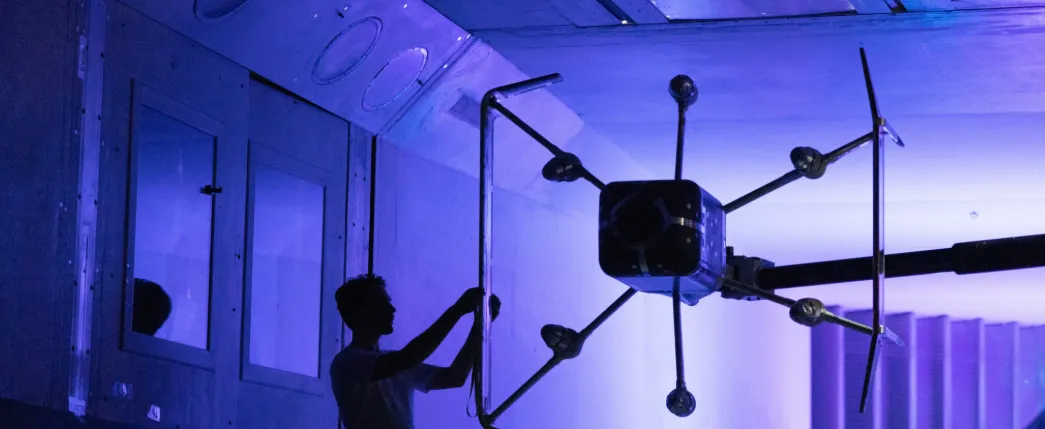
Amazon Drone Delivery Expands to 50 US Cities
Amazon Prime Air now operates in 50 US cities, completing over 1 million deliveries in the past month using MK30 drones.
JUN 13, 2026
The Minimalist and India's Evidence-Based Beauty Revolution: How Science Became the Most Powerful Marketing Tool in Indian Skincare
The Minimalist, founded in 2020 by Mohit and Malika Yadav, has grown from zero to one of India's most influential D2C brands by publishing the exact concentration of every active ingredient in every product. The evidence-based beauty playbook it created is now the standard that every Indian skincare brand is being measured against.
JUN 12, 2026
Tata's Data Centre Business Signs OpenAI As Customer, Marking A Landmark Moment For India's AI Infrastructure Ambitions
The deal positions Tata Group's fast-growing data centre arm at the centre of global AI compute demand, reinforcing India's bid to become a serious player in artificial intelligence infrastructure
JUL 22, 2026
India's AI Market Will Hit $126 Billion by 2030: Google and Inc42's Bharat AI Report Rewrites the Rules of the Global Tech Race
Google and Inc42's landmark Bharat AI Startups Report 2026 reveals India's AI market could become a $126 billion opportunity by 2030 with a $1.7 trillion GDP impact by 2035. Enterprise AI, language AI, and agri-AI are the three sectors set to lead this historic transformation.
JUN 12, 2026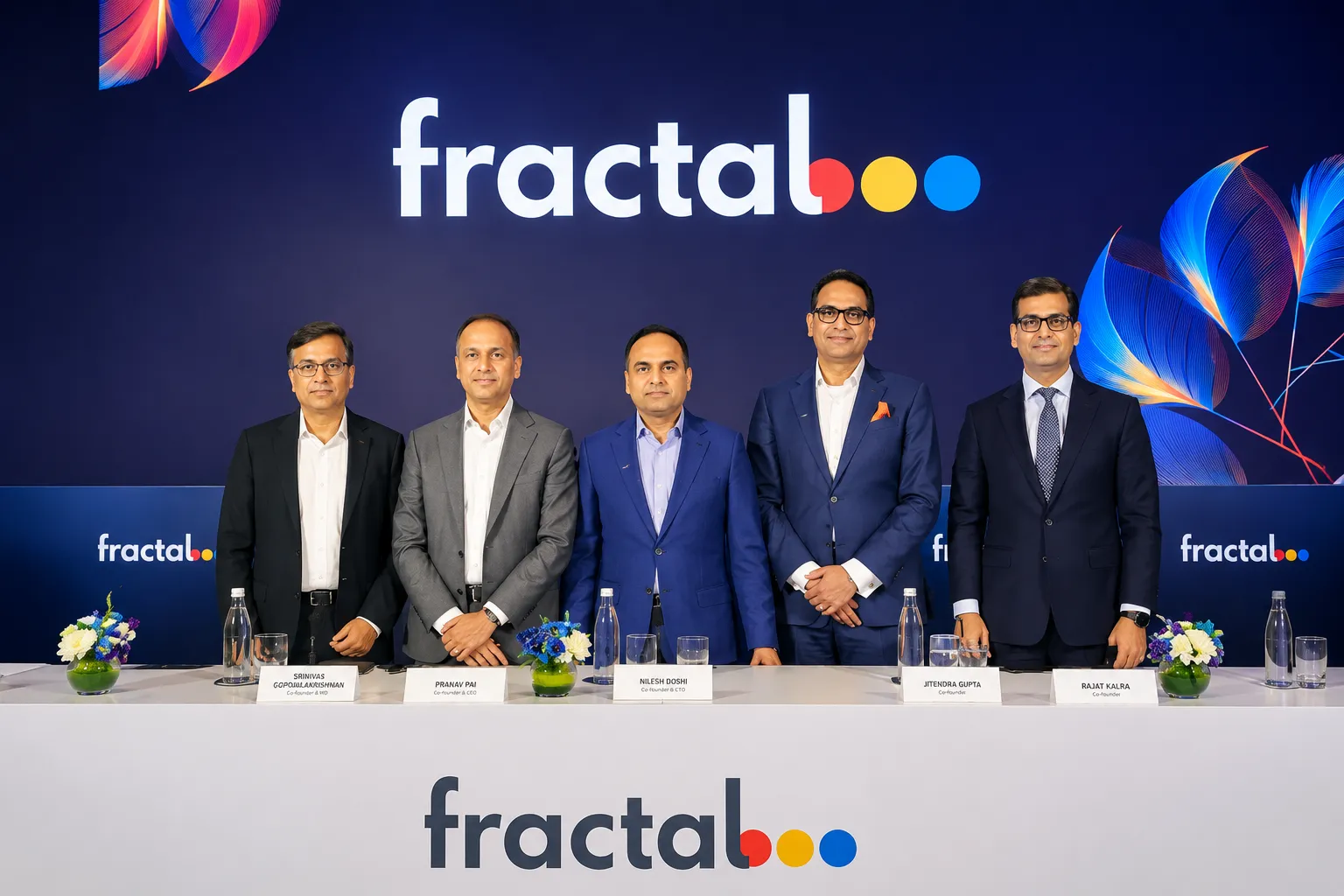
Fractal Analytics, Sarvam AI, and Vaidya 2.0: The Three Stories Defining India's AI Leadership Moment in June 2026
June 2026 has produced three landmark moments for India's AI ambition: Fractal Analytics' public market debut as India's first AI IPO, Sarvam AI's unveiling of its Sarvam-30B and 105B large language models at the India AI Impact Summit, and Fractal's launch of Vaidya 2.0 — a sovereign healthcare reasoning model that could transform diagnostics at population scale.
JUN 13, 2026
Cabinet Clears ₹1.9 Trillion Semiconductor And Mobile Manufacturing Push In India's Biggest Tech Manufacturing Bet Yet
The Union Cabinet approves a ₹1.9 trillion package for semiconductors and mobile manufacturing, including ₹1.27 trillion for India Semiconductor Mission 2.0.
JUL 20, 2026
India's Deep Tech Revolution: 3,600 Startups, $2.6 Billion Raised, and a KPMG Report That Should Terrify India's Competitors
KPMG's 2026 report on India's startup ecosystem reveals that deep tech accounts for 12% of India's startup base with 3,600+ companies raising over $2.6 billion. AI, robotics, biotech, and quantum computing are the sectors building India's most defensible businesses.
JUN 12, 2026
OpenFX's $94 Million Raise and the Quiet Rise of India's Financial Infrastructure Startups: The Invisible Layer That Makes Global Finance Run
OpenFX's $94 million raise in March 2026 put Indian financial infrastructure on the global map. By June 2026, the pattern is clear: India's fintech founders are moving up the financial stack — from consumer payments to the deep infrastructure of currency trading, treasury management, and capital market connectivity.
JUN 12, 2026
India's 170+ AI Startups: The Complete Map of a Country Building the Global AI Future From Bengaluru, Hyderabad, and Pune
Inc42's Indian AI Startup Tracker covers 170+ companies that have raised over $2.6 billion. From Sarvam AI's multilingual language models to OrbitShift's sales intelligence platform, India's AI ecosystem is more diverse, more globally focused, and more technically ambitious than any previous snapshot has captured.
JUN 12, 2026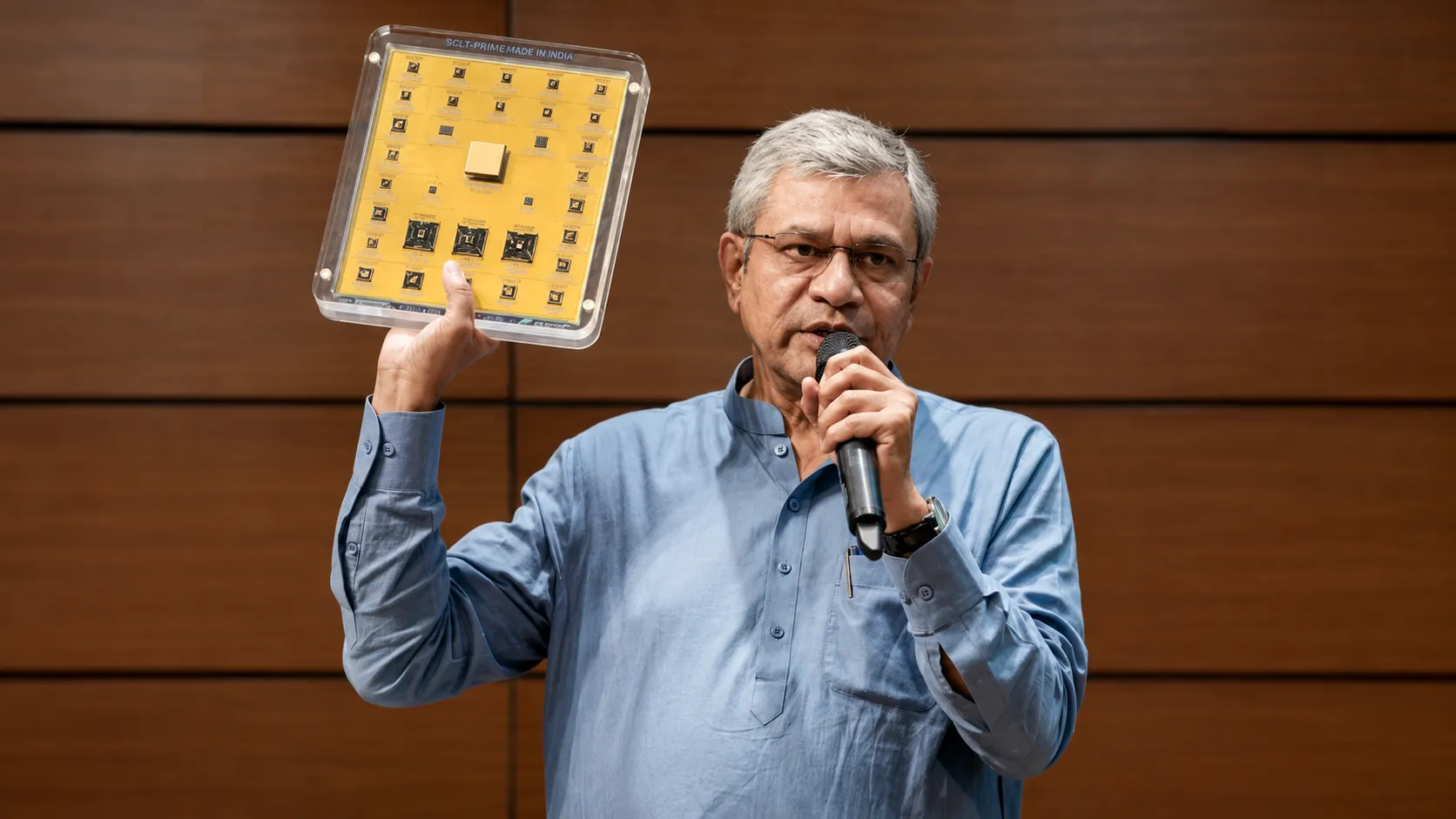
Cabinet Rolls Out ₹62,500 Crore Mobile Phone Manufacturing Scheme To Deepen India's Electronics Value Chain
The Union Cabinet has rolled out a ₹62,500 crore Mobile Phone Manufacturing Scheme aimed at deepening India's domestic electronics value chain.
JUL 20, 2026
Kavitha Subramanian, Upstox Co-Founder: From McKinsey to Microfinance to India's Fastest-Growing Investment Platform
She worked with rural women at SKS Microfinance and watched how access to capital changed their lives directly. That experience made her a believer in financial inclusion at scale.
JUN 29, 2026
How Sisters Kainaz and Tina Messman Turned a ₹1 Crore Family Loan Into a ₹2,410 Crore Acquisition
Theobroma stayed stuck at one store for six years. Kainaz and Tina could not raise investment for a decade. In 2014 they finally got a ₹5 crore business loan with a condition that one founder would remain CEO until it was repaid.
JUN 28, 2026
The New Power Brokers: Why Women Are Quietly Taking Control of Global Financial Infrastructure
The most powerful woman in American finance oversees $7 trillion. The head of the global body that governs every major stock exchange and clearing house on earth is a woman. The CEO who invented the world's first green bond exchange platform is a woman. The first woman to lead a major Wall Street bank just posted 90% stock growth. The financial system's most consequential power — the plumbing that moves capital across the world — has already changed hands. Nobody announced it.
JUN 20, 2026
Google's accelerator for women founders in India offers up to $350,000 in Google Cloud credits
Zero equity. Zero fees. Up to $350,000 in cloud credits. A direct line to Google's AI, Cloud, and DeepMind teams. And a Demo Day in front of investors and media who can actually write you a cheque. Google's accelerator for women founders in India is one of the most substantive no-cost programmes available to Indian women-led startups right now.
JUN 17, 2026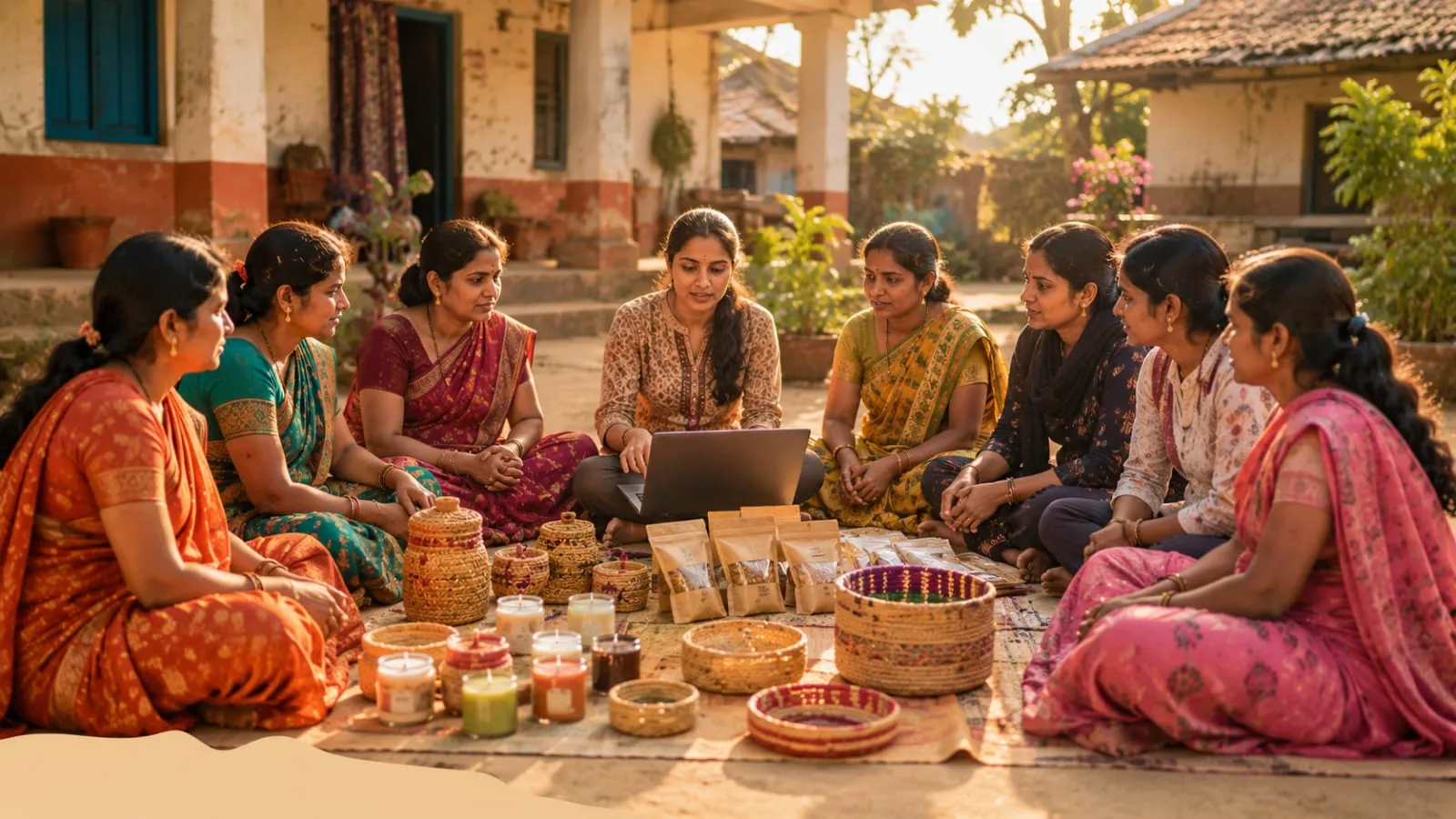
Meet Startup Sakhi — The Programme That's Taking India's Most Overlooked Entrepreneurs From Village Kitchens to Business Stages
She has the skills. She has the drive. She has the idea. What she has never had is the system built to support her. Startup Sakhi is that system — and it's starting in the villages of Maharashtra.
JUN 14, 2026
Why Mira Murati Could Become The Most Powerful Female Founder In AI
Former OpenAI CTO Mira Murati is attracting extraordinary investor interest before publicly launching a major product, highlighting how expertise and talent are becoming the most valuable assets in the AI economy.
JUN 2, 2026
From an “Unplanned” Newspaper Ad to the C-Suite: How Blue Dart’s Sonia Nair Is Building India’s First Women-Run Logistics Hubs and Rewriting the Rules of Leadership
Sonia Nair’s journey increasingly reflects broader conversations around women leadership, workplace representation and changing assumptions inside traditional industries.
MAY 24, 2026
Meet Ankita Vashistha: The Venture Capitalist Quietly Proving That Women Founders Mean Business
Ankita Vashistha’s work increasingly highlights broader conversations around women founders, startup funding and how venture ecosystems identify opportunity.
MAY 24, 2026
Shoba Viswanathan and the Diaspora Force for Good: How Indiaspora's Chief Engagement Officer Is Mobilising the World's Most Powerful Indian Network
Shoba Viswanathan, Indiaspora's EVP and Chief Engagement Officer, is the architect of the most ambitious diaspora engagement programme in Indian history. A profile of the woman building the institutional infrastructure that could transform 35 million Global Indians from a demographic statistic into a coordinated force for India's development.
JUN 12, 2026
The H-1B Door Just Closed for FY2027 — Here's What Indian Tech Professionals Should Do Now
USCIS has confirmed the FY2027 H-1B cap is met, shutting the door on new cap-subject filings for another year. For the Indian professionals who make up the majority of applicants, the scramble for alternatives begins now
JUL 27, 2026Stay ahead of the disruption.
Join 45,000 policy makers and industry leaders receiving our weekly Deep Dive intelligence.
Unsubscribe at any time. Read our Investigative Standards.