Bengaluru Has a Footpath Problem. A 14-Year-Old Built a Swipe App to Fix It.
Anyone who walks in Bengaluru knows what the footpaths are. Missing tiles. Construction debris dumped mid-pavement. Open drains with no covering. Parked vehicles straddling the kerb. Stretches where the footpath simply does not exist, ending abruptly and depositing pedestrians — including children, elderly people, and people with disabilities — onto roads that were not designed for them.
This is not a secret. It is not a new problem. It is documented, complained about, memed, and discussed on social media with the resigned energy of a city that has been waiting for someone to actually do something about it.
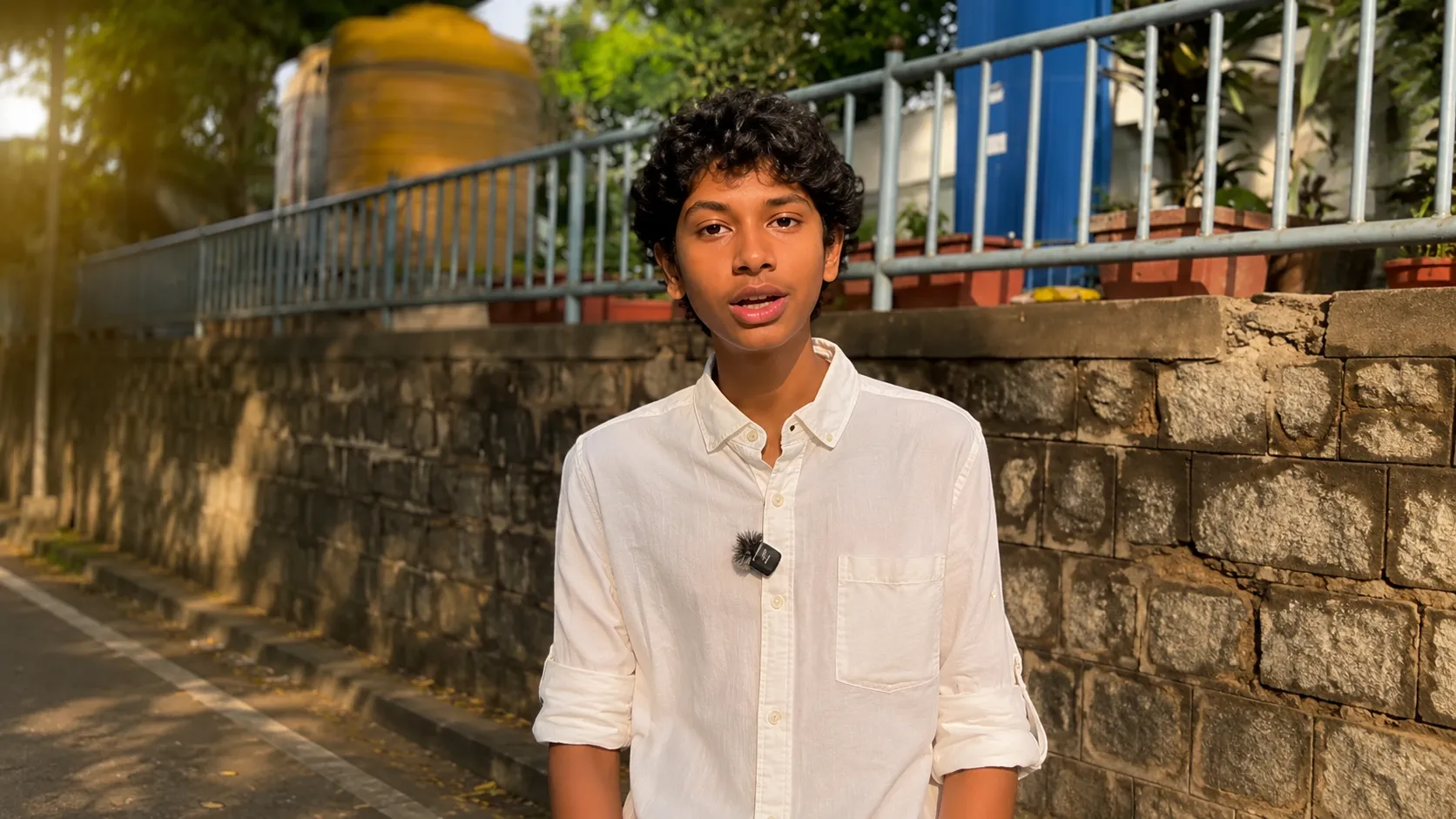
On May 19, 2026, Surya Uthkarsha, a 14-year-old student from Bengaluru, posted on X with the caption: "I fixed Bengaluru and TRAFFIC in 30 minutes."
The platform he built is called RASTHE.
What RASTHE Does — and Why the Design Is the Right Design
RASTHE is a civic-tech web platform — with an App Store version under review — that allows Bengaluru residents to report damaged footpaths, blocked pavements, open drains, and unsafe walking conditions directly to the Bruhat Bengaluru Mahanagara Palike, the BBMP, the city's municipal corporation.
The interface is built around three interactions that together make civic participation as frictionless as any consumer app.
Users can upload photographs of damaged or missing footpaths, construction debris on walkways, open drains, or any condition that makes a pavement unusable. Those reports are displayed on a shared map and a ward-level grid — not as an inbox that disappears into a civic complaint black hole, but as a publicly visible, geographically organised record that residents and BBMP staff can both access.
Users can swipe between pairs of footpaths and choose which looks worse — a mechanism that takes the comparative judgement humans make intuitively and turns it into prioritisation data. The worst footpaths rise to the top not because one official decided to look at them but because hundreds of residents, swiping in their five free minutes, collectively ranked them as the most urgent.
Users can upvote specific footpaths as worst-in-class, helping highlight stretches that need immediate attention, and nominate both the best and worst walking routes in different neighbourhoods — creating a public scorecard of pedestrian infrastructure that did not previously exist in any form.
Surya's one-line description of the platform's philosophy: "If roads are built for cars, this is built for people."
Thirty Minutes. One Tool. A Viral Moment That Means Something.
RASTHE was built using 10x Apps, a no-code application development platform. Surya built the initial version in approximately 30 minutes — a fact that has been reported widely and that he confirmed himself, and a fact that is worth sitting with for what it says about the current state of what is possible for a motivated 14-year-old with internet access.
The democratisation of software development through no-code and low-code platforms is one of the most consequential shifts in technology access of the last decade. A generation ago, building a working web application required programming skills that took years to develop, resources that required investment, and infrastructure that required institutional support. Today, a student with an idea and an afternoon can build something that functions, looks professional, and can be put in front of the city the same day.
Surya used that access to build something with a specific and genuine civic purpose. He was not building for novelty or for social media performance. He was building because the problem he was solving — Bengaluru's pedestrian infrastructure crisis — is a problem that affects real people every day and that existing civic systems have historically been slow and opaque in responding to.
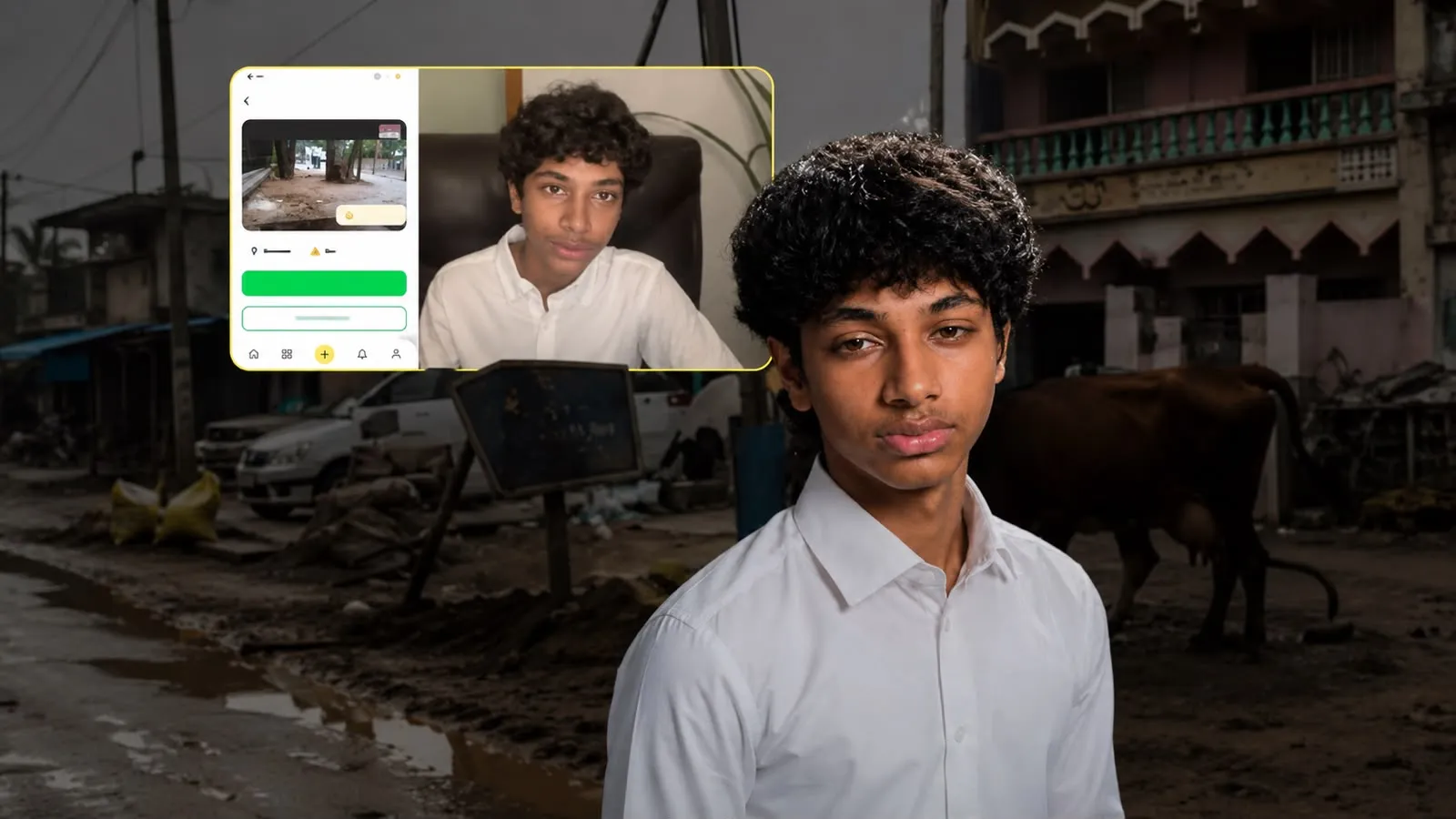
The version that went live was the starting point, not the finished product. After the initial viral response, Surya iterated on the platform and released an improved version. "We took your feedback and made the app even better with 10x Apps," he wrote on May 21, two days after the original launch. The App Store review process was already underway. The web version was live immediately.
Why the Idea Travelled
RASTHE went viral not because of marketing but because the idea connected with something specific and widely felt in Bengaluru's civic conversation.
Bengaluru's infrastructure challenges are one of the most persistently discussed topics among the city's residents, particularly the young, urban, highly connected cohort that dominates the city's social media presence. The gap between the city's ambitions — its technology industry, its international population, its aspiration to be the startup capital of India — and the daily reality of its pavements, drains, and traffic is a recurring source of frustration that generates enormous amounts of digital commentary.
Most of that commentary is horizontal: people sharing frustration with each other. RASTHE offered something different: a mechanism. A way for the commentary to generate action rather than just travel. A platform where the frustration of the person who tripped on a broken tile this morning becomes data that the BBMP sees, ranked by severity, placed on a map, with photographic evidence attached.
The response from Bengaluru's online community was immediate and enthusiastic. The platform sparked widespread discussion about pedestrian infrastructure, civic participation, and technology's role in solving everyday urban problems. Users from across the city began submitting reports, creating the first ward-level pedestrian infrastructure record that the city had ever had.
The Question the Platform Raises
RASTHE is currently live and functional. It is built by a student who will not be old enough to vote for four more years. It addresses a problem that the BBMP has had the authority and the mandate to solve for decades.
The question the platform raises — gently but persistently — is not whether a 14-year-old can build a civic reporting tool. He demonstrably can. The question is whether the institution the tool is built to hold accountable will engage with it, respond to its data, and use the information it generates to actually fix the footpaths.
That is not a criticism of Surya's effort. It is the next challenge that every civic technology project faces after the build: whether the formal systems that the technology is trying to improve are ready to receive the data and act on it.
RASTHE can map the worst footpaths in every ward of Bengaluru. What happens when that map exists, fully populated, publicly visible, ward by ward, is the test of the city's institutional responsiveness that no 14-year-old can build a no-code solution to pass on anyone else's behalf.
But the map is the beginning. The map is what makes the conversation specific rather than general. The map is what turns "Bengaluru's footpaths are terrible" into "Ward 47, Sector B, footpath outside Kalaburagi Bakery, reported by 34 residents, upvoted 89 times, photographs attached, awaiting BBMP response for 12 days."
Specificity is accountability's raw material. Surya built the tool that generates the specificity. He did it in 30 minutes. He is 14 years old.
The city has the tool. What it does with it is up to the adults.