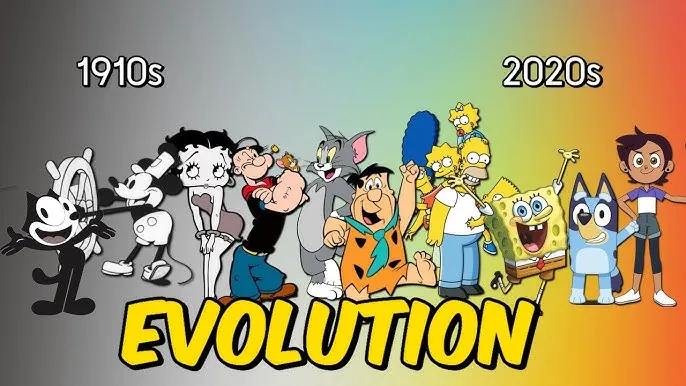
To understand this evolution, one must look at the numbers. In 2000, animation, visual effects, and digital filmmaking made up approximately 1% of India's total media and entertainment revenues. Today, that figure has surpassed 22% and is growing faster than traditional segments like print, radio, and even mainstream television. Globally, the animation market is projected to reach $589 billion by 2027, driven by the explosion of streaming platforms, the rise of short-form content on social media, and an insatiable appetite for franchises that can travel across mediums.
The Demographic Revolution: It's Not Just for Children Anymore
One of the most significant drivers of the animation boom is the changing demographics of its audience. The 18-to-35 age group—often referred to as "the animation generation"—grew up watching shows like Dragon Ball Z, Naruto, The Simpsons, and later, Adventure Time and Rick and Morty. Unlike previous generations who aged out of animation, this cohort has remained deeply engaged with the medium. In fact, streaming data reveals that adult animation now accounts for over 30% of all animated content consumed on platforms like Netflix, Amazon Prime, and Disney+ Hotstar.
This demographic shift has forced studios to rethink their content strategies. The old model—producing children's content exclusively for linear television—is dying. "The traditional kids' animation model is fundamentally broken," noted veteran producers Sherry Gunther Shugerman and Bobbie Page at a recent industry summit. Streaming services have curtailed their spending, linear TV viewership continues to decline, and commissioning executives are more risk-averse than ever. The result is a creative bottleneck where only a select group of executives decide what millions of children across the world get to watch.
However, the internet has democratized distribution. Creators can now bypass traditional gatekeepers entirely. Online platforms like YouTube, TikTok, and Instagram Reels have given rise to independent animators who build massive followings without a studio deal. The Digital Circus, a YouTube-original animation, generated over $6 million in theatrical pre-sales purely off the strength of its online community. This is the new reality: fans come first, and the content follows.
The Business Model: From Ratings to Intellectual Property
The economics of animation have undergone a radical transformation. Historically, success was measured by Nielsen ratings and advertising revenue. Today, those metrics are secondary. The holy grail of modern animation is intellectual property that can traverse multiple formats—television, film, games, toys, theme parks, and digital collectibles.
Biren Ghose, founder of Astra Studios, captured this sentiment perfectly: "If it cannot become a game, a toy, a meme, or a park experience, it is not finished." This statement reflects a fundamental shift in how animation projects are greenlit. Studios no longer ask, "Will children enjoy this?" They ask, "Can we build a universe around this?"
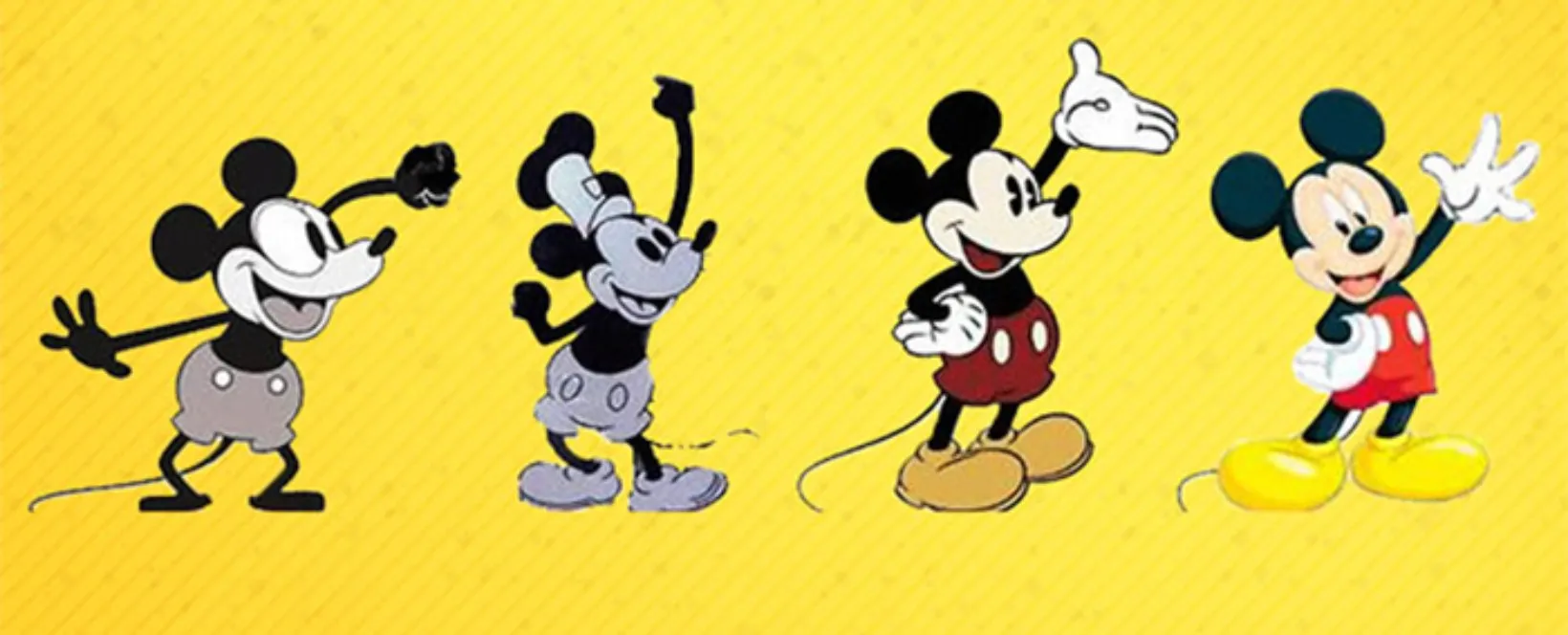
Take the case of Pokémon, a franchise that began as a video game in 1996 and evolved into an animated series, trading card game, merchandise empire, and mobile app phenomenon. It has generated over $100 billion in lifetime revenue. Similarly, Mickey Mouse, now nearly a century old, continues to generate $10 billion annually for Disney through merchandise, theme park appearances, and licensing deals. The characters are timeless; the storytelling is evergreen; the business is perennial.
In India, Chhota Bheem has achieved a similar, though smaller-scale, success. The franchise has expanded from television into gaming, merchandise, and feature films. It demonstrates that even in a price-sensitive market, Indian characters can travel across formats and generate substantial ancillary revenues. The challenge for India is no longer technical capability—the country has world-class animation talent—but creating original intellectual property that can compete on the global stage.
The Streaming Effect: Boom and Bust
The streaming wars of the early 2020s created an unprecedented boom for animation. Netflix, Amazon, and Disney+ commissioned hundreds of animated series and films, paying top dollar to attract subscribers. Studios that were previously surviving on modest television budgets suddenly found themselves swimming in production cash. The result was a golden age of experimentation: adult animated comedies, anime-inspired Western shows, stop-motion features, and hybrid live-action/animation projects flourished.
However, the hangover has arrived. In 2025 and 2026, streaming platforms have dramatically curtailed their spending. Animated projects have been canceled mid-production, entire animation divisions have been shuttered, and commissioned artists are facing layoffs. The era of reckless spending is over. Platforms are now demanding proven IP, measurable engagement metrics, and global appeal. The "greenlight everything" mentality has been replaced by a "greenlight only the sure bets" approach.
This has created a paradox. On one hand, there are more opportunities than ever for independent creators to self-distribute via YouTube and TikTok. On the other hand, the traditional studio route has become more exclusive and risk-averse. The middle ground—small-budget commissioned series—has largely disappeared. Creators must choose between going completely independent or playing the high-stakes game of studio development.
The Creator-Owned Revolution
Perhaps the most exciting development in modern animation is the rise of creator-owned IP. Platforms like YouTube and Patreon allow animators to build direct relationships with their audiences, bypassing the studio system entirely. The Claynosaurz team, for example, generated over a billion views on social media before they ever produced a long-form project. By the time they approached a studio for a series, they already had a built-in audience willing to follow them anywhere.
This creator-first model is upending traditional power dynamics. It gives creators full ownership of their characters and worlds, allowing them to monetize through merchandise, licensing, and direct-to-fan sales. It also places immense pressure on traditional studios to offer better deals and more creative freedom. If a creator can build a million-strong audience on YouTube, why would they sign away their IP to a studio for a fraction of the profits?
The success of The Amazing Digital Circus illustrates this shift. The series was developed by a small independent team, released on YouTube, and quickly amassed over a billion views. Theatrical pre-sales followed, generating $6 million before the film even reached cinemas. This is the new playbook: build the community, prove the demand, and then scale into premium production. It reverses the traditional pipeline, where studios spent millions on untested concepts and hoped audiences would show up.
India's Transition: From Services to IP Powerhouse
India has long been the back-office of the global animation industry, providing outsourced production services for Hollywood and European studios. The country's animators are world-class, and the cost advantage is significant. However, the industry has historically lacked creative ownership. Indian studios worked on other people's IP, earning margins of 10-15% while foreign studios kept the lion's share of profits.
That is beginning to change. Indian studios are investing in original content development, creating characters and stories that resonate both domestically and internationally. Hanuman, a 3D animated feature produced by Indian studios, performed well at the box office and proved that Indian mythology can compete with Western superheroes. Similarly, Krishna and Ramayana adaptations have found audiences across Southeast Asia and the Indian diaspora.
The Indian government has also played a role, offering production incentives and subsidies for animation projects. The Animation, Visual Effects, Gaming, and Comics (AVGC) task force has recommended establishing national centers of excellence, creating a single-window clearance system, and offering tax benefits to attract investment. These policy measures are crucial if India is to transition from a services hub to an IP creator.
However, challenges remain. Indian animation lacks strong institutional support, long-term funding, and creative leadership with global experience. The industry must also overcome the perception that animation is only for children—a myth that persists despite growing evidence of adult demand. As Indian creators build original IP, they must think globally from the outset, designing characters that can travel across cultures and formats.
The Future: Technology, Immersion, and Infinite Worlds
Looking ahead, the animation industry will be shaped by emerging technologies—virtual reality, augmented reality, and generative AI. These tools are lowering production costs, enabling real-time rendering, and allowing creators to build immersive worlds that extend beyond the screen. The metaverse, though still nascent, offers a new frontier for animated characters to interact with fans in shared digital spaces.
AI is also transforming the production pipeline. Generative AI tools can now assist with in-between animation, lip-syncing, and background design, reducing production timelines and costs. This democratizes animation, allowing smaller teams to produce high-quality content. However, it also raises ethical concerns about job displacement and artistic originality. The industry must navigate these tensions carefully.
Conclusion
Cartoons are no longer a child's pastime; they are a global business, a cultural force, and a medium of limitless potential. The transition from linear television to streaming, from passive viewership to community engagement, and from services to original IP represents a profound transformation. For creators, the opportunities are vast—provided they understand the new rules of the game. Build the audience first, own your IP, design for multiple formats, and never underestimate the power of a compelling character. The animated worlds of 2026 and beyond will be more diverse, more interactive, and more commercially potent than anything that came before. The only limit is imagination—and the business acumen to turn it into reality.