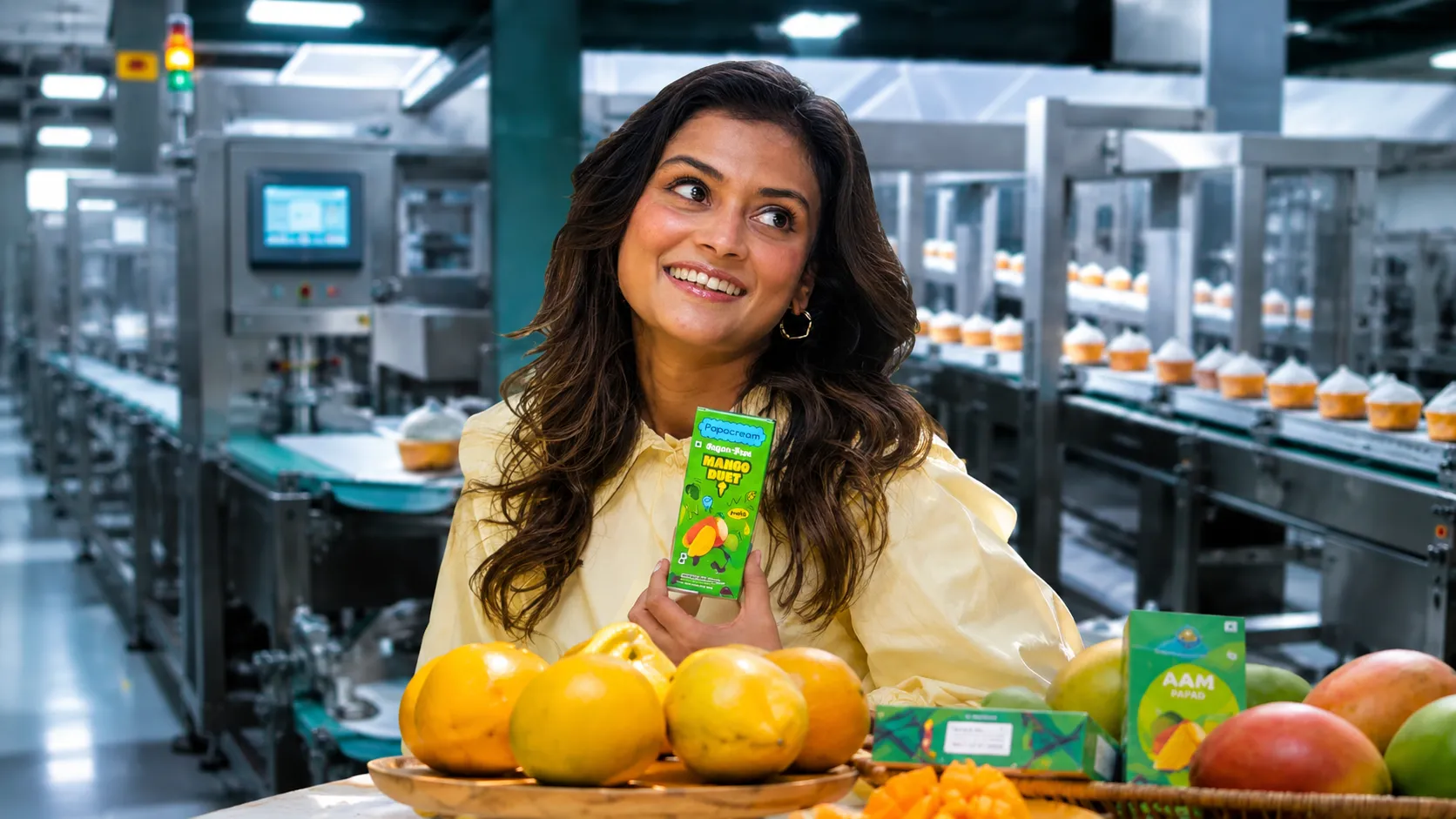
After Leaving A Wall Street Trading Career, Tanvi Chowdhri Returned To India With An Unusual Bet: That Premium Ice Cream Didn't Need Premium Prices To Build A Loyal Customer Base.
For years, India's ice-cream market was divided into two distinct worlds.
On one side were mass-market brands focused on affordability, scale and widespread distribution. On the other were premium players offering artisanal products, innovative flavors and elevated branding, often at prices that limited their appeal to a relatively small segment of consumers. The gap between these categories created an interesting challenge. Millions of Indians were becoming more experimental with food, more willing to try new brands and increasingly interested in premium experiences, yet many remained sensitive to pricing. Consumers wanted better products without feeling they were paying luxury-level premiums.
That changing consumer mindset has created opportunities for a new generation of food startups.
Rather than competing solely on price or exclusivity, these brands are attempting to deliver premium experiences at more accessible price points. They recognize that India's consumption story is evolving rapidly. Rising disposable incomes, urbanization and the growth of quick-commerce platforms have changed how people discover and purchase food products. Consumers today are more willing to experiment, but they still expect value. The companies that successfully balance quality and affordability are increasingly finding themselves at the center of the country's next consumer boom.
Papacream is one of the latest startups attempting to capitalize on this shift.
Founded by Tanvi Chowdhri after leaving a career in Wall Street trading, the brand is building a premium dessert business focused on nostalgia, innovation and accessibility. Rather than positioning itself as an exclusive luxury product, Papacream aims to make high-quality ice cream available to a broader audience. The strategy has resonated with consumers, helping the company expand rapidly through dark stores and quick-commerce channels that have become critical parts of India's modern retail ecosystem.
The startup's rise reflects something much larger than the success of a single ice-cream brand.
It highlights how India's consumer economy is evolving from one driven primarily by affordability to one increasingly shaped by affordable aspiration. Consumers are not simply buying products anymore. They are buying experiences, stories and brands that align with how they see themselves.
The Return Of The Founder-Operator
One reason Papacream's story has attracted attention is the journey of its founder.
For years, some of the most ambitious Indian professionals built careers in global financial centers, technology companies and multinational corporations. Success often meant pursuing opportunities abroad and climbing established corporate ladders. Increasingly, however, a different trend is emerging. Entrepreneurs with international experience are returning to India, convinced that the country's consumer market offers opportunities difficult to find elsewhere.
Tanvi Chowdhri represents this shift.
After working in Wall Street trading, she could have continued along a conventional financial-services path. Instead, she chose entrepreneurship in one of the most competitive consumer categories imaginable. The decision reflects growing confidence in India's domestic market and the belief that changing consumer preferences are creating space for new brands capable of challenging incumbents.
This trend is becoming increasingly important for the startup ecosystem.
Founders bringing global exposure often combine international insights with local market understanding. They recognize emerging consumer behaviors while understanding the cultural nuances that influence purchasing decisions. This combination can become a powerful advantage when building consumer brands.
Papacream's strategy reflects precisely this blend of global thinking and local relevance.
The company is not attempting to replicate foreign concepts. It is adapting them to Indian consumer realities.
Affordable Premium Is Becoming A Massive Opportunity
One of the most important shifts in Indian consumption is the rise of what many investors call "affordable premium."
Consumers increasingly want products that feel elevated without becoming financially inaccessible. This dynamic is visible across categories including beauty, food, personal care, fashion and home products. People are willing to spend more for better quality, stronger branding and unique experiences, but they still expect prices that feel reasonable relative to perceived value.
This creates an attractive opportunity for emerging brands.
Instead of competing directly with either low-cost mass-market products or ultra-premium offerings, companies can position themselves in the middle. They provide consumers with an upgraded experience while maintaining broad accessibility. The strategy often produces larger addressable markets because it appeals to aspirational customers who may not regularly purchase luxury products but are willing to spend slightly more for something special.
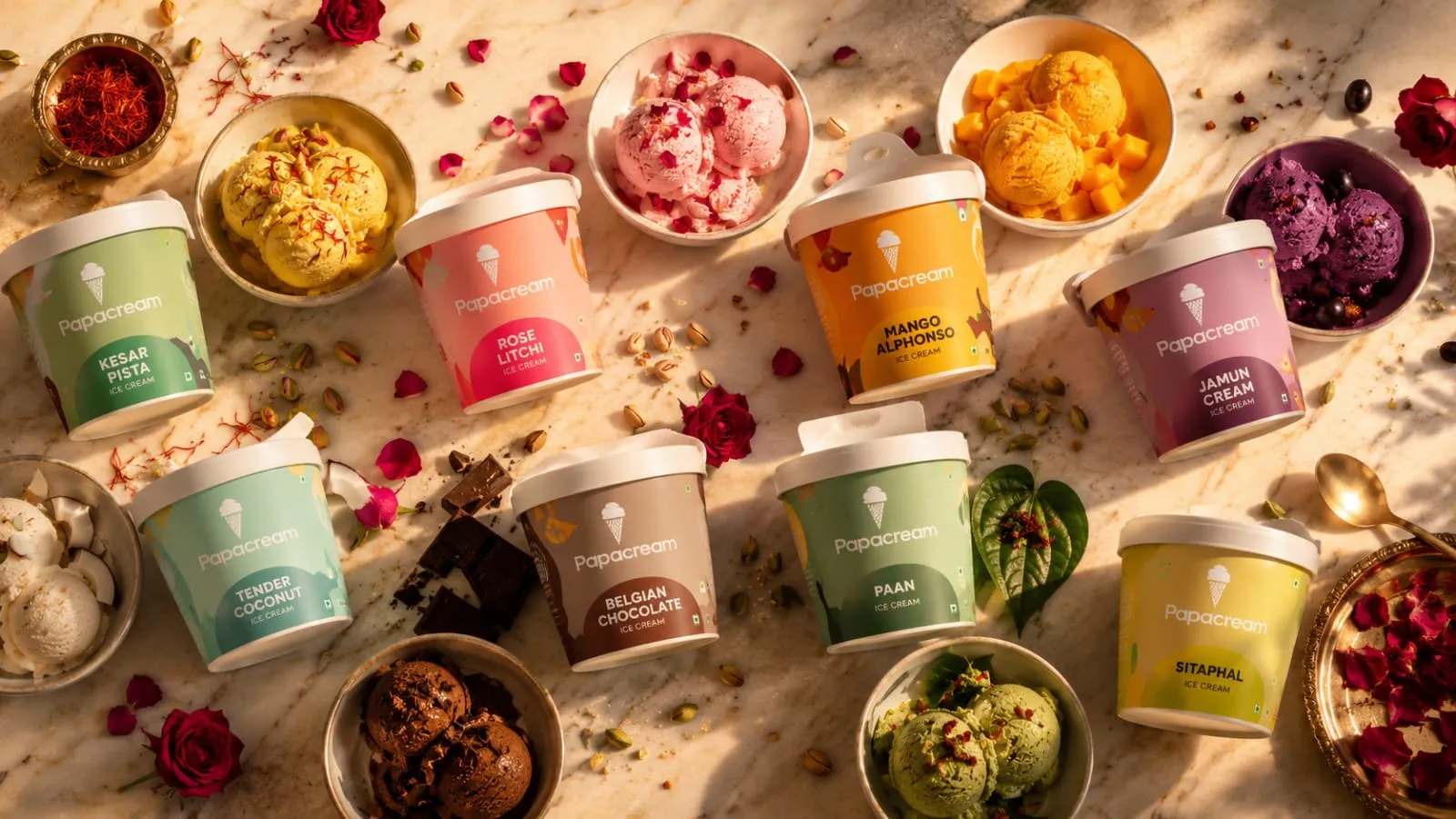
Papacream appears to be targeting exactly this segment.
Its products are designed to feel premium without becoming exclusive. The objective is not to sell ice cream as a luxury item. It is to make indulgence feel attainable. This positioning aligns closely with broader consumer trends visible across urban India.
As incomes rise and consumer confidence grows, affordable premium categories are likely to become increasingly important.
Brands capable of occupying that space effectively could enjoy substantial growth opportunities.
Quick Commerce Is Changing The Dessert Business
The timing of Papacream's growth is also significant because it coincides with the rapid expansion of quick commerce.
A decade ago, building a dessert brand required navigating complex retail relationships, securing shelf space and investing heavily in distribution. Today, platforms capable of delivering products within minutes have fundamentally altered the economics of consumer brands. Startups can reach customers directly through digital channels without relying exclusively on traditional retail infrastructure.
This transformation has been particularly important for food and dessert companies.
Ice cream is often an impulse purchase. Consumers rarely plan days in advance to buy a tub of dessert. Quick-commerce platforms align perfectly with this behavior by enabling immediate gratification. A craving can become a purchase within minutes, creating opportunities for brands that might otherwise struggle to attract attention in crowded supermarket freezers.
Papacream has benefited from this shift.
By leveraging dark stores and quick-commerce networks, the company can reach consumers efficiently while maintaining product quality. The model also provides valuable data regarding customer preferences, purchasing patterns and demand trends. This information helps brands iterate more quickly and make smarter decisions about product development.
The result is a distribution environment far more favorable to emerging brands than previous generations experienced.
Technology is lowering barriers that once protected larger incumbents.
Nostalgia Is Becoming A Powerful Business Strategy
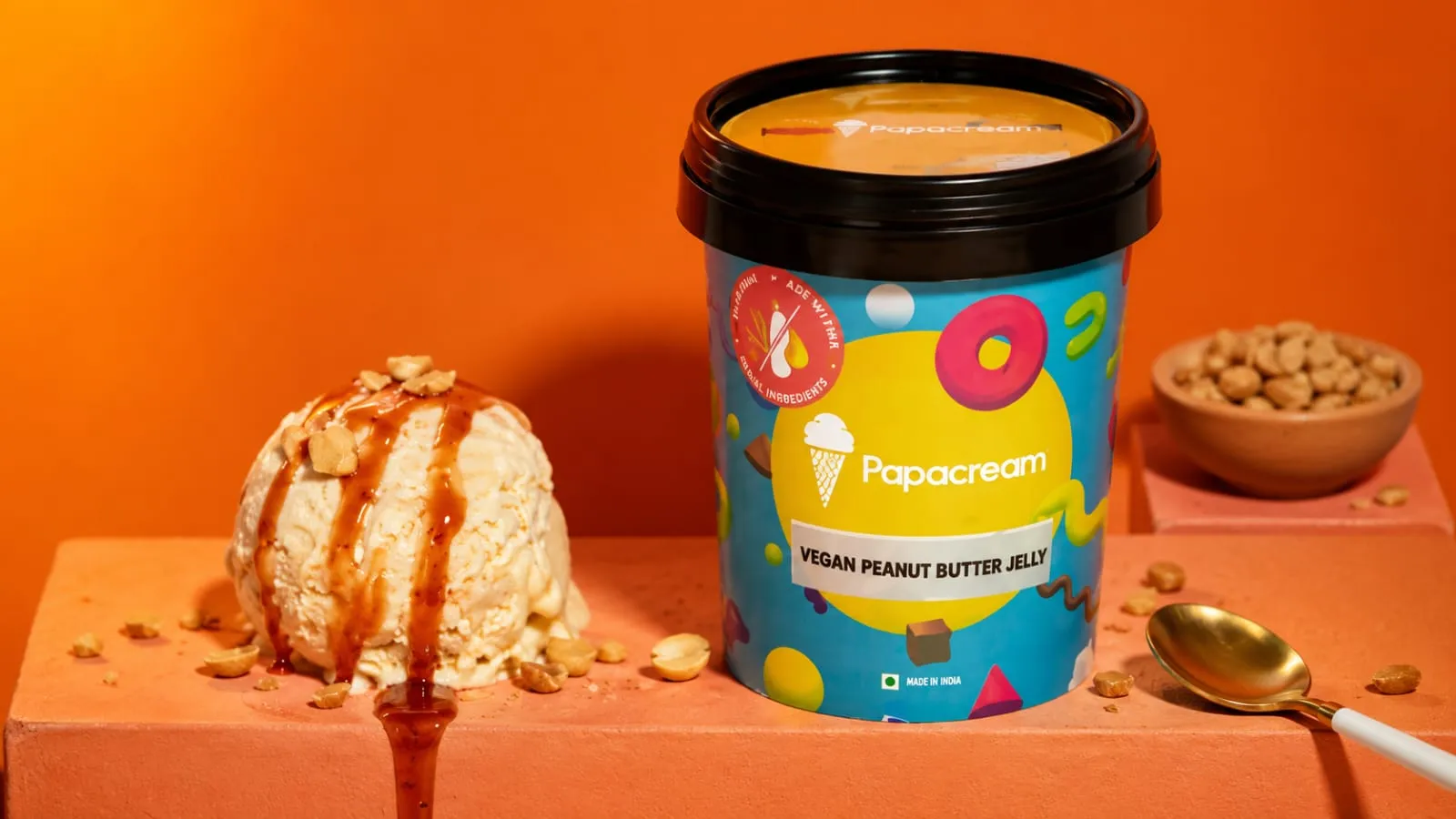
Another interesting aspect of Papacream's positioning is its focus on nostalgia.
Consumer brands increasingly recognize that purchasing decisions are influenced by emotion as much as functionality. Food, in particular, carries powerful associations with childhood memories, family experiences and cultural traditions. Successful brands often tap into these emotions while simultaneously offering something new.
This approach is becoming increasingly common among modern consumer startups.
Rather than relying solely on novelty, they blend familiarity with innovation. Consumers are introduced to products that feel both comforting and exciting. The combination can create stronger emotional connections than purely functional offerings.
Papacream's emphasis on nostalgia reflects this broader trend.
The company is not simply selling ice cream. It is attempting to evoke memories, experiences and feelings that resonate with consumers. In a crowded marketplace, emotional differentiation can be just as important as product quality.
For many modern brands, storytelling has become a competitive advantage.
Consumers increasingly buy into narratives alongside products.
The Bigger Story
Viewed narrowly, Papacream is a rapidly growing dessert startup.
Viewed more broadly, it represents several powerful trends reshaping India's consumer economy. Founders with global experience are returning to build businesses at home. Consumers are embracing affordable premium products. Quick commerce is transforming distribution. Emotional branding is becoming increasingly important. Together, these forces are creating opportunities for companies capable of understanding how modern Indian consumers think, spend and discover new products.
The success of brands like Papacream suggests that India's next consumer champions may look very different from previous generations.
They will likely be digitally native, deeply connected to consumer behavior and capable of balancing aspiration with affordability. Rather than focusing exclusively on scale or luxury, they will compete by creating products that feel premium while remaining accessible.