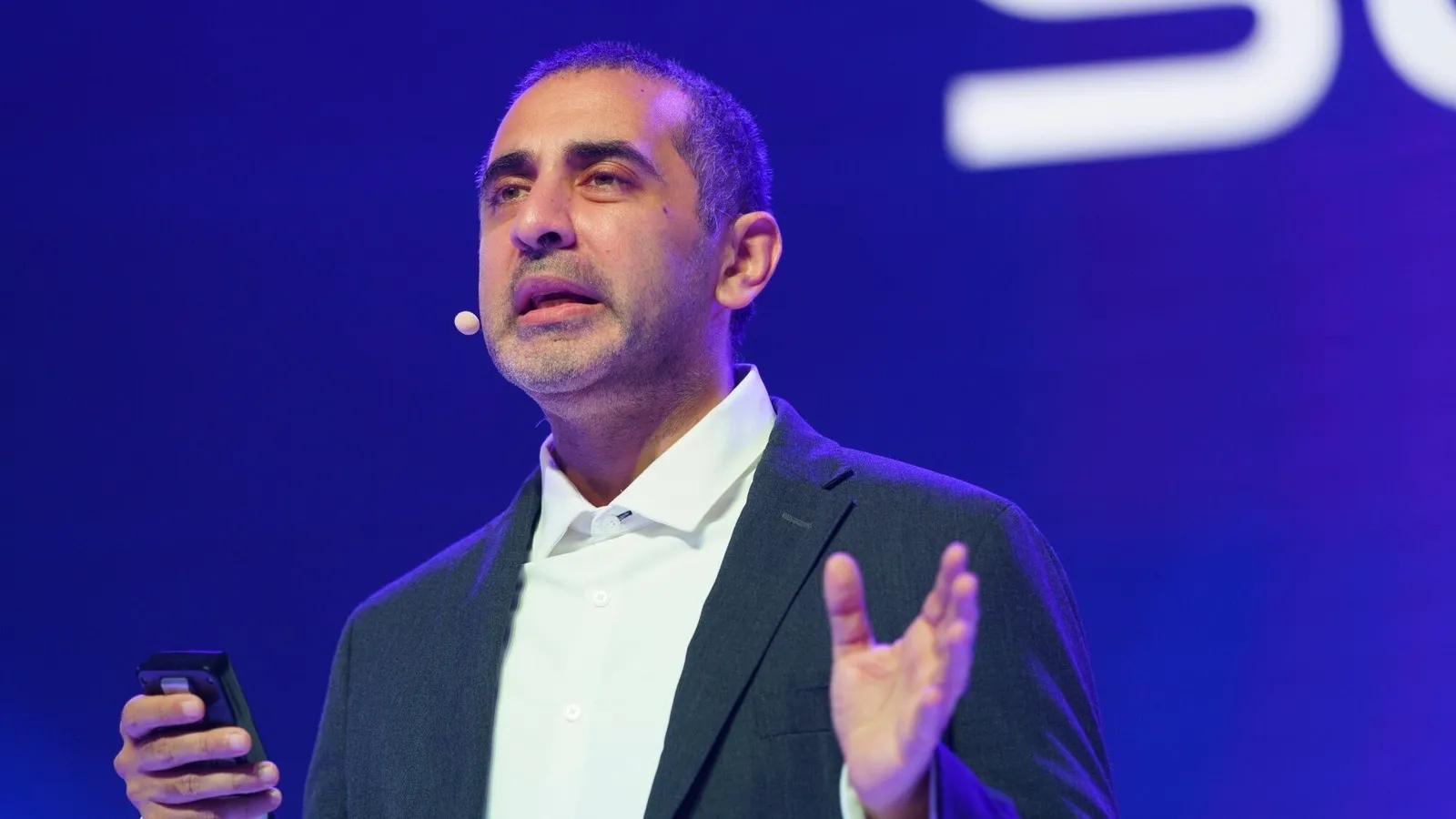
The First Generation Built Companies. The Second May Build Founders.
Silicon Valley has long celebrated legendary founder networks like the PayPal Mafia. Could the Indian diaspora create something even larger?
Every successful startup eventually creates more than wealth. It creates experience. Founders who have raised venture capital, hired thousands of employees, expanded globally and navigated failures possess something even more valuable than money—pattern recognition. They know what works because they have lived through it. Throughout Silicon Valley's history, these experienced founders have repeatedly become the first investors in the next generation of entrepreneurs. The PayPal Mafia became famous not simply because its members built PayPal, but because they went on to fund companies like Tesla, Facebook, LinkedIn, Airbnb, YouTube and Palantir. One successful company became the seed for dozens of others. A similar story may now be quietly unfolding within the Indian-American community. Over the last two decades, Indian-origin founders have built unicorns, led global technology firms and accumulated unprecedented wealth. The next question is no longer whether they can build successful businesses. It is whether they can become the investors who help build hundreds more.
Indian Americans Now Occupy Every Corner Of The Startup Ecosystem
For years, Indian professionals were primarily known as engineers and technology leaders. That image has evolved dramatically. Today, Indian Americans are founders, venture capital partners, private equity investors, startup operators, board members and limited partners in some of the world's largest investment funds. Many have already experienced successful exits through acquisitions or public listings, creating significant personal wealth that can now be reinvested into younger companies. This transformation matters because startup ecosystems become stronger when successful founders recycle both capital and knowledge back into entrepreneurship. Rather than leaving wealth idle, experienced entrepreneurs often become angel investors writing the very first cheques that allow new founders to build products, hire teams and attract institutional investors. Indian Americans are reaching precisely this stage of their entrepreneurial evolution. Their influence is gradually expanding beyond operating companies toward financing them.
Why Angel Investors Matter More Than Venture Capital
The glamour of venture capital often overshadows the importance of angel investing. Yet many of the world's most successful startups would never have reached venture capital without someone believing in them first. Angel investors typically fund founders long before there is meaningful revenue, product-market fit or institutional credibility. They invest when risk is highest and information is limited. More importantly, they provide mentorship, introductions and confidence during the most uncertain phase of a startup's journey. For first-time founders, a respected angel investor often opens more doors than the capital itself. Indian-American founders are uniquely positioned to play this role because many understand both global markets and the challenges faced by immigrant entrepreneurs. Having experienced fundraising, immigration hurdles and international expansion themselves, they can provide guidance that extends far beyond writing a cheque. This combination of financial support and lived experience makes experienced founders particularly valuable as angel investors.
India Is Becoming A Natural Destination For Diaspora Capital
The relationship between Indian-American investors and India has also begun to change. Earlier generations largely invested in real estate, family businesses or philanthropic causes. Today's entrepreneurs increasingly view India as one of the world's largest innovation opportunities. India's expanding digital economy, growing middle class, AI ecosystem, semiconductor ambitions, manufacturing investments and deep-tech startups have created an entirely different investment landscape. Diaspora investors no longer see India only as an emotional connection. They increasingly view it as a strategic business opportunity. Cross-border angel investing allows founders in Silicon Valley, New York or Boston to support entrepreneurs building companies in Bengaluru, Hyderabad, Chennai or Gurugram. These investments bring more than money. They introduce Indian startups to international customers, experienced advisors, global hiring networks and future venture capital partners. In many cases, diaspora investors become bridges connecting India's entrepreneurial ecosystem with the rest of the world.
The PayPal Mafia Comparison Is Ambitious—But Increasingly Relevant
Comparisons with the PayPal Mafia should be made carefully. The PayPal network became legendary because former colleagues continuously invested in one another, collaborated across companies and built an extraordinary web of founders and investors that shaped modern Silicon Valley. The Indian-American community is far larger and more diverse, making direct comparisons difficult. Yet the underlying principle remains remarkably similar. Successful entrepreneurs create successful entrepreneurs. One founder becomes an investor. That investor backs another founder who later becomes an investor as well. Over decades, this creates a self-reinforcing ecosystem where capital, knowledge and trust circulate continuously within a community while remaining open to the broader market. The Indian diaspora already possesses many of the ingredients necessary for such a network: world-class technical talent, deep corporate experience, global relationships and growing pools of entrepreneurial wealth. What remains is greater coordination and a stronger culture of early-stage investing.
The Next Competitive Advantage May Be Collective Wealth
One of the biggest strengths of the Indian-American community is that its wealth has been created across multiple industries rather than concentrated in a single sector. Technology founders, healthcare entrepreneurs, financial professionals, enterprise software executives and AI innovators now collectively represent billions of dollars in investable capital. If even a small percentage of that wealth consistently flows into early-stage startups, the impact could be enormous. Young founders would gain access to investors who understand both Silicon Valley and India. First-time entrepreneurs would receive mentorship from people who have already navigated similar journeys. Global partnerships would become easier to establish. Rather than depending entirely on institutional venture capital, startups could build stronger foundations through experienced angel networks. Over time, this creates a flywheel where each successful exit generates capital that funds the next generation of innovation.
Could The Diaspora Become India's Biggest Startup Investor?
The most exciting possibility is not that Indian Americans become another wealthy investor community. It is that they become one of India's most important long-term innovation partners. Governments can create policies. Universities can educate talent. Venture capital firms can fund growth. But angel investors often determine whether great ideas survive their earliest days. The Indian diaspora now has an opportunity to play that role on an unprecedented scale. By investing not only money but also experience, relationships and global credibility, they could help thousands of entrepreneurs build businesses capable of competing worldwide. The first generation proved that Indians could lead some of the world's greatest companies. The next generation may prove something even more significant—that they can build one of the world's most powerful entrepreneurial ecosystems. And if that happens, the greatest export of the Indian diaspora may no longer be talent alone. It may be opportunity itself.


