FundingMarket Data Women8 MIN READ

GIFT Nifty Signals A Flat Start: Decoding What India's Pre-Market Indicator Is Really Telling Traders Today

With GIFT Nifty futures hovering around the 23,862–23,873 range ahead of Friday's open, here's a closer look at how this Gujarat-based derivatives exchange has become one of the most closely watched barometers for how Indian markets will open each day

By Nisha Omkumar · Author24 July 2026
GIFT Nifty Signals A Flat Start: Decoding What India's Pre-Market Indicator Is Really Telling Traders Today

GIFT Nifty futures were trading largely flat ahead of Friday's session, hovering in the 23,862 to 23,873 range, signalling a muted to range-bound opening for Indian equities as traders await fresh domestic and global cues before committing to firmer directional positions. That flat pre-market reading, while unremarkable at first glance, carries genuine informational value for market participants trying to gauge sentiment heading into a session that follows four consecutive days of losses on the domestic benchmark indices — and it offers a useful opportunity to unpack exactly what GIFT Nifty is, how it functions, and why it has become such a closely watched fixture of India's daily market-opening ritual.

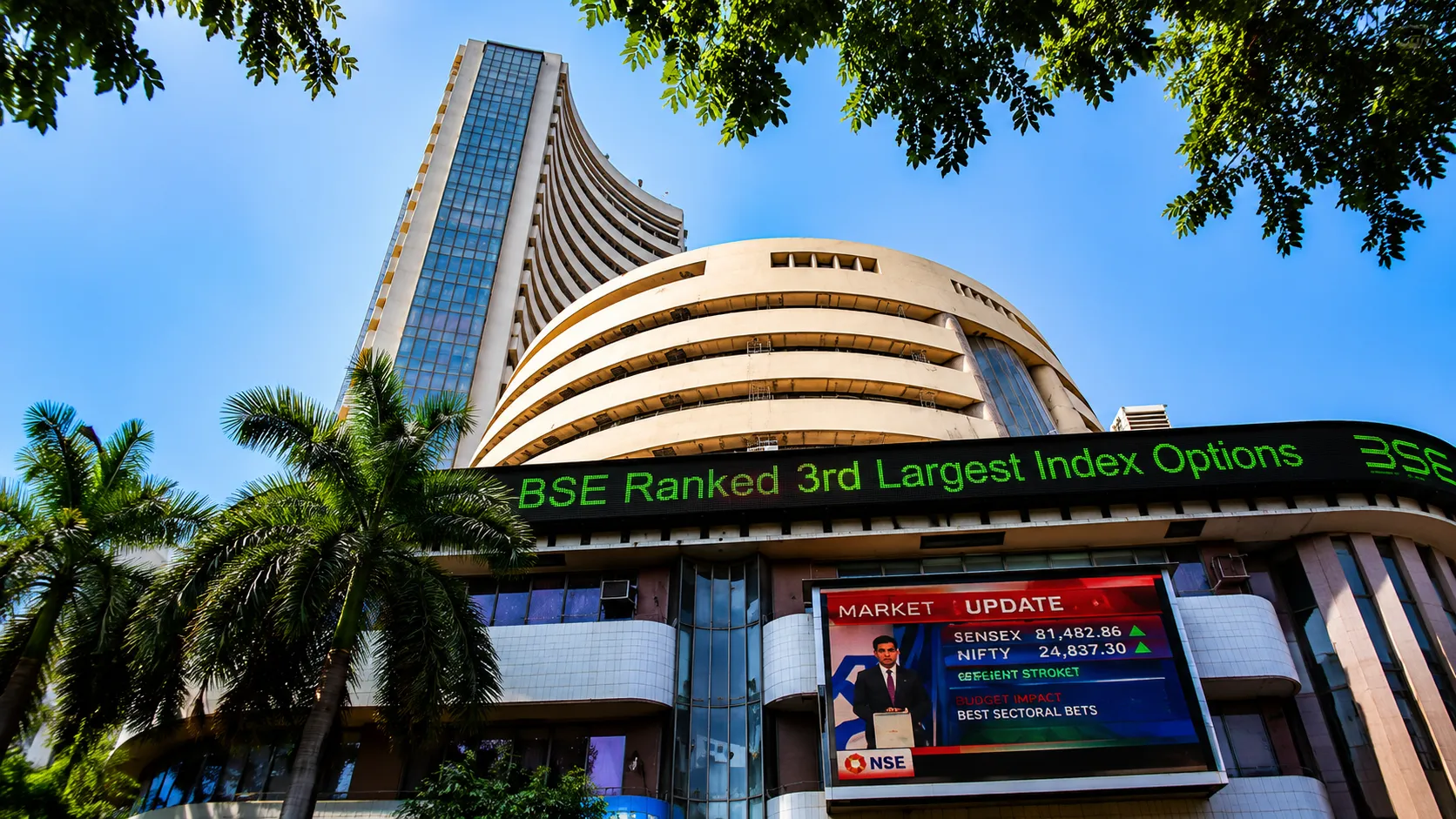
GIFT Nifty refers to Nifty 50 index futures traded on the NSE International Exchange, located within the Gujarat International Finance Tec-City, or GIFT City, a purpose-built international financial services centre near Gandhinagar that India has developed over the past decade as a hub for offshore-style financial market activity operating under a distinct, internationally aligned regulatory framework. The contract effectively allows international and domestic investors alike to trade Nifty 50 index futures during hours that extend well beyond the regular trading window of India's primary equity exchanges, the BSE and NSE, creating a near round-the-clock trading window that captures market-moving developments occurring even while India's domestic cash equity markets remain closed.

The practical significance of this extended trading window becomes particularly clear during periods, like the current one, when overnight global developments — movements in US equity markets, shifts in crude oil prices, currency market developments, or geopolitical news — occur after India's own markets have closed for the day but before they reopen the following morning. GIFT Nifty allows this overnight information to be priced into Nifty futures well before the domestic cash market opens, giving traders, analysts, and financial media a real-time, actionable signal of how Indian equities are likely to open, rather than requiring market participants to wait until the actual opening bell to observe how overnight developments have been digested by the market.

This morning's flat GIFT Nifty reading, in the specific context of this week's trading environment, suggests a market caught in a genuine state of equilibrium between competing forces rather than one poised for a clear directional move in either direction. On one hand, the overhangs that have driven the past four sessions of losses — elevated crude oil prices, a weakening rupee, and persistent foreign institutional selling — remain firmly in place, offering little reason for traders to expect a sudden reversal of the broader corrective trend. On the other hand, several positive company-specific data points from this week's corporate earnings season, including strong results from Nestlé India and Bandhan Bank, have offered some counterbalancing support, alongside anticipation of potentially encouraging domestic macro data, including India's flash PMI readings and the RBI's weekly banking-sector statistics, both due for release later in the day.

image.png

GIFT City itself, the broader special economic zone within which the NSE International Exchange operates, represents one of India's more ambitious recent financial-sector infrastructure initiatives, designed to attract international financial services activity — including banking, insurance, asset management, and capital markets operations — that might otherwise have been conducted through more established international financial centres like Singapore, Dubai, or Mauritius. By offering a regulatory and tax environment specifically calibrated to compete with these established offshore financial hubs, GIFT City has sought to repatriate a meaningful share of India-focused financial market activity back onto Indian soil, even while maintaining the kind of internationally aligned market infrastructure and trading hours that global institutional investors have come to expect.

For retail investors less familiar with derivatives trading, it's worth clarifying that GIFT Nifty movements, while highly informative as a directional signal, are not identical to actual movements in the underlying Nifty 50 cash index once domestic trading commences. Futures prices can and do diverge from where the underlying index actually opens and trades once the BSE and NSE sessions begin, influenced by factors including domestic-specific opening auction dynamics, any India-specific news or corporate announcements that emerge after GIFT Nifty's overnight session concludes, and the simple reality that futures pricing incorporates a range of technical factors, including time-to-expiry and prevailing interest rate differentials, that can create modest, temporary divergences between futures and spot index levels even absent any new fundamental information.

Today's specific GIFT Nifty reading also needs to be considered alongside the broader Asian market context within which Indian pre-market sentiment typically forms. Regional market performance across Japan, Hong Kong, South Korea, and other major Asian trading centres often provides an important additional input into how Indian traders and algorithmic trading systems calibrate their own opening expectations, given the broader risk-sentiment linkages that connect Asian equity markets, particularly during periods of shared macro themes like the current crude-oil price spike, which carries similarly significant implications for other major Asian oil-importing economies including Japan and South Korea.
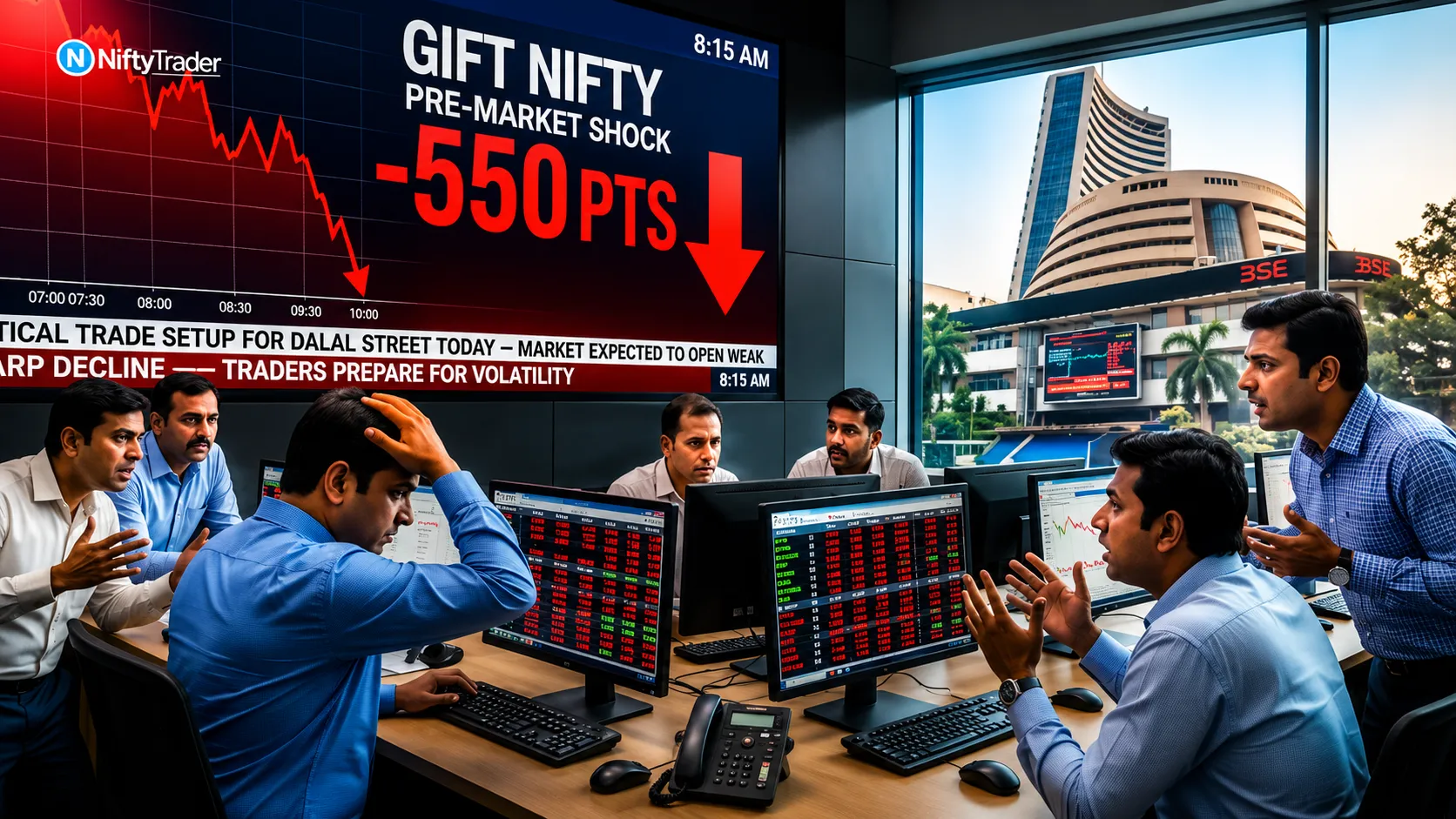

GIFT Nifty exists precisely because global capital doesn't sleep on India's schedule — it gives international investors, and increasingly domestic ones too, a live read on Indian market sentiment hours before the BSE and NSE bells even ring.
Market-structure commentary on the role of GIFT Nifty in Indian trading

Market-structure analysts have periodically noted the growing importance of GIFT Nifty not just as a predictive indicator for domestic market participants, but as an increasingly significant trading venue in its own right, with growing institutional and increasingly retail participation in GIFT Nifty futures trading reflecting the platform's maturing liquidity and its expanding role within India's broader derivatives trading ecosystem. That evolution from a purely indicative, informational tool toward a genuinely significant trading venue in its own right represents one of the more notable structural developments within India's capital markets infrastructure over recent years.

For traders positioning ahead of today's session, the flat GIFT Nifty signal suggests a cautious, wait-and-watch approach is likely to characterise early trading, with market direction for the remainder of the session likely to be determined substantially by how India's flash PMI data, due later this morning, and the RBI's weekly banking statistics, due in the evening, are received by the market, alongside any fresh developments on the crude-oil and currency fronts that have dominated market attention through this particularly challenging stretch of the year.

As India's financial markets continue to mature and increasingly integrate with global capital flows, tools like GIFT Nifty are likely to play an ever more central role in how both domestic and international market participants navigate the gap between global overnight developments and India's own domestic trading hours — a genuinely useful piece of market infrastructure that, on a seemingly unremarkable, flat-reading morning like today, quietly continues doing exactly the job it was designed to do.

Algorithmic and systematic trading strategies, which now account for a meaningful share of daily trading volumes across both GIFT Nifty and India's domestic exchanges, add a further layer of complexity to how today's flat pre-market reading might evolve once the cash market opens, given how quickly such strategies can react to even modest shifts in early trading direction once the opening bell rings.

For financial media and market commentators, GIFT Nifty's overnight and pre-market movements have become a standard, almost obligatory reference point in daily market previews, reflecting just how deeply embedded this once-niche derivatives contract has become within the broader vocabulary of Indian financial journalism over a comparatively short number of years.

image.png

Whatever direction today's session ultimately takes once trading gets underway, GIFT Nifty's flat overnight signal will have done its job — offering the market a calibrated, real-time starting point from which the day's actual price discovery can proceed.

For newer market participants still building familiarity with India's trading ecosystem, understanding GIFT Nifty's role offers a useful entry point into the broader universe of pre-market indicators and derivative signals that seasoned traders routinely incorporate into their daily decision-making process, well before the domestic exchanges' own opening bell provides the first, official read on the day's trading direction.

The contract's growing significance also reflects India's broader ambitions for GIFT City as a genuine international financial services hub, with policymakers hoping continued growth in GIFT Nifty trading volumes will help anchor a broader ecosystem of international financial services activity within Indian jurisdiction, rather than ceding that activity to established offshore centres elsewhere in Asia.

As Friday's session unfolds and the actual cash-market opening reveals how accurately this morning's flat GIFT Nifty reading anticipated the day's true trading dynamics, market participants will already be looking ahead to next week's overnight GIFT Nifty sessions for the next set of early directional clues in what remains a genuinely fluid, fast-moving market environment.

For a market navigating as many simultaneous crosscurrents as India's currently is, that kind of calibrated, real-time starting signal is worth considerably more than its modest, largely unremarked-upon place in the daily news cycle might suggest.

Financial literacy initiatives aimed at India's rapidly growing retail investor base have increasingly begun incorporating basic derivatives and pre-market indicator education, recognising that concepts like GIFT Nifty, once the preserve of institutional trading desks, have become sufficiently mainstream in daily market commentary that ordinary retail investors benefit from at least a working understanding of what these signals do, and just as importantly, do not, tell them about the day ahead.

For institutional desks running sophisticated pre-market strategies, today's flat reading is simply one more data point feeding into considerably more complex proprietary models — but for the ordinary retail investor checking financial news over morning coffee, it remains the single most accessible, plain-English signal of how the coming trading day is likely to begin.

TagsGIFTNiftyNiftyFuturesPreMarketTradingStockMarketIndiaGIFTCityDerivativesTradingMarketOutlookNSEBSEBusinessNewsIndiaTradingIndia

Reader reviews

Sign in to rate and review this article.
Loading reviews…