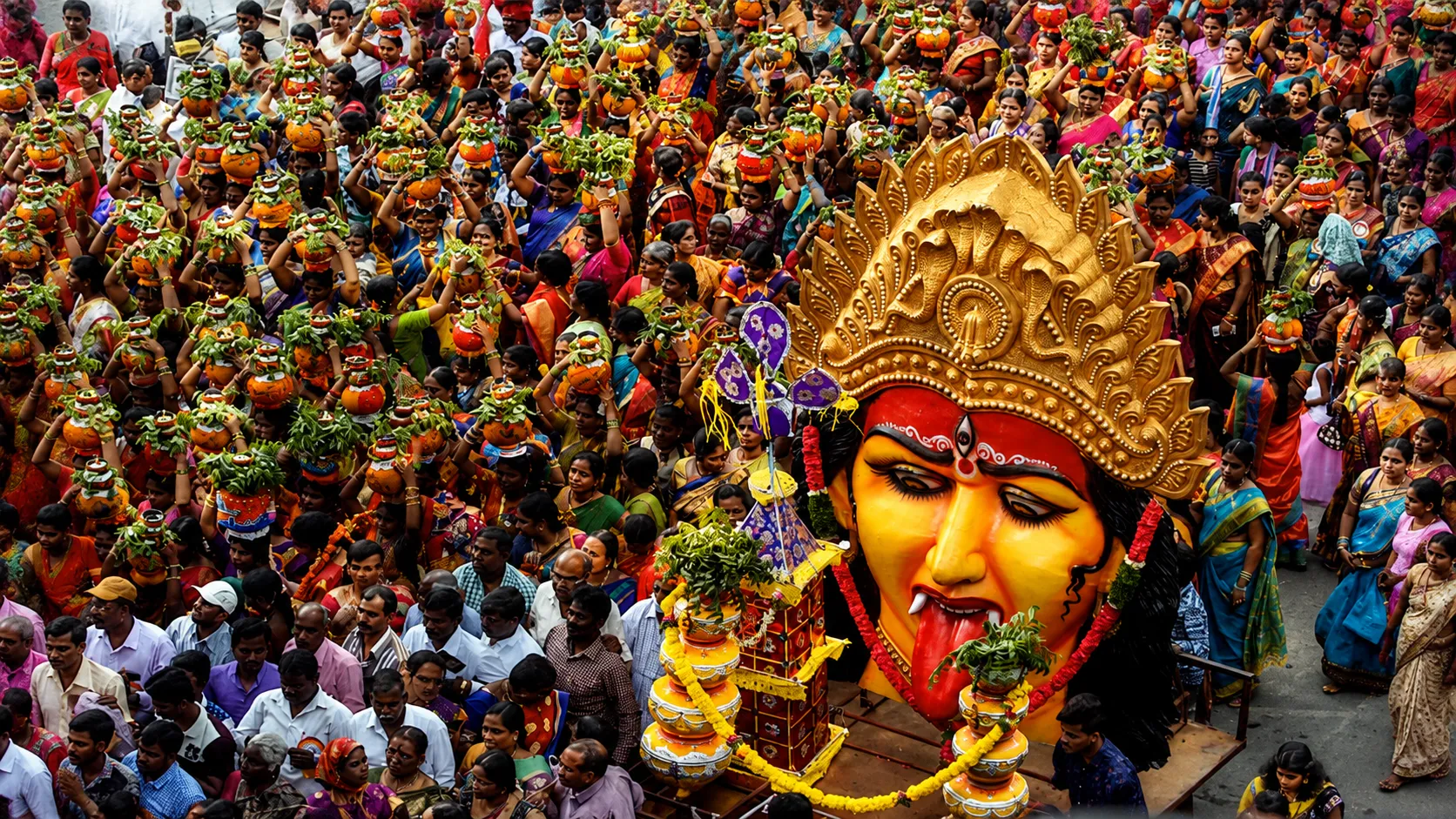
The Dallas Telugu Alai Balai Sangham, one of North Texas's most active Telugu community organizations, is preparing to bring one of Southern India's most distinctive folk and religious traditions to the Dallas-Fort Worth metroplex with a daylong Bonalu festival celebration scheduled for Sunday, August 2, 2026. The free, public event will run from 11 a.m. to 8 p.m. local time at the Frisco Flyers facility on Flyers Way in Frisco, with organizers describing it as open to families across the region regardless of their organizational affiliation — a deliberately inclusive framing for what is, at its core, a deeply rooted expression of Telangana's religious and cultural identity being recreated thousands of miles from home.
For readers less familiar with the tradition, Bonalu is an annual Hindu festival deeply embedded in the cultural and religious life of Telangana, India's youngest state, with the festival's name deriving from 'Bhojanalu,' a Telugu word signifying a feast or meal offering. At its core, the festival functions as an act of thanksgiving and devotion to Goddess Mahankali, whom worshippers venerate as a protective force guarding against illness, adversity, and evil — a role that traces back historically to the festival's origins in the twin cities of Hyderabad and Secunderabad, where communities began the tradition of offering devotion to the goddess following a devastating disease outbreak in the region generations ago, in gratitude for the outbreak's eventual end.
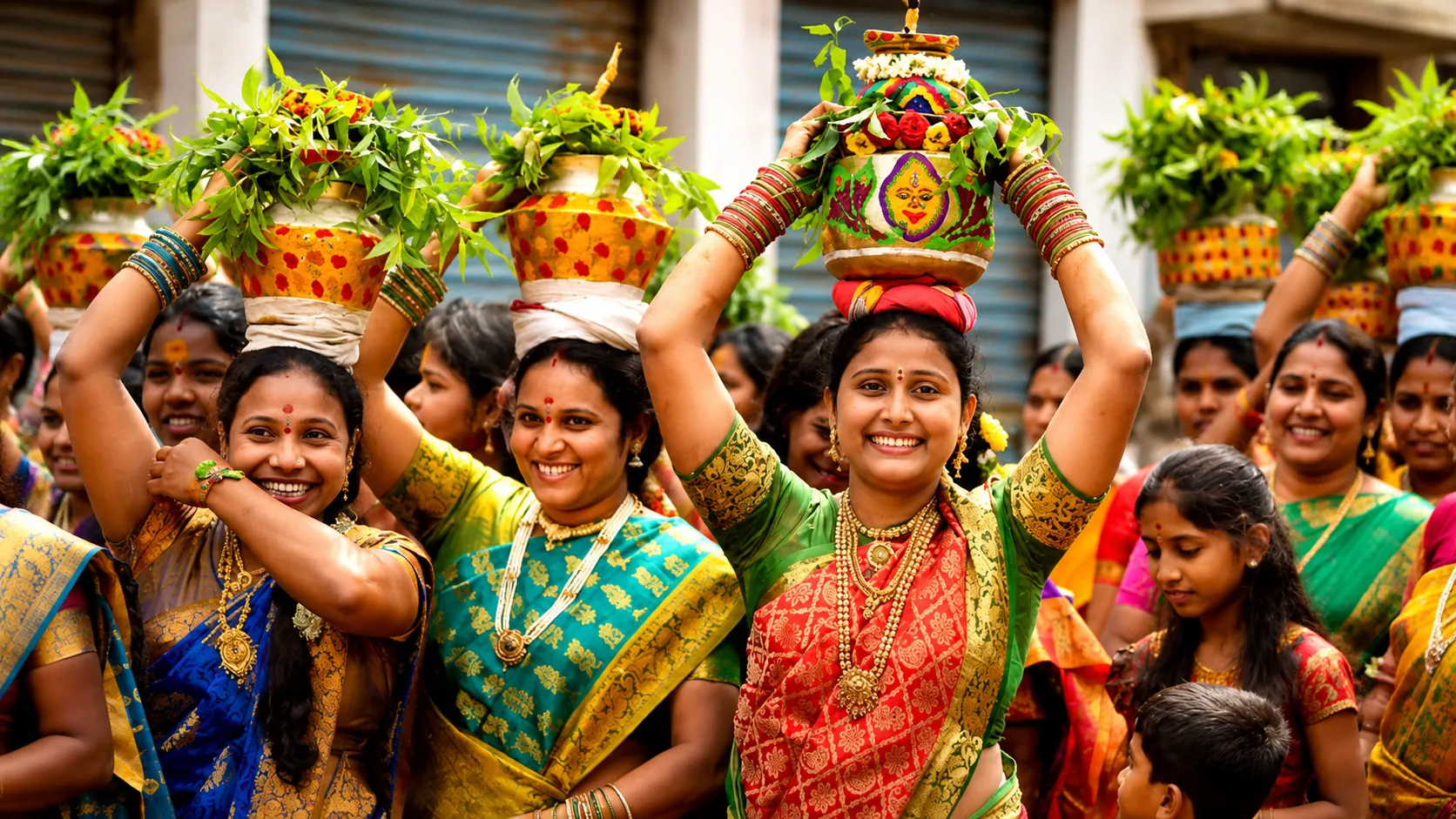
In its home state, Bonalu has grown into Telangana's most widely observed folk festival, celebrated across approximately 48 temples in Hyderabad and Secunderabad alone, with celebrations extending across towns and districts throughout the state during the Hindu month of Ashadha Masam, typically falling across multiple Sundays between mid-July and early August each year. The Telangana state government formally declared Bonalu an official state festival in 2014, reflecting its significance not just as a religious observance but as a defining marker of regional Telangana identity, distinct from the broader pan-Indian festival calendar in ways that carry particular resonance for the Telugu-speaking diaspora specifically.
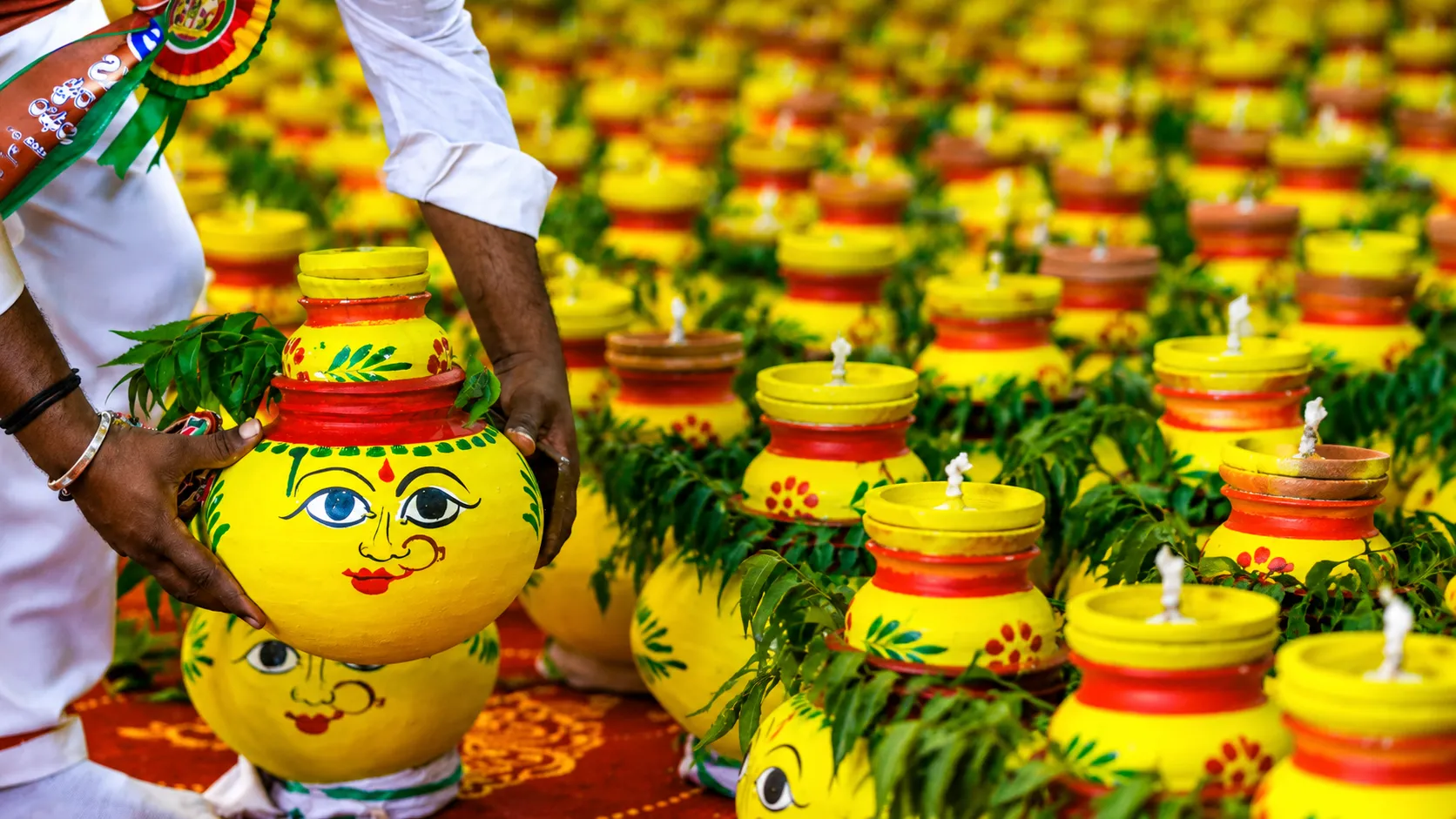
The Frisco celebration is being organized to recreate the core elements of that tradition as faithfully as possible within a North Texas community setting, with the daylong programme set to feature traditional rituals, devotional music, and food offerings honouring Goddess Mahankali, alongside a broader slate of cultural programming including regional folk performances, dance, colourful traditional attire, and authentic South Indian cuisine. Organizers have indicated they expect families to travel from across the wider Dallas–Fort Worth metroplex to attend, reflecting both the scale of the region's Telugu-speaking population and the relative scarcity of large-scale, authentically recreated Bonalu celebrations available to diaspora communities within the United States more broadly.
The Dallas Telugu Alai Balai Sangham itself, commonly referred to by the abbreviation DTABS within the community, was founded specifically to celebrate and preserve Telugu cultural identity in North Texas, and the organization has built a track record of hosting major cultural observances throughout the year, including celebrations of Dasara and Sankranti alongside Bonalu — effectively anchoring the region's Telugu festival calendar around the same key observances that structure communal and religious life back in Andhra Pradesh and Telangana. That consistency, year after year, has helped the organization build the kind of institutional trust and community reach that allows it to organize an event of this scale, with a free admission model designed to maximise participation across the community rather than restricting access to paying members alone.
This year's Bonalu celebration also arrives alongside a second major Indian cultural event scheduled in Frisco during the same general window in August: an India Independence Day gathering organized by a separate community organization, reflecting the sheer density of Indian cultural programming now taking root in this specific corner of North Texas. That concentration is itself a reflection of Frisco's rapidly evolving demographics, with the city's 2026 demographic report estimating a population of 245,470, of which 33.6 percent identify as Asian residents — a striking figure for a city that, within living memory, was a considerably smaller and less diverse Dallas exurb before its recent, rapid growth into one of the region's most significant technology and corporate employment hubs.
That demographic transformation has been closely tied to the region's economic evolution, with Frisco and the broader North Texas corridor having become an increasingly significant hub for corporate employers who have, over recent years, sponsored a substantial number of H-1B skilled-worker visa petitions, drawing a meaningful and growing population of Indian-origin technology, healthcare, and finance professionals and their families to settle in the area. That employment-driven migration pattern has, in turn, created exactly the kind of critical mass of Telugu-speaking and broader Indian-origin households needed to sustain large-scale, authentically produced cultural events like this Bonalu celebration — events that, in smaller or more dispersed diaspora communities, would likely struggle to achieve the scale and cultural authenticity organizers are aiming for in Frisco.
For many attending families, particularly those with young children born and raised in the United States, events like this Bonalu celebration serve a purpose extending well beyond religious observance alone — offering a tangible, experiential connection to cultural and religious traditions that might otherwise remain abstract concepts encountered only through family stories or occasional visits to India. Regional folk festivals rooted in specific Indian states, as distinct from more broadly pan-Indian celebrations like Diwali or Holi, carry particular importance for preserving the more granular, regionally specific cultural identities — Telugu, Tamil, Punjabi, Gujarati, and others — that together make up the broader Indian American community's genuinely diverse cultural fabric, a diversity that can sometimes be flattened in broader American cultural narratives that treat 'Indian culture' as a single, undifferentiated category.
The festival's timing, aligning closely with Telangana's own home-state Bonalu calendar, also reflects the increasingly common pattern among diaspora cultural organizations of maintaining close temporal alignment with festival calendars back in India, even when the specific dates require careful navigation around the American work week and school calendar — a scheduling challenge that has become an increasingly routine, well-managed feature of how diaspora cultural organizations operate as they mature and gain organizational experience over successive years of hosting comparable events.
As North Texas's Indian American population continues its rapid growth, driven substantially by continued technology and healthcare sector employment migration, events like DTABS's Frisco Bonalu celebration are likely to keep growing in scale and ambition, reflecting both the community's expanding numbers and its increasing organizational capacity to produce large, authentic cultural events on American soil. For the families who will gather at Frisco Flyers on August 2, the celebration offers something that goes well beyond a single day's programming — a recurring, dependable touchstone that helps keep a specific, cherished regional Indian tradition alive and thriving for a new generation growing up thousands of miles from Telangana's temples, but increasingly well-connected to the traditions those temples represent.
The broader Telugu diaspora experience in the United States has itself evolved considerably over the past two decades, moving from a relatively dispersed, individually assimilated immigrant population toward increasingly organized, institutionally robust community structures capable of sustaining exactly the kind of large-scale, authentically produced cultural programming DTABS is bringing to Frisco this August. That institutional maturation mirrors similar patterns observed among other regional Indian diaspora communities across the United States, from Gujarati and Punjabi community organizations in California and New Jersey to Tamil and Malayali community groups concentrated in other major metropolitan areas.
Community organizers involved in producing events of this scale also typically point to the significant volunteer labour and fundraising effort required to stage a free, publicly accessible celebration of this nature, with venue costs, performer coordination, ritual materials, and catering for potentially thousands of attendees all requiring substantial advance planning and financial commitment from an all-volunteer organizational structure, underscoring the depth of community investment reflected in an event like this one.
As August 2 approaches, DTABS organizers are likely to spend the coming days finalising logistics for what promises to be one of the more significant single-day Indian cultural gatherings North Texas will see this year — a celebration that, however rooted in ancient Telangana tradition, speaks directly to the thoroughly contemporary story of how America's fastest-growing tech corridors have simultaneously become some of its richest new centres of Indian cultural life.
Local Frisco officials and civic leaders have, in recent years, increasingly recognised the economic and cultural value such large-scale community celebrations bring to the broader city, with events like this Bonalu festival contributing to Frisco's continued positioning as one of the more culturally dynamic and internationally diverse suburbs anywhere in the greater Dallas-Fort Worth region.
For now, all eyes turn to August 2, when Frisco Flyers will, for one day, become a genuine extension of Telangana's own devotional calendar, thousands of miles from where that calendar first began.
The festival also arrives at a moment when several other Telugu associations across the United States, from the Telugu Association of North America to smaller regional bodies, have been expanding their own Bonalu programming, suggesting a broader, coordinated national trend toward larger, more elaborate diaspora celebrations of specifically Telangana-rooted traditions, distinct from the more general Andhra-Telugu cultural programming that dominated earlier decades of diaspora festival calendars.
Whatever the final attendance figure turns out to be, organizers say the deeper goal remains constant from year to year: ensuring that a specifically Telangana expression of devotion continues finding a genuine, well-attended home on American soil.
Volunteers from DTABS have spent recent weeks coordinating everything from ritual materials sourced specifically for the occasion to performance schedules for the folk dance troupes traveling in from Maryland and Virginia, underscoring just how much unpaid community labour underpins a single day of celebration.