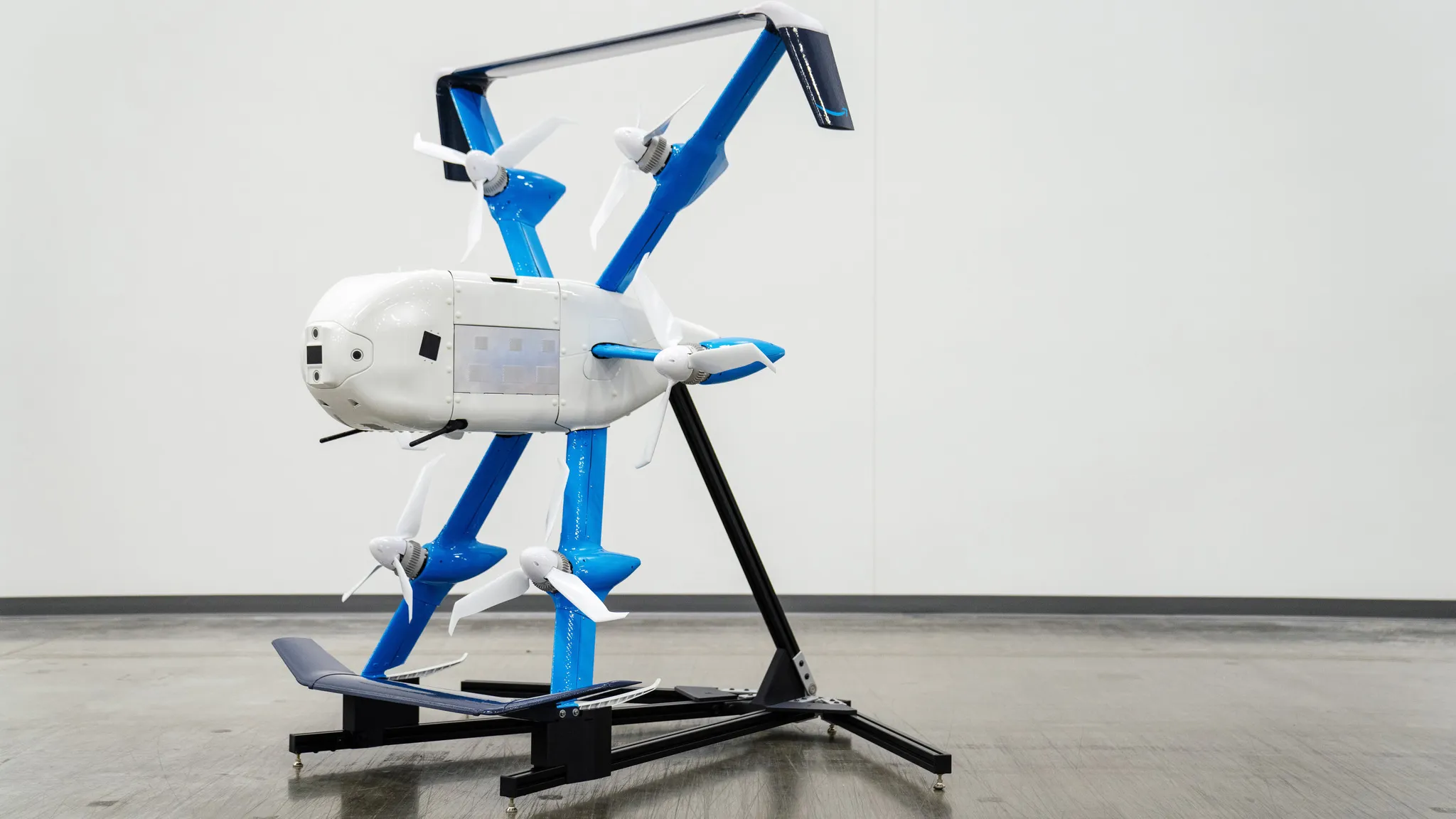
For years, the promise of drone delivery has hovered on the horizon – teased by YouTube videos, regulatory delays, and the occasional pilot program that never quite scaled. That promise has finally landed. Amazon Prime Air now operates in 50 US cities, up from just twelve six months ago. In the past 30 days alone, the company’s fleet of MK30 drones has completed over one million deliveries. The era of routine, automated, last‑mile delivery by air has begun, and it is happening faster than almost anyone predicted.
The MK30 drone is a marvel of practical engineering. It weighs about 80 pounds, can carry packages up to 5 pounds, and flies at altitudes between 100 and 200 feet. Its range is 7 miles from a dedicated fulfillment center – enough to cover a substantial portion of any major metropolitan area. Unlike earlier prototypes that could only fly in perfect weather, the MK30 is rated for light rain, wind up to 25 mph, and temperatures from -5°F to 110°F. It is also 25% quieter than the previous model, producing about 70 decibels at takeoff – roughly the noise level of a vacuum cleaner from 50 feet away.
“The MK30 is the result of seven years of iteration,” said David Carbon, Amazon’s Vice President of Prime Air, in a briefing. “We crashed hundreds of drones, redesigned the propulsion system three times, and built our own sense‑and‑avoid technology from scratch. What you see today is the first drone that is truly ready for the suburbs.”
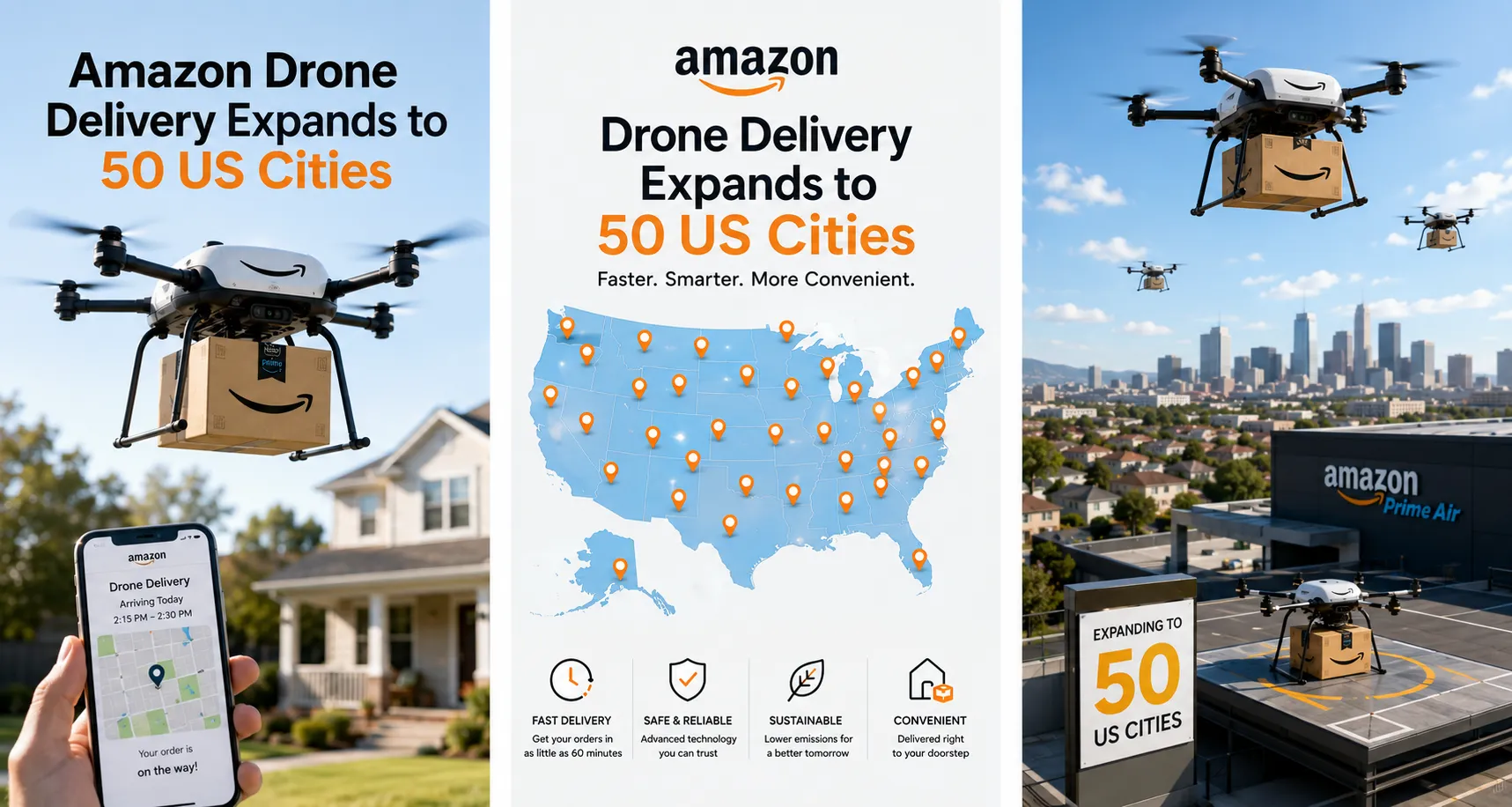
The expansion to 50 cities includes major metros like Chicago, Miami, Austin, Denver, Phoenix, and Nashville. In each city, Amazon has placed “drone launch pads” on the roofs of existing fulfillment centers or leased warehouse spaces. Each launch pad can handle 500 takeoffs and landings per day. The drones are managed by a combination of on‑board AI and remote human operators who can take control in unusual situations – a bird flying too close, a power line not mapped correctly. Amazon says that 99.8% of flights are fully autonomous; human intervention is required less than once per thousand deliveries.
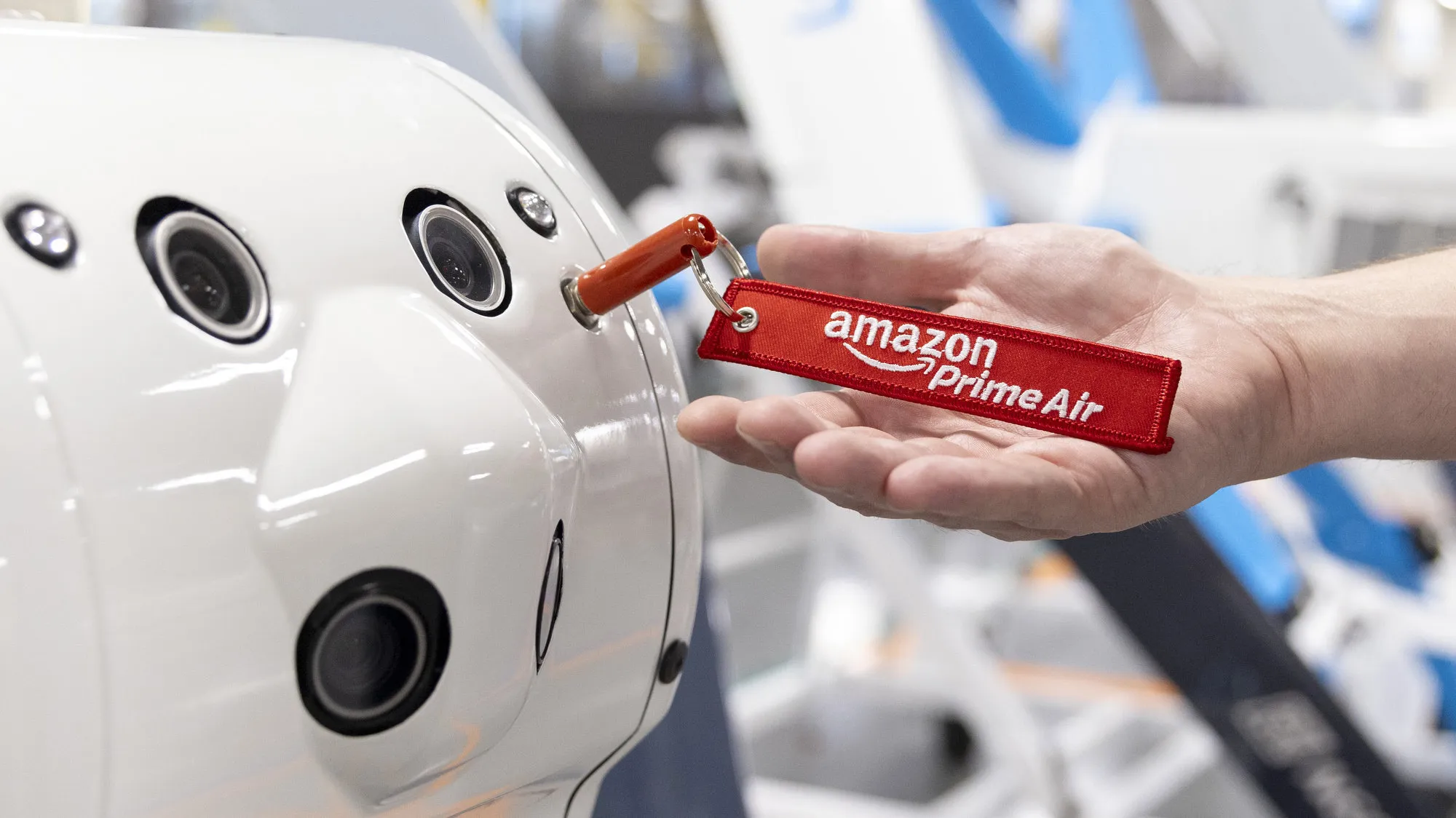
Safety has been the biggest hurdle. The Federal Aviation Administration (FAA) required two years of testing, including 500,000 simulated flights and 10,000 real‑world deliveries with no accidents. The drones are equipped with radar, lidar, and stereo cameras that can detect obstacles as small as a tree branch. They also have a parachute system that deploys if critical systems fail. In testing, the parachute was used 12 times, with no injuries or property damage. The FAA granted its final approval in March 2026, clearing the way for national expansion.
The customer experience is designed to be seamless. A Prime member orders an eligible item (the selection includes over 500,000 products, from batteries to baby formula to over‑the‑counter medication). At checkout, they are offered “Prime Air” for an extra $3. Within 30 seconds, a nearby fulfillment center begins packing the item into a standard brown Amazon box. A worker places the box into the drone’s cargo bay, which locks automatically. The drone takes off, flies at 50 mph, and lands in the customer’s backyard or driveway (the customer provides GPS coordinates during setup). The drone hovers at 10 feet, releases the package with a tether, and flies away. The entire process, from click to drop‑off, averages 27 minutes.
Early customer feedback has been overwhelmingly positive. “I ordered diapers at 9:15 AM because we ran out,” one suburban mother in Austin told us. “I heard a buzzing sound at 9:42 and there they were. I didn’t even put on real pants.” In a survey of 50,000 Prime Air customers, 94% rated the service as “excellent” or “very good.” The most common complaints? Noise (some found the 70 decibels annoying) and limited package size (the 5‑pound limit rules out most electronics and groceries).
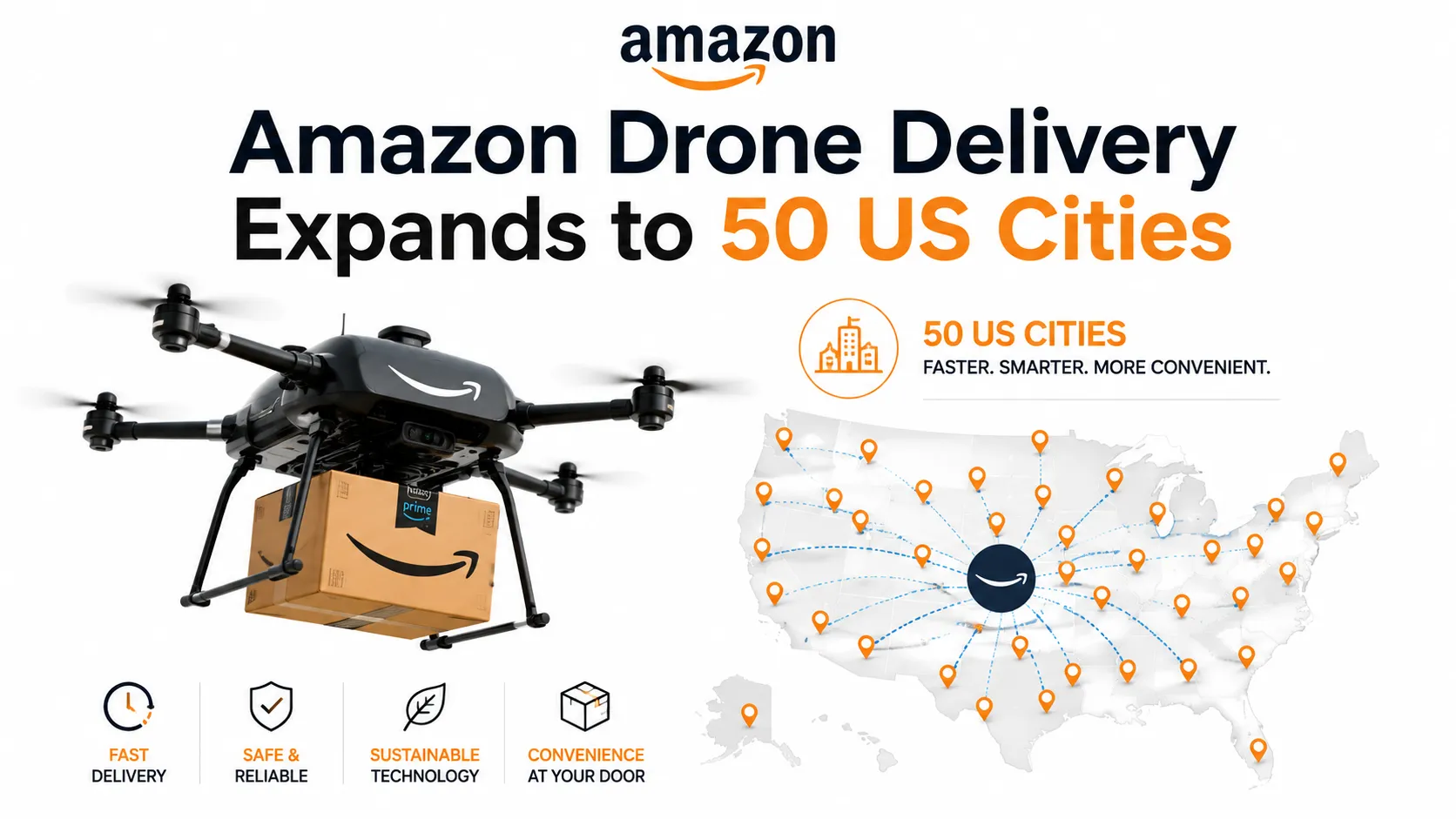
The economics are compelling. Amazon estimates that a drone delivery costs about $2.20 per package, compared to $5.80 for a traditional van delivery (driver, fuel, maintenance, insurance). Drones also allow Amazon to skip the “last mile” problem – the most expensive and time‑consuming part of logistics. With drones, a fulfillment center can serve a wider area without building new infrastructure. The company plans to have 10,000 drones in operation by the end of 2027, capable of delivering 200 million packages annually.
Competitors are scrambling to catch up. Walmart’s drone delivery service, operated through a partnership with Zipline, is now in 7 cities and has completed about 200,000 deliveries. Alphabet’s Wing, which focuses on small items like coffee and snacks, is in 4 US cities (plus a few abroad). Neither has the scale or the integrated logistics network that Amazon brings. “Amazon has 150 fulfillment centers already near urban centers,” said logistics analyst Mary Long of Gartner. “They can drop a drone launch pad on the roof of an existing building tomorrow. Walmart or Wing would have to lease new space, get local permits, and build from scratch. That’s a multi‑year disadvantage.”
There are, of course, challenges. Privacy advocates have raised concerns about drones flying over private property. Amazon says the drones do not record video; they use radar and lidar only for navigation, which produces a point cloud without identifiable features. The company also maintains an online opt‑out map where homeowners can request that drones avoid their property (the drones will take a longer route). About 3% of households in Prime Air cities have opted out so far.
Bird strikes remain a risk. Amazon has tested drone‑bird encounters and found that the MK30’s propeller guards and redundant motors allow it to continue flying even after a strike. The company is also working with ornithologists to avoid migration routes and nesting seasons.
The next milestone is 100 cities by the end of 2026. Amazon is also testing a larger drone, the MK40, capable of carrying 10 pounds over 15 miles. If approved, that would open up grocery delivery and small electronics. In the longer term, Amazon envisions a hybrid system: vans for large items and bulk orders, drones for urgent, small‑package needs. The goal is to offer “any item under 5 lbs, delivered within an hour, for $3 extra.”
For now, one million deliveries in a month is proof of concept. “We have demonstrated that drone delivery can work at scale, safely and economically,” said Carbon. “The question is no longer ‘if’ but ‘how fast we can grow.’” With 50 cities live and more joining every week, the answer is: faster than you think.
The sound of a buzzing drone may soon become as common in the suburbs as the rumble of a delivery van. And for millions of Prime members, running out of diapers or batteries will no longer require a trip to the store. It will just require looking up.


