For a company as vast and diversified as Reliance Industries, a quarterly earnings announcement is never really about a single number. Beyond whatever net profit, revenue, and segment-wise performance figures RIL discloses for Q1 FY27, three forward-looking questions have consistently dominated analyst and investor attention on Reliance's earnings calls in recent quarters — and today is unlikely to be any different. Understanding why each of these questions matters so much, independent of the immediate quarterly numbers, offers a useful lens into how sophisticated RIL investors actually think about the company's long-term value proposition.
Question One: Is New Energy Finally Turning From Promise Into Performance?
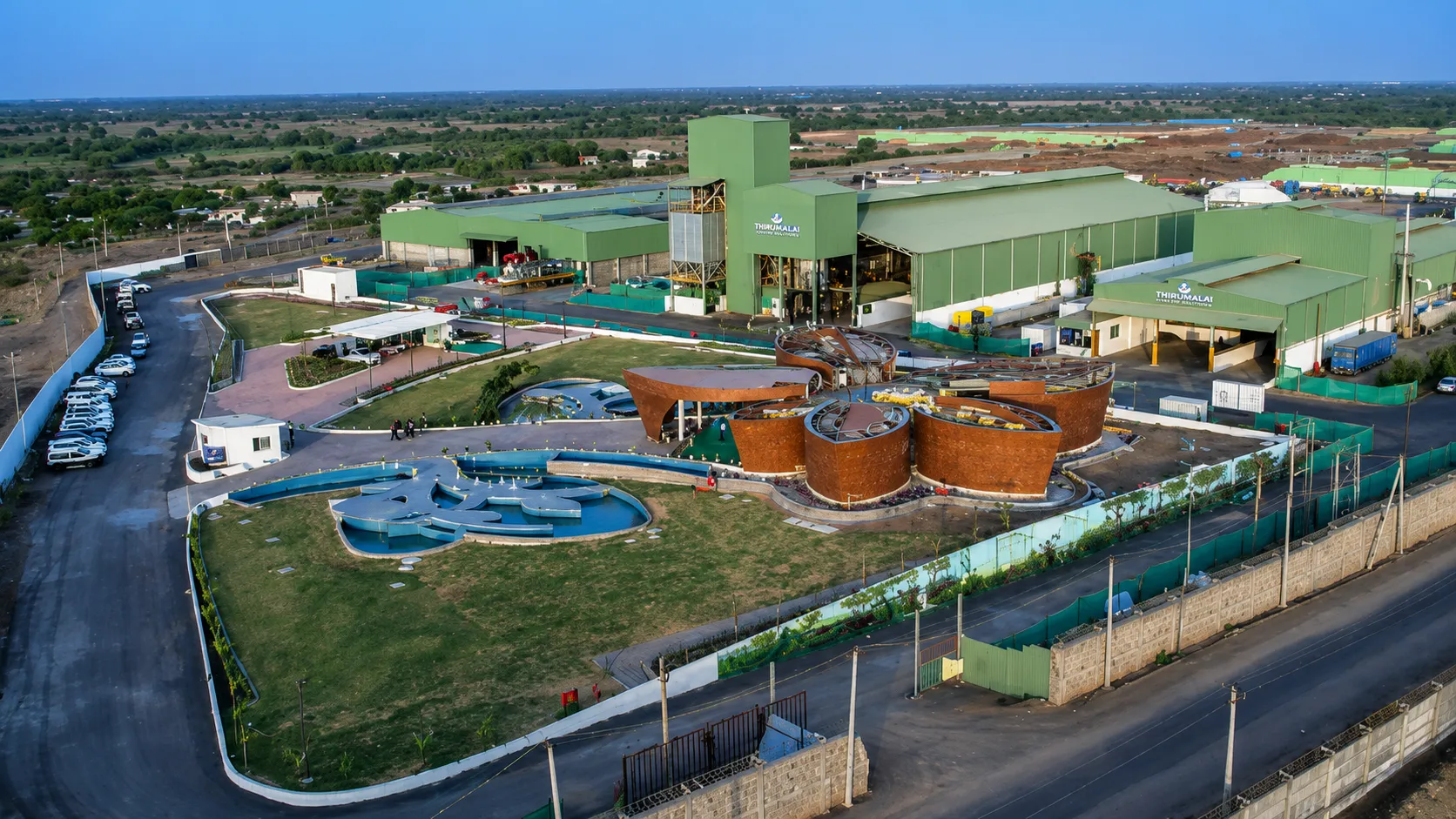
Reliance has, for several years now, signaled an ambitious and capital-intensive pivot toward renewable energy, green hydrogen production, battery storage manufacturing, and solar cell and module manufacturing, centered around its Jamnagar giga-complex in Gujarat — a project of a scale and ambition that, if fully realized, would position Reliance as one of the world's most significant integrated clean energy manufacturers, spanning the full value chain from raw material processing through finished battery and solar cell production. For several quarters, investor and analyst commentary around this New Energy vertical has centered largely on capital expenditure disclosure and project timeline updates, since the business has not yet reached a stage of meaningful revenue or profit contribution proportional to the scale of capital committed.
This pattern is not unusual for a business of this nature and scale — genuinely transformative industrial projects of this magnitude typically require years of capital-intensive construction and commissioning before reaching meaningful commercial production, let alone profitability. However, as years have passed since Reliance's New Energy ambitions were first prominently announced, investor patience for continued 'promise without performance' disclosure has understandably grown somewhat thinner, with each successive earnings call bringing renewed scrutiny of whether management can point to concrete, quantifiable progress — commissioned capacity, initial revenue contribution, or updated, credible timelines — rather than continued broad directional commentary about long-term strategic intent.
Question Two: Is Capital Expenditure Intensity Finally Moderating?
Related to, but distinct from, the New Energy-specific question is a broader question about Reliance's overall capital expenditure trajectory across its entire business portfolio. Following a multi-year period of heavy capital investment spanning 5G telecom network rollout, aggressive Reliance Retail store expansion, and the early-stage New Energy build-out, financial analysts covering RIL have increasingly focused on whether the company's overall capital intensity — capital expenditure as a percentage of revenue or operating cash flow — is beginning to moderate as these major investment cycles mature and move from the heaviest construction phases toward operational scaling.
This question matters significantly for how RIL's stock gets valued by the market: a company still in the midst of heavy, multi-year capital investment cycles typically generates lower free cash flow (operating cash flow minus capital expenditure) even if its underlying business fundamentals are strong, since a large share of cash generated gets immediately reinvested into ongoing capital projects rather than being available for dividends, debt reduction, or share buybacks. Signals that capital intensity is beginning to moderate — allowing free cash flow generation to improve — are typically viewed favorably by equity investors, since improving free cash flow generation often supports valuation re-rating, providing more capital return flexibility to shareholders and demonstrating that the company's major investment cycles are transitioning from cash-consuming construction phases toward cash-generating operational phases.
Question Three: What's the Real Status of a Potential Jio IPO?
Perhaps no single question generates more persistent speculation on RIL earnings calls than the potential public listing of Jio Platforms or related digital services entities within the broader Reliance corporate structure. This question has persisted for several years, fueled periodically by various reports, analyst speculation, and occasional, typically non-committal management commentary that has neither confirmed a definitive timeline nor fully ruled out the possibility. The persistent market interest in this question reflects the scale of potential value at stake: Jio Platforms represents one of the most valuable digital and telecom businesses in India, and a public listing — were it to occur — could crystallize and potentially unlock substantial shareholder value currently embedded within RIL's broader conglomerate structure, where Jio's standalone value may not be fully reflected in RIL's overall consolidated market valuation given the typical 'conglomerate discount' that diversified holding companies often trade at relative to the sum of their individual business segments' standalone valuations.
Any incremental commentary from management on today's earnings call — whether a specific timeline update, continued non-committal language, or even an explicit denial of near-term IPO plans — is likely to generate outsized market reaction relative to its actual informational content, given how much speculative value has already become embedded in how some investors and analysts think about RIL's overall valuation potential. This dynamic illustrates an interesting feature of how markets sometimes price genuinely uncertain, binary future events: even absent concrete news, the mere possibility of a major value-unlocking event like a Jio IPO can meaningfully influence how the broader stock gets valued and discussed by the investment community.
Why These Three Questions Matter More Than This Quarter's Profit Number
For sophisticated long-term RIL investors, today's specific Q1 FY27 profit and revenue figures, while certainly relevant for near-term stock price movement, arguably matter less than the qualitative signals management provides on these three broader questions — New Energy's progress toward commercial viability, the broader capital expenditure trajectory and its implications for free cash flow generation, and any incremental clarity on Jio's potential public listing path. These three threads, taken together, shape the market's longer-term view of Reliance's value creation trajectory far more meaningfully than any single quarter's profit figure, however closely that headline number gets watched and reported in the immediate aftermath of today's results announcement.