StartupsTrending9 MIN READ

Shadowfax Goes Public: How India's Hyperlocal Logistics Unicorn Built an Unassailable Moat in the Country's Most Gruelling Delivery Market

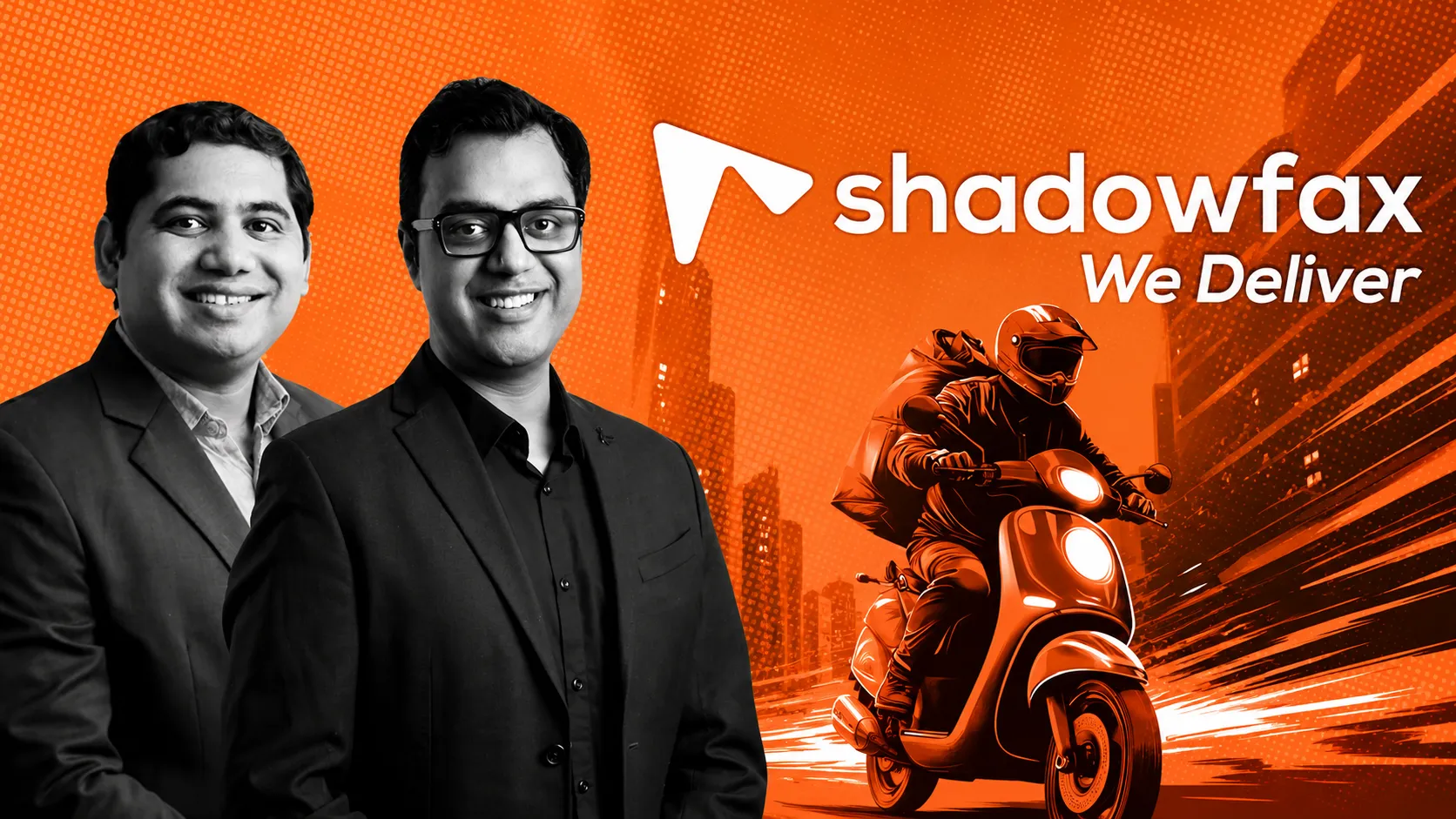
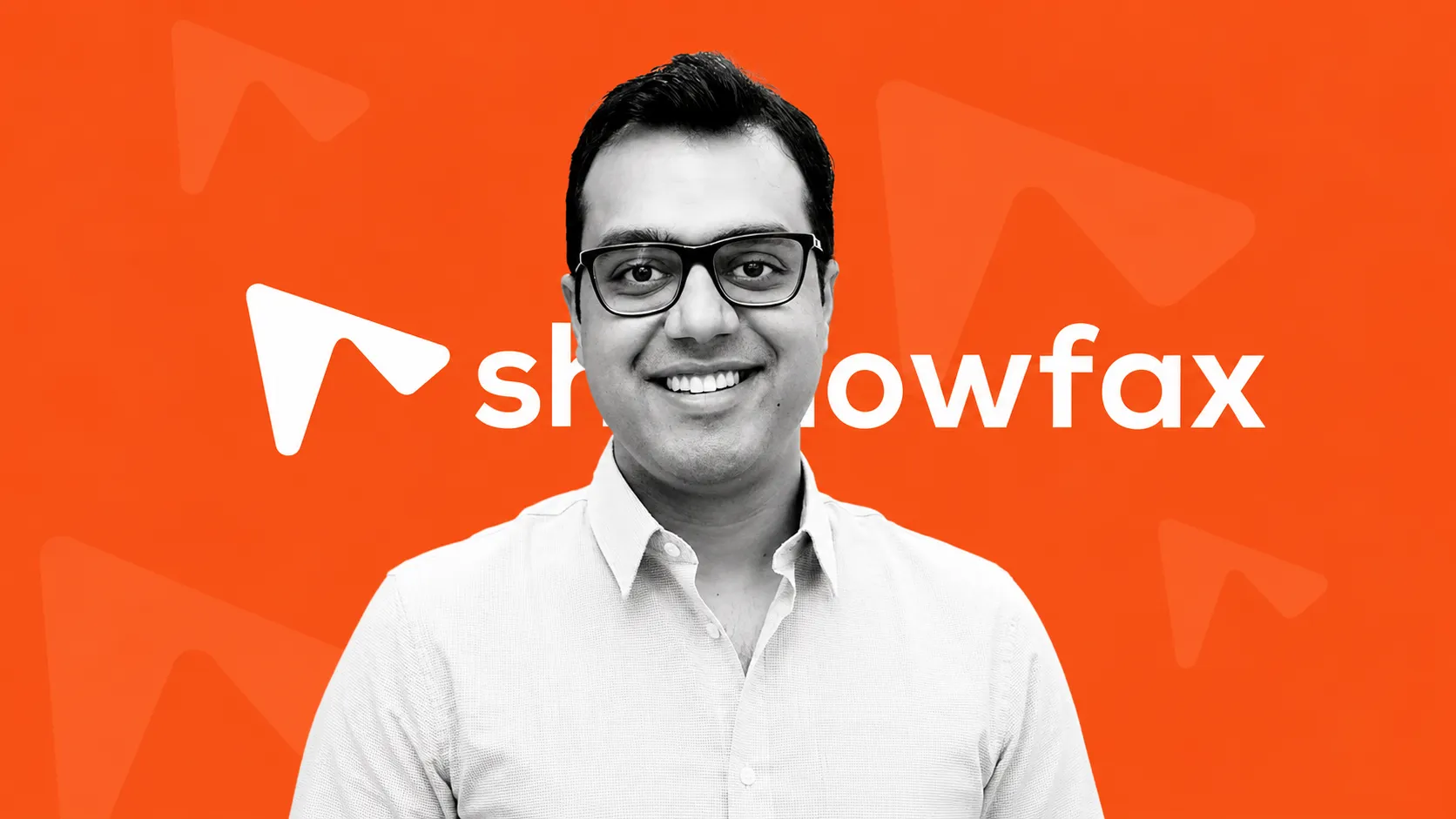
Shadowfax Technologies, founded by Vaibhav Khandelwal and Abhishek Bansal in 2015, has completed its IPO journey in 2026, raising Rs 1,000 crore in fresh issue alongside an OFS component. The logistics major's public market debut reveals the resilience of India's last-mile delivery infrastructure and the founders who built it.

By Shaym Kumar · Author13 June 2026Feature
Shadowfax Goes Public: How India's Hyperlocal Logistics Unicorn Built an Unassailable Moat in the Country's Most Gruelling Delivery Market

There are two kinds of moats in India's startup economy. The first kind is built in code — proprietary algorithms, network effects, data advantages that compound invisibly but defensibly over time. The second kind is built on the road — in the sweat, the systems, and the operational discipline required to actually move physical goods across India's extraordinary geographic and logistical complexity. Shadowfax Technologies, founded in 2015 by Vaibhav Khandelwal and Abhishek Bansal, built the second kind. And as the company completes its public market journey in 2026, the story of how that road-built moat was created is one that every founder, investor, and operator working in India's commerce ecosystem should understand.
4.png

Shadowfax operates in the hyperlocal and on-demand delivery space — providing last-mile delivery solutions for businesses ranging from e-commerce platforms to quick commerce operators to individual merchants. The company's core proposition is operational reliability in delivery contexts that traditional logistics players struggle to serve: tight time windows, high-density urban clusters, Tier-2 and Tier-3 city penetration, and the integration requirements of multiple commerce platforms simultaneously. This is not a software problem. It is an operations problem that requires software — a distinction that matters enormously for understanding Shadowfax's competitive position and its moat.

The company's investor base tells the story of the confidence it has built over a decade of operational execution. Shadowfax's backers include Flipkart — which as both a strategic investor and a customer has skin in the game at both levels — alongside Mirae Asset Venture Investments, the International Finance Corporation, Nokia Growth Partners, Qualcomm Ventures, and Trifecta Capital. This combination of strategic investors (who know the logistics business from the demand side), financial investors (who have tracked India's commerce infrastructure story across multiple cycles), and development finance institutions (whose participation signals a long-term growth thesis beyond quarterly returns) reflects the depth of institutional conviction that Shadowfax has built over its decade of operation.

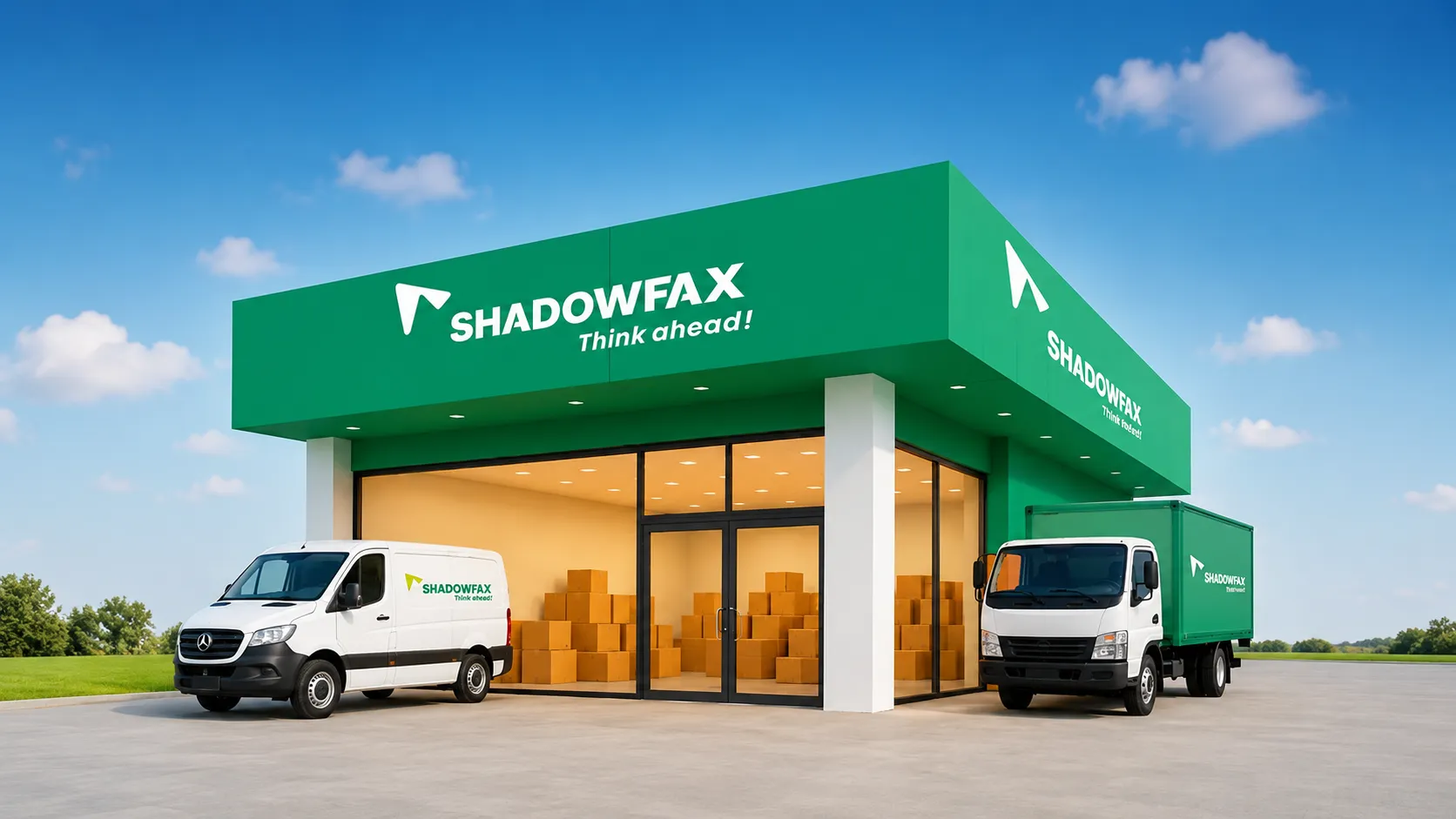
Shadowfax built its moat not in a data centre but on the road — in the gruelling, real-world logistics of getting a package to the right person at the right time in a country of 1.4 billion.
The Impactful Global Indian
3.png

The IPO's structure — comprising a Rs 1,000 crore fresh issue and an OFS component of Rs 907 crore — reflects a mature company seeking public capital for specific operational objectives rather than simply providing an exit for early investors. Fresh issue capital at this scale in the logistics sector typically funds fleet expansion, technology infrastructure, geographic coverage expansion, and the working capital requirements of a business that handles enormous volumes of physical goods movement. Shadowfax's path to this scale has not been without challenges: the logistics industry in India is intensely competitive, with Delhivery, LoadShare, Pickrr, and dozens of regional players all competing for the same merchant and platform relationships.

What has differentiated Shadowfax is its focus on the specific delivery contexts that are most difficult to serve reliably: the 30-minute hyperlocal delivery windows that quick commerce requires, the same-day delivery expectations that fashion and electronics e-commerce customers have come to expect, and the penetration into smaller cities that most logistics players treat as secondary markets. This focus on difficulty — rather than volume maximisation at the cost of service quality — has created a loyal customer base among the platform operators who most need reliability and who are willing to pay a premium for it.

2.png

Shadowfax's public market debut occurs at a moment when India's logistics sector is undergoing a structural transformation driven by the intersection of electric vehicles, AI-powered route optimisation, and the explosive growth of quick commerce. For Shadowfax as a listed company, this transformation represents both an opportunity and an obligation: the opportunity to invest in the electric and autonomous delivery infrastructure that will define the next generation of last-mile logistics, and the obligation to do so at the pace that public market investors expect. The founders who built Shadowfax on the road now have the capital to build it in code — and the combination of their operational DNA with public market resources is exactly what India's logistics sector needs to make its next leap.

TagsShadowfaxIPO 2026Logistics IndiaHyperlocal DeliveryVaibhav KhandelwalAbhishek BansalFlipkartStartup IPOLast Mile DeliveryGlobal Indian

Reader reviews

Sign in to rate and review this article.
Loading reviews…


