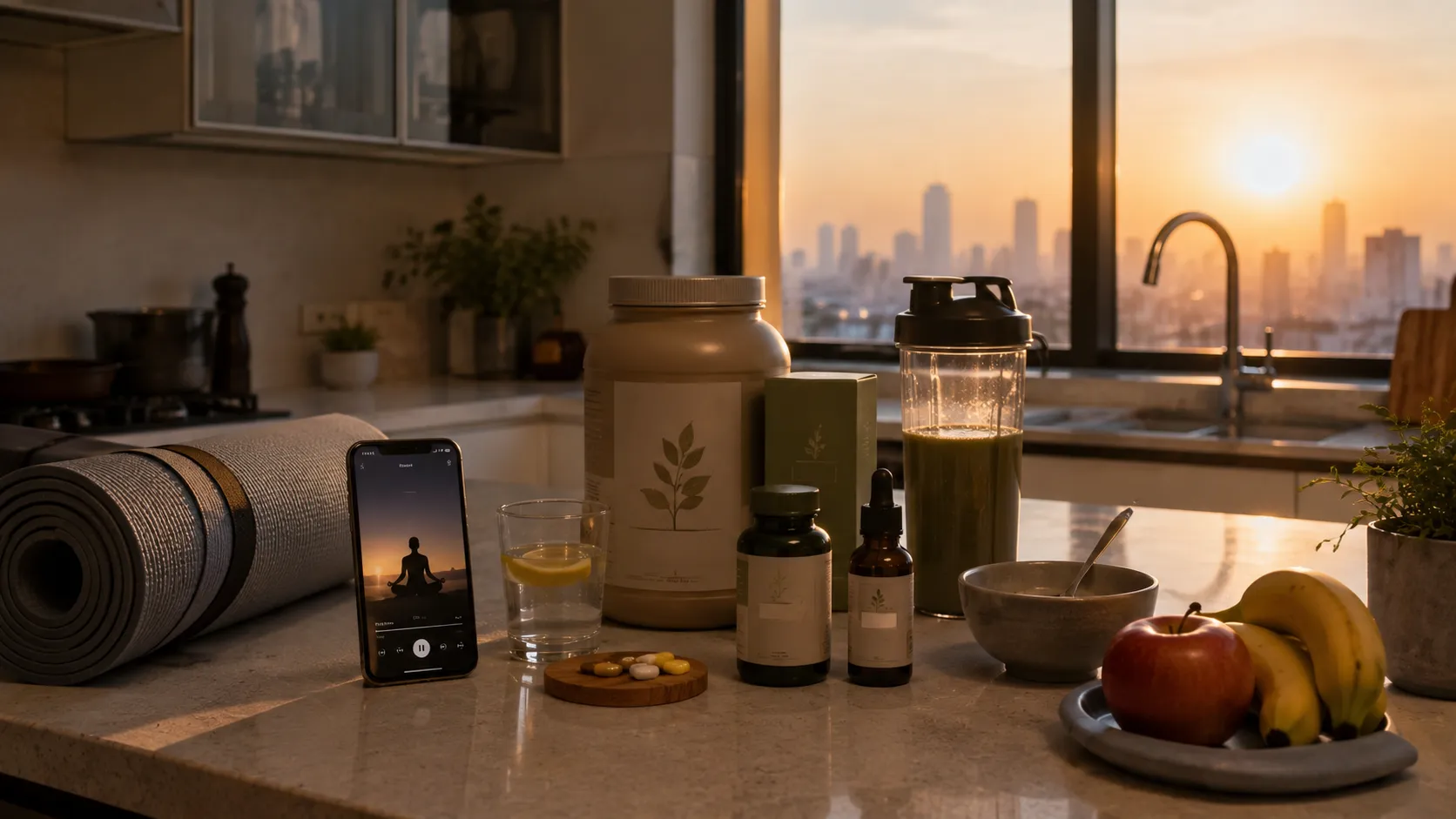
The Celebrity Wellness Industrial Complex: How Bollywood Stars Built a ₹5,000 Crore Health Empire—And Why Most of It Is Built on Science, Not Just Fame
MUMBAI — May 29, 2026 — In 2020, as the pandemic shut down film sets and forced the most famous people in India into the same confinement as everyone else, Akshay Kumar did something that, in retrospect, marked the beginning of a new era in the Indian celebrity economy. He launched a vegan protein brand. Not an endorsement deal. Not a licensing arrangement. A company—co-founded with a sports nutrition expert, backed by his own capital, and built around the same philosophy that had transformed his own body over the previous decade: plant-based, high-protein, no shortcuts.
The brand was called Vegan Plant Protein, and the market's initial response was muted. Here was a Bollywood star—the most prolific hit machine in the industry—selling protein powder. The category was niche. The audience was limited to gym-going, label-reading, supplement-consuming millennials. The barriers to entry were high—manufacturing, quality control, distribution, trust. And the competition was formidable: international giants like Optimum Nutrition and Myprotein had spent decades building the credibility that a Bollywood star could not simply purchase with a single Instagram post.
Six years later, the sceptics have been proven wrong. Akshay's vegan protein brand is now one of the fastest-growing supplement lines in India, sold through his own direct-to-consumer platform and through partnerships with major e-commerce and quick-commerce channels. The broader celebrity wellness ecosystem—spanning protein powders, yoga studios, meditation apps, Ayurvedic supplements, fitness equipment, and athleisure—has grown into a market conservatively estimated at over ₹5,000 crore. And the Bollywood stars who once treated health as a personal pursuit are now treating it as a commercial enterprise—building brands, investing capital, and competing with the same intensity they once reserved for the box office.
The Akshay Kumar Model
Akshay Kumar is the most instructive case study in the celebrity wellness industrial complex because his approach is the most entrepreneurial. He did not license his name to an existing protein brand and collect a royalty. He built a company. He hired a team. He invested his own capital. He involved himself in product development, tasting formulations, reviewing ingredient lists, and insisting—with the same intensity he brings to his film career—that the product be good enough to stand on its own, regardless of whose name was on the label.
The Akshay model is important because it represents a departure from the traditional Indian celebrity endorsement. For decades, the Bollywood star's relationship with health products was purely transactional: pose for a photograph, collect a cheque, and move on to the next category. The star who endorsed a protein powder in January might endorse a soft drink in February and a hair oil in March, with no consistency, no credibility, and no long-term commitment to any of the categories they were selling. The consumer who bought the protein powder because Akshay Kumar told them to was a consumer who would, the following month, buy the soft drink because Salman Khan told them to. The loyalty was to the star, not to the product. The product was incidental.
The Akshay model inverts that logic. The star is not merely the face of the brand. They are the founder. The product is not merely endorsed by the celebrity. It is built by them—or, at least, built under their supervision, with their capital, and with their reputation on the line if the product fails to deliver. The distinction is not merely semantic. It is structural. The star who endorses a product bears no financial risk if the product underperforms. The star who builds a company bears all of it. The difference in incentives produces a difference in behaviour, and the behaviour that Akshay has modelled—entrepreneurial commitment, genuine involvement, long‑term brand‑building—is the behaviour that is beginning to reshape the celebrity wellness market.
The Shilpa Shetty Yoga Empire
If Akshay Kumar represents the entrepreneurial model, Shilpa Shetty represents the pioneer model—the star who entered the wellness space before it was a category, and who has spent nearly two decades building a business that is now, in retrospect, far ahead of its time.
Shetty launched her first yoga DVD in 2006, at a time when yoga was still primarily associated with ashrams and spiritual retreats rather than with the glossy, aspirational wellness culture that it has since become. The DVD was a commercial success, but it was only the beginning. Over the next two decades, Shetty built a multi-platform wellness business that now spans a YouTube channel with millions of subscribers, a mobile app offering guided yoga and meditation sessions, a line of Ayurvedic supplements, a chain of wellness centres, and a growing presence in the corporate wellness market. The business has never raised external capital, never sought a venture‑backed valuation, and never been packaged for an exit. It has simply grown, steadily and profitably, on the back of Shetty's personal brand and her genuine commitment to the practice she has been promoting since before most of her competitors had heard of wellness.
The Shilpa Shetty model is instructive because it demonstrates the power of authenticity in the celebrity wellness market. The star who has been practising yoga for twenty years and building a wellness business for nearly as long has a credibility that no amount of marketing can purchase. The consumer who downloads Shetty's app or buys her supplements is not merely responding to a celebrity endorsement. They are responding to a body of work—decades of videos, books, public appearances, and personal practice—that has established Shetty as a genuine authority in the wellness space. The authenticity is the moat. No competitor can replicate it, and no amount of venture capital can purchase it. The star who wants to build a wellness business on the Shilpa Shetty model must first spend twenty years becoming Shilpa Shetty. The time required is the barrier to entry, and the barrier to entry is what makes the model defensible.
The Protein Powder Wars
The most competitive segment of the celebrity wellness market is protein supplements—a category that has attracted not just Bollywood stars, but cricketers, athletes, and fitness influencers. Virat Kohli's One8 brand, which spans athleisure and nutrition, is the most visible example, but it is far from the only one. Tiger Shroff's PROWL, Hrithik Roshan's HRX, and a growing number of celebrity-backed supplement lines are competing for a share of a market that is growing at nearly 20 percent annually and that is projected to exceed $2 billion by 2028.
The protein powder wars are a microcosm of the broader celebrity wellness industrial complex. The barriers to entry are low—any celebrity with a social‑media following can launch a protein brand by partnering with a contract manufacturer—but the barriers to credibility are high. The protein powder market is unusually demanding in its standards: the consumer who buys protein powder is, by definition, someone who cares about what they put into their body, who reads ingredient labels, and who is sceptical of marketing claims. The celebrity who launches a protein brand without genuine involvement in product development, quality control, and brand‑building will be found out quickly—and the market's judgment, delivered through Amazon reviews and social‑media comments, is swift and unforgiving.
The brands that are succeeding in the protein powder wars—Akshay's Vegan Plant Protein, Hrithik's HRX, Tiger's PROWL—are the ones that have invested in product quality and brand credibility rather than relying solely on celebrity endorsement. The brands that are failing—the ones launched with a single Instagram post and then abandoned—are the ones that treated the category as an endorsement deal rather than a business. The difference is visible in the Amazon reviews, in the repeat purchase rates, and in the longevity of the brand. The celebrity wellness market is, in this sense, unusually meritocratic: the product matters, the quality matters, and the consumer is more discerning than the celebrity‑endorsement model assumes. The stars who understand this are building businesses. The stars who do not are building vanity projects that will not outlast their next film release.
The Trust Economy
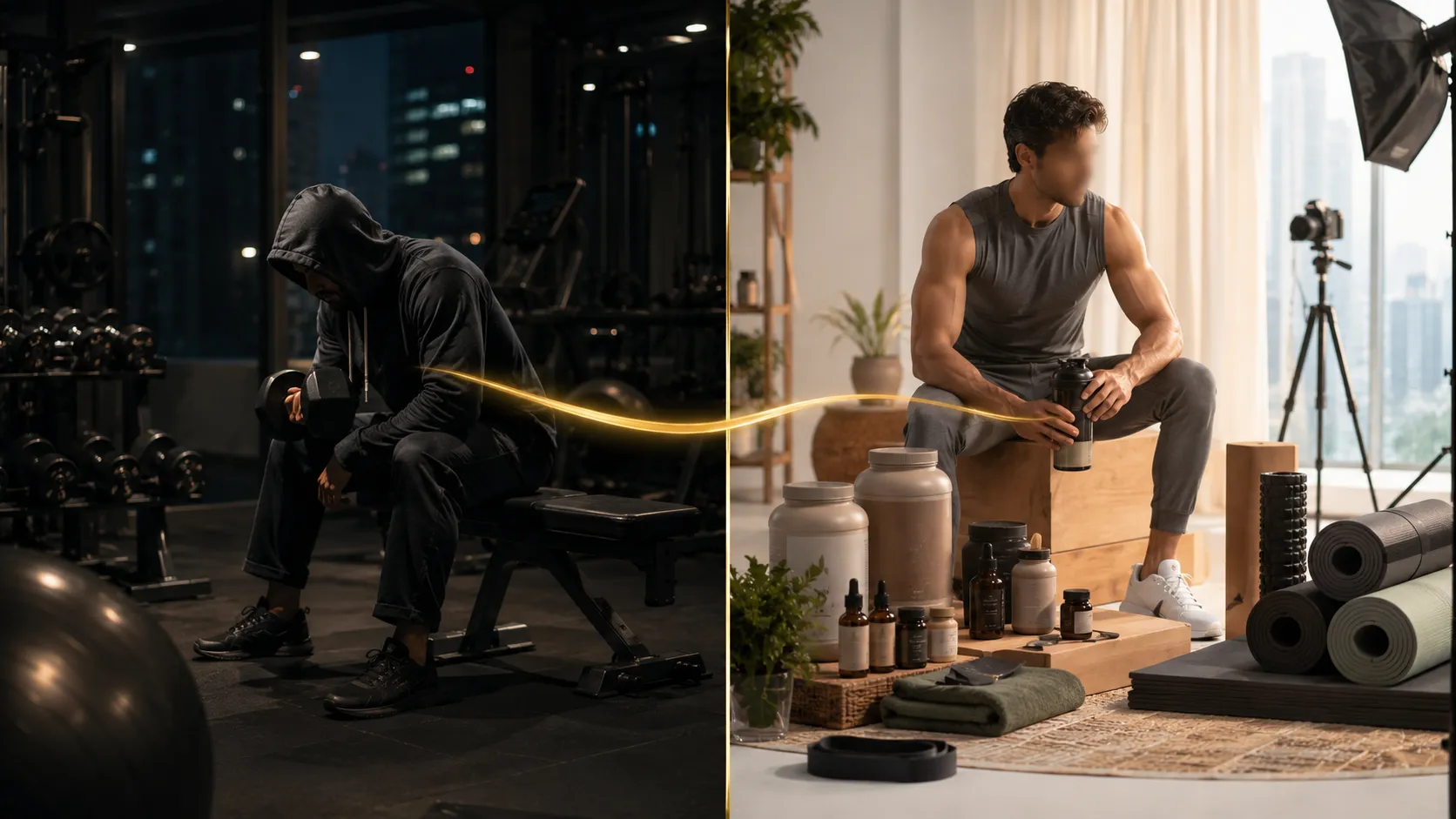
The most important dimension of the celebrity wellness industrial complex is the one that is least visible: the trust economy that underpins it. The consumer who buys a protein powder because Akshay Kumar sells it, or who downloads a yoga app because Shilpa Shetty recommends it, is making a decision that is fundamentally different from the decision to watch a film because a particular star appears in it. The film is a one-time transaction. The wellness product is a recurring purchase—and the consumer who makes it is entrusting their health, their body, and their well-being to the celebrity whose name is on the label.
The trust economy is what separates the celebrity wellness market from the celebrity endorsement market. The star who endorses a soft drink is not making a claim about its health benefits. The star who endorses a protein powder is. The distinction carries legal and ethical weight, and the stars who have built successful wellness businesses are the ones who have understood, earlier than their peers, that the trust of the consumer is an asset that must be earned and protected—not a resource that can be extracted and depleted.
The trust economy also explains the growing regulatory scrutiny of the celebrity wellness market. The Food Safety and Standards Authority of India has tightened its guidelines on health claims in food advertising, and the Advertising Standards Council of India has been increasingly active in policing celebrity endorsements of health products. The star who makes an unsubstantiated claim about their protein powder—"this will help you lose weight in two weeks"—faces not just reputational damage, but regulatory action. The celebrity wellness market is maturing, and the maturation is being accompanied by the same regulatory infrastructure that has governed the pharmaceutical and food industries for decades. The stars who are building their wellness businesses for the long term are the ones who are investing in compliance, in substantiation, and in the legal and regulatory expertise that the market demands. The stars who are not will find that the regulatory environment is less forgiving than the box office.
What This Signals
The celebrity wellness industrial complex is not merely a collection of individual businesses. It is a structural transformation of the Indian celebrity economy—a shift from a model based on endorsements to a model based on ownership, from a model based on short-term contracts to a model based on long-term brands, and from a model based on entertainment to a model based on trust.
The Bollywood star of 2016 sold their fame. The Bollywood star of 2026 sells their credibility—and the difference between the two is the foundation of the wellness businesses that are now among the most valuable assets in the Indian celebrity economy. The protein powder, the yoga app, the meditation platform—these are not endorsements. They are enterprises, built on the same entrepreneurial logic as any other startup, and they are beginning to generate returns that rival the box-office income that has historically been the primary source of celebrity wealth.
The celebrity wellness market is still in its early stages, and the businesses that have been built so far are, in most cases, modest by comparison with the Hollywood celebrity exits that have made billionaires of George Clooney and Ryan Reynolds. But the trajectory is unmistakable, and the stars who are building wellness businesses today—the Akshay Kumars, the Shilpa Shettys, the Hrithik Roshans—are betting that the market will grow faster than the box office over the next decade. The bet is not unreasonable. The Indian consumer is increasingly health-conscious, increasingly willing to spend on wellness, and increasingly sceptical of traditional advertising. The celebrity who can build a wellness brand that earns their trust—genuinely, consistently, over years—will have an asset that is more durable than any film franchise and more valuable than any endorsement contract. The celebrity wellness industrial complex is still under construction. But its foundations are solid, and the stars who are building on them are building something that will outlast their film careers.


