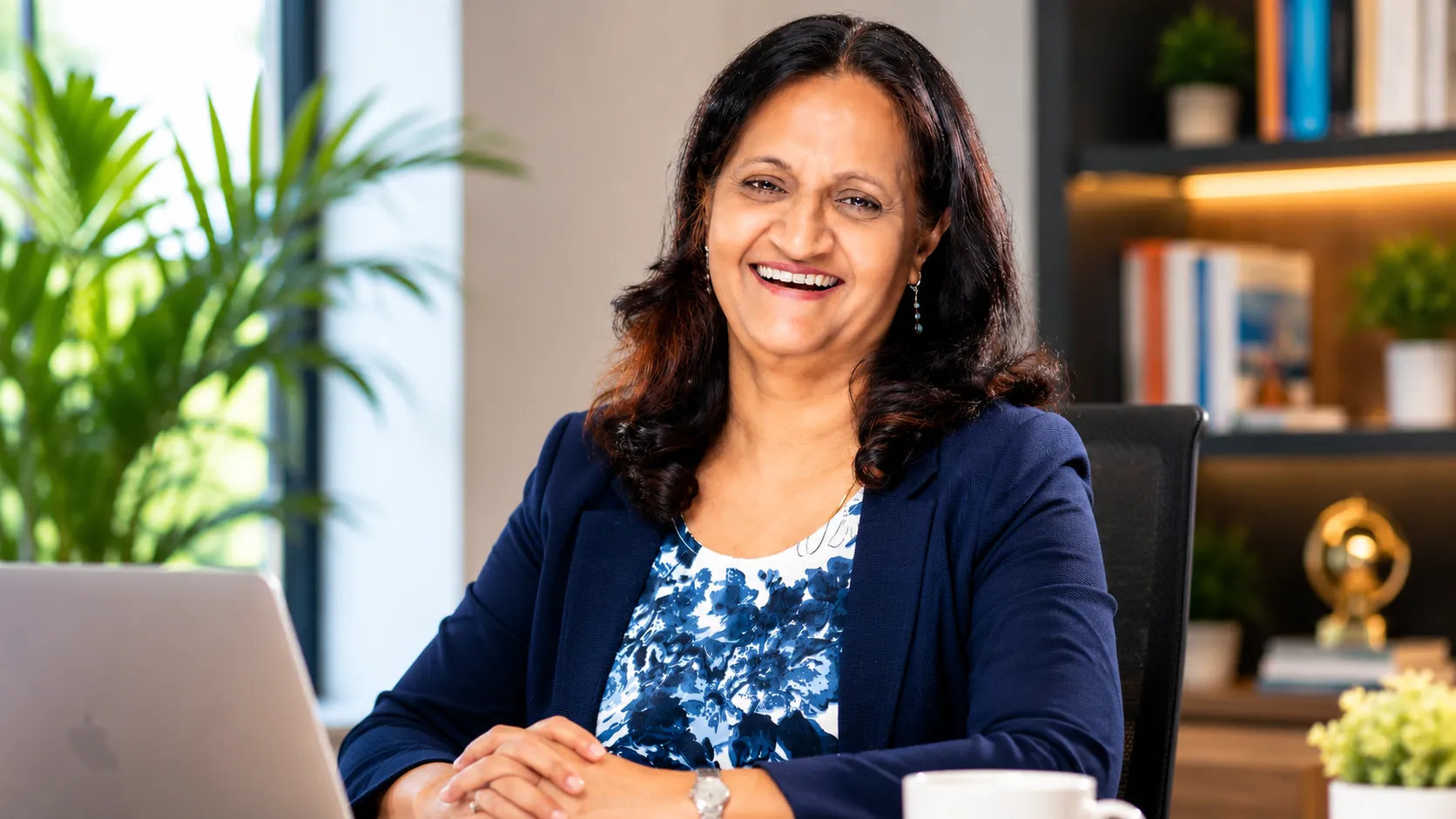
The most important work being done in the name of India's global community is not always the most visible. It is rarely a funding announcement or an IPO filing. Sometimes it is the patient, deliberate work of building the connective tissue between people who share a heritage and a potential but have never been systematically connected to each other or to the country they came from. Shoba Viswanathan, EVP and Chief Engagement Officer at Indiaspora, is the architect of exactly this kind of work — and the ambition of what she is building deserves a full accounting.
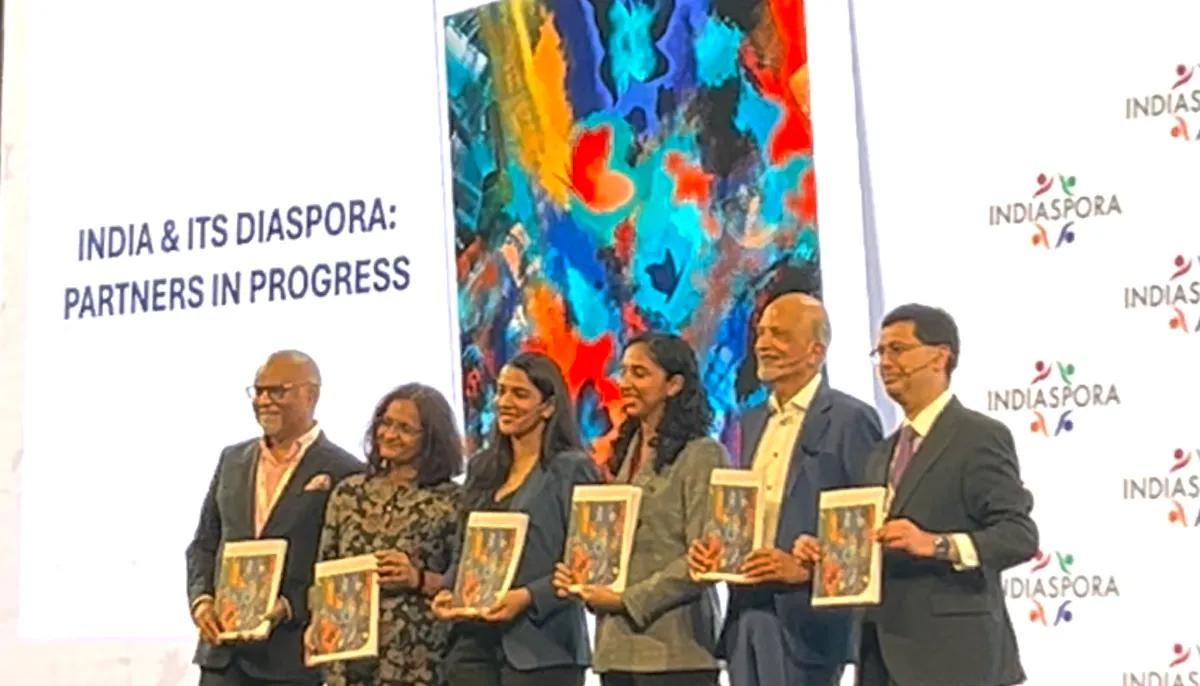
Indiaspora, founded in 2012 and based in Washington D.C., has grown from a networking organisation into what its members describe as the most consequential diaspora engagement platform in the world. The March 2026 release of India and Its Diaspora: Partners in Progress — the landmark report that Viswanathan co-authored — crystallised in data what the organisation has been building in practice: a documented case that the 35-million-strong global Indian diaspora is ready to transition from passive diaspora status to active partnership in India's development, and a framework for making that transition systematic rather than episodic.
The key word in Viswanathan's description of Indiaspora's goal — 'collaborate' — distinguishes the organisation's approach from typical diaspora engagement models. Most diaspora engagement programmes are designed to extract value from the diaspora: get them to donate, invest, or return. Indiaspora's model is designed to create value through the diaspora: build networks dense enough, and trust deep enough, that diaspora members can genuinely contribute expertise, capital, connections, and advocacy in ways that are sustained rather than episodic.
The Founders Circle that Viswanathan has helped build — bringing together diaspora leaders like Muktesh (Micky) Pant, Dr. Dev Joneja, and Anil Bansal alongside dozens of other high-achieving Global Indians — is the executive expression of the 'force for good' concept. These are not passive donors or brand ambassadors. They are active participants serving on boards, mentoring founders, co-investing in companies, advocating with regulators, and contributing domain expertise to national development programmes.
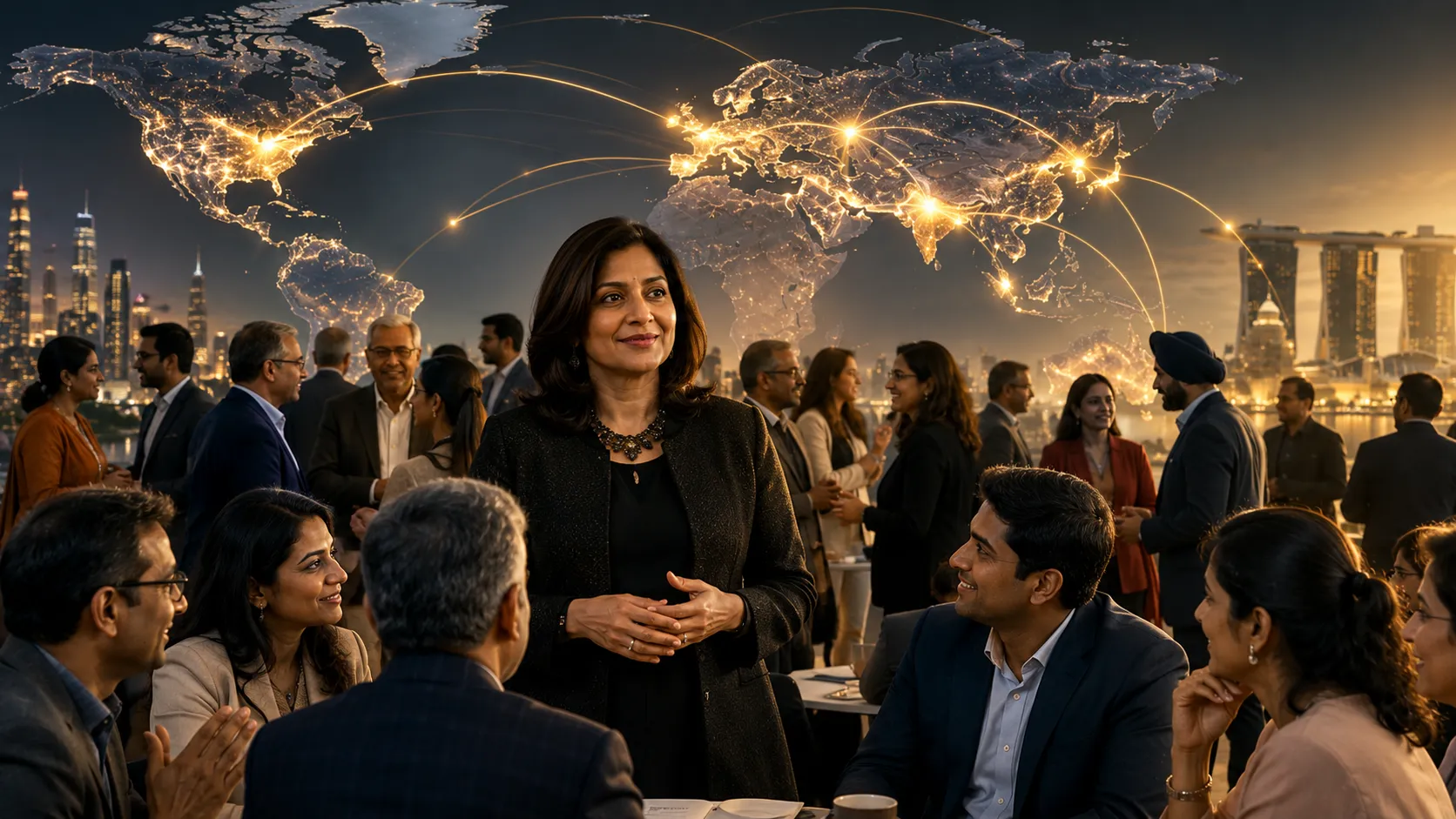
The gender dimension of Viswanathan's own leadership deserves recognition. In an organisational landscape where diaspora engagement is often male-dominated, a senior woman in the chief engagement role of the world's most prominent Indian diaspora organisation sends an important signal about whose voices are valued in the conversation about India's future. Viswanathan's career trajectory — from senior professional background through NGO work to leadership at Indiaspora — is itself a model for how Global Indian women can bring multiple forms of expertise to the diaspora engagement ecosystem.
For the readers of The Impactful Global Indian, Shoba Viswanathan's work is both a model and an invitation. A model demonstrating what systematic, sustained diaspora engagement looks like when executed with institutional seriousness. An invitation because Indiaspora is a network — and networks grow stronger with every new member who brings expertise, energy, and commitment to the shared goal of building something better. The 35 million Global Indians are not a statistic. They are a constituency. Viswanathan's job — and increasingly, the job of every Global Indian who understands the opportunity — is to make them act like one.


