Women

Entrepreneurship

The latest entrepreneurship stories from the Women desk.

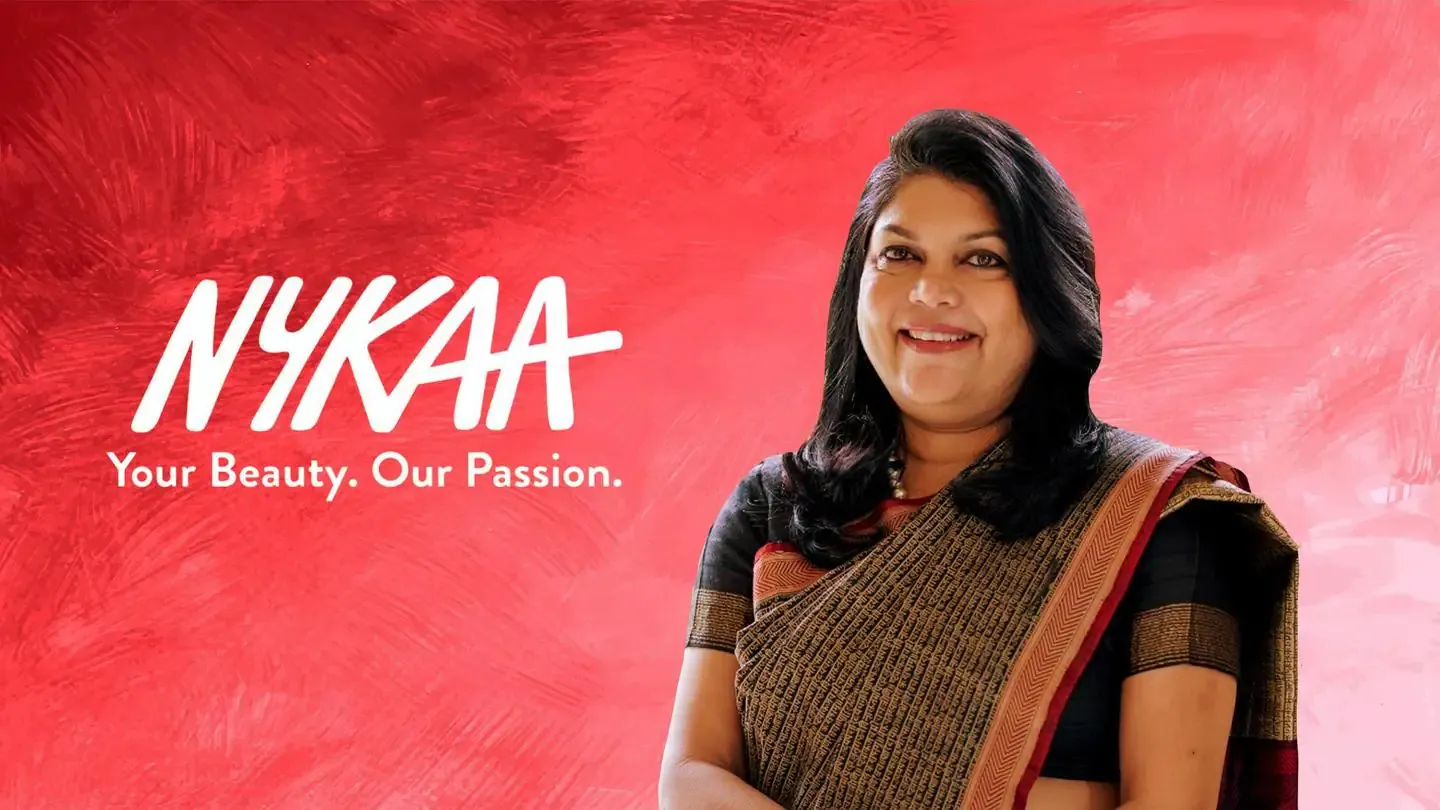
From Vision to Venture The Inspiring Journey of Falguni Nayar
New
Women

From Vision to Venture The Inspiring Journey of Falguni Nayar

Tokyo: Quantum computing is rapidly transitioning from a theoretical concept to a practical technology, as recent breakthroughs in hardware, error correction, and system scalability bring it closer to real-world commercial deployment. Industry experts believe these advancements could mark the beginning of a new era in computing, with far-reaching implications across multiple sectors.

Shreya Prakash — Building a ₹100,000‑Woman Talent Pool for Flexible Work
Women

Shreya Prakash — Building a ₹100,000‑Woman Talent Pool for Flexible Work

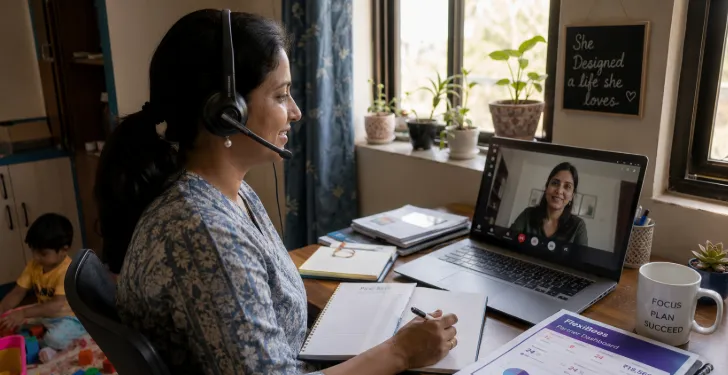
Excerpt: In a country where women’s workforce participation remains stubbornly low, Shreya Prakash and her all‑woman founding team at FlexiBees are quietly rewriting the rules of modern work. The platform connects women professionals seeking flexible opportunities with businesses in need of on‑demand expertise, and has built a talent pool of over 100,000 women and 950+ client businesses. Recognized by the Aurora Tech Award for her impact, Prakash’s model uses AI to match roles in hours, proving that flexibility and productivity can thrive together. This research article examines the structural barriers that keep women out of the workforce — caregiving responsibilities, lack of remote work options, unconscious bias — and how FlexiBees uses technology to dismantle them one match at a time.

Upasana Taku — The Only Woman Heading a Large‑Scale Fintech Platform in India
Women

Upasana Taku — The Only Woman Heading a Large‑Scale Fintech Platform in India

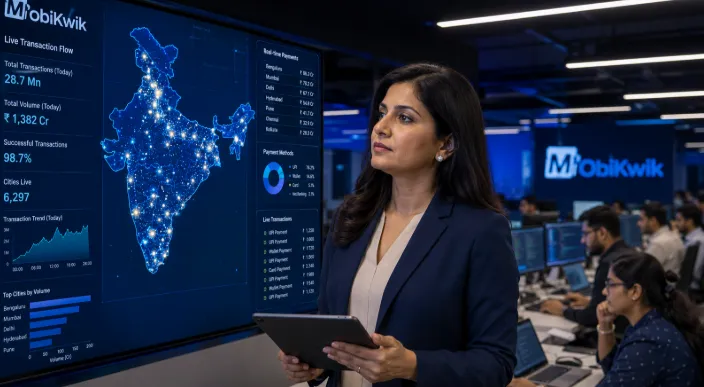
Excerpt: As the only woman in India leading a large‑scale fintech and payments platform, Upasana Taku has navigated one of the most competitive and male‑dominated sectors in the startup ecosystem. As Chairperson, Co‑Founder, CFO, and Executive Director of MobiKwik, she has guided the company’s transformation from a mobile wallet to a full‑stack fintech platform serving hundreds of millions of Indians. This research article chronicles her journey from the United States back to India in 2008, driven by a desire for grassroots impact, and analyzes her strategic role in leading the company to a successful IPO on the BSE and NSE in December 2024. We also examine the unique challenges faced by women in fintech leadership and the policy implications for India’s digital payments revolution.

Radhika Ghai Aggarwal — India’s First Woman to Enter the Unicorn Club
Women

Radhika Ghai Aggarwal — India’s First Woman to Enter the Unicorn Club

Excerpt: Long before “unicorn” became everyday startup lexicon, Radhika Ghai Aggarwal had already co‑founded one. As co‑founder and CBO of ShopClues, she became the first Indian woman to build a billion‑dollar startup, taking the company from a Silicon Valley basement to a household name in Indian e‑commerce. This article traces her unconventional path — from an MBA at Washington University to stints at Nordstrom and Goldman Sachs — and examines the gritty, operationally intense world of Tier‑2/Tier‑3 e‑commerce that ShopClues pioneered. We analyze her leadership philosophy, the challenges of scaling a marketplace in India’s price‑sensitive market, and her enduring legacy as a trailblazer for women entrepreneurs in the Indian startup ecosystem.

The Mother-Daughter Duo Who Bet ₹25 Crore That Hand-Embroidered Lucknowi Chikankari Belongs on the Global Runway—Not Just in Indian Trousseaus
Women

The Mother-Daughter Duo Who Bet ₹25 Crore That Hand-Embroidered Lucknowi Chikankari Belongs on the Global Runway—Not Just in Indian Trousseaus

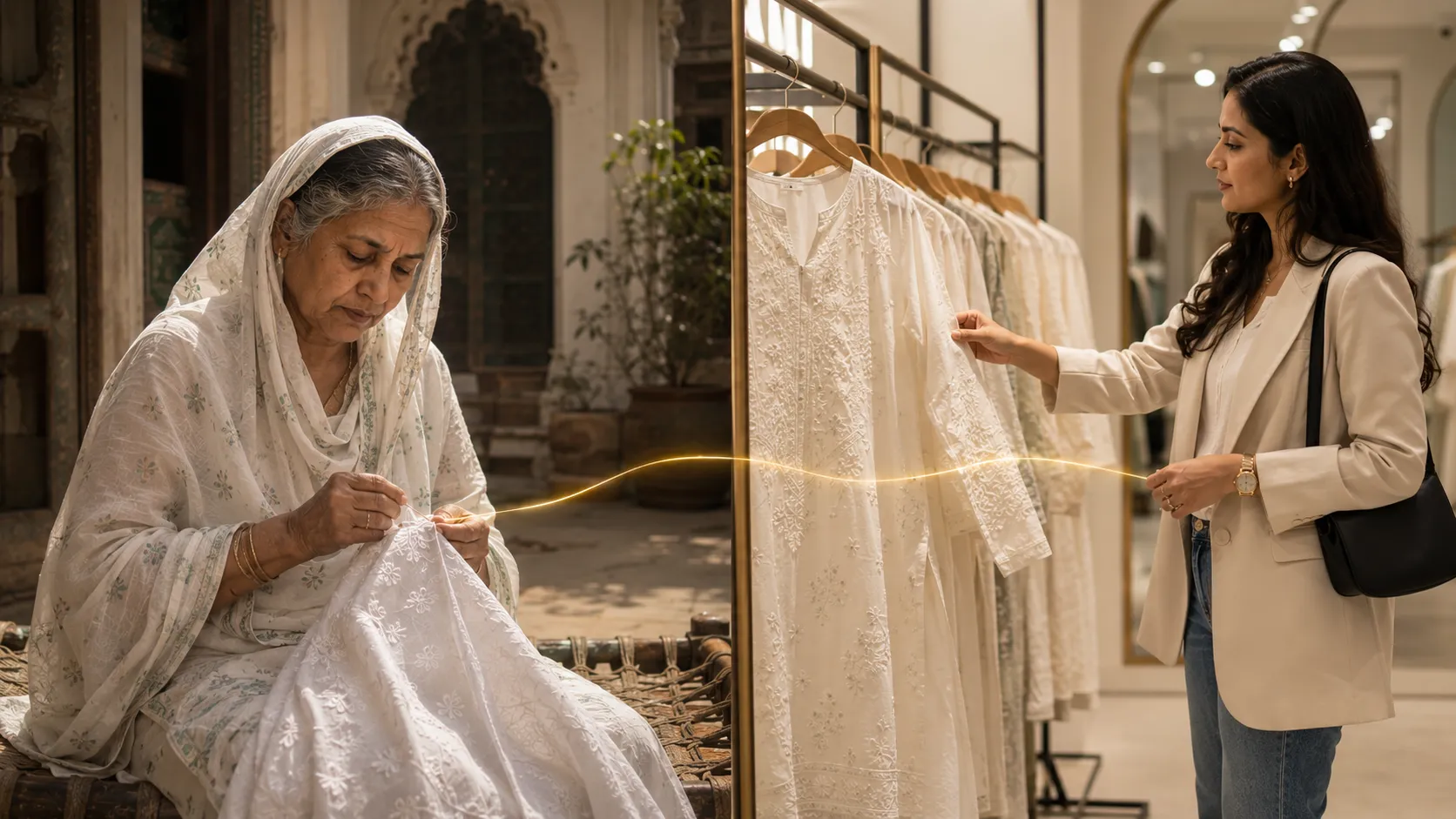
Aakriti Rawal was not supposed to be a fashion entrepreneur. She was a business school graduate with the kind of resume that leads to consulting firms and corporate strategy roles, not fabric swatches and artisan villages. Her mother, Poonam Rawal, was not supposed to be her co-founder. She was a homemaker who had spent decades watching the exquisite hand-embroidered chikankari of Lucknow slowly disappear from the world—replaced by machine-made imitations, devalued by middlemen, abandoned by the next generation of artisans who saw no future in a craft that paid pennies and offered no dignity.

The 20-Year-Old, the ₹1,000 Startup, and the 300 Women: How a Ludhiana Girl Turned Her Grandmother's Crochet Hooks Into a ₹12 Crore Empire
Women

The 20-Year-Old, the ₹1,000 Startup, and the 300 Women: How a Ludhiana Girl Turned Her Grandmother's Crochet Hooks Into a ₹12 Crore Empire

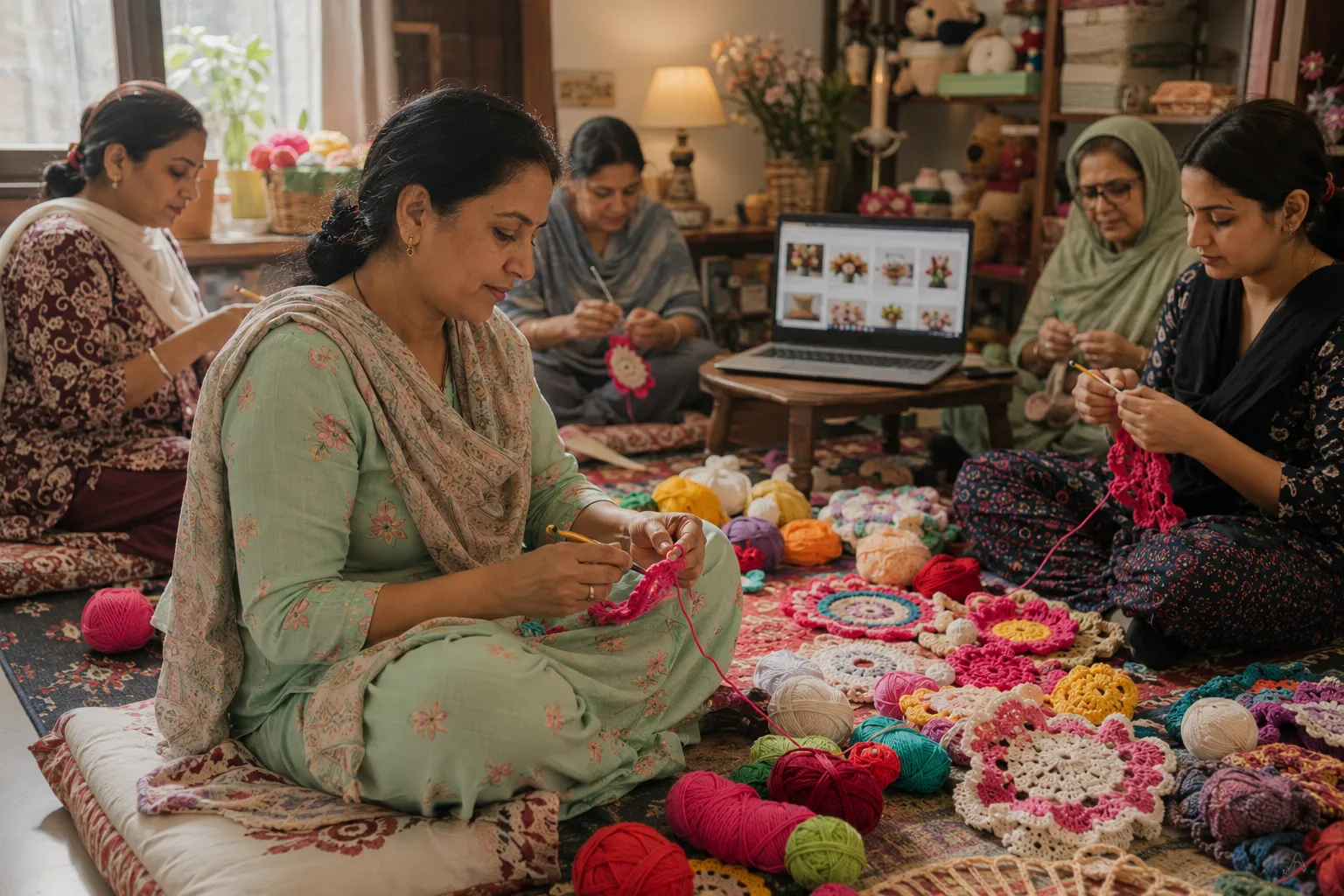
Vanshika Mittal was 18 years old when she launched her first business. It failed. She had tried selling paintings—art she had made herself, poured hours into, believed in. Nobody bought them. The rejection was total and, in retrospect, the most valuable thing that ever happened to her. It taught her, at an age when most of her peers were filling out college applications, that the market does not care how hard you worked. It cares whether you made something people want.

She Built the World's Largest Women's Internet Before Anyone Believed Women Deserved One: How Sairee Chahal Created a 25-Million-Strong Digital Ecosystem—and Kept Building When the Market Called It Niche
Women

She Built the World's Largest Women's Internet Before Anyone Believed Women Deserved One: How Sairee Chahal Created a 25-Million-Strong Digital Ecosystem—and Kept Building When the Market Called It Niche

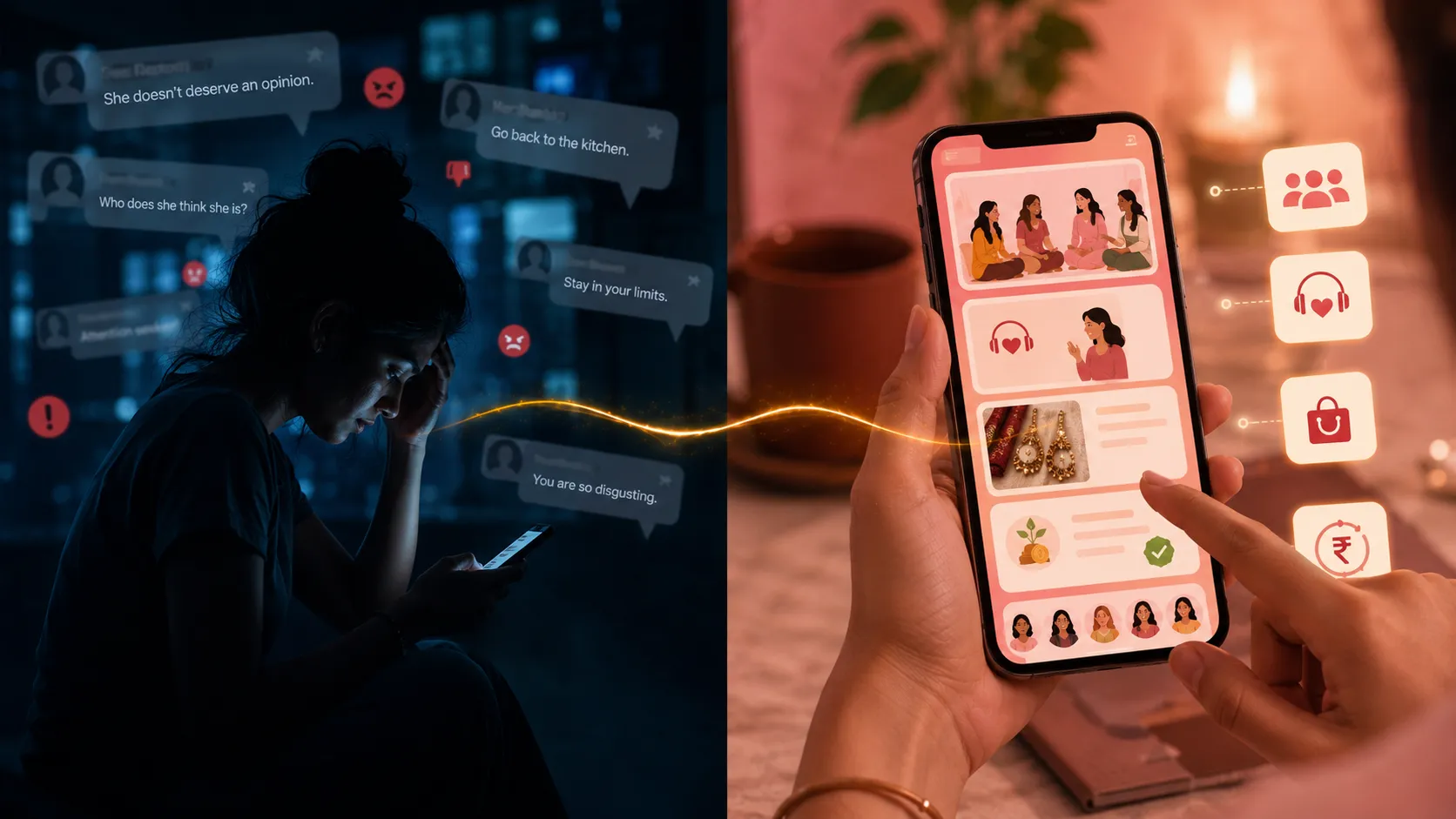
Sometime in 2013, Sairee Chahal looked at the internet and saw something that had been hiding in plain sight. The web had transformed commerce, media, education, and communication. It had created new industries, new fortunes, new ways of being. And yet, for the majority of Indian women—the millions who were coming online for the first time through cheap smartphones and affordable data—the internet was not designed for them. The platforms were built by men. The content was targeted at men. The communities that formed were hostile to women, who were harassed, trolled, and silenced the moment they spoke. The internet had democratised access to information, but it had not democratised access to safety, to opportunity, or to the kind of supportive community that women needed to build careers, businesses, and lives on their own terms.
The Luggage Brand That Asked a Radical Question: What If Women Designed Travel Gear for Women?
Women

The Luggage Brand That Asked a Radical Question: What If Women Designed Travel Gear for Women?

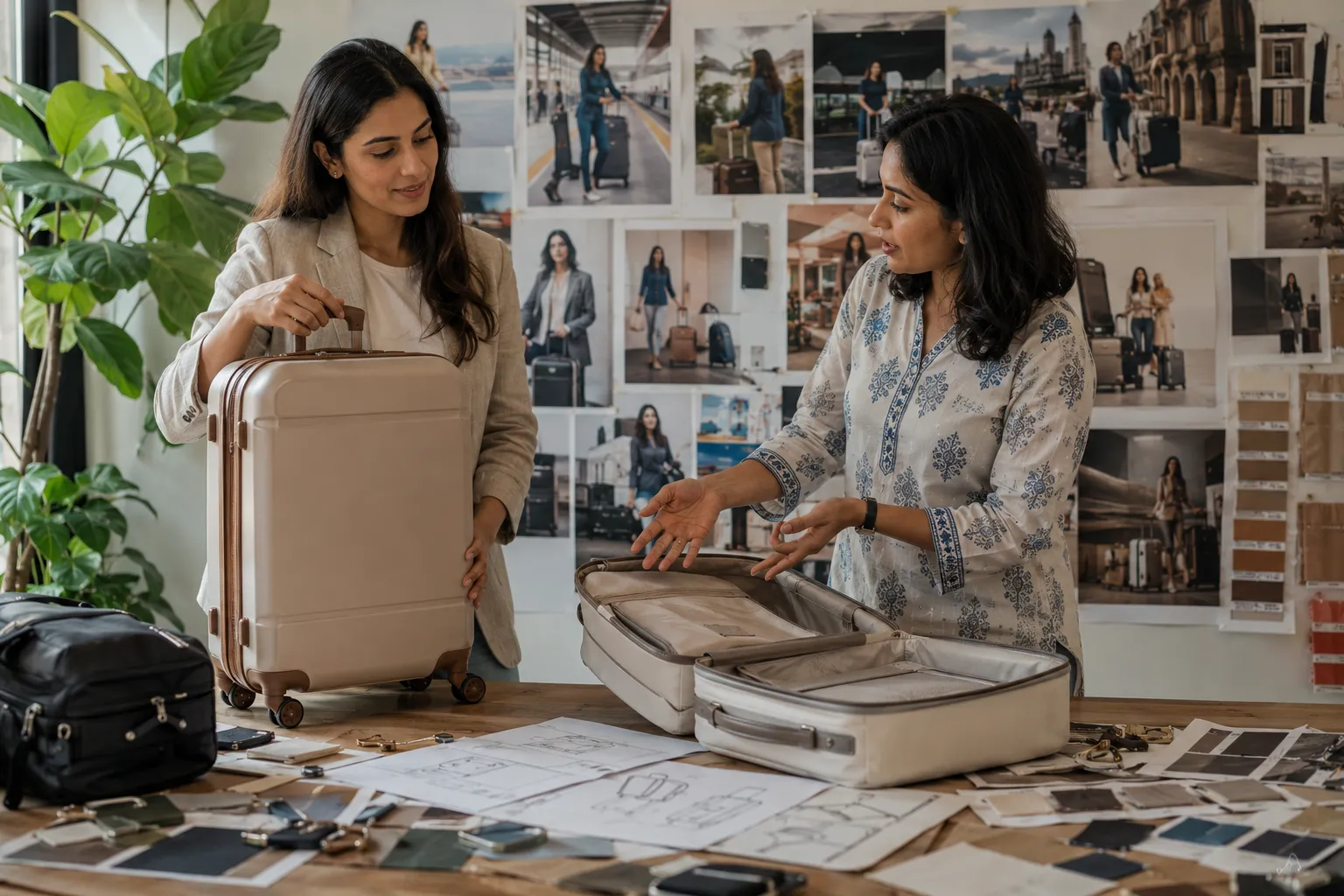
The global luggage industry has spent decades designing products for a single, unspoken default customer: a man. The handles are sized for male hands. The organisational logic assumes a certain kind of packing—suits, shoes, gadgets—that bears little resemblance to how most women actually travel. The colour palette—black, charcoal, dark navy—is the palette of the business-class aisle, designed by industrial engineers who have never tried to find a specific pair of earrings in a carry-on at 35,000 feet.

Why Sara Blakely's Spanx Story Still Matters To Modern Founders
Women

Why Sara Blakely's Spanx Story Still Matters To Modern Founders

Sara Blakely built Spanx into a billion-dollar company without venture capital, creating one of the most influential entrepreneurial success stories of the modern era.