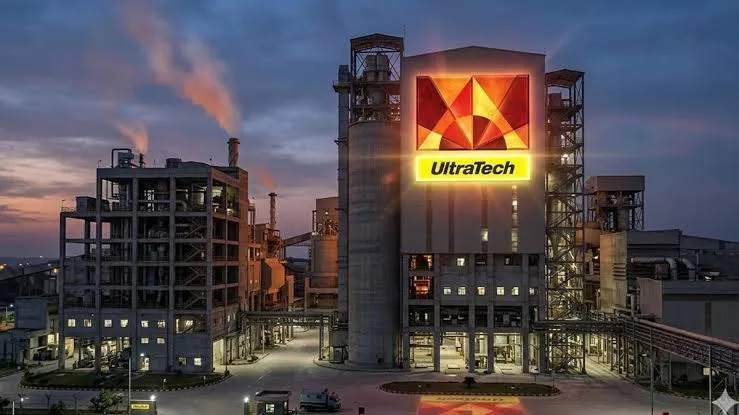
Mumbai: UltraTech Cement, India's largest cement manufacturer and the flagship building materials business of the Aditya Birla Group, has reported a robust 17 percent year-on-year jump in its June quarter net profit, delivering one of the more encouraging results of the ongoing Q1 FY27 earnings season. The strong performance was driven by a combination of healthy volume growth across the company's core markets and a notable turnaround in the operations of India Cements, the Southern India-focused cement maker that UltraTech acquired in a landmark deal that reshaped the competitive landscape of India's cement industry.
The results arrive at a particularly important moment for India's infrastructure and construction-linked sectors, which have been closely watched by investors as a bellwether for the health of the broader domestic economy even as external headwinds, ranging from volatile crude oil prices to global trade uncertainty, dominate headlines. UltraTech's numbers suggest that despite these external pressures, the underlying demand for cement — driven by government infrastructure spending, ongoing urbanisation, and a steady, if uneven, revival in real estate construction — remains fundamentally intact.
VOLUME GROWTH AT THE CORE OF THE BEAT
At the heart of UltraTech's strong quarter was a meaningful uptick in sales volumes, reflecting robust demand across the company's pan-India distribution network. The cement industry has historically been viewed as a reliable proxy for infrastructure activity and construction sentiment, given that cement consumption tends to track closely with both government capital expenditure on roads, railways, and other infrastructure projects, as well as private sector residential and commercial construction activity.
Industry analysts tracking the cement sector have pointed to sustained government infrastructure spending, even amid broader fiscal consolidation efforts, as a key driver of demand through the first quarter of FY27. Road construction, in particular, has remained a priority area for public investment, with several large highway and expressway projects continuing to progress through various stages of construction across the country. This sustained pipeline of infrastructure activity has provided a steady stream of demand for cement manufacturers, even as other segments of the broader industrial economy have shown more mixed signals.
INDIA CEMENTS TURNAROUND: A KEY STRATEGIC WIN
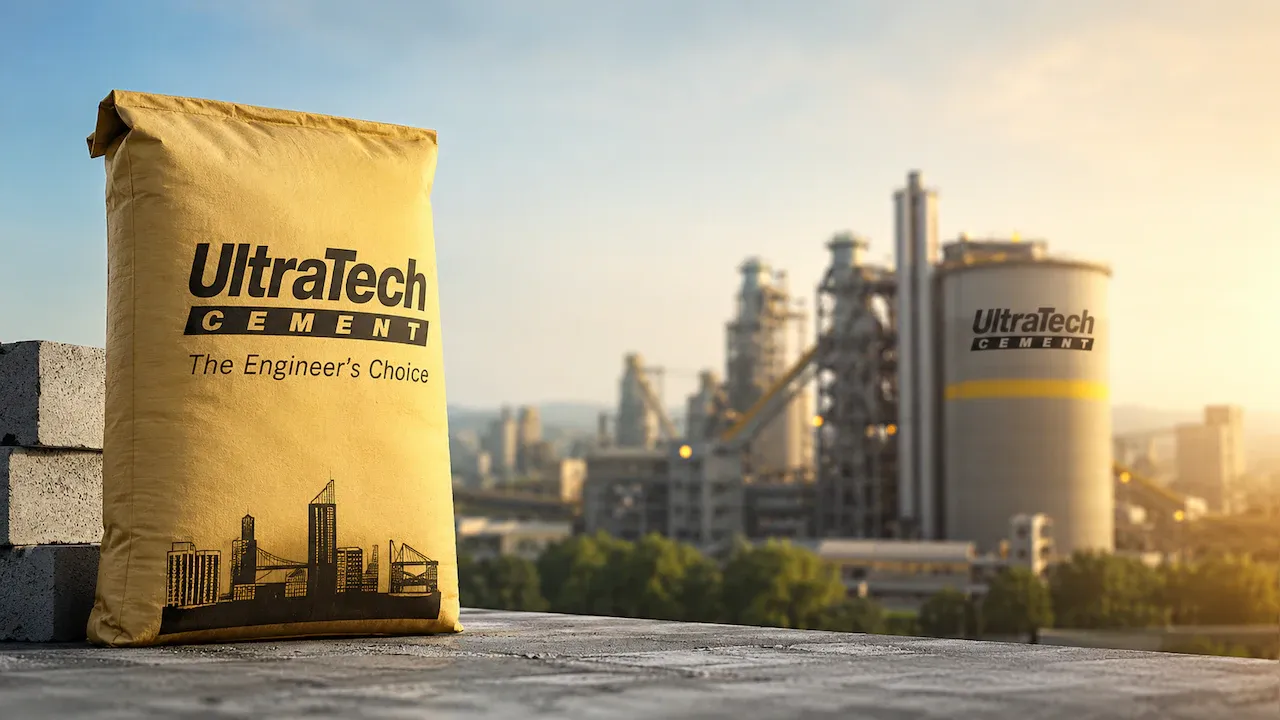
Perhaps the more striking element of UltraTech's June quarter results is the marked improvement in the performance of India Cements, the Chennai-headquartered cement maker that UltraTech brought under its fold through a series of open offers and stake acquisitions completed over the preceding fiscal years. India Cements had, for an extended period prior to the acquisition, struggled with a combination of high debt levels, operational inefficiencies, and intense regional competition in the South Indian cement market, one of the most fragmented and competitively intense regions for the industry nationally.
The turnaround at India Cements, now visible in UltraTech's consolidated results, reflects the fruits of an integration process that industry watchers have followed closely as a test case for how effectively large, well-capitalised players can extract value from distressed or underperforming acquisitions in India's consolidating cement industry. Operational synergies, including improved plant utilisation rates, more efficient logistics and distribution networks leveraging UltraTech's pan-India infrastructure, and disciplined cost management, appear to have combined to deliver a meaningfully improved contribution from the erstwhile India Cements operations to the group's overall profitability.
This successful integration carries broader significance for India's cement sector, which has witnessed a wave of consolidation over the past several years as larger, better-capitalised players have acquired regional and mid-sized cement makers struggling with high debt burdens and limited access to growth capital. UltraTech's experience with India Cements is likely to be studied closely by other large industrial groups contemplating similar consolidation plays across India's building materials and broader manufacturing landscape.
SECTOR-WIDE IMPLICATIONS
UltraTech's strong results have implications that extend well beyond the company's own balance sheet. As India's largest cement producer by a considerable margin, UltraTech's performance is often viewed by market participants as a leading indicator for the health of the broader cement and construction materials industry. A strong showing from the sector bellwether tends to lift sentiment across smaller and mid-sized cement companies, many of which have faced more acute pressure from elevated input costs, including energy and freight expenses, that have squeezed margins across the industry over the past several quarters.
The cement sector's fortunes are also closely tied to broader macroeconomic trends that have been under close scrutiny given the current environment. Rising crude oil prices, driven by escalating tensions in the Middle East and disruptions to shipping through the Strait of Hormuz, have pushed up transportation and logistics costs across virtually every Indian industry, cement included, given the sector's heavy reliance on road and rail freight to move a bulky, low-value-per-tonne product across long distances from plant to construction site. UltraTech's ability to post a strong profit growth figure even amid this cost inflation speaks to the company's pricing power and operational efficiency, both of which have been bolstered by its scale advantages as the market leader.
BROADER ECONOMIC CONTEXT
The strong UltraTech results also arrive against the backdrop of a broader debate among economists and policymakers about the trajectory of India's economic growth through FY27. The Reserve Bank of India has trimmed its growth projections for the current fiscal year to 6.6 percent, down from an earlier estimate of 6.9 percent, citing the drag from elevated energy prices, a weaker rupee, and broader global uncertainty. Independent assessments, including a recent Deloitte India Economic Outlook report, have offered a similarly cautious near-term view while maintaining optimism about growth strengthening in the second half of the fiscal year, supported by festive season demand, monetary easing, and a gradual stabilisation in global conditions.
Within this broader macroeconomic narrative, UltraTech's results serve as a useful data point suggesting that infrastructure and construction-linked demand — a critical pillar of India's growth story — has continued to hold up reasonably well even as other parts of the economy grapple with headwinds. This resilience is particularly notable given that cement demand is often among the more cyclically sensitive segments of the broader economy, typically among the first to show signs of strain when overall economic momentum begins to falter.
MARKET REACTION AND ANALYST VIEWS
UltraTech's shares are likely to be closely watched in Tuesday's trading session, alongside other cement sector stocks, as investors digest the implications of the results for the broader building materials space. Brokerages tracking the cement sector have generally maintained a constructive stance on the industry's medium-term prospects, citing continued government focus on infrastructure development under various national infrastructure initiatives, alongside expectations of a gradual recovery in real estate construction activity as interest rate conditions evolve.
That said, analysts have also flagged continued vigilance around input cost trends, particularly given the volatility in global energy markets stemming from the ongoing Middle East conflict. Cement manufacturing is an energy-intensive process, with power and fuel costs representing a significant proportion of the overall cost structure for producers. Any sustained escalation in crude oil and associated energy prices could, over time, begin to erode some of the margin gains that companies like UltraTech have managed to deliver through operational efficiencies and pricing discipline.
LOOKING AHEAD
As India's Q1 FY27 earnings season continues to unfold through the remainder of July, with several hundred companies still to report their June quarter numbers, UltraTech's strong performance sets a constructive tone for the broader infrastructure and industrials space. The successful integration of India Cements, in particular, offers a template that could inform how other large industrial conglomerates approach consolidation opportunities in a sector that continues to offer significant scope for further rationalisation given the still-fragmented nature of cement capacity across several Indian states.
For now, UltraTech's June quarter results stand as one of the more reassuring data points to emerge from an earnings season that has otherwise been characterised by considerable uncertainty, offering investors a tangible signal that India's core infrastructure demand story remains intact even as the broader market grapples with a challenging and unpredictable global backdrop.
CAPACITY EXPANSION PLANS AND LONG-TERM STRATEGY
Beyond the immediate quarterly numbers, UltraTech's results are likely to renew investor focus on the company's longer-term capacity expansion strategy, which has positioned the company to maintain and potentially extend its market leadership position as India's cement demand continues to grow in line with the country's broader infrastructure and urbanisation trends. The company has, over recent years, pursued a dual strategy of organic capacity additions at existing manufacturing locations alongside selective inorganic acquisitions of regional players, of which the India Cements transaction represents perhaps the most significant recent example.
This combined approach has allowed UltraTech to expand its footprint into regional markets where it previously had limited presence, while simultaneously deepening its manufacturing base in core markets where demand growth has remained particularly robust. Industry analysts note that this dual-track expansion strategy has become increasingly common among large, well-capitalised players across India's cement industry, as the most attractive greenfield sites become scarcer and acquisition of distressed or underperforming regional players offers a faster, and often more capital-efficient, route to capacity growth than starting new projects from scratch.
REGIONAL DEMAND PATTERNS AND MARKET DYNAMICS
The cement industry's fortunes have historically varied considerably across India's different regions, shaped by factors including the pace of local infrastructure spending, the intensity of real estate construction activity, and the competitive dynamics among regional and national players operating in each market. Southern India, where India Cements has traditionally maintained a strong presence, has historically been characterised by particularly intense competition among a large number of regional cement manufacturers, a dynamic that had, prior to UltraTech's acquisition, contributed to persistent pricing pressure and margin compression across the region.
The improvement in India Cements' performance under UltraTech's stewardship suggests that consolidation-driven rationalisation of capacity and more disciplined regional pricing strategies may be beginning to yield the kind of margin recovery that industry watchers have long anticipated as India's cement sector continues its multi-year consolidation journey. Should this trend continue, it could have broader positive implications for pricing discipline and profitability across the wider Southern Indian cement market, benefiting not just UltraTech but potentially other regional players as well, to the extent that reduced destructive competition allows for more rational, sustainable pricing across the industry.
ESG AND SUSTAINABILITY CONSIDERATIONS
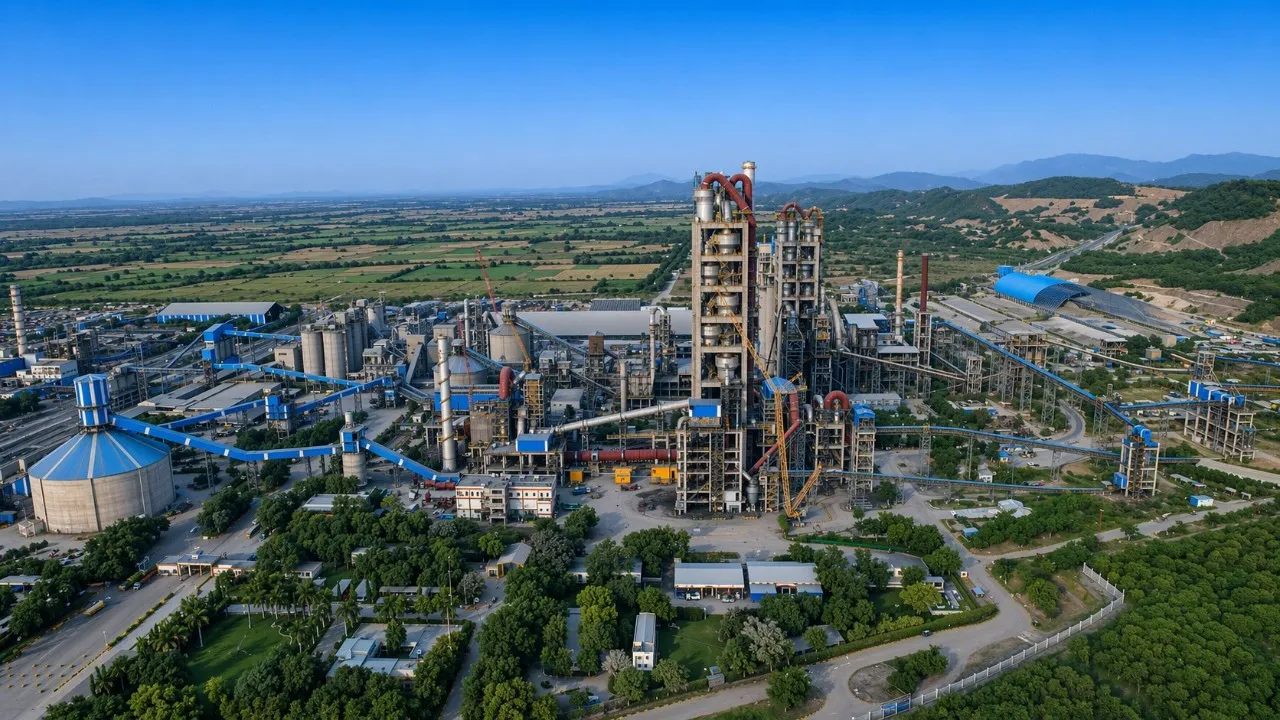
Cement manufacturing remains one of the more carbon-intensive industrial processes globally, and Indian cement makers, UltraTech prominently among them, have faced growing pressure from investors, regulators, and customers alike to demonstrate credible progress toward reducing the carbon footprint associated with their operations. UltraTech has, in recent years, articulated various sustainability commitments, including investments in alternative fuel usage, waste heat recovery systems, and renewable energy integration across its manufacturing facilities, initiatives that industry watchers increasingly view as material to the long-term competitive positioning of cement manufacturers, particularly as customers, including large government infrastructure procurement programmes, place growing weight on the environmental credentials of their suppliers.
The company's ability to combine strong near-term financial performance, as reflected in this quarter's results, with continued progress on longer-term sustainability commitments is likely to remain a key theme that investors and analysts track closely across future quarters, as the balance between growth, profitability, and environmental responsibility becomes an increasingly central consideration in how India's largest industrial companies are evaluated by both domestic and international capital markets.
INVESTOR TAKEAWAYS FROM THE QUARTER
For investors assessing UltraTech's results in the context of the broader cement and infrastructure investment landscape, the quarter offers several instructive takeaways. First, scale and balance sheet strength continue to matter enormously in a sector where energy and logistics costs represent a substantial and often volatile share of the overall cost base, giving larger players like UltraTech a structural advantage in absorbing input cost shocks that might prove considerably more damaging to smaller, less diversified competitors. Second, disciplined acquisition integration, as demonstrated through the India Cements turnaround, can meaningfully enhance group-level profitability over a multi-year horizon, offering a valuable case study for how patient, operationally-focused management can extract value from distressed assets in a consolidating industry. Third, and perhaps most broadly relevant, the results reinforce the view that India's infrastructure and construction-linked demand continues to provide a relatively steady growth anchor for the broader economy, even during periods when other sectors face more acute pressure from external shocks such as volatile energy prices and currency weakness.