There is a strange thing happening in Indian markets in the middle of 2026. On one side, the public stock market is nursing deep wounds. Foreign institutional investors have pulled out over ₹2 lakh crore from Indian equities in the first four months of the year alone. The Nifty has corrected around 14 percent. Retail enthusiasm has cooled, with average IPO subscriptions dropping from 23–24 times in 2025 to just 8 times in 2026. On the other side, something else is quietly heating up. The pipeline for initial public offerings remains at record levels, with over 150 to 200 companies planning to raise an estimated $35–40 billion. Zepto has filed papers for an ₹11,000–12,000 crore IPO. Zetwerk, PhonePe, Moneyview, and dozens more are waiting in the wings. And a growing class of investors is no longer waiting for these companies to list. They are buying in before the IPO. They are hiding in plain sight, building positions in unlisted shares while the public markets panic. This is not a niche strategy anymore. It is becoming a calculated allocation decision. And it tells us something important about where the real wealth is being created in 2026.
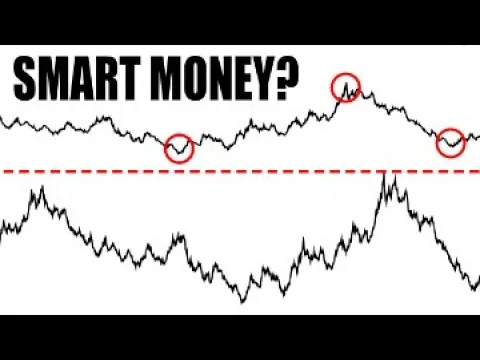
Smart money indicators vs market price divergence — the signal that sophisticated investors track before entering positions.