TechArtificial Intelligence9 MIN READ

Fractal Analytics, Sarvam AI, and Vaidya 2.0: The Three Stories Defining India's AI Leadership Moment in June 2026

June 2026 has produced three landmark moments for India's AI ambition: Fractal Analytics' public market debut as India's first AI IPO, Sarvam AI's unveiling of its Sarvam-30B and 105B large language models at the India AI Impact Summit, and Fractal's launch of Vaidya 2.0 — a sovereign healthcare reasoning model that could transform diagnostics at population scale.

By Shaym Kumar · Author13 June 2026Analysis
Fractal Analytics, Sarvam AI, and Vaidya 2.0: The Three Stories Defining India's AI Leadership Moment in June 2026

In the history of India's technology industry, certain weeks concentrate more landmark moments than an entire year of normal business would produce. The second week of June 2026 is one of those weeks. Three developments — each significant individually, extraordinary in combination — have arrived almost simultaneously and collectively define the most important AI leadership moment in India's history: Fractal Analytics' debut as India's first publicly listed AI company, Sarvam AI's unveiling of its Sarvam-30B and Sarvam-105B large language models, and Fractal's launch of Vaidya 2.0, a sovereign healthcare reasoning model designed to serve India's one billion patients at scale. Understanding each of these developments requires understanding not just the technology but the institutional, commercial, and cultural contexts that give them meaning.
4.webp

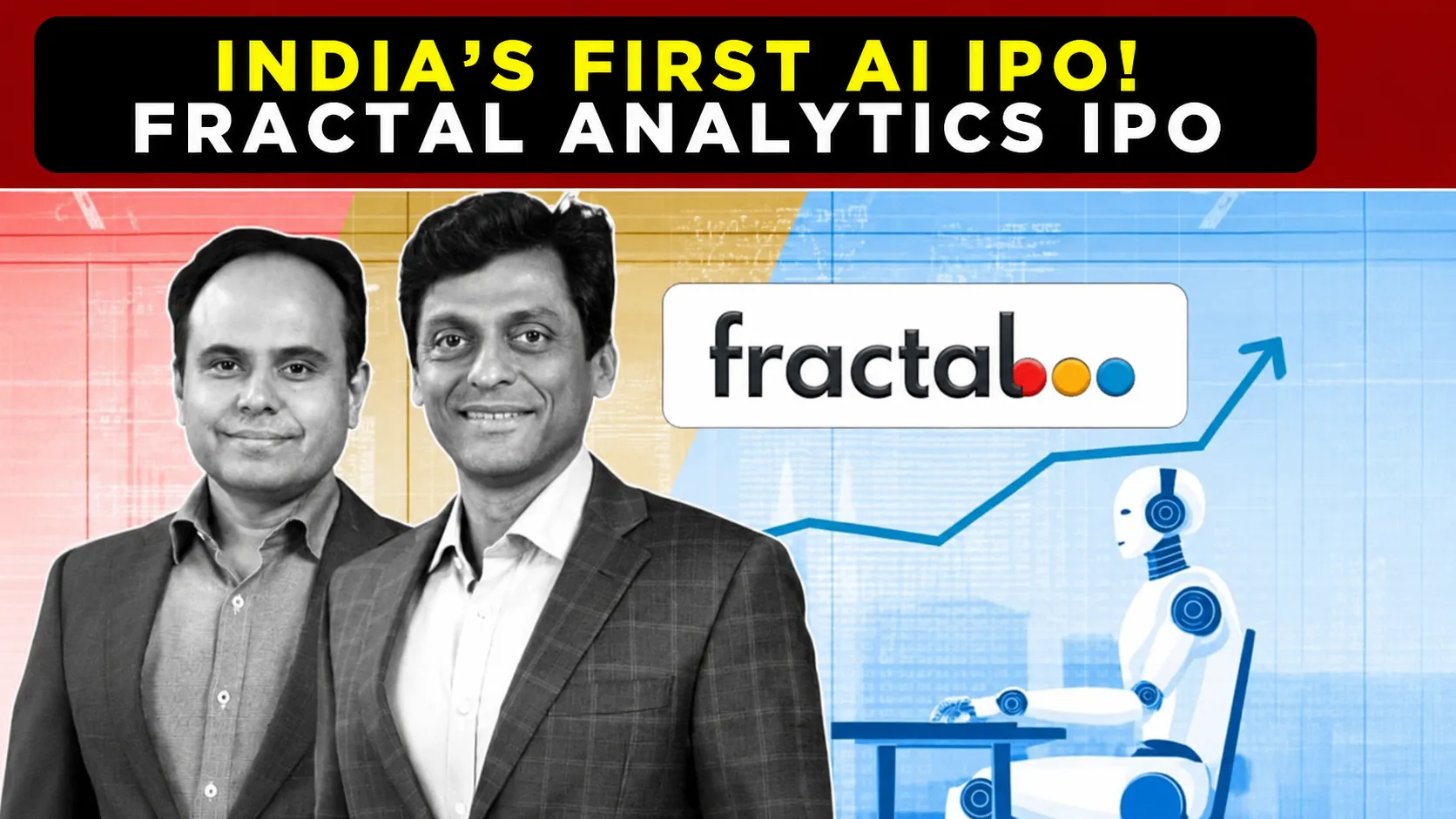
Fractal Analytics' IPO is, on its surface, a disappointing public market debut: the company listed at Rs 876 per share on the NSE, below its issue price of Rs 900, and settled at Rs 873.70 at close. The market capitalisation of approximately Rs 148.1 billion — roughly $1.6 billion — represents a significant discount from the company's private-market peak of $2.4 billion in a July 2025 secondary sale. But the significance of Fractal's IPO is not in its first-day performance. It is in what it represents: the first time an Indian AI company has stood in the public square and asked investors to value its AI business on the merits of its revenues, its growth trajectory, and its strategy. Every AI company that IPOs in India after Fractal will be benchmarked against this debut — and the questions its debut raised (about domestic versus international revenue, about AI valuation multiples in the Indian context, and about the gap between AI narrative and AI commercial scale) are questions the entire Indian AI industry needs to answer.

The specific challenge that Fractal's IPO has thrown into relief is what Inc42 calls 'the missing demand engine in enterprise AI.' Nearly two-thirds of Fractal's revenue comes from North America. Europe contributes roughly a fifth. The Middle East and Australia are rising. India — despite being the company's largest innovation hub — contributes a small fraction. This pattern is not unique to Fractal: it describes the business model of a generation of Indian enterprise technology companies that built globally competitive products while treating the domestic market as a secondary priority. The good news is that this is changing. At the India AI Impact Summit 2026, enterprise presence was strong and the major AI tech giants all announced partnerships to propel domestic AI adoption. The script is being flipped — but the flipping takes time.
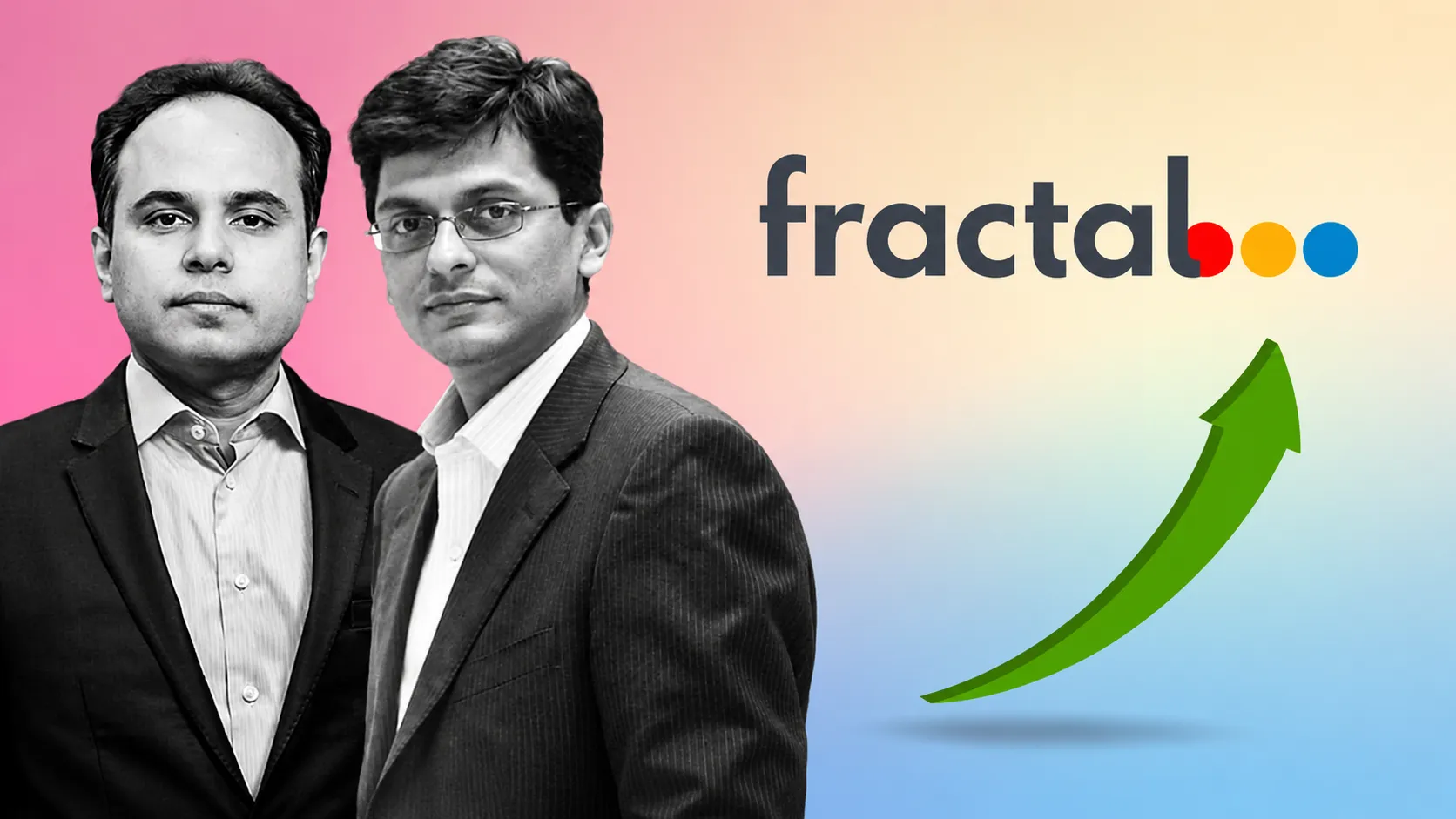
We clearly need sovereign frontier models that we can keep within India's control. At Fractal Analytics, we are building a large reasoning model for healthcare — and deployment at population scale changes everything.
Srikanth Velamakanni, Group CEO, Fractal Analytics, India AI Impact Summit 2026
1.png

Sarvam AI's unveiling of its Sarvam-30B and Sarvam-105B large language models at the India AI Impact Summit 2026 is the answer to Fractal's international dependency that India has been working to create for three years. In April 2025, the central government selected Sarvam AI to build India's first homegrown sovereign LLM under the IndiaAI Mission — making Sarvam the institutional locus of India's ambition to own foundational AI capabilities rather than simply consuming them from American or Chinese providers. The Sarvam-30B and Sarvam-105B announcements represent the delivery of that mandate: two large language models, built in India, trained on Indian data including 22 Indian languages, and designed specifically for Indian enterprise and government deployment contexts.

The significance of sovereign LLM capability extends well beyond national pride. When enterprises and government agencies deploy AI systems, the data sovereignty question is paramount: who trains the model, on what data, under what legal jurisdiction, and with what guarantees about data privacy and security? A sovereign LLM built by an Indian company, trained on Indian government-curated datasets, and auditable under Indian law removes the sovereignty concern that has been the single biggest barrier to AI adoption in India's public sector, defence establishment, and sensitive enterprise contexts. Sarvam's models are not just an alternative to GPT-4 or Gemini — they are the precondition for a class of Indian AI applications that cannot be built on foreign models.

3.png

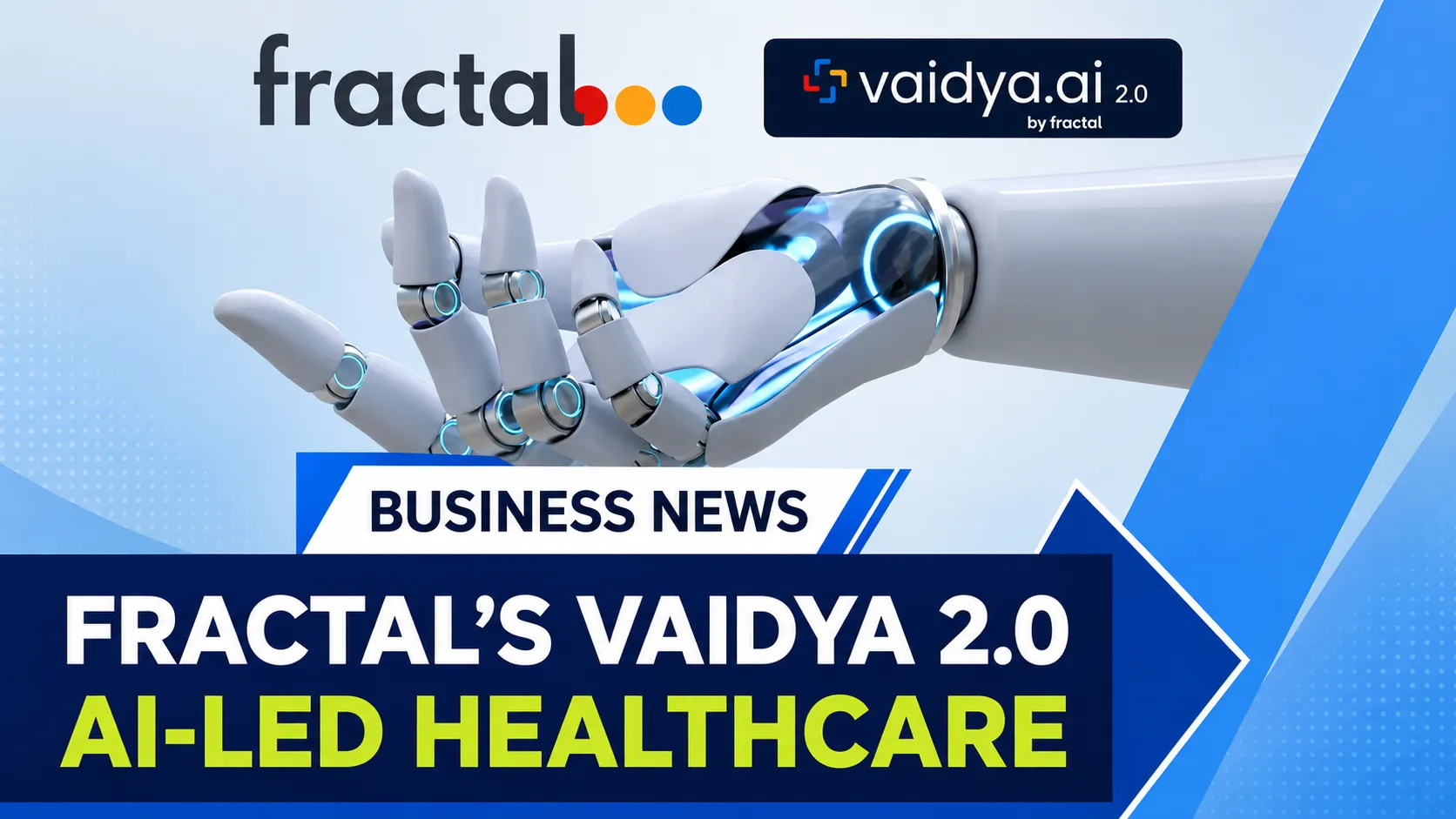
Fractal's Vaidya 2.0 — the healthcare reasoning model unveiled at the India AI Impact Summit — brings these threads together in perhaps the most compelling application domain available. India has approximately 1.4 million registered doctors serving 1.4 billion people — a doctor-to-patient ratio of 1:1,000 that makes AI-powered clinical decision support not a convenience but a necessity. Vaidya 2.0 supports healthcare-related workflows including emergency and patient assistance and a symptom checker, and is built to operate at population scale. CEO Srikanth Velamakanni articulated the stakes clearly: 'It's not just about building applications — deployment and usage matter just as much. When solutions are deployed at population scale, everything changes.' India's healthcare AI opportunity is, by this measure, the largest single AI deployment challenge in the world. The Global Indian physicians, biomedical engineers, and healthcare technology professionals who understand both the clinical and technical dimensions of this challenge are precisely who Fractal, Sarvam, and the broader Indian AI ecosystem need.

TagsFractal AnalyticsSarvam AIVaidya 2.0India AIAI IPOSovereign LLMHealthcare AIAI LeadershipGlobal IndianEnterprise AI 2026

Reader reviews

Sign in to rate and review this article.
Loading reviews…


