Cult.fit Files DRHP With SEBI: The ₹4,000 Crore Fitness IPO
On July 6, 2026, India's largest fitness chain by number of centres, filed its draft red herring prospectus (DRHP) with the Securities and Exchange Board of India (SEBI) . The IPO comprises a fresh issue of equity shares worth up to ₹950 crore and an offer for sale (OFS) by existing shareholders, who will collectively sell up to 17.86 crore equity shares . Industry sources suggest the total IPO size could reach up to ₹4,000 crore .
The company has appointed Axis Capital, Jefferies, Goldman Sachs, Morgan Stanley and JM Financial as the book-running lead managers to the issue .
The Fresh Issue: Where the Money Is Going
the plans to use the ₹950 crore proceeds for multiple growth priorities :
₹276.6 crore — Capital expenditure for new Cult Centres
₹217.5 crore — Lease and rent payments for existing fitness centres
₹120 crore — Repayment of Axis Bank borrowings
₹75 crore — Brand marketing and advertising
₹23.4 crore — Cultsport exclusive brand outlet expansion
Balance — General corporate purposes (capped at 25% of gross proceeds)
The company may also consider a pre-IPO placement of up to ₹190 crore, which would reduce the fresh issue size accordingly .
Who Is Selling? The OFS Shareholders
The OFS component involves a wide range of existing investors and individual shareholders :
Top selling shareholders:
MacRitchie Investments Pte. Ltd. (Temasek) — 2.47 crore shares (avg cost ₹59.85)
Fitness First Luxembourg S.C.A. — 1.96 crore shares (avg cost ₹12.84)
IDG Ventures India Fund III — 1.70 crore shares (avg cost ₹36.14)
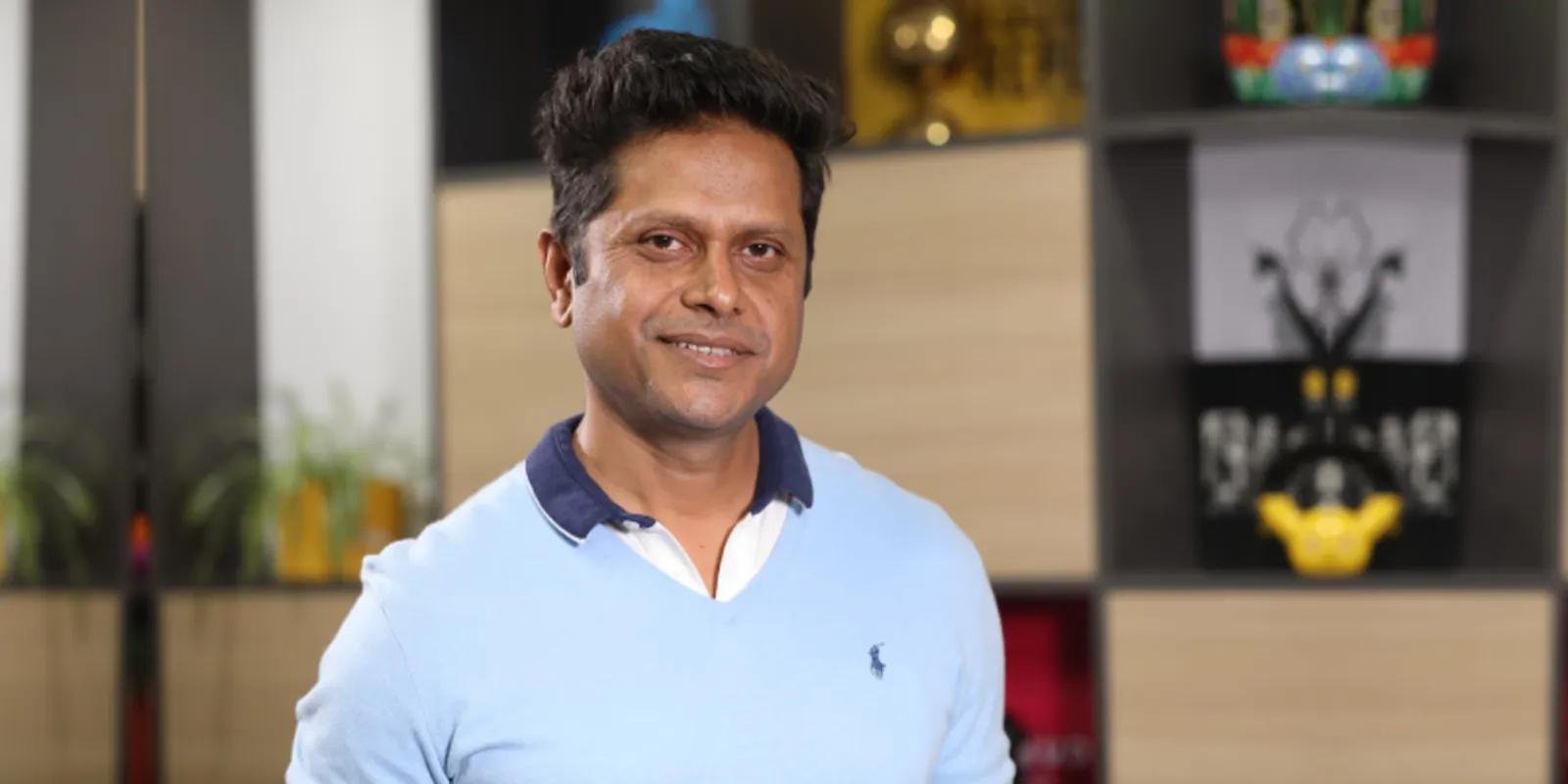
Mukesh Bansal (co-founder) — 1.60 crore shares (avg cost ₹14.51)
Tata Digital — 1.59 crore shares (avg cost ₹105.35)
Chiratae Trust — 1.11 crore shares (avg cost ₹37.26)
Accel India V — 65.32 lakh shares (avg cost ₹44.80)
Notably, Zomato (Eternal Ltd), which acquired a 6.4% stake for $100 million in November 2021, is not selling any stake .
Bollywood actor Hrithik Roshan, a brand ambassador and early investor, is also listed as a selling shareholder, offloading up to 6.33 lakh shares received via an NCLT-approved scheme of arrangement .
The Business: 708 Centres, 9.87 Lakh Members, ₹1,721 Crore Revenue
Founded in 2016 by Myntra co-founder Mukesh Bansal and Ankit Nagori,it operates India's largest network of fitness centres . As of March 31, 2026, the company had:
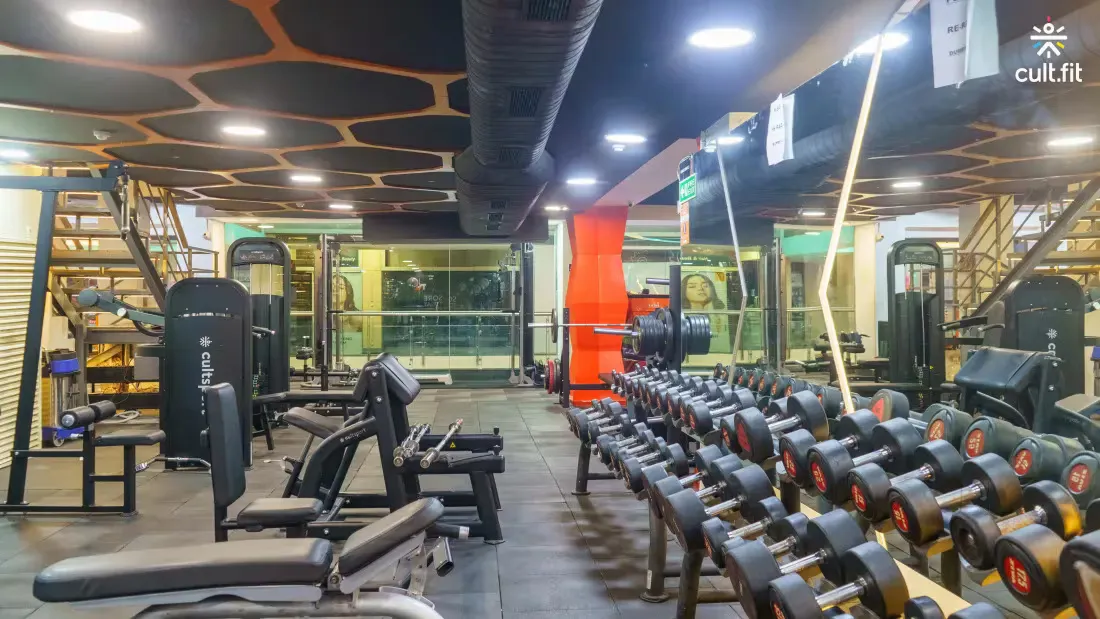
708 fitness centres across 77 cities
987,020 paid members
594 centres integrated with the app
6,331 employees, including 3,529 trainers
29 exclusive brand outlets for Cultsport products
The business operates in two segments :
Services (69.62% of revenue) — Gym memberships, group classes (HRX, Burn, Pilates, yoga), and the app, which integrates class bookings, progress tracking and online workouts.
Products (30.38% of revenue) — Fitness equipment, apparel and accessories sold under the Cultsport brand through its website, app and exclusive brand outlets.
The company holds master franchise rights for Gold's Gym in India, Nepal and Bangladesh, and also operates Fitness First India .
The Financial Turnaround
financial performance in FY26 marks a significant turning point :
Metric | FY24 | FY25 | FY26 |
|---|---|---|---|
Revenue | ₹926.66 Cr | ₹1,215.54 Cr | ₹1,720.61 Cr |
Revenue Growth | — | 31.2% | 41.6% |
Net Loss | ₹888.49 Cr | ₹480.83 Cr | ₹251.86 Cr |
Adjusted EBITDA | -₹140.19 Cr | -₹33.53 Cr | +₹144.78 Cr |
Adjusted EBITDA Margin | -15.1% | -2.8% | +8.4% |
The company turned adjusted EBITDA positive for the first time in FY26, at ₹144.78 crore (8.41% margin), and also achieved positive operating cash flows of ₹94.12 crore .
The company is filing under Regulation 6(2) of SEBI's ICDR Regulations, the route available to companies that do not meet standard profitability norms .
Key Risks Investors Should Know's DRHP contains several risk factors that warrant scrutiny :
1. The products arm, Cultsport, remains unprofitable. Despite ₹23.4 crore of IPO proceeds earmarked for its expansion, the segment has posted losses for three consecutive years .
2. Member retention is a concern. Nearly one in two members does not renew — the retention rate stood at 50.88% in FY26 .
3. Revenue is heavily concentrated. Four cities — Delhi-NCR, Mumbai, Bengaluru and Hyderabad — contributed 90.44% of services revenue in FY26 .
4. Franchise dependency. Franchised and marketplace gyms formed 69.21% of total centres, and the company exercises "limited operational or financial control over our franchises and marketplace gyms" .
5. Data governance gaps. For three straight fiscals, statutory auditors noted that backups of books of account for sales at premium fitness centres "were not maintained on a daily basis," and that they were unable to confirm whether the audit trail on third-party POS software was enabled .
6. Statutory dues were not always paid on time. The filing discloses "certain instances of delays" toward PF, ESI, TDS and GST across FY24-26 .
7. Significant goodwill and intangible assets — a legacy of acquisitions including Gold's Gym and Fitness First — which may be subject to impairment .
8. Corporate memberships, now 11.54% of services revenue, pose a concentration risk. Renewal depends on enterprise-level HR decisions, meaning a single policy change at a large client can eliminate an entire account .
9. The Gold's Gym master franchise agreement carries no automatic renewal right and is contingent on meeting minimum development quotas .
Market Context: India's Fitness Market Poised for Growth
Citing a Redseer report, the DRHP notes that India's fitness services market, estimated at around ₹25,600 crore in calendar year 2025, is expected to nearly double to ₹48,700-53,100 crore by 2030, driven by rising health awareness, increasing disposable incomes and greater accessibility of organised fitness platforms .
It has raised more than $714 million across 16 funding rounds. It was last valued at about ₹12,600 crore (around $1.5 billion) following a $47.6 million Series G funding round in March 2026 . The company has no listed peers in India or globally that operate in a similar business, making this the first public listing for the country's commercial wellness sector .
The Bottom Line
Cult.fit's DRHP paints a picture of a company that has made significant progress in narrowing losses, turning EBITDA positive, and scaling its fitness network. But the risks are equally clear: heavy concentration in four cities, a loss-making products division, governance gaps, and reliance on corporate memberships and franchise partners.
The company's immediate priority is securing regulatory clearance from SEBI, but the exact launch date remains fluid . As one person close to the company told Mint, "While an IPO is the ultimate goal, the company does not want to rush to a listing. Once the regulatory approval is in, the focus will be on waiting for the right window for the launch" .


