What Rising Gold Prices Started Is Quietly Becoming A Much Bigger Story About Spending Habits, Consumer Identity And India’s Next Jewellery Economy
For decades, gold occupied a very particular place inside Indian households. It represented celebration, security and tradition because purchases frequently extended beyond aesthetics and entered emotional territory. Weddings involved large sets, festivals frequently triggered purchases and families often viewed gold as an asset capable of carrying financial and cultural significance simultaneously. Jewellery buying itself followed deeply familiar patterns because ownership frequently reflected family habits passed from one generation to another. As a result, heavy ornaments and occasion-driven purchases remained closely tied to how India traditionally consumed gold.
The Weight Of Tradition Is Beginning To Change
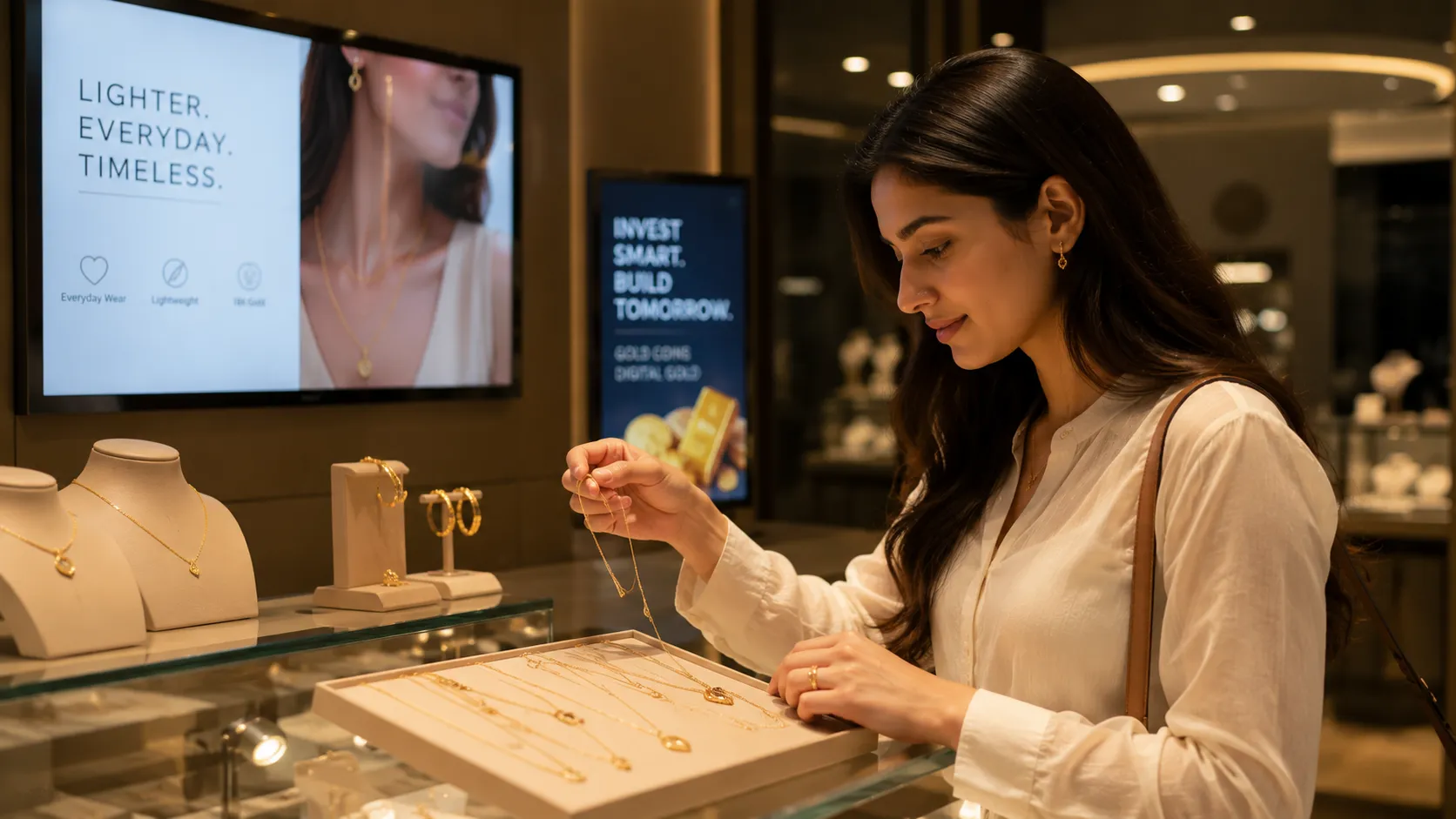
Something very different now appears to be unfolding beneath that older structure. Across India’s jewellery market, consumer behavior is gradually shifting because rising prices and changing lifestyle priorities are altering purchasing decisions. Instead of buying large pieces intended primarily for special occasions, many younger consumers increasingly appear gravitating toward lighter, wearable jewellery and investment-focused products. What initially looked like a response to pricing pressure is beginning to resemble a broader shift involving identity and spending psychology itself.
Viewed independently, changing jewellery preferences may initially resemble another retail trend shaped by economic conditions. Viewed through a broader funding and consumer lens, however, another question begins emerging beneath the surface: what happens when one of India’s oldest consumption categories starts operating through entirely new rules? Because industries rarely transform simply because prices move. They usually change when behavior itself begins evolving underneath.
India’s Younger Buyers Are Shopping Very Differently
Historically, jewellery purchases frequently followed milestone events because buying behavior often revolved around weddings, inherited customs and family expectations. Gold frequently represented permanence because consumers traditionally approached purchases through long-term thinking. The quantity of gold itself often carried meaning because larger pieces occasionally reflected security and social significance beyond appearance alone.
Many younger consumers now appear approaching the category through a different lens altogether. Jewellery increasingly seems becoming part of everyday styling rather than occasional ceremonial use because wearability frequently matters alongside investment value. Smaller designs, stackable pieces and lighter collections increasingly attract attention because buyers appear prioritizing versatility and repeat usage. This distinction matters because categories frequently change once products stop serving one role and begin fitting multiple lifestyles simultaneously.
The Numbers Are Still Strong, But The Behavior Looks Different
One of the most interesting aspects of this shift involves what is happening beneath headline revenue numbers. India’s jewellery sector continues generating significant business activity because higher gold prices naturally increase transaction value. Yet several industry reports have pointed toward softer demand in terms of volume because consumers increasingly purchase fewer grams even while overall spending remains substantial. On the surface, revenue appears stable. Underneath, buying behavior itself is quietly changing shape.
That distinction matters because businesses frequently pay closer attention to habits than headlines. Strong revenues occasionally hide changing patterns because categories often begin transforming long before broader markets recognize movement. Spending itself may remain healthy while the nature of purchases gradually shifts underneath. Consumer industries frequently evolve this way because behavior rarely changes overnight.
This Is Becoming A Bigger Investor Conversation Too
This broader transition is also becoming interesting from a business and funding perspective. Jewellery brands, digital platforms and investment-focused businesses increasingly appear responding to these changing preferences because opportunities frequently emerge once categories enter periods of behavioral transition. Businesses built around everyday jewellery, lab-grown products, digital gold platforms and younger consumers are increasingly attracting stronger interest because markets often reward categories capable of adapting before larger changes fully arrive.
Investors frequently become interested when consumption starts becoming predictable through new habits rather than old assumptions. Categories become compelling once people repeatedly return under different conditions because repeat behavior frequently signals stronger market potential. The opportunity increasingly appears extending beyond jewellery itself and entering larger conversations around retail identity, lifestyle and financial behavior.
Gold Is Becoming Two Different Stories At The Same Time
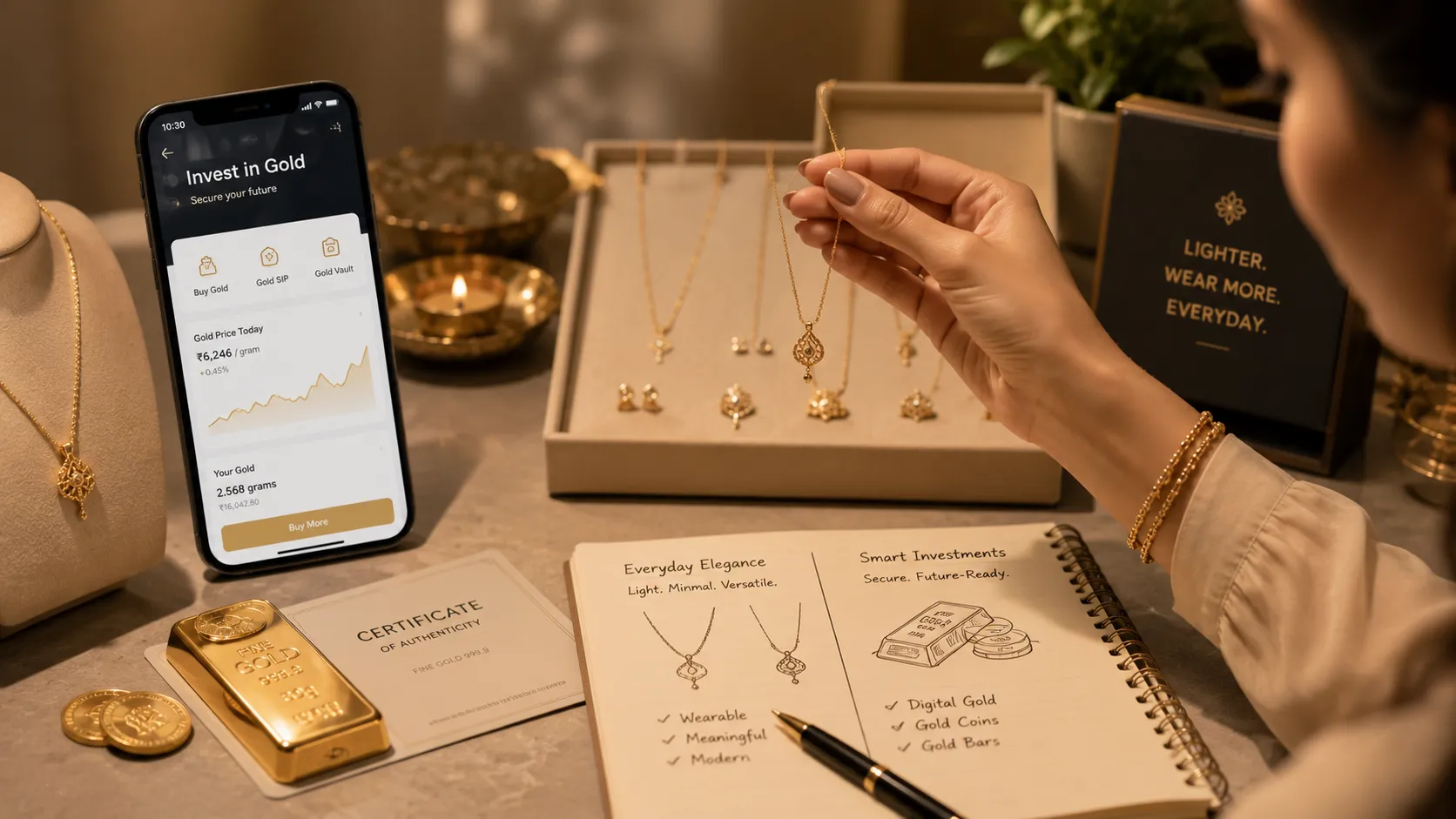
Another interesting shift quietly unfolding beneath this conversation involves the separation between emotional buying and investment buying. Traditionally, gold frequently served both roles simultaneously because jewellery often functioned as ornament and asset together. Today, those categories increasingly appear splitting apart because many consumers now purchase wearable jewellery separately from investment products such as coins, bars and digital assets.
This creates an entirely different market dynamic because consumer intent itself increasingly appears becoming specialized. One purchase may involve style and expression while another revolves around wealth preservation and financial planning. Industries frequently change dramatically once people stop buying one product for multiple reasons and begin buying different products for different needs.
Social Media And Lifestyle Culture Changed The Visual Language Around Jewellery
Digital culture quietly accelerated another layer of this transformation because fashion discovery now frequently begins online. Consumers increasingly encounter trends through creators, lifestyle pages and digital communities because visual environments often shape purchasing preferences before physical experiences occur. Earlier generations frequently inherited buying patterns from families. Younger buyers increasingly seem discovering preferences through platforms and communities shaping everyday consumption.
This transition matters because lifestyle industries frequently evolve once inspiration itself changes. Categories often become more experimental because exposure itself expands rapidly. Jewellery increasingly appears moving beyond traditional formats because modern consumers frequently expect products to fit wardrobes, routines and personal identity simultaneously.
The Larger Story Is Not About Gold Becoming Less Important
Perhaps that explains why this conversation feels larger than rising prices or changing ornaments. Because beneath discussions involving jewellery ultimately exists another reality involving how consumers themselves are changing. India is not necessarily buying less gold. India may simply be buying differently because aspirations, lifestyles and financial priorities increasingly appear evolving alongside broader social changes.
The larger funding story therefore may not simply involve jewellery brands adapting to market conditions. It may involve recognizing that one of India’s oldest consumer categories is quietly being redesigned by a generation approaching value, ownership and identity through a very different lens.