The Cookware Most Indians Use Every Day Contains Chemicals That Should Not Be There. A Chennai Startup Has Been Building the Alternative for Ten Years.
Look at the cookware in any average Indian kitchen. The non-stick pan that the sabzi gets cooked in. The tawa that roti gets made on. The pressure cooker that dal simmers in for hours.
A significant proportion of that cookware is coated with polytetrafluoroethylene — PTFE, marketed under brands like Teflon — or with related PFAS chemical coatings. These coatings are what makes cookware non-stick. They are also what degrades at high temperatures, releases fumes that are harmful in enclosed spaces, and flakes into food as the coating ages and scratches. They are the subject of ongoing regulatory review across the United States and Europe. And they coat the cookware that hundreds of millions of Indian families cook their daily meals in, every day, without knowing or thinking about it.
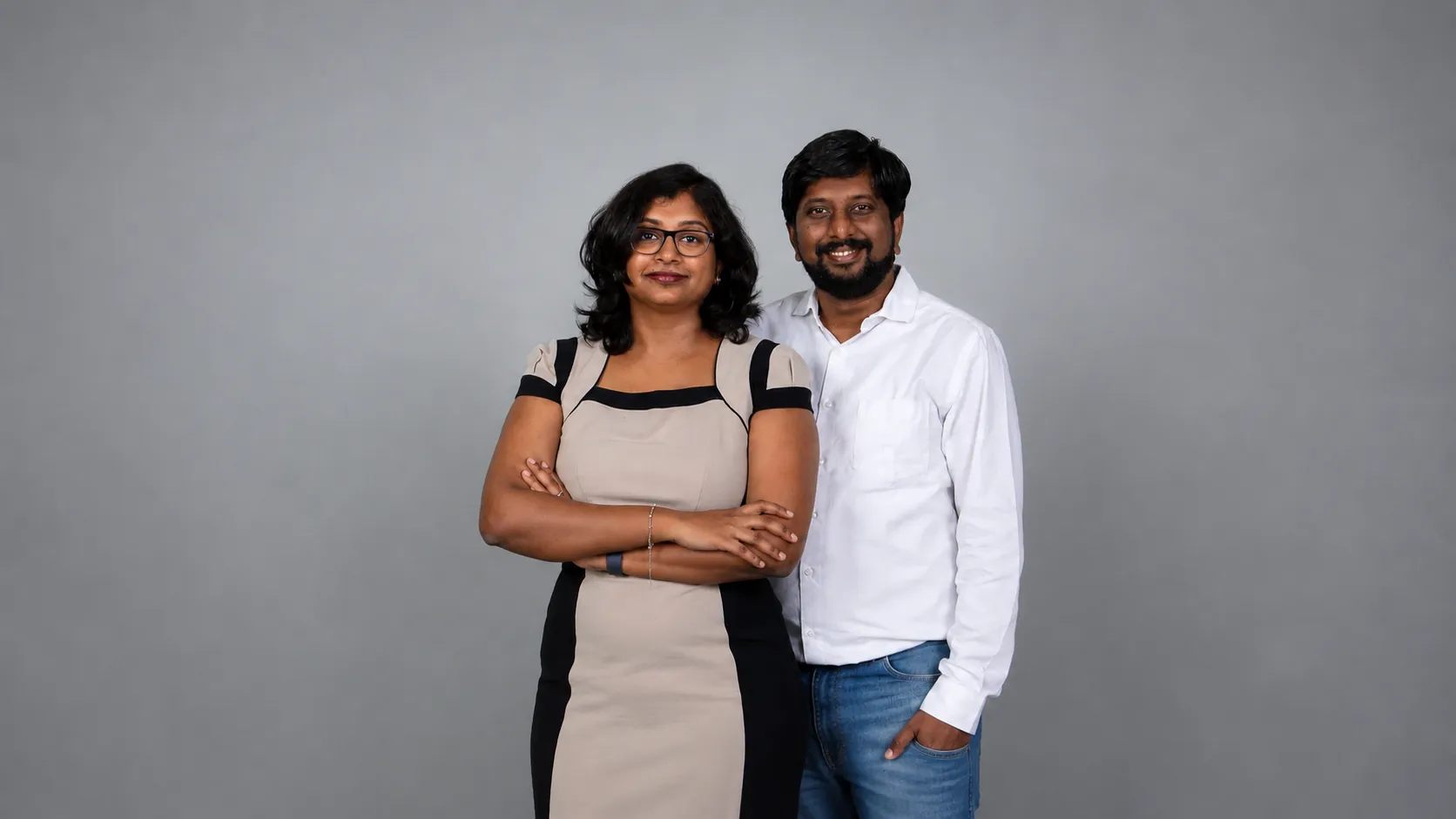
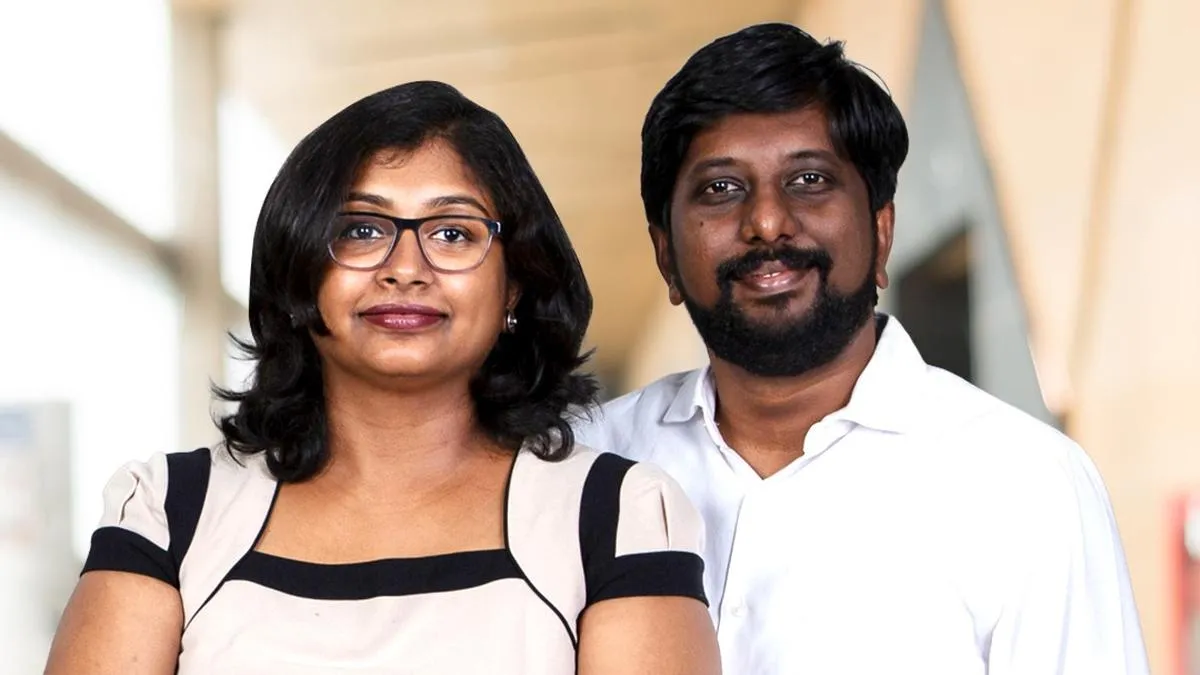
The Indus Valley was founded in Chennai in 2016 by Jagadeesh Kumar and Madhumitha Uday Kumar on the specific conviction that Indian families deserved a better answer. Not imported ceramic. Not expensive Western cast iron. An Indian brand, built for Indian cooking methods, made from materials that Indian kitchens and Indian dishes have been compatible with for centuries — cast iron, triply stainless steel, clay, copper, brass, wood, bronze, sheet iron.
On June 30, 2026, the company announced it had raised $17 million, approximately ₹161 crore, in a Series B funding round led by Gaja Capital. Existing investors DSG Consumer Partners, Rukam Capital, and The Chennai Angels also participated. The round includes fresh primary capital and a partial secondary sale that allowed some early investors to take liquidity — a structure that signals a healthy cap table and a company that has produced returns for the people who backed it early.
What The Indus Valley Actually Makes — and Why the Materials Are the Product
The founding insight of The Indus Valley is deceptively simple: the safest, most durable, most food-compatible cooking materials are the ones that Indian cooking has been using for millennia. Cast iron. Clay. Copper. Brass. Stainless steel. These are not wellness trends borrowed from a Western context. They are the materials that Indian grandmothers' grandmothers cooked in, whose relationship with Indian food — the spices, the acidic curries, the long cooking times, the high heat of tadkas — is documented not in a food science lab but in a continuous culinary tradition.
The Indus Valley has built a product range across these materials for modern Indian kitchens, with the ergonomics, the aesthetics, and the retail and e-commerce accessibility that the traditional equivalent lacked. Cast iron skillets, kadais, and tavas. Triply stainless steel pressure cookers and pans. Clay pots for slow cooking. Copper and brass vessels. A product catalogue that spans the full range of everyday Indian cooking without a single chemical coating.
The materials sell the health story. The design and quality sell the brand. And the combination — cookware that is both genuinely safer and genuinely beautiful — is what has allowed The Indus Valley to reach the customer who might otherwise gravitate toward a premium non-stick brand on aesthetics alone.
The brand sells through its own website, e-commerce and quick commerce platforms, and has recently expanded into offline retail — the omnichannel presence that the Series B is explicitly designed to deepen and accelerate.
The Investment Thesis — and Why Gaja Capital Is the Right Lead
Gaja Capital is one of India's most respected private equity firms with a specific focus on consumer brands and healthcare. Its portfolio includes Ecom Express, Barbeque Nation, Teamlease, and Indus Health Plus — companies that have each built significant scale in their respective categories.
Gopal Jain, Managing Partner at Gaja Capital, articulated the investment thesis with a precision that reflects the firm's analytical approach to consumer categories.
Healthy cooking, he said, is the foundation of wellness, yet it remains an overlooked health decision for millions of Indian households. The Indus Valley has reimagined cookware for the modern Indian family, proving that toxin-free, non-coated solutions can scale while maintaining the highest standards of quality and trust.
The phrase that matters most in that statement is "can scale." The question that every brand built around a health positioning faces — whether the premium of the healthier alternative is accessible enough, the category familiar enough, and the switching cost low enough for mainstream Indian households to actually make the change — is what the Series B is designed to answer.
The previous round, a ₹23.1 crore pre-Series A at a ₹303 crore valuation, was closed 18 months before this Series B. In that period, The Indus Valley built the product range, the channel infrastructure, and the brand credibility that the ₹161 crore round now has to scale. The gap between a ₹303 crore valuation then and the implied valuation at Series B reflects both the company's execution and the investor community's growing conviction that the healthy cookware category in India is not a niche but a wave.
What the Capital Is For
Jagadeesh Kumar, co-founder and CEO, has been specific about what the $17 million will do.
Product innovation means new categories within the safer kitchen segment — beyond cookware into the broader range of kitchen tools and implements where the same toxin-free materials and health positioning can be applied. Indian kitchens have dozens of touchpoints beyond the pan: bakeware, storage, serving vessels, kitchen tools. Each is an extension opportunity for a brand whose core value proposition is about materials, not just about any single product.
Omnichannel distribution means the expansion of offline retail presence alongside the existing strong D2C and e-commerce foundation. The household that discovers The Indus Valley through Blinkit or Amazon is the natural customer for the flagship retail experience — the shop where cast iron and clay products can be touched, felt, and understood before they are purchased. The brand building required to reach that customer at scale requires marketing investment that the Series B funds.
The deeper ambition behind all of these specific uses is what Kumar described with the clearest possible language: we are building much more than a cookware company. Our mission is to ensure that every Indian household has access to cookware that is safe, durable, and free from harmful coatings.
Every Indian household. Not a premium segment. Not the health-conscious urban millennial. Every Indian household. That is the scale of the ambition, and it is the scale of the opportunity — because the household that cooks with Teflon-coated non-stick today is not choosing chemical cookware out of preference. It is choosing it because the alternative has not been accessible, affordable, or familiar enough.
The Indus Valley is raising $17 million to make the alternative all three of those things. For 1.4 billion people who cook every day.


