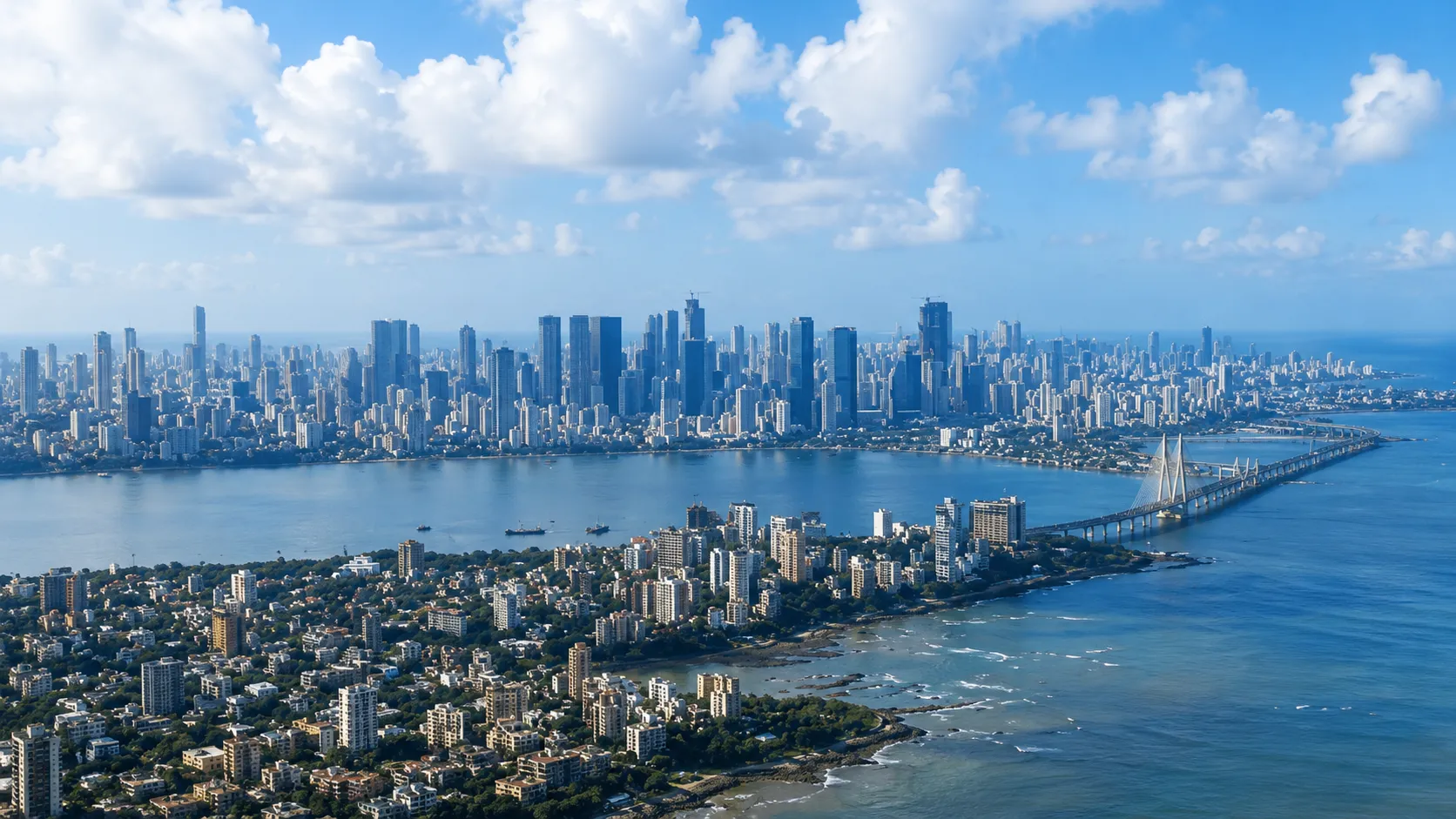
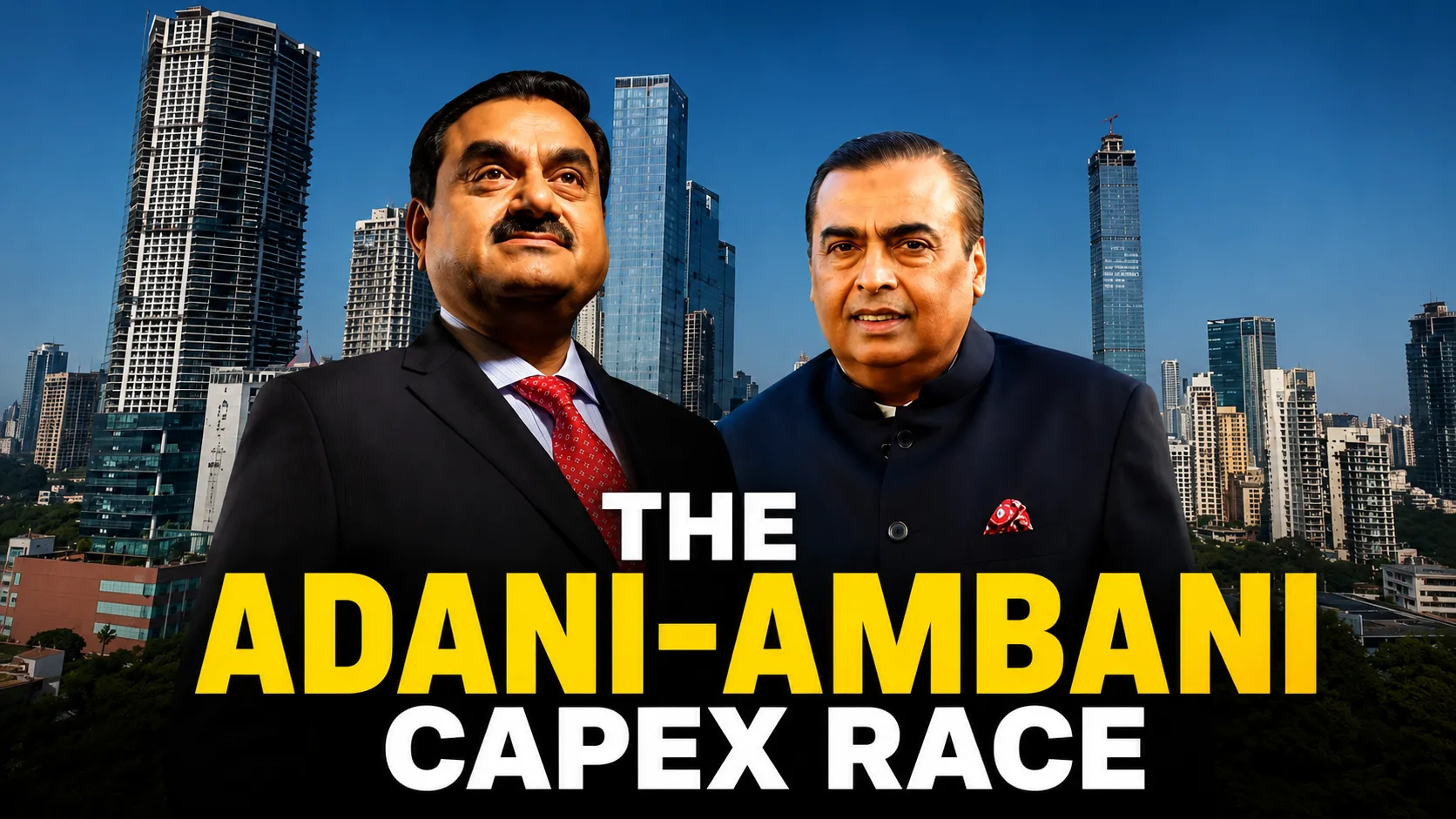
Mumbai's real estate landscape has long been shaped by a distinctive and uniquely Indian challenge: how to redevelop the city's sprawling informal settlements, some of the largest and densest in the world, into modern housing stock while rehabilitating the millions of residents who call them home. For decades, this specialised and operationally complex segment of the property market was dominated by a familiar cast of traditional developers — firms like Lodha Group, Shapoorji Pallonji, and Godrej Properties, each of which built substantial businesses navigating the intricate regulatory, social, and financial challenges inherent in slum rehabilitation projects. In 2026, that familiar cast has been dramatically upended, as India's two most powerful business families — the Adanis and the Ambanis — have turned Mumbai's redevelopment sector into the newest arena of their long-running corporate rivalry.
The turning point came when a consortium led by Reliance Industries, operating through its real estate vehicle Reliance 4IR Realty, won the bid to redevelop the 101-acre Juhu Galli slum cluster in Andheri West, one of Mumbai's most significant and closely watched redevelopment sites. The win marked Mukesh Ambani's first major foray into Mumbai's slum rehabilitation real estate segment, a market where Gautam Adani's conglomerate had already established a formidable and increasingly dominant presence over recent years. The scale of the Juhu Galli project alone underscores why both business empires now view this sector as strategically significant: the redevelopment will involve the rehabilitation of housing for more than 28,000 families, a population roughly equivalent to a mid-sized town, concentrated within a single project footprint. To appreciate why two of India's largest diversified conglomerates — companies whose core businesses span energy, telecommunications, petrochemicals, ports, and power generation — would compete aggressively for slum redevelopment projects, it is necessary to understand the peculiar economics and strategic logic of Mumbai's real estate market. With very little vacant land remaining available anywhere within the city's dense urban core, redevelopment has become one of the only remaining pathways for developers seeking access to Mumbai's most prime and valuable locations. Slum rehabilitation projects, in particular, offer developers a route to acquiring development rights across large contiguous land parcels — parcels that, once redeveloped, typically allow for a portion of the site to be built out as free-sale, market-rate housing or commercial space, generating substantial returns even after accounting for the costs of rehabilitating existing residents into new, formal housing. Gautam Adani's conglomerate had, prior to Reliance's Juhu Galli win, established itself as an increasingly dominant force within this specialised sector, building a track record and institutional capability in navigating the complex web of regulatory approvals, resident negotiations, and rehabilitation logistics that slum redevelopment projects inevitably entail. That accumulated expertise gave the Adani Group a significant head start in a market segment that, unlike more conventional real estate development, requires not just capital and construction capability but also sustained social and political engagement with existing communities whose cooperation is essential to any successful project. Mukesh Ambani's decision to enter this arena directly, through Reliance 4IR Realty, therefore represents a notable strategic pivot for Reliance Industries, a company whose core identity has historically centred on its energy, petrochemicals, telecommunications, and retail businesses rather than large-scale urban real estate redevelopment. The move signals that Reliance's leadership views Mumbai's redevelopment sector as sufficiently large and strategically valuable to warrant direct competition with Adani, even in a specialised segment where Adani's conglomerate had already built meaningful institutional advantages. The competitive intensity between the two groups has continued to escalate beyond the Juhu Galli win. Both Adani and Reliance are currently competing for a new set of redevelopment projects being coordinated through Maharashtra's Housing and Area Development Authority, spanning approximately 74 acres across Andheri West — the same broader locality where the Juhu Galli project is situated, suggesting that Andheri West has emerged as a particularly contested geographic battleground within the broader Adani-Reliance rivalry. In one specific instance, Reliance's 4IR Realty Development division, alongside Adani and a third developer, Hanware Realty, all placed competing bids for the SVP Nagar redevelopment project in Andheri West, illustrating just how directly the two conglomerates are now colliding within individual project tenders rather than simply operating in parallel across the broader city. Beyond the immediate Andheri West cluster, the true scale of the opportunity — and the reason both business empires appear determined to establish dominant positions early — becomes clear when considering Mumbai's largest and most symbolically significant redevelopment prospect: Dharavi, widely described as one of Asia's largest informal settlements. Dharavi alone is understood to hold the potential to reshape a substantial swathe of central Mumbai, effectively creating an entirely new economic and residential district within one of the world's most valuable urban real estate markets. Whichever conglomerate, or combination of conglomerates, ultimately secures the dominant position in Dharavi's eventual redevelopment stands to capture a project of a scale and long-term value that dwarfs even large individual projects like Juhu Galli. Industry analysts tracking the Adani-Ambani rivalry note that the competition for Mumbai's redevelopment sector fits within a broader, decade-spanning pattern in which the two conglomerates have repeatedly found themselves competing directly across an expanding range of sectors — from telecommunications and renewable energy to, now, urban real estate redevelopment. This pattern of escalating direct competition across multiple business verticals has made the Adani-Ambani rivalry one of the most closely watched dynamics in Indian corporate life, with each new sector of contestation drawing fresh attention from investors, policymakers, and business media seeking to understand the strategic calculus behind each conglomerate's expansion decisions.
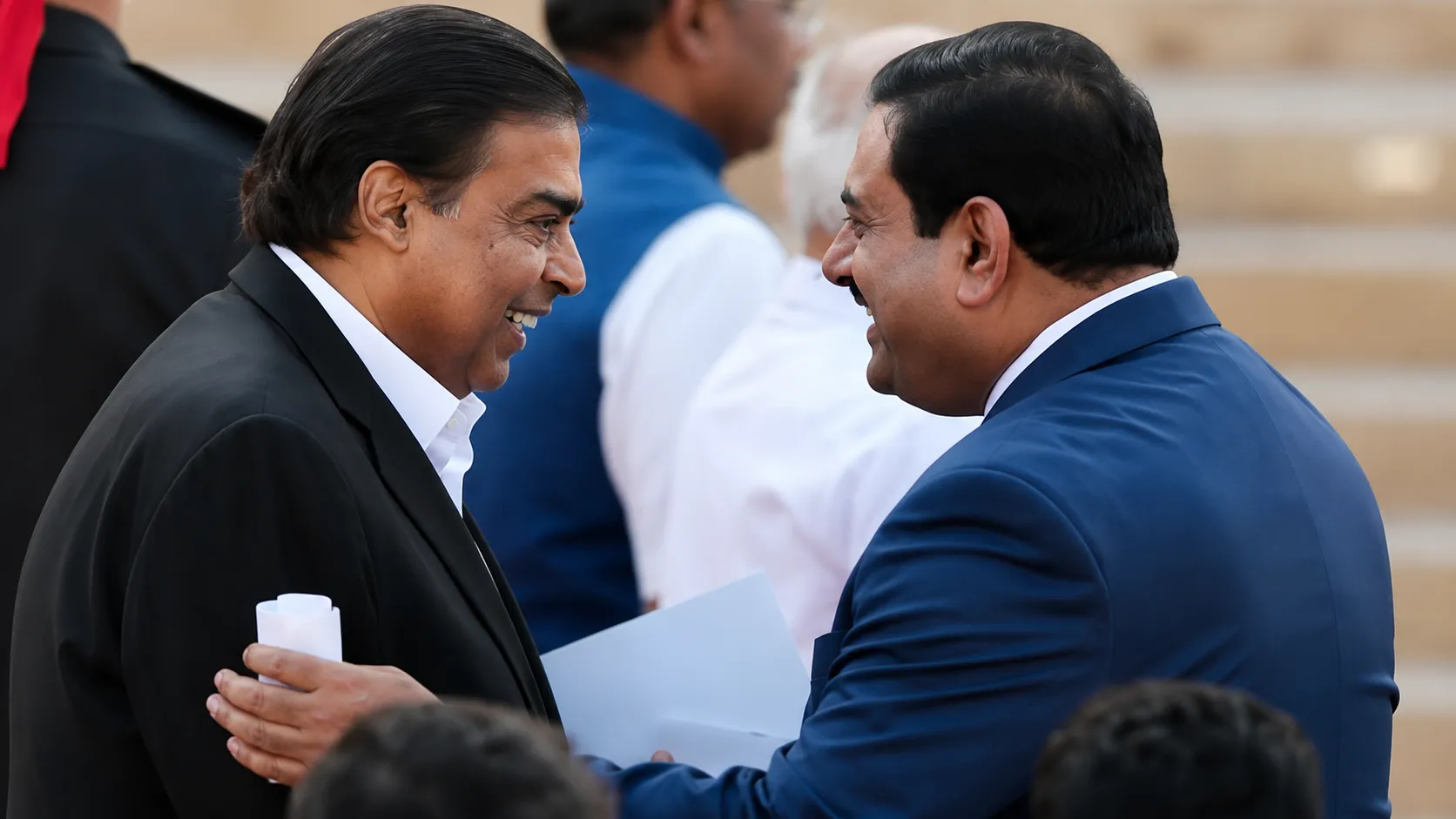
For the traditional developers who long dominated Mumbai's slum rehabilitation segment — firms including Lodha Group, Shapoorji Pallonji, and Godrej Properties — the entry of Adani and Reliance into direct competition for these projects represents a fundamentally altered competitive landscape. These established developers built their businesses over decades navigating precisely the kind of complex resident negotiations and regulatory processes that slum redevelopment requires, but they now face competition from conglomerates with vastly greater balance sheet capacity and, in Adani's case particularly, deep experience executing large-scale infrastructure projects requiring sustained multi-year capital commitment. Whether traditional developers can successfully compete against this new wave of conglomerate-backed bidding, or whether the sector consolidates increasingly around Adani and Reliance's superior financial firepower, remains one of the more consequential open questions facing Mumbai's real estate industry. The social dimension of this corporate competition also deserves attention. Slum redevelopment projects, whatever the commercial motivations driving the conglomerates pursuing them, ultimately determine the housing outcomes for hundreds of thousands of Mumbai residents currently living in informal settlements. Advocates for slum residents have historically expressed both cautious optimism about the formal housing and infrastructure improvements that successful redevelopment can deliver, and concern about the risks of displacement, inadequate rehabilitation housing quality, or prolonged construction delays that have plagued various redevelopment projects across Mumbai's history. As Adani and Reliance intensify their competition for these projects, community advocates and housing rights organisations are likely to scrutinise closely whether the entry of India's two largest conglomerates into this space translates into genuinely improved outcomes for the families being rehabilitated, or simply a more capital-intensive version of challenges that have long characterised Mumbai's redevelopment sector. Looking ahead, market observers expect the competition between Adani and Reliance across Mumbai's redevelopment landscape to intensify further as both conglomerates pursue additional project tenders across the city's remaining redevelopment-eligible sites. The next chapter of Mumbai's skyline, as industry commentators have increasingly noted, may well be written primarily by the real estate arms of these two families — a striking evolution for a market segment that, until relatively recently, remained the specialised domain of dedicated real estate developers rather than diversified industrial conglomerates. For India's broader business landscape, the Adani-Ambani redevelopment rivalry offers a vivid illustration of how India's largest conglomerates continue to expand their footprints into new sectors, driven by a combination of genuine commercial opportunity and the broader strategic logic of maintaining competitive parity across as many high-value sectors as possible. As both families deploy increasingly significant capital and institutional resources toward Mumbai's redevelopment sector, the coming years are likely to see this rivalry play out not just in boardrooms and bid documents, but visibly, in the reshaped neighbourhoods and skylines of India's financial capital. Financial analysts covering both conglomerates note that the strategic logic behind this redevelopment push extends beyond the immediate returns available from any single project. For Adani, an established presence in Mumbai's redevelopment sector complements the group's broader real estate and urban infrastructure ambitions, which have grown increasingly significant alongside its traditional core businesses in ports, power, and airports. For Reliance, the Juhu Galli win and subsequent bids represent a strategic diversification of a real estate portfolio that has, until now, been comparatively modest relative to the scale of the conglomerate's other business lines, suggesting that Ambani's leadership views Mumbai real estate, and slum redevelopment specifically, as a sufficiently large and durable opportunity to warrant building out dedicated institutional capability through Reliance 4IR Realty rather than treating it as a peripheral business activity. The financing dynamics underlying large-scale slum redevelopment projects also merit attention. These projects typically require developers to commit substantial upfront capital toward the construction of rehabilitation housing for existing residents, well before any revenue is realised from the sale of the free-sale component of the development. This front-loaded capital requirement has historically been one of the primary barriers limiting the pool of developers capable of competing for the largest redevelopment tenders, favouring precisely the kind of well-capitalised conglomerates now dominating the competitive landscape. Both Adani and Reliance bring balance sheets substantially larger than those of traditional dedicated real estate developers, giving them a structural advantage in absorbing the extended cash-flow timelines that large redevelopment projects like Juhu Galli and the prospective SVP Nagar development inevitably require. Regulatory and municipal dynamics also play a significant role in shaping how this competition unfolds. Mumbai's redevelopment approvals process runs through multiple layers of civic and state authority, including the Slum Rehabilitation Authority and the Maharashtra Housing and Area Development Authority, each with its own procedural requirements, timelines, and discretionary decision points. Navigating this regulatory landscape efficiently has historically been one of the key differentiators separating successful redevelopment developers from those who struggle with prolonged delays, and both Adani and Reliance are widely understood to be investing heavily in the specialised regulatory affairs and government relations capabilities necessary to move large projects through this approval pipeline more efficiently than smaller competitors.
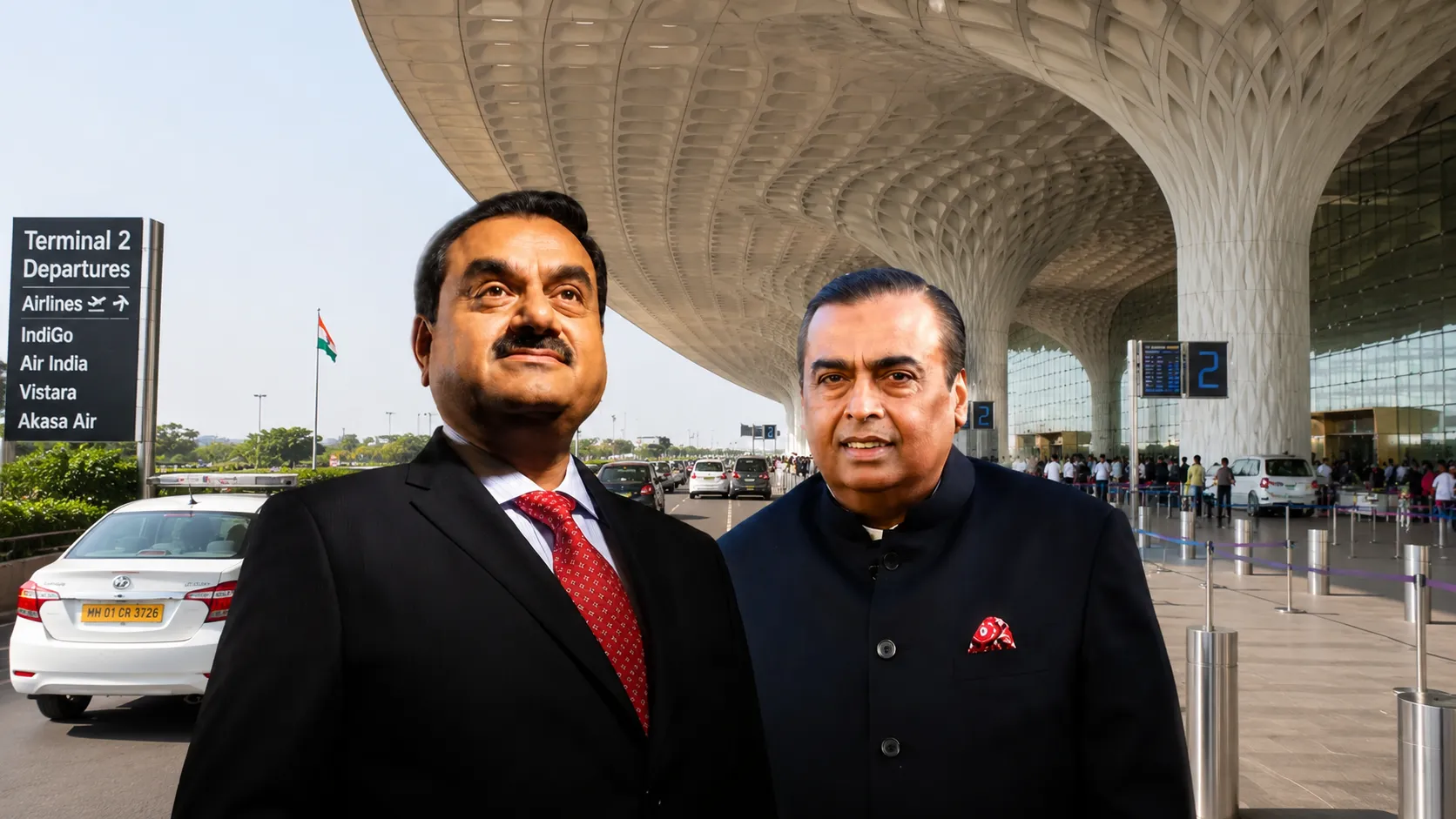
The competition has also drawn commentary from urban planning experts who note that the entry of India's largest conglomerates into slum redevelopment could accelerate the pace of transformation across some of Mumbai's most persistently under-developed areas, given the superior capital access and project execution capability these conglomerates bring relative to smaller traditional developers who have, in some cases, struggled to complete redevelopment commitments on schedule. At the same time, some planning experts have cautioned that increased consolidation of Mumbai's redevelopment sector around a small number of dominant conglomerates could reduce competitive pressure over the medium term, potentially affecting the terms ultimately offered to residents being rehabilitated, even as it accelerates the physical pace of redevelopment. As both Adani and Reliance continue to expand their footprints across Mumbai's redevelopment landscape, market watchers expect the coming bidding cycles for remaining large-scale projects, including the long-anticipated Dharavi redevelopment, to serve as the next major test of this rivalry. Whichever conglomerate — or combination of conglomerates and their partners — ultimately prevails in securing the largest remaining redevelopment opportunities will likely cement its position as the dominant force shaping the next phase of Mumbai's urban transformation, a prize that helps explain why India's two most powerful business families have been willing to commit such substantial capital and institutional attention to what was, until recently, a comparatively overlooked corner of the country's real estate sector. The Adani-Ambani redevelopment rivalry also arrives at a broader moment of transformation for Mumbai as a global city. As India's financial capital continues to compete for status as a leading global business and financial hub, the quality and modernity of its housing stock, infrastructure, and urban planning increasingly factor into how the city is perceived by international investors, multinational corporations considering regional headquarters locations, and the global professional talent Mumbai hopes to continue attracting. Large-scale, well-executed redevelopment projects that successfully modernise historically underdeveloped areas while genuinely improving conditions for rehabilitated residents could meaningfully enhance Mumbai's standing as a world-class city; poorly executed projects, by contrast, risk reinforcing longstanding criticisms about the gap between the city's aspirations and the lived reality for many of its residents. For investors and market analysts tracking both conglomerates, the Mumbai redevelopment rivalry also offers a useful lens for assessing broader capital allocation philosophy at Adani and Reliance. Adani's continued dominance in this space reflects the group's now well-established pattern of building deep, specialised operational capability in complex, execution-intensive sectors — a pattern also visible in its approach to ports, airports, and power infrastructure. Reliance's entry, by contrast, reflects Ambani's demonstrated willingness to commit Reliance's substantial balance sheet to new strategic bets once a sector is judged sufficiently large and durable, a pattern that mirrors the conglomerate's historic approach to entering telecommunications through Jio and retail through its expansive store network. Watching how these two distinct strategic philosophies play out directly against each other within the same city, and increasingly the same specific neighbourhoods, will remain one of the more illuminating storylines in Indian business for the foreseeable future. The rivalry also has second-order implications for the broader ecosystem of contractors, architects, legal advisors, and financial institutions that service Mumbai's real estate sector. As Adani and Reliance scale up their redevelopment ambitions, both conglomerates are expected to draw increasingly on specialised legal, engineering, and project management partners capable of operating at the scale and pace these projects demand, creating meaningful downstream business opportunities for firms across the professional services spectrum. For an industry long characterised by a fragmented base of small and mid-sized developers, the entry of two of India's largest conglomerates is likely to accelerate a broader professionalisation and consolidation of Mumbai's real estate services ecosystem, a shift that will play out gradually over the coming years as the current wave of Adani-Reliance competition for redevelopment tenders continues to intensify.
It is also worth situating this rivalry within the longer arc of both families' business histories, which have periodically intersected and diverged across multiple sectors over the past two decades. From telecommunications, where Reliance Jio's disruptive entry fundamentally reshaped India's mobile data market, to renewable energy, where both groups have raced to build out utility-scale solar and wind capacity in pursuit of India's ambitious clean energy targets, the Adani-Ambani relationship has repeatedly demonstrated a pattern in which one conglomerate's decisive entry into a new sector prompts the other to follow, often within a matter of months or a few short years. Mumbai's redevelopment sector now appears to be the latest chapter in that recurring pattern, with Reliance's Juhu Galli win following years of Adani's accumulating dominance in precisely the manner that has become almost a signature feature of this long-running corporate rivalry.