A Generation Raised On Screens Is Quietly Rediscovering Something Technology Was Supposed To Replace
For years, technology frequently moved in one direction: faster, smarter and increasingly frictionless. Communication gradually became immediate because digital systems continuously reduced the effort once attached to everyday interaction. Emails replaced letters, instant messaging replaced waiting and social platforms transformed communication into endless streams of updates because convenience itself frequently appeared synonymous with progress. More speed frequently seemed better, more automation frequently looked inevitable and greater efficiency frequently became treated as a universal benefit. As a result, many people gradually assumed physical forms of communication would continue fading because technological history itself frequently appeared moving toward eliminating delay.
Yet beneath this broader technological acceleration, another quieter transition increasingly appears unfolding. Across younger audiences and creator communities, people increasingly seem moving toward highly analog experiences despite growing up entirely within digital environments. Film cameras increasingly continue returning, printed journals increasingly appear finding audiences again and vinyl records increasingly remain culturally relevant despite streaming ecosystems dominating consumption. What initially looked like internet nostalgia increasingly resembles a broader movement involving how people increasingly experience attention itself. Rather than abandoning technology entirely, many individuals increasingly appear searching for moments feeling slower, more tangible and emotionally distinct from systems designed around endless speed.
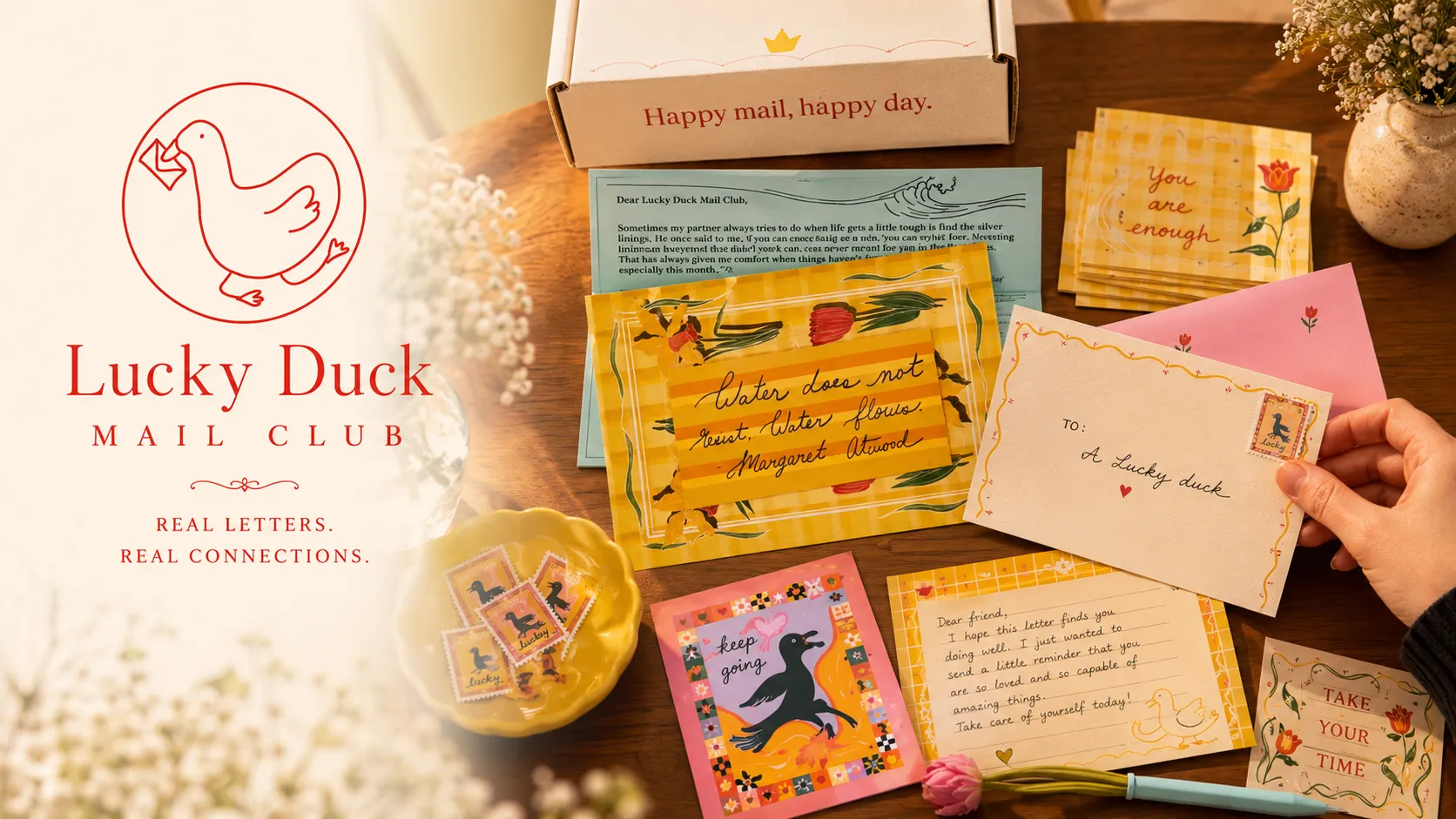
That broader shift increasingly gained visibility through stories surrounding creators such as Kiki Klassen, founder of Lucky Duck Mail Club, and Trinity Shiroma, creator of The Architecture Mail Club. Rather than building businesses around automation platforms or artificial intelligence tools, both reportedly built communities around mailed experiences involving handwritten letters, curated art and carefully designed physical packages. According to published reports, Lucky Duck Mail Club charges subscribers roughly $8 per month while generating approximately $4,385 in monthly revenue, while Trinity Shiroma reportedly earned nearly $18,300 in profit from a single issue, alongside building substantial audiences across social platforms.
Viewed independently, paying for handwritten letters during the age of artificial intelligence may initially appear contradictory or even irrational. Viewed through a broader impact lens, however, another question increasingly appears more important: what happens when people begin paying not for speed and convenience but for experiences technology itself increasingly removed? Because beneath stories involving niche mail clubs and internet trends increasingly exists another conversation involving emotion, memory and the changing psychology of digital life itself.
Digital Abundance Increasingly Appears Creating Emotional Scarcity
Historically, communication frequently operated around natural limitations because interaction itself often followed structure and distance. Letters required patience, responses frequently required waiting and communication itself unfolded through rhythms impossible to accelerate. Physical systems naturally created pauses because people experienced interaction through time rather than continuous access. Waiting frequently appeared inconvenient at the time, yet anticipation itself often created stronger emotional distinction because communication carried visible effort and intention.

Digital systems eventually transformed that reality almost completely because information increasingly became immediate and permanently available. At first, unlimited access frequently felt liberating because people suddenly possessed extraordinary ability to connect instantly across locations and communities. Yet over time, another reality increasingly emerged beneath convenience itself. Messages increasingly became routine, interactions increasingly blended together and communication itself occasionally started feeling transactional because endless availability frequently reduced emotional distinction. When everything arrives immediately, individual moments frequently become more difficult to remember.
This distinction increasingly matters because human attention frequently behaves differently than technological systems often predict. Unlimited access frequently creates convenience, yet convenience itself does not automatically create attachment. Experiences frequently become memorable not simply because they arrive efficiently but because they interrupt ordinary routines. A handwritten envelope arriving unexpectedly frequently creates anticipation because physical objects increasingly feel uncommon inside highly digital environments. Perhaps that explains why younger audiences increasingly appear paying for experiences many previous generations once viewed as ordinary.
Gen Z Increasingly Appears Searching For Experiences That Feel Human Again
Part of the fascination surrounding this broader movement increasingly involves generational behavior itself. Historically, younger generations frequently became associated with technological adoption because digitally native audiences often appeared naturally aligned with faster systems and emerging platforms. Public assumptions frequently suggested people raised alongside smartphones and algorithms would continue preferring experiences built around acceleration because speed itself often appeared deeply integrated into everyday life.
Increasingly, however, Gen Z frequently appears responding differently. Younger audiences increasingly continue growing inside highly optimized environments where recommendation systems shape discovery, algorithms organize attention and platforms increasingly determine interaction patterns automatically. Artificial intelligence increasingly enters communication systems themselves while personalization increasingly becomes embedded within digital life. As a result, highly imperfect experiences occasionally begin feeling emotionally different precisely because they appear untouched by optimization and automation.
This broader transition increasingly matters because younger audiences frequently appear responding not simply to objects themselves but to what those objects represent emotionally. Handwritten communication increasingly appears valuable not because efficiency improves but because intentionality becomes visible. Imperfections increasingly feel memorable because imperfections signal human effort itself. The broader significance increasingly suggests many younger audiences increasingly continue searching for experiences reminding them that not everything meaningful requires speed.
The Rise Of Analog Living Increasingly Appears Becoming More Than A Passing Trend
Another important dimension emerging beneath this broader movement increasingly involves identity itself. Reports surrounding analog communities increasingly suggest substantial participation across digital platforms, with hundreds of thousands of posts appearing beneath categories involving analog living and slower lifestyle experiences. What initially looked like aesthetic preference increasingly resembles broader behavioral patterns involving routine, attention and emotional balance within highly connected environments.
Communities increasingly share journals, photographs, handwritten notes and slower rituals because these experiences frequently create visible contrast against everyday digital systems. People increasingly romanticize ordinary moments because ordinary moments themselves occasionally begin feeling rare. Physical experiences increasingly create stronger emotional distinction because daily life frequently unfolds through screens and notifications. As a result, analog living increasingly appears becoming less connected to rejecting technology and increasingly connected to restoring experiences technology occasionally displaced.
This transition increasingly matters because cultural behavior frequently changes once communities begin forming around shared emotional needs. Trends frequently expand when people recognize themselves inside broader movements involving belonging and identity. Analog experiences increasingly appear functioning not simply as hobbies but as responses to environments frequently designed around acceleration. The broader significance increasingly suggests people increasingly do not want less technology entirely; they increasingly want greater balance between efficiency and emotional presence.
The Bigger Story May Not Be About Letters At All

Perhaps that explains why this movement increasingly feels larger than one low-tech side hustle or creator business opportunity. Because beneath conversations involving handwritten subscriptions ultimately exists another reality involving human behavior itself. Technology frequently changes what becomes possible, yet people frequently continue searching for experiences creating emotional distinction and stronger memory. Systems frequently evolve rapidly, but emotional needs frequently change more slowly.
The larger impact story therefore may not simply involve Gen Z paying for handwritten letters or creators building successful mail clubs. Increasingly, it may involve recognizing that highly automated environments occasionally create unexpected demand for experiences feeling slower, less optimized and deeply human. Because perhaps the most surprising response to artificial intelligence may not involve rejecting technology entirely. Increasingly, it may involve rediscovering the things people once stopped making by hand.