What Initially Looked Like A Chance Career Decision Quietly Became A Bigger Story About Leadership, Visibility And Who Gets To Shape Entire Industries
For years, career success frequently followed a relatively familiar narrative. Professional journeys often appeared carefully planned because people frequently associated achievement with structured roadmaps, long-term strategies and highly intentional choices. Industries such as logistics particularly followed conventional assumptions because operational environments historically remained male-dominated and leadership pathways frequently appeared shaped around familiar structures. As a result, many professionals gradually entered workplaces believing career trajectories frequently emerged through planning, specialization and predictable progression.
Yet beneath that broader professional narrative, another reality frequently operated more quietly. Many meaningful careers often did not begin through perfectly designed strategies at all. They frequently emerged through unexpected opportunities, chance moments and decisions that initially appeared ordinary before gradually becoming transformational. Increasingly, some of the most significant leadership stories seem revealing that careers frequently evolve through adaptability as much as planning itself.
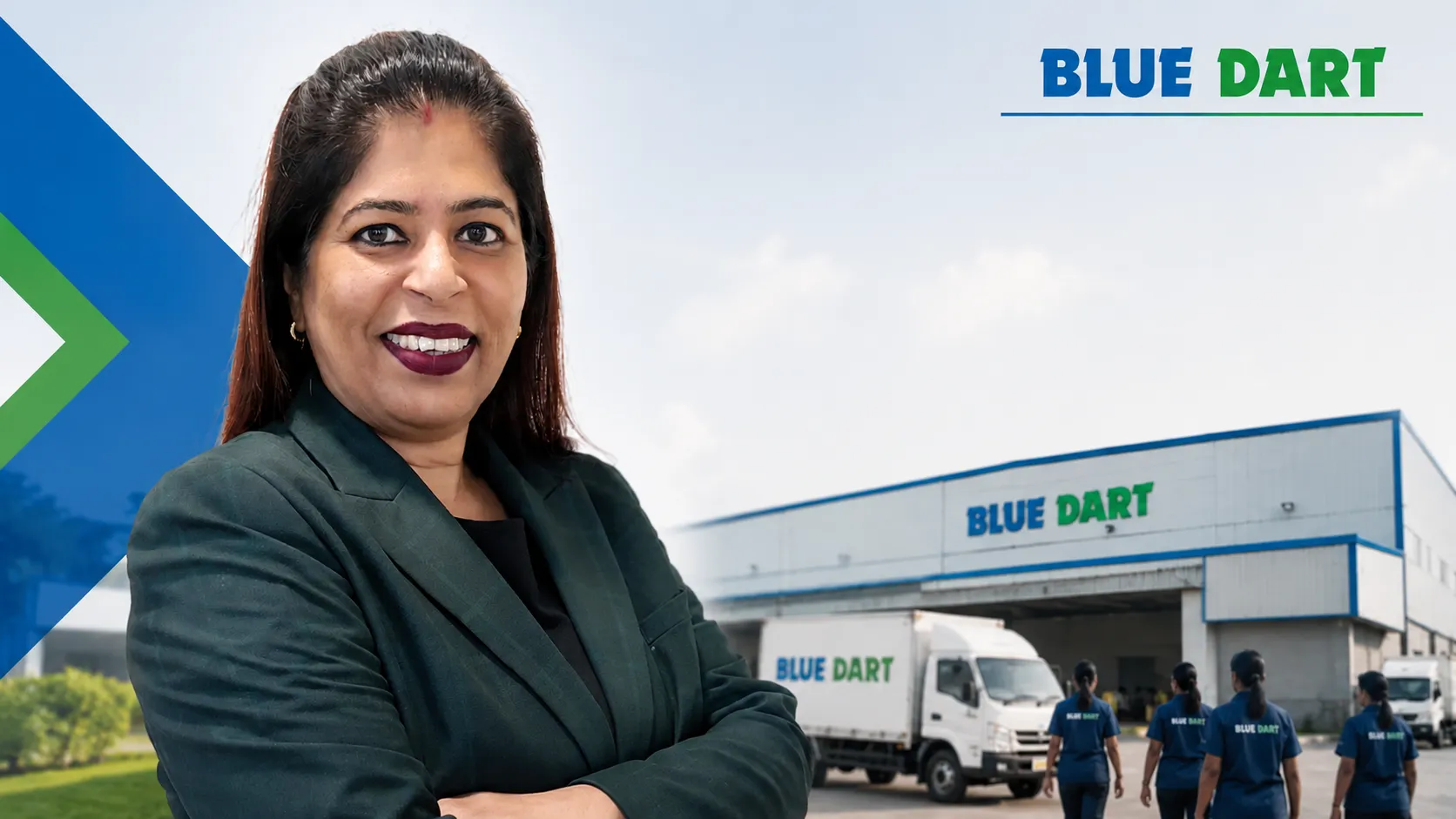
That broader idea increasingly became visible through the journey of Sonia Nair, a senior leader at Blue Dart, whose career reportedly began after responding to what initially appeared like a relatively ordinary newspaper advertisement. What began as an unplanned opportunity gradually evolved into a decades-long leadership journey inside one of India’s most recognizable logistics companies. Yet the larger significance increasingly extends beyond individual career progression because Nair increasingly became associated with initiatives involving women-led logistics environments and efforts helping expand participation within spaces historically shaped through very different assumptions.
Viewed independently, the story may initially appear like another leadership journey involving persistence and professional growth. Viewed through a broader impact lens, however, another question increasingly appears more significant: what happens when industries historically built around inherited assumptions begin changing from inside?
Logistics Historically Frequently Appeared Built Around Familiar Workforce Structures
Historically, logistics frequently operated through environments shaped by highly traditional workforce assumptions because operational industries often evolved around physical infrastructure, transportation systems and field-intensive structures. Warehouses, delivery ecosystems and supply-chain environments frequently developed cultures where leadership and workforce representation often reflected long-standing patterns rather than broader social change.
Over time, however, another transition increasingly began unfolding beneath operational industries themselves because workplaces increasingly started expanding ideas surrounding who participates and where leadership itself can emerge. Visibility increasingly matters because representation frequently changes assumptions before systems themselves fully evolve. This distinction increasingly becomes important because industries often inherit cultures slowly and transform them even more slowly.
The broader significance increasingly suggests workforce participation frequently extends beyond hiring itself. Participation increasingly influences culture, aspiration and what future employees eventually believe remains possible.
Leadership Increasingly Appears Expanding Beyond Conventional Definitions
Part of what makes Sonia Nair’s broader journey particularly significant increasingly involves changing assumptions surrounding leadership itself. Historically, professional environments frequently associated leadership with authority, hierarchy and visible organizational control because traditional systems often prioritized structure and command.
Increasingly, however, workplaces increasingly appear recognizing different dimensions involving empathy, long-term thinking and people-centered leadership because organizations frequently operate through collaboration rather than hierarchy alone. Broader conversations surrounding women leadership increasingly continue challenging assumptions involving what leadership itself looks like and where it develops.
This transition increasingly matters because institutions frequently evolve once qualities historically treated as secondary increasingly become central. Leadership frequently changes not simply when different people occupy positions but when different perspectives gradually reshape organizational environments themselves.
Women-Run Logistics Hubs Increasingly Appear Representing Something Larger Than Operations
Another important dimension emerging beneath this broader conversation increasingly involves visibility itself. Discussions surrounding women-run logistics hubs frequently extend beyond operational structures because symbols frequently influence industries as strongly as systems. Spaces historically viewed through highly gendered assumptions frequently begin changing once participation itself becomes visible.
Historically, professional environments frequently reinforced assumptions quietly because people often pursued careers they could already imagine themselves entering. Visibility frequently influences aspiration because individuals frequently recognize possibility through examples appearing in front of them.
This broader transition increasingly matters because representation frequently functions economically and socially at the same time. Workplaces frequently become stronger when broader participation creates broader perspectives. The significance increasingly extends beyond inclusion discussions because workforce diversity frequently changes problem-solving environments themselves.
The Bigger Story May Not Be About One Career Journey Alone
Perhaps that explains why Sonia Nair’s journey increasingly feels larger than one executive reaching leadership roles inside a logistics company. Because beneath conversations involving career progression ultimately exists another reality involving assumptions themselves. Historically, many industries frequently appeared fixed because professional structures often repeated familiar patterns over long periods.
Increasingly, however, different stories increasingly continue emerging beneath those systems. Careers frequently begin unexpectedly. Leadership frequently develops through experiences rather than plans. Entire industries frequently change gradually once people begin entering spaces earlier generations rarely imagined.
The larger impact story therefore may not simply involve an unplanned newspaper advertisement leading toward the C-suite. Increasingly, it may involve recognizing that institutions frequently change when individuals quietly redefine expectations from inside.


