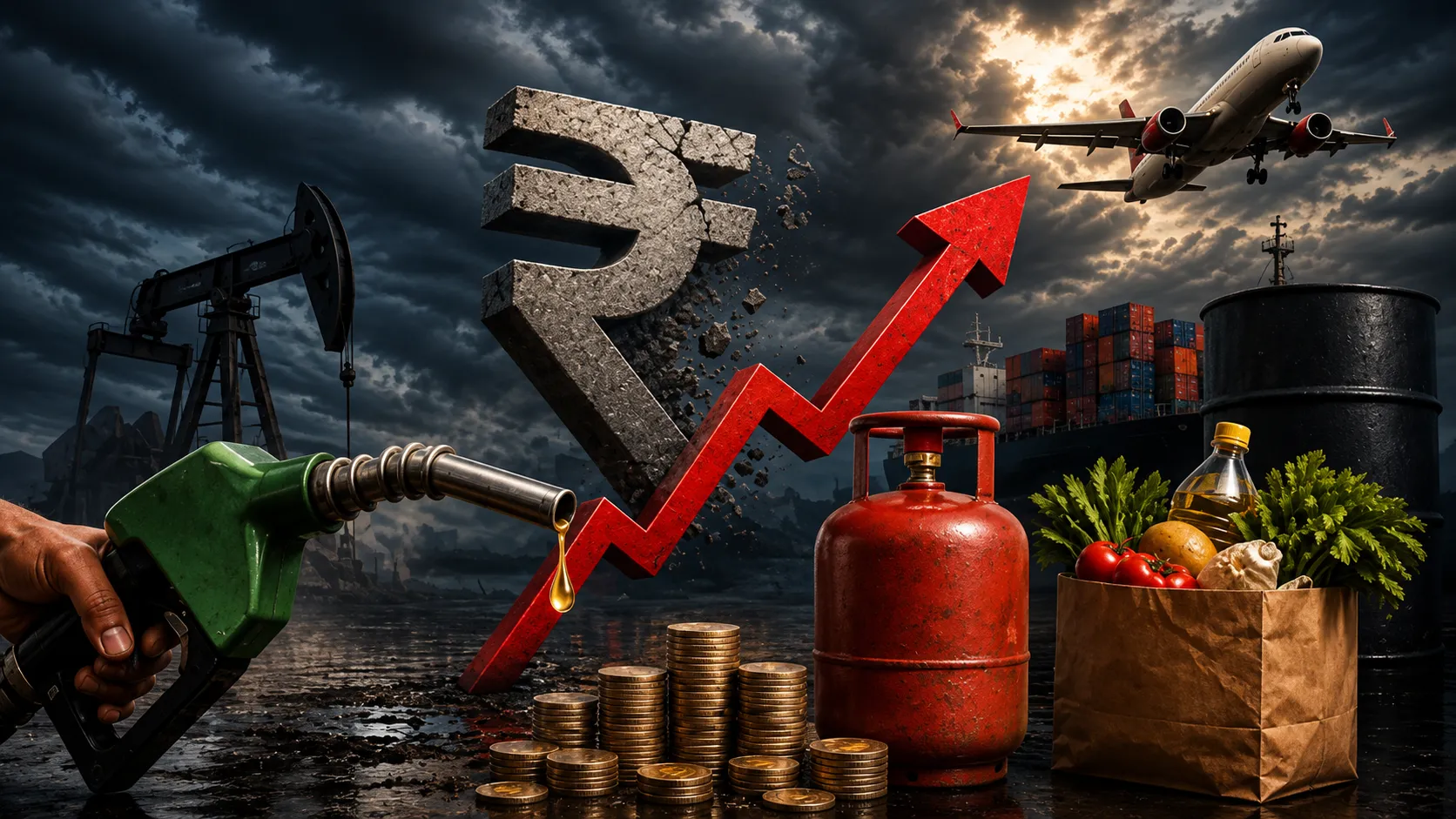
A recurring theme in market commentary this week has been the pressure that elevated global crude oil prices are placing on India's oil marketing companies (OMCs) — the state-run and private refining-and-retail giants like Indian Oil Corporation, Bharat Petroleum, and Hindustan Petroleum that sit at the critical intersection of global energy markets and India's domestic fuel pricing policy. Brokerage house Nomura's recent commentary flagging that elevated crude prices are negative for OMCs' marketing margins, while simultaneously positive for upstream oil and gas producers' realizations, captures a tension that sits at the heart of India's energy economy.
Understanding the OMC Business Model
OMCs typically operate across two broad functions: refining and marketing. The marketing segment's profitability — the "marketing margin" — is essentially the difference between the price at which OMCs sell fuel to consumers and the cost of the refined product itself, directly linked to crude oil input costs.
When global crude prices rise sharply, OMCs face a structural bind: input costs rise immediately, but the ability to pass those costs through to retail consumers is often constrained — sometimes by explicit government policy, particularly around politically sensitive periods or high inflation. This lag between rising input costs and the ability to raise output prices is precisely what compresses marketing margins.
The Geopolitical Backdrop
The current period of elevated crude prices is widely understood to be linked to ongoing geopolitical tensions disrupting global energy markets. For India — the world's third-largest oil consumer, importing roughly 85% or more of its crude oil needs — these global dynamics translate directly and rapidly into domestic economic consequences.
India has pursued a strategy of diversifying crude oil import sources, including increased discounted Russian crude purchases following the reconfiguration of global oil trade flows after sanctions were imposed on Russian energy exports. This diversification has provided some insulation against benchmark price spikes, though it has itself become a point of diplomatic friction in ongoing India-US trade negotiations.
Winners and Losers Within India's Energy Sector
Upstream producers — ONGC, Oil India Limited, and the upstream segment of integrated players like Reliance — benefit directly from higher crude prices, since they sell at prices linked to global benchmarks.
Refining and marketing companies (the OMCs) face the margin squeeze — higher input costs without proportional or immediate ability to raise retail prices.
City gas distribution companies face a related pressure: input costs (natural gas) rise, while the ability to pass through higher costs to retail CNG and piped gas consumers is constrained by competitive and regulatory considerations.
The Policy Tightrope
This dynamic places India's government in a persistent balancing act. Allowing OMCs to pass through higher costs protects profitability and reduces the fiscal burden of compensating them for under-recoveries. But allowing retail fuel prices to rise sharply carries direct inflationary consequences and political sensitivity, given how visible fuel price changes are to ordinary consumers.
What Investors and Consumers Should Watch
Key signals include government policy on fuel price deregulation, quarterly marketing margin trends disclosed by OMCs, movements in Brent-WTI-Russian crude discount spreads, and geopolitical developments in the Middle East and Russia-Ukraine context. For consumers, pump prices — currently relatively stable thanks to government price-smoothing — remain vulnerable to upward revision should crude price elevation persist.