WomenEntrepreneurship10 MIN READ

Meet Ankita Vashistha: The Venture Capitalist Quietly Proving That Women Founders Mean Business

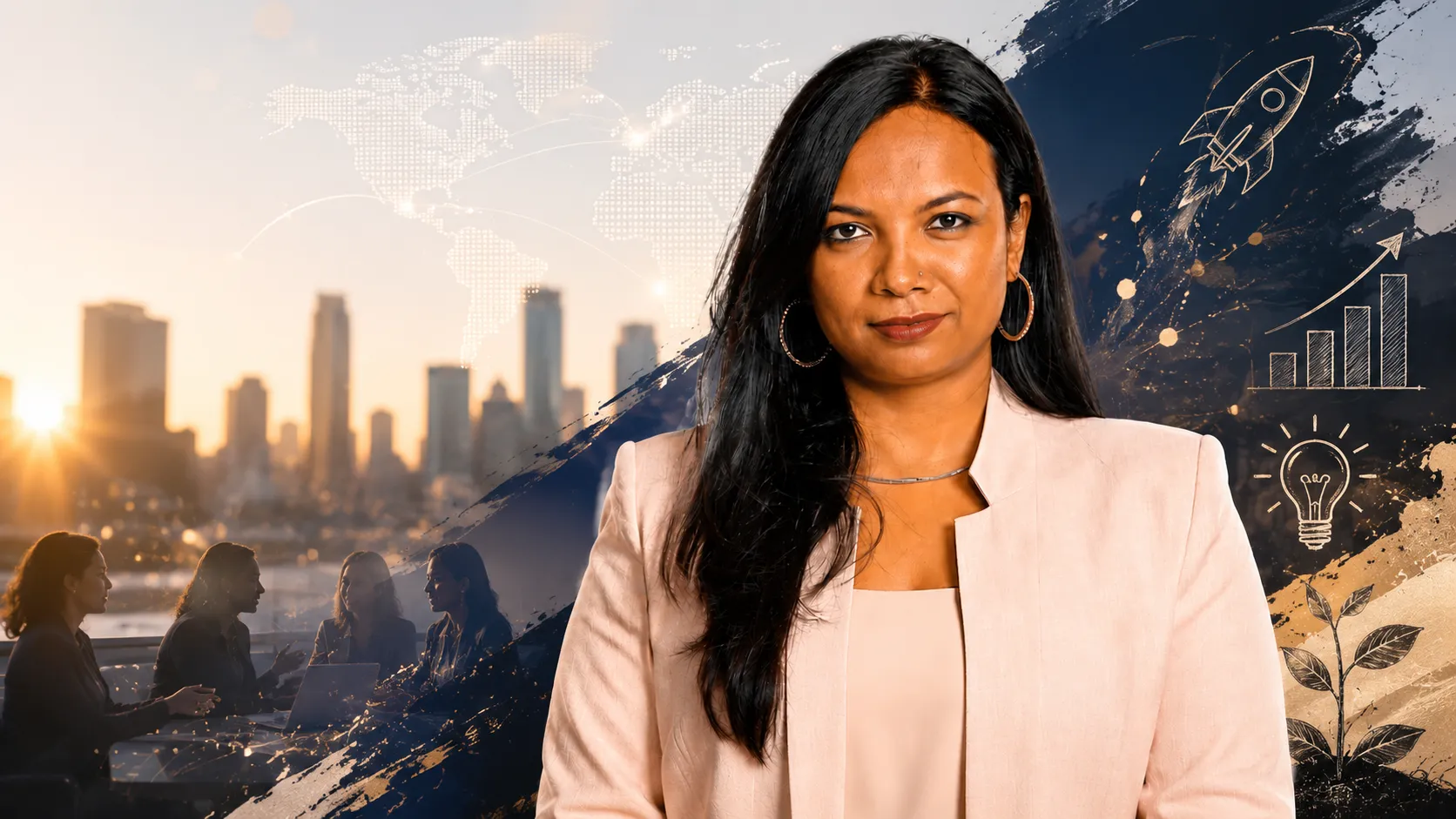
Ankita Vashistha’s work increasingly highlights broader conversations around women founders, startup funding and how venture ecosystems identify opportunity.

By Nisha Omkumar · Author24 May 2026New
Meet Ankita Vashistha: The Venture Capitalist Quietly Proving That Women Founders Mean Business

A Funding Ecosystem Once Built Around Familiar Networks Is Beginning To Face Different Questions About Who Gets Backed And Why

For years, startup ecosystems frequently followed a relatively familiar pattern. Venture capital often operated through highly concentrated circles because funding decisions frequently moved through networks, prior relationships and institutional familiarity. Investors frequently backed founders who looked similar to earlier success stories because pattern recognition often became one of the industry’s most commonly discussed decision-making tools. Startup environments frequently described themselves as merit-driven systems, yet access itself frequently depended upon introductions, visibility and proximity because opportunity often moved through circles already connected to one another. As a result, many entrepreneurs gradually entered fundraising environments where getting into the room occasionally appeared almost as important as what happened inside it.

Yet beneath that broader venture narrative, another transition increasingly appears unfolding. Across global startup ecosystems, conversations surrounding women founders increasingly continue shifting from representation discussions toward larger questions involving market opportunity and overlooked potential. Data across multiple ecosystems repeatedly continues showing that women-led businesses often receive disproportionately smaller portions of venture funding despite building meaningful companies and demonstrating strong operational outcomes. What initially looked like a diversity conversation increasingly resembles something larger involving how markets themselves recognize value.

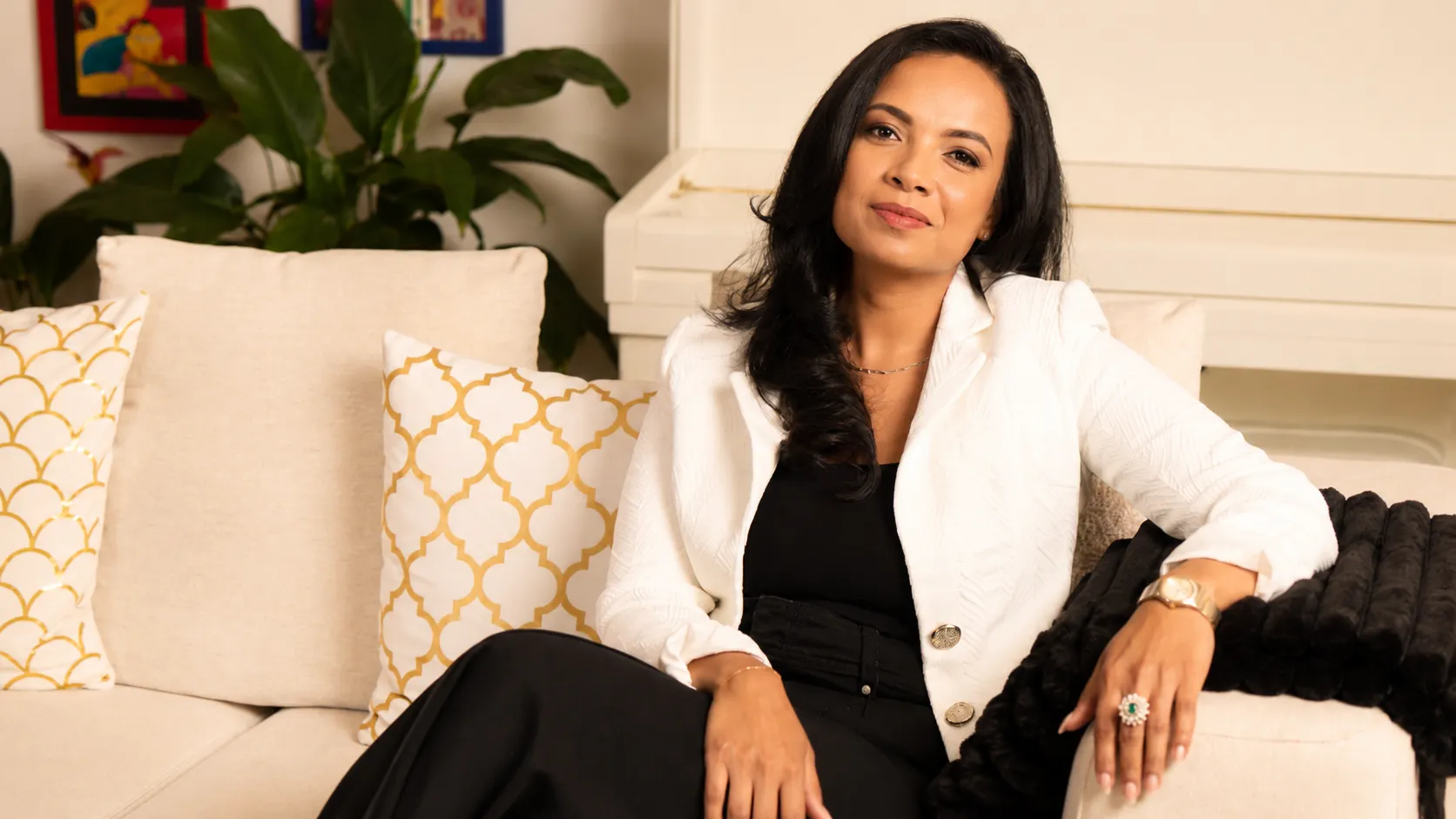
That broader reality increasingly became visible through the work and journey of Ankita Vashistha, a venture capitalist who has spent years advocating for women-led businesses while actively investing across entrepreneurial ecosystems. Vashistha, known through investment platforms and broader conversations surrounding gender representation in venture environments, increasingly became part of a larger movement questioning long-standing assumptions involving founders, capital and opportunity itself. Rather than treating women-led businesses as separate categories requiring symbolic support, her broader approach increasingly suggested something fundamentally different: women founders increasingly represent a serious and often under-recognized business opportunity.

Viewed independently, stories surrounding investors supporting women entrepreneurs may initially appear like another ecosystem diversity initiative. Viewed through a broader impact lens, however, another question increasingly appears more significant: what happens when venture capital itself begins realizing it may have repeatedly overlooked entire pools of opportunity?

Why Venture Capital Historically Frequently Followed Familiar Patterns

Historically, startup ecosystems frequently evolved through network-driven environments because trust often moved through relationships already established within entrepreneurial communities. Founders frequently received introductions through universities, former employers and prior startup networks because venture systems frequently operated through proximity itself. Investors often relied upon recognizable signals because familiarity frequently reduced uncertainty and created stronger confidence during decision-making processes.

Over time, however, those structures occasionally created unintended patterns because systems built around familiarity frequently reinforced themselves repeatedly. Founders already connected to influential environments frequently gained stronger access while entrepreneurs outside those ecosystems often encountered barriers before conversations even began. This distinction increasingly matters because startup opportunities frequently do not distribute themselves evenly through visibility. Talent frequently exists broadly while access frequently behaves differently.

The broader significance increasingly suggests many investment ecosystems historically may not simply have missed founders. They occasionally may have missed categories of insight, experiences and markets emerging from entirely different perspectives.

Women Founders Increasingly Appear Becoming A Market Story Rather Than A Representation Story

Part of what makes broader conversations surrounding women founders increasingly important involves changing assumptions regarding the discussion itself. Historically, representation frequently entered startup conversations through social frameworks because discussions often focused primarily around fairness and participation. These conversations certainly mattered, yet they occasionally remained separated from larger market discussions involving returns and business outcomes.

"Sometimes markets do not fail because opportunity is absent. They fail because attention repeatedly looks in familiar places."

Increasingly, however, broader conversations increasingly appear changing. Investors, operators and ecosystem participants increasingly continue examining whether underfunding women-led businesses may represent not simply an inclusion challenge but a market inefficiency. Multiple studies across global startup environments frequently suggest women-led businesses often demonstrate strong capital efficiency and disciplined operating structures despite receiving significantly smaller shares of venture allocation.

This transition increasingly matters because venture ecosystems ultimately operate around identifying overlooked opportunities. Markets frequently reward people discovering value before broader consensus arrives. The broader significance increasingly suggests conversations involving women founders increasingly appear moving away from symbolic narratives and increasingly toward broader discussions involving business itself.

Ankita Vashistha Increasingly Appears Challenging How Opportunity Gets Defined

Another important dimension emerging beneath Vashistha’s broader work increasingly involves changing assumptions surrounding who receives recognition inside startup ecosystems. Historically, entrepreneurial visibility frequently centered around founders because businesses often created public narratives focused on company builders and operators themselves. Investors frequently operated behind those stories despite playing substantial roles shaping ecosystems.

Increasingly, however, individuals working around capital itself increasingly appear influencing broader conversations involving access and representation. Investors frequently shape industries long before broader audiences notice because funding decisions often determine which ideas receive opportunity itself. This distinction increasingly matters because ecosystems frequently change not simply when founders evolve but when gatekeepers themselves begin asking different questions.

Vashistha increasingly appears representing this broader shift because her work repeatedly seems connected to expanding conversations involving where venture opportunities may exist. Rather than viewing women entrepreneurs through exceptional frameworks, the broader approach increasingly suggests normalizing something previously treated as unusual.

Why This Conversation Increasingly Matters Beyond Venture Capital Alone

Part of the significance surrounding stories like this increasingly involves recognizing how startup ecosystems influence broader economies themselves. Historically, venture capital frequently appeared like a highly specialized industry affecting relatively small groups of founders and investors. Yet startup ecosystems frequently create much wider consequences because businesses shape employment, products and emerging industries.Founders build companies.Companies create jobs.Jobs create mobility.Mobility creates broader participation.

ChatGPT Image May 24, 2026, 09_27_27 AM.png

This transition increasingly matters because decisions surrounding capital frequently extend beyond financial systems themselves. Opportunity frequently compounds once ecosystems create repeated access. The broader significance increasingly suggests representation conversations frequently become economic conversations over time.

The Bigger Story May Not Be About One Investor Alone

Perhaps that explains why Ankita Vashistha’s journey increasingly feels larger than one venture capitalist supporting women entrepreneurs. Because beneath conversations involving representation and startup funding ultimately exists another reality involving assumptions themselves. Historically, systems frequently continued repeating patterns because earlier frameworks frequently appeared sufficient.

Increasingly, however, ecosystems increasingly seem recognizing that some opportunities frequently remain invisible not because they lack value but because people repeatedly look in familiar places. Markets frequently reward discovery, yet discovery occasionally requires questioning where people have historically chosen to search.

The larger impact story therefore may not simply involve one investor repeatedly proving women founders mean business. Increasingly, it may involve recognizing that startup ecosystems frequently become strongest once opportunity itself begins expanding beyond inherited assumptions.

TagsAnkita VashisthaVenture CapitalWomen FoundersEntrepreneurshipStartup EcosystemWomen in BusinessLeadershipHuman StoriesFundingBusinessIndia StartupsInvestorsSocietyImpact in MotionInnovation

Reader reviews

Sign in to rate and review this article.
Loading reviews…

