What Started As A Few Viral Success Stories Is Slowly Turning Into A Bigger Story About Work, Risk And A Generation Rewriting Success
Not very long ago, career decisions in India followed a script most people understood almost instinctively. School led to college, college led to placements and placements gradually opened doors toward promotions, salaries and long-term stability. Families frequently viewed established professions as markers of security because predictability itself often carried emotional value. Engineering, consulting, medicine, finance and corporate roles represented more than occupations; they represented certainty. Success frequently felt measurable because people already knew what the next step looked like.
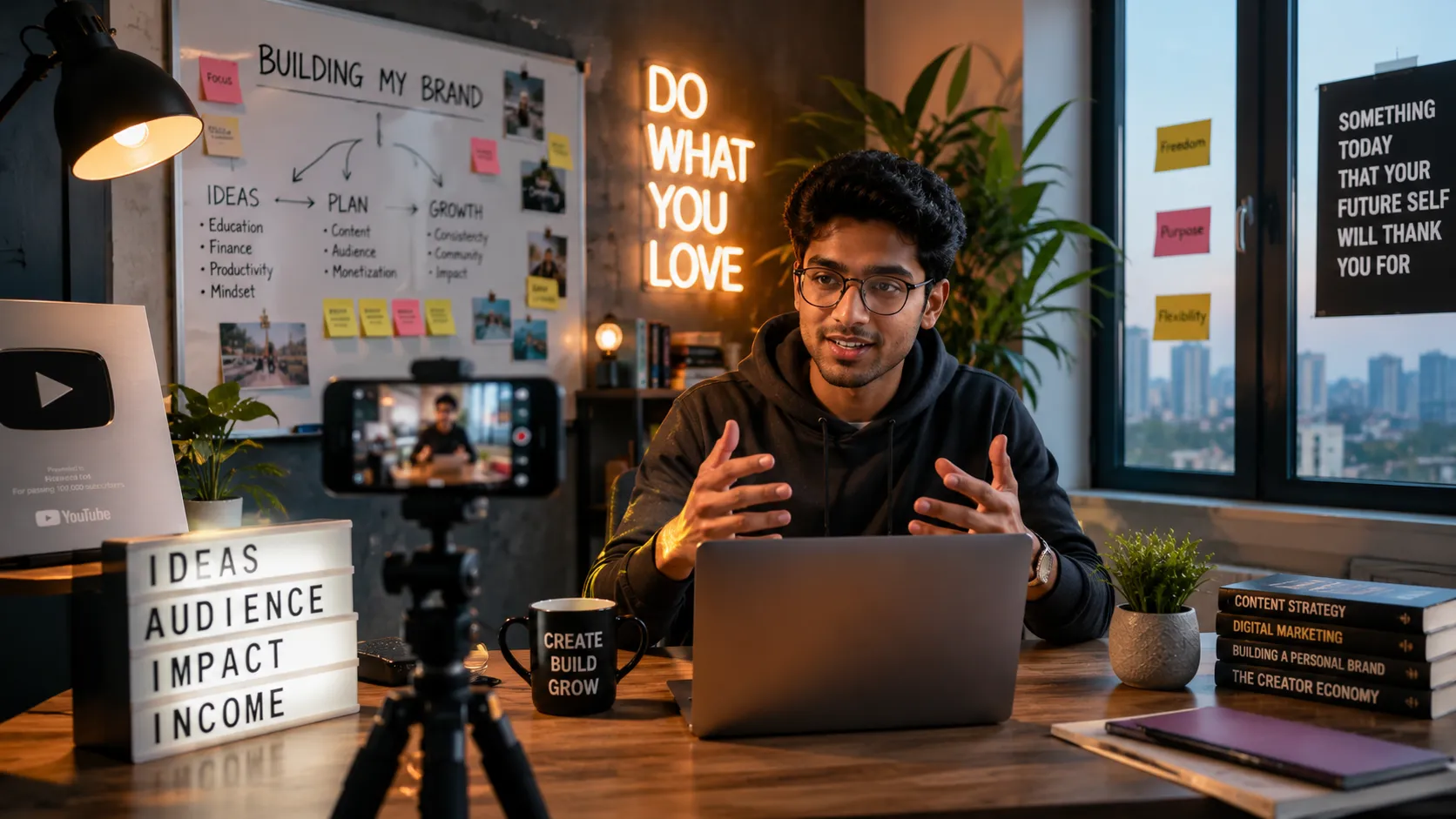
That certainty no longer appears carrying the same influence it once did. Across India, a growing number of young professionals are walking away from conventional career tracks and entering creator-led businesses built around content, audiences and digital communities. What initially looked like isolated stories involving YouTubers and influencers now feels much broader because creators are increasingly building media brands, educational businesses, consulting ecosystems and product companies. The shift no longer revolves around chasing virality. It increasingly revolves around building ownership.
The interesting part is that many of these journeys are not beginning with resignation letters. They often start quietly. A finance employee begins posting investment explainers after work. A designer shares tutorials during weekends. A doctor uploads health videos for a small online audience. Side projects gradually become communities, communities begin generating income and eventually people discover something surprising: audiences can become economic ecosystems. For many creators, entrepreneurship no longer begins with funding. It begins with consistency.
The internet changed one thing that traditional systems controlled for decades: distribution. Earlier generations frequently required institutions to create visibility because access depended heavily on publishers, television networks, large organizations or existing gatekeepers. Today a person with expertise, a camera and persistence can reach millions directly. The most meaningful shift may not be technology itself. The real shift involves who now controls access to attention.
This changes professional imagination in ways people rarely discuss. For years, many young Indians only saw a handful of visible definitions of success around them. Parents worked in companies. Teachers worked in institutions. Entrepreneurs often appeared exceptional rather than ordinary. Today people open social platforms and see individuals building careers around teaching productivity, reviewing books, discussing markets or explaining science. Visibility itself changes aspiration because people frequently pursue pathways they can actually see.
Another force quietly shaping this movement is dissatisfaction with traditional work structures. Younger professionals entered employment during years shaped by layoffs, pandemic disruptions and changing expectations around work-life balance. Many discovered that long hours and recognizable job titles did not automatically create fulfillment. Stability itself started feeling more fragile than previous generations assumed. Once certainty weakens, people naturally begin questioning old assumptions.

Money is also entering this conversation differently than many people expected. Earlier creator ecosystems largely depended upon sponsorships and advertising partnerships. Today the model increasingly looks more sophisticated. Creators launch paid communities, digital products, newsletters, courses, memberships and consumer brands because audiences increasingly support people directly. Content itself often becomes the top layer while businesses quietly form underneath. The creator economy increasingly resembles entrepreneurship wearing casual clothing.
But perhaps the strongest force behind this shift involves control. Traditional careers frequently ask individuals to fit themselves inside existing structures because organizations operate through predefined systems and expectations. Creator-led businesses reverse that relationship entirely. Individuals build around interests, expertise and identity because work increasingly adapts around people rather than people adapting around work. That distinction feels subtle but carries enormous emotional weight.
Of course, this path remains far from effortless. Social media frequently creates illusions of overnight success because audiences mostly see outcomes rather than systems. Behind successful creator businesses sit editing schedules, product planning, community management, audience research and operational work that often resembles running startups more than internet hobbies. Visibility occasionally creates glamour. Sustainability usually requires discipline.
Perhaps that explains why this story feels larger than social platforms or digital careers. Because beneath conversations involving creators ultimately exists another reality involving generational behavior itself. Young Indians increasingly do not appear asking only What job should I do? They increasingly appear asking What kind of life do I want work to create?
That may ultimately become the real story. Not that people are leaving careers. But that careers themselves may be changing shape.