StartupsTrending9 MIN READ

boAt, Lenskart, Mamaearth: India's Top 10 D2C Brands of 2026 and the Playbook They Are Writing for the World

India's D2C market has reached $108.76 billion. boAt, Lenskart, Mamaearth, Noise, Wakefit, and others have built genuine category leadership in one of the world's most demanding consumer markets. A definitive breakdown of what makes these brands exceptional and what every Global Indian builder can learn.

By Revathy Pandian · Author12 June 2026Analysis
boAt, Lenskart, Mamaearth: India's Top 10 D2C Brands of 2026 and the Playbook They Are Writing for the World

If you want to understand what the world's best consumer brand building looks like in 2026, do not look only to Silicon Valley or Shanghai. Look to a generation of Indian direct-to-consumer brands that have built genuine category leadership in one of the world's most price-sensitive, quality-demanding, and rapidly evolving consumer markets on earth. India's D2C sector has reached $108.76 billion in market size, and the brands at the top of this market have earned their positions through product quality, supply chain discipline, omnichannel execution, and a depth of consumer understanding that is genuinely world-class.
image.png

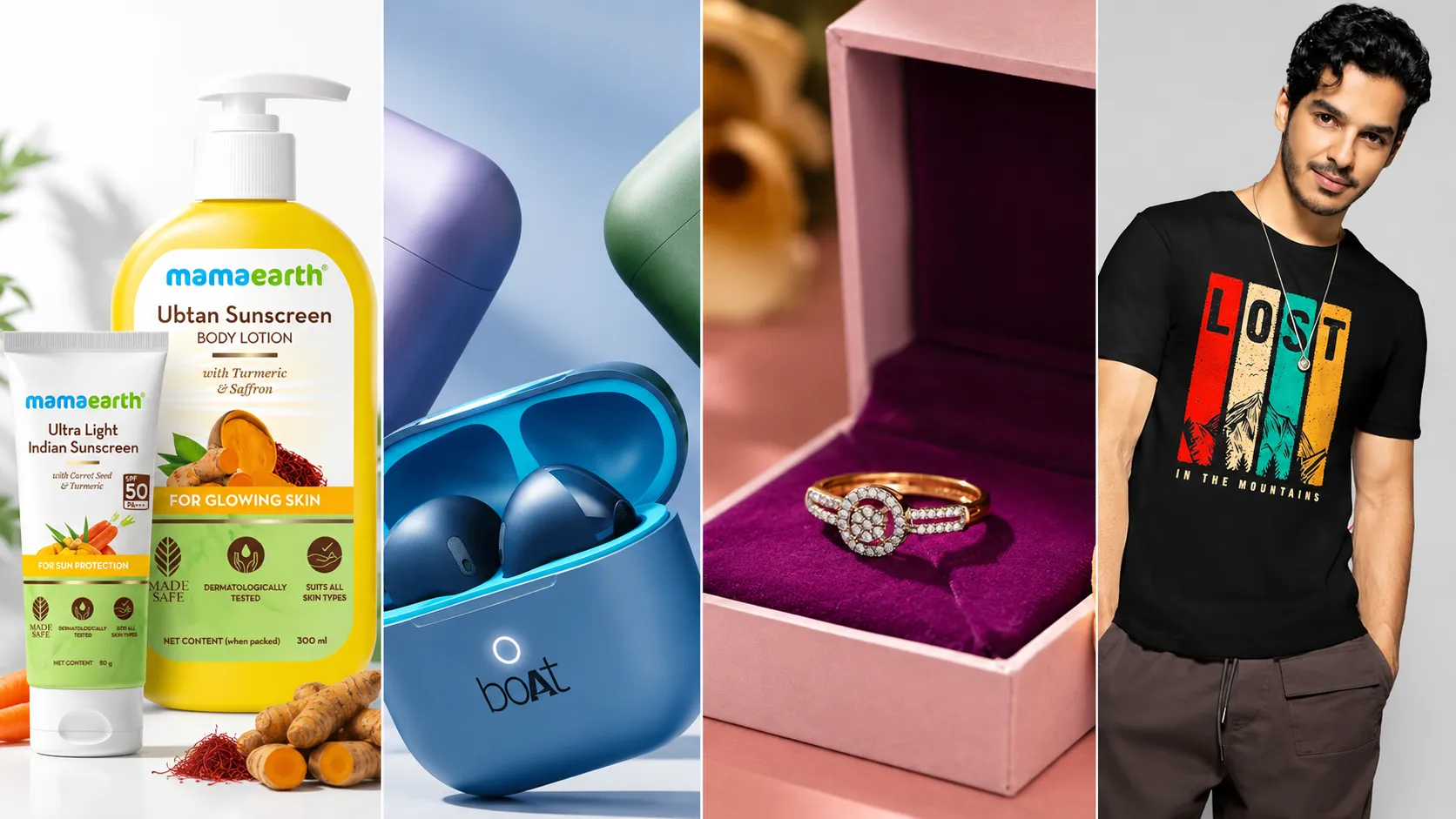
boAt — founded in 2016 by Aman Gupta and Sameer Mehta — has achieved something that no Indian consumer electronics brand accomplished before it: genuine category leadership in affordable audio wearables, sustained across multiple product generations, at a scale that gives it legitimate unicorn status with a valuation of $1.32 billion. boAt recognised that millions of young Indians wanted stylish, functional audio products at price points far below Apple and Sony, and built a product development and supply chain engine capable of delivering that combination at national scale. By 2026, boAt is a full consumer electronics brand with smartwatches, wireless earbuds, speakers, and accessories, with deep offline distribution across India. The brand recorded Rs 3,097 crore in revenues in its most recent fiscal.

Lenskart's story is the most architecturally sophisticated of the group. In a category — eyewear — almost entirely offline and relationship-driven, Lenskart built AI-powered eye tests, home try-on services, virtual fitting tools, and doorstep delivery, then combined them with a physical retail footprint spanning hundreds of stores across India, the UAE, Singapore, and Japan. SEBI cleared Lenskart's IPO plans — it is preparing to raise Rs 2,150 crore from public markets with backing from SoftBank, Temasek, Fidelity, Abu Dhabi Investment Authority, and KKR. The eyewear giant has raised over $1 billion in total funding, demonstrating consistent investor confidence throughout its journey.
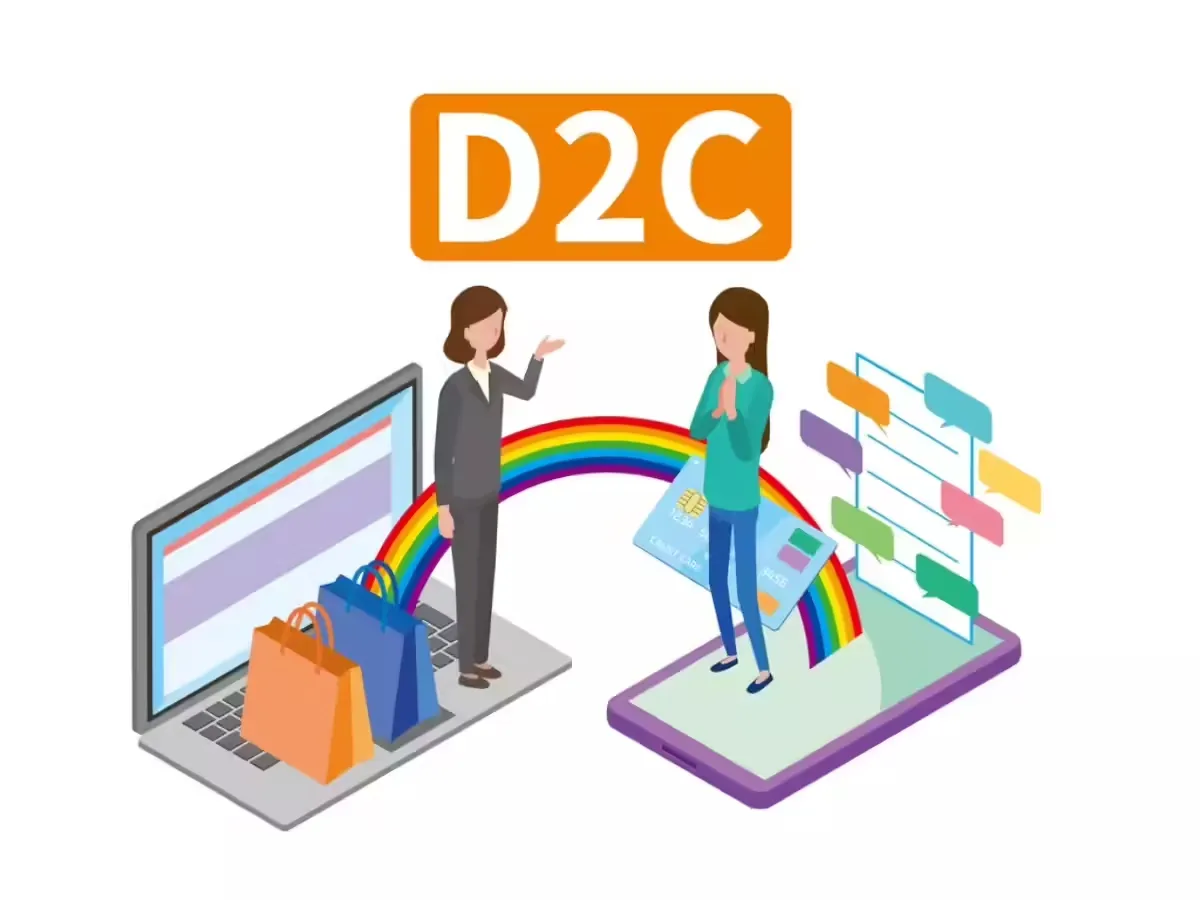
The best Indian D2C brands of 2026 no longer rely only on Instagram ads and discounts. They focus on product quality, supply chain control, offline expansion, and building long-term customer trust.
Mintly, Top 10 D2C Brands in India in 2026

Mamaearth, co-founded by Varun and Ghazal Alagh, built category leadership on a single powerful insight: Indian parents wanted toxin-free, natural personal care products, and no mainstream brand was providing them authentically. By 2026, the brand has expanded into a multi-category personal care company. Wakefit built consumer trust in a high-consideration category through education-first marketing. Noise mastered product development speed. WOW Skin Science built ingredient transparency as a global brand identity — now present across 40,000 retail touchpoints in India and expanded to 22 countries internationally.

image.png

The Minimalist represents the purest 'evidence-based brand' model: skincare formulations backed by peer-reviewed dermatology, ingredient concentrations listed precisely on every product, and pricing that democratises professional skincare to a student's budget. Country Delight eliminated the dairy supply chain entirely, connecting farms directly to consumers through daily subscription delivery. Sugar Cosmetics built bold, affordable makeup designed for real Indian skin tones. Each encodes a distinct lesson that travels globally.

image.png

The collective lesson of India's top D2C brands in 2026: the consumer brand-building playbook proven at scale in India is, with thoughtful adaptation, a playbook for the world. Category conviction, technology personalisation, radical positioning specificity, community-as-brand, consumer education, ingredient transparency — these are universal principles of brand building, proven by Global Indians in one of the world's most demanding consumer markets. The next great global consumer brands may well be built in India, by Indians, for a world that is just discovering what Indian entrepreneurs already know.

TagsboAtLenskartMamaearthD2C Brands 2026NoiseWakefitIndia Consumer BrandsD2C MarketGlobal IndianBrand Building

Reader reviews

Sign in to rate and review this article.
Loading reviews…


