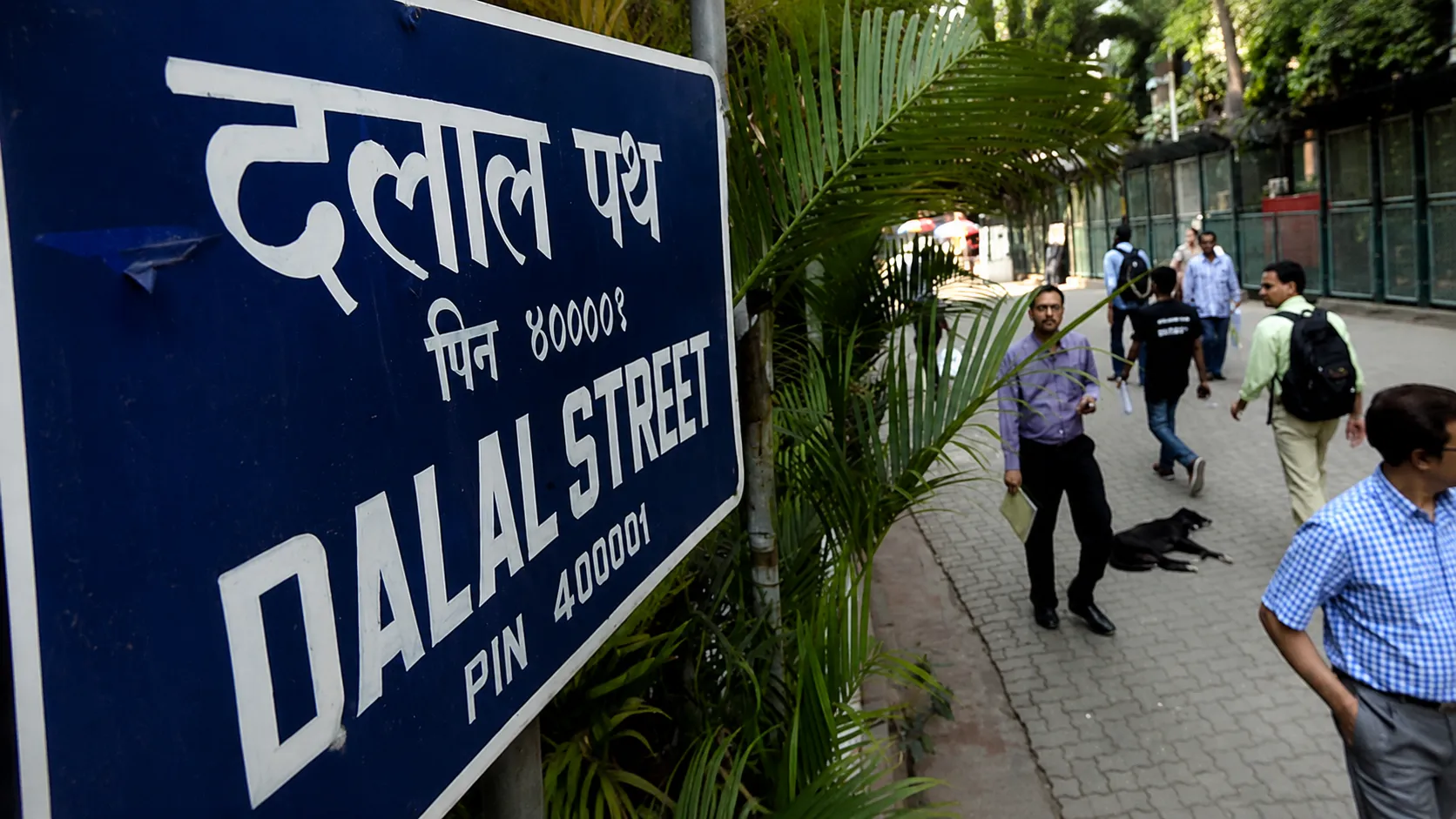
Mumbai's trading floors opened this week to a familiar but increasingly uncomfortable sight: red across the board, for the fifth consecutive session. The BSE Sensex settled at 76,059.77 points on Friday, down 331.62 points, while the NSE Nifty 50 closed at 23,767.45, shedding 102.15 points. On the surface, a 0.43 per cent daily decline looks unremarkable. Strung together over five sessions, however, it represents the benchmark indices' worst run in more than a month, and it has forced traders, fund managers and retail investors alike to ask the same question: what exactly is going wrong, and how long will it last?
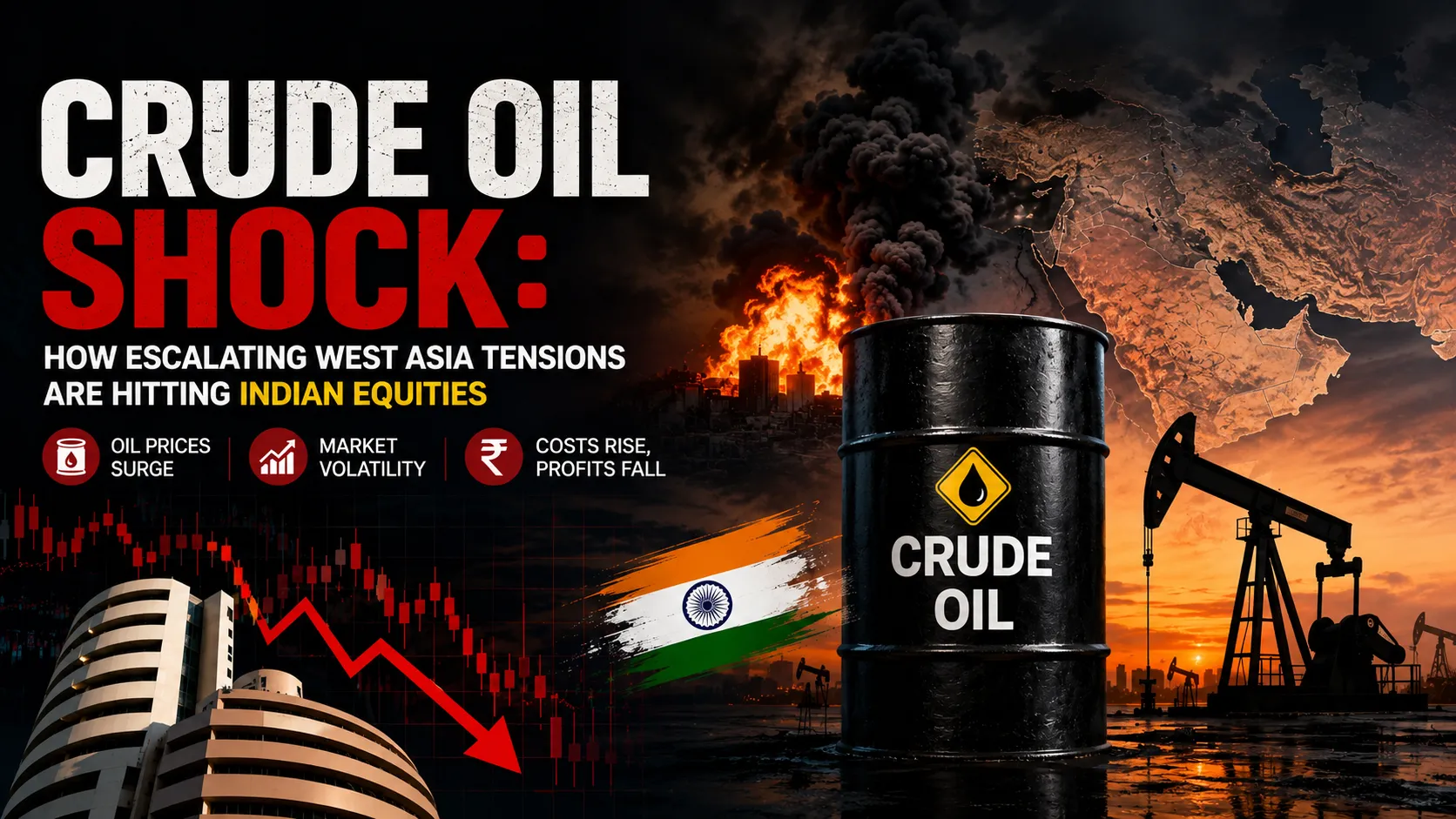
The answer, as is so often the case in financial markets, is not a single villain but a convergence of pressures that have arrived almost simultaneously. Three forces stand out. The first is a sharp and destabilising rise in global crude oil prices, driven by escalating military tension between the United States and Iran that has rattled shipping lanes in the Persian Gulf and the Red Sea. The second is a rupee that has drifted toward record lows against the US dollar, squeezed by the same energy price shock and by foreign investors trimming their exposure to Indian assets. And the third is a domestic one: a clutch of disappointing quarterly earnings from some of India's largest private lenders, which has punctured sentiment in the banking sector at precisely the moment the broader market needed good news, not bad.
THE OIL SHOCK AT THE CENTRE OF IT ALL
For an economy that imports the overwhelming majority of its crude oil requirements, few external variables matter as much to Indian markets as the price of a barrel of Brent crude. Over the past several sessions, benchmark crude has pushed past the symbolically important $100-a-barrel mark, a level not breached in a meaningful, sustained way for a considerable stretch. The proximate trigger has been a fresh round of hostilities between the United States and Iran, with strikes reported in the Gulf region and around the Red Sea corridor that carries a substantial share of the world's seaborne energy trade.
For India, this is not an abstract geopolitical footnote. It is a direct hit to the country's import bill, its current account arithmetic and, ultimately, to inflation expectations that the Reserve Bank of India has worked hard to keep anchored. Every sustained dollar increase in the price of crude adds meaningfully to India's oil import expenditure, given that the country sources roughly four-fifths of its crude needs from overseas. When oil prices rise this quickly, refiners and oil marketing companies face margin pressure in the near term, transport and logistics costs across the economy tick upward, and the market begins to price in the risk that retail fuel prices — and by extension, headline inflation — could follow.
Equity markets tend to move faster than the real economy in absorbing this kind of shock. Traders do not wait for the actual inflation print or the actual current account data; they reprice risk immediately, selling into strength and demanding a higher risk premium for holding Indian equities until there is more clarity on how long the oil spike will last and how the central bank might respond. That is precisely what has been unfolding over the past week, with import-sensitive and rate-sensitive sectors bearing the brunt of the selling.
THE RUPEE UNDER PRESSURE
The second leg of this story is the Indian rupee, which has been trading close to record lows against the US dollar. Currency weakness and oil price strength are, in this instance, two sides of the same coin. As crude becomes more expensive, India's oil-importing companies need to buy more dollars to pay for the same volume of crude, which increases dollar demand in the domestic foreign exchange market and puts downward pressure on the rupee. A weaker rupee, in turn, makes imported crude even more expensive in rupee terms, creating a feedback loop that is difficult to break without either a reversal in oil prices or active intervention.
There is a second dynamic at play too. Foreign portfolio investors, who had been relatively constructive on Indian equities through parts of the year, have turned cautious, paring back exposure to Indian assets as the macroeconomic backdrop has deteriorated. When foreign investors sell Indian shares and repatriate the proceeds, they sell rupees and buy dollars, adding further pressure on the currency. This creates a self-reinforcing cycle: a weaker rupee reduces the dollar returns that foreign investors earn on their Indian holdings even before local share prices move, which in turn makes Indian equities relatively less attractive compared to other emerging markets, prompting further outflows.
The Reserve Bank of India, for its part, has tools at its disposal to manage excessive currency volatility, including intervention through its foreign exchange reserves and adjustments to liquidity conditions. However, central banks are typically reluctant to fight a sustained, fundamentals-driven move — as opposed to short-term speculative volatility — because doing so can deplete reserves without changing the underlying trend. Market participants will be watching closely for any signals from the central bank in the days ahead, both on the currency and on its broader read of the inflation outlook given the oil shock.
BANKING EARNINGS ADD TO THE GLOOM
If the oil and currency story were the only headwinds, the market's reaction might have been more measured. What has compounded the selloff is a domestic and company-specific disappointment: quarterly results from some of the country's largest private sector banks have not matched what investors had priced in. Two of the most closely watched names in the banking space recorded steep weekly declines following their June-quarter results, reflecting concerns around credit growth, asset quality trends, and margin pressure in a higher-for-longer interest rate environment.
Banks occupy an outsized position in India's benchmark indices by weight, which means that a stumble in the financial sector has a disproportionate effect on the headline Sensex and Nifty numbers even when other pockets of the market are holding up reasonably well. When large-cap private lenders — typically viewed as bellwethers for the health of consumer and corporate credit demand — post results that fall short of expectations, it forces a broader reassessment of growth assumptions across the economy, not just within the banking sector itself.
Adding to the unease is that this is happening in the middle of the broader Q1 FY27 (April–June quarter) earnings season, when dozens of companies across sectors are reporting results in quick succession. In an environment where the macro backdrop is already fragile, markets have shown limited tolerance for earnings misses, punishing underperformers swiftly rather than giving them the benefit of the doubt that might have been extended in a more benign environment.
SECTORAL WINNERS AND LOSERS
Even within a week of overall losses, the market has not moved as a single, undifferentiated block. Information technology stocks, for instance, staged a partial recovery after their own sharp losses earlier in the month, benefiting from a mix of relatively resilient global demand commentary and a weaker rupee, which — perversely, from an exporter's standpoint — can be a modest tailwind for IT and other export-oriented sectors, since a larger share of their revenue is dollar-denominated. Select consumer and energy majors also managed to buck the broader trend on individual sessions, reflecting stock-specific factors rather than a change in overall market direction.
On the other side of the ledger, metals and mining stocks extended losses for multiple sessions, as concerns about global demand and commodity price volatility weighed on the sector. Non-banking financial companies and select auto names also featured among the laggards, reflecting worries about consumption demand and financing costs in a higher-rate environment.
This divergence matters because it tells a more nuanced story than "the market is down." It suggests that investors are actively discriminating between sectors based on their sensitivity to oil prices, currency movements and domestic credit conditions, rather than simply exiting Indian equities wholesale. That is generally regarded as a healthier pattern than an indiscriminate, panic-driven selloff, even if the headline numbers look similarly grim on any given day.
WHAT HAPPENS NEXT: THE VARIABLES TO WATCH
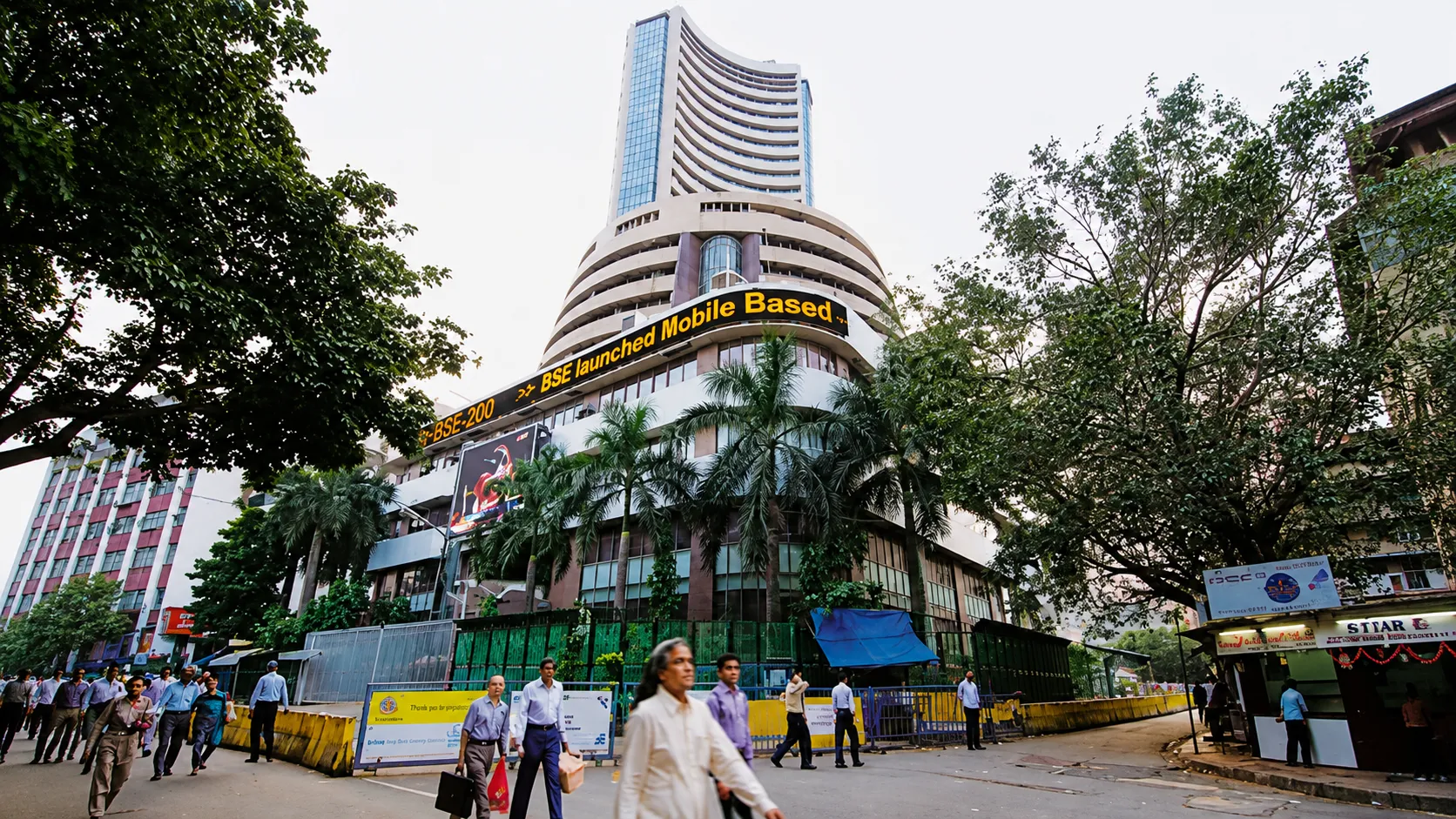
Looking ahead, several variables will determine whether this becomes a prolonged correction or a shorter-lived bout of volatility that resolves itself once the immediate triggers fade. The most obvious is the trajectory of crude oil prices themselves. Any sign of de-escalation in the underlying geopolitical tensions, or of supply reassurance from major producers, could quickly take some of the heat out of the oil-driven narrative that has dominated trading in recent sessions. Conversely, a further escalation would likely deepen the pressure on both the rupee and equity valuations.
The second variable is the pace and tone of the remaining Q1 FY27 earnings season. With a substantial number of companies still due to report results in the coming days and weeks, the market's reaction to each release will offer clues about whether the banking sector disappointment was an isolated case or the beginning of a broader trend of earnings downgrades across sectors.
Global cues will also matter. Equity markets do not operate in isolation, and Indian benchmarks will continue to take direction from the US Federal Reserve's policy stance, movements in US treasury yields, and the broader risk appetite of global investors toward emerging markets as an asset class. A period of stability or dovish signalling from major global central banks could provide some cushioning for Indian equities even if domestic pressures persist.
Finally, market participants will be watching the Reserve Bank of India closely for any commentary or action on the currency and on inflation expectations. Any indication that the central bank views the oil-driven inflation risk as transient, rather than persistent, could help calm nerves; conversely, hawkish commentary or a visible tightening bias could add to near-term volatility as the market recalibrates rate expectations.
THE VIEW FROM THE STREET
For retail investors who have grown accustomed to a largely upward trajectory in Indian equities over recent years, a five-session losing streak understandably raises anxiety. Financial advisors, however, have generally cautioned against reactive decision-making in response to short-term volatility driven by identifiable, largely external shocks rather than a structural deterioration in India's growth story. The country's medium-term growth narrative — anchored in domestic consumption, infrastructure investment, and a expanding services and technology export base — remains intact even as near-term sentiment sours.
That said, the confluence of an oil shock, currency weakness and earnings disappointment is precisely the kind of environment in which markets tend to become more volatile and less forgiving of missteps, whether at the company level or the policy level. Investors would do well to distinguish between short-term, sentiment-driven price action and the underlying fundamentals of the businesses and the economy they are invested in — while also recognising that markets can remain under pressure for longer than seems rational in the moment.
As the week progresses, all eyes will remain on three dashboards simultaneously: the crude oil ticker, the rupee-dollar exchange rate, and the drip-feed of corporate earnings. Whichever of these three moves first — and in which direction — is likely to set the tone for whether Dalal Street's five-day slide becomes a footnote in an otherwise resilient year, or the opening chapter of a longer and more uncomfortable correction.
LESSONS FROM PAST OIL-DRIVEN CORRECTIONS
This is not the first time Indian markets have had to navigate an externally driven oil shock, and history offers some useful, if imperfect, guidance. In previous episodes where geopolitical flare-ups in the Middle East pushed crude prices sharply higher, Indian equities typically underwent a period of sharp, concentrated selling followed by a gradual stabilisation once the initial uncertainty gave way to clearer information about the durability of the supply disruption. Markets, in other words, tend to overreact to the unknown and correct that overreaction once the picture becomes less murky.
What distinguishes the current episode is the simultaneous presence of a domestic vulnerability — the earnings disappointment in banking — alongside the external oil shock. In past cycles, a resilient domestic earnings season often provided a cushion that limited the depth and duration of oil-driven corrections. This time, with two of the market's bellwether banks disappointing investors in the same window as the oil spike, that cushion has been thinner than usual, which helps explain why the drawdown, while still moderate in absolute terms, has felt sharper to market participants than the headline percentage figures might suggest.
Fund managers tracking the situation have also pointed to the importance of valuation starting points. Markets that enter a shock already trading at rich valuations tend to see deeper and more prolonged corrections than markets that were already reasonably valued, since there is less of a margin of safety to absorb bad news. Where Indian equities stood on that spectrum heading into this oil shock will likely be debated extensively in research notes over the coming days, as analysts try to gauge how much further the correction could extend before value-conscious buyers step back in.

WHAT RETAIL INVESTORS SHOULD ACTUALLY DO
For the ordinary retail investor watching their portfolio value dip over five consecutive sessions, the temptation to act — to sell, to hedge aggressively, or to abandon systematic investment plans — is understandable but, according to most professional advisors, rarely the right response to externally driven, event-based volatility of this nature. Systematic Investment Plans, in particular, are designed to average out exactly this kind of short-term turbulence, and disrupting them in response to a five-day move risks locking in losses that a more patient approach would likely recover.
The more productive exercise for individual investors is to revisit portfolio composition through the lens of the specific risks now in play: oil-price sensitivity, currency exposure, and concentration in rate-sensitive financial stocks. Understanding how a portfolio is positioned against these three variables — rather than simply reacting to the index-level headline — offers a more constructive framework for decision-making than attempting to time an exit and a subsequent re-entry into a market whose next move remains genuinely uncertain even to professional forecasters.
Ultimately, the coming days will tell whether this becomes a textbook, short-lived correction that resolves once the oil and currency shocks stabilise, or something with more staying power. Either way, the episode is a timely reminder of just how tightly interwoven India's equity markets remain with global energy prices, currency dynamics, and the health of its banking system — three threads that, this week, have all pulled in the same uncomfortable direction at once.


