We Have Made an Art Form Out of Leaving Without Saying Goodbye
Before we talk about the film, let us talk about the world it arrives in.
We live in an era of read receipts — of messages delivered but never answered, of relationships that end not with a conversation but with a gradual cooling, a slow disappearance, a last seen that becomes the last thing. Ghosting has been normalised to the point where walking away without a word is considered a valid relationship exit strategy. We have retrofitted cowardice as self-protection, and we have taught ourselves that closure is something you create alone rather than something two people owe each other.
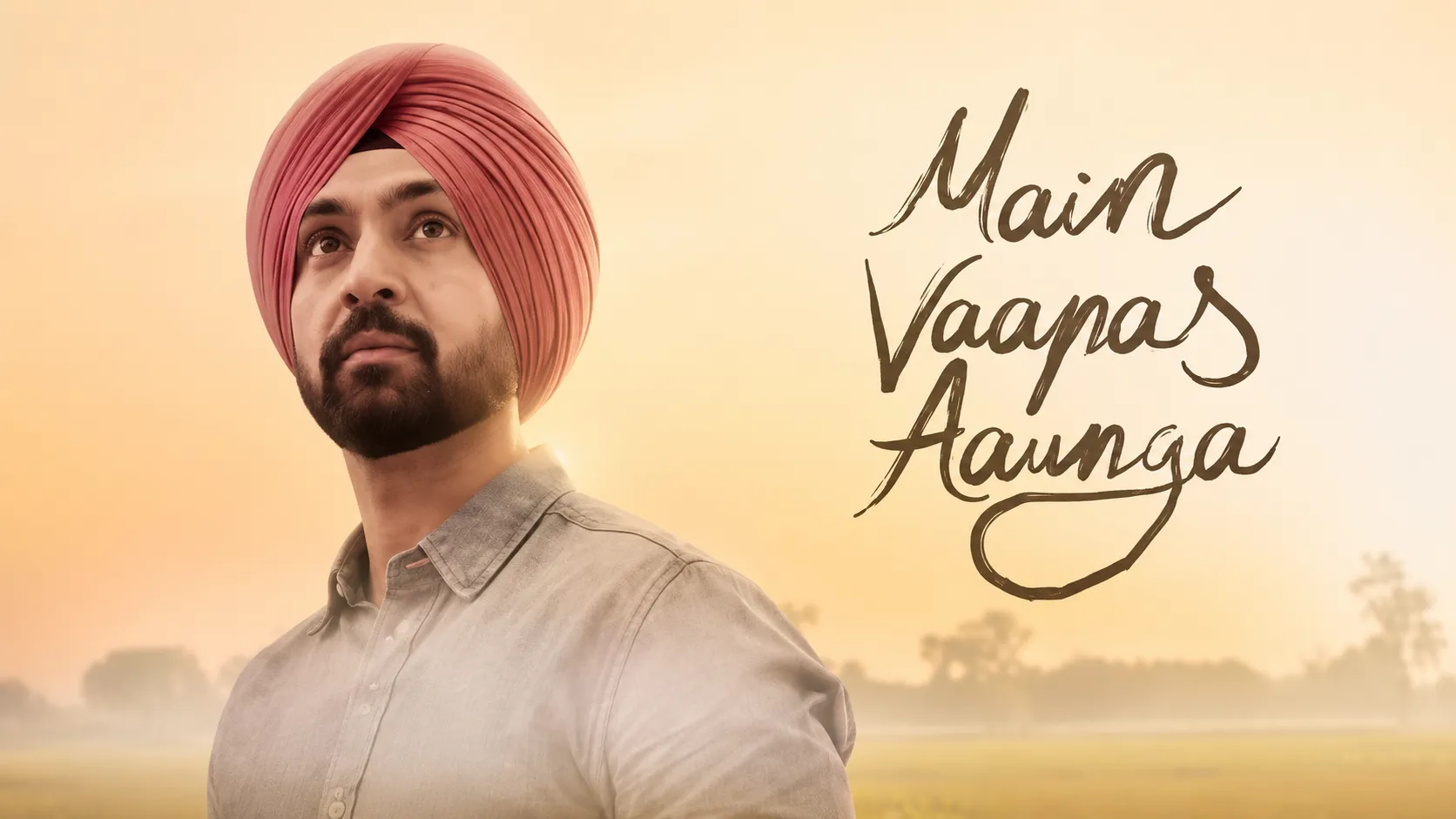
This is the world in which Imtiaz Ali has released Main Vaapas Aaunga.
The film is set around the 1947 Partition of India. Its central love story belongs to a different era, a different Punjab, a different kind of world. And yet it is the most precise thing made in recent memory about how we love — and how we leave — in 2026.
The title means: I will return. The tragedy at the heart of the film is that he could not. And the question the film asks, quietly but with devastating force, is: what does it mean for a love to end without consent? What does it do to a person — across a lifetime, across decades, across a border that was never there before and then suddenly was everywhere — when the ending was not chosen but imposed?
What the Film Is
Main Vaapas Aaunga, directed by Imtiaz Ali and written with Nayanika Mahtani, released on June 12, 2026. It is a period romantic drama starring Naseeruddin Shah, Diljit Dosanjh, Vedang Raina, Sharvari Wagh, and Rajat Kapoor, with music by AR Rahman and lyrics by Irshad Kamil. It runs 2 hours and 46 minutes and carries a UA16+ certificate.
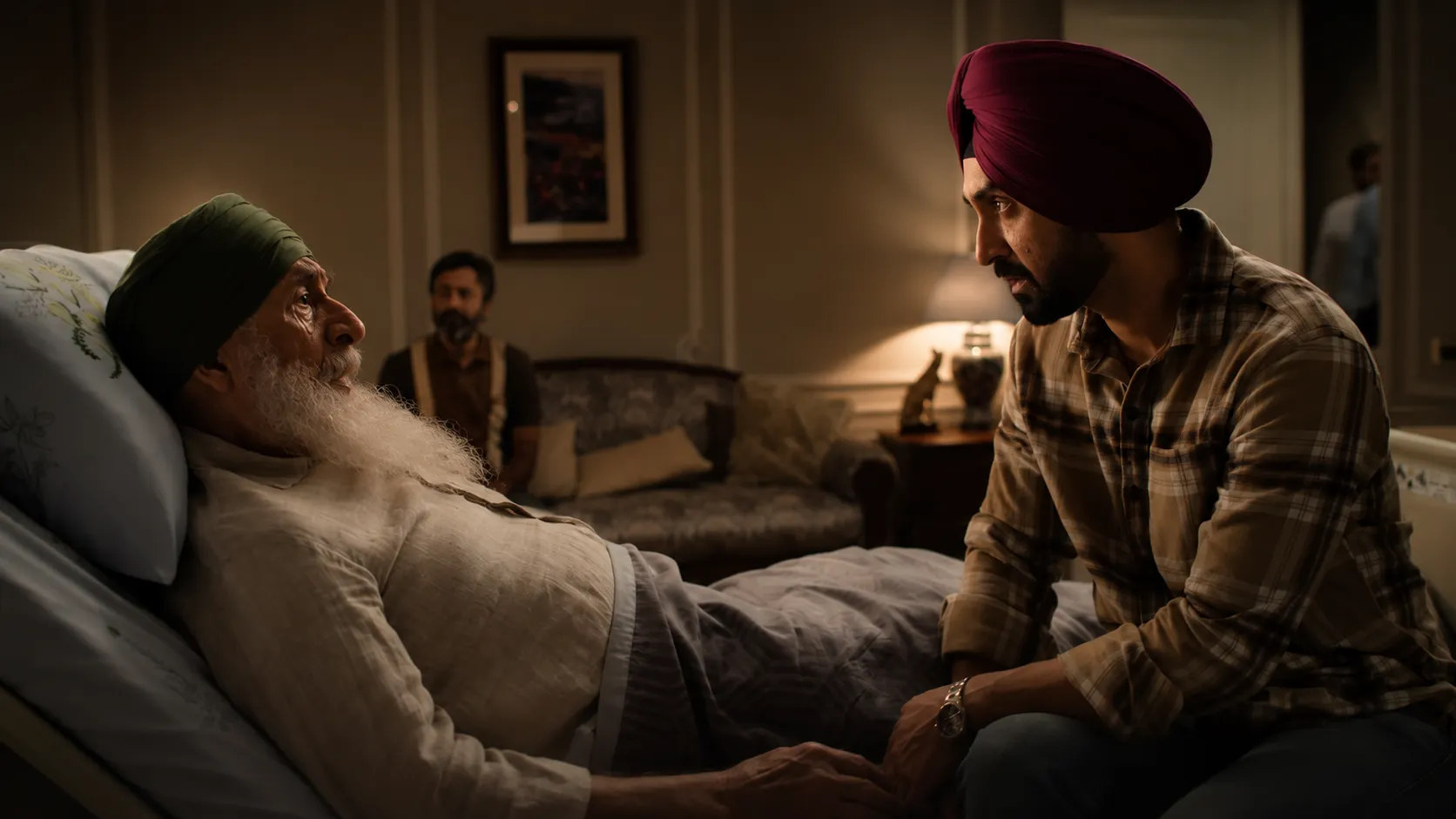
The film begins with a 95-year-old Sikh patriarch named Ishar Grewal, played by Naseeruddin Shah in what critics have already called one of the finest performances of his career. He lies on his deathbed, his mind slipping between reality and memory, muttering what his adult sons dismiss as the gibberish of dementia. His grandson Nirvair — played by Diljit Dosanjh as a London-based NRI who rushes to his bedside — is the only one willing to listen. He is the only one who understands that every orphaned word the old man speaks is a souvenir of something real, that every shadow is a ghost of the light he once saw.
What the old man is remembering is not his 78 years of life in India. It is his first 17 years — the years he lived before Partition, in what is now Pakistan. It is a girl named Afsana. It is a love that was never finished because history intervened before the two people involved could choose their own ending.
The film moves between two timelines. In the past, Vedang Raina plays the young Keenu — Ishar as a young man — falling into a love with Afsana (Sharvari Wagh) that is tender, urgent, and achingly ordinary in the way that real first loves are. They meet in college, exchange glances, share poetry that is mediocre and earnest in equal measure, make plans that assume a future. Around them, the world is beginning to fracture along lines that they do not yet understand will separate them absolutely. They are two people who have no reason to believe the world would not allow them their happiness — and that particular brightness, of people who do not yet know what is coming, makes their eventual separation land with tremendous force.
In the present, Diljit's Nirvair has his own relationship with Banita Sandhu's Kaveri — a modern, commitment-phobic dynamic that stands in deliberate and uncomfortable contrast to the love story he is trying to excavate from his grandfather's fading memory. He is, without entirely knowing it, the film's mirror for the audience: a young person who walks away from things without finishing them, trying to understand a man who spent 78 years unable to finish something that was taken from him before he had the chance.
Naseeruddin Shah: The Whole Film Lives in His Eyes
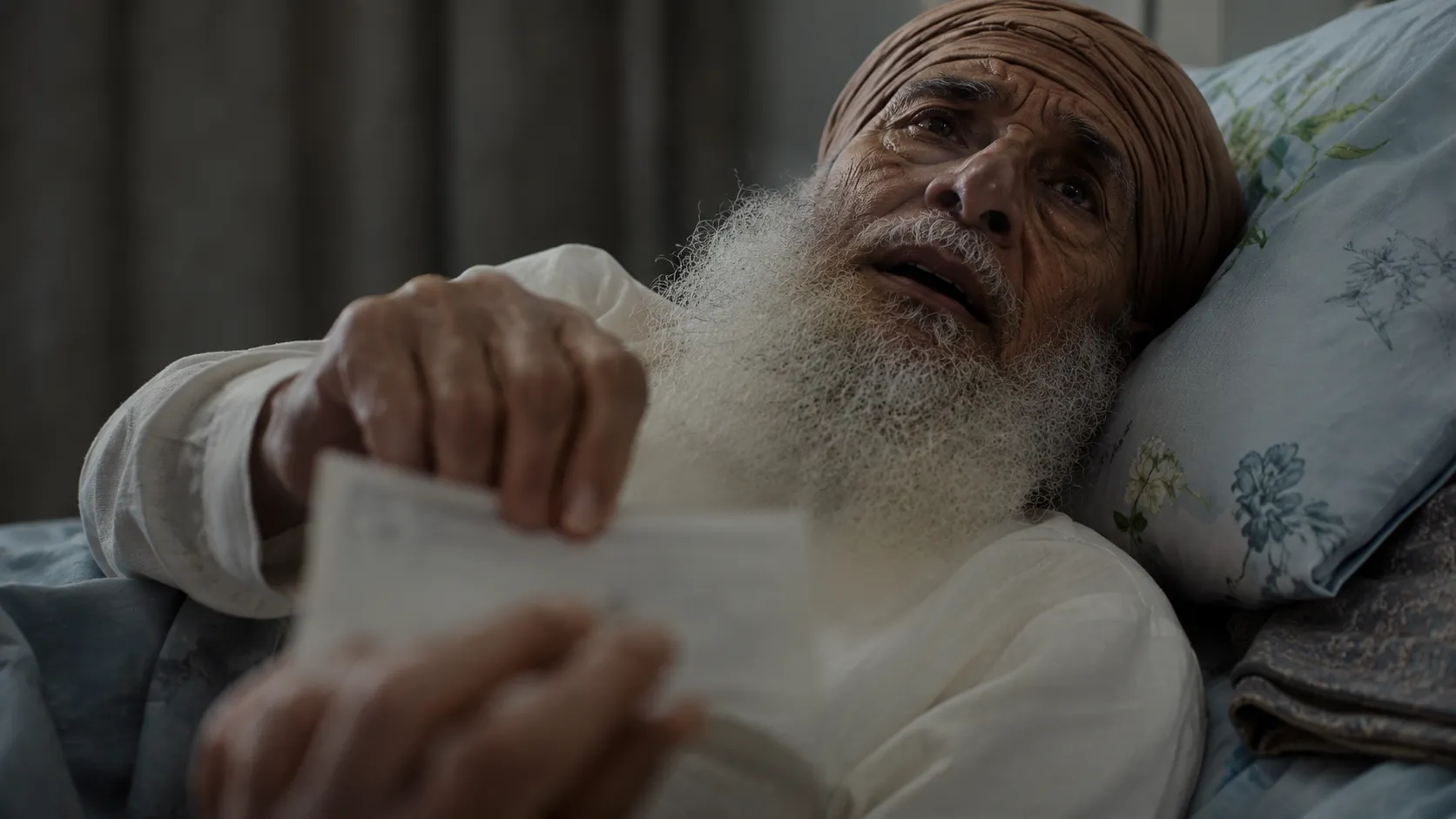
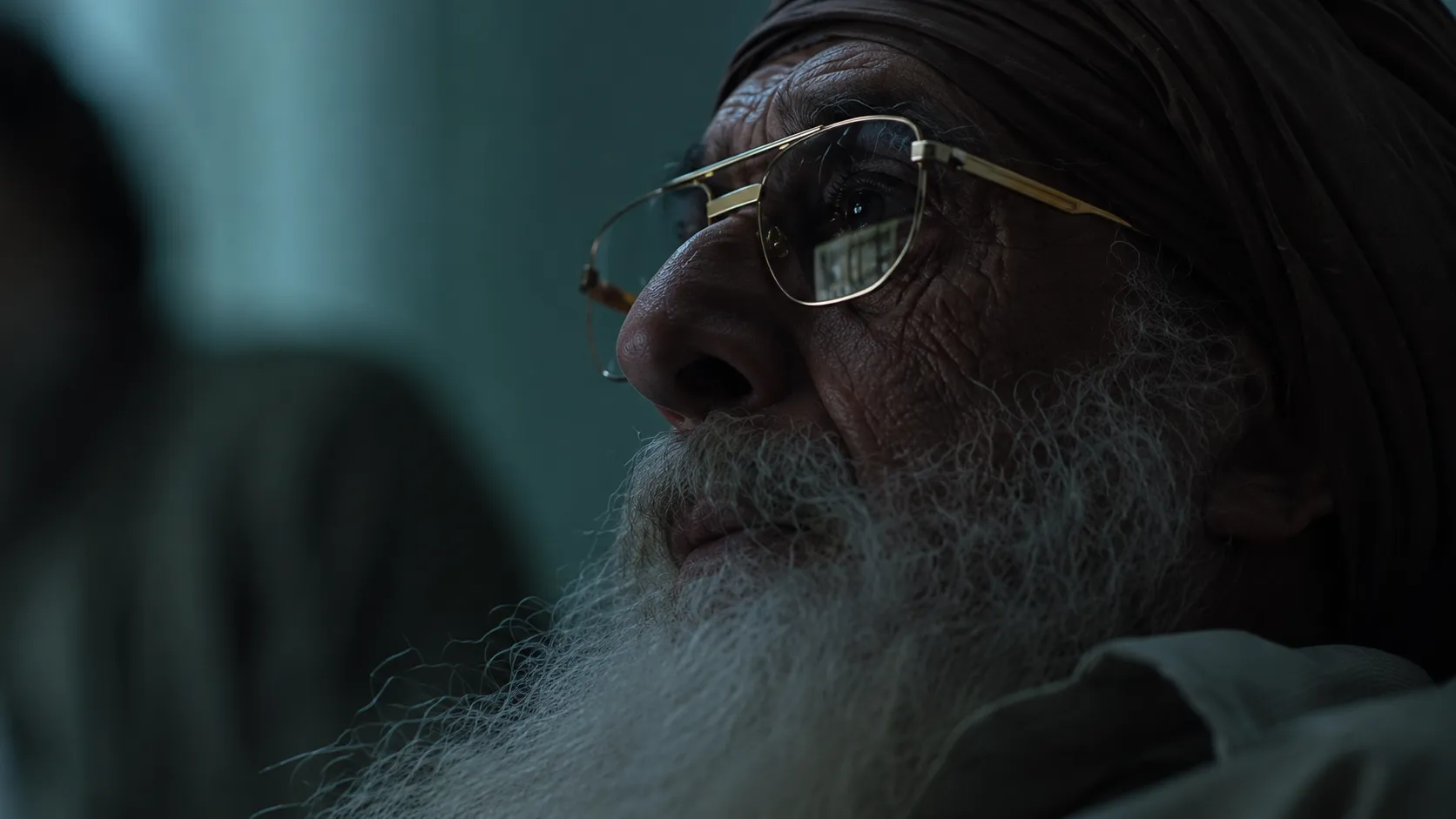
There is a moment in Main Vaapas Aaunga that lasts barely two seconds. Naseeruddin Shah's character, lying on his deathbed, catches a glimpse of a portrait on the wall. Something crosses his face — not quite recognition, not quite grief, not quite love, but some combination of all three that has been compressed by decades into something wordless. It is the finest two seconds of screen acting this year.
Shah plays nostalgia not as grand tragedy but as something more intimate and painful: a lifelong ache that never fully leaves. He does not perform memory — he inhabits it. Every glance, every pause, every moment where his eyes drift inward to something the audience cannot see carries the weight of a life lived in two halves, the second of which never stopped belonging to the first.
Critics have been unanimous about this. The Hollywood Reporter India described it as a portrait where "his college days as Keenu, a girl named Afsana, furtive glances, covert meet-cutes, his mediocre Urdu poetry, dreams interrupted, a romance rushed by history" all surface in a performance that turns memory into poetry. The Tribune called it exceptional. The Outlook said he reminded audiences why he remains one of India's finest actors.
He is matched by Vedang Raina, whose performance as the young Keenu has been called career-defining. He carries the full arc of a young man who goes from innocence into loss without ever losing the specific quality of what made him loveable before the fall. Sharvari Wagh makes Afsana feel not like a symbol of lost love but like a real person — spirited, present, someone who chose as much as she was chosen.
Diljit Dosanjh has the more difficult task of the present-day story, and some reviewers have found his thread less compelling than the historical narrative. But his performance is warmer and more grounded than that criticism suggests. The scenes between him and Shah are the film's quietest and most human, and they carry the film's central argument: that unresolved love does not dissolve with time. It passes down. If the older generation's grief does not get spoken, it becomes the inheritance of everyone who follows.
What the Film Is Actually Saying About Love
Imtiaz Ali has spent his entire filmography asking the same question in different registers: what do we owe the people we love? Jab We Met said we owe them honesty. Rockstar said we owe them witness. Highway said we owe them freedom. Amar Singh Chamkila said we owe them courage.
Main Vaapas Aaunga says we owe them an ending. A real one. One where both people understand what is happening and why.
The contrast the film draws between Ishar and Afsana's forced separation and Nirvair and Kaveri's chosen distancing is not moralistic. It is not saying that modern love is lesser or that young people do not know how to commit. It is saying something more specific and more uncomfortable: that when Ishar's love ended without his consent — when history imposed a border between him and the person he was in love with, and he had no way to say goodbye or to know if he would ever return — it broke something in him that never healed. It lived in him for 78 years. It was the last thing his mind returned to before it let go.
And then it shows you Nirvair, who has the things Ishar never had — the ability to say goodbye, the freedom to choose, the phone that connects him to anyone at any time — and uses none of them. Who leaves and comes back without ever finishing things. Who lets relationships dissolve through non-communication because that feels easier than the discomfort of a real conversation.
The film does not scold him. It shows him his grandfather, and lets the contrast do the work.
AR Rahman's Score: The Third Lead
Any honest account of Main Vaapas Aaunga has to discuss the music, because AR Rahman's score is not incidental to the film's emotional effect. It is structural. It carries the weight of the interiority that the film's narrative cannot always access — the inner lives of people who lived in a time when what they felt could not always be said.
"Kya Kamaal Hai," released in April 2026 as the first single, does what only Rahman can do: it sounds like discovery and loss at the same time. "Maskara" is described as peppy and playful and yet heartfelt — which is exactly the register of the young love the film depicts before the world interrupts it. The score as a whole has been praised across reviews as one of the year's finest, which places it in serious conversation with Rahman's own extraordinary body of work.
The combination of Imtiaz Ali's direction, Irshad Kamil's lyrics, and Rahman's compositions is a reunion of collaborators who understand each other deeply, and the film benefits from that trust throughout.
The Lesson the Film Carries Into the World
Main Vaapas Aaunga is not a perfect film. At 2 hours and 46 minutes, it carries some unevenness of pacing, and the modern-day storyline does not always match the depth of the historical material. These are fair criticisms.
But they do not diminish what the film gets right — which is something that very few love stories have the courage or the intelligence to say directly.
We live in a world where endings are informal, where people leave conversations and relationships without acknowledgement, where "closure" has been redefined as something you manufacture alone through journaling and therapy rather than something two people create together through honesty. We have normalised the disappearance. We have made ghosting mundane.
Main Vaapas Aaunga places the ghost it creates — a 95-year-old man whose last thoughts belong to a girl he was never allowed to say goodbye to — in front of us for two hours and forty-six minutes and asks us to sit with what that costs.
It is not saying that every relationship deserves a second chance or that love always finds a way across borders. The Partition stories in this film end the way Partition stories end — in displacement, in silence, in the particular grief of things that cannot be undone. What it is saying is simpler and harder to argue with: that the people we love deserve to know that we loved them. That endings have weight. That consent is not only something we talk about at the beginning of love — it belongs to the ending too.
Real love, real maturity, real respect: it requires honesty even in the leaving. Especially in the leaving.
Imtiaz Ali has spent his career making that argument in different ways. In Main Vaapas Aaunga, set against the most catastrophic forced separation in modern South Asian history, he has made it most powerfully.