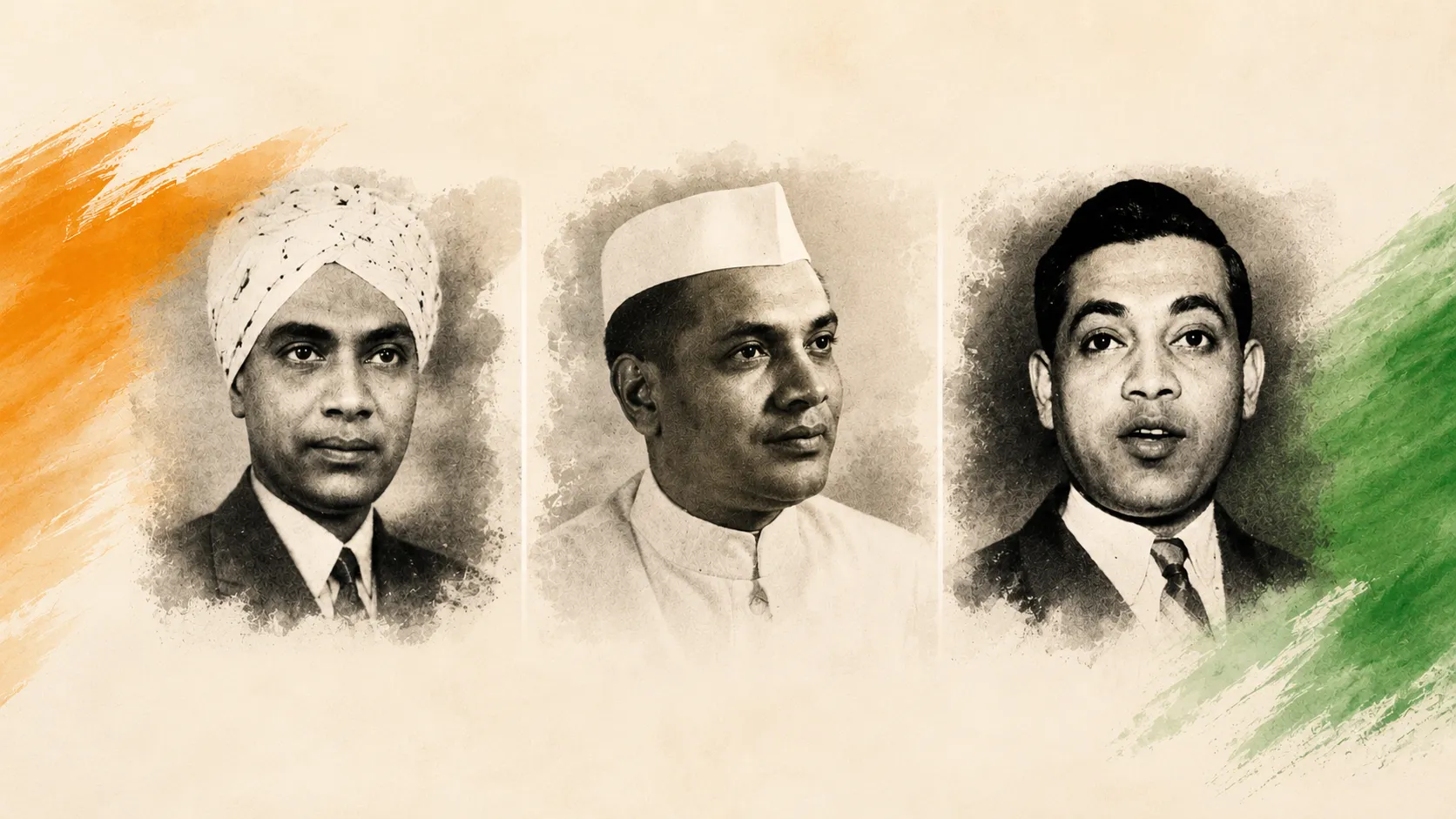
The Two Lives of Reginald Lal Singh
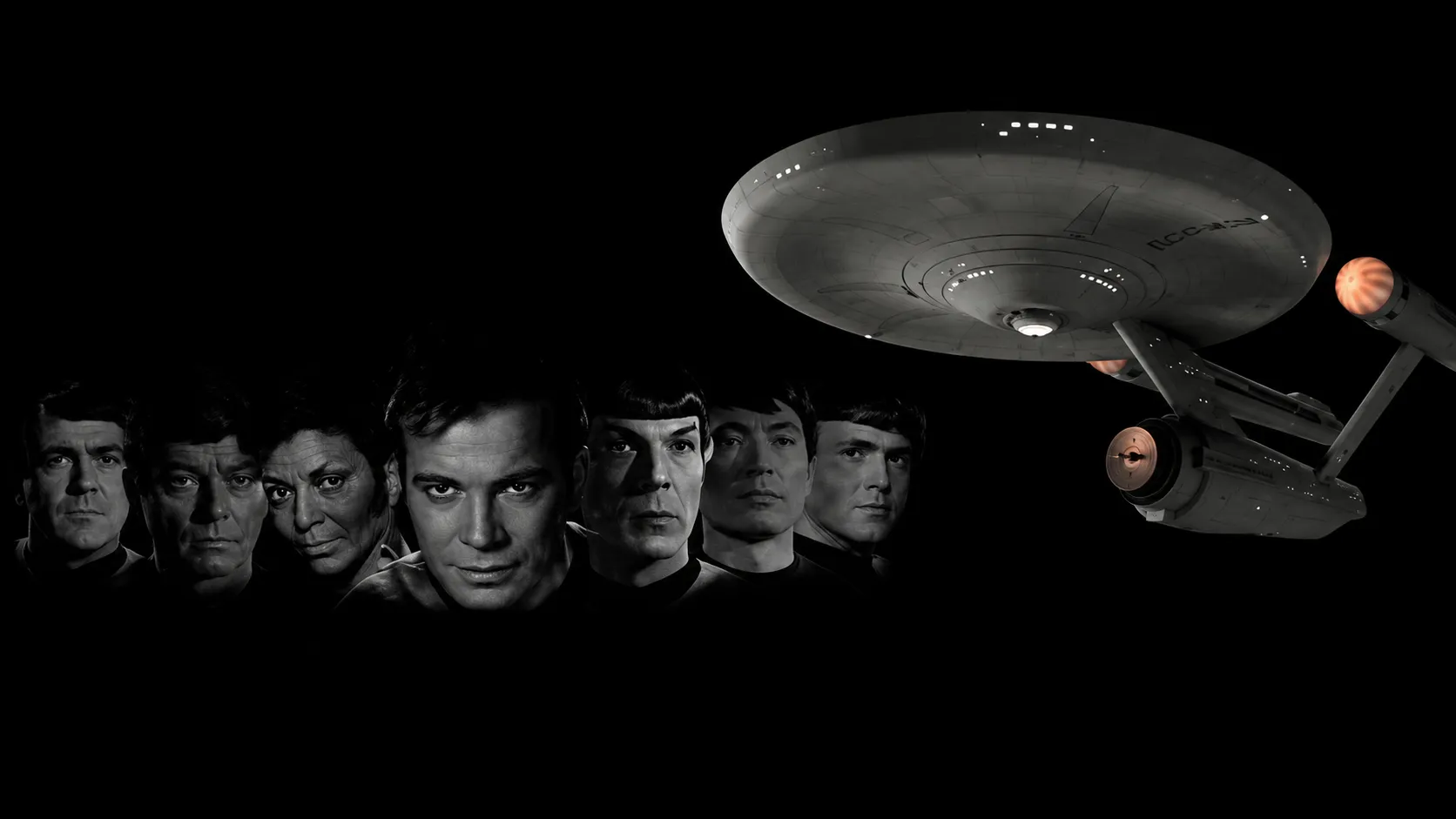
On the evening of October 6, 1966, a Star Trek episode titled "Court Martial" aired on American television. The plot revolved around a tense courtroom drama: Captain Kirk on trial, accused of negligence that led to a crewman's death. Among the panel of judges sat four officers from across the Starfleet—representing a future where command was not limited by geography or ethnicity.
One of them was Captain Chandra, played by Reginald Lal Singh .
What most viewers did not know was that the actor in that Starfleet uniform had spent much of his earlier life fighting for the freedom of a nation that would not exist for another two decades. Singh was not just an actor. He was a freedom fighter. And his life story is one of the most unusual intersections of Indian independence and American popular culture.
From British Guiana to the Freedom Struggle
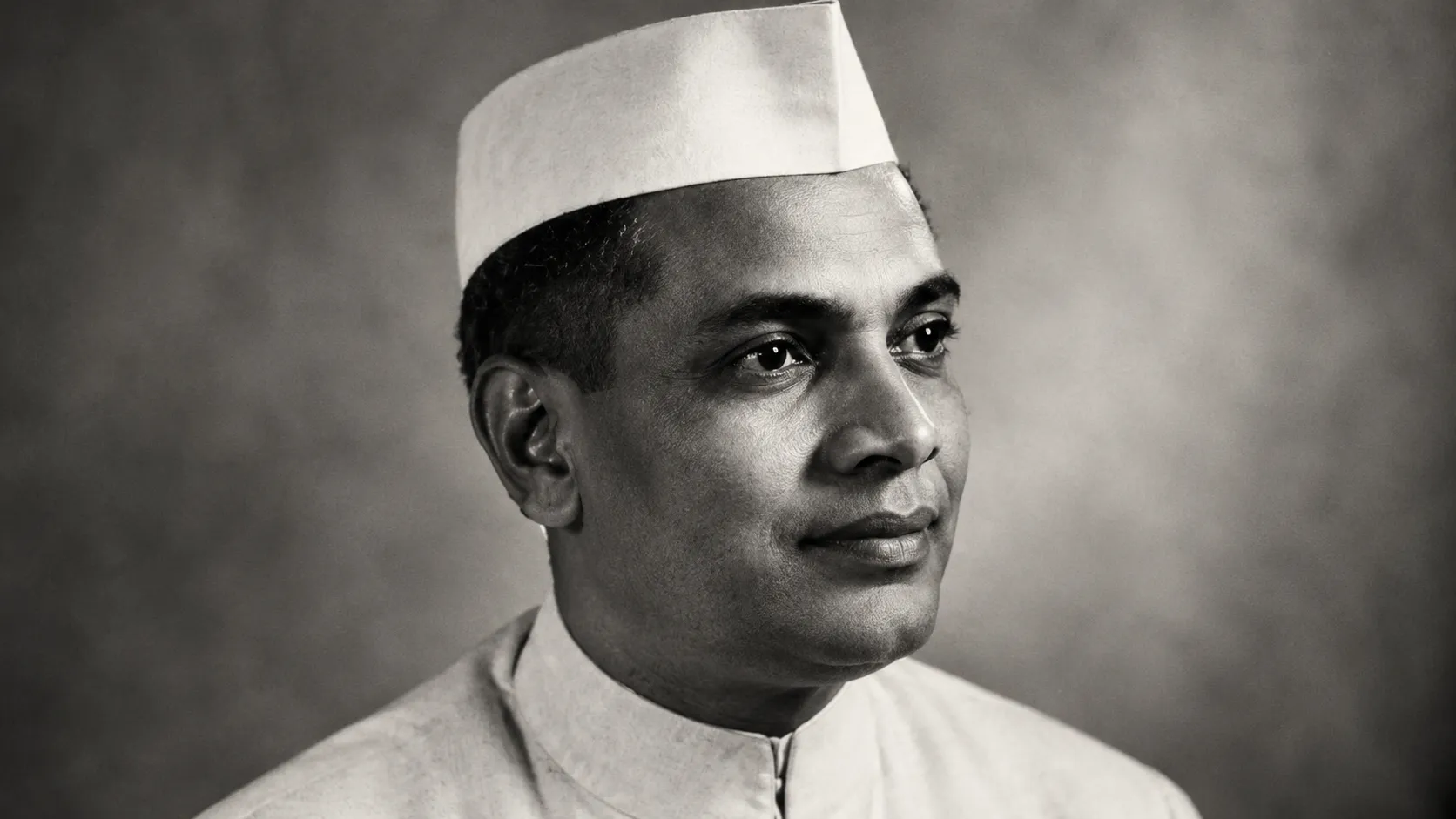
Singh was born on August 8, 1905, in Demerara, British Guiana—present-day Guyana—to Indian parents . His childhood was itself extraordinary. He spent his early years living with the Macushi people in the Guiana jungles, a formative experience that shaped his lifelong commitment to racial equality. His teen years were spent under Jesuit tutelage, followed by formal schooling in Syracuse, New York .
Singh's life before the screen was a restless journey. He worked in hospitals, steel mills, tramp freighters, and tanneries across Labrador, Japan, and Calcutta. It was a period of study with Krishna Menon in London that directed his path toward activism . Menon, a prominent Indian independence advocate, mentored Singh and helped him find his purpose.
Singh became a member of the Indian National Congress and committed himself to the cause of Indian independence . He traveled across the United States, speaking, writing, and teaching about the urgent need for India's freedom . In Los Angeles, he served as the editor of a pro-independence newspaper called India News .
In 1943, Singh published a broadside titled "What about India – Now?"—a full-page advertisement that had previously appeared in the Washington Post on March 22, 1943 . The document argued that British colonial policy in India was endangering Allied victory in World War II. It called for the release of imprisoned independence leaders and quoted prominent Americans supporting Indian freedom . As a member of the Indian National Congress and the editor of India News, Singh was using every platform available to advance the cause of Indian independence .
The Journey to Hollywood
After India achieved independence in 1947, Singh changed course yet again . He turned his attention to Hollywood, working both as an actor and as a technical advisor. His expertise in Indian culture and his decades of global travel made him a valuable consultant for films with South Asian themes.
His film credits are a who's who of mid-century epic cinema. Singh appeared in Around the World in 80 Days (1956), Ben-Hur (1959), and To Catch a Thief (1955), which starred Cary Grant and Grace Kelly . He also served as technical advisor for The Naked Jungle (1954), a film about a colonial-era plantation owner battling army ants, where his knowledge of South American landscapes and cultures would have been directly relevant . He also appeared in the science fiction classic The Day the Earth Stood Still (1951), and his footage from that film was later used in Star Trek: Strange New Worlds . He had guest roles on television shows including The Adventures of Dr. Fu Manchu and Family Affair .
During this time, Singh also helped found the India-America Society and traveled widely as an unofficial cultural ambassador for Indian culture and representation .
The Star Trek Connection
Singh's most recognizable screen role came in 1966, when he appeared as Captain Chandra in the Star Trek episode "Court Martial" . The casting was deliberate and significant. The episode's panel of judges was intentionally diverse: Commodore Stone was played by Percy Rodriguez, a Black actor of Afro-Portuguese descent; Singh's Captain Chandra represented South Asian heritage; Captain Krasnovsky was played by Bart Conrad; and Lindstrom by William Meader . Singh's presence on the panel was casual, unremarked upon—exactly the point. Star Trek was showing a future where officers of Indian descent served alongside white peers without comment or explanation .
He filmed his scenes on multiple dates in October 1966 at Desilu Studios . The character's role was small, but it contributed to Star Trek's larger vision of a diverse future. As one analysis notes, "Chandra may not even be known by name to most fans, but he is shown as a decorated officer who does not dismiss the inconsistencies in evidence, leading to the eventual vindication of Kirk" .
The Legacy
Reginald Lal Singh died on December 1, 1970, in Los Angeles at the age of 65 . He left behind an extraordinary life that bridged two worlds. In the 1940s, he was a member of the Indian National Congress, editing pro-independence newspapers in Los Angeles and arguing in the pages of the Washington Post that British colonial rule in India was a threat to Allied victory in World War II . In the 1960s, he was Captain Chandra, a Starfleet officer sitting in judgment of Captain Kirk.
Singh's journey reflects the larger story of the Indian diaspora and its relationship with Hollywood. He was not the first Indian to appear in American cinema, nor the last. But his story—a freedom fighter who became a technical advisor, a cultural ambassador, and finally a Star Trek captain—is unique. It is a reminder that the struggle for Indian independence was fought not just in India but in newspaper offices in Los Angeles, in meetings with Krishna Menon in London, and in the small but significant choice to place an Indian actor in a Starfleet uniform.
As the South Asian American Digital Archive notes, Singh left behind "a dedication to freedom, justice and equality that shines through all his life's work" . That dedication was present whether he was writing editorials demanding the release of imprisoned Indian leaders or sitting on a Starfleet panel, judging a captain.