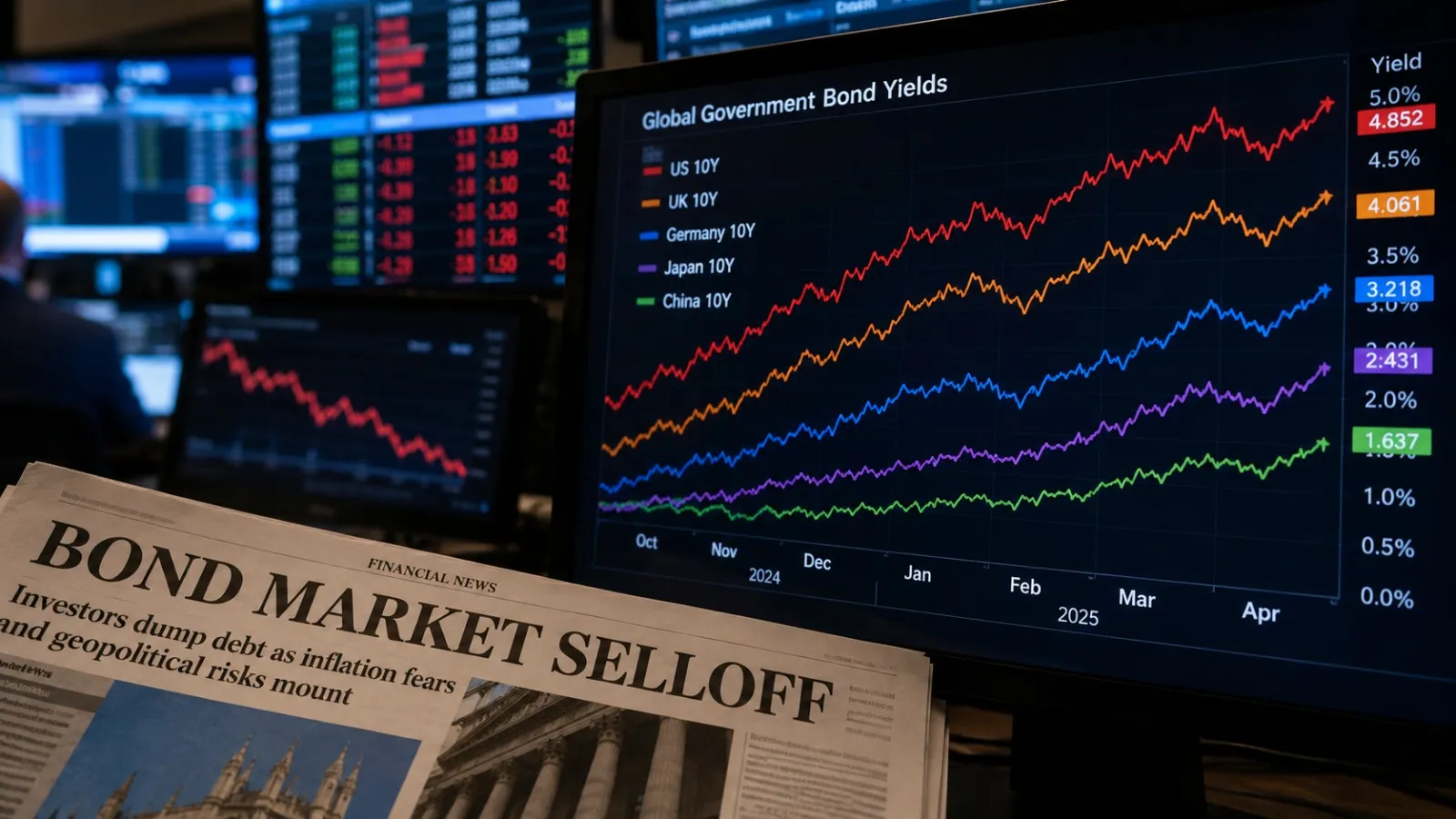
India's June-quarter earnings season has entered its most demanding phase, with roughly 250 listed companies scheduled to announce their financial results for the first quarter of financial year 2026-27 between July 20 and July 25, 2026. The sheer density of this reporting window — spanning cement, financial services, insurance, power, real estate, logistics, agrochemicals and auto components, among many other sectors — has turned this single week into one of the most closely tracked stretches of the Indian corporate calendar, with every earnings call, management commentary and margin disclosure feeding directly into a market that has already been trending higher on the back of broadly encouraging early results.
The roll call of companies reporting during this window reads like a cross-section of corporate India itself. UltraTech Cement, the country's largest cement manufacturer, opened the week's proceedings alongside One97 Communications, the parent of digital payments major Paytm, and a cluster of regional lenders including Indian Overseas Bank and Karur Vysya Bank. Shyam Metalics & Energy, real estate developer Sobha, Canara HSBC Life Insurance, Action Construction Equipment, Jaiprakash Power Ventures, Transformers and Rectifiers India, Bluestone Jewellery and Lifestyle, Mahindra Logistics, Rallis India and Swaraj Engines are also among the companies reporting their numbers this week, giving analysts an unusually broad, simultaneous read across sectors that rarely all report in such close succession.
Later in the week, and into the days immediately following, some of India's most closely watched corporate names are due to report as well. Infosys, the country's second-largest IT services exporter, is scheduled to announce its Q1 FY27 results on July 23, with its board meeting spanning July 22-23 and investor calls following on results day. Eternal, One97 Communications' fellow new-age listed peer, along with Bajaj Auto, Adani Energy Solutions, Indian Hotels Company, Bharat Petroleum Corporation, InterGlobe Aviation, NTPC and IDFC First Bank round out a calendar that touches virtually every major sector of the Indian economy — aviation, hospitality, energy, power, banking and consumer durables among them.
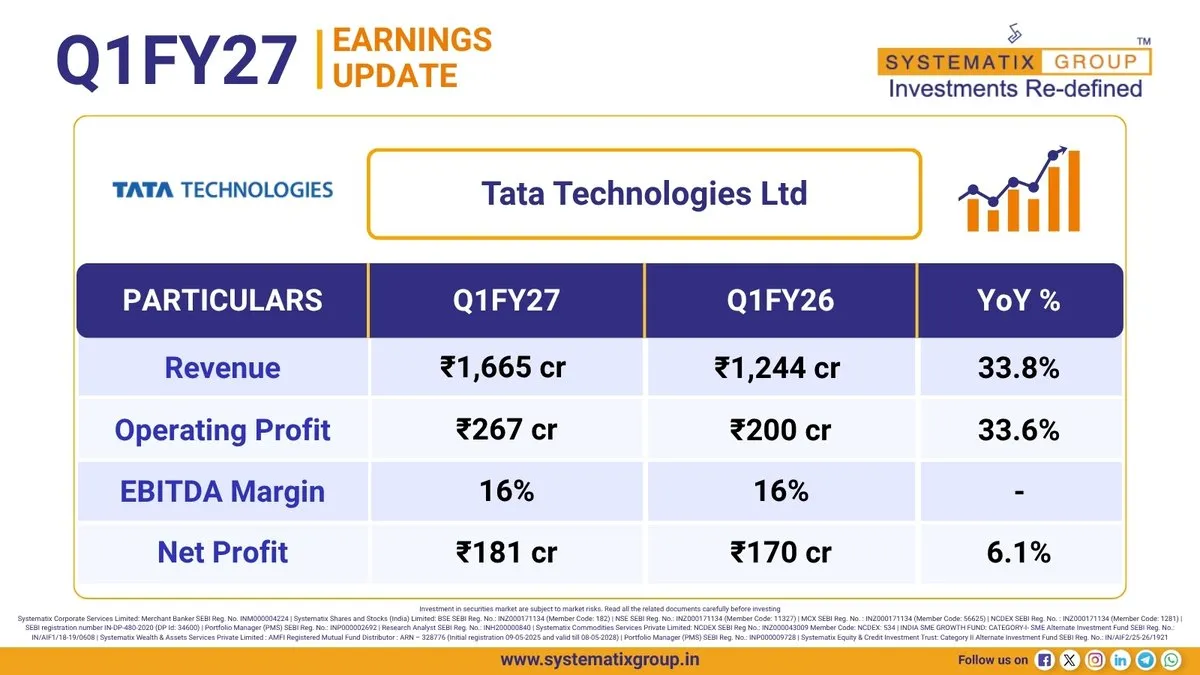
For Infosys specifically, market focus is unusually intense given the bellwether status IT services results carry for the broader technology sector's health. Brokerage estimates ahead of the results pointed to expected revenue of around ₹41,000 crore, with an operating margin band of 20.5 per cent to 21.5 per cent, and constant currency quarter-on-quarter growth expected in the range of 1.5 per cent to 2.2 per cent — an improvement from the 1.1 per cent posted in the previous quarter. Some brokerages have flagged the possibility that Infosys could trim the upper end of its full-year FY27 revenue growth guidance by around 50 basis points, even as operating margins are expected to improve modestly on the back of cost discipline and operational efficiencies. Given Infosys's outsized weight in the Nifty IT index and its role as an early guidance-setter for the sector, any surprise — positive or negative — in its numbers or its commentary on discretionary technology spending by global clients is likely to move sentiment well beyond the stock itself.
The earnings season had already opened on a broadly constructive note in the preceding week, with early reporters setting an encouraging tone. Tata Consultancy Services kicked off proceedings and lifted the Nifty IT index, while HCL Technologies posted a 20.3 per cent year-on-year rise in net profit to ₹4,624 crore on revenue of ₹34,579 crore. ICICI Prudential Asset Management and Nuvoco Vistas both posted profit growth of around 20 per cent, reinforcing the sense that this earnings season, at least in its opening stretch, was outpacing the more muted expectations that had built up over the preceding months. Banking sector results due later in the cycle are expected to show a credit growth boost, even as analysts caution that net interest margin pressure could temper the extent of profit growth for several lenders — a theme that has recurred through commentary across the sector so far.
Beyond the headline profit and revenue figures, analysts tracking this reporting season say the real value lies in the forward-looking commentary companies offer on their earnings calls — guidance on demand visibility, input cost trends, and capital expenditure plans for the remainder of financial year 2026-27. Margin commentary is being watched particularly closely against a backdrop of wholesale price inflation running at 9.68 per cent in May, a level high enough that any company reporting margin compression will need to clearly explain whether that pressure is being passed on to customers or absorbed internally. Metals and energy companies, several of which report later in this cycle, are expected to offer the clearest read on commodity price trends and their pass-through into both industrial and consumer pricing over the coming months.
For retail and institutional investors alike, the practical challenge posed by a reporting calendar this dense is one of information overload. With nearly 250 companies reporting within a five-day span, even professional analysts covering multiple sectors are stretched to process each disclosure with the depth it might otherwise receive in a quieter week. Financial advisors have suggested that investors focus their attention selectively — prioritising companies within their existing portfolios or watchlists, and treating this week's numbers less as isolated data points and more as pieces of a larger mosaic that, taken together, will reveal how corporate India as a whole has started the new financial year. Sector-wide patterns — whether banks broadly beat or missed credit growth expectations, whether consumer companies report improving or weakening demand, whether IT majors hold or trim their annual guidance — are likely to matter more for the market's medium-term direction than any single company's result in isolation.
As the week progresses and more of the roughly 250 scheduled results are released, market attention will increasingly shift toward synthesising the season's key takeaways: whether the early strength shown by IT services bellwethers extends across the sector, whether banks can sustain credit growth without unacceptable erosion of margins, and whether consumer-facing companies are seeing the same resilience in demand that has shown up so emphatically in this quarter's record automobile sales figures. With India's GDP growth for FY27 projected at around 6.6 per cent by the Reserve Bank of India, and independent forecasters largely aligning with that estimate, this earnings season is being watched not merely as a quarterly ritual but as an early, real-time test of whether that growth outlook is translating into the kind of broad-based corporate profitability that can sustain the market's current, earnings-led optimism through the rest of calendar year 2026.