D2C Billionaires — Inside the Rise of India’s Direct‑to‑Consumer Unicorns
The Kitchen Table That Became a Boardroom
In 2016, Ghazal and Varun Alagh were sitting at their kitchen table in Gurugram, worried about their son’s eczema. They couldn’t find toxin‑free baby products. So they decided to make their own. They launched Mamaearth with two products. By 2025, the company (Honasa Consumer) was a publicly traded giant with a market cap of over ₹10,000 crore.
Mamaearth is not an outlier. India has seen a explosion of direct‑to‑consumer (D2C) brands across beauty, personal care, fashion, food, and home goods. These brands skipped traditional retail, went straight to consumers via websites and apps, and built cult followings. Many have become unicorns or near‑unicorns.
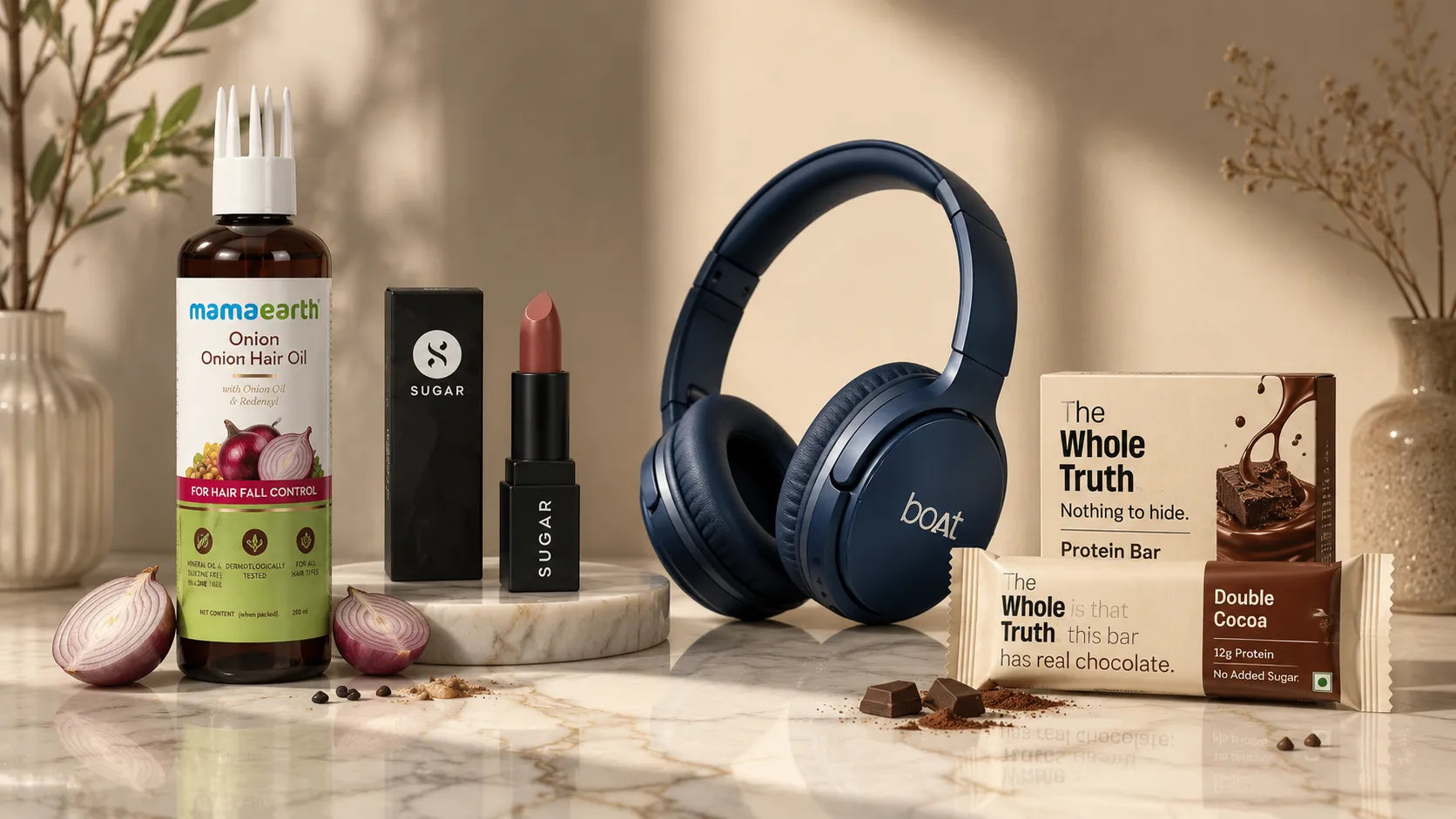
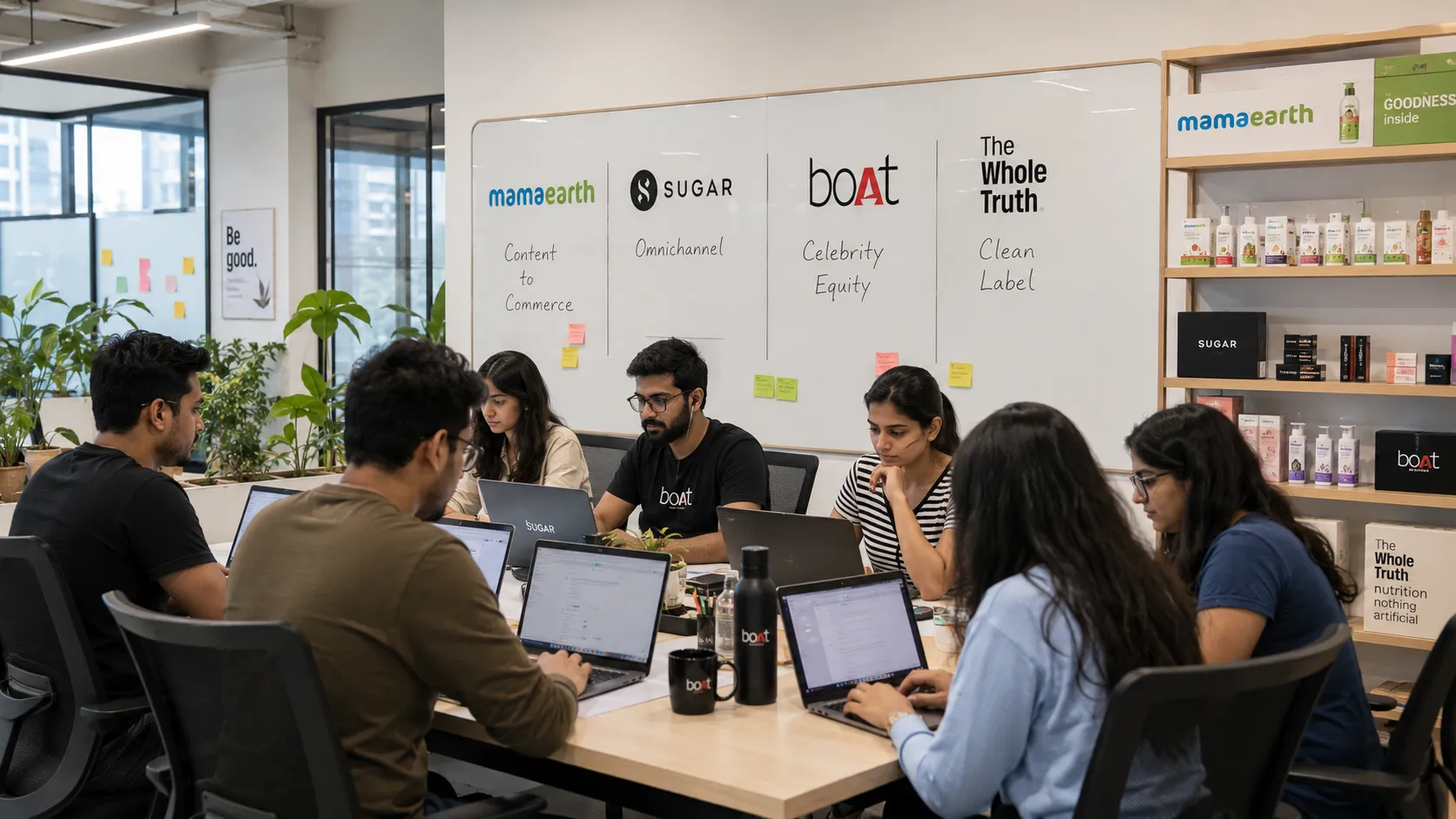
This article profiles four of the most successful D2C billionaires and the strategies that made them.
Mamaearth: The Content‑to‑Commerce Pioneer
Ghazal and Varun Alagh built Mamaearth on a simple insight: Indian parents wanted safe, toxin‑free products but didn’t trust existing brands. Mamaearth’s strategy was content‑first. They created blogs, videos, and social media posts educating parents on harmful ingredients. They partnered with mommy influencers. They built a community, not just a customer base.
The content drove traffic to their website. The website converted visitors into buyers. And the product quality ensured repeat purchases. This flywheel reduced customer acquisition costs (CAC) to a fraction of traditional D2C brands.
By 2022, Mamaearth had over 200 SKUs, 500,000+ daily visitors, and a valuation of $1.2 billion. In 2023, Honasa Consumer went public at ₹10,000 crore. Ghazal and Varun’s combined net worth crossed ₹3,000 crore.
Key lesson: Content is not a cost; it’s an asset. Mamaearth’s investment in education paid off long-term.
SUGAR Cosmetics: The Omnichannel Challenger
Vineeta Singh and Kaushik Mukherjee launched SUGAR Cosmetics in 2015 with a simple premise: existing cosmetics brands didn’t suit Indian skin tones or weather. Their products were long‑lasting, highly pigmented, and priced for the mass premium segment.
But SUGAR’s real innovation was omnichannel. They didn’t just sell online. They went to general trade—small beauty retailers, pharmacy chains, and department stores. They offered retailers higher margins and a sale‑or‑return policy. Within five years, SUGAR had over 30,000 points of sale.
By 2025, SUGAR had crossed ₹1,500 crore in annual revenue and was profitable. The company is now preparing for an IPO. Vineeta’s personal net worth is estimated at ₹800 crore.
Key lesson: Omnichannel is not optional. Pure‑play e‑commerce is expensive. Physical retail builds trust and drives discovery.
boAt: The Lifestyle Brand That Beat the Giants
Aman Gupta and Sameer Mehta launched boAt in 2016 as a budget audio accessories brand. They noticed that expensive international brands dominated the market, while cheap local products had poor quality. boAt offered the sweet spot: stylish designs, good sound quality, and affordable prices.
Their breakthrough came from influencer marketing. They partnered with cricketers (Hardik Pandya, Jasprit Bumrah) and Bollywood stars (Ranveer Singh, Katrina Kaif). But they didn’t just pay for endorsements; they gave equity to some celebrities, aligning incentives.
By 2025, boAt was India’s largest wearable brand, with over 30% market share in earwear. The company went public at a valuation of ₹15,000 crore. Aman Gupta became a household name after appearing on Shark Tank India.
Key lesson: Celebrity equity is a powerful lever. When stars own a piece of the brand, they become genuine advocates.
The Whole Truth Foods: The Clean Label Disruptor
Shashank Mehta launched The Whole Truth Foods in 2019 with a radical promise: 100% clean label. No hidden sugars, no artificial sweeteners, no preservatives. The ingredient list on every product is exactly what’s inside—nothing more.
The brand started with protein bars, then expanded to chocolates, muesli, and peanut butter. Their marketing was brutally honest: they compared their labels to competitors on social media, calling out misleading claims.
By 2025, The Whole Truth Foods had crossed ₹200 crore in annual revenue and was valued at ₹2,000 crore. Shashank’s stake is worth over ₹500 crore.
Key lesson: Radical transparency builds trust. Consumers are tired of hidden ingredients. Show them exactly what’s inside, and they will reward you.
The Economics of D2C Unicorns
What do these brands have in common? Four factors:
Low customer acquisition cost (CAC): They rely on content, influencers, and word‑of‑mouth, not expensive ads.
High repeat purchase rate: Great products keep customers coming back.
Direct relationship with customers: No middlemen. They own the customer data and can personalize offers.
Ability to scale offline: The most successful D2C brands eventually open physical stores or partner with retailers.
Industry analysts predict that the Indian D2C market will reach $100 billion by 2030, with at least 20–30 unicorns.
Challenges Facing D2C Brands
The D2C space is getting crowded. New brands launch every week. Customer attention is fragmented. Profitability remains elusive for many.
Other challenges include:
Rising ad costs: Facebook and Google ads have become more expensive.
Supply chain complexity: Managing inventory, logistics, and returns is hard.
Investor pressure: Many D2C brands raised too much money too early and are now struggling to deliver returns.
The survivors will be those with strong unit economics, loyal customers, and a clear path to profitability.
The Future: D2C 2.0
The next wave of D2C will be defined by:
Personalization: AI-powered product recommendations and custom formulations.
Community-led growth: Brands built around tribes, not just transactions.
Sustainability: Eco-friendly packaging, carbon-neutral shipping, and ethical sourcing.
Founders who master these trends will build the next generation of D2C billionaires.