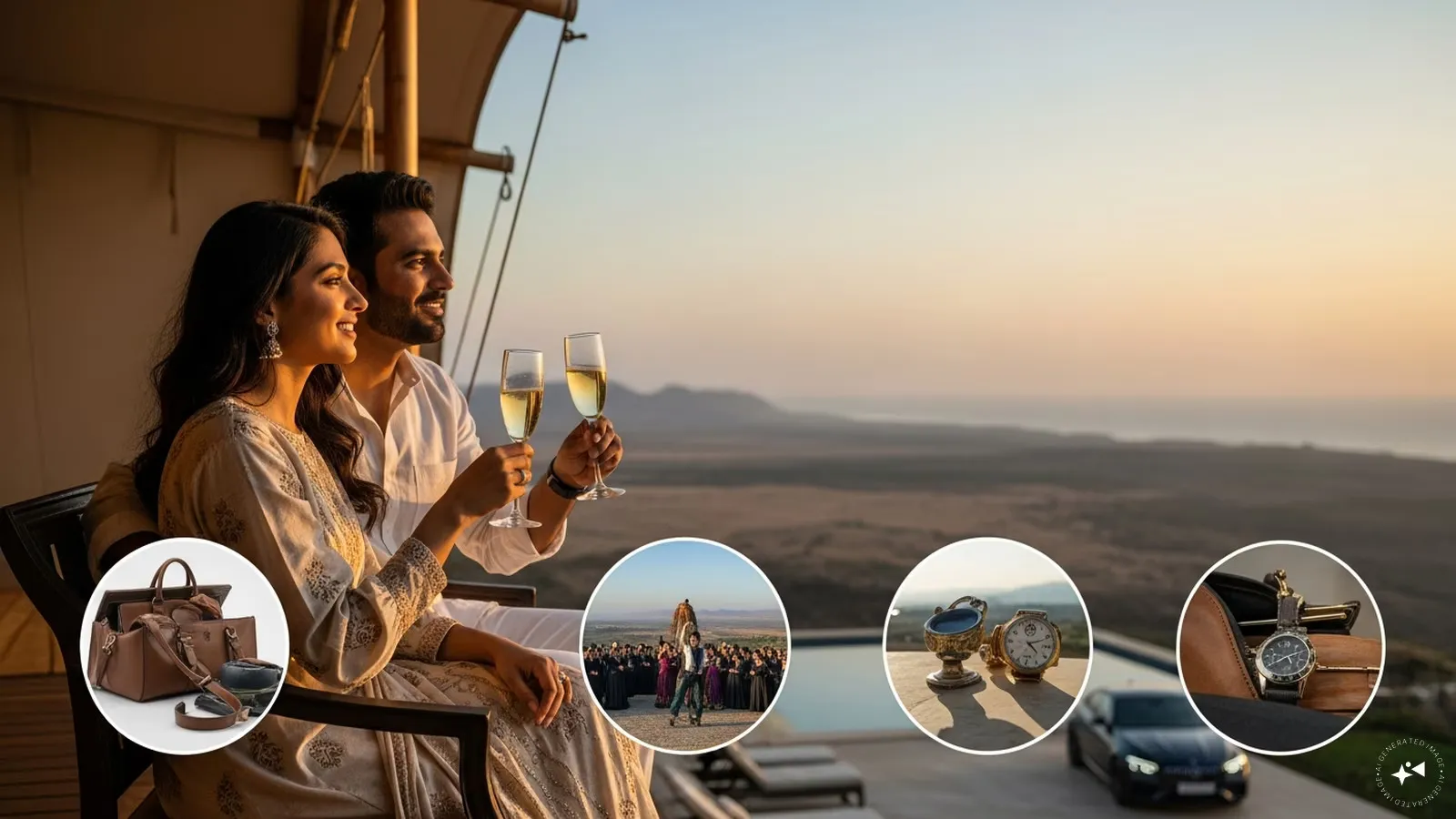
The definition of a "good life" in India is being rewritten. It is no longer solely about the accumulation of things but about the curation of experiences. A seismic shift is underway in the lifestyle choices of the Indian consumer, particularly among the growing affluent class, where spending is becoming more intentional, meaningful, and closely tied to personal identity.
The Rise of Experience-Led Consumption
According to a recent report by CBRE, household spending on experiences in India is projected to grow at a robust 10.3% compound annual growth rate (CAGR) between 2025 and 2030, outpacing the 9.1% CAGR for spending on physical goods. This "experience economy" is a structural reset, not just a passing trend.
The primary driver of this transformation is Generation Z. As the largest demographic cohort, they are seeking immersive and visually distinctive experiences that are "digitally shareable." For them, status is derived from belonging, curation, and seamless access rather than just from visible possessions. This shift has massive implications for various sectors, with hotels and hospitality emerging as the fastest-growing consumer spending category.
The Visa Affluent Study: A Blueprint for Modern Luxury
The Visa Consulting and Analytics Whitepaper on "India's Affluent Economy 2025-2026" provides a granular look at this new consumer behavior. It reveals a sharp expansion in India's affluent population, with the number of individuals earning over ₹10 lakh rising from 69 lakh to 130 lakh. Significantly, affluence is no longer confined to metros like Mumbai, Delhi, and Bengaluru. Wealth is spreading to emerging cities such as Ahmedabad, Surat, Jaipur, and Lucknow, where consumption patterns now mirror those of their metropolitan counterparts.
The Four Pillars of the New Lifestyle Investment
1. Travel Takes the Crown
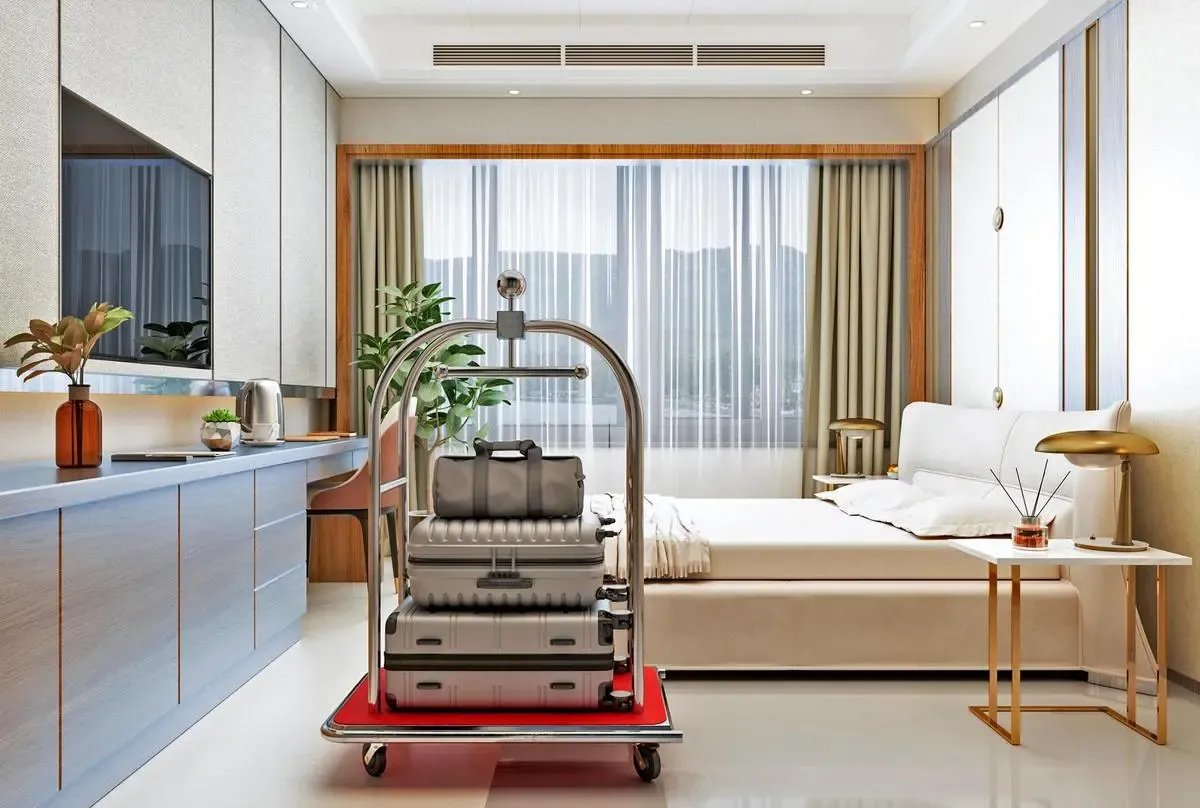
Travel is the undisputed king of the affluent wallet, accounting for 58% of discretionary spending among the Ultra Elite. This is not just about visiting a place but about curating bespoke journeys and seeking exclusive, concierge-led travel experiences. It reflects a desire for "restoration and renewal," marking a departure from transactional leisure to holistic wellbeing. This is also fueling the rise of "lifestyle hotels," which combine distinctive design and local identity with the scale of established hospitality brands.
2. Dining as a Ritual
Dining has moved from a necessity to a lifestyle statement. A significant 4 in 5 affluent Indians dine at premium establishments at least three times a year, with an annual dining spend averaging around ₹2 lakh. For many, a meal costing ₹5,000 or more per person is now a regular indulgence. The focus is on curated culinary experiences, unique ambiances, and social currency. This trend is driving the growth of fine-dining restaurants and exclusive chef's table experiences across major cities.
3. Wellness and Self-Care
Health and wellness have become non-negotiable pillars of the modern affluent lifestyle. Spending on premium gym memberships, personalized nutrition, mental wellness apps, and luxury spa retreats has skyrocketed. The pandemic accelerated this trend, making wellness a permanent fixture in the affluent consumer's budget. This is not just about fitness; it's about holistic well-being that encompasses physical, mental, and emotional health.
4. Curated Retail and Personal Style
Even when purchasing goods, the affluent are seeking curation and personalization. Fast fashion is being replaced by investment pieces, sustainable brands, and personalized shopping experiences. The focus is on quality over quantity, with consumers willing to pay a premium for items that tell a story or align with their values.
The Democratization of Affluence
One of the most significant findings of the Visa study is the democratization of affluence. Luxury is no longer the exclusive domain of the super-rich. The "affluent" category now includes a broader swath of the population, including "HENRYs" (High Earners, Not Rich Yet) and the "Mass Affluent." This expanding base of consumers is driving demand across multiple sectors and creating new opportunities for brands that can cater to their evolving preferences.
What This Means for Brands and Businesses
The shift towards experience-led consumption presents both challenges and opportunities for businesses:
· Hospitality Sector: Hotels and resorts must evolve from mere accommodation providers to curators of experiences. Personalized services, local immersion, and unique offerings will be key differentiators.
· Retail: Traditional retailers must transform their stores into experience centers rather than just points of sale. Interactive displays, events, and community-building will drive footfall.
· Financial Services: Credit card companies and wealth managers must adapt their offerings to cater to experience-oriented spending, offering lifestyle benefits and curated access.
· Brands: Marketing strategies must shift from selling products to selling experiences and emotions. Storytelling and authenticity will be more valuable than flashy advertising.
The Future of Lifestyle Spending
As India's affluent population continues to grow, the experience economy is set to expand further. Emerging technologies like AI and VR will create new forms of immersive experiences, while sustainability will become an increasingly important factor in consumer choices. The lines between physical and digital experiences will blur, creating hybrid offerings that cater to the modern consumer's desire for convenience and uniqueness.
The new Indian affluent is not just wealthy; they are discerning, globally aware, and value-driven. They are investing in themselves, their relationships, and their memories. For businesses that can understand and cater to this mindset, the opportunities are limitless.