Formula 1 Is No Longer Just A Racing Championship. It Is Becoming One Of The Most Powerful Entertainment Businesses In The World.
For decades, Formula 1 occupied a fascinating position within global sports. It was simultaneously one of the most prestigious competitions on the planet and one of the most difficult for casual audiences to fully embrace. The championship featured the fastest cars, some of the world's most advanced engineering and races hosted across iconic international locations. Yet despite its global footprint, Formula 1 often remained a sport followed primarily by dedicated fans who understood the technical complexities of tire strategies, aerodynamic upgrades and race engineering. While football, basketball and tennis increasingly expanded their mainstream appeal, Formula 1's audience growth often felt slower and more limited than its enormous potential suggested.
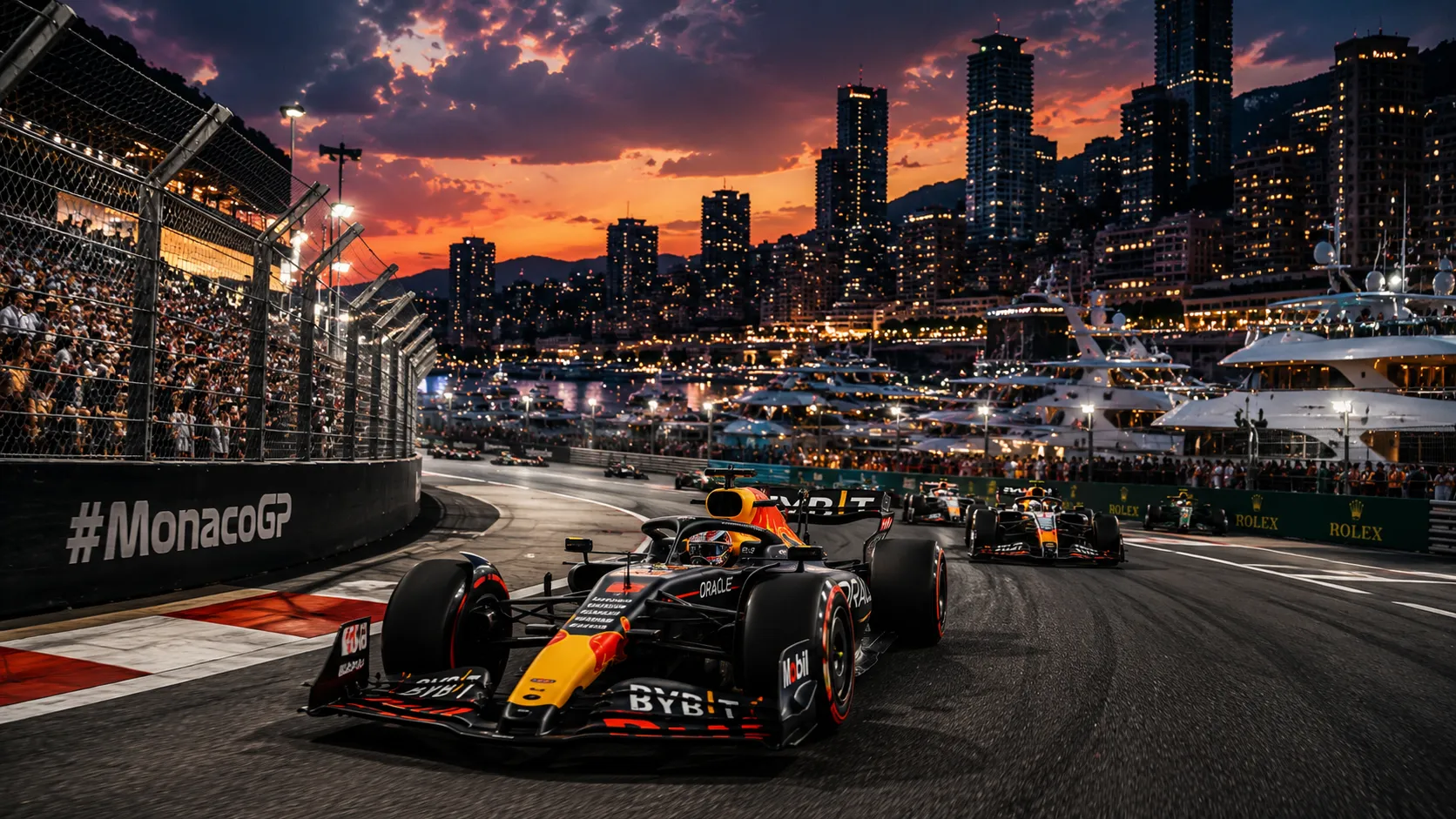
That reality looks dramatically different today. Formula 1 is experiencing one of the most significant popularity surges in modern sports history. Television audiences have expanded, sponsorship revenues have reached record levels and race weekends have evolved into global entertainment spectacles attracting celebrities, brands and influencers from around the world. New markets are competing aggressively to host Grand Prix events while media companies continue paying increasingly large sums for broadcasting rights. What makes this transformation particularly interesting is that it has not been driven solely by what happens on the racetrack. The bigger story is how Formula 1 successfully repositioned itself from a motorsport competition into a global entertainment platform capable of generating value far beyond racing.
The Liberty Media Strategy That Changed Everything
A major turning point arrived in 2017 when Liberty Media acquired Formula 1. At the time, the championship already possessed many valuable assets. It had a rich history, globally recognized teams, elite drivers and races spread across multiple continents. Yet many industry observers believed Formula 1 was underperforming commercially compared to its true potential. The sport remained highly prestigious but often struggled to connect with younger audiences consuming content through digital platforms rather than traditional television. Social media engagement lagged behind other major sports and many aspects of Formula 1 still reflected an older media model designed for a different generation of fans.
Liberty Media approached the championship with a fundamentally different perspective. Rather than treating Formula 1 exclusively as a sporting property, the company viewed it as an entertainment business capable of competing for attention alongside streaming platforms, social media networks and other forms of global content. The objective was not simply to increase race viewership but to create year-round engagement. Driver personalities became more visible. Digital content expanded dramatically. Social media restrictions were relaxed. Teams received greater opportunities to interact directly with audiences. These changes may have appeared incremental individually, but together they helped make Formula 1 more accessible to millions of potential fans who previously viewed the sport as intimidating or difficult to follow.
How Netflix Created Millions Of New Fans
Few business partnerships have had a greater impact on Formula 1's growth than its relationship with Netflix. When Drive to Survive debuted in 2019, it was initially viewed as an interesting behind-the-scenes documentary. What followed became one of the most successful audience expansion strategies in modern sports. Instead of focusing primarily on lap times, technical details or race results, the series introduced viewers to the human stories behind the competition. Rivalries between teammates, management conflicts, contract negotiations and personal struggles suddenly became central parts of the Formula 1 narrative.
The brilliance of the series was that it transformed a complex sport into a character-driven drama that mainstream audiences could immediately understand. Viewers who had never watched a Grand Prix became invested in drivers, team principals and championship battles. The sport gained millions of new fans without changing the racing product itself. Instead, it changed how the product was presented. Formula 1 discovered that storytelling could be just as valuable as competition when it came to attracting audiences. This realization continues influencing how the championship markets itself today, with narratives, personalities and behind-the-scenes access becoming increasingly important components of the Formula 1 business model.
Why America Became Formula 1’s Biggest Growth Market
For much of its history, Formula 1 struggled to establish a major foothold in the United States. American motorsport audiences traditionally focused on NASCAR and IndyCar while Formula 1 remained a niche product followed by a relatively small but passionate fan base. Despite repeated efforts to grow its presence, the championship often found it difficult to achieve the mainstream relevance it enjoyed across Europe, Latin America and parts of Asia. Given the size of the American media and advertising market, this represented one of Formula 1's largest unrealized opportunities.
The situation has changed dramatically over the past several years. The United States now hosts multiple Formula 1 races, including events in Austin, Miami and Las Vegas. These races have evolved into far more than sporting contests. They are entertainment experiences attracting celebrities, corporate executives, luxury brands and global media attention. The Las Vegas Grand Prix in particular demonstrated Formula 1's willingness to position itself alongside major entertainment events rather than simply traditional sporting competitions. The commercial implications are enormous because success in the United States unlocks advertising revenue, sponsorship opportunities and media partnerships that few other markets can match. Formula 1 is no longer trying to become relevant in America. It is becoming one of the country's fastest-growing sports properties.
Sponsorship Has Entered A New Era
One of the clearest signs of Formula 1's transformation can be seen through sponsorship activity. Historically, racing sponsorships were often concentrated around automotive companies, energy firms and brands directly connected to motorsport. Today's Formula 1 sponsor roster looks dramatically different. Technology companies, luxury brands, financial institutions, consumer products businesses and global consulting firms are increasingly entering the sport because they view Formula 1 as an effective platform for reaching affluent international audiences.
This evolution reflects broader changes in how companies evaluate sports partnerships. Modern sponsors are not simply purchasing logo placement on cars. They are buying access to content, storytelling opportunities, hospitality experiences and digital engagement. Formula 1's ability to deliver global audiences across television, streaming, social media and live events makes it particularly attractive in an increasingly fragmented media environment. The championship effectively combines the prestige of luxury entertainment with the scale of global sports, creating a commercial proposition that few competitors can replicate. As a result, sponsorship revenues continue growing while teams secure increasingly valuable commercial partnerships.
Formula 1 Is Becoming A Luxury Entertainment Brand
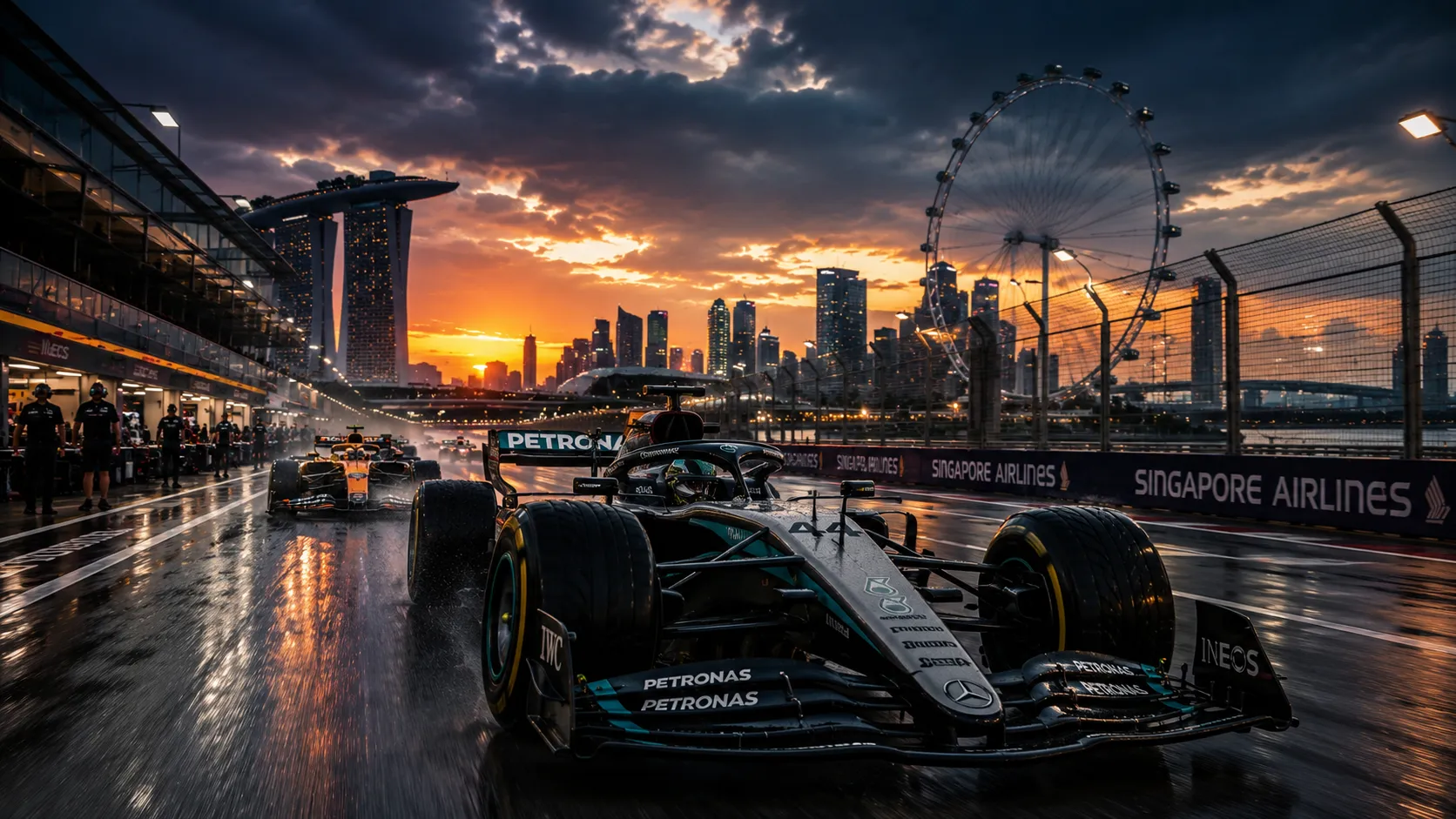
One of the most interesting aspects of Formula 1's growth is how successfully it has positioned itself within the premium segment of global entertainment. While many sports focus on accessibility and mass-market reach, Formula 1 has managed to preserve its exclusive image while simultaneously expanding its audience. Race weekends increasingly resemble luxury experiences featuring high-end hospitality, celebrity appearances, premium travel packages and partnerships with some of the world's most prestigious brands.
This positioning creates significant economic advantages. Luxury consumers often spend more on experiences, merchandise and travel than traditional sports audiences. Corporate hospitality generates substantial revenue while premium sponsorships command higher valuations. Formula 1's association with wealth, innovation and exclusivity strengthens its appeal among advertisers and commercial partners seeking affluent consumers. Rather than abandoning its premium identity to achieve growth, the championship has successfully turned that identity into one of its most valuable assets.
The Future Is Bigger Than Racing
The most important lesson from Formula 1's rise is that modern sports businesses increasingly operate as media and entertainment ecosystems rather than pure competitions. Racing remains the foundation of the championship, but the business now extends far beyond what happens during a Grand Prix weekend. Content production, digital engagement, licensing, sponsorship, hospitality and global storytelling have become equally important drivers of value. Formula 1 generates revenue not only because people watch races but because they follow drivers, consume content and engage with the broader culture surrounding the sport.
That shift may ultimately define Formula 1's future more than any individual championship battle. The organization has successfully positioned itself at the intersection of sports, media, technology and entertainment, allowing it to benefit from trends shaping multiple industries simultaneously. While competitors continue focusing primarily on athletic competition, Formula 1 increasingly operates like a global entertainment brand capable of attracting audiences year-round.
The championship's recent success therefore reflects something much larger than motorsport popularity. It demonstrates how sports organizations can reinvent themselves by understanding that modern audiences do not simply consume events. They consume stories, personalities, experiences and communities. Formula 1 recognized that reality earlier than many expected, and the business results are now visible across every part of the sport.