The already fragile stand-off between the United States and Iran took a sharp turn this week after US Central Command confirmed it had carried out a fresh round of airstrikes against Iranian targets, marking one of the most significant escalations in the conflict since it first flared earlier this year. The strikes, described by US officials as being aimed at further degrading Iranian military capabilities, come at the direction of the Commander in Chief and follow an earlier round of US strikes that had already unsettled global energy markets over the preceding fortnight.
For markets from New York to Mumbai, the immediate and most visible consequence has been a sharp repricing of risk across oil, currencies and equities. Crude oil benchmarks surged in the hours following the strikes, safe-haven flows moved into the US dollar and gold, and emerging-market currencies, the Indian rupee prominent among them, came under renewed pressure as traders braced for a conflict that shows no clear sign of a near-term diplomatic resolution.
A Fast-Moving, Difficult-To-Predict Escalation
What distinguishes the current phase of the conflict from earlier bouts of US-Iran tension over the past decade is the pace at which it has escalated. Within the span of little more than a week, markets have absorbed news of multiple rounds of US strikes, Iranian threats regarding the Strait of Hormuz, and a steady stream of statements from officials on both sides that have offered few signs of an imminent off-ramp. Nearly two-thirds of US stocks declined in the immediate aftermath of the most recent strikes, with notable exceptions in technology, energy and communication services — a pattern that reflects investors rotating toward sectors perceived as either insulated from or direct beneficiaries of the conflict, even as the broader market absorbed the shock.
Among individual stocks most exposed to the uncertainty, companies with significant exposure to global supply chains and discretionary consumer spending — the kind of businesses most sensitive to a broader risk-off shift in investor sentiment — bore some of the sharpest declines in the sessions immediately following the strikes, even as defence, energy and select technology names proved comparatively resilient.
The Strait Of Hormuz: Markets' Central Preoccupation
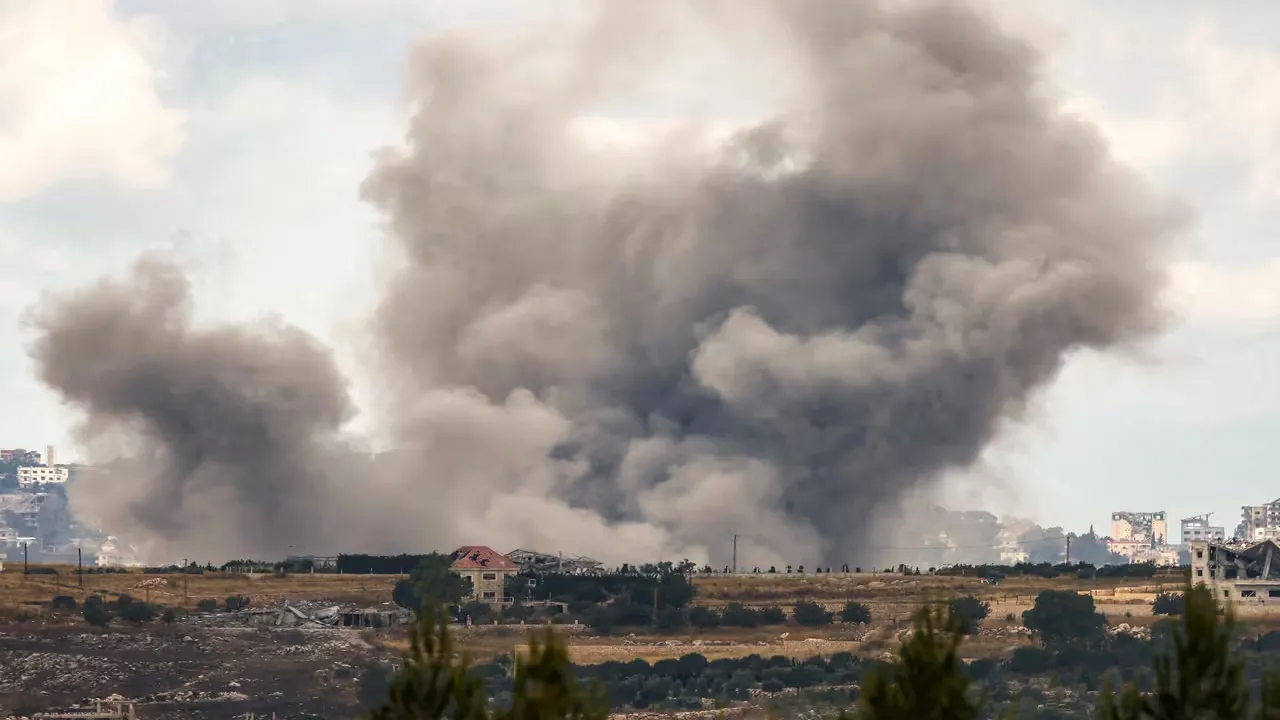
At the heart of investor anxiety lies the Strait of Hormuz, the narrow waterway between Iran and the Arabian Peninsula through which a substantial share of the world's seaborne crude oil and liquefied natural gas exports must pass. Iran has, at various points during the standoff, signalled its willingness to restrict or threaten shipping through the Strait as a form of leverage against Washington and its regional allies, a threat that, even when not carried out in full, has historically been sufficient to inject a substantial risk premium into global oil prices.
Crude oil continuous contracts rose roughly 0.84 per cent to around $82.47 a barrel in the immediate aftermath of the latest strikes, before climbing further in subsequent sessions as the market continued to digest the implications of a conflict that shows every sign of continuing to escalate rather than de-escalate in the near term. Shipping and insurance industry participants have reported a marked increase in war-risk premiums for vessels transiting the region, an early practical indicator of how seriously the commercial shipping industry is treating the disruption risk, independent of whether an actual closure of the Strait ultimately materialises.
How India Is Directly Exposed
For India, the world's third-largest oil consumer and an economy that imports close to 90 per cent of its crude requirements, developments in the Gulf are never a purely foreign story. Every escalation in the US-Iran standoff translates within hours into higher landed costs for Indian refiners, pressure on the rupee as the country's import bill in dollar terms rises, and renewed inflationary risk that complicates the Reserve Bank of India's policy calculus at a moment when growth considerations had, until recently, been the dominant concern for the central bank.
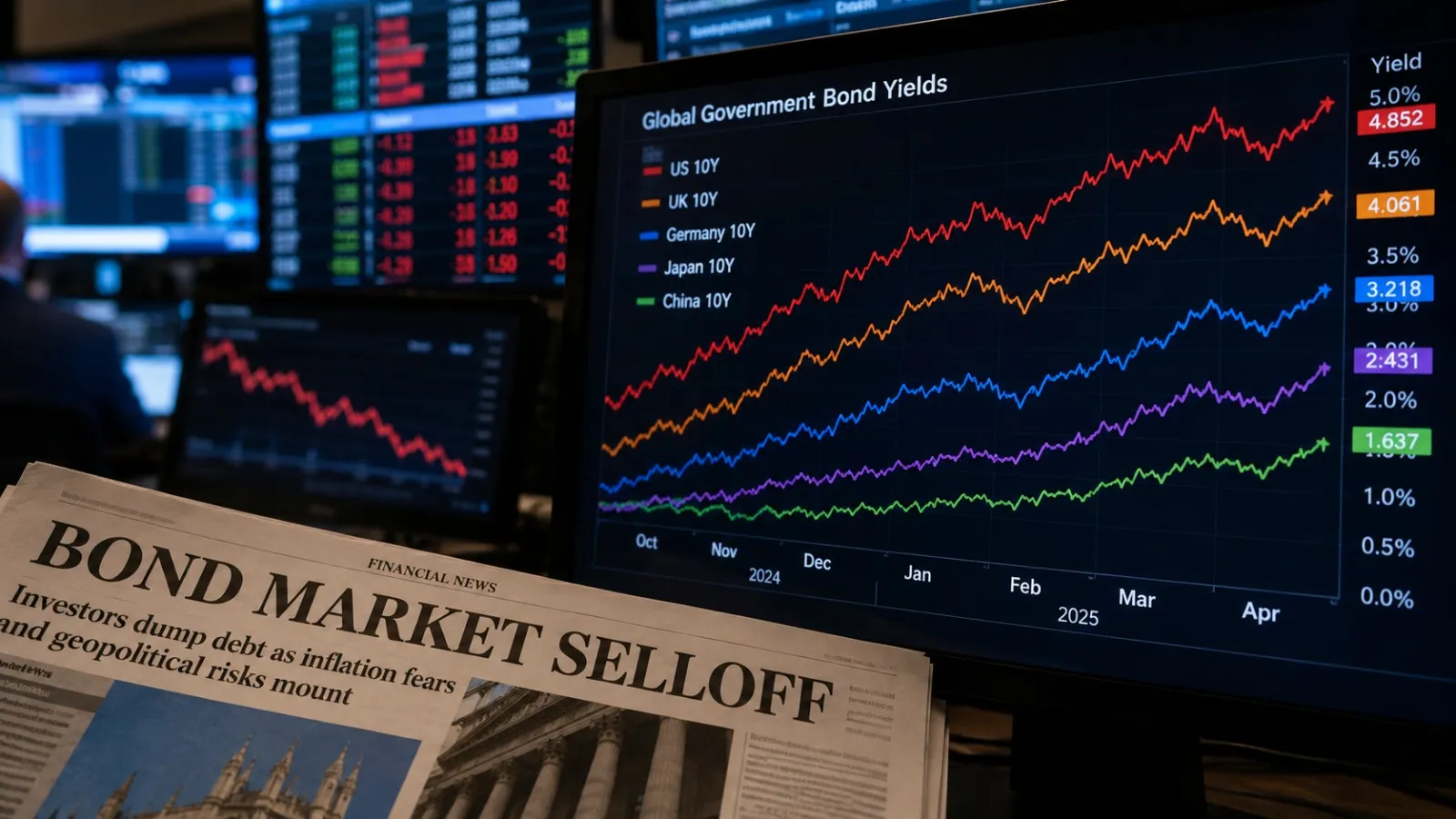
India's currency has traded weaker in line with broader Asian peers through this period of escalation, even as the Reserve Bank of India has, according to market participants, remained watchful for opportunities to smooth excessive volatility through direct intervention in currency markets. Indian bond markets, too, have shown signs of strain, with yields on the benchmark 10-year government security expected to trade in a wider band than usual as investors weigh the twin risks of imported inflation and potential capital outflows tied to broader global risk aversion.
Winners And Losers Across Global Markets
The market reaction to the conflict has been anything but uniform. Notable decliners in the sessions immediately following the latest strikes included several prominent global technology and industrial names, with reported declines in the mid-single digits for some of the more richly valued growth stocks, as investors trimmed exposure to risk assets broadly. At the same time, energy stocks and select defence-adjacent names have found support, benefiting directly from both higher crude realisations and the prospect of increased defence spending as the conflict continues.
Currency markets have shown a similarly uneven pattern. While the US dollar has broadly strengthened as investors sought safety, not every currency has moved in lockstep — the British pound, for instance, has emerged as one of the more notable underperformers among major global currencies through this period, even as the rupee and other Asian currencies have traded in a comparatively narrower, if still weaker, band.
The Federal Reserve's Complicating Role
Adding a further layer of complexity to the global market response, the conflict's inflationary implications are intersecting with a shift in expectations around US monetary policy. A widely tracked probability gauge for a Federal Reserve rate hike in September has climbed meaningfully in recent days, as officials within the Fed system have suggested borrowing costs may need to stay higher for longer to counter inflation risk reignited by the oil-price spike tied to the conflict. A higher-for-longer US rate environment would, in turn, tend to strengthen the dollar further and draw capital away from emerging markets including India, compounding the currency pressure already stemming directly from higher oil prices.
This dynamic — a geopolitical shock simultaneously driving both a direct commodity-price effect and an indirect monetary-policy effect, both of which push in the same direction for emerging-market currencies — is precisely the kind of compounding risk that market strategists say makes the current episode particularly difficult to navigate, relative to more contained, single-channel shocks India has weathered in the past.
What Comes Next
With diplomatic channels between Washington and Tehran showing little visible progress and both sides signalling a willingness to continue military action, market participants globally are bracing for a period of sustained, headline-driven volatility rather than a swift resolution. Energy analysts caution that the risk premium currently embedded in oil prices could either persist or intensify further depending on how the conflict evolves over the coming days and weeks, particularly if shipping through the Strait of Hormuz faces any actual, rather than merely threatened, disruption.
For India specifically, policymakers at the Reserve Bank of India, the finance ministry and state-run oil marketing companies are all understood to be closely monitoring the situation, with contingency planning around currency market intervention, strategic reserve utilisation, and alternative crude sourcing all understood to be under active consideration should the conflict continue to escalate. Until a clearer resolution emerges, Indian markets — equities, bonds and the currency alike — appear set to remain hostage to headlines out of the Gulf, with each fresh escalation carrying the potential to trigger another round of the kind of sharp, synchronised repricing witnessed over the past several sessions.
How Corporate India Is Bracing For Impact
Beyond the immediate market reaction, corporate India's treasury and risk-management desks have, over the past several sessions, moved into a noticeably more active posture, according to bankers who advise large importers and exporters on currency hedging strategy. Companies with significant dollar-denominated import obligations, particularly in sectors like aviation, chemicals and oil marketing, have reportedly stepped up their hedging activity, seeking to lock in forward exchange rates before any further deterioration in the rupee, even at the cost of paying a premium for that certainty given the elevated volatility currently embedded in currency options pricing.
Conversely, export-oriented sectors such as information technology services and pharmaceuticals, which earn a substantial share of revenue in dollars, find themselves in a comparatively more favourable position during this bout of rupee weakness, since a weaker domestic currency directly boosts the rupee value of their dollar-denominated earnings, even as these same companies must separately navigate any indirect economic disruption the broader conflict might cause to global demand for their services.
Comparing This Episode To Past Gulf Crises
Economists who have tracked India's experience through previous Gulf-related oil shocks — including episodes tied to the 1990-91 Gulf War, the 2011-12 Iran sanctions period, and more recent flare-ups over the past several years — note that each episode has tended to follow a broadly similar arc: a sharp initial spike in oil prices and market volatility, followed by a period of elevated but gradually stabilising prices as markets adjust to the new risk environment, and eventually a retreat once the underlying geopolitical trigger either resolves or simply becomes a more familiar, priced-in feature of the market backdrop.
What remains genuinely uncertain in the current episode, according to these same economists, is where on that familiar arc the conflict currently sits — whether the latest round of US strikes represents a peak in the escalation cycle that will soon give way to a more stable, if still elevated, price environment, or whether it marks merely an intermediate stage in a conflict that could continue to escalate further before any meaningful de-escalation becomes visible.
The Diplomatic Track, Such As It Is
Diplomatic channels between Washington and Tehran, along with intermediaries including several Gulf states and European powers who have historically played a mediating role in past US-Iran flare-ups, remain nominally active even amid the latest military escalation, though officials on both sides have offered little public indication of substantive progress toward a ceasefire or broader de-escalation framework. Past episodes of US-Iran tension have, on occasion, seen sudden diplomatic breakthroughs emerge even amid active hostilities, a pattern that keeps markets alert to the possibility of a rapid reversal in sentiment should any credible signal of de-escalation emerge, even as the current trajectory continues to point toward further escalation in the near term.
Regional powers, including Saudi Arabia and the United Arab Emirates, both of which maintain complex, carefully calibrated relationships with Iran alongside their traditional security ties to the United States, have reportedly been engaged in behind-the-scenes efforts to prevent the conflict from spilling over into a broader regional confrontation that could threaten their own energy infrastructure and export capacity, though the effectiveness of these efforts remains, at this stage, difficult for outside observers to assess with confidence.
The Insurance And Shipping Angle
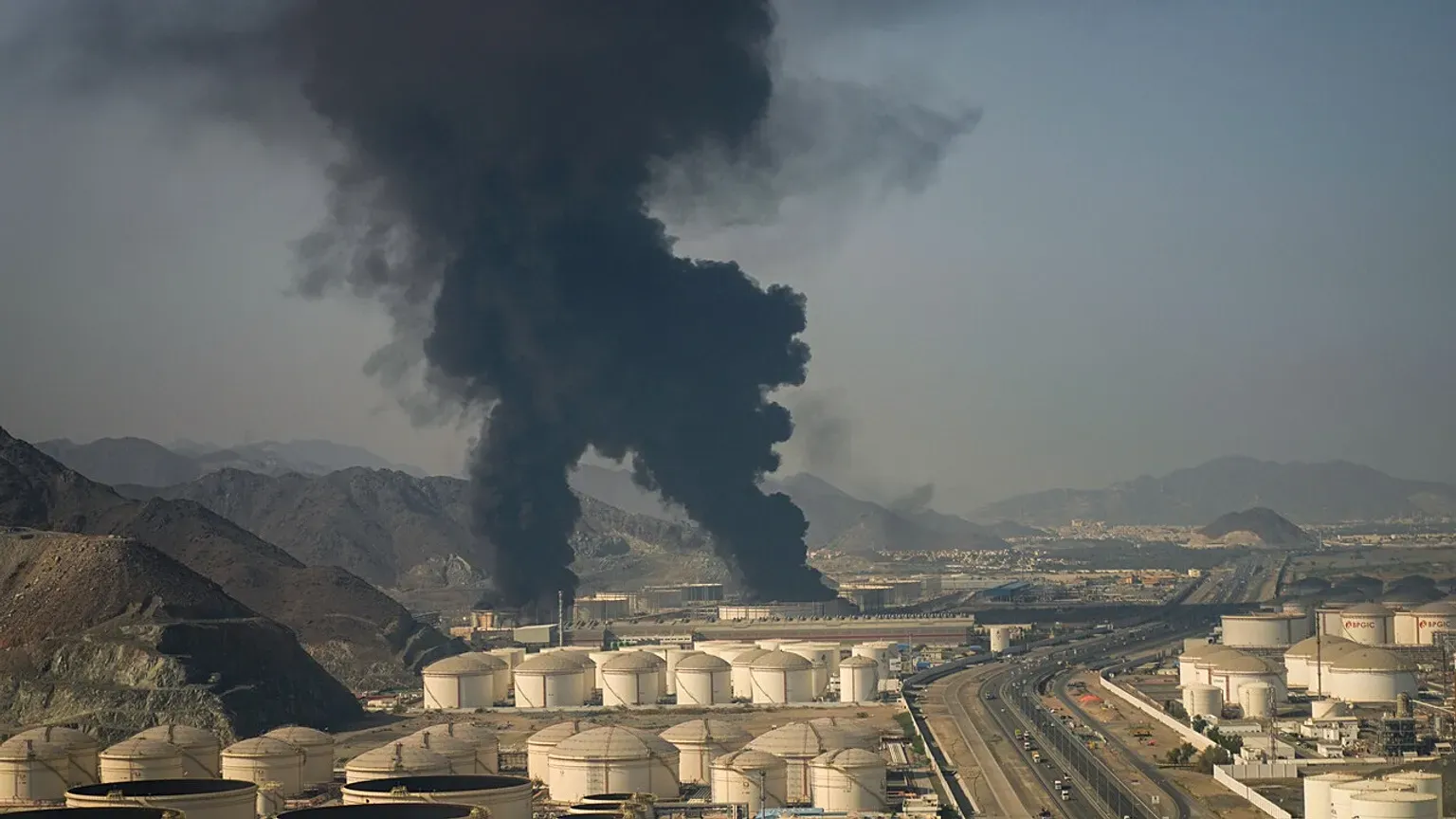
Beyond the direct oil-price and currency effects, the conflict has begun to visibly reshape commercial shipping economics across the wider region, with maritime insurers reportedly raising war-risk premiums for vessels transiting not just the Strait of Hormuz itself but broader swathes of Gulf and adjacent waters. These elevated premiums add directly to the landed cost of crude and other cargo moving through the region, a secondary cost channel that, while smaller in magnitude than the headline benchmark price move, nonetheless compounds the overall economic burden on oil-importing nations including India.
Shipping industry analysts note that some vessel operators have already begun rerouting or delaying transits through the most exposed waters as a precautionary measure, a pattern that, if it continues or intensifies, could begin to introduce actual logistical delays into global crude and refined product flows, independent of any formal disruption to the Strait of Hormuz itself — a reminder that the practical impact of an escalating conflict of this nature often manifests through a range of indirect operational channels well before, and potentially even in the absence of, a headline-grabbing formal blockade.
A Recurring Pattern, With Rising Stakes
Veteran market watchers note that this is far from India's first experience navigating a Gulf-centred geopolitical shock, and the policy playbook — currency intervention, diversified crude sourcing, and calibrated fiscal responses around fuel pricing — is by now well rehearsed from prior episodes over the past decade. What makes the current episode notable, however, is the speed and intensity of escalation relative to some previous standoffs, which more often unfolded over months rather than the compressed timeline of strikes and counter-signals seen over the past two weeks.
That compressed timeline leaves markets with less room to adjust gradually, and has visibly amplified volatility across asset classes globally, not just in energy-import-dependent economies like India. Whether this represents a temporary spike that eases once the immediate military phase of the conflict runs its course, or the opening chapter of a more prolonged period of regional instability, remains, in the words of several strategists tracking the situation, the single most consequential open question hanging over global markets through the remainder of the third quarter.