The TIGI
Manifesto
for 2024.
"In an era of hyper-velocity, we slow down to see. Curation is the ultimate defense against the noise."
We believe that the stories worth telling are those that bridge the gap between human curiosity and technical frontier. Each "Pick" in this volume has been vetted through dozens of hours of discourse.

Julian Vane
Editorial Lead
The Deep Dives

The Pushpa Paycheck: How Allu Arjun Turned a "Thaggede Le" into an ₹800 Crore Empire
In December 2021, Pushpa: The Rise released in theatres with little fanfare from the Hindi belt. Trade analysts predicted a modest run. Then a single dialogue changed everything: "Thaggede Le" – I will not bow down. The film grossed ₹365 crore worldwide, and its Hindi version alone collected over ₹100 crore, making Allu Arjun a pan-Indian phenomenon overnight. Today, Allu Arjun's net worth is estimated at ₹800 crore (approximately $96 million) . His per-film remuneration has climbed from ₹25 crore pre-Pushpa to ₹125 crore plus profit share – putting him in the same league as Prabhas and Ram Charan. He endorses 15+ brands, owns a production house (Geetha Arts, inherited and expanded), and has built a real estate portfolio worth over ₹200 crore

The Greek God of Business: How Hrithik Roshan Built a ₹1,200 Crore Fitness Empire with HRX
The Global Mogul: How Priyanka Chopra Built a ₹4,500 Crore Empire on Purpose
From Miss World to Hollywood royalty, and from Anomaly to Bumble, the Desi Girl has become the face of India's creative export economy.
Culture Lab
Deciphering the signals of the modern aesthetic and the human condition.

The New Empress: How Alia Bhatt Built a ₹400 Crore Empire Before Turning 35
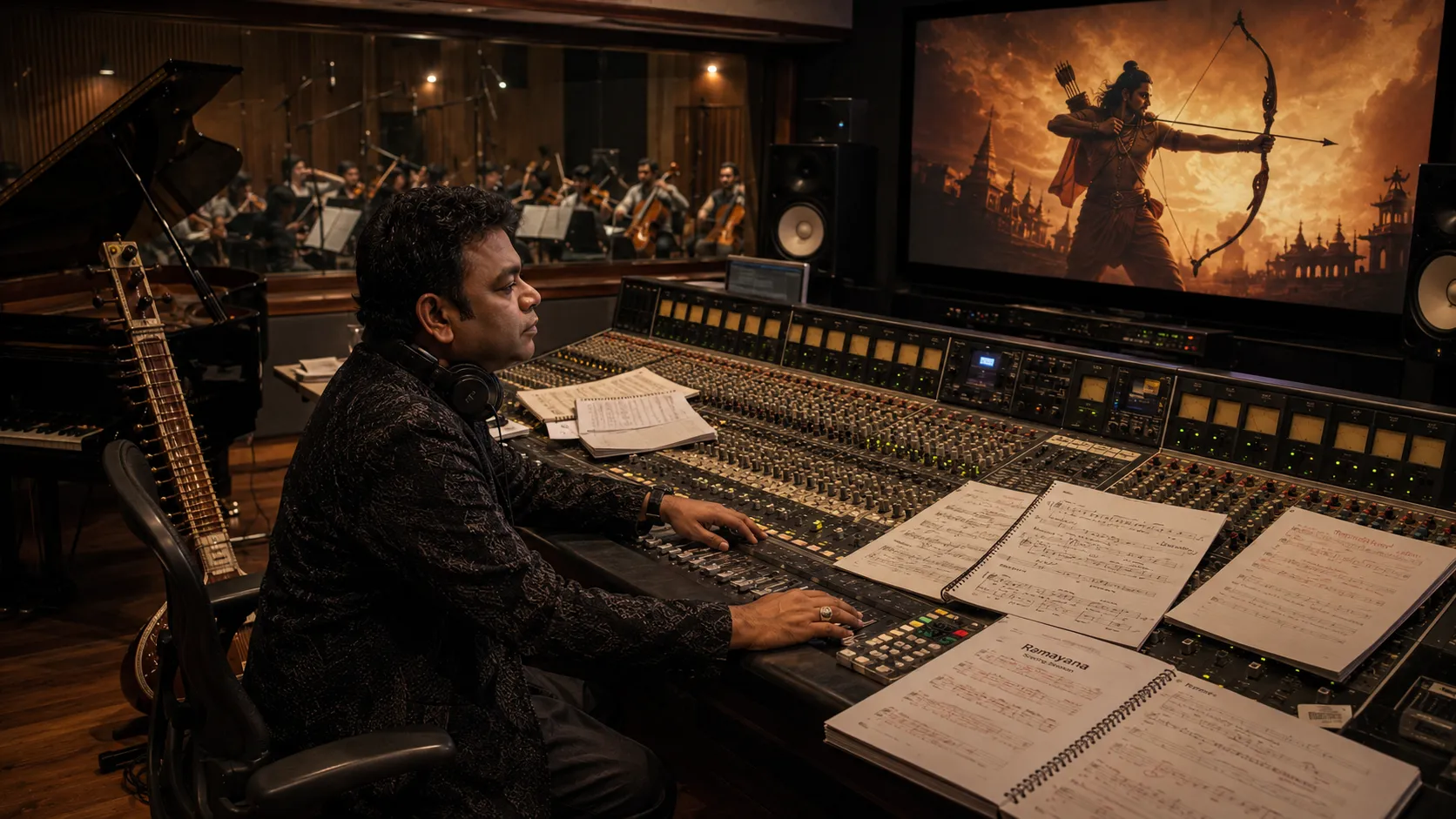
The ₹30 Crore Note: How AR Rahman's Record-Breaking Ramayana Deal—and His "Terrifying" Hans Zimmer Collaboration—Is Rewriting the Economics of Film Music in India
The Cannes Disruption: How Punjabi, Malayalam, and Kannada Cinema Stormed the World's Most Prestigious Film Festival—Without a Single Palme d'Or Contender
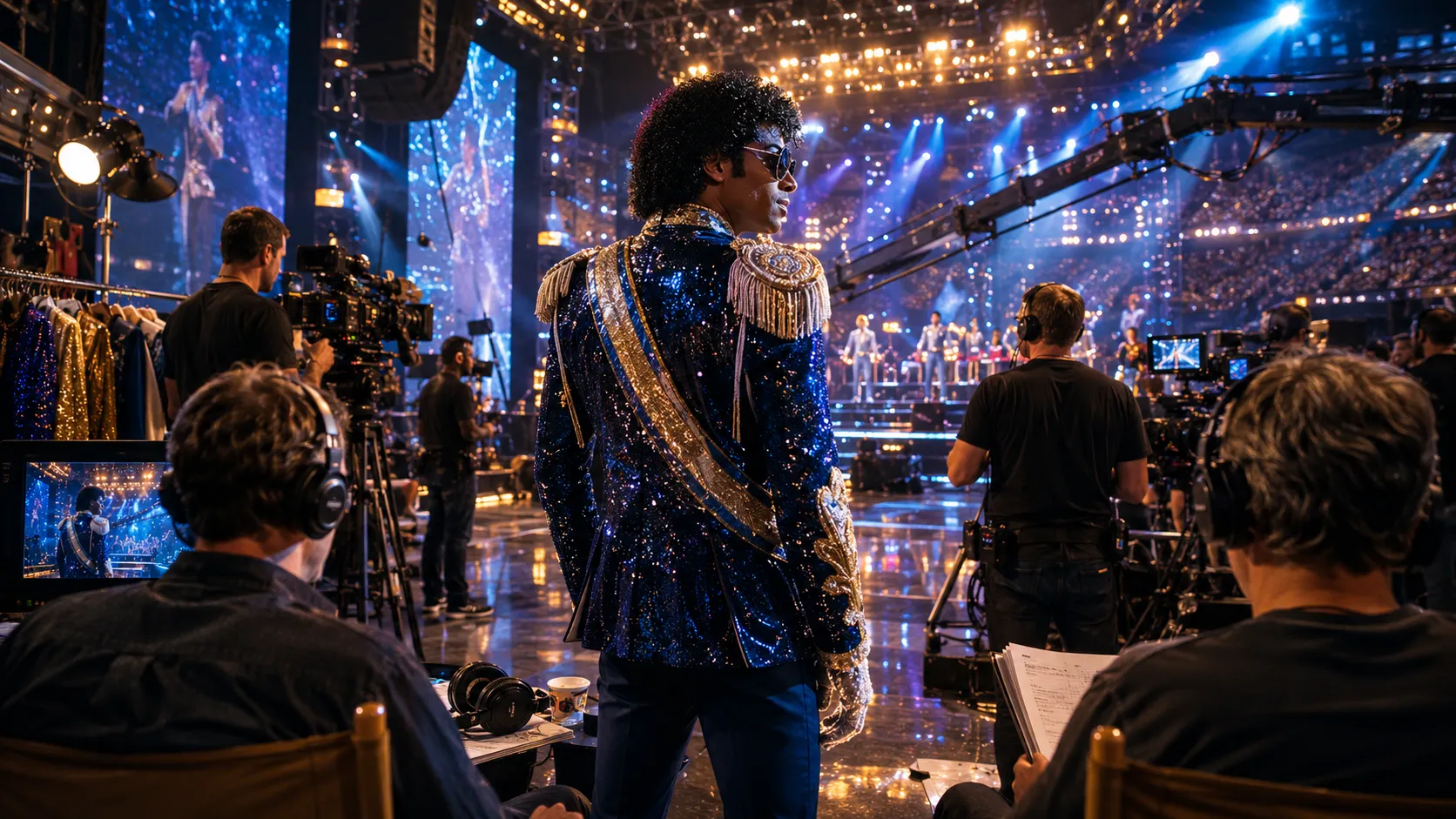
Michael: How A $150 Million Biopic Turned Into One Of Hollywood’s Most Expensive Movie Gambles
Future Tech
The engineering feats that will define the next decade of human capability. Curated by our hardware and bio-tech leads.
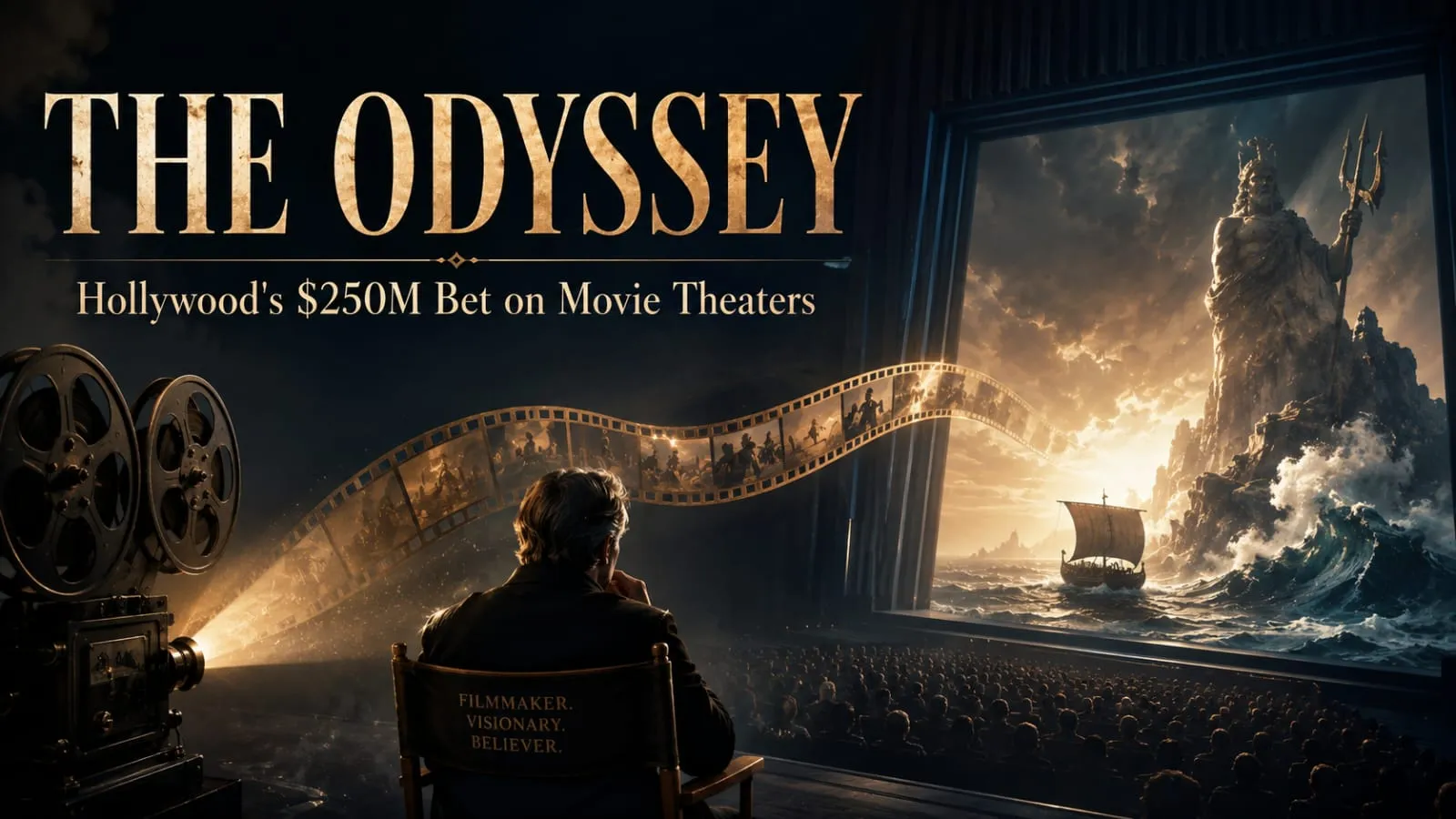
Christopher Nolan's The Odyssey: Hollywood's $250 Million Bet on the Future of the Movie Theater
This is not just a film. It is a stress test for the question that has haunted Hollywood for a decade: can cinemas still create must-watch events in the streaming era?
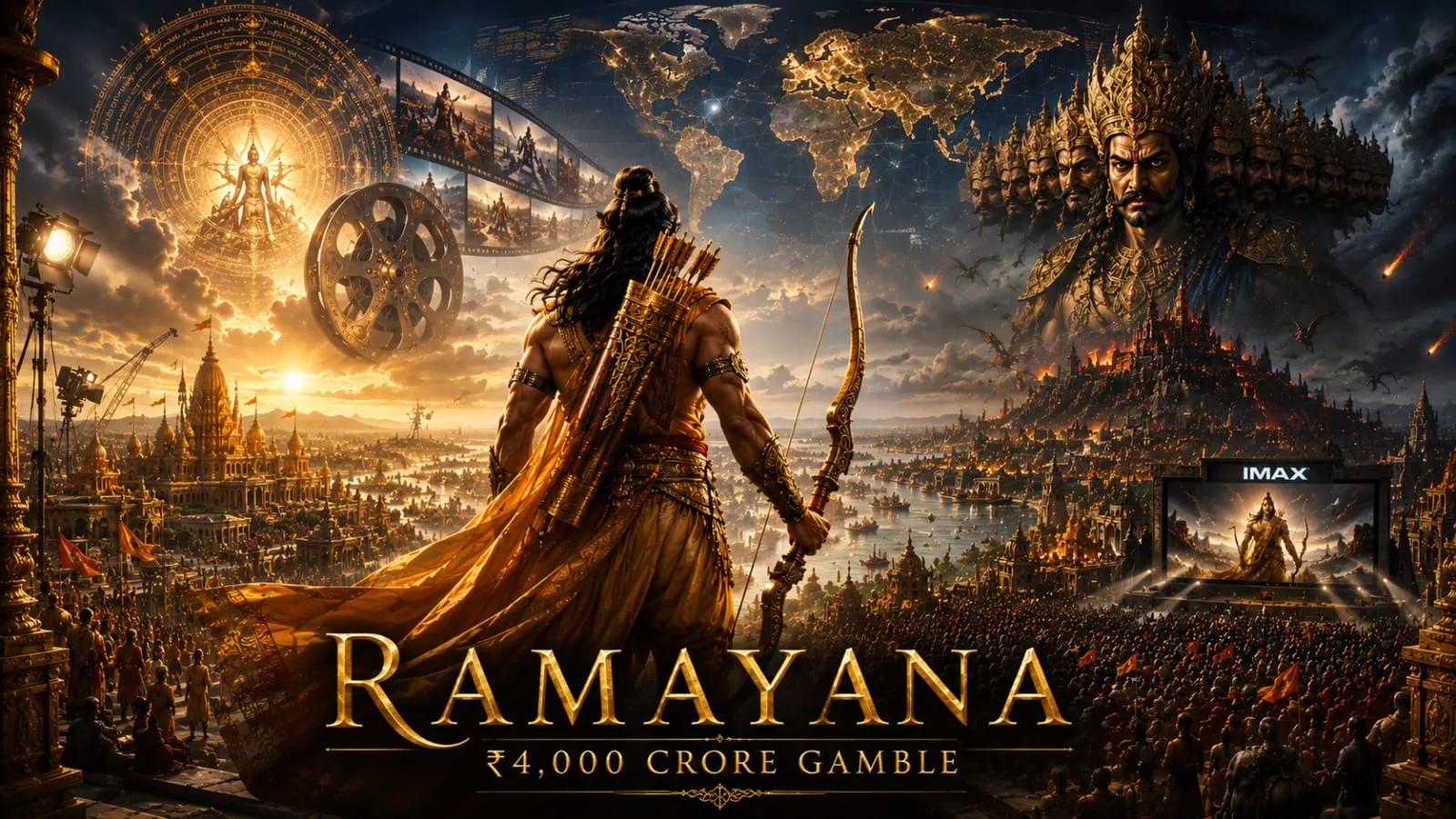
Ramayana 2026: The ₹4,000 Crore Business Gamble That Could Rewrite Indian Cinema Economics
Ramayana is not just a film. It is a ₹4,000 crore bet on the proposition that Indian mythology, mounted at global scale, can travel anywhere—and pay for itself along the way.

The ₹4,000 Crore Prayer: Inside the Most Expensive Gamble in Indian Cinema History—And the 42,000 Screens It Has to Fill to Break Even
Sometime in the next five months, the first images from a film set will be released to a public that has been waiting for them with a mixture of reverence, curiosity, and anxiety. The film is Nitesh Tiwari's Ramayana, and it is, by any financial measure, the most audacious bet in the history of Indian cinema. The two-part epic carries a production budget of approximately ₹4,000 crore—roughly $480 million—which makes it not just the most expensive Indian film ever made, but one of the most expensive films ever made anywhere on Earth. The first part is scheduled for Diwali 2026. The second will follow in 2027. And the question that now hangs over every conversation in every trade circle in Mumbai is not whether the film will be good. It is whether the economics of global cinema can support a bet this large.
Social
Impact
Reimagining systems through radical empathy and sustainable engineering.
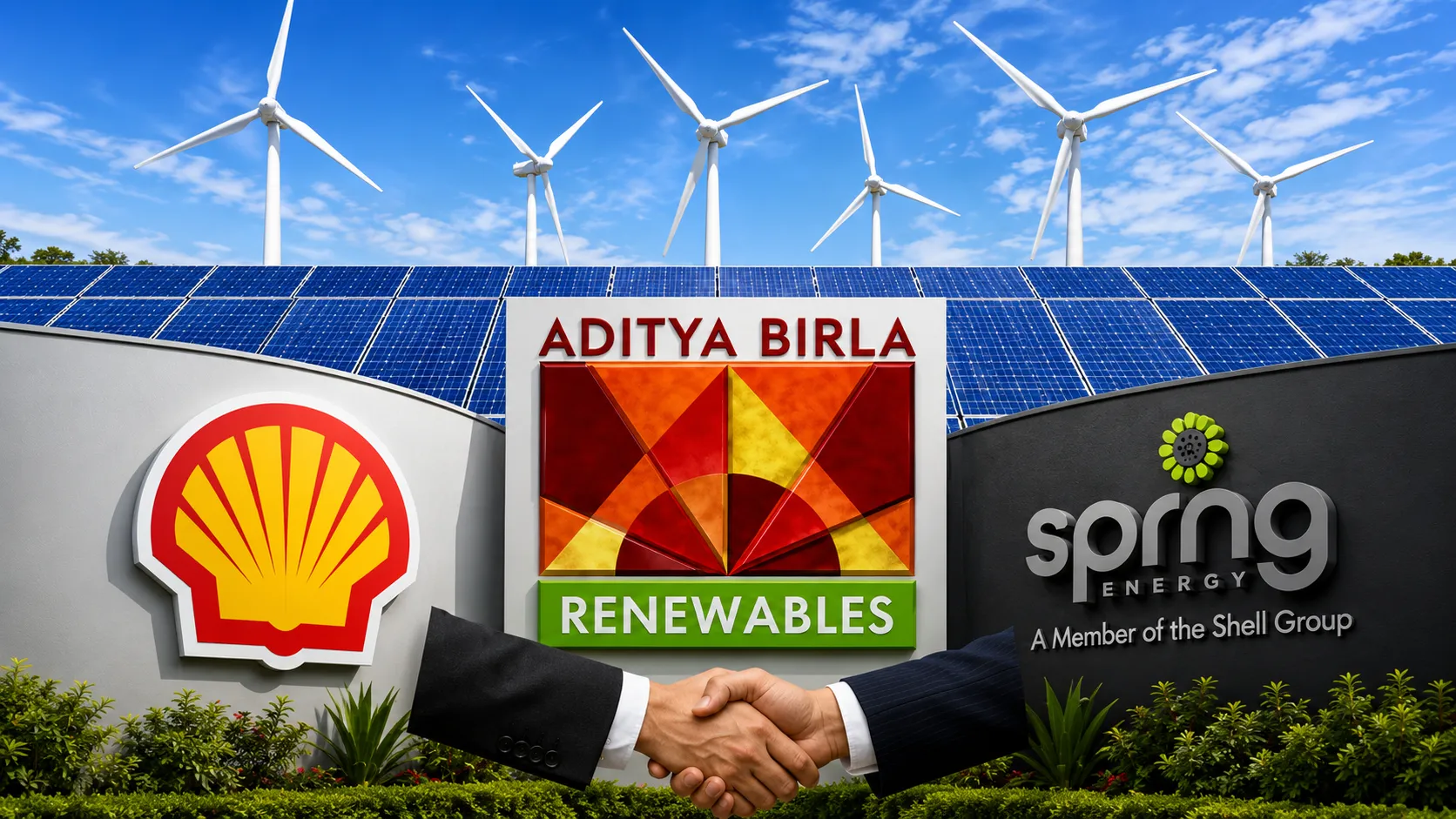
Aditya Birla Group Strikes Rs 17,200 Crore Deal to Acquire Shell's Sprng Energy — India's Renewable Race Gets Its Biggest Conglomerate Yet
Aditya Birla Group has struck a Rs 17,200 crore deal to acquire Shell's Indian renewable energy platform, Sprng Energy, marking a major conglomerate push into India's clean energy sector.

DUSQ Changes What Happens While You Are Sleeping. And America Just Paid $1 Million to Find Out.
DUSQ launched on US Kickstarter on June 9, 2026. Within days, it had crossed $1 million — becoming the fastest Indian healthtech company in the platform's history to do so, surpassing Ultrahuman's original Ring campaign by 2x
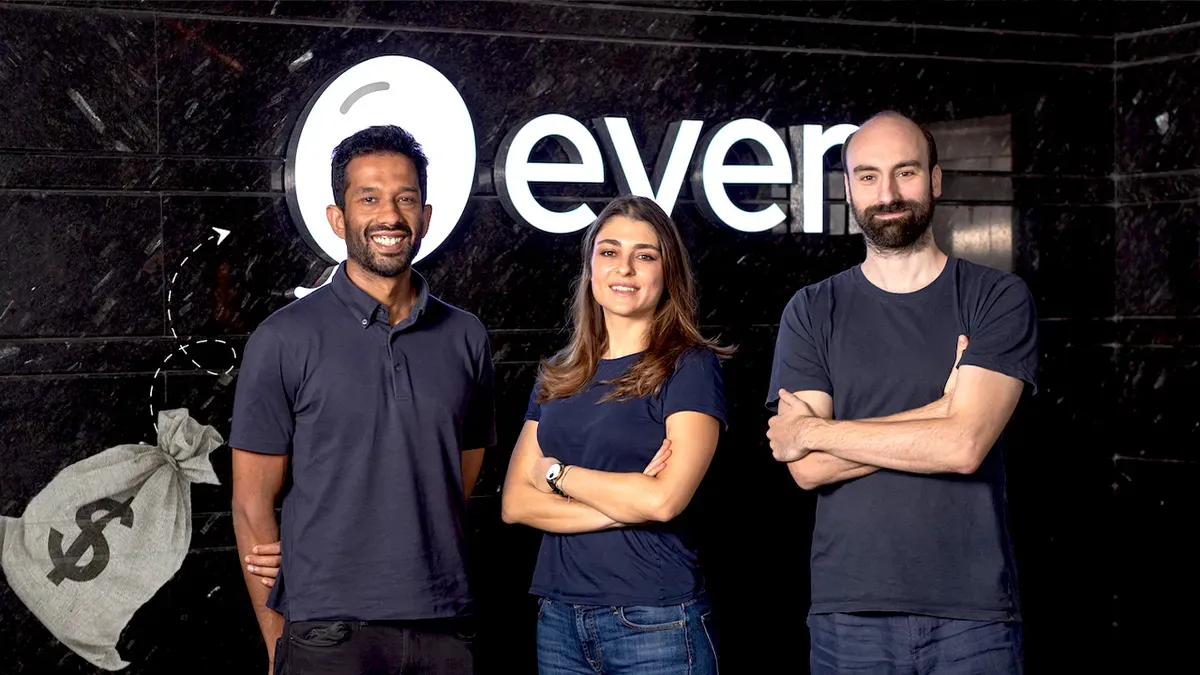
Even Healthcare Raises $20 Million, Doubles Valuation in Under a Year
Most hospitals take two to three years to break even. Even Healthcare did it in six months. By aligning incentives around patient recovery rather than hospital utilization, the Bengaluru startup has built a model that delivers better outcomes and sustainable economics—and investors are doubling down.
Stay Ahead.
"Essential signal for the modern mind, delivered every Sunday morning."
placeholder
Join 45,000+ industry leaders and global thinkers.