The Hospital That Broke Even in Six Months
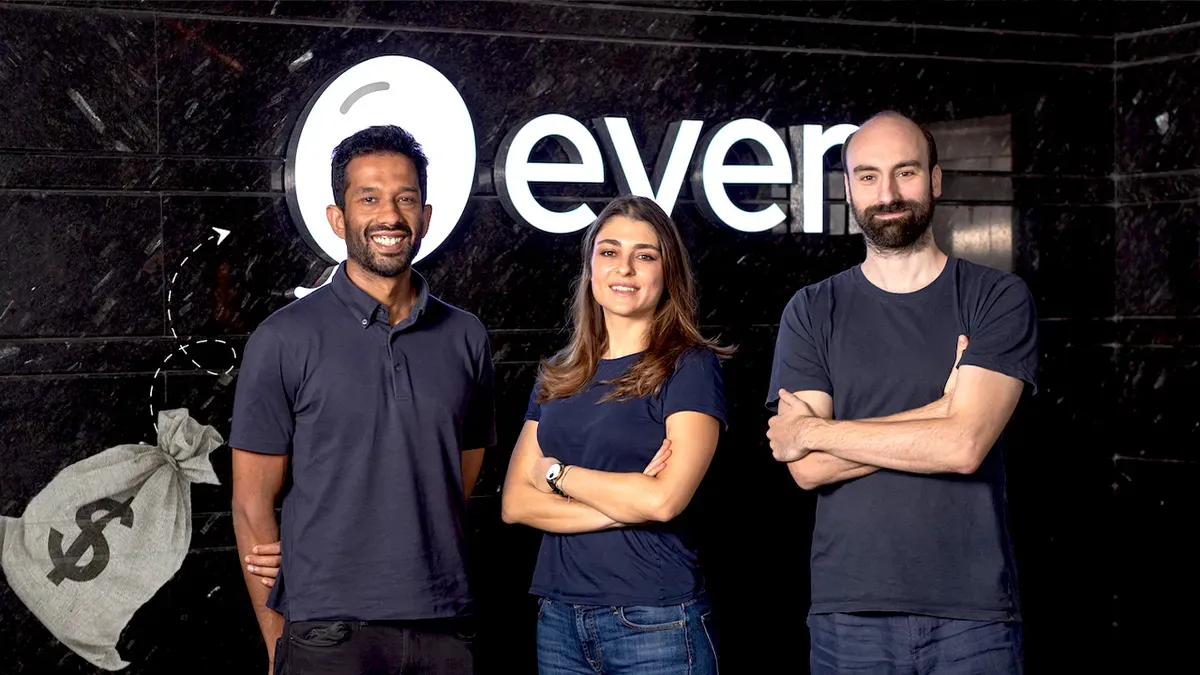
In January 2026, Bengaluru-based Even Healthcare announced it had raised $20 million (approximately ₹180 crore) in an extended Series A funding round . The round was led by existing investors Lachy Groom and Alpha Wave, with participation from new investor Sharrp Ventures, bringing the company's total funding to $70 million . More notably, the company also announced that its valuation had more than doubled in under a year .
The numbers that justify that valuation are striking. Even's first hospital, launched in Bengaluru in May 2025, reached operating break-even in under six months . By comparison, most hospitals take two to three years to achieve the same milestone .
Co-founder Mayank Banerjee explained the significance: "What matters even more is how we got there: Even's model is structurally designed to reduce what many hospitals are paid to maximise—unnecessary admissions, long stays and avoidable return visits" . He added: "This tells us you can build a hospital that keeps people healthier, puts patients first, and still run a strong business" .
The Managed-Care Model
Unlike traditional hospitals that operate on a fee-for-service model where physicians are compensated based on procedures and revenue generation, Even employs doctors on fixed salaries and rewards them for clinical outcomes rather than volumes . The company serves as both insurer and healthcare provider, operating a vertically integrated "payvider" model that combines insurance economics with care delivery .
The model is designed to ensure continuity of care across the entire patient journey: from 24/7 teleconsultations and coordinated diagnostics, to hospitalisation when needed, and structured recovery support at home to prevent avoidable complications and readmissions .
The Results That Proved the Model
The early clinical data is compelling. From a tracked cohort across Even's hospital and care network, the company reported :
Zero unplanned 30-day readmissions among more than 350 surgeries
No reported post-operative infections
Over 5,000 outpatient visits
Over 200 hospitalisations avoided through monitored at-home recovery
Average hospital stays at least 40% shorter than comparable settings
A 50% reduction in post-surgery hospital readmissions
A 92% online revenue retention rate by September 2025, one of the highest in the healthcare sector
The Expansion Plan
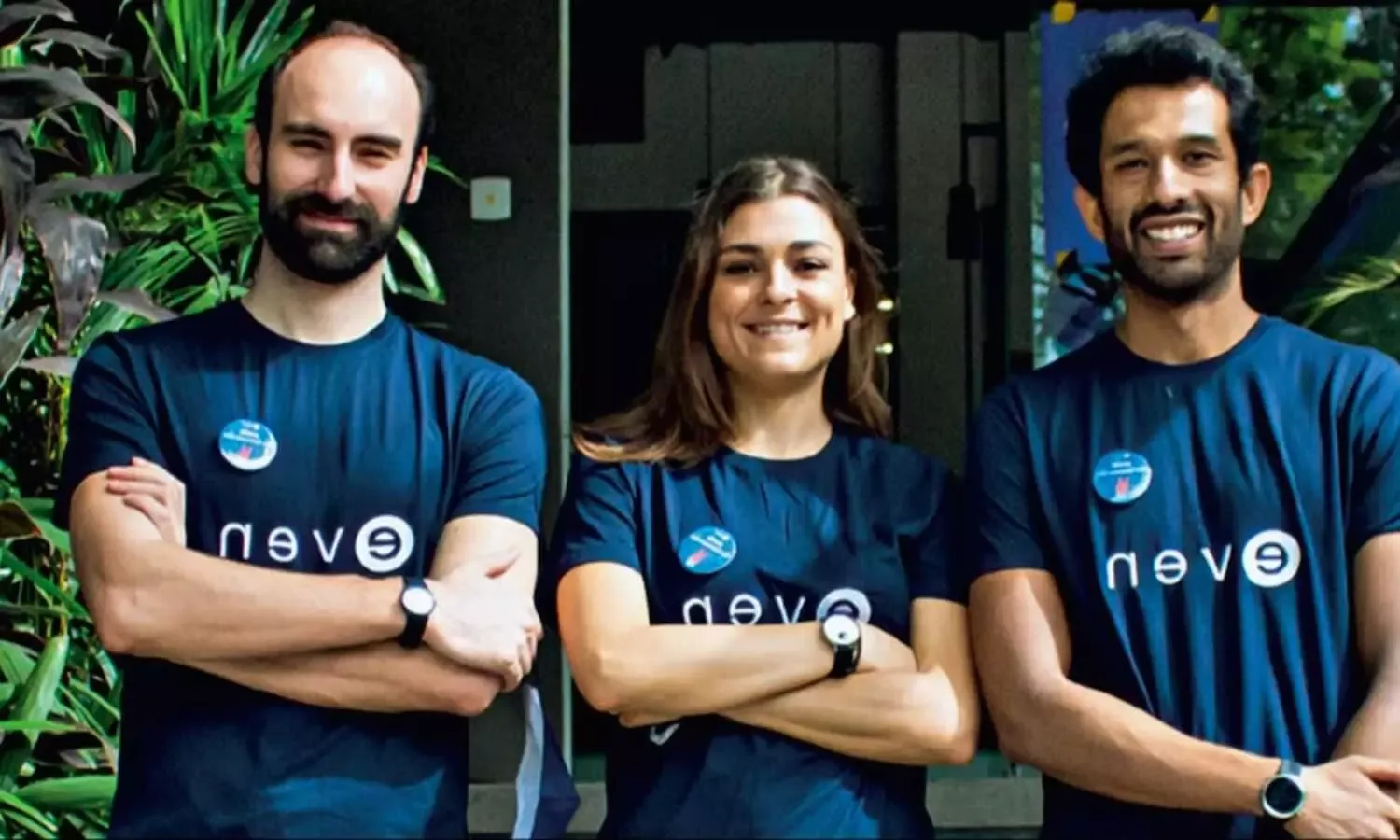
The fresh capital will be used to expand the company's hospital footprint in Bengaluru and scale its managed-care model . Banerjee told CNBC-TV18 that for the next six to twelve months, expansion will remain concentrated in Bengaluru. Beyond that, the company is planning a broader national rollout, with hopes to grow from one hospital to 15–25 hospitals over the next two to three years, targeting regions where it already has a strong and serviceable membership base .
The company estimates it will require ₹700–800 crore in total capital to support its plans of launching up to 25 hospitals over the next three to five years . A portion of the funding will come from internal accruals.
Lachy Groom, an investor in Even, noted: "Managed care works when incentives are aligned around patient recovery, and Even has shown that this model can scale without compromising quality. Their ability to reach break-even in under six months while reducing avoidable hospitalisations gives us confidence that this is a business worth doubling down on" .
The Bottom Line
Even Healthcare has demonstrated that a hospital can be built and operated differently—one that prioritizes patient outcomes over hospital utilisation, and still achieves sustainable economics. Its six-month break-even and $20 million funding round validate a model that could reshape how healthcare is delivered in India.


