Results (998 found)

The Pivot That Saved India's First AI Unicorn: How Bhavish Aggarwal Stopped Chasing ChatGPT, Killed His Chip Dream, and Built a Profitable Cloud Fortress Instead
StartupsMay 22, 2026

The Pivot That Saved India's First AI Unicorn: How Bhavish Aggarwal Stopped Chasing ChatGPT, Killed His Chip Dream, and Built a Profitable Cloud Fortress Instead

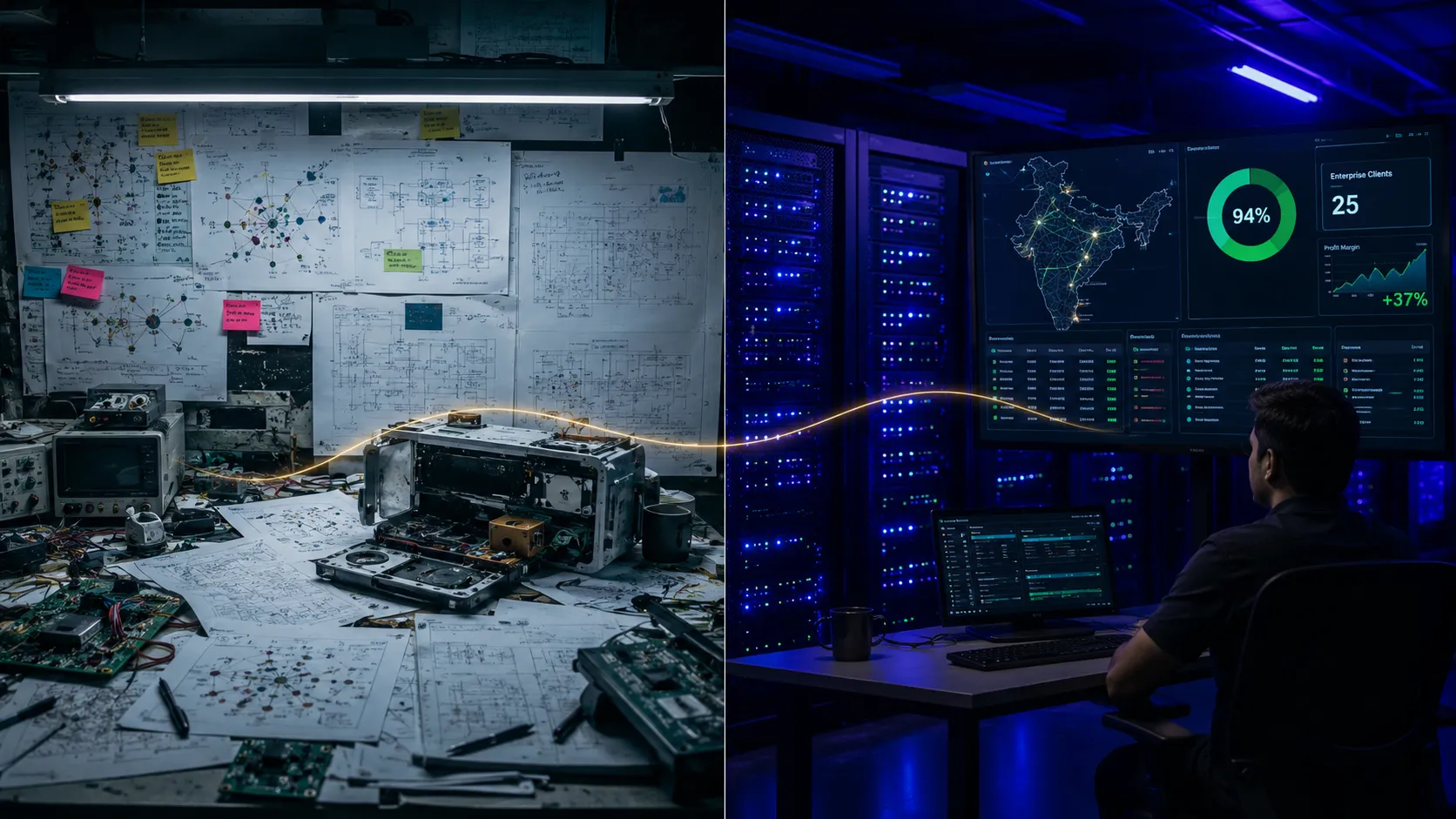
Sometime in late 2025, Bhavish Aggarwal sat in a conference room and made a decision that most founders of his stature never make. He decided to stop. Not the company. The plan. The grand, intoxicating, venture-funded plan to build India's own ChatGPT—a foundational language model trained on Indian languages, running on Indian-made chips, competing with the most advanced AI systems on Earth. The plan that had made Krutrim India's first AI unicorn. The plan that had attracted $50 million in funding at a $1 billion valuation. The plan that was, by late 2025, burning capital and talent on two separate moonshots—chip design and frontier model development—neither of which was anywhere near generating revenue.

The Mother-Daughter Duo Who Bet ₹25 Crore That Hand-Embroidered Lucknowi Chikankari Belongs on the Global Runway—Not Just in Indian Trousseaus
WomenMay 22, 2026

The Mother-Daughter Duo Who Bet ₹25 Crore That Hand-Embroidered Lucknowi Chikankari Belongs on the Global Runway—Not Just in Indian Trousseaus

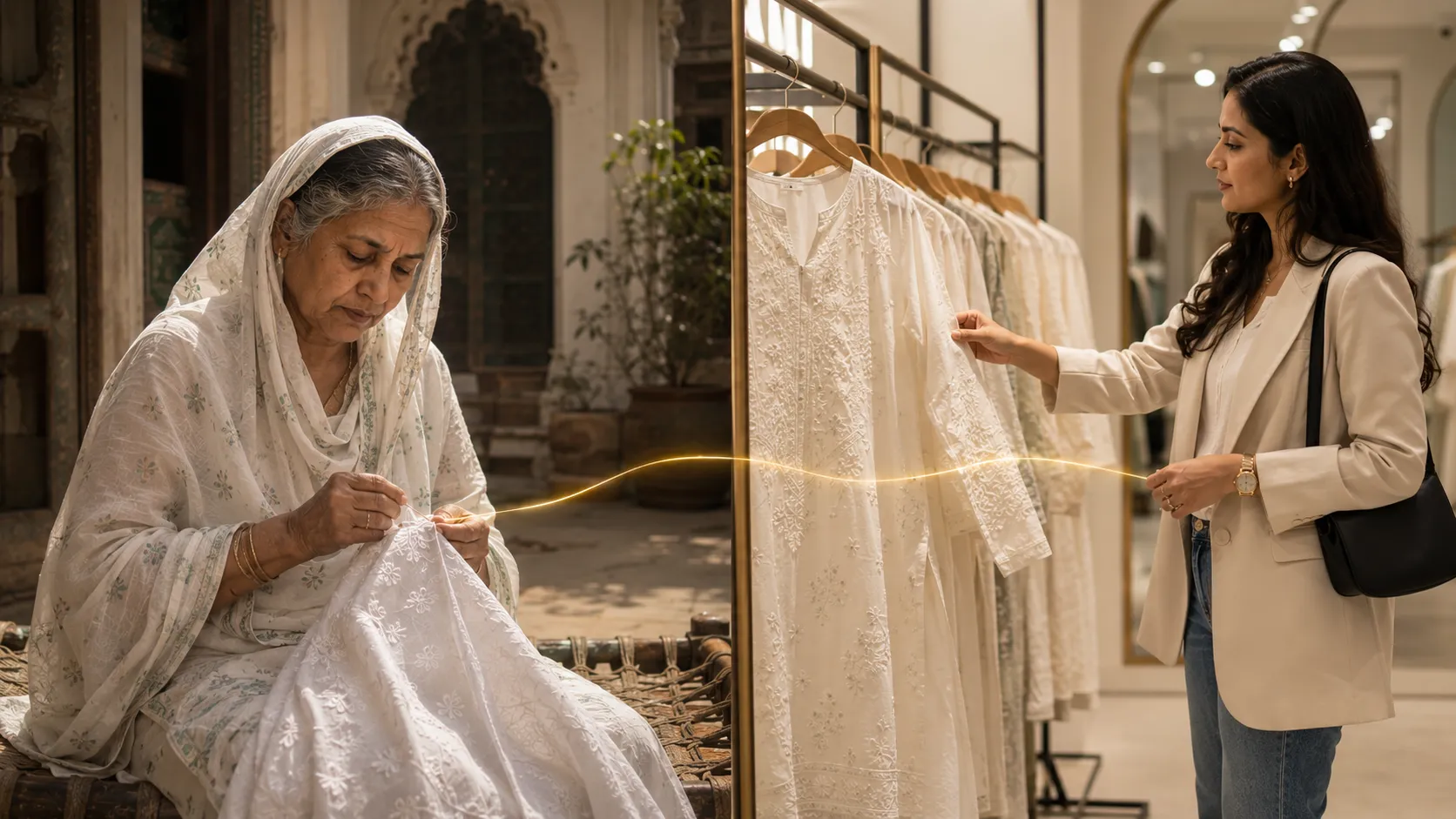
Aakriti Rawal was not supposed to be a fashion entrepreneur. She was a business school graduate with the kind of resume that leads to consulting firms and corporate strategy roles, not fabric swatches and artisan villages. Her mother, Poonam Rawal, was not supposed to be her co-founder. She was a homemaker who had spent decades watching the exquisite hand-embroidered chikankari of Lucknow slowly disappear from the world—replaced by machine-made imitations, devalued by middlemen, abandoned by the next generation of artisans who saw no future in a craft that paid pennies and offered no dignity.

The 20-Year-Old, the ₹1,000 Startup, and the 300 Women: How a Ludhiana Girl Turned Her Grandmother's Crochet Hooks Into a ₹12 Crore Empire
WomenMay 22, 2026

The 20-Year-Old, the ₹1,000 Startup, and the 300 Women: How a Ludhiana Girl Turned Her Grandmother's Crochet Hooks Into a ₹12 Crore Empire

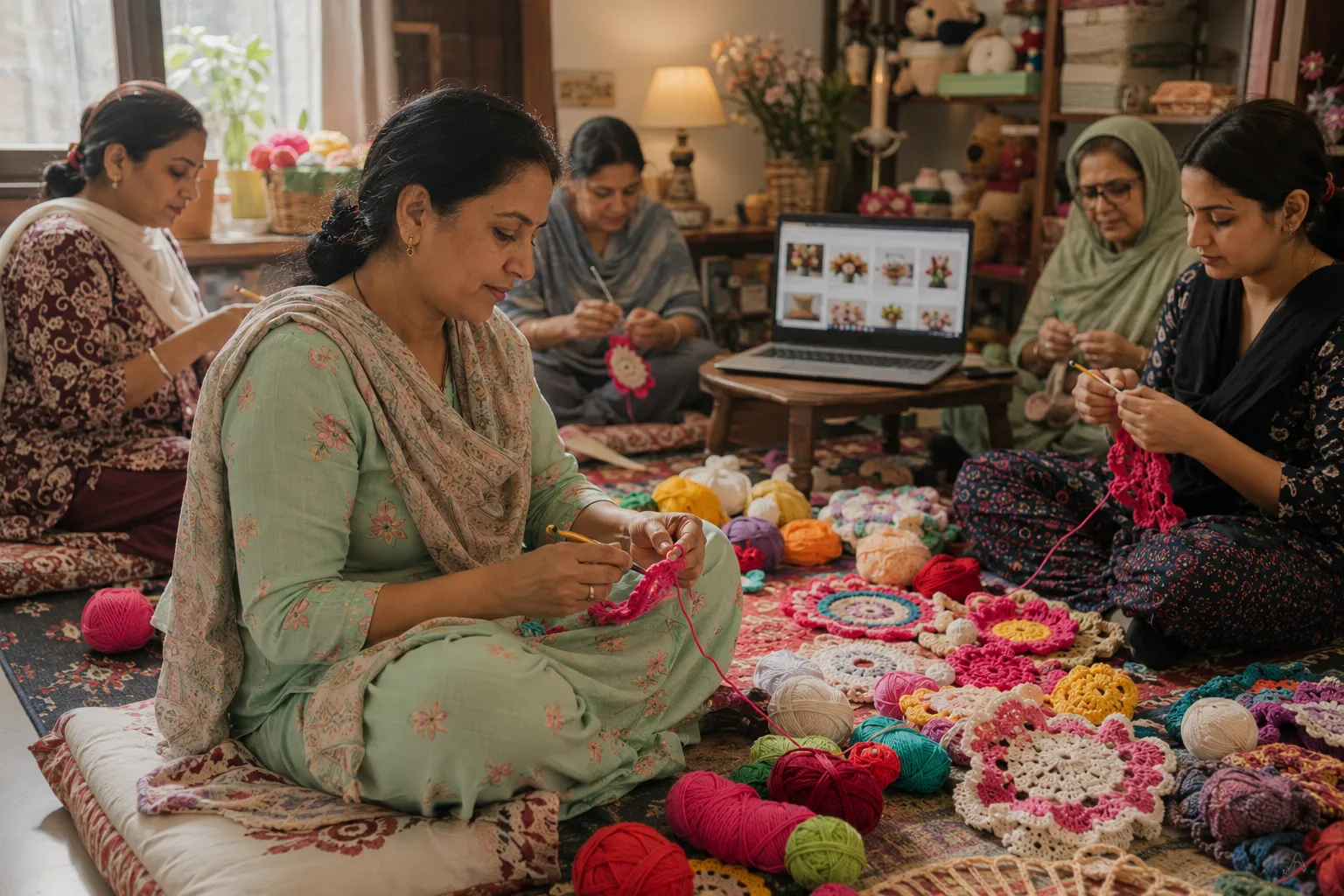
Vanshika Mittal was 18 years old when she launched her first business. It failed. She had tried selling paintings—art she had made herself, poured hours into, believed in. Nobody bought them. The rejection was total and, in retrospect, the most valuable thing that ever happened to her. It taught her, at an age when most of her peers were filling out college applications, that the market does not care how hard you worked. It cares whether you made something people want.

The Luggage Brand That Asked a Radical Question: What If Women Designed Travel Gear for Women?
WomenMay 22, 2026

The Luggage Brand That Asked a Radical Question: What If Women Designed Travel Gear for Women?

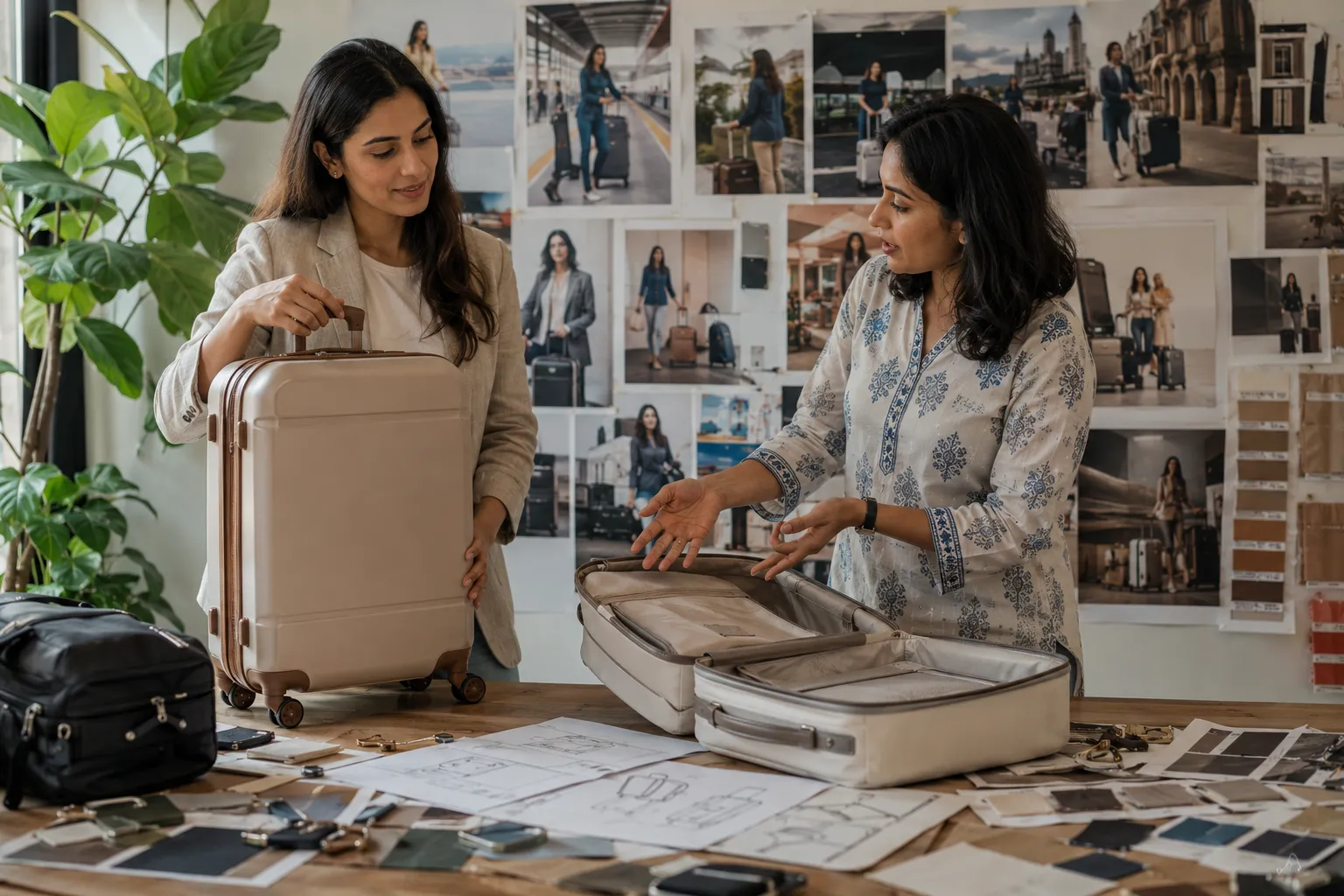
The global luggage industry has spent decades designing products for a single, unspoken default customer: a man. The handles are sized for male hands. The organisational logic assumes a certain kind of packing—suits, shoes, gadgets—that bears little resemblance to how most women actually travel. The colour palette—black, charcoal, dark navy—is the palette of the business-class aisle, designed by industrial engineers who have never tried to find a specific pair of earrings in a carry-on at 35,000 feet.

The Indian Watch Brand That Sells Out Every Launch—And Just Took Aim at the Swiss
StartupsMay 22, 2026

The Indian Watch Brand That Sells Out Every Launch—And Just Took Aim at the Swiss

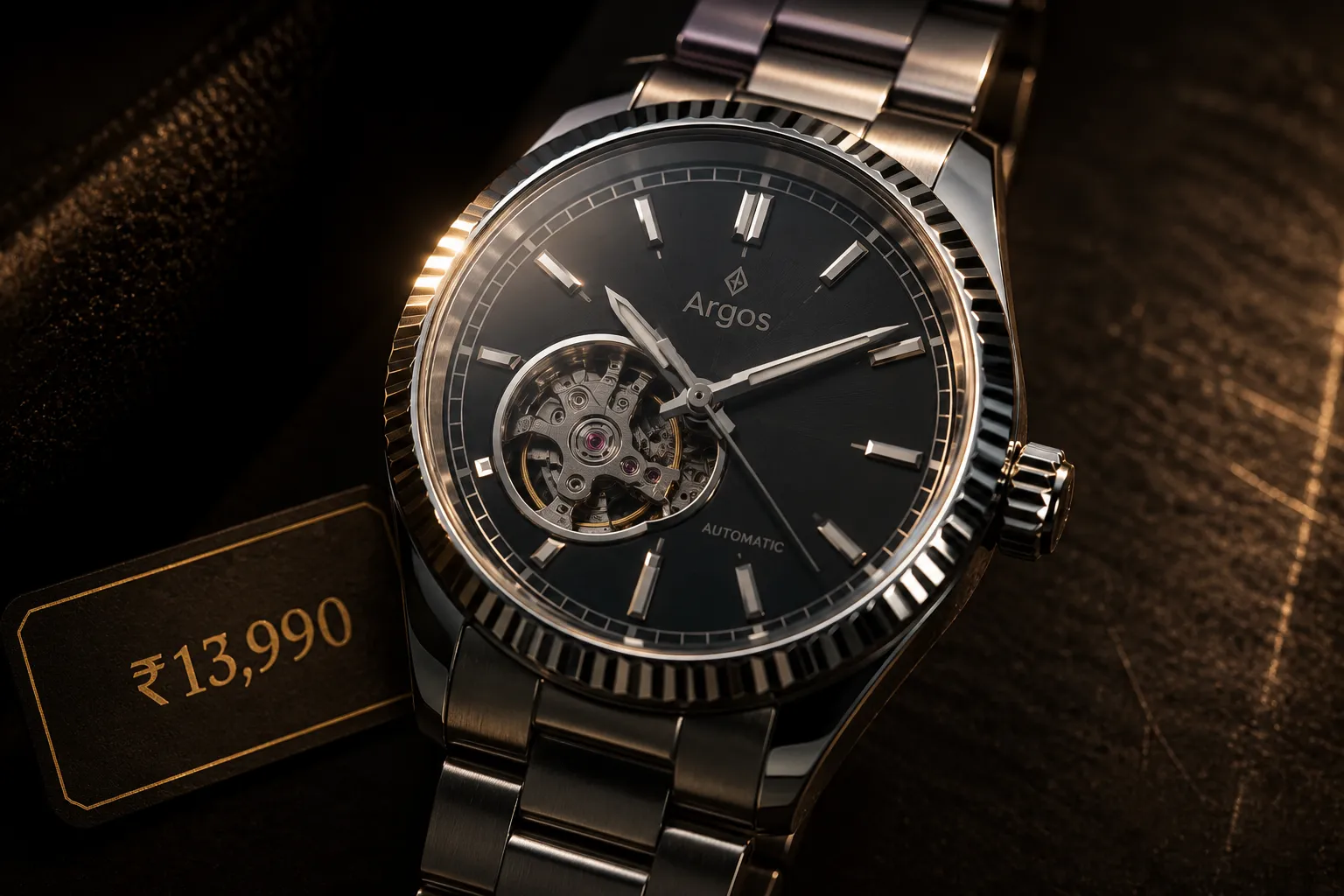
Somewhere in the backstreets of Mumbai's watch district, a brand that did not exist three years ago has been doing something that Swiss executives with six-figure marketing budgets and centuries of heritage cannot explain. Every time Argos Watches launches a new collection, the watches disappear. Olympus I sold out. Apollo III sold out. This week, the company launched Olympus II, its latest automatic watch line priced from ₹13,990—roughly $170—and more than 34,000 people had already signed up before the launch to be first in line. The collection features Japanese Miyota automatic movement, open-heart dials, sapphire crystal glass, and fluted detailing. The watches went live on Monday. By Wednesday, the website was displaying the three words that have become the brand's signature: "Sold Out Again."

The ₹5 Sachet That's Quietly Building India's Next FMCG Giant—One Village at a Time
StartupsMay 22, 2026

The ₹5 Sachet That's Quietly Building India's Next FMCG Giant—One Village at a Time

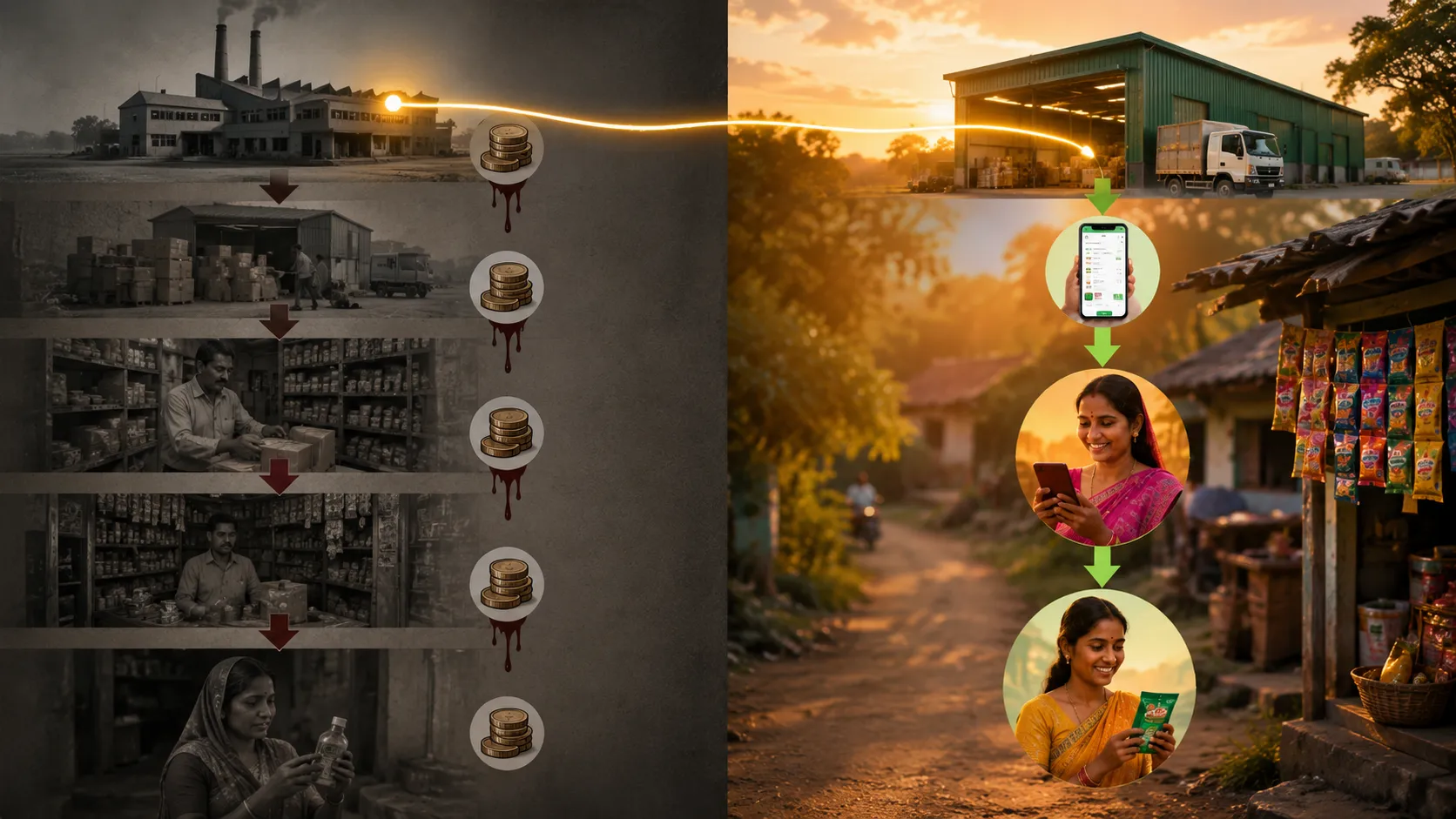
Ankur Dahiya has spent the past twelve months doing something that most FMCG executives would describe as commercially irrational. He has been selling shampoo, detergent, and cooking oil in single-use sachets priced at ₹5—roughly six cents—to customers in villages that are not connected by paved roads, in districts that do not appear on any consumer brand's growth map, through a network of women micro-entrepreneurs who had never sold anything before his company trained them.

The Tea Brand That Conquered 180 Countries Before Selling a Single Bag in India—And the $65 Crore Bet That Comes Next
StartupsMay 22, 2026

The Tea Brand That Conquered 180 Countries Before Selling a Single Bag in India—And the $65 Crore Bet That Comes Next

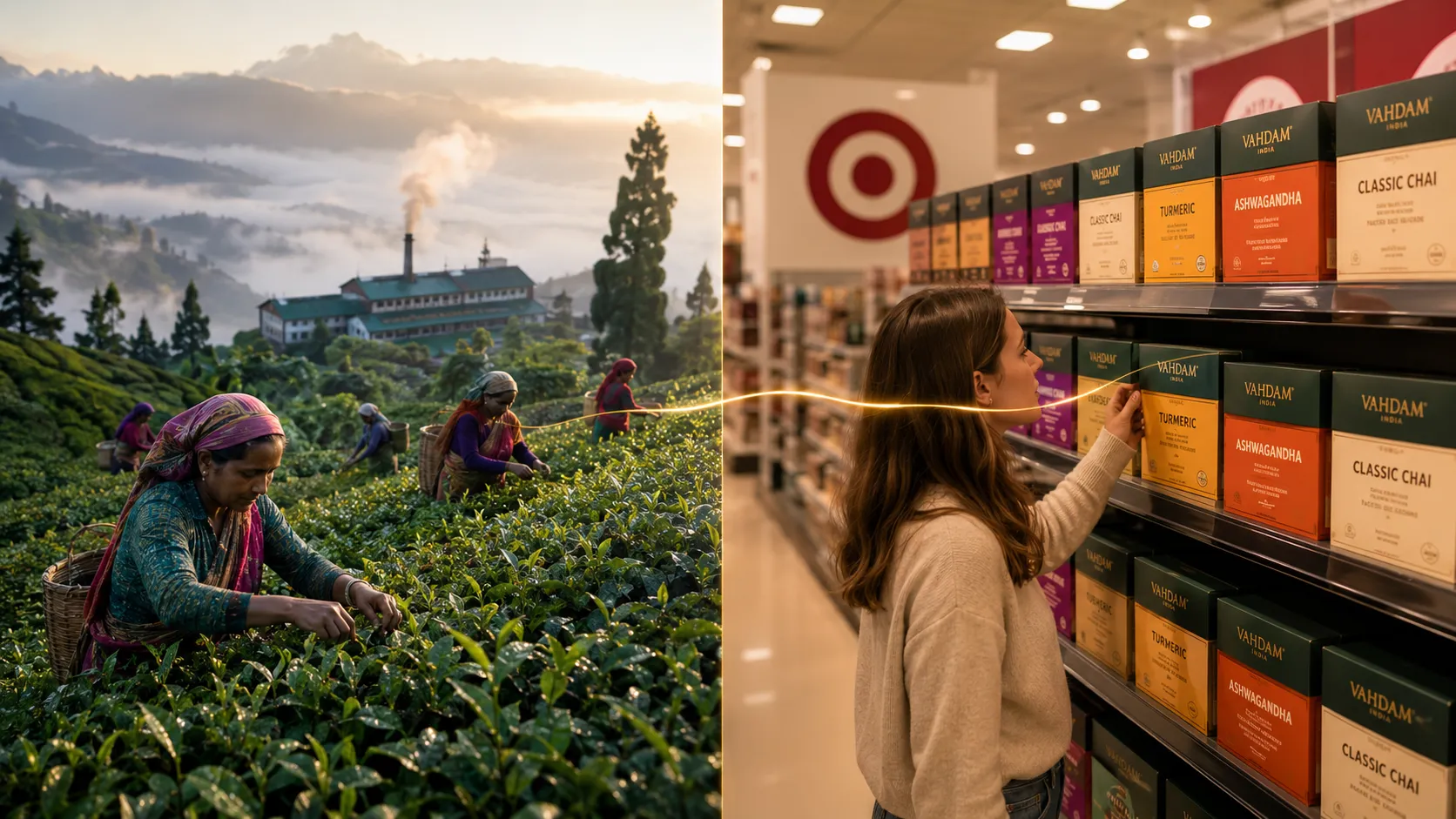
Bala Sarda was 23 years old when he made a decision that defied every convention of Indian entrepreneurship. He was the scion of a 90-year-old tea dynasty—the Sardas of Darjeeling, whose plantations had produced some of the finest loose-leaf tea in the world for four generations. He could have spent his twenties learning the family business from a corner office, taking over the export operation, and settling into the comfortable trajectory of a legacy industry. Instead, he looked at the tea industry and saw that it was broken. Not the tea. The business model.

The Australian Startup That Just Got a $38 Million CHIPS Act Nod to Build Silicon Qubits—and Could Slash the Cost of Quantum Computing by 99%
StartupsMay 22, 2026

The Australian Startup That Just Got a $38 Million CHIPS Act Nod to Build Silicon Qubits—and Could Slash the Cost of Quantum Computing by 99%

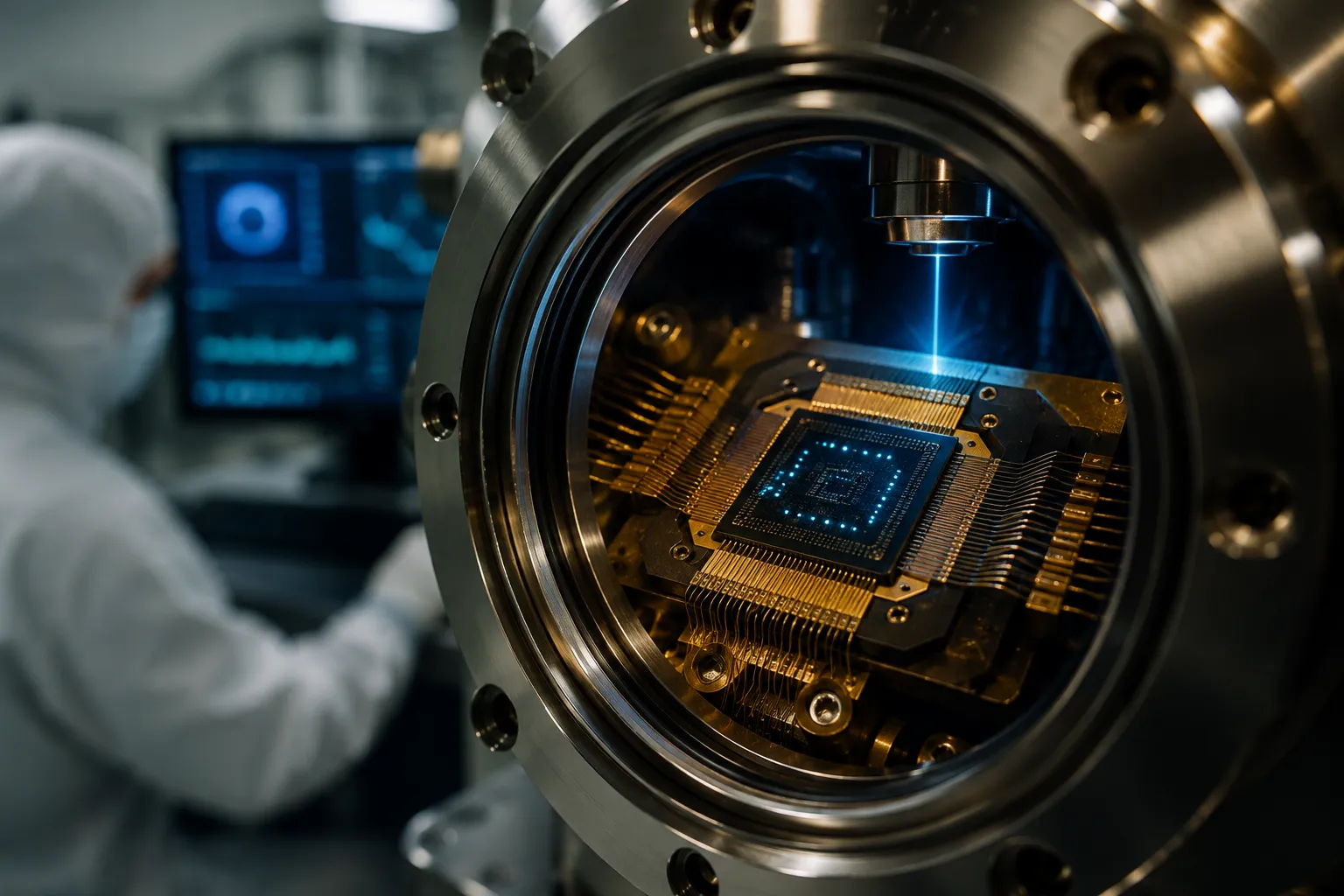
In the global race to build a fault-tolerant quantum computer, most of the attention has been focused on exotic hardware: superconducting circuits cooled to near absolute zero, trapped ions levitating in vacuum chambers, neutral atoms suspended in lattices of laser light. Andrew Dzurak has spent his career working on something that sounds, by comparison, almost mundane. He wants to build quantum computers out of the same material that powers every smartphone on Earth: silicon.

The Company That Powers Every AI App You Use—And the 13 Cloud Providers It Had to Scramble to Find Just to Keep the Lights On
StartupsMay 22, 2026

The Company That Powers Every AI App You Use—And the 13 Cloud Providers It Had to Scramble to Find Just to Keep the Lights On

Erik Bernhardsson has spent the past six months doing something no CEO of a serious infrastructure company ever wants to do: calling up cloud providers he has never heard of and begging them for spare GPU capacity. His company, Modal Labs, is not a small startup struggling to find compute. It is a $4.65 billion business that just raised $355 million in Series C funding, quintupled its annualized revenue from $60 million to $300 million since September, and counts biotech companies, hedge funds, and weather-forecasting firms among its customers. And yet, Bernhardsson has been forced to cast an ever-wider net for the chips his customers need, expanding Modal's roster of cloud suppliers from five to thirteen in a matter of months, including names he admits he had never encountered before the great GPU famine of 2026 forced him to go looking.

Load More Results