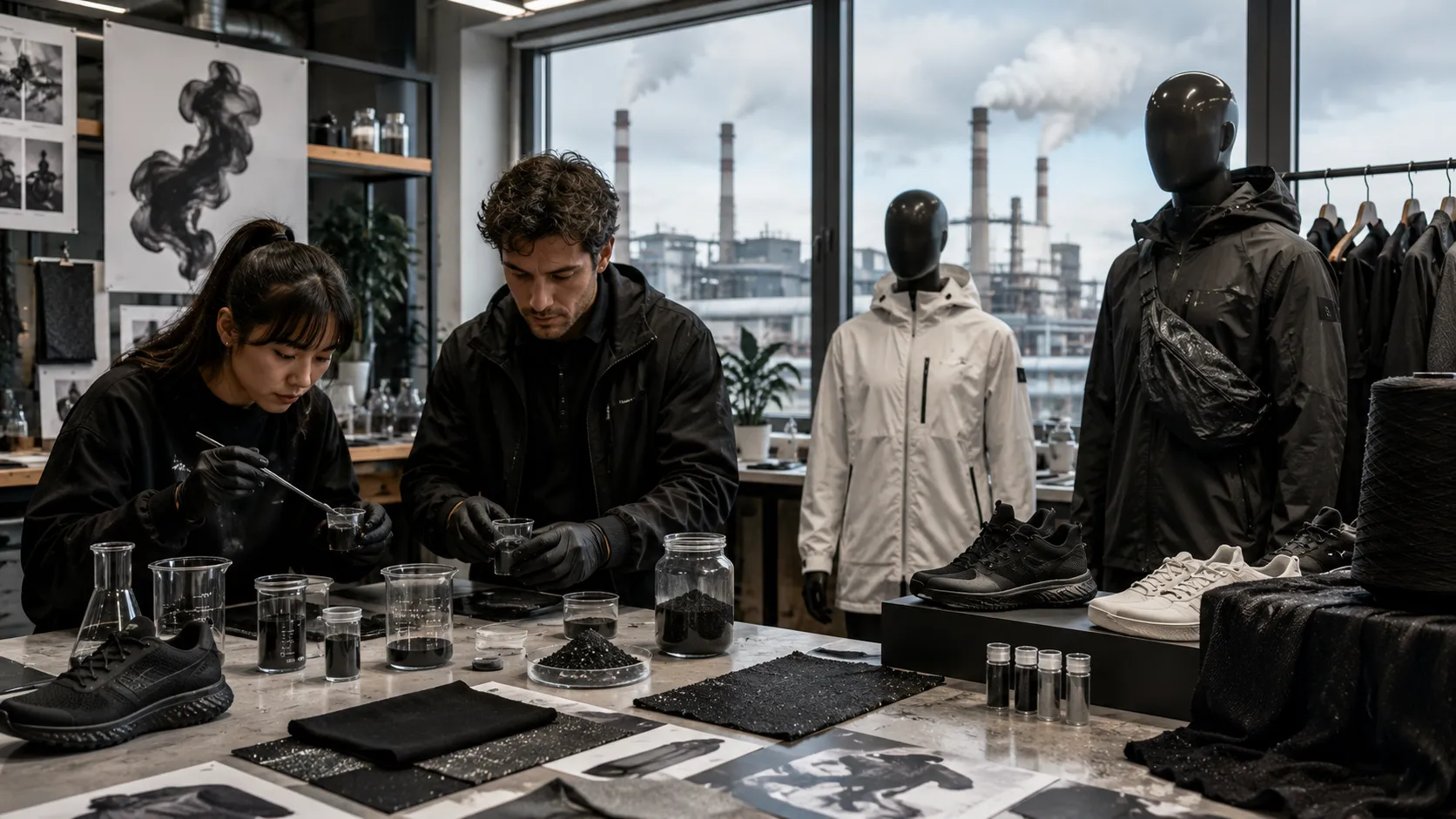
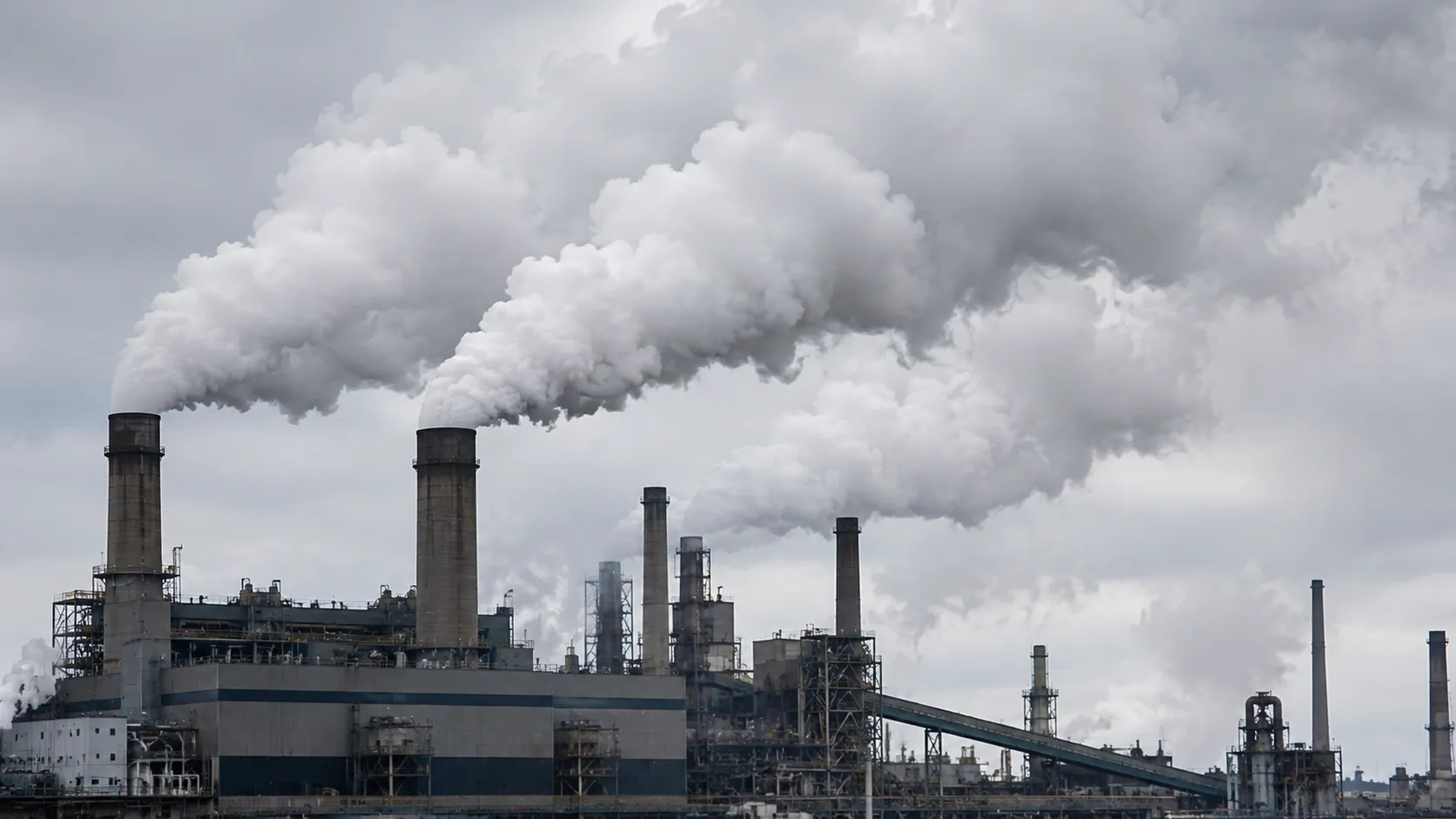
For years, public conversations surrounding pollution frequently followed a relatively familiar pattern. Smoke rising from factories, industrial emissions and carbon-heavy production environments often entered discussions through frameworks involving environmental damage, climate concerns and long-term health risks. Pollution itself frequently appeared as an unavoidable byproduct of industrial growth because conversations largely focused on reducing emissions rather than fundamentally rethinking what those emissions could become. As a result, environmental discussions often positioned industrial waste as a problem requiring control rather than a resource capable of creating entirely different forms of value.
Yet over recent years, another story increasingly appears unfolding beneath broader climate and sustainability conversations. Across parts of the material science ecosystem, startups increasingly continue experimenting with technologies designed to capture carbon emissions and transform them into usable materials. Companies globally, including businesses such as Air-Ink creator Graviky Labs, LanzaTech, and newer carbon-utilization startups, have increasingly explored pathways where industrial carbon and captured emissions become inputs for products extending far beyond traditional environmental applications. What initially sounded almost science-fiction-like — creating usable products from pollution itself — increasingly appears entering commercial and design environments in surprisingly practical ways.
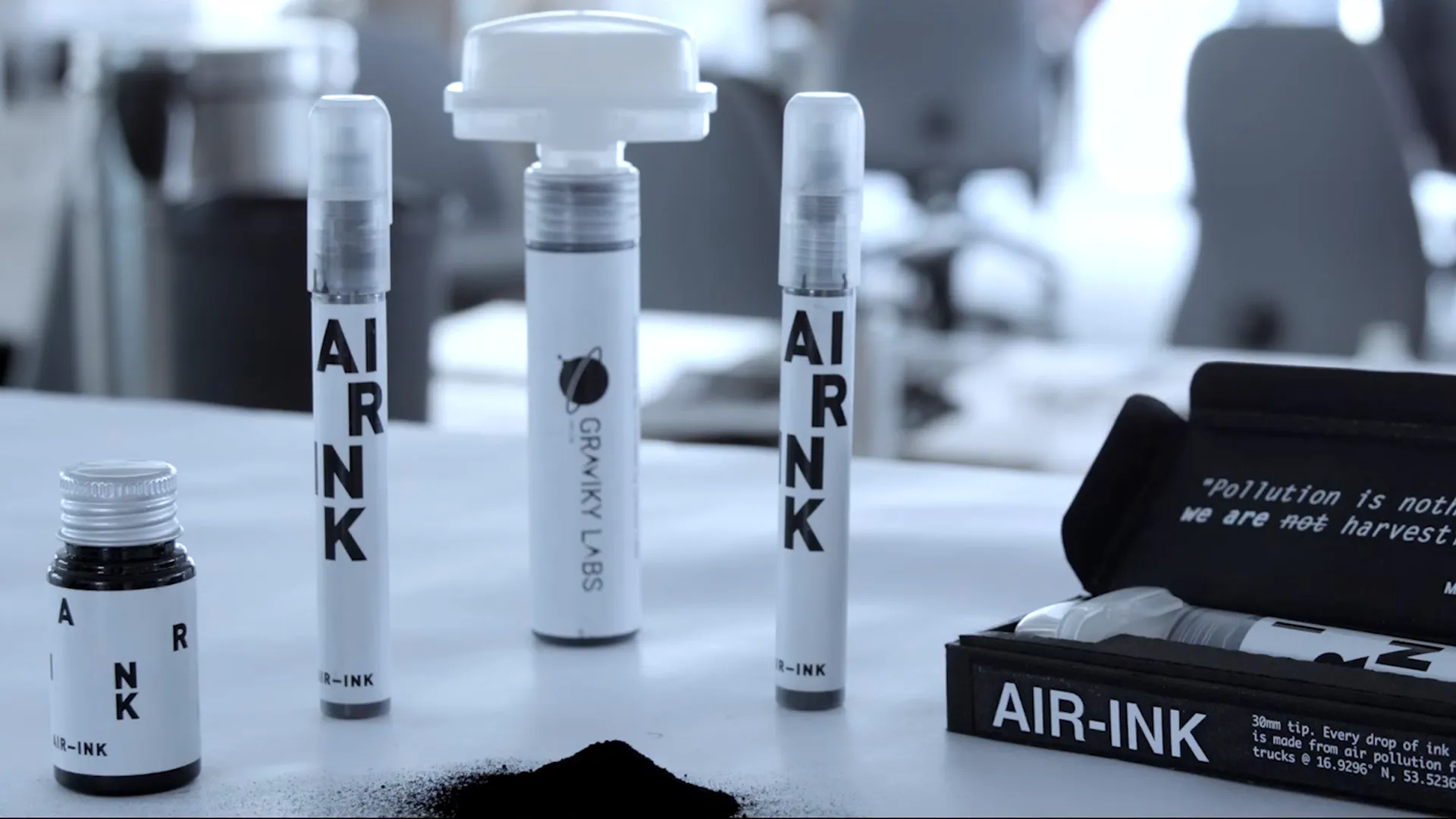
One of the more unexpected areas where this shift increasingly appears visible involves fashion and lifestyle products. Carbon-capture technologies and advanced material systems increasingly continue finding applications in inks, textiles, coatings and next-generation fabrics where captured emissions become ingredients rather than waste. Across global sustainability and design ecosystems, brands and startups increasingly seem experimenting with ways of integrating these materials into premium products because consumers increasingly appear responding to products carrying environmental narratives alongside functionality.
Viewed independently, the idea of converting industrial smoke into streetwear may initially sound like a futuristic marketing headline. Viewed through a broader impact lens, however, it increasingly raises larger questions involving sustainability, consumer culture and how societies increasingly redefine the meaning of waste itself.
Historically, industrial systems frequently operated through linear structures where resources entered production environments, products emerged and waste frequently exited systems with relatively limited opportunities for reintegration. Across multiple industries, value often ended where utility ended because disposal itself frequently represented the final stage within broader production cycles.
Increasingly, however, broader conversations involving circular economies appear changing those assumptions. Material science environments increasingly continue exploring systems where waste itself becomes raw material for entirely different applications. Carbon capture technologies, recycled composites and bio-based materials increasingly suggest that environmental responsibility may increasingly involve redesigning production systems rather than simply reducing environmental impact.
This broader transition increasingly matters because industries often change once materials themselves acquire new meanings. Pollution traditionally represented cost. Waste traditionally represented disposal. Increasingly, however, environmental challenges themselves increasingly appear becoming design opportunities capable of creating new categories altogether.
Another important dimension emerging beneath these developments increasingly involves changing consumer behavior itself. Historically, sustainability frequently occupied niche environments where environmentally conscious products occasionally required compromises involving style, design or mainstream appeal. Consumers often viewed sustainability as responsible but not always aspirational.
Increasingly, however, that relationship appears changing. Younger audiences increasingly continue purchasing products connected to identity, values and broader cultural narratives. Consumers increasingly appear asking where products originate, how they are produced and what stories exist behind materials themselves. Products increasingly become conversations rather than transactions alone.
This transition increasingly matters because culture frequently influences sustainability faster than policy alone. Fashion environments often shape aspiration and aspiration frequently shapes consumption. The broader significance increasingly suggests sustainability itself increasingly enters everyday life when environmental responsibility becomes desirable rather than obligatory.
Perhaps that is why this broader movement increasingly feels larger than material science alone. Viewed through a wider lens, these developments increasingly resemble more than startups raising millions or brands creating unusual products. They increasingly appear connected to larger questions involving imagination itself.
Because some of the most meaningful impact stories frequently begin when people stop asking how to remove problems and begin asking whether problems themselves can become resources.
The larger impact story therefore may not simply involve premium streetwear made from industrial smoke. Increasingly, it may involve recognizing that future sustainability conversations may depend less on discovering entirely new resources and more on learning how to see existing ones differently.