Results (998 found)

From Smokestack to Supper: The Deep-Tech Startups Turning Industrial Emissions Into Capitalist Gold
ImpactMay 22, 2026

From Smokestack to Supper: The Deep-Tech Startups Turning Industrial Emissions Into Capitalist Gold

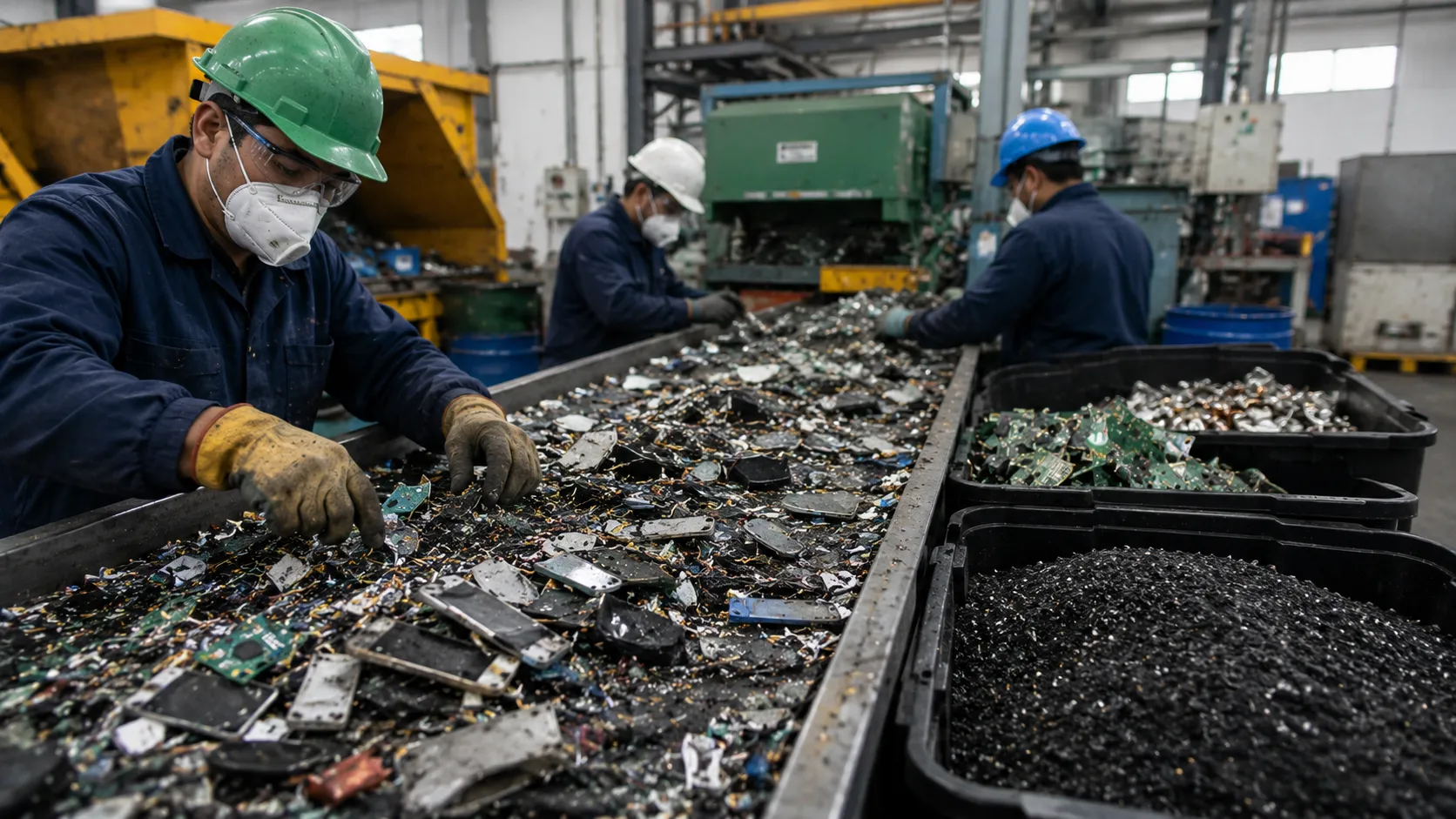
Forget plant-based burgers and laboratory-grown steak. A fiercely competitive cohort of deep-tech biotech startups is shaking up the venture capital world by commercializing an entirely new category of nutrition: protein brewed directly from industrial carbon dioxide emissions. By leveraging ancient, gas-fermenting microbes originally studied by NASA, these companies are transforming factory pollution into high-purity protein effectively decoupling the future of global food security from the limitations of land, water, and shifting climate patterns.

The $2 Billion Deal That Beijing Killed: Inside the Unprecedented Unwinding of Meta's Manus Acquisition—and the $1 Billion Buyback That Comes Next
StartupsMay 22, 2026

The $2 Billion Deal That Beijing Killed: Inside the Unprecedented Unwinding of Meta's Manus Acquisition—and the $1 Billion Buyback That Comes Next

In December 2025, Meta Platforms announced the acquisition of Manus, a Singapore-based AI startup whose general-purpose AI agents could function as digital employees, independently carrying out tasks such as research and automation with minimal human input. The price was approximately $2 billion. The deal closed. Manus employees moved into Meta offices in Singapore. Capital was transferred. The startup's executives joined the American firm's rapidly expanding AI team. Investors including Tencent Holdings, ZhenFund, and HSG received their proceeds. The acquisition was, by all appearances, complete.

The Search Engine That Thinks the Internet Should Be Built for Machines, Not Humans
StartupsMay 22, 2026

The Search Engine That Thinks the Internet Should Be Built for Machines, Not Humans

William Bryk has a prediction that sounds absurd until you realize the data already backs it up. Sometime this year, he says, AI agents will conduct more searches on the internet than humans. Not someday. Not in a decade. This year. “There are billions of humans doing searches,” he told Bloomberg this week. “There are going to be trillions of agents, like, very soon.”

The €5 Billion Ultimatum: Europe Just Hired a Swedish Giant to Stop Its Best Ideas From Fleeing to America
StartupsMay 22, 2026

The €5 Billion Ultimatum: Europe Just Hired a Swedish Giant to Stop Its Best Ideas From Fleeing to America

Sometime in the next several weeks, a Swedish private equity firm with €269 billion in assets will begin raising a fund that represents something Europe has never attempted before: a concerted, state-backed effort to stop the continent's most valuable technology companies from being systematically acquired by American and Chinese buyers before they reach scale. The Scaleup Europe Fund, a €5 billion vehicle that will target late-stage companies in artificial intelligence, quantum computing, space technology, clean energy, and biotechnology, is the most ambitious government intervention in European venture capital since the creation of the European Investment Fund in 1994. It is also an admission of failure.

America Is About to Have Two Stock Markets for the Same Company: Inside the SEC's $15.1 Billion Tokenized Stock Gamble
TechMay 22, 2026

America Is About to Have Two Stock Markets for the Same Company: Inside the SEC's $15.1 Billion Tokenized Stock Gamble

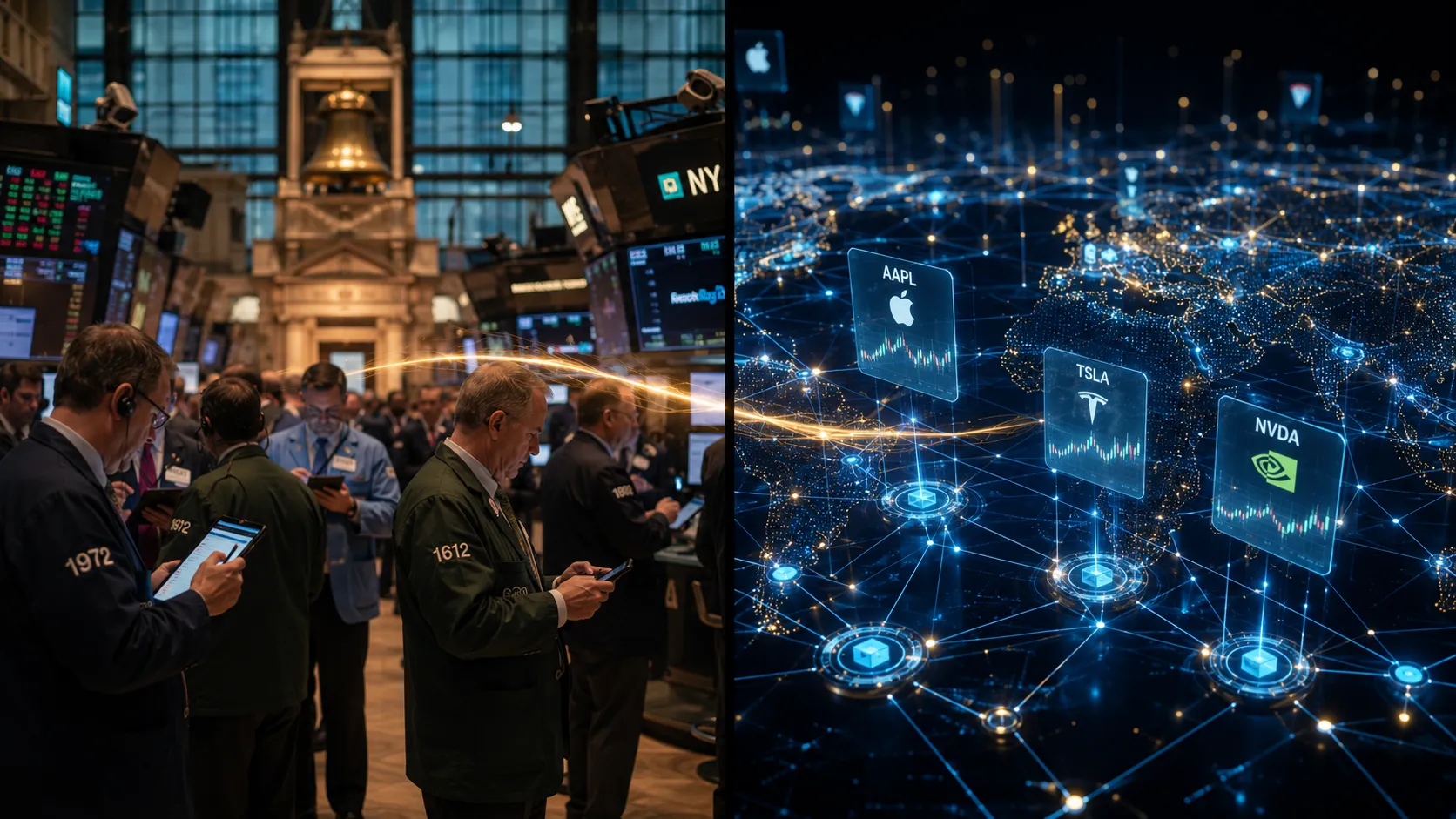
Sometime this week, the U.S. Securities and Exchange Commission is expected to publish a document that will do something no American financial regulator has ever done. It will create a legal framework for two parallel stock markets to trade the same shares of Apple, Tesla, and Nvidia—one running on the century-old infrastructure of the New York Stock Exchange, the other on crypto rails that settle instantly, operate 24 hours a day, and require no permission from the companies whose shares they track. The document is called an "innovation exemption," and it is the most significant regulatory experiment in the structure of American equity markets since the creation of the SEC itself in 1934.

The French Quantum Startup That Just Proved Error Correction Works — And Is About to Drop a $2 Billion IPO on Wall Street
StartupsMay 22, 2026

The French Quantum Startup That Just Proved Error Correction Works — And Is About to Drop a $2 Billion IPO on Wall Street

For as long as quantum computers have existed, they have been haunted by a single, unforgiving problem: noise. The same quantum properties that make qubits so powerful—their ability to exist in multiple states simultaneously, to entangle with one another across distances, to perform calculations that would take classical computers longer than the age of the universe—also make them exquisitely fragile. A stray photon. A fluctuation in temperature. A whisper of electromagnetic interference from a nearby power line. Any of these can cause a qubit to lose its quantum coherence, introducing errors that cascade through a calculation and render the output meaningless.

The €180 Million Bet That Went Quietly Wrong: Inside the Metacore Meltdown—and Supercell's Gamble to Salvage It
TechMay 22, 2026

The €180 Million Bet That Went Quietly Wrong: Inside the Metacore Meltdown—and Supercell's Gamble to Salvage It

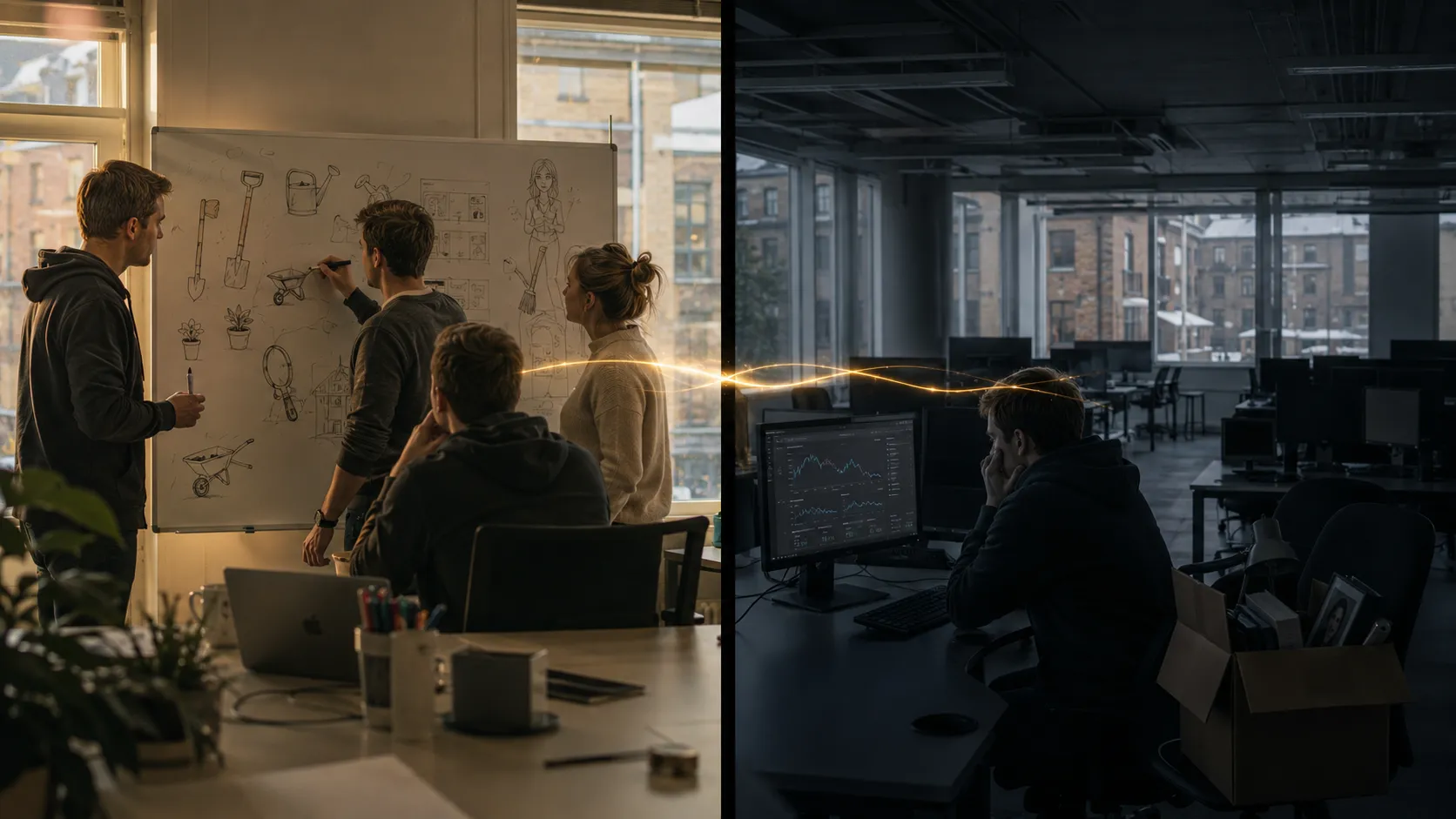
In the autumn of 2020, a small Finnish game studio released a mobile puzzle title that should not have worked. The game involved no shooting, no racing, no combat of any kind. Its central mechanic was merging—dragging one garden tool onto another to create a slightly better garden tool, then using that tool to renovate a crumbling mansion. The protagonist was a grandmother. The story, such as it was, involved a family mystery buried somewhere in the estate. The name, Merge Mansion, sounded like a retirement-home hobby.

Load More Results