Results (951 found)

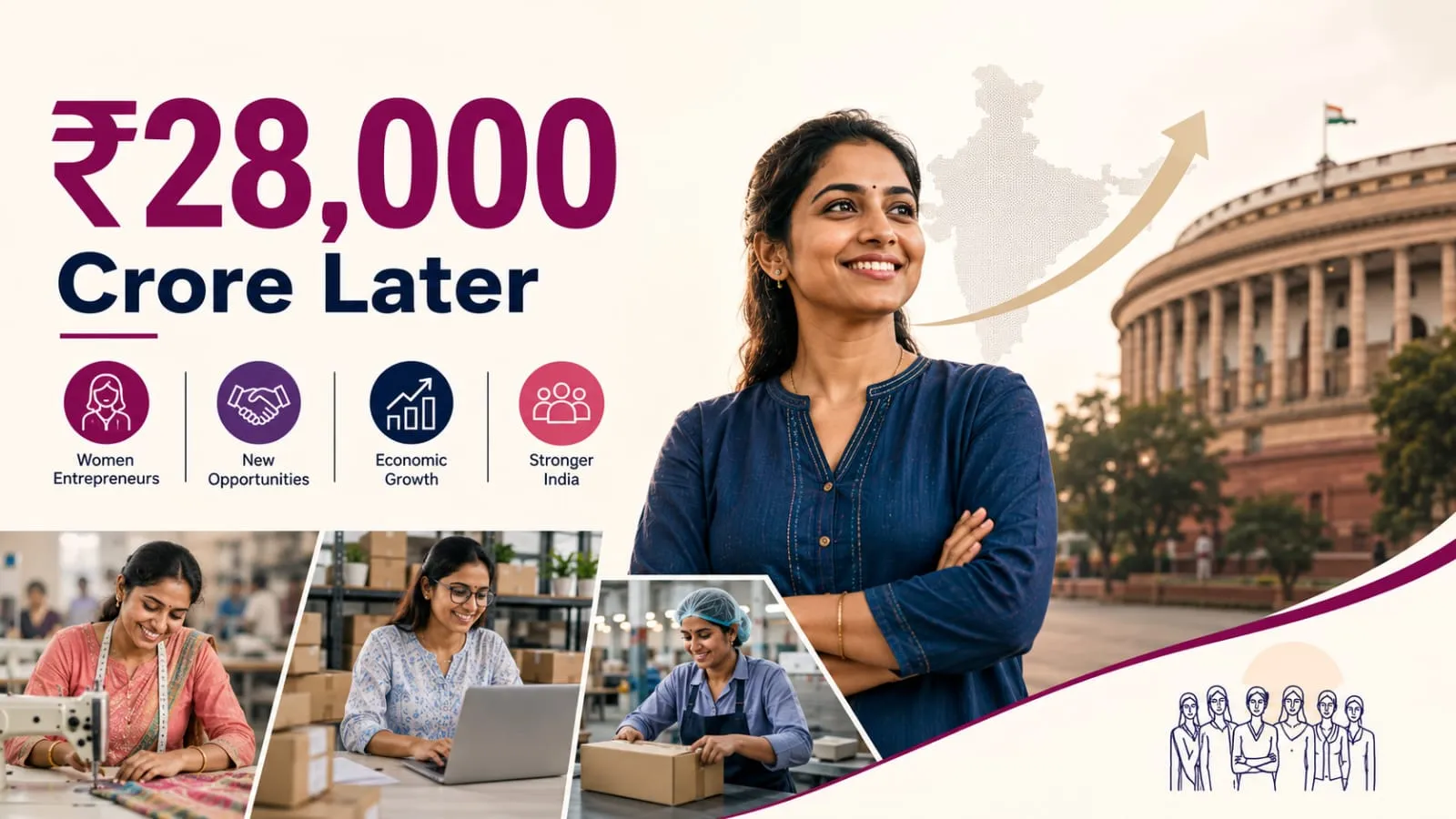
Breaking the Financial Ceiling: Inside Delhi’s ₹10 Crore Credit Revolution for women SHGs & startups
FundingMay 25, 2026

Breaking the Financial Ceiling: Inside Delhi’s ₹10 Crore Credit Revolution for women SHGs & startups

To dismantle deep-seated financial disparities, the Delhi Government has launched an ambitious initiative providing collateral-free loans of up to ₹10 crore for women-led startups and Self-Help Groups (SHGs). By acting as the direct guarantor, the state eliminates the prohibitive need for property or personal asset pledges that traditionally block women from scaling their ventures. Accompanied by commitments to offer prominent retail spaces within premium city malls, this policy bridges the gap between grassroots local manufacturing and elite consumer markets, paving a smooth path toward financial independence.

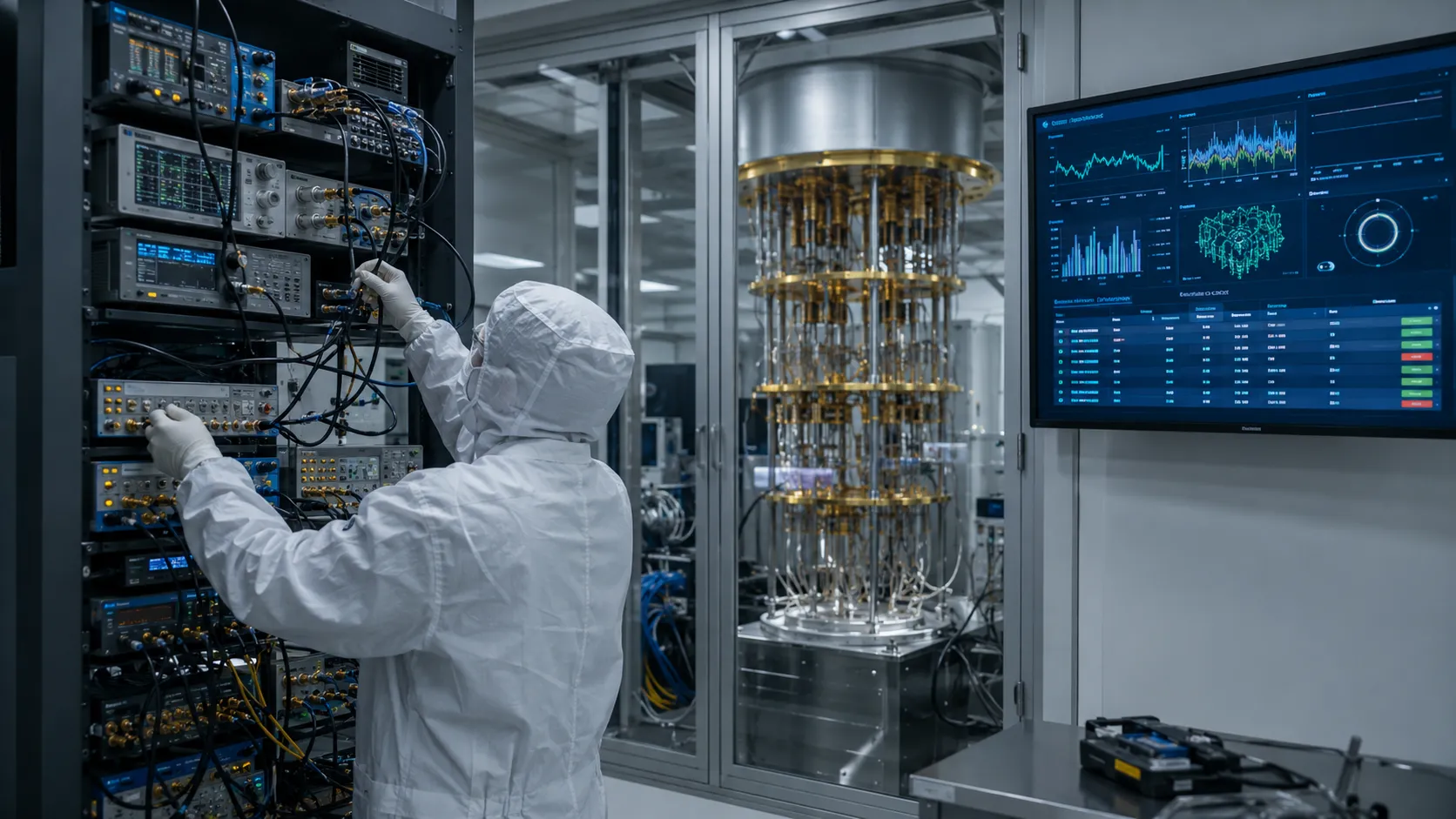
The Physicist Who Quit IBM to Build India's First Quantum Computer: How Dr. Nagendra Nagaraja Is Racing to Take His 25-Qubit Machine Public—Before the Americans and Chinese Lock Up the Market
TechMay 25, 2026

The Physicist Who Quit IBM to Build India's First Quantum Computer: How Dr. Nagendra Nagaraja Is Racing to Take His 25-Qubit Machine Public—Before the Americans and Chinese Lock Up the Market

In 2019, Dr. Nagendra Nagaraja was a senior quantum scientist at IBM Research, working on some of the world's most advanced superconducting quantum processors at the company's Thomas J. Watson Research Center in Yorktown Heights, New York. He had a comfortable salary, a prestigious position, and a front-row seat to the development of the hardware that would eventually power the world's largest quantum computing network. He was exactly where any ambitious quantum physicist would want to be—and he was restless. The machines he was building would be deployed everywhere except the country he came from. India, with its deep pool of scientific talent and its virtually nonexistent quantum hardware industry, was invisible in the quantum computing revolution. Nagaraja could not change that from Yorktown Heights. So he quit.

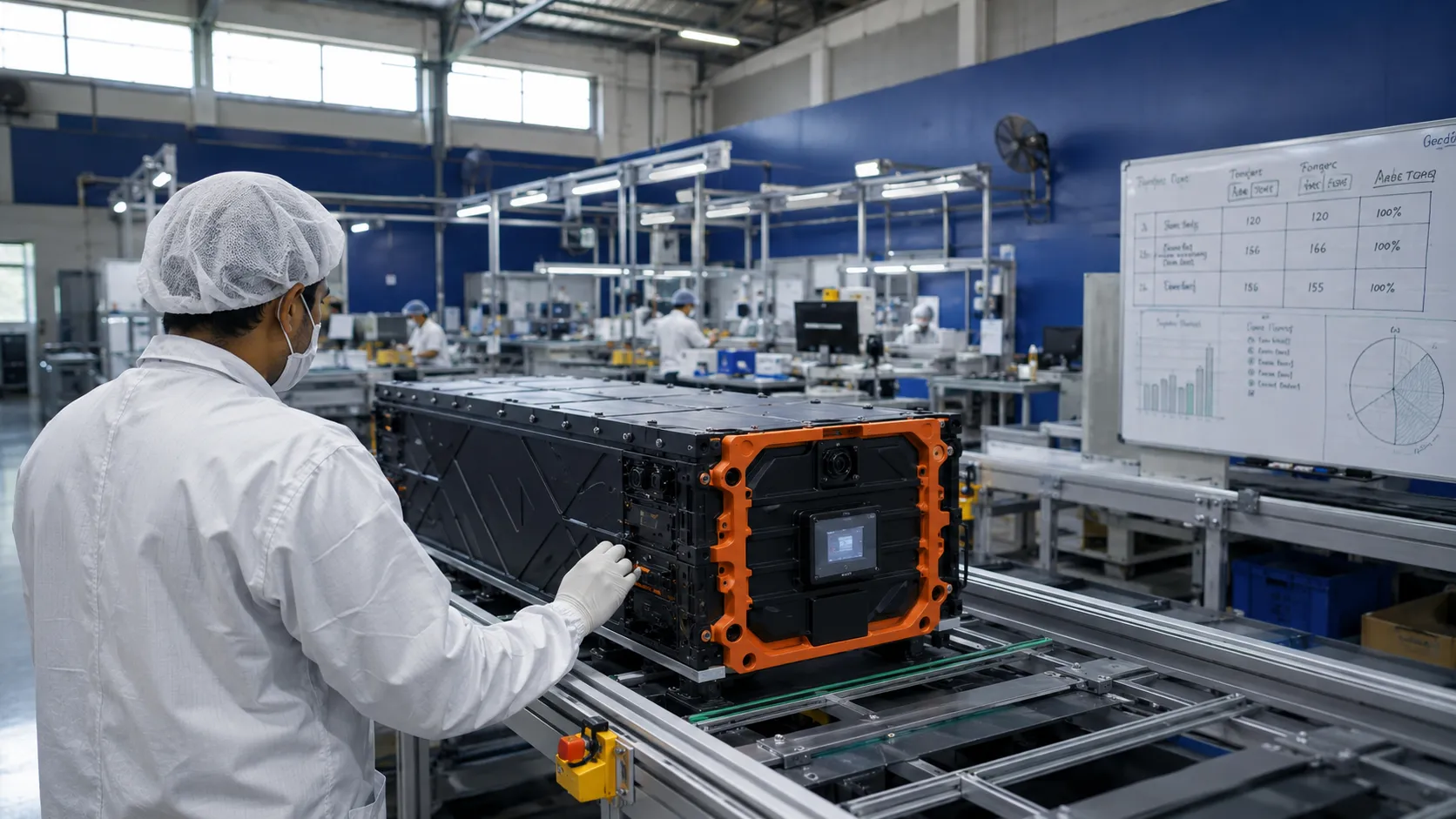
The Two Dropouts Who Spent a Decade Building a Battery Nobody Believed In: How Gegadyne Energy Just Launched a Lithium-Free Power Pack That Charges in Minutes—and Is Already on European Factory Floors
TechMay 25, 2026

The Two Dropouts Who Spent a Decade Building a Battery Nobody Believed In: How Gegadyne Energy Just Launched a Lithium-Free Power Pack That Charges in Minutes—and Is Already on European Factory Floors

In 2014, two mechatronics engineering students at Mumbai's Narsee Monjee Institute of Management Studies set out to build an electric vehicle for their final-year project. Jubin Varghese was a car enthusiast. Ameya Gadiwan was a hard-tech tinkerer. Together, they combed through Mumbai's junkyards, collecting spare parts, convinced that they could assemble a working EV from the discarded remnants of the internal-combustion age. They built the chassis. They built the drivetrain. And then they discovered that the battery required to power their creation would cost three times as much as everything else combined. They dropped out of college soon after and started Gegadyne Energy in 2015. They began with lead-acid batteries, which were cheap but charged painfully slowly. They switched to lithium-ion, which charged faster but degraded with every cycle. They experimented with supercapacitors—quick to charge, long-lasting, but low on energy density. Nothing worked. "There was scope to build incremental battery tech instead of creating something from scratch," Varghese said. "Since India doesn't have an established battery supply chain, we decided to work on materials that are widely available in nature."

The Software Company That Bet 8 Years on a Battery: How KPIT Built India's First Indigenous Sodium-Ion Power Pack—and Handed It to a Manufacturer to Take on Lithium
TechMay 25, 2026

The Software Company That Bet 8 Years on a Battery: How KPIT Built India's First Indigenous Sodium-Ion Power Pack—and Handed It to a Manufacturer to Take on Lithium

In December 2023, a publicly listed automotive software company with no prior history in electrochemistry unveiled a battery technology that it had been developing, quietly and without fanfare, for eight years. The company was KPIT Technologies, a Pune-headquartered mobility solutions firm with a market capitalisation of roughly ₹45,000 crore, over 12,000 employees, and a client roster that includes some of the largest automakers on Earth. It was not a battery startup. It was not a research laboratory. It was a software company that had decided, in 2015, that India's electric vehicle revolution would never reach scale unless someone built a battery that did not depend on lithium—and that it was willing to be the company that tried.

The Five Friends Who Bet Everything on Building the World's First Hybrid Satellite Eye
TechMay 25, 2026

The Five Friends Who Bet Everything on Building the World's First Hybrid Satellite Eye

In 2020, five final-year students at IIT Madras sat in a hostel room and asked themselves a question that most aerospace engineers spend entire careers avoiding. What if you could put two completely different kinds of cameras on the same satellite? Not one optical camera that takes beautiful pictures in daylight and goes blind the moment a cloud passes over. Not one radar sensor that can see through storms and darkness but produces images that look like a grainy ultrasound. Both. On one platform. Working together. The question was technically elegant and commercially insane—the kind of problem that had defeated every satellite manufacturer for a generation because the two sensors interfered with each other, the data streams were incompatible, and the engineering complexity was orders of magnitude greater than building two separate satellites.

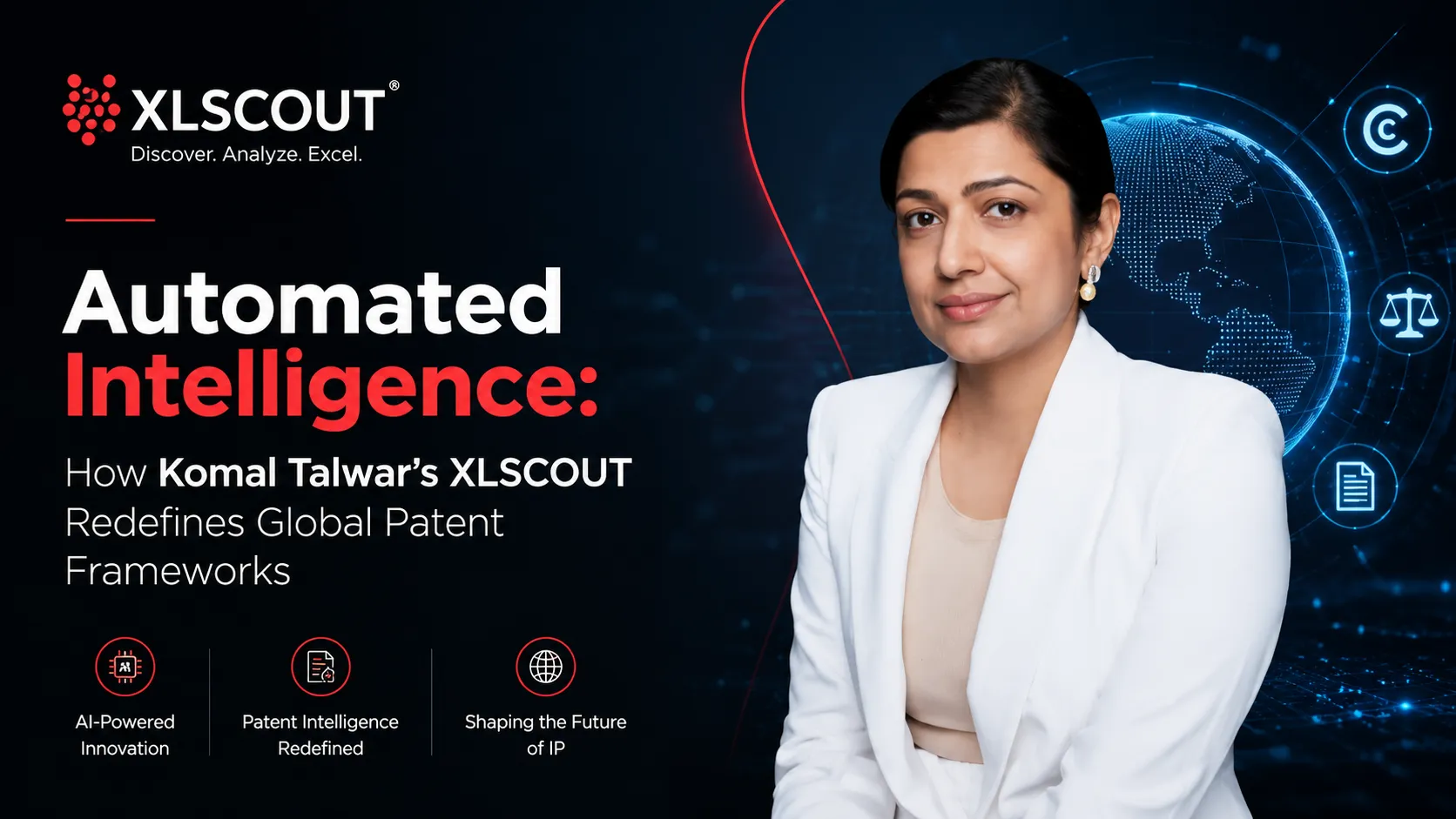
Automated Intelligence: How Komal Talwar’s XLSCOUT Redefines Global Patent Frameworks
WomenMay 25, 2026

Automated Intelligence: How Komal Talwar’s XLSCOUT Redefines Global Patent Frameworks

Intellectual property pioneer Komal Talwar is fundamentally reshaping the global R&D landscape through XLSCOUT, an integrated, AI-driven patent monetization and analysis platform. Managing an extensive database of more than 170 million patents across 100-plus countries, the platform leverages Large Language Models (LLMs) to automate tedious prior-art searches and patent drafting processes. By compressing traditional manual research timelines by over 45%, this deep-tech innovation gives corporate enterprises, law firms, and research institutions a highly secure, automated pathway to maximize the commercial value of their intellectual assets.

She Lost a Cousin to a Disease That Could Have Been Prevented. So This Physicist-Turned-Genomics Pioneer Built India's First Personal DNA Company—and Is Mapping the Future of Preventive Healthcare.
WomenMay 25, 2026

She Lost a Cousin to a Disease That Could Have Been Prevented. So This Physicist-Turned-Genomics Pioneer Built India's First Personal DNA Company—and Is Mapping the Future of Preventive Healthcare.

In 2003, Anu Acharya was a successful technology entrepreneur in Hyderabad, running a software company she had founded after a stint as a research physicist at the University of Illinois. She was not a biologist. She was not a doctor. She had never worked in healthcare. And then her cousin died of a genetic disorder—a disease that, had it been detected early enough, could have been managed, treated, perhaps even prevented. The loss was devastating. The question it planted in her mind was even more so: how many Indians were carrying genetic risks they had no way of knowing about?

Load More Results