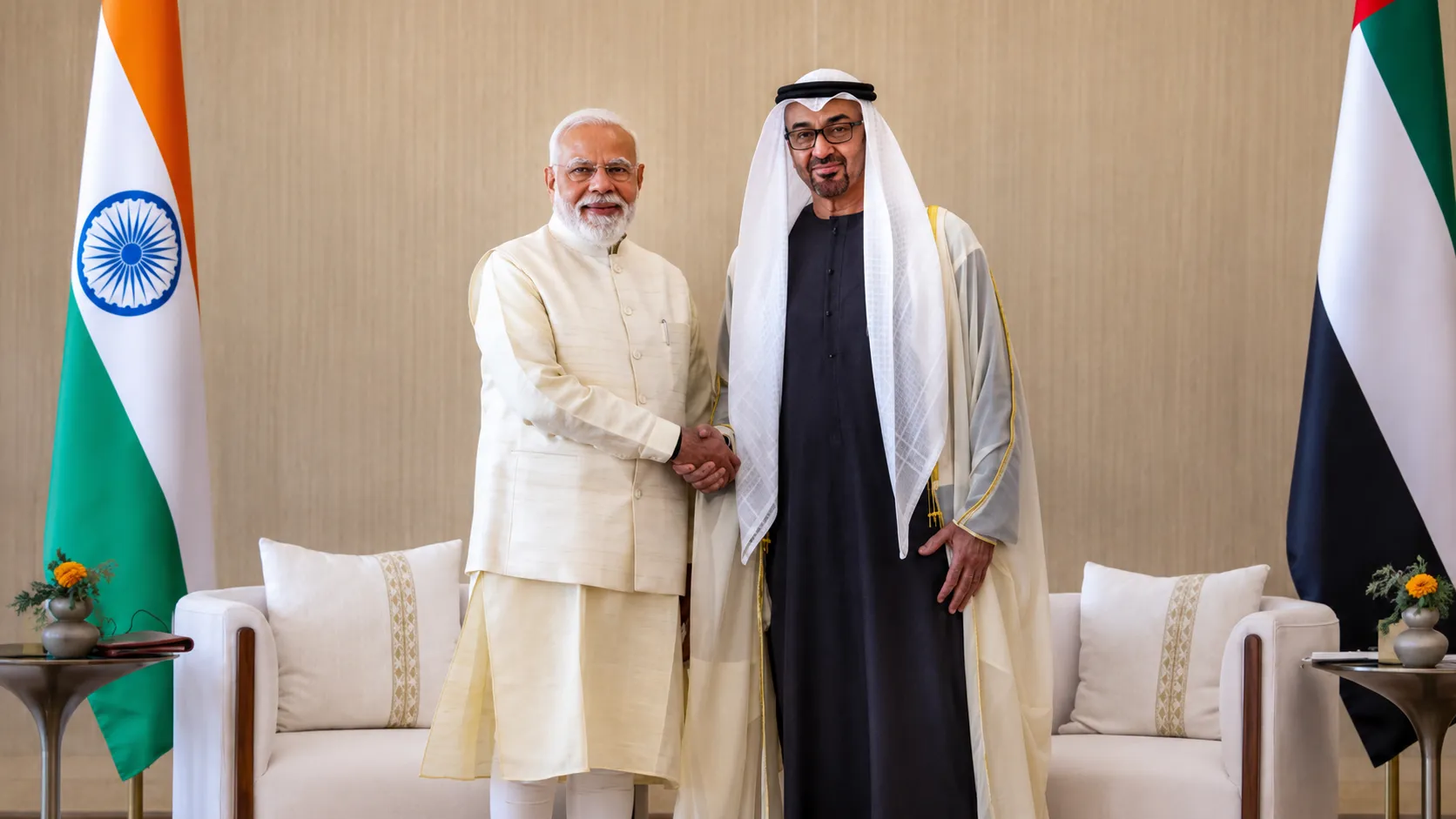
Prime Minister Narendra Modi’s recent visit to the United Arab Emirates may have looked like another diplomatic stop on a larger international tour. But beneath the ceremonial meetings, official photographs and bilateral statements, a much larger story was unfolding—one involving trade routes, energy security, investments and India’s changing position in the global economy. Reports suggest the visit resulted in agreements spanning defence, petroleum reserves, infrastructure and long-term strategic collaboration.
For years, relationships between countries frequently revolved around traditional diplomacy. Political meetings, cultural exchanges and bilateral conversations often dominated headlines because international relationships frequently appeared centered around statecraft and symbolic partnerships. But global relationships increasingly operate differently today. Countries are no longer only building alliances; they are building economic ecosystems around supply chains, technology, logistics and future industries. What initially appears like a diplomatic visit increasingly resembles a competition for long-term relevance.
The significance of the India–UAE relationship becomes easier to understand through geography itself. The UAE increasingly sits at the center of global trade movement, while India increasingly continues positioning itself as one of the world’s fastest-growing economies. Together, both countries increasingly represent more than bilateral partners. They increasingly resemble connectors across Asia, Europe, energy markets and emerging trade corridors. During the visit, both countries expanded cooperation involving defence and energy while also discussing broader economic coordination.
One of the biggest developments emerging from the visit involved energy security. India and the UAE reportedly signed a major agreement allowing the UAE to store up to 30 million barrels of crude oil inside India’s strategic petroleum reserves. Discussions also involved expanded gas supply arrangements and long-term petroleum partnerships.
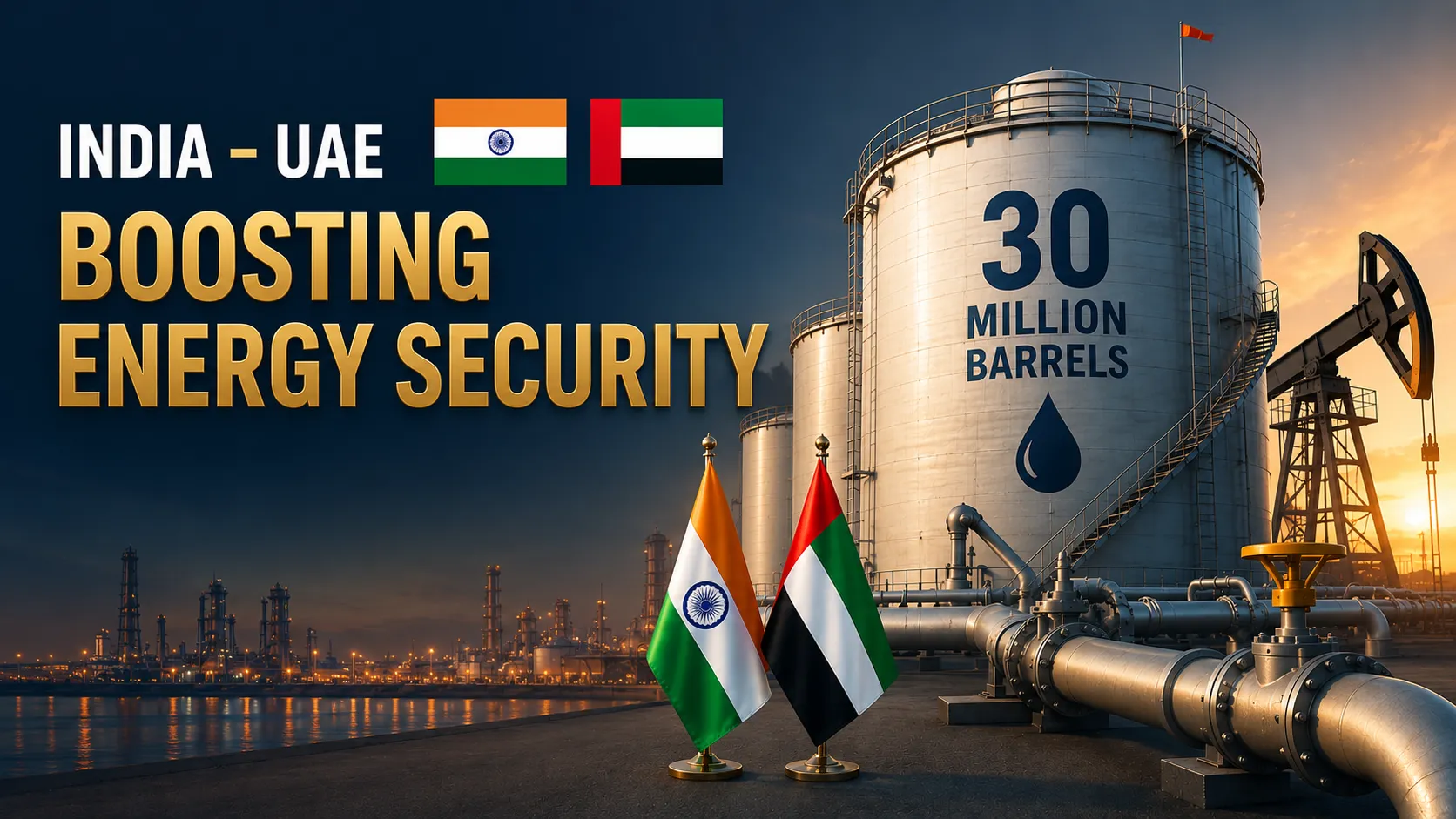
On the surface, oil storage agreements may appear highly technical. But energy increasingly influences everything—from inflation and transportation costs to manufacturing and national security. Recent geopolitical instability and tensions around global shipping routes have repeatedly demonstrated how vulnerable economies become when supply systems experience disruption. Countries increasingly appear preparing not only for present needs but future uncertainty. Energy partnerships today increasingly resemble insurance policies for tomorrow.
Another major outcome reportedly involved a $5 billion UAE investment commitment across Indian infrastructure and financial sectors. Large international investments frequently create conversations beyond capital itself because investment often signals confidence. Countries invest where they believe future opportunities may emerge. Infrastructure investments frequently influence employment, logistics and broader economic growth because physical systems often become foundations for larger development.
There was also a strategic dimension running beneath the visit. India and the UAE reportedly expanded defence cooperation through a new framework involving industrial collaboration, cybersecurity, maritime security and advanced technologies. Historically, defence relationships often revolved around procurement and equipment. Increasingly, however, global partnerships increasingly appear centered around co-development and long-term strategic alignment.
Perhaps that explains why this visit increasingly feels larger than one diplomatic engagement. Because beneath conversations involving agreements and announcements ultimately exists another reality involving India’s larger global position. Countries increasingly compete not only through exports or GDP growth. They increasingly compete through networks, alliances and influence.

The larger impact story therefore may not simply involve PM Modi visiting the UAE. It may involve recognizing how diplomacy itself increasingly operates like economic architecture—quietly shaping trade, energy and opportunity long before effects become visible.
Because increasingly, international visits are no longer only about foreign policy.
They are increasingly about building the systems that shape tomorrow’s economy.