What Initially Looked Like A Procurement Initiative Quietly Became A Much Larger Story About Who Gets Included In India’s Growth Journey
For years, government procurement rarely occupied the center of entrepreneurship conversations. Startup headlines frequently revolved around funding rounds, unicorn announcements and rapidly growing consumer brands because public narratives often focused on visible growth and venture-backed momentum. Procurement systems frequently appeared administrative and institutional because they largely operated behind the scenes. Large purchasing ecosystems often felt distant from startup culture because they frequently appeared associated with established vendors, long approval systems and deeply structured participation. As a result, many smaller businesses frequently viewed government opportunities as environments that felt difficult to access and even harder to enter.
Yet beneath that broader business landscape, another quieter transition increasingly appears unfolding. Across India’s entrepreneurial ecosystem, conversations increasingly seem shifting from simply creating businesses toward creating access itself. Because building products and launching ventures frequently represent only one side of entrepreneurship. Businesses also require customers, supply chains and opportunities capable of sustaining long-term growth. What initially looked like a discussion involving participation increasingly resembles a much larger conversation involving visibility, access and who gets included within larger economic systems.
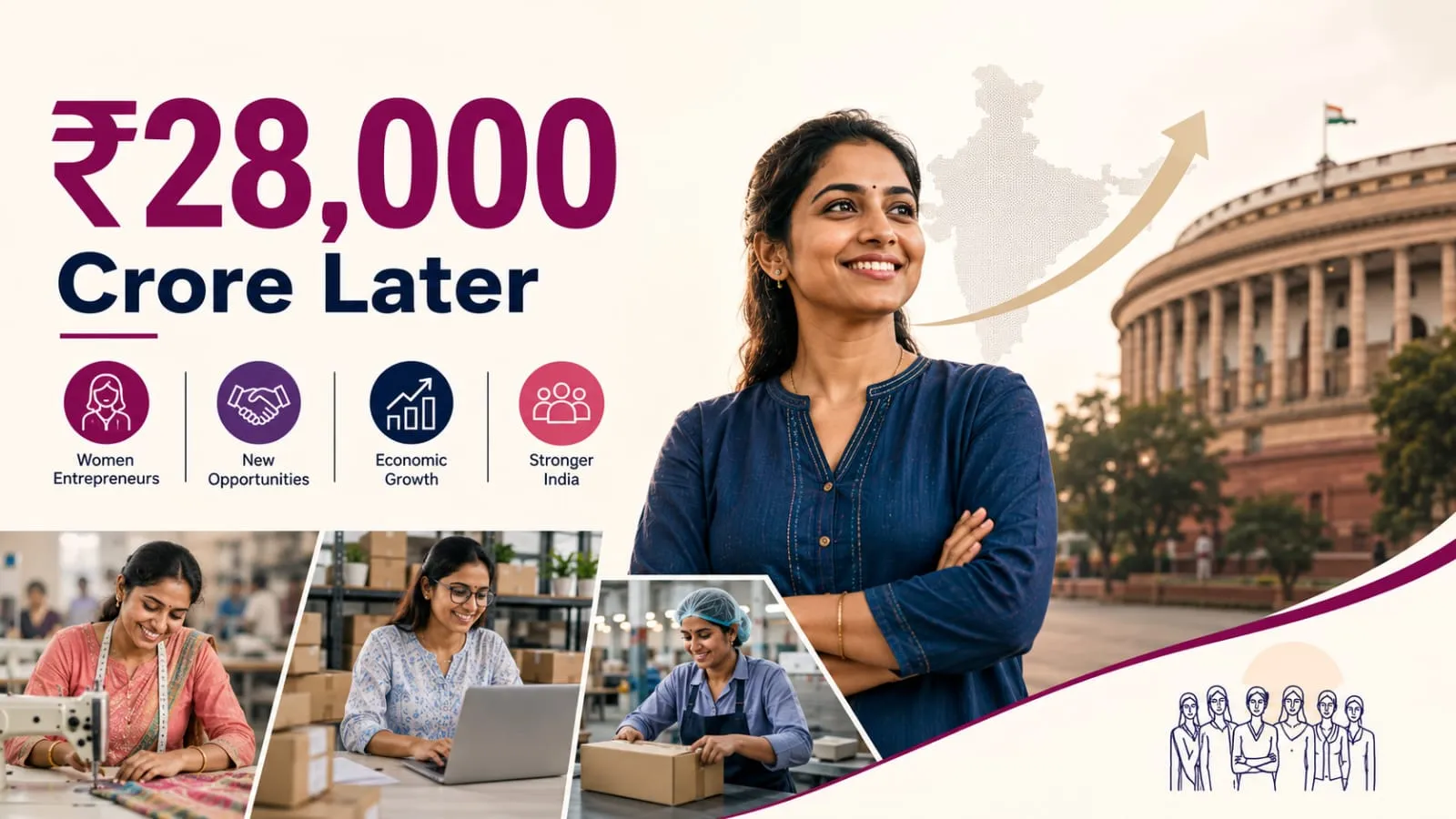
That broader transition increasingly gained attention through Womaniya, the women-focused initiative integrated into India’s Government e-Marketplace (GeM) ecosystem. Recent reports suggest women entrepreneurs have now secured procurement orders worth approximately ₹28,000 crore, creating a milestone that appears much larger than a single policy update. At first glance, it may simply appear like a large economic number. Viewed more closely, however, it increasingly begins to resemble evidence of a broader shift involving participation itself because conversations increasingly move from symbolic representation toward measurable business activity.
Viewed independently, procurement orders worth ₹28,000 crore may initially appear like another government achievement announcement. Viewed through a broader impact lens, however, another question increasingly appears more important: what happens when systems stop treating women entrepreneurs as a category and begin recognizing them as large-scale economic contributors?
Historically, one of the strongest challenges surrounding entrepreneurship frequently involved access itself. Many businesses often possessed products, services and capability, yet opportunities frequently remained concentrated around existing networks and familiar ecosystems. Smaller enterprises often encountered barriers not because ideas lacked potential but because systems frequently favored scale, relationships and established histories. For many women-led businesses, this challenge frequently became even more visible because visibility itself occasionally represented the largest hurdle before growth could begin.
This distinction increasingly matters because entrepreneurship itself rarely functions in isolation. Businesses require customers. Customers create demand. Demand creates revenue. Revenue creates sustainability. Sustainability frequently determines whether businesses survive long enough to scale meaningfully. The broader significance increasingly suggests access itself frequently becomes one of the strongest growth engines within entrepreneurial ecosystems because opportunities often determine outcomes long before products themselves do.
Part of what makes the Womaniya story particularly significant increasingly involves changing assumptions surrounding women entrepreneurship itself. Historically, many discussions frequently focused around encouragement, mentorship and representation because conversations often emphasized helping women enter entrepreneurial ecosystems. Those discussions unquestionably mattered because visibility and support frequently created stronger pathways toward participation and aspiration.

Increasingly, however, larger procurement outcomes increasingly create a different kind of narrative. Numbers at this scale shift discussions from inspiration toward measurable economic activity because ₹28,000 crore represents significantly more than visibility. It reflects transactions, contracts, supply chains and business participation operating across meaningful scale. This broader transition increasingly matters because economic contribution frequently changes perception itself. Businesses increasingly appear moving beyond participation narratives and increasingly becoming active contributors within larger systems.
Another important dimension emerging beneath this broader story increasingly involves how public institutions themselves increasingly influence markets. Historically, governments frequently appeared primarily as regulators and policy architects because public systems often operated outside entrepreneurial narratives. Increasingly, however, governments increasingly appear functioning as ecosystem builders because purchasing itself frequently creates markets and market access frequently creates growth.
This transition increasingly matters because systems frequently shape opportunities through structure itself. Public purchasing environments frequently determine participation, visibility and scale because contracts occasionally create momentum extending beyond immediate revenue. One opportunity frequently creates trust. Trust frequently creates credibility. Credibility frequently creates larger opportunities. Over time, ecosystems frequently begin expanding through repeated participation and accumulated visibility.
Perhaps that explains why this broader story increasingly feels larger than procurement figures or policy milestones alone. Because beneath conversations involving ₹28,000 crore ultimately exists another reality involving economic architecture itself. For years, entrepreneurship conversations frequently emphasized helping people build businesses. Increasingly, however, another question increasingly appears more important: who receives pathways toward larger opportunities once those businesses already exist?
The larger impact story therefore may not simply involve women entrepreneurs securing procurement orders through Womaniya. Increasingly, it may involve recognizing that growth itself frequently changes once systems begin widening access. Because entrepreneurship frequently expands not only when talent exists.
It expands when opportunity becomes reachable.