ImpactMay 25, 2026
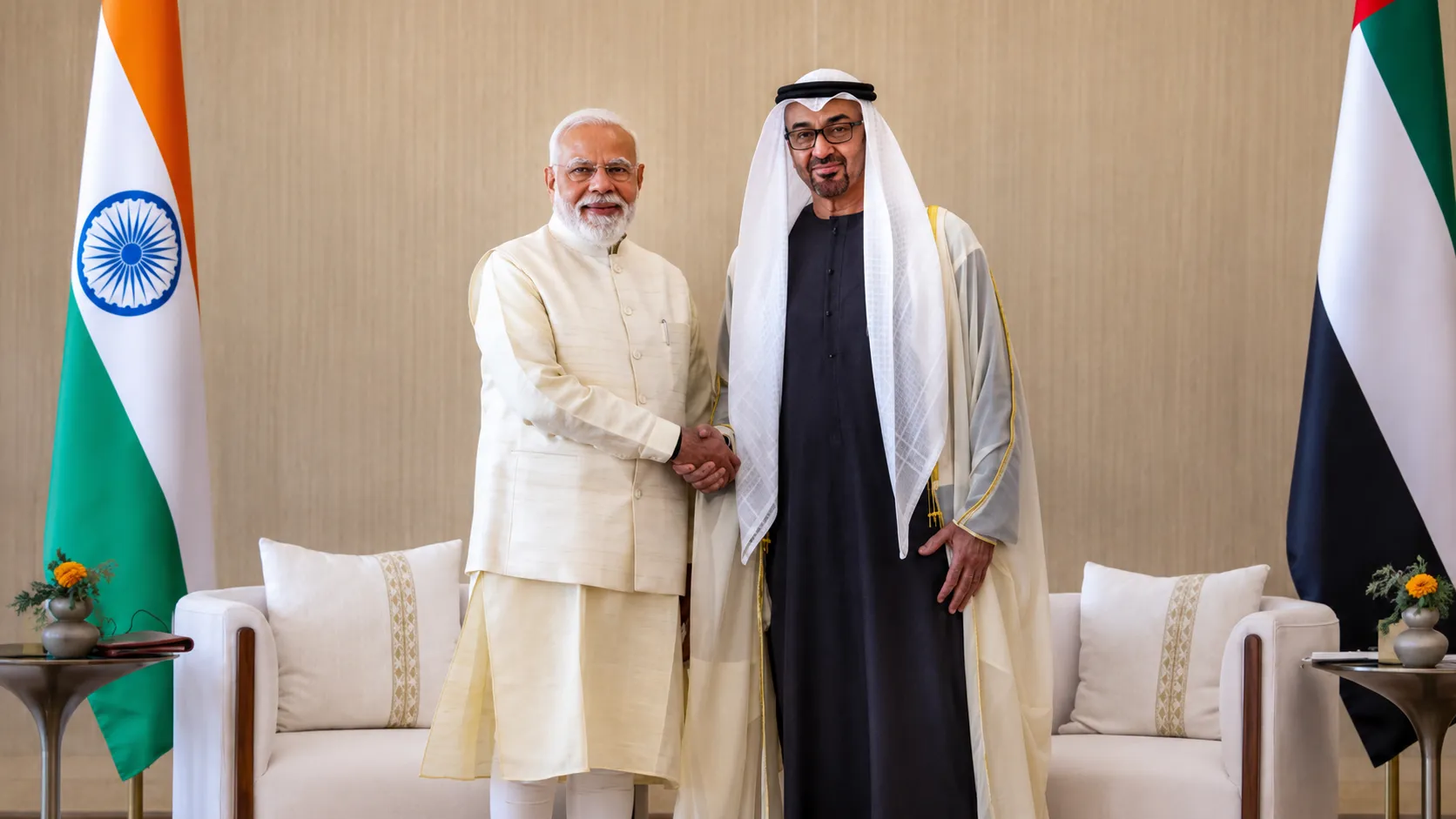
PM Modi’s UAE Visit Is Becoming A Bigger Story About Trade Corridors, Energy Security And India’s Global Ambitions
Recent agreements included defence cooperation, strategic oil reserves and UAE investment commitments into India.
Recent agreements included defence cooperation, strategic oil reserves and UAE investment commitments into India.
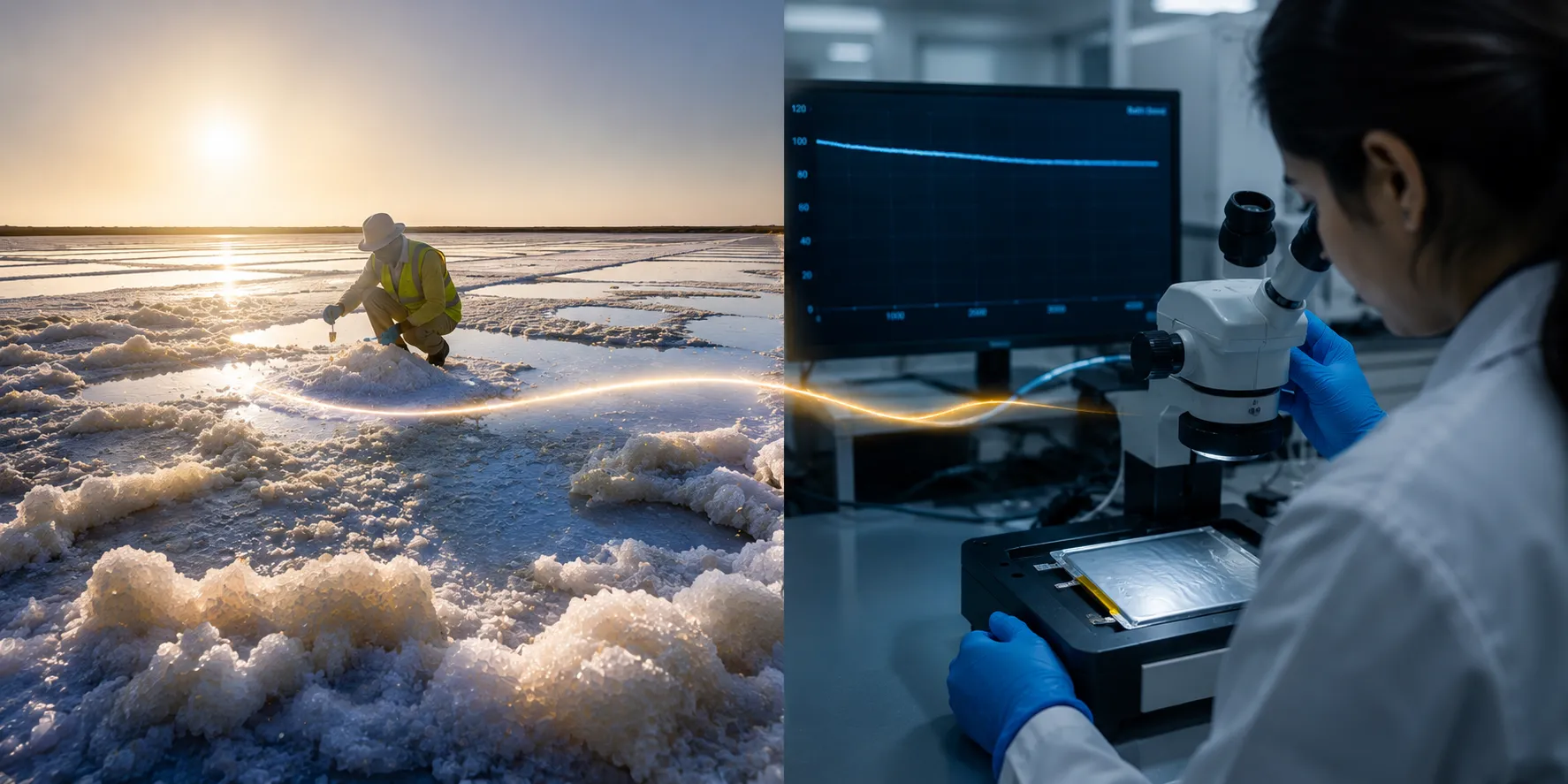
In December 2023, a publicly listed automotive software company with no prior history in electrochemistry unveiled a battery technology that it had been developing, quietly and without fanfare, for eight years. The company was KPIT Technologies, a Pune-headquartered mobility solutions firm with a market capitalisation of roughly ₹45,000 crore, over 12,000 employees, and a client roster that includes some of the largest automakers on Earth. It was not a battery startup. It was not a research laboratory. It was a software company that had decided, in 2015, that India's electric vehicle revolution would never reach scale unless someone built a battery that did not depend on lithium—and that it was willing to be the company that tried.
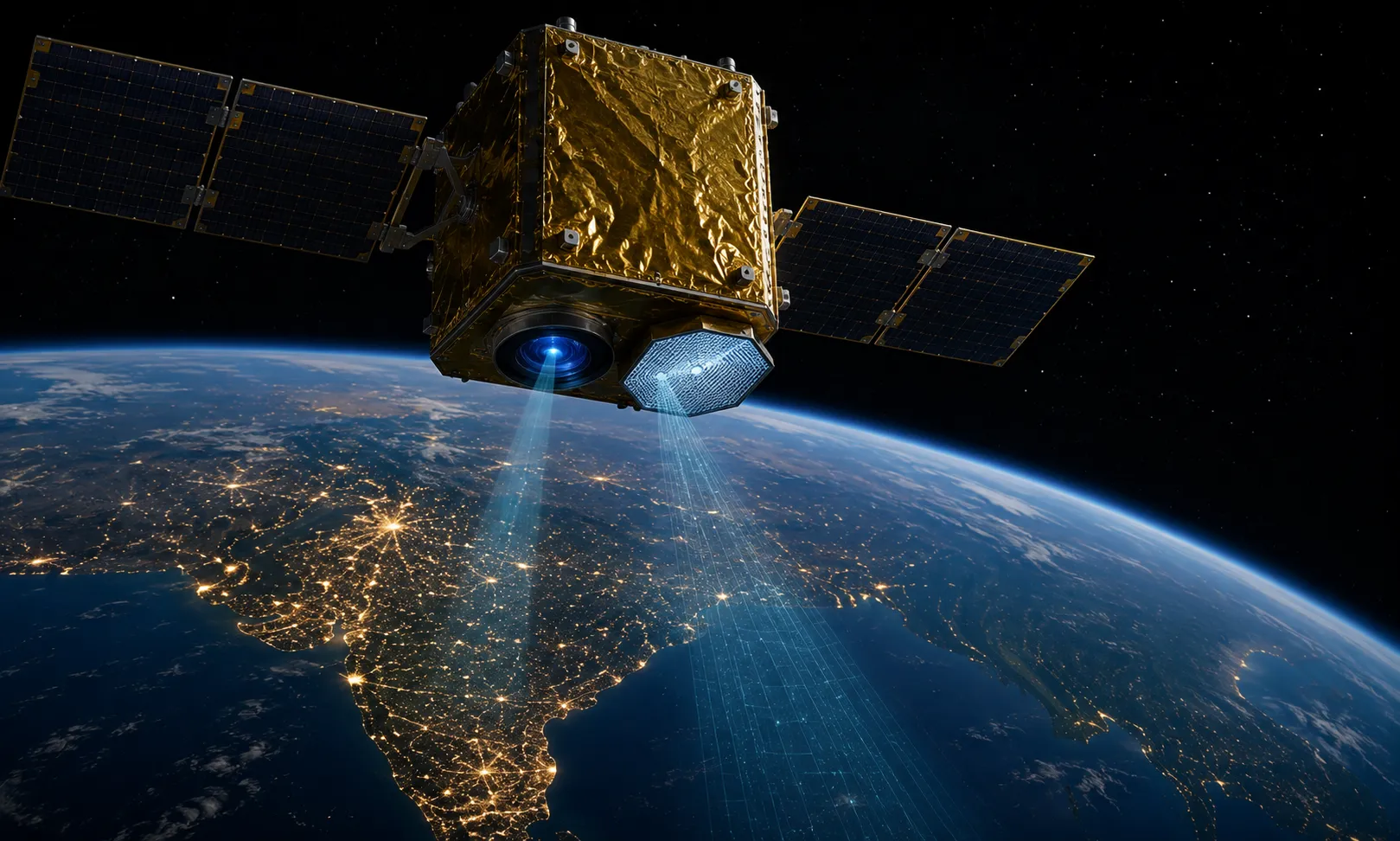
In 2020, five final-year students at IIT Madras sat in a hostel room and asked themselves a question that most aerospace engineers spend entire careers avoiding. What if you could put two completely different kinds of cameras on the same satellite? Not one optical camera that takes beautiful pictures in daylight and goes blind the moment a cloud passes over. Not one radar sensor that can see through storms and darkness but produces images that look like a grainy ultrasound. Both. On one platform. Working together. The question was technically elegant and commercially insane—the kind of problem that had defeated every satellite manufacturer for a generation because the two sensors interfered with each other, the data streams were incompatible, and the engineering complexity was orders of magnitude greater than building two separate satellites.
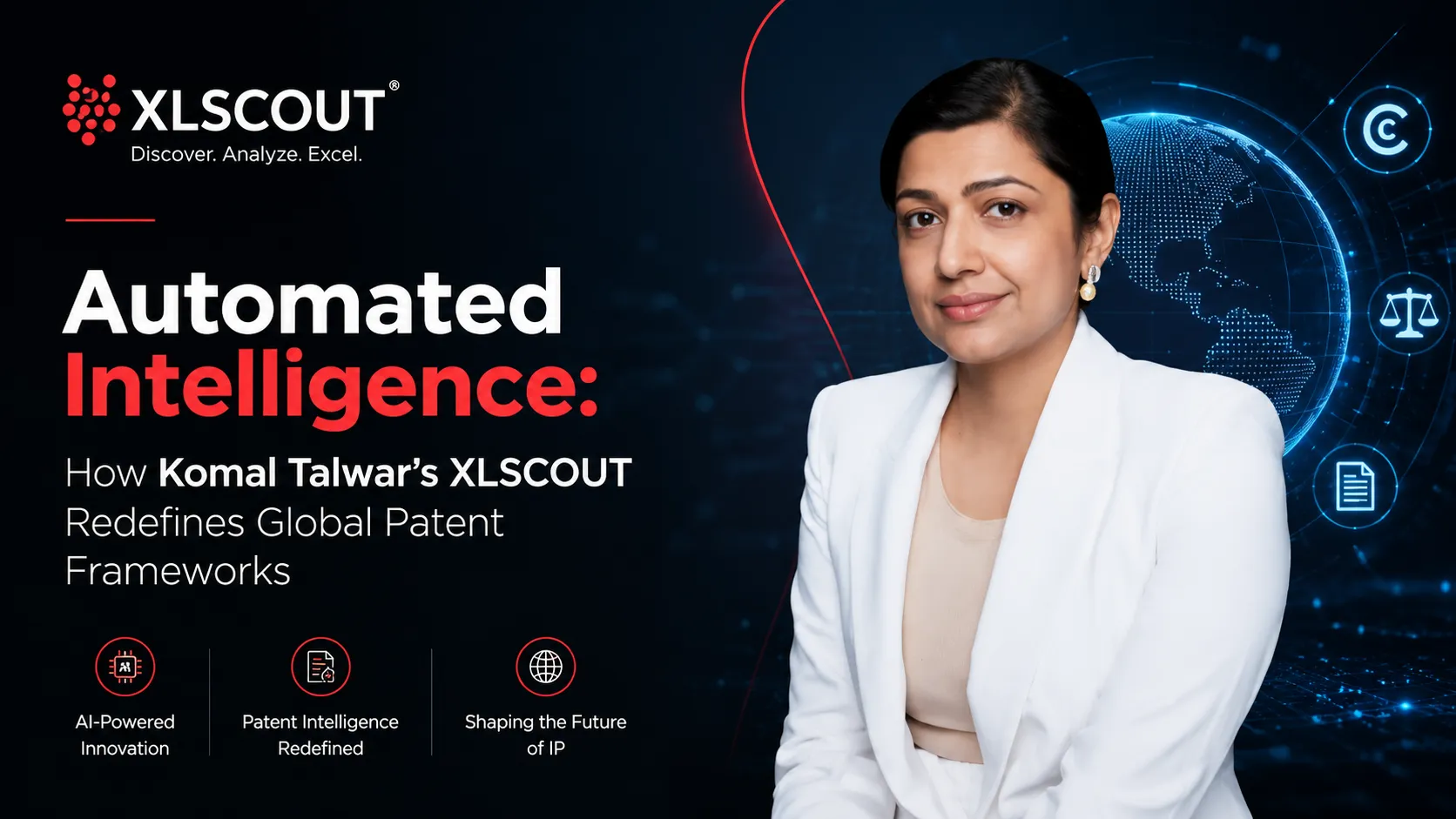
Intellectual property pioneer Komal Talwar is fundamentally reshaping the global R&D landscape through XLSCOUT, an integrated, AI-driven patent monetization and analysis platform. Managing an extensive database of more than 170 million patents across 100-plus countries, the platform leverages Large Language Models (LLMs) to automate tedious prior-art searches and patent drafting processes. By compressing traditional manual research timelines by over 45%, this deep-tech innovation gives corporate enterprises, law firms, and research institutions a highly secure, automated pathway to maximize the commercial value of their intellectual assets.

In 2003, Anu Acharya was a successful technology entrepreneur in Hyderabad, running a software company she had founded after a stint as a research physicist at the University of Illinois. She was not a biologist. She was not a doctor. She had never worked in healthcare. And then her cousin died of a genetic disorder—a disease that, had it been detected early enough, could have been managed, treated, perhaps even prevented. The loss was devastating. The question it planted in her mind was even more so: how many Indians were carrying genetic risks they had no way of knowing about?
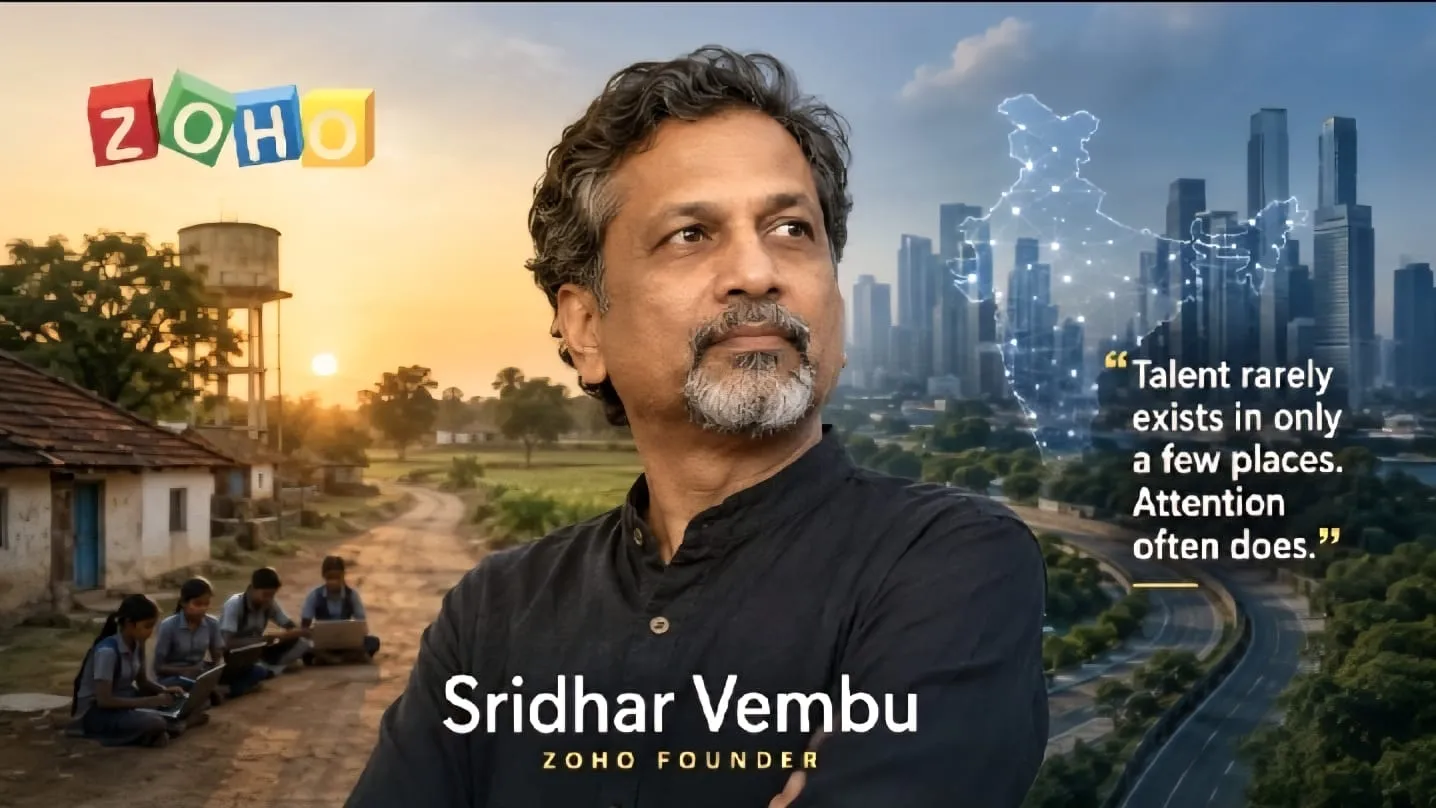
The Zoho Founder Is Raising A Bigger Question About Dependency, Digital Sovereignty And Who Actually Shapes The Next Economy

Driven by climate consciousness and a desire for authentic, grounded experiences, Gen-Z is fundamentally redefining modern tourism. The frantic race through airport terminals is being swapped for the rhythmic, deliberate pace of the overland highway. Central to this transformation is the resurrection and total redesign of the long-haul coach: the luxury sleeper bus. Featuring private, air-conditioned single pods, ambient lighting, high-speed Wi-Fi, and panoramic windows, these rolling boutique hotels are turning multi-day routes across Southeast Asia and India into the ultimate travel status symbol. By prioritizing the journey over the destination, young travelers are proving that slow travel is no longer a compromise—it is the modern gold standard of exploration.
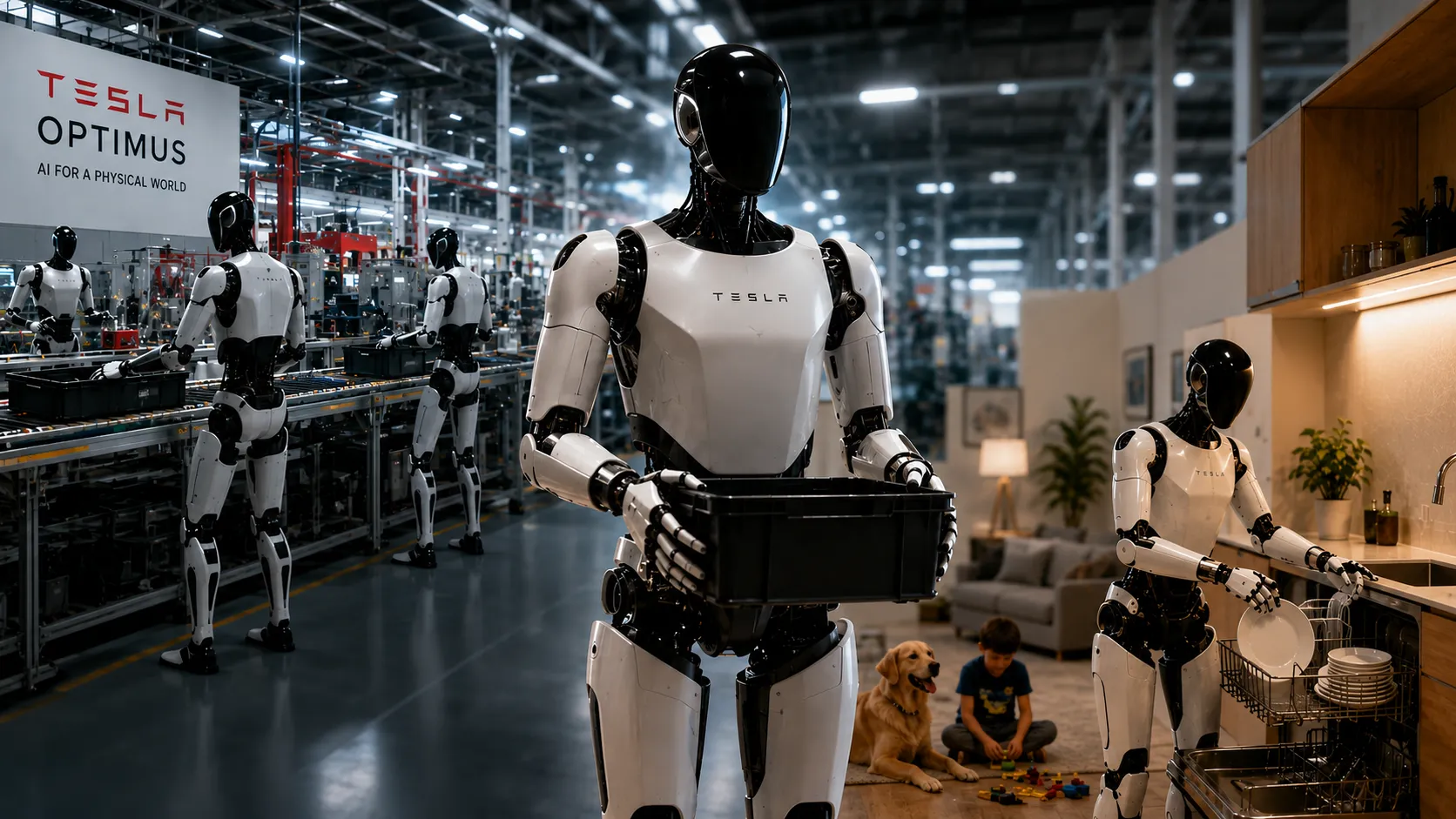
As Tesla readies its initial mass-production infrastructure for the Optimus humanoid robot, the technology sector anticipates a massive realignment of workplace and home life. With a long-term public consumer price goal targeted below $20,000 and widespread residential availability expected for late 2027, Elon Musk's most ambitious project is quickly stepping from factory R&D directly into commercial reality.

Fashion designer Sonali Thakur is challenging the disposable mindset of modern consumerism with Fix My Fit, a unique street-side startup delivering quick 10-minute garment adjustments from a vibrant mobile cart in Kochi. Stationed near Kathrikadavu, this fully self-contained micro-tailoring unit addresses a historical shortage of on-the-spot alterations in Kerala. By offering everything from simple darning to design revamps, the venture provides an accessible, quick solution that supports a circular fashion ecosystem.
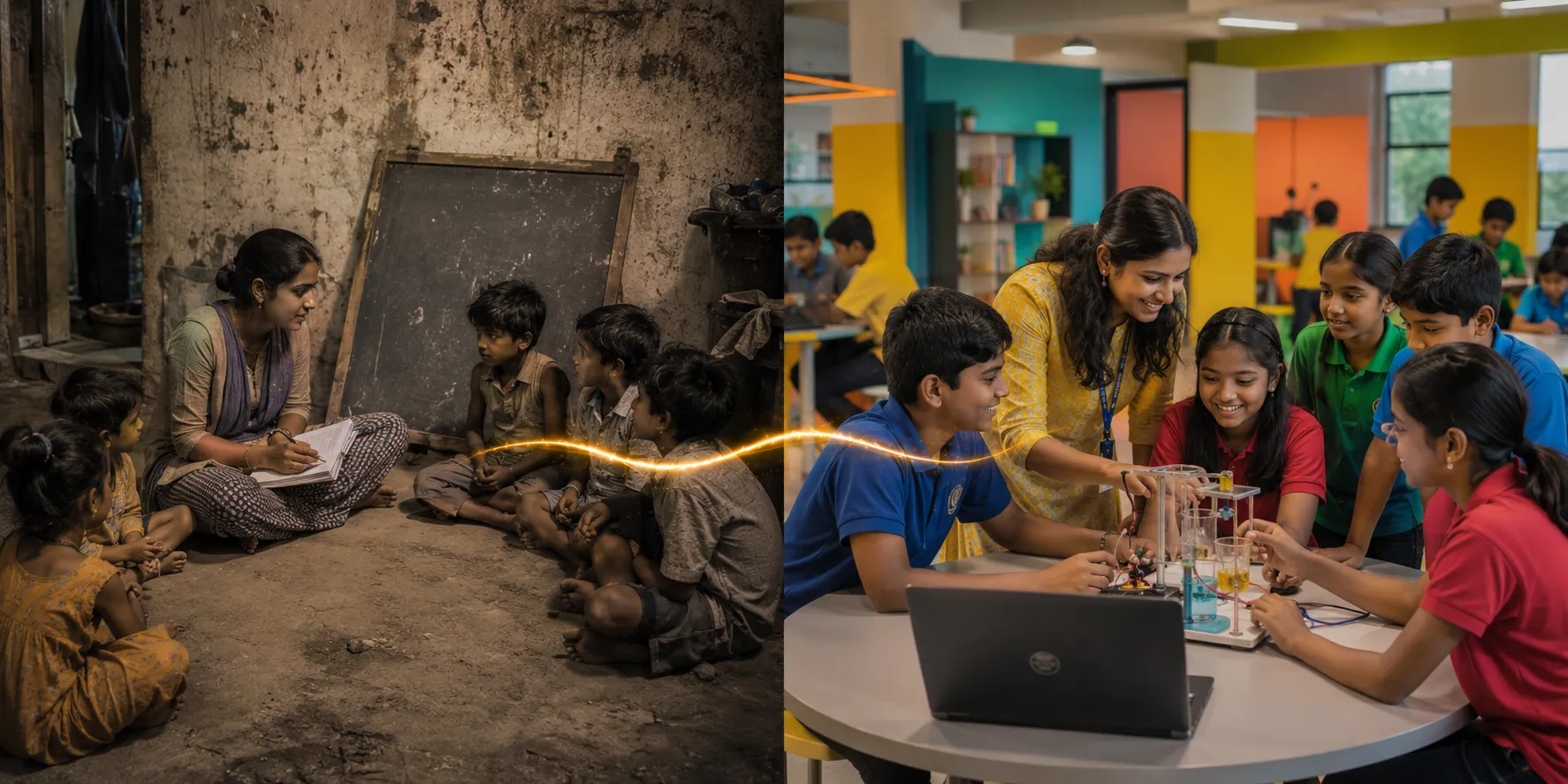
In 1989, Shaheen Mistri was 18 years old, the daughter of a prominent banker, educated at elite international schools, and on a trajectory that led to universities abroad and a life of comfortable, cosmopolitan privilege. She was home in Mumbai for the summer, and she was bored. She decided, on a whim, to volunteer at a school for underprivileged children in the city's slums. The decision was not ideological. She was not an activist. She was a teenager who wanted something to do.