ImpactMay 25, 2026
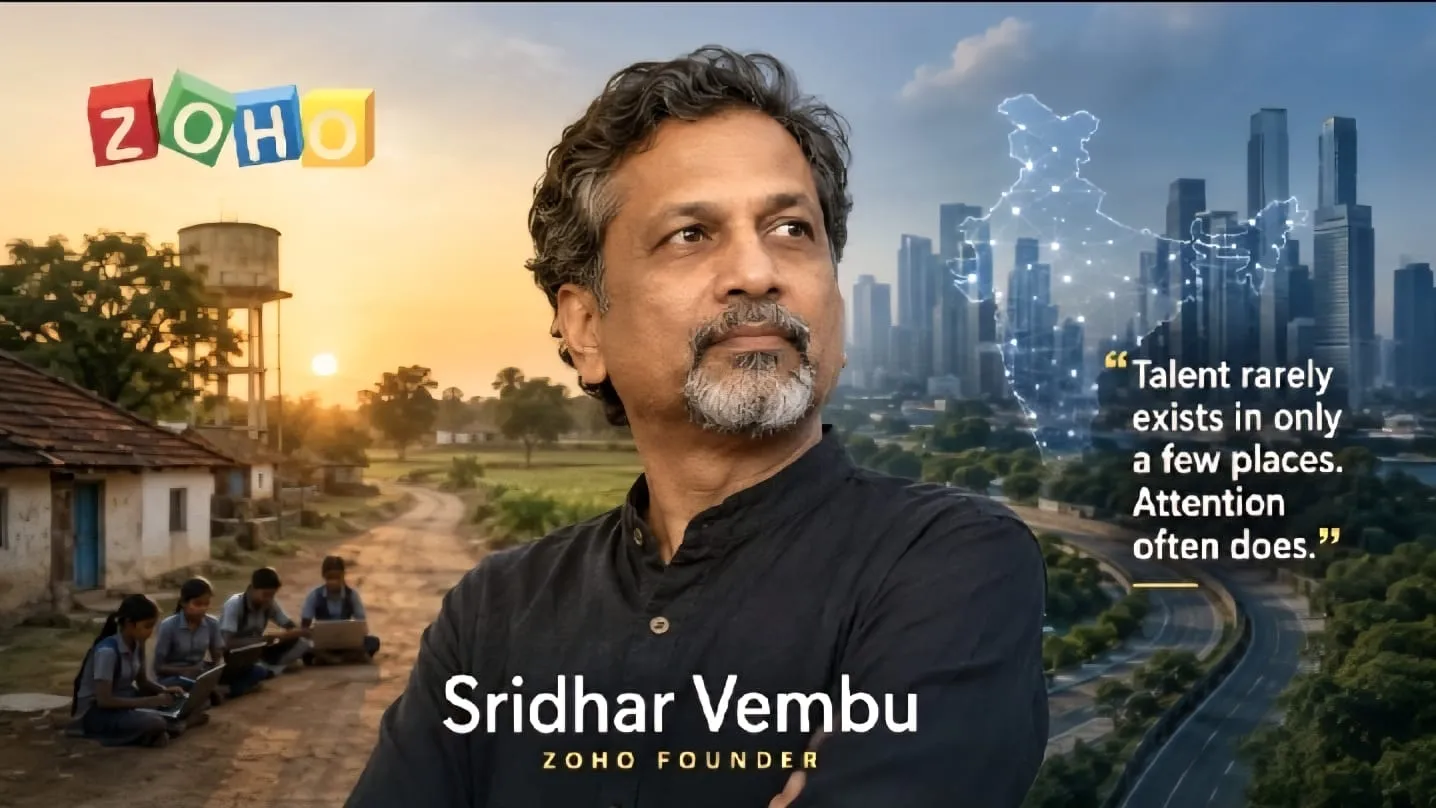
Sridhar Vembu Believes India’s Next Growth Story May Begin Far Away From Its Biggest Cities
The Zoho Founder Is Raising A Bigger Question About Dependency, Digital Sovereignty And Who Actually Shapes The Next Economy
The Zoho Founder Is Raising A Bigger Question About Dependency, Digital Sovereignty And Who Actually Shapes The Next Economy
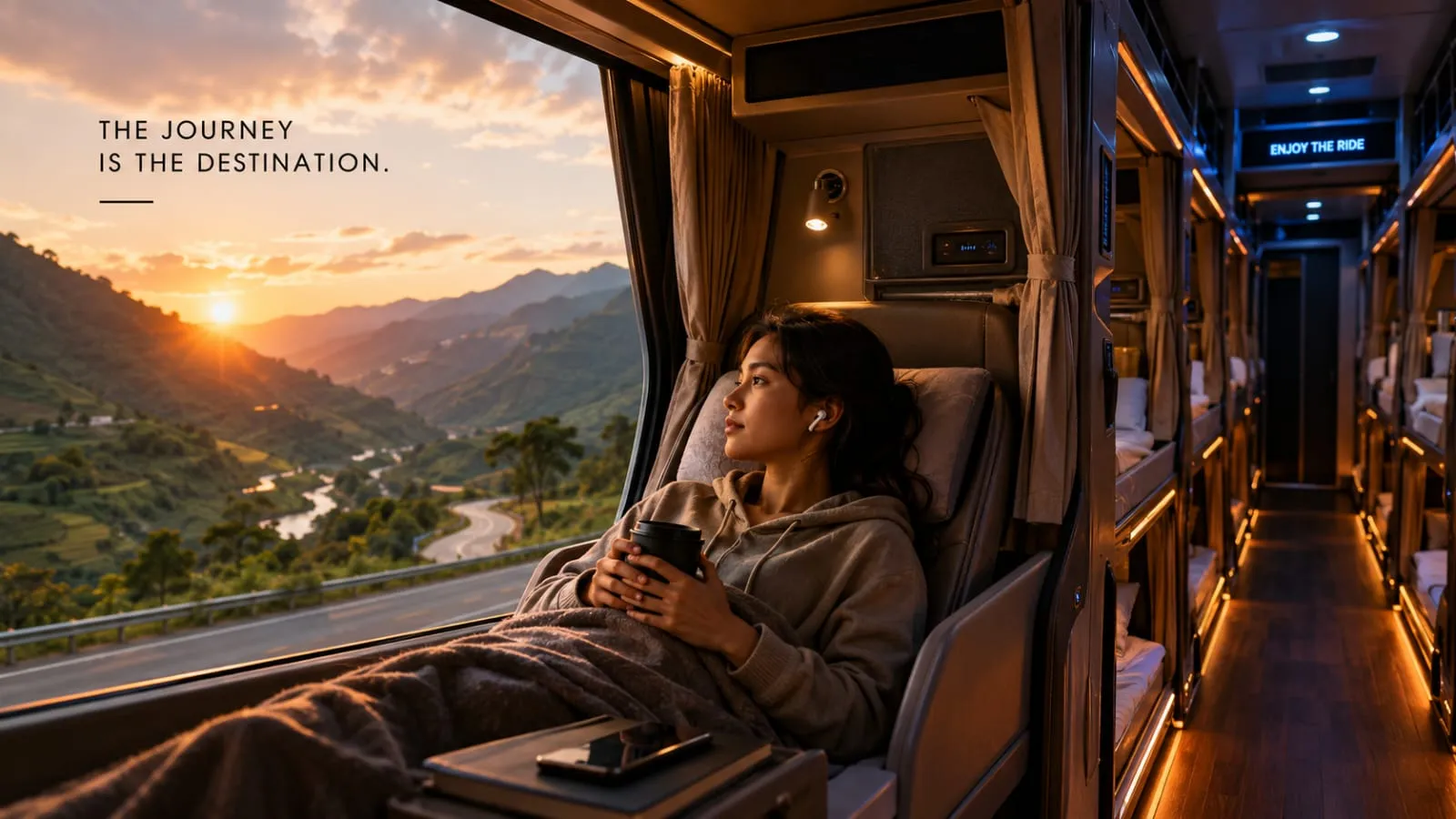
Driven by climate consciousness and a desire for authentic, grounded experiences, Gen-Z is fundamentally redefining modern tourism. The frantic race through airport terminals is being swapped for the rhythmic, deliberate pace of the overland highway. Central to this transformation is the resurrection and total redesign of the long-haul coach: the luxury sleeper bus. Featuring private, air-conditioned single pods, ambient lighting, high-speed Wi-Fi, and panoramic windows, these rolling boutique hotels are turning multi-day routes across Southeast Asia and India into the ultimate travel status symbol. By prioritizing the journey over the destination, young travelers are proving that slow travel is no longer a compromise—it is the modern gold standard of exploration.

As Tesla readies its initial mass-production infrastructure for the Optimus humanoid robot, the technology sector anticipates a massive realignment of workplace and home life. With a long-term public consumer price goal targeted below $20,000 and widespread residential availability expected for late 2027, Elon Musk's most ambitious project is quickly stepping from factory R&D directly into commercial reality.

Fashion designer Sonali Thakur is challenging the disposable mindset of modern consumerism with Fix My Fit, a unique street-side startup delivering quick 10-minute garment adjustments from a vibrant mobile cart in Kochi. Stationed near Kathrikadavu, this fully self-contained micro-tailoring unit addresses a historical shortage of on-the-spot alterations in Kerala. By offering everything from simple darning to design revamps, the venture provides an accessible, quick solution that supports a circular fashion ecosystem.
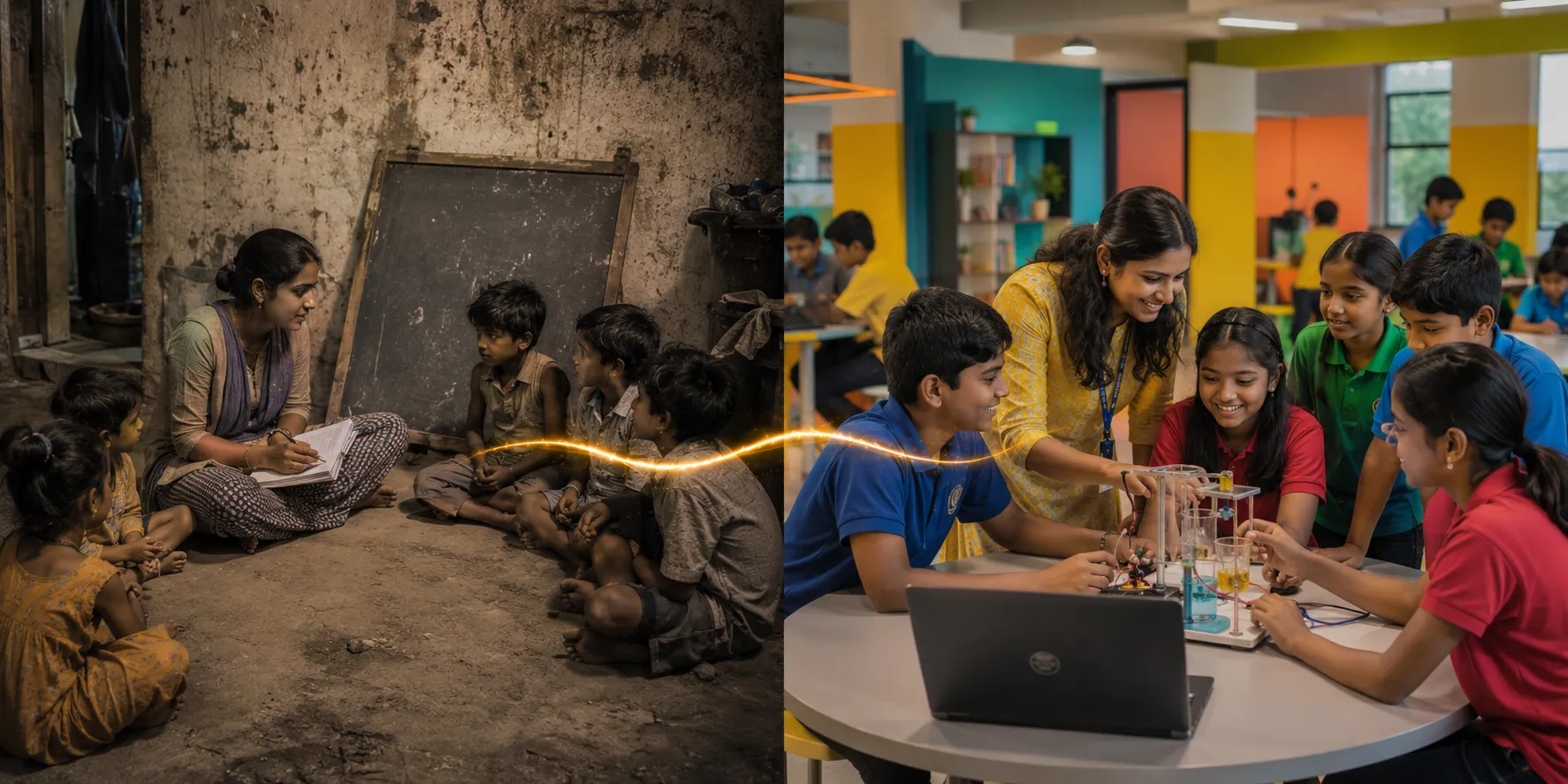
In 1989, Shaheen Mistri was 18 years old, the daughter of a prominent banker, educated at elite international schools, and on a trajectory that led to universities abroad and a life of comfortable, cosmopolitan privilege. She was home in Mumbai for the summer, and she was bored. She decided, on a whim, to volunteer at a school for underprivileged children in the city's slums. The decision was not ideological. She was not an activist. She was a teenager who wanted something to do.
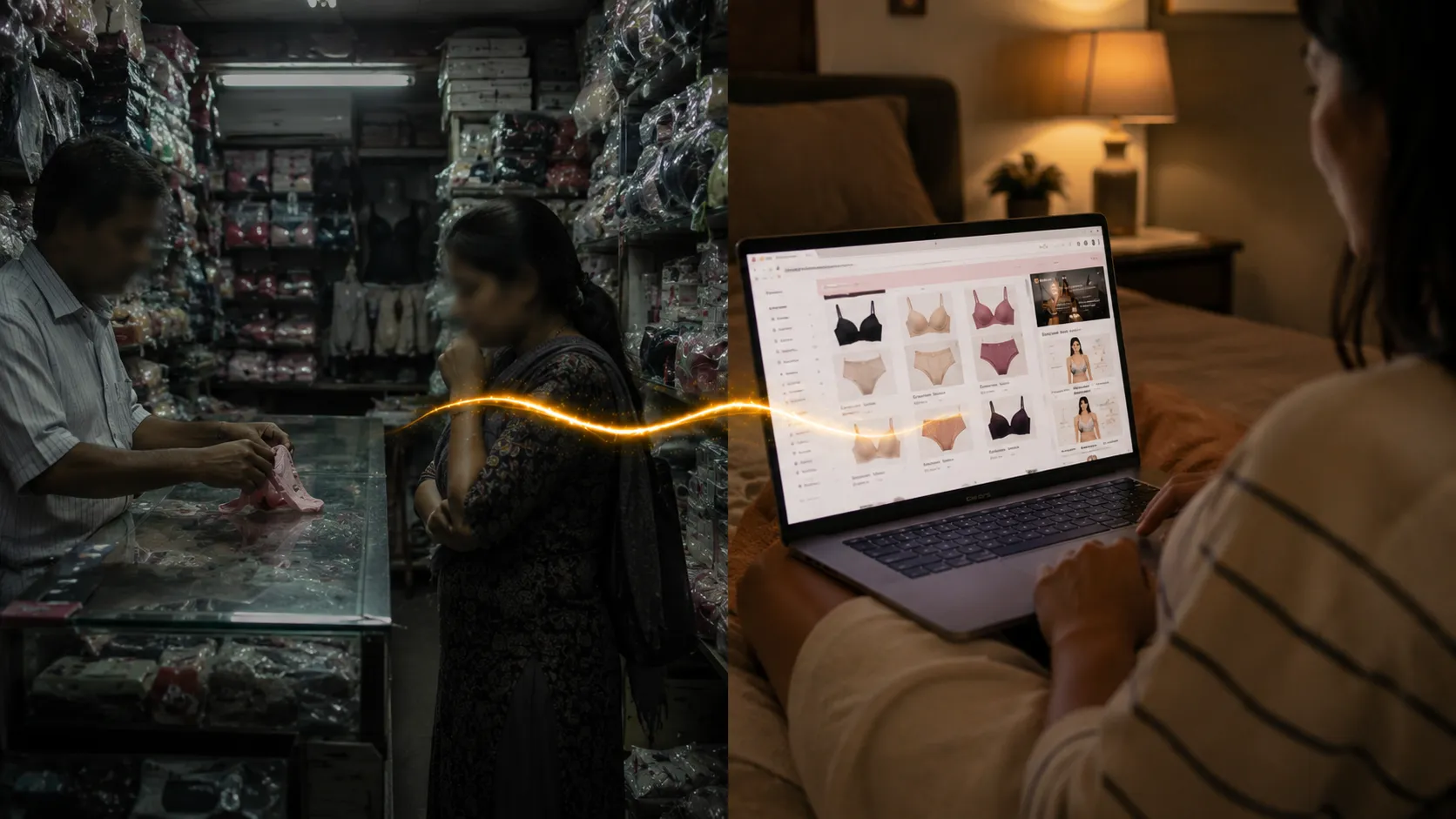
In 2010, Richa Kar was 28 years old, a graduate of BITS Pilani and the Narsee Monjee Institute of Management Studies, with a solid corporate career at SAP and Spencer's Retail. She had been researching the Indian lingerie market for months—not because she intended to start a business, but because she had noticed something that seemed too obvious to be true. Indian women, regardless of income, education, or geography, were almost universally underserved when it came to intimate wear. The neighbourhood lingerie stores were cramped, poorly lit, and staffed by men who made the shopping experience so uncomfortable that most women rushed through it, buying whatever was handed to them without ever trying anything on. The premium options were available only in high-end department stores in a handful of cities. The vast majority of Indian women—hundreds of millions of them—were buying ill-fitting, uncomfortable, and often unhygienic intimate wear because they had no dignified alternative.
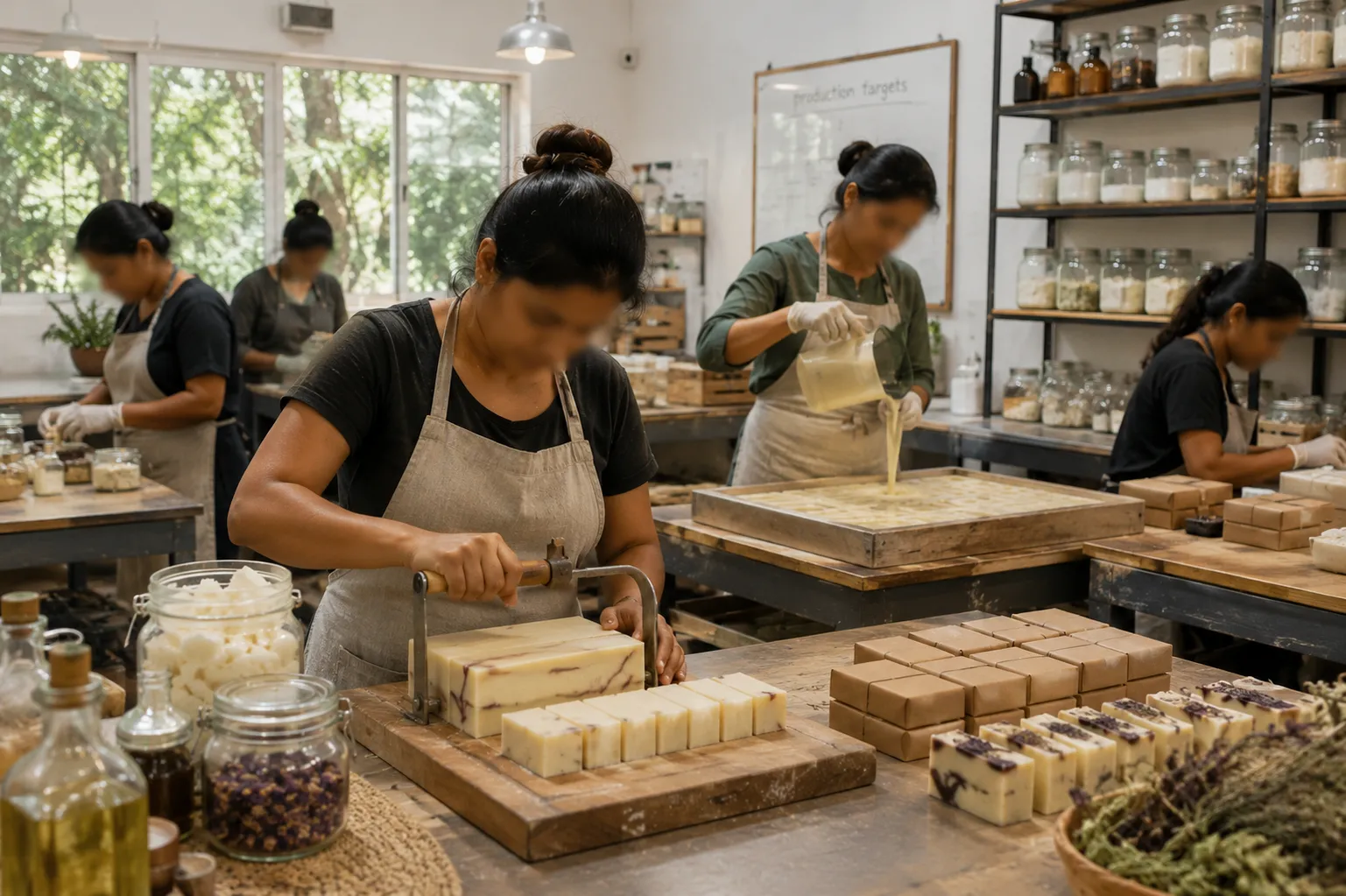
In 2015, Sahar Mansoor was 24 years old and had a resume that most people twice her age would envy. She had graduated from the University of Cambridge with a degree in environmental law and environmental economics. She had worked at the United Nations and the World Health Organization in Geneva, contributing to policies that shaped global environmental governance. She was on a trajectory that led to corner offices, diplomatic receptions, and the quiet, respectable influence of a career in international policy. She was also deeply, persistently unhappy.
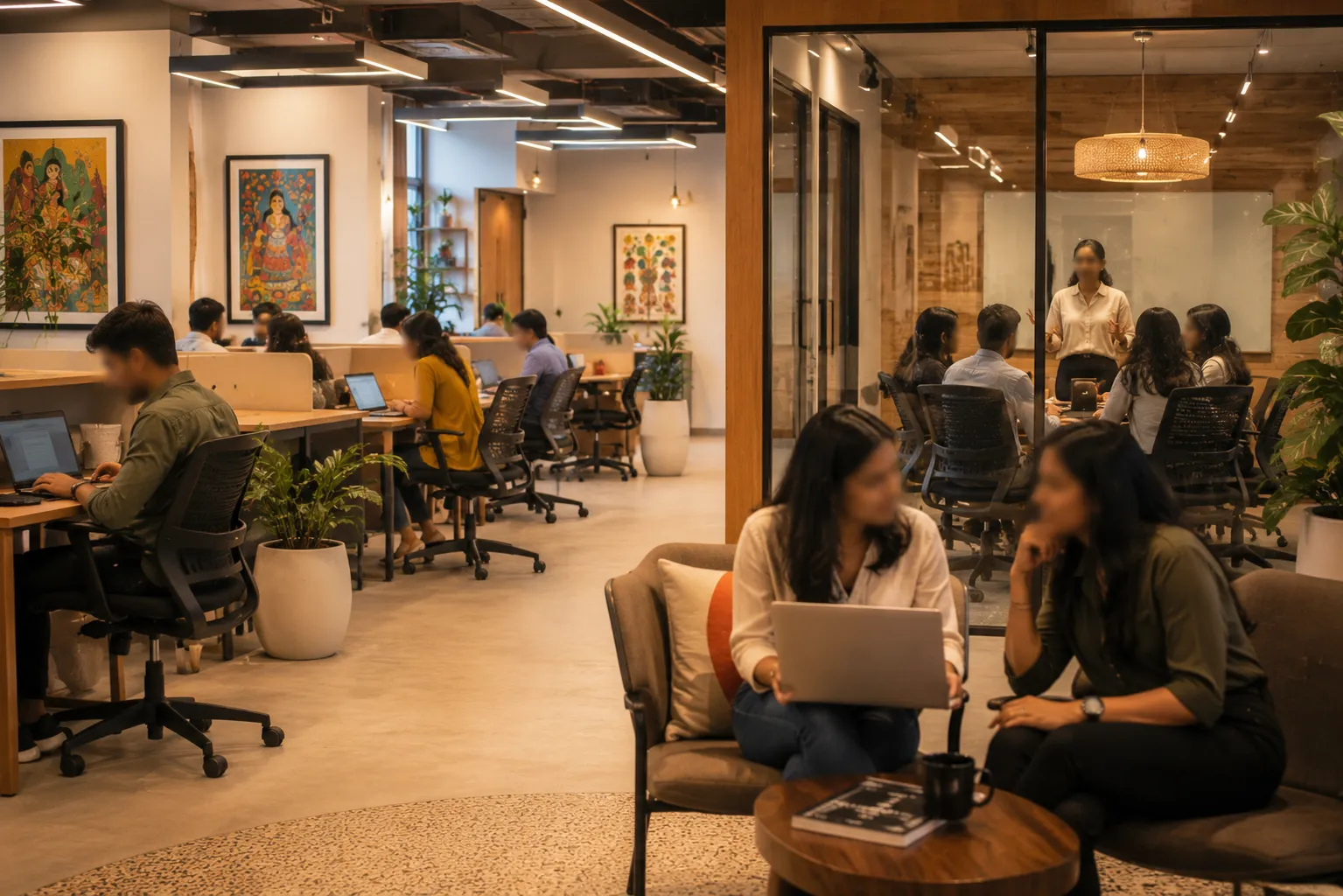
In 2015, Meghna Agarwal was a senior executive at a large Indian technology company, and she had a problem that her employer could not solve. The company was growing fast—hiring hundreds of engineers every quarter, expanding into new cities, competing for talent in a market where the best people could choose their employers—and the office infrastructure was a bottleneck. Leases took months to negotiate. Build-outs took months more. The spaces, when they were finally ready, were conventional, uninspiring, and disconnected from what the young, ambitious workforce actually wanted. The company needed offices that were flexible, scalable, and designed for the way people actually worked—not the way they had worked in 1995. The real estate industry, Agarwal discovered, had no answer.
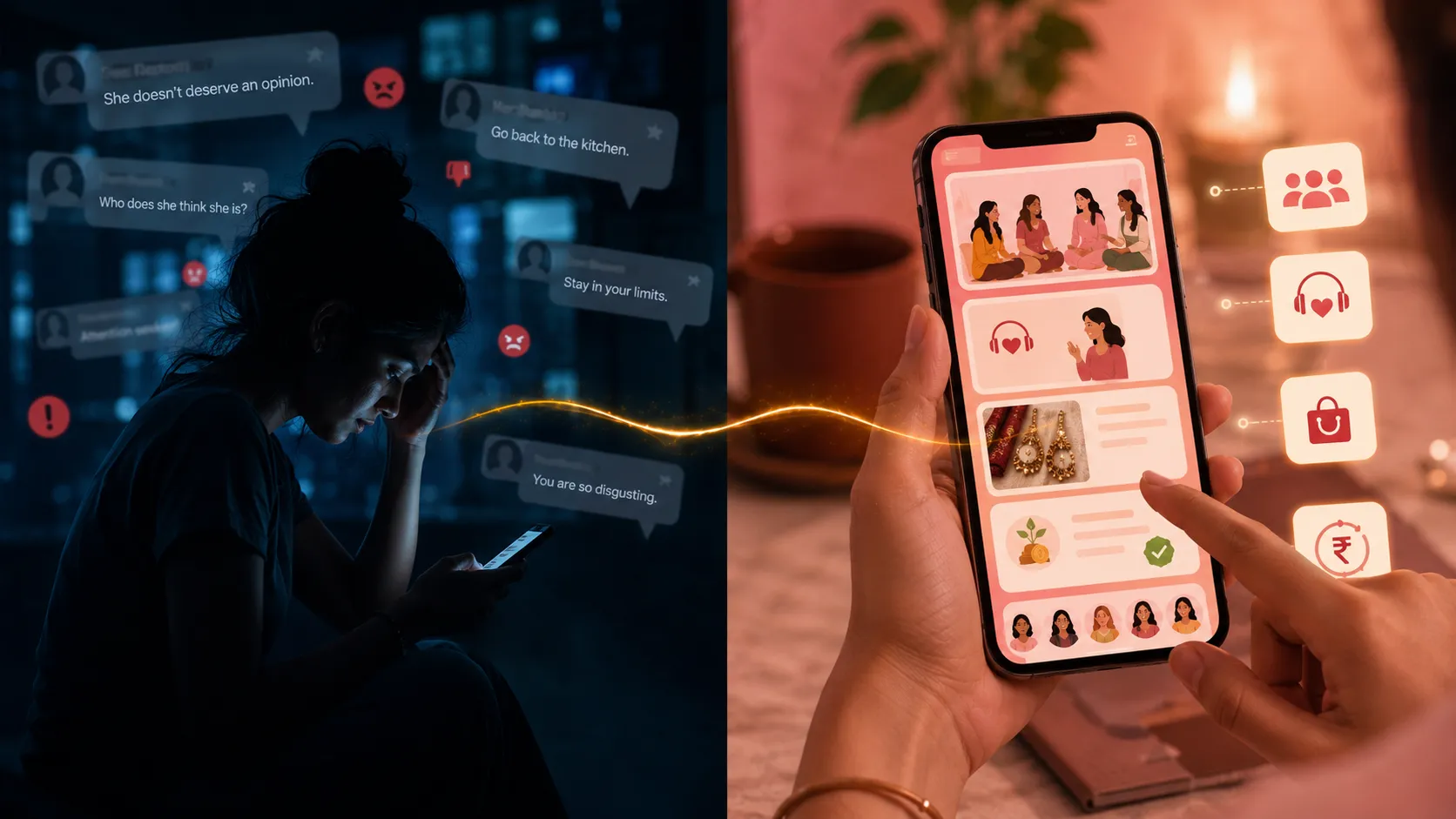
Sometime in 2013, Sairee Chahal looked at the internet and saw something that had been hiding in plain sight. The web had transformed commerce, media, education, and communication. It had created new industries, new fortunes, new ways of being. And yet, for the majority of Indian women—the millions who were coming online for the first time through cheap smartphones and affordable data—the internet was not designed for them. The platforms were built by men. The content was targeted at men. The communities that formed were hostile to women, who were harassed, trolled, and silenced the moment they spoke. The internet had democratised access to information, but it had not democratised access to safety, to opportunity, or to the kind of supportive community that women needed to build careers, businesses, and lives on their own terms.
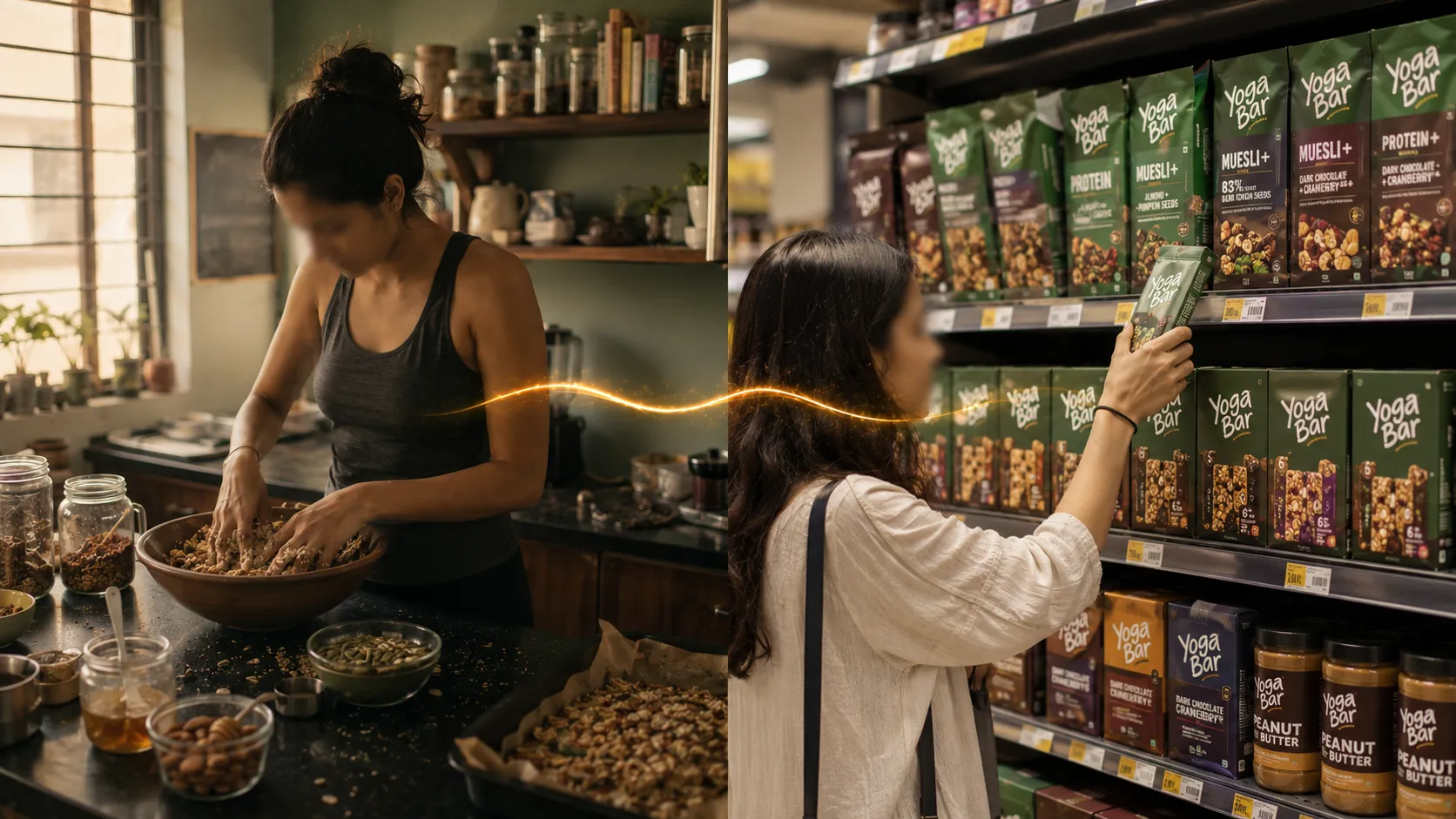
In 2014, Suhasini Sampath was a yoga teacher in Bengaluru with a problem she could not solve. She was 34 years old, a mother of two, and after years of struggling with digestive issues and food intolerances, she had transformed her own health through a careful, deliberate diet—whole grains, natural ingredients, no artificial preservatives or refined sugar. The transformation was profound. The frustration that followed was equally so: she could not find a single packaged snack in India that met her standards. The granola bars, breakfast cereals, and protein bars that lined supermarket shelves were all imported, all expensive, and all formulated for Western tastes and Western nutritional profiles. The Indian market for healthy, natural, preservative-free packaged food was essentially empty.