Results (951 found)

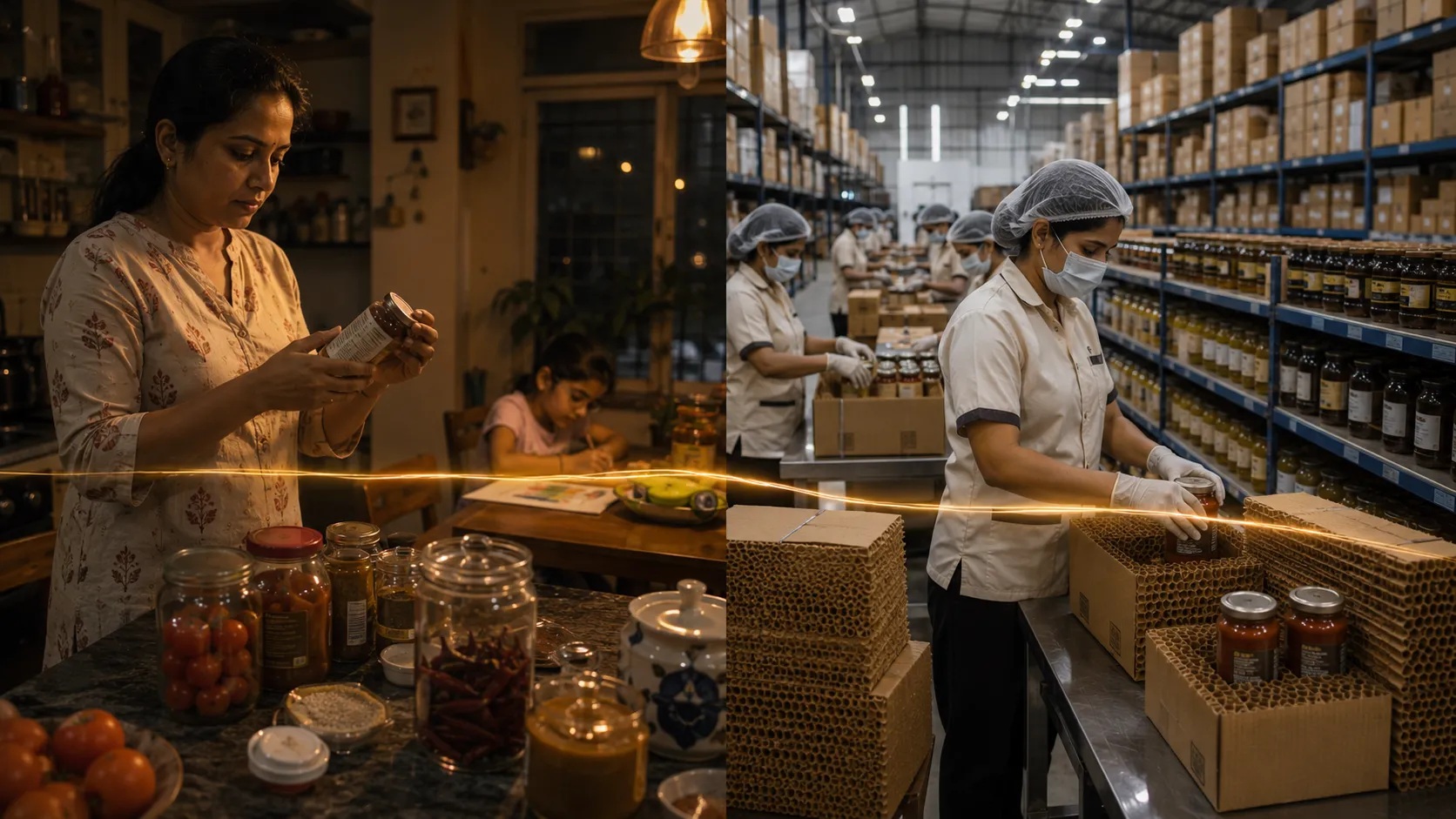
"My Daughter Was 11, and I Realised She Was Eating Chemicals": The Mother Whose Kitchen Became a 55,000-Unit-a-Month Organic Food Brand—Built With 85% Women, Zero Pesticides, and a Single Question
StartupsMay 25, 2026

"My Daughter Was 11, and I Realised She Was Eating Chemicals": The Mother Whose Kitchen Became a 55,000-Unit-a-Month Organic Food Brand—Built With 85% Women, Zero Pesticides, and a Single Question

In 2017, Archana Surana stood in her kitchen in Bengaluru and did something that millions of Indian mothers have done before her. She read a food label. Not casually—not the way a hurried shopper scans the front of a package for the words "natural" or "healthy"—but forensically, the way a mother reads a label when she has begun to suspect that the food she is serving her child is not what it claims to be. Her daughter was 11 years old. The tomato ketchup the child loved was loaded with sugar, preservatives, and artificial colours. The sauces that made dinner appetising were thickened with modified starches and stabilised with chemicals she could not pronounce. The snacks that filled the gaps between meals were engineered for shelf life, not nutrition. "I realised that I was surrounded by food that lacked natural goodness," she told Flipkart Stories. "The idea for the brand grew from a personal need for wholesome, clean, truly healthy nutrition. As a mother, it was concerning. I wanted food I could confidently serve to my children and help other mothers struggling with the same."
"I Was 39 With the Body of a 49-Year-Old": The Zomato Co-Founder Who Reversed His Biological Age—and Built a Health-Tech Startup With His Wife That Ranbir Kapoor Just Bet Millions On
StartupsMay 25, 2026

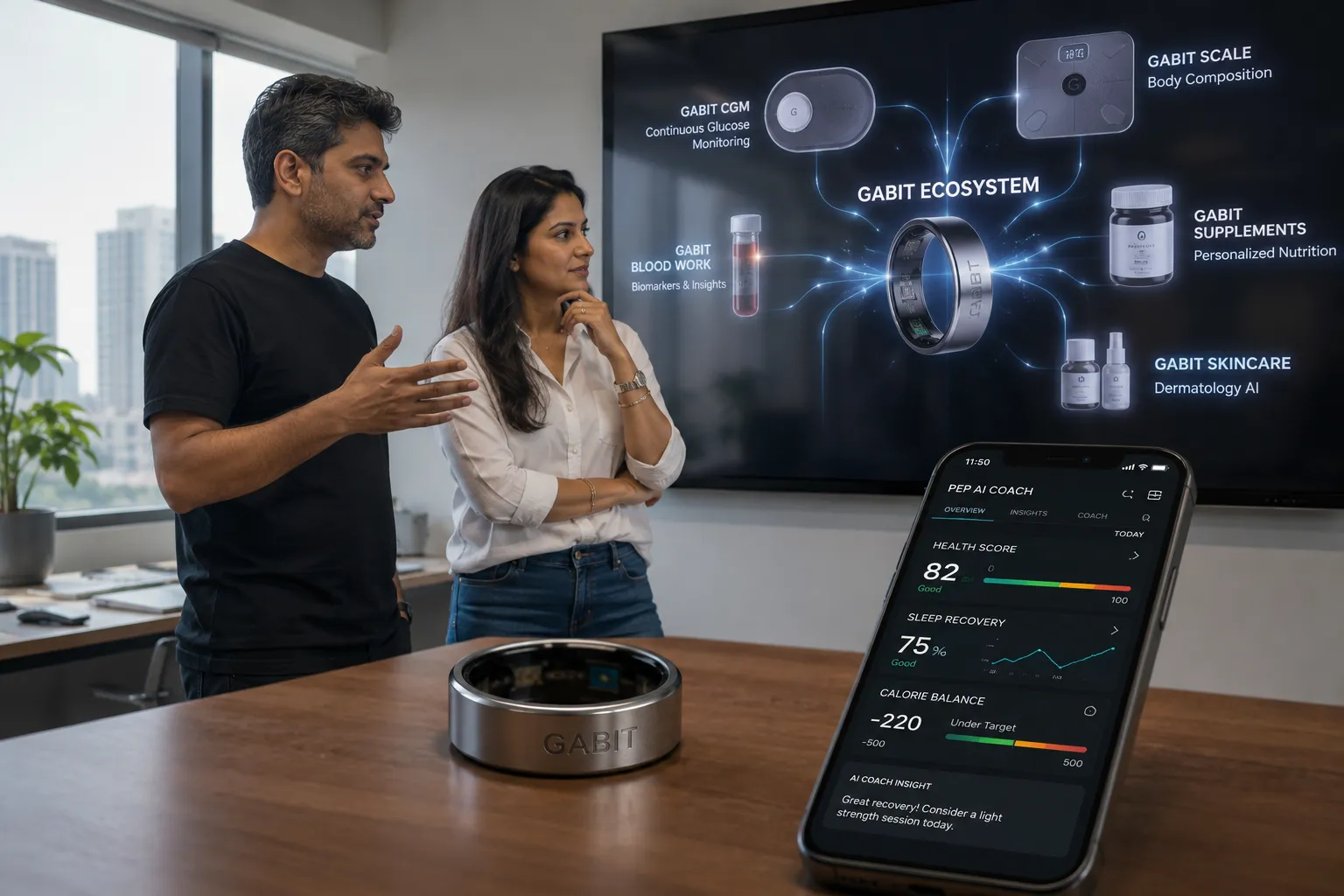
"I Was 39 With the Body of a 49-Year-Old": The Zomato Co-Founder Who Reversed His Biological Age—and Built a Health-Tech Startup With His Wife That Ranbir Kapoor Just Bet Millions On

Gaurav Gupta was one of the architects of India's food-tech revolution. As a co-founder of Zomato, he spent more than a decade building the infrastructure that turned a restaurant-discovery website into India's largest food-delivery platform—a company that now serves hundreds of millions of users across multiple countries, that went public in 2021, and that fundamentally changed how India eats. He was, by any conventional measure, extraordinarily successful. He was also, by his own quiet admission, falling apart.

The Engineer and the Journalist Who Bet Their Life Savings on Davangere Dosas: How Two 24-Year-Olds With No Restaurant Experience Built a ₹1 Crore/Month Breakfast Chain That Mumbai Lines Up For
StartupsMay 25, 2026

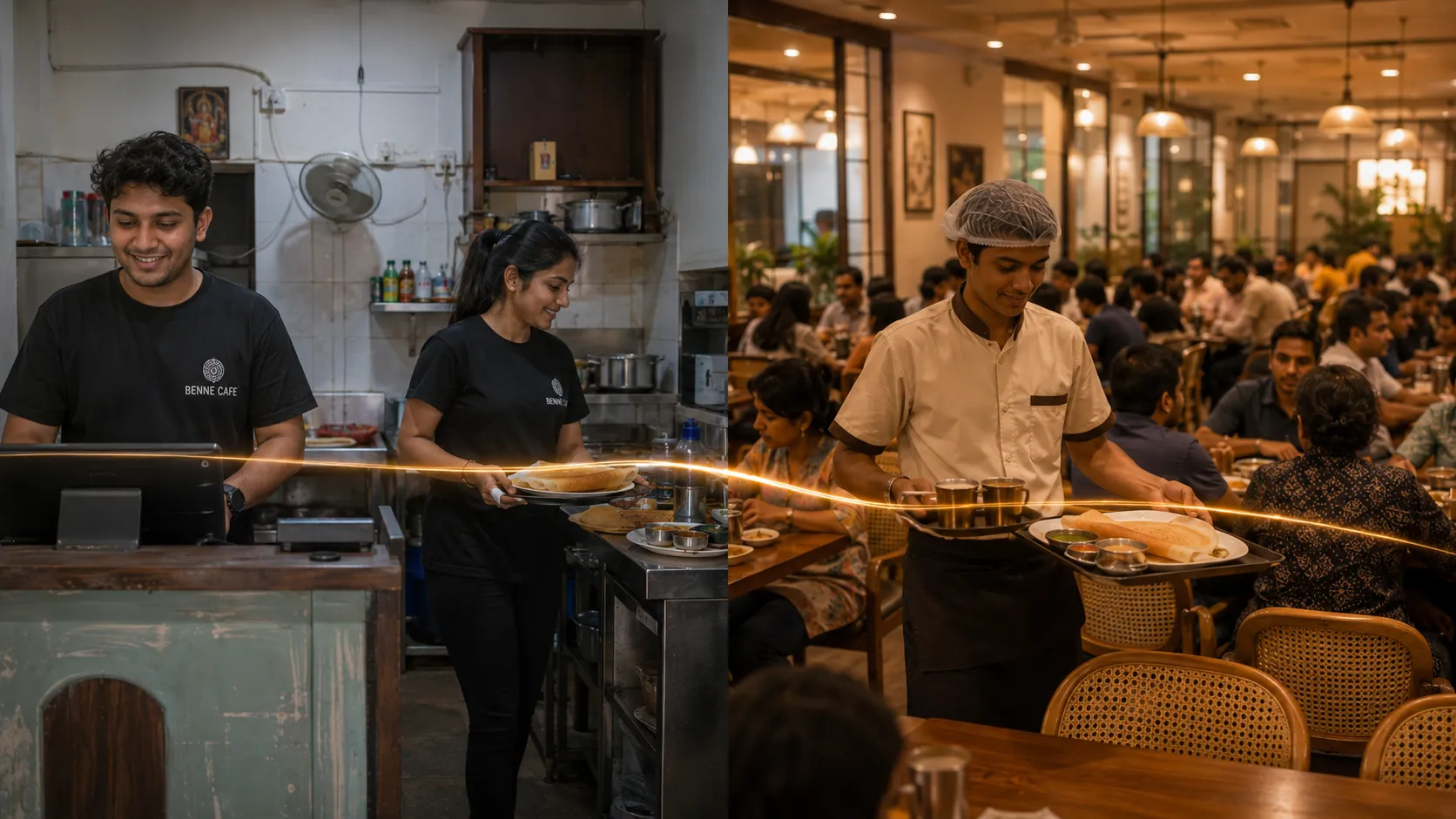
The Engineer and the Journalist Who Bet Their Life Savings on Davangere Dosas: How Two 24-Year-Olds With No Restaurant Experience Built a ₹1 Crore/Month Breakfast Chain That Mumbai Lines Up For

In 2022, Akhil Iyer was 24 years old, a chemical engineer with an MBA who had spent two years at Morgan Stanley. His girlfriend—now wife—Shriya Narayana was 24, a journalist with a degree in economics and political science from the University of London who had spent years telling other people's stories for a living. They were young, educated, and on trajectories that made their parents proud. They had never run a restaurant. They had never managed a kitchen. They had never stood behind a counter at 6 a.m., watching the first customers of the day decide whether the food they were about to eat was worth the money they were about to spend. And they had an idea that everyone told them was insane.

"We Were Hosting People With Plastic": The Corporate Couple Who Left Their Jobs to Build a ₹5 Lakh/Month Wooden Kitchenware Brand—and Prove That Slow, Handcrafted Products Can Still Win
StartupsMay 25, 2026

"We Were Hosting People With Plastic": The Corporate Couple Who Left Their Jobs to Build a ₹5 Lakh/Month Wooden Kitchenware Brand—and Prove That Slow, Handcrafted Products Can Still Win

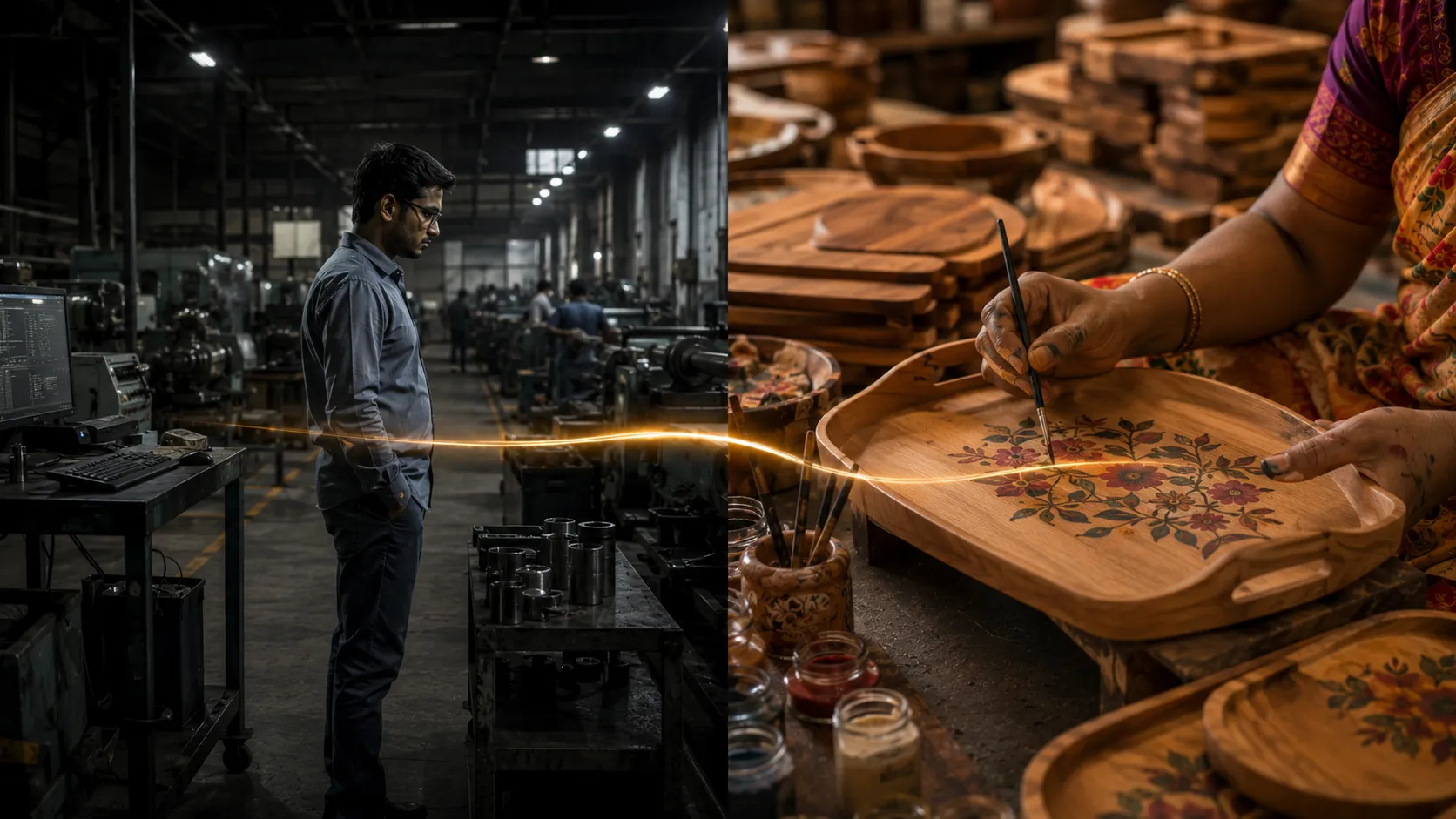
Punit Agarwal was 39 years old, a computer engineer by training who had spent the better part of his career in his father's metal fabrication business. The work was stable, profitable, and deeply monotonous. Every morning, he walked into the same factory, managed the same processes, and left with the same quiet dissatisfaction that had been accumulating for years. "That work is obviously very monotonous," he told The Better India. "It didn't let me explore creative avenues, or do something that I could put my heart into." He was not poor. He was not struggling. He was something that the Indian economy rarely acknowledges: a successful man who was quietly, persistently unfulfilled.

The Coconut Plantation That Lost Money on Every Tree: How a Kerala Couple's Search for Healthy Snacks Became a Mission to Save India's Farmers—One Millet Cookie at a Time
StartupsMay 25, 2026

The Coconut Plantation That Lost Money on Every Tree: How a Kerala Couple's Search for Healthy Snacks Became a Mission to Save India's Farmers—One Millet Cookie at a Time

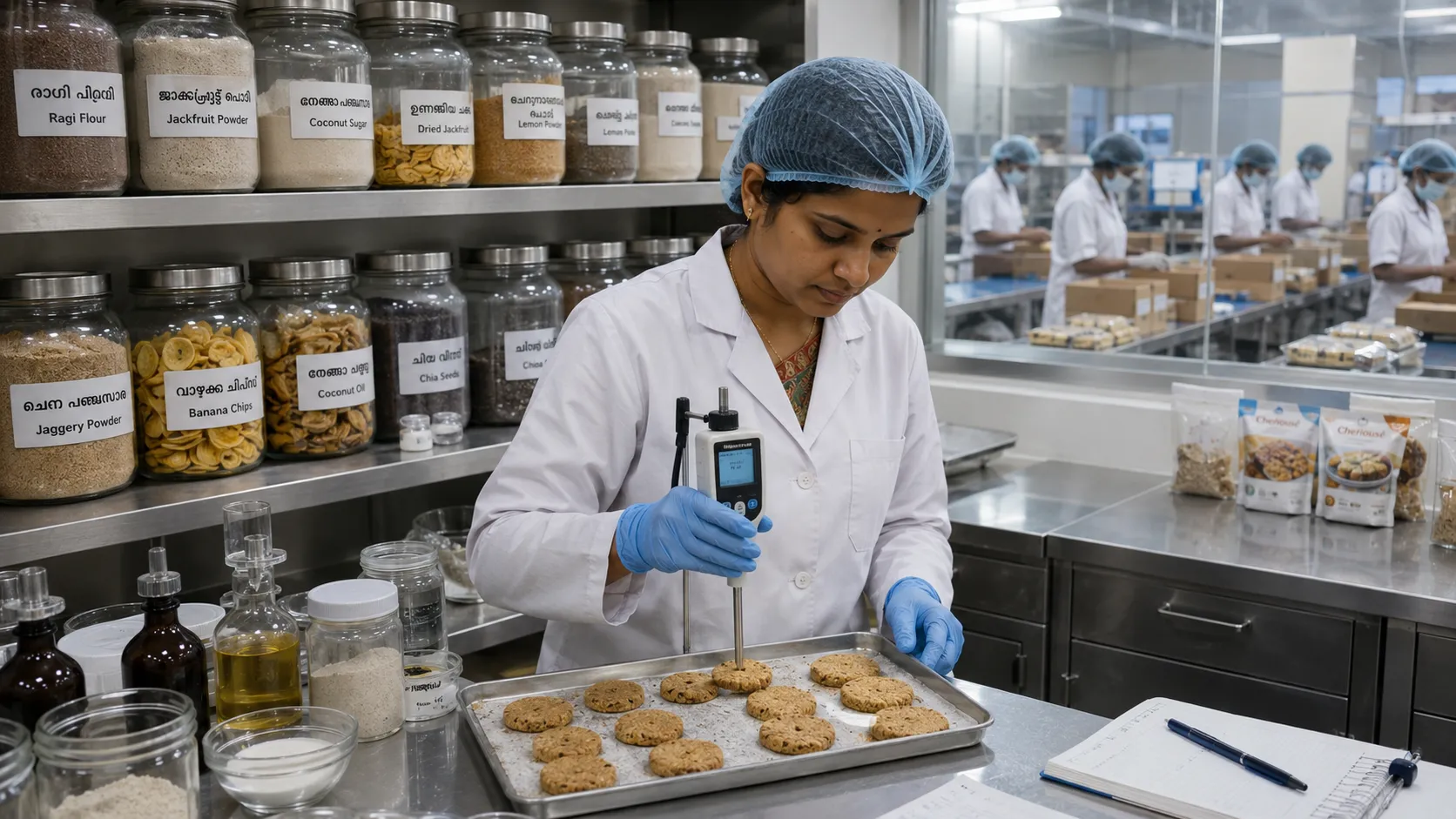
Years ago, fresh out of school, Noorudheen Kuttaloorpari found one of his greatest joys in visiting his father's coconut plantation in Malappuram. Every day, he would water the plants and marvel at the lush greenery and the sprawling paddy fields nearby. The abundance of nature filled him with pride, and he naturally assumed that the plantation was a source of prosperity. Then reality struck. The price of a coconut barely touched ₹6, while the cost of cultivation was ₹7. The plantation was running at a loss. "This wasn't just our story," Noorudheen wrote years later. "It was the story of countless farmers in the region. Those who worked tirelessly to create the lush, green landscapes were struggling to make ends meet."

The Mother Who Needed Food That Wouldn't Spoil Across Continents: How Prathima Viswanath's Kitchen Experiments Became a ₹9.6 Crore Ready-to-Cook Empire—Making 90,000 Chapatis a Day
StartupsMay 25, 2026

The Mother Who Needed Food That Wouldn't Spoil Across Continents: How Prathima Viswanath's Kitchen Experiments Became a ₹9.6 Crore Ready-to-Cook Empire—Making 90,000 Chapatis a Day

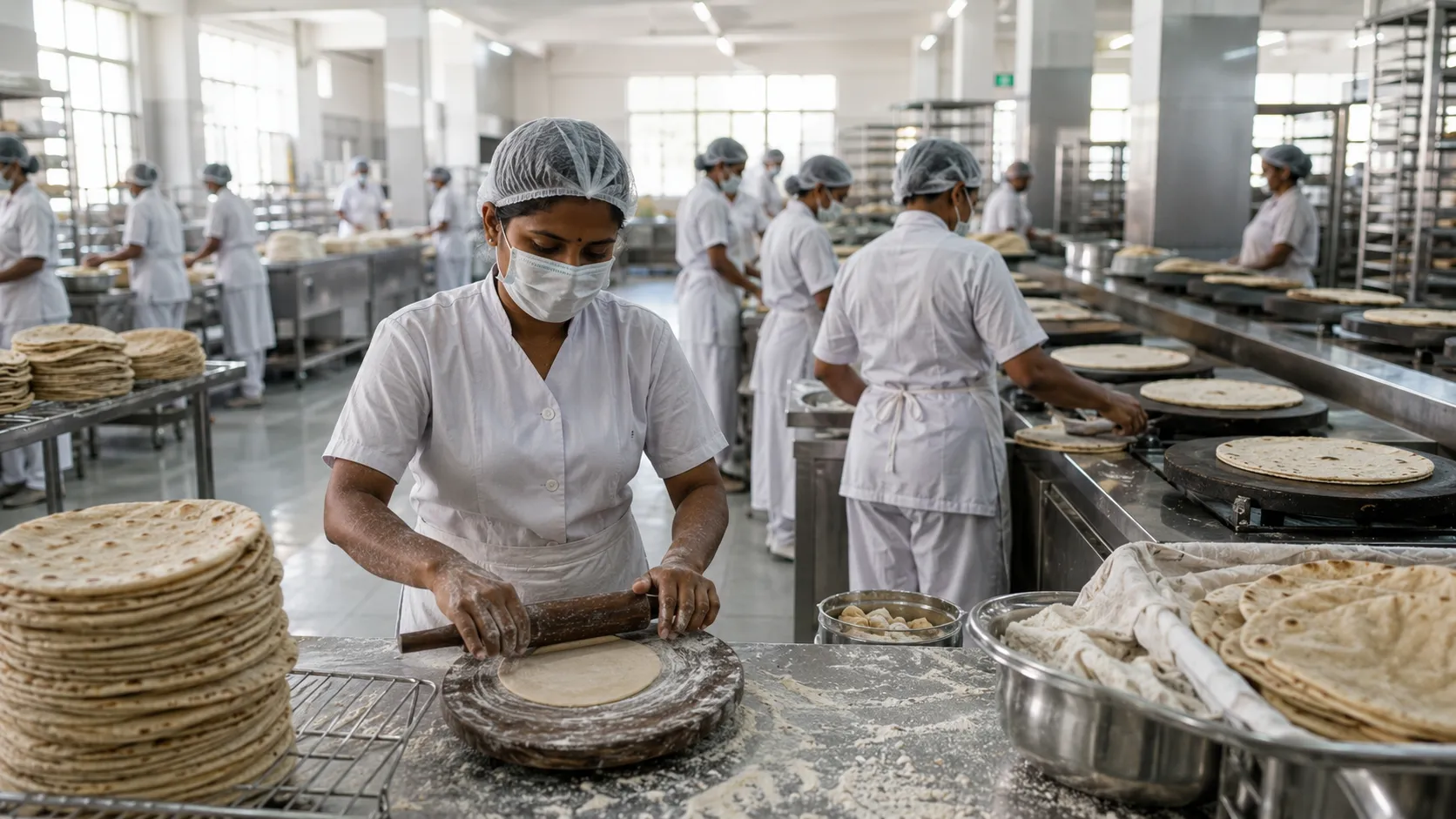
For nearly two decades, Prathima Viswanath had one job that mattered more than any other: feeding her daughter. Not just any food—the right food. Nutritious, homemade, capable of surviving long journeys without spoiling, and portable enough to be carried across continents in a travel bag. Her elder daughter was a competitive tennis player, and Prathima had spent years accompanying her to tournaments across Africa and Asia. She had watched other mothers struggle with the same impossible equation: how do you feed a travelling athlete food that is neither fried nor oily, that meets caloric requirements, that tastes like home, and that does not require a kitchen to prepare?

"Burn It All": The Sugarcane Farmer Who Stood at the Edge of Ruin—And the Wife Who Whispered "Vinegar"
StartupsMay 25, 2026

"Burn It All": The Sugarcane Farmer Who Stood at the Edge of Ruin—And the Wife Who Whispered "Vinegar"

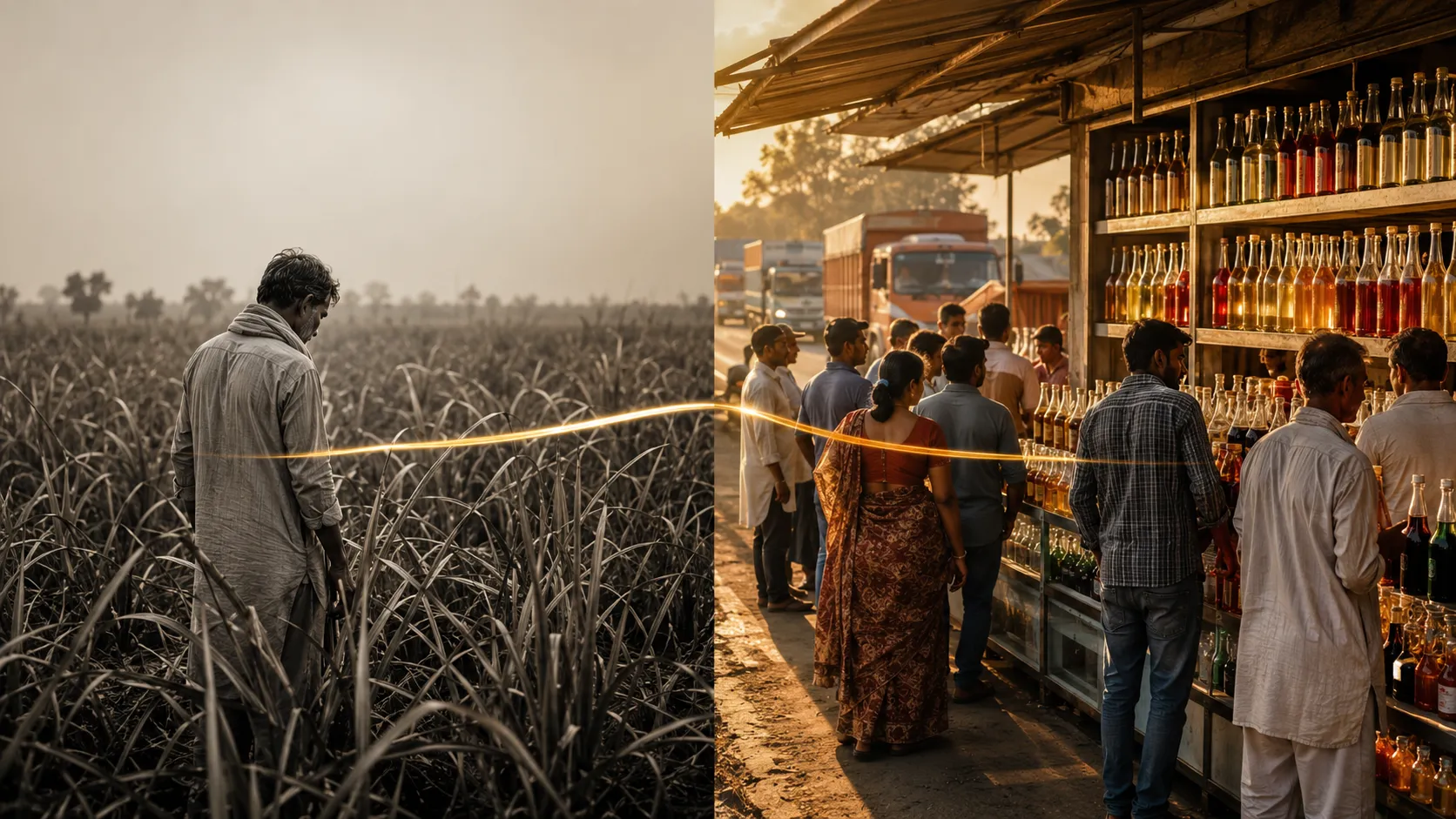
There is a moment in every story of ruin when the person at the centre of it stops fighting. Not because they are weak, but because the arithmetic of survival has turned against them and no amount of effort can change the numbers. For Sabhapati Shukla, that moment arrived in 2003, in a sugarcane field in a village called Macha, in the Basti district of eastern Uttar Pradesh. He stood among the stalks he had planted, irrigated, and watched over for months, and he calculated that the price the market would pay for them was less than the cost of harvesting them. He was in debt. He had a wife and children to feed. He had a loan of ₹50,000 from a local bank—money he had borrowed to start the farm, money that was now gone, absorbed into a crop that was worth less than nothing. "I won't sell at this rate," he told his wife Shakuntala. "I'd rather burn my crop than sell it."

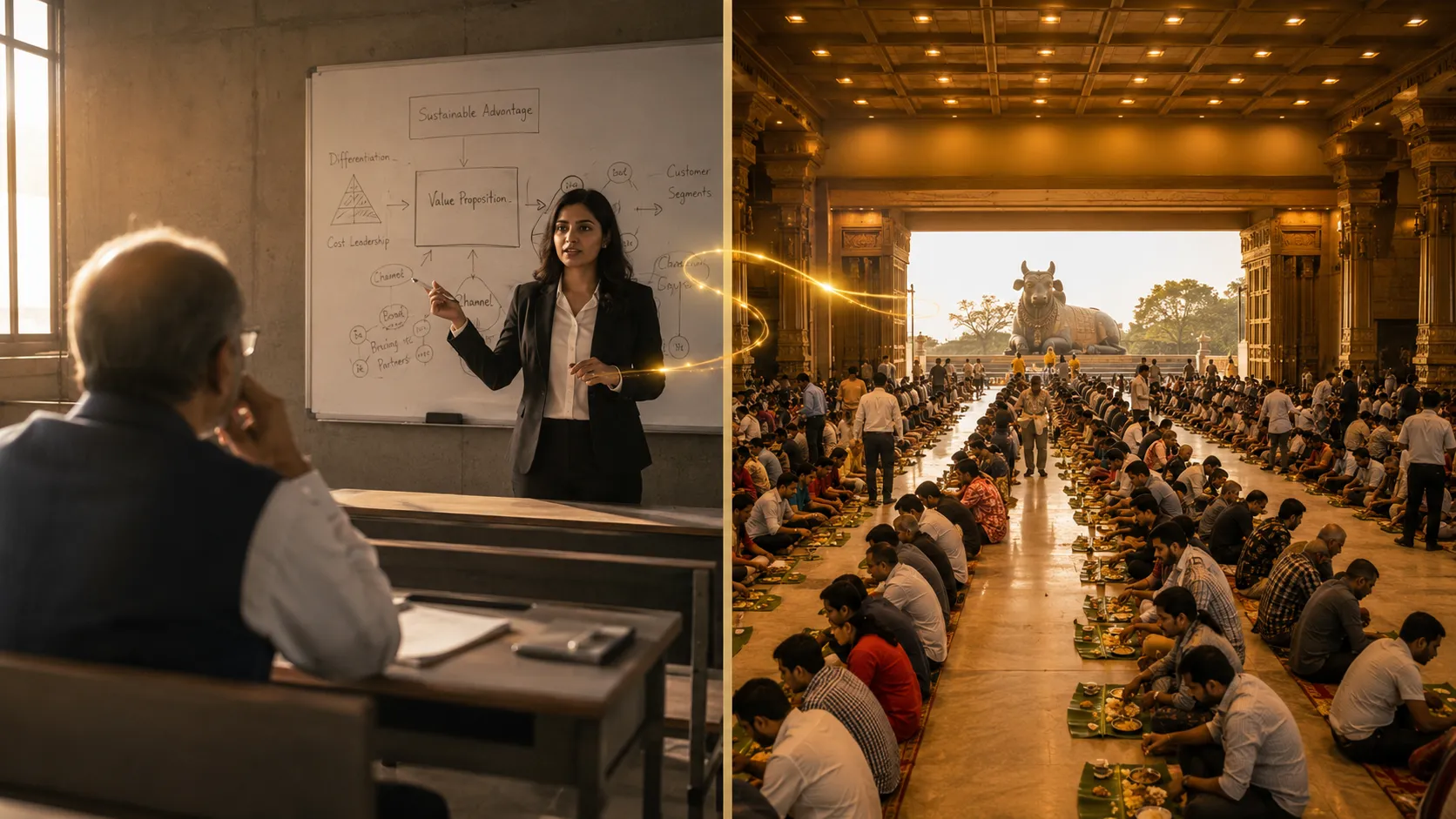
"Indian Food Can't Scale": The IIM-A Professor Who Told Divya Rao It Was Impossible—And the ₹60 Crore Dosa Empire She Built to Prove Him Wrong
StartupsMay 25, 2026

"Indian Food Can't Scale": The IIM-A Professor Who Told Divya Rao It Was Impossible—And the ₹60 Crore Dosa Empire She Built to Prove Him Wrong

In a classroom at the Indian Institute of Management Ahmedabad, one of India's most elite business schools, a professor once told Divya Raghavendra Rao something she has never forgotten. She had just presented a case study on scaling a South Indian food brand—her dream, her obsession, the idea she had been nursing through two years of gruelling coursework. The professor listened, nodded, and then delivered his verdict with the casual finality of someone who believes he is doing a student a favour. "Indian food can't scale like McDonald's or KFC," he said. "It's too complex. Too regional. Too dependent on the hands of the cook."

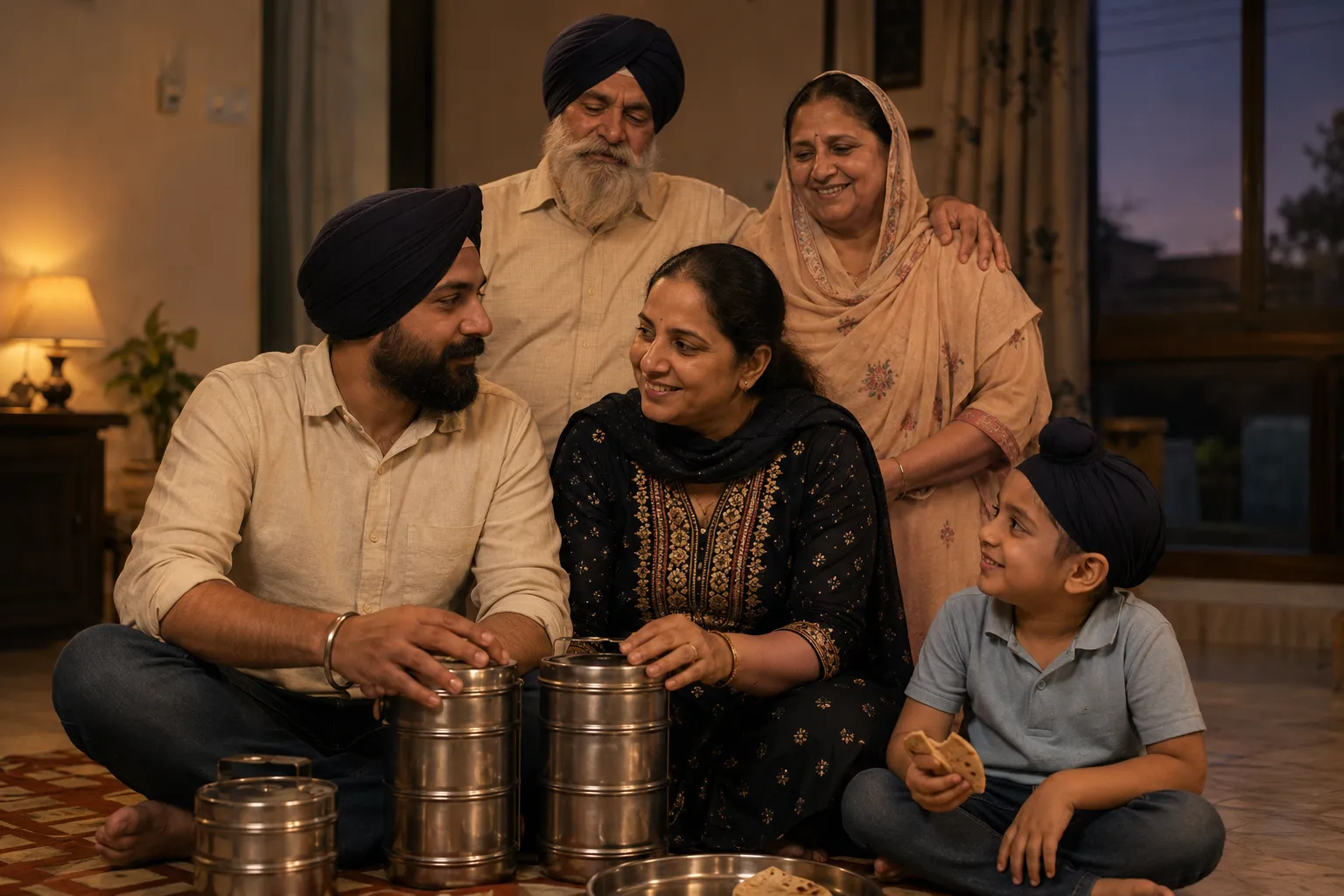
"Yeh Toh Roti Hai": The 5-Year-Old Boy Who Became His Deaf-Mute Parents' Voice—and Built Mohali's Most Beloved Tiffin Service
StartupsMay 25, 2026

"Yeh Toh Roti Hai": The 5-Year-Old Boy Who Became His Deaf-Mute Parents' Voice—and Built Mohali's Most Beloved Tiffin Service

The video begins the same way every day. A small boy, barely five years old, stands before a phone camera in a modest kitchen in Sector 66A. Behind him, his mother gestures silently toward a pan of vegetables. The boy watches her hands, then turns to the camera with the steady confidence of a child who has been doing this his entire life. "Yeh toh roti hai," he says, pointing. "Ye toh aloo-gobhi hai." His father stands beside him, smiling, as the boy continues through the day's menu: dal, chole, rice, sometimes poori, sometimes a sweet. The video is simple. The boy is Sukhmehar Singh. And he is the voice of his parents, Vanshpreet Singh and Anmol Kaur, both deaf and mute since birth, who run a vegetarian tiffin service called Quietly Delicious that has captured the hearts of thousands.

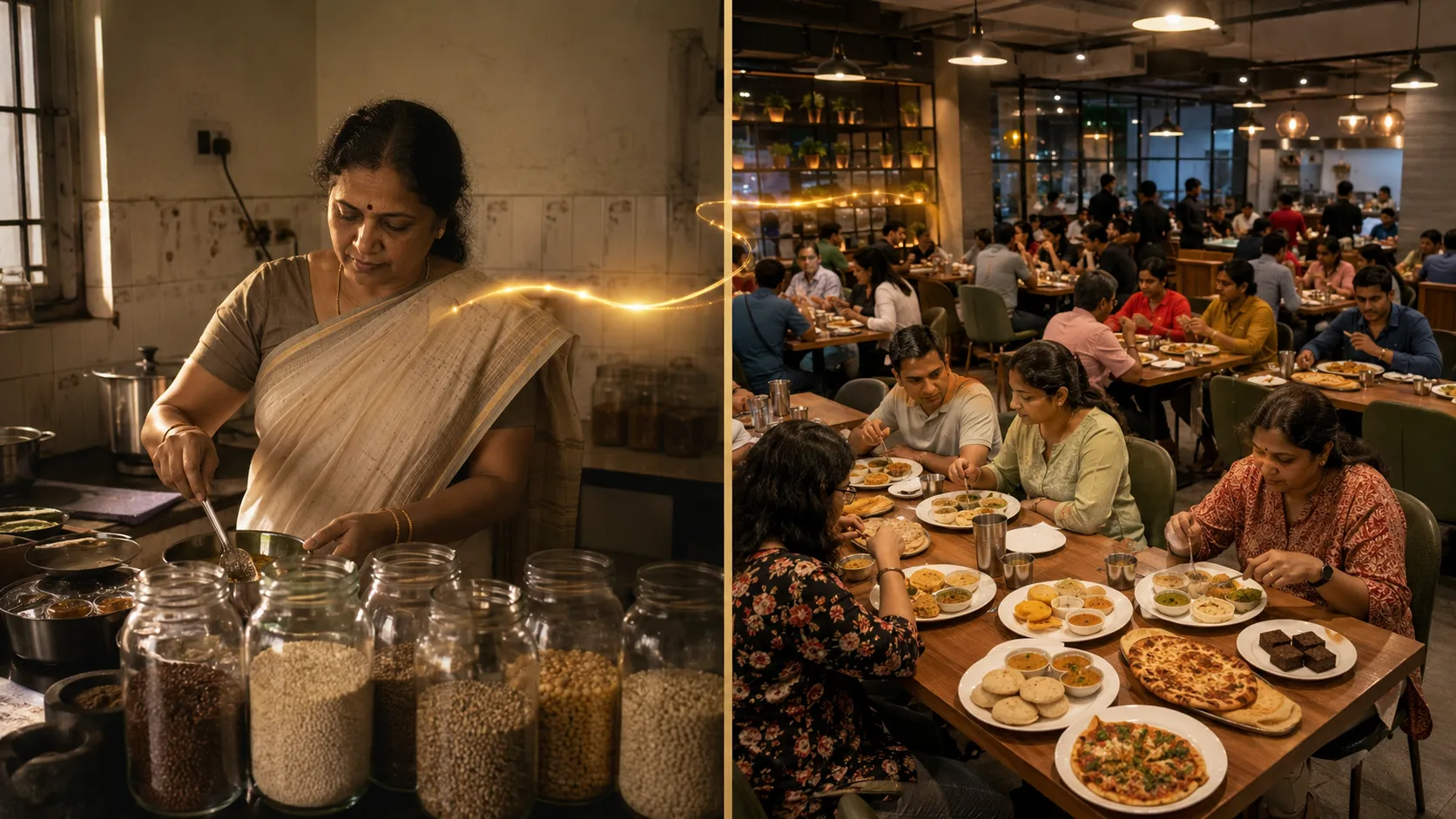
The 48-Year-Old Chennai Homemaker Who Became India's 'Millet Queen': How S. Adhieswari Turned an Ancient Grain Into a Restaurant Empire—With Her Husband as CEO
StartupsMay 25, 2026

The 48-Year-Old Chennai Homemaker Who Became India's 'Millet Queen': How S. Adhieswari Turned an Ancient Grain Into a Restaurant Empire—With Her Husband as CEO

In 2015, S. Adhieswari was 48 years old, an electronics engineer by training who had spent most of her adult life as a homemaker, raising children and managing a household in Chennai. She was not a chef. She was not a businesswoman. She had never run a restaurant, never managed a payroll, and never imagined that her love of cooking would lead anywhere beyond her own kitchen. But her body had begun to send her signals she could no longer ignore. Her energy was flagging. Her digestion was sluggish. The refined rice and wheat that formed the backbone of the South Indian diet were taking a toll she could feel but not name. She began experimenting with millets—the ancient grains that her grandmother had served as a matter of course, and that her generation had largely abandoned in favour of polished rice and factory-milled flour

Load More Results