Why Pickleball Suddenly Became One of India’s Most Unexpected Investment and Lifestyle Stories
Pickleball is rapidly moving beyond sports culture and becoming a larger story around lifestyle, communities and emerging consumer opportunities.

Pickleball is rapidly moving beyond sports culture and becoming a larger story around lifestyle, communities and emerging consumer opportunities.
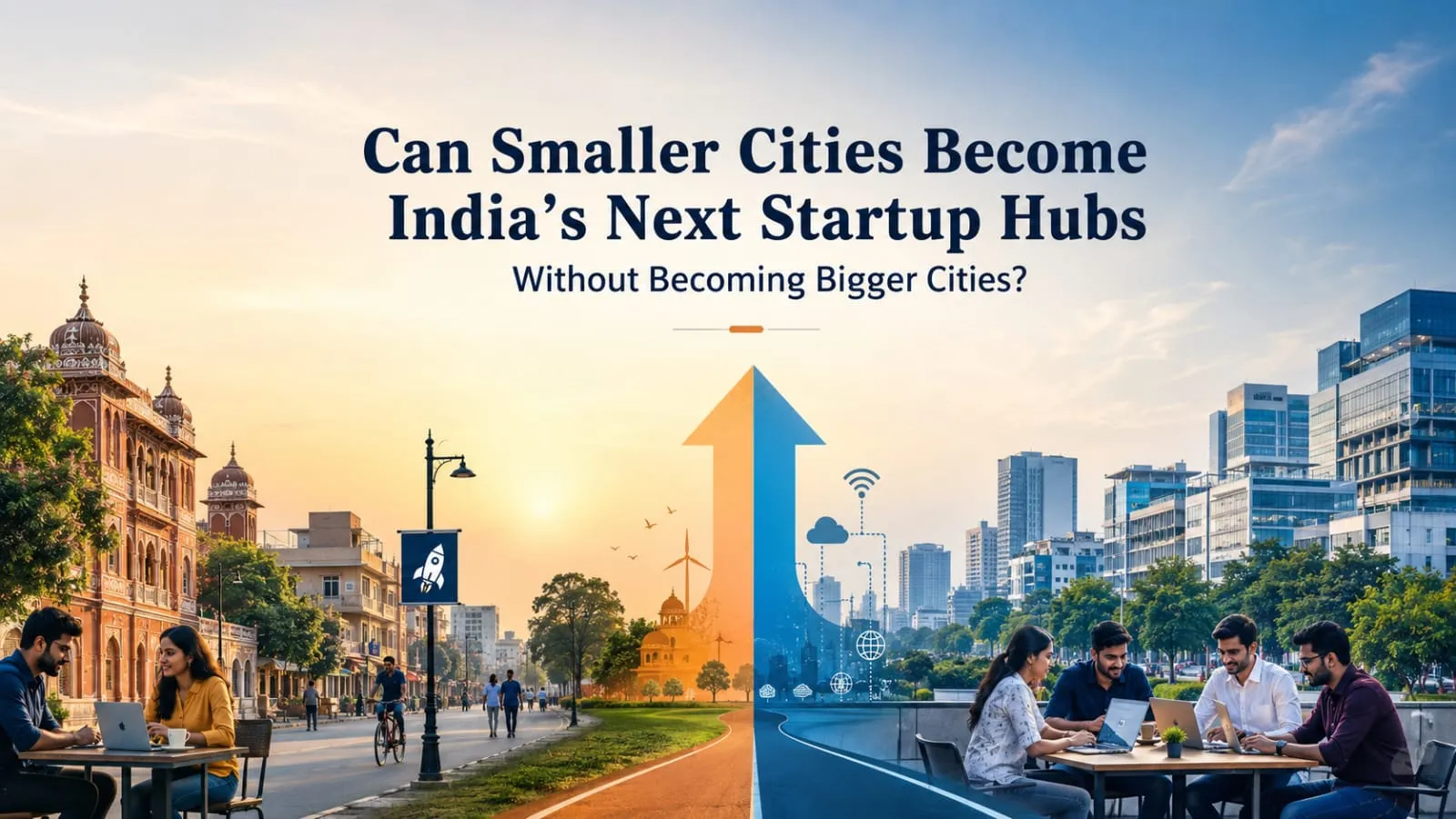
Tier-2 cities across India are evolving into startup ecosystems through lower costs, local problem-solving and digital infrastructure without repeating metro-style urban sprawl.

The memory arrives without warning. For a combat veteran, it might be the sound of a helicopter's rotor, the smell of diesel, the particular quality of desert heat. For a survivor of assault, it could be a stranger's hand on a shoulder in a crowded bar. For someone who lived through a car accident, the screech of tires at an intersection can trigger a cascade of physiological terror—racing heart, shallow breath, the cold certainty that death is near. These are not ordinary recollections. They are trauma memories, and for tens of millions of Americans, they function less like memories and more like possessions: involuntary, intrusive, and seemingly indestructible.

For more than two decades, the dominant theory of how galaxies form has been built on a simple, elegant premise: in the early universe, galaxies were chaotic. They were small, irregular, clumpy agglomerations of gas and stars, colliding and merging in a violent cosmic dance that took billions of years to settle into the graceful spiral structures we see today. The Milky Way—our own galaxy, with its sweeping arms and its calm, orderly rotation—was supposed to be a product of middle age, a structure that could only emerge after eons of cosmic evolution had smoothed out the turbulence of youth. The early universe, the theory held, was too hot, too dense, and too violent to produce anything so refined. The James Webb Space Telescope, the most powerful astronomical observatory ever built, has just proven that theory wrong—and the team that made the discovery was led by Indian astronomers.

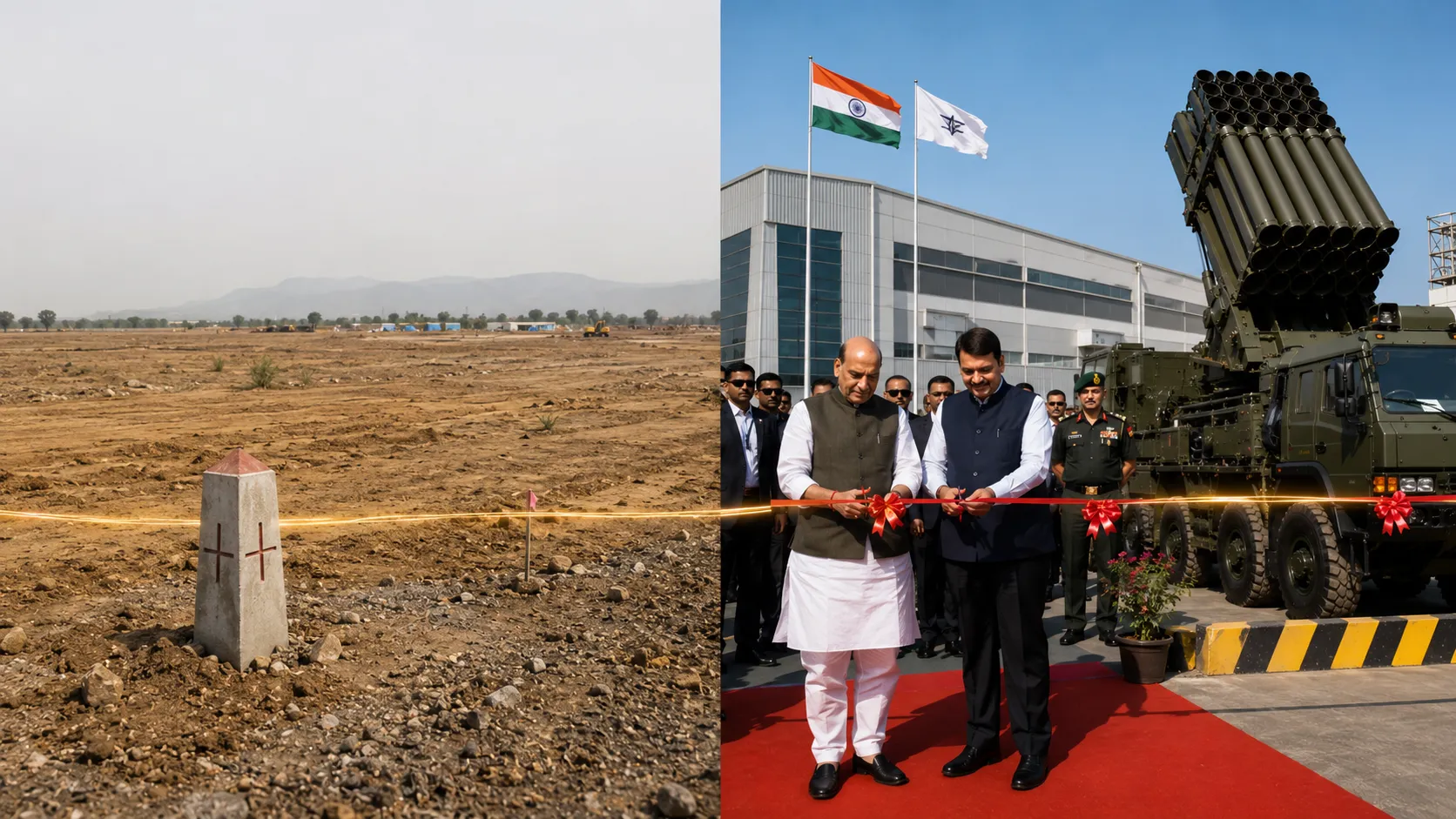
On a Saturday morning three days ago, Defence Minister Rajnath Singh stood on a dusty construction site in the shadow of the world's most famous pilgrimage town and declared that India was building a "fortress of self-reliance" in the land of Chhatrapati Shivaji. The fortress in question was not a medieval stone structure. It was a 200-acre defence manufacturing complex—the largest private weapons factory ever built in India—that will produce half a million artillery shells a year, manufacture advanced missile and space technologies, build autonomous defence platforms, and house the country's first indigenous 300-kilometre Universal Rocket Launching System. Its name is Suryastra. Its range is the distance from Delhi to Jaipur. And its first units were flagged off to the Indian Army at the inauguration ceremony itself.

India’s rapidly expanding hostel economy reflects larger changes around mobility, lifestyle and how younger students and professionals increasingly approach housing.

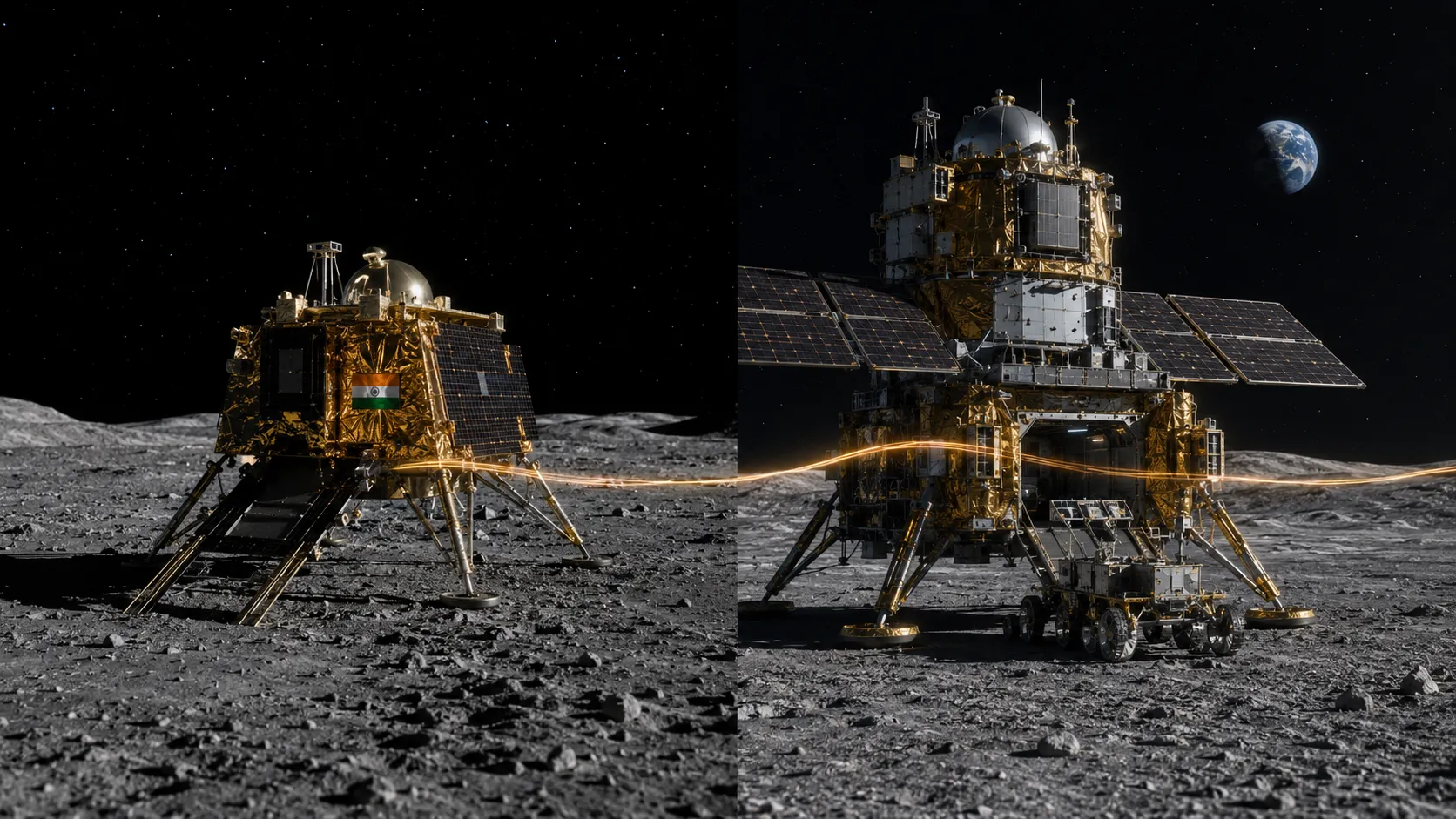
In August 2023, a four-legged lander named Vikram touched down on the lunar surface near the Moon's south pole, and India became the fourth nation in history to achieve a soft landing on another world. The mission was designed to last 14 days. The rover it carried weighed 25 kilograms. When the sun set on the lunar plain, the lander went to sleep, as planned, and did not wake up. It was, by any measure, a triumph—a demonstration of technological capability that had eluded far wealthier nations and that announced India's arrival as a serious space power.

Creator-led businesses are becoming more than internet careers, opening larger conversations around ownership, identity and how young Indians increasingly define success.

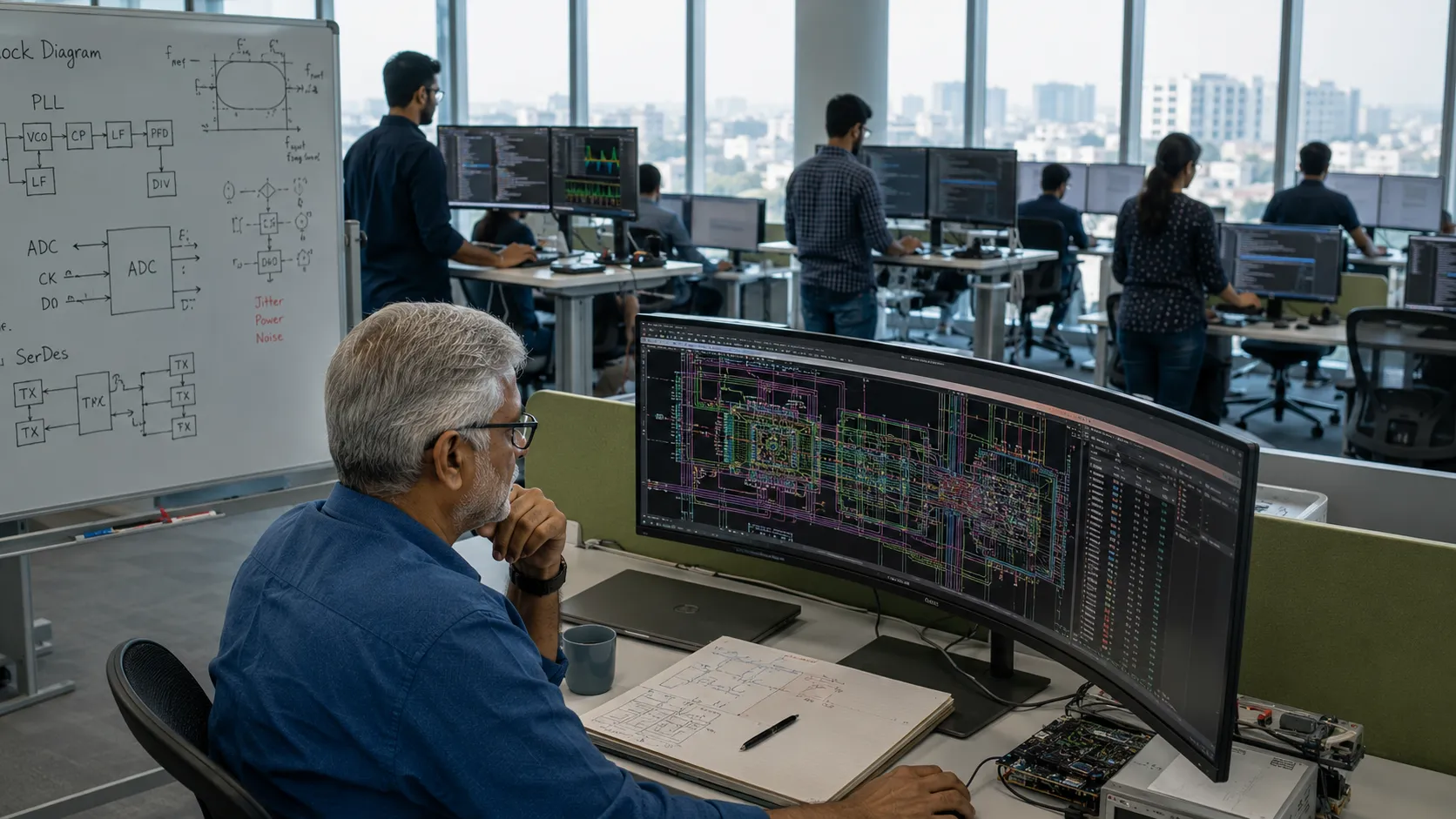
For most of its history, Cyient was known as an engineering services company — the kind of firm that helps global aerospace and defence giants design their products, manage their supply chains, and maintain their digital infrastructure. It was a solid, profitable, deeply unglamorous business, the kind that generates steady returns and zero headlines. Then, in the spring of 2026, it did something that no Indian engineering services company had ever done: it spun out its semiconductor division as a standalone entity, raised $30 million from Edelweiss Alternatives at a $500 million valuation, and signalled — quietly but unmistakably — that India's chip design ecosystem is no longer a side business. It is a sovereign asset. For most of its history, Cyient was known as an engineering services company — the kind of firm that helps global aerospace and defence giants design their products, manage their supply chains, and maintain their digital infrastructure. It was a solid, profitable, deeply unglamorous business, the kind that generates steady returns and zero headlines. Then, in the spring of 2026, it did something that no Indian engineering services company had ever done: it spun out its semiconductor division as a standalone entity, raised $30 million from Edelweiss Alternatives at a $500 million valuation, and signalled — quietly but unmistakably — that India's chip design ecosystem is no longer a side business. It is a sovereign asset.

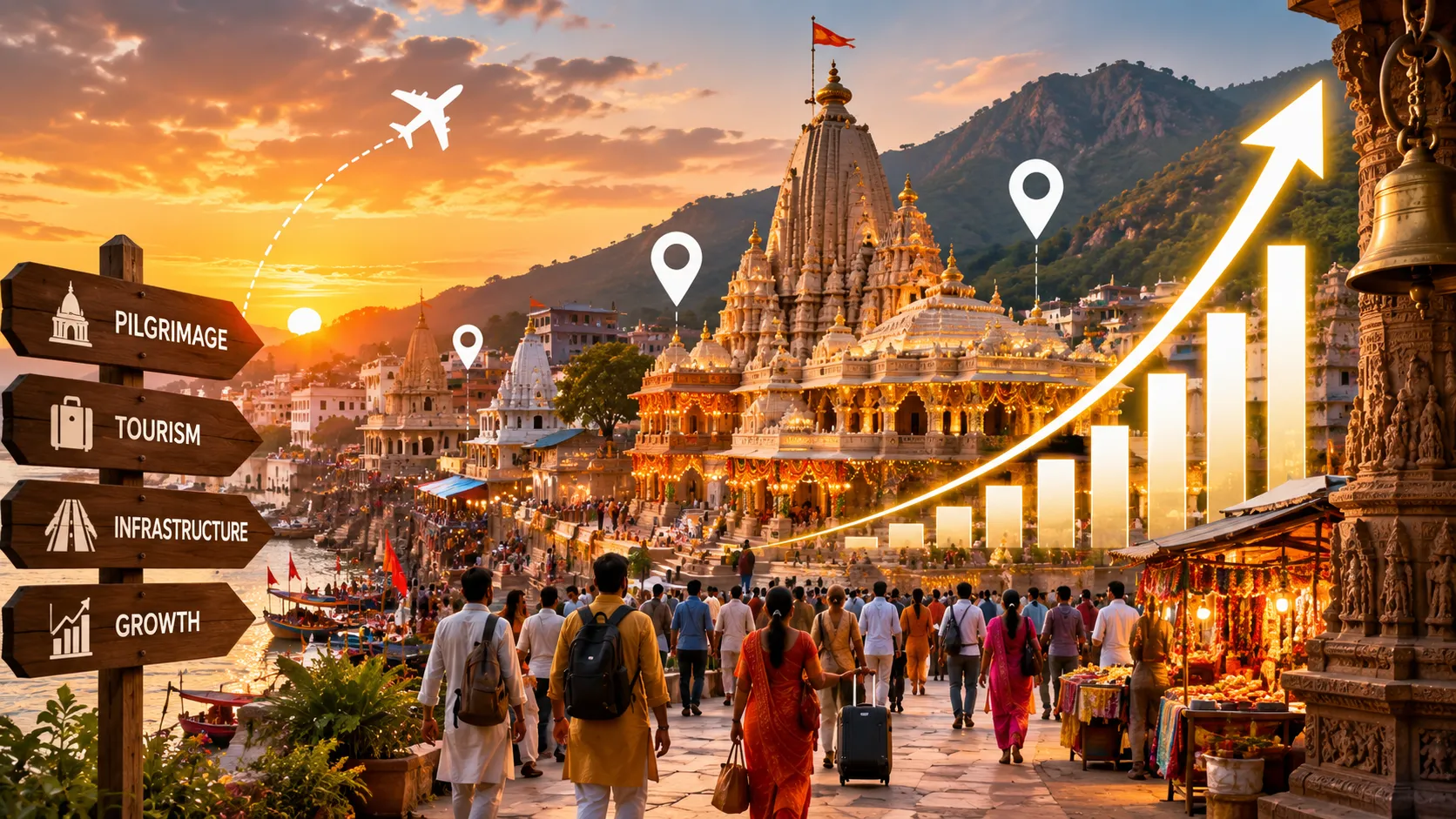
Temple tourism is expanding beyond faith and becoming a larger story involving travel, infrastructure and regional economic growth across India.