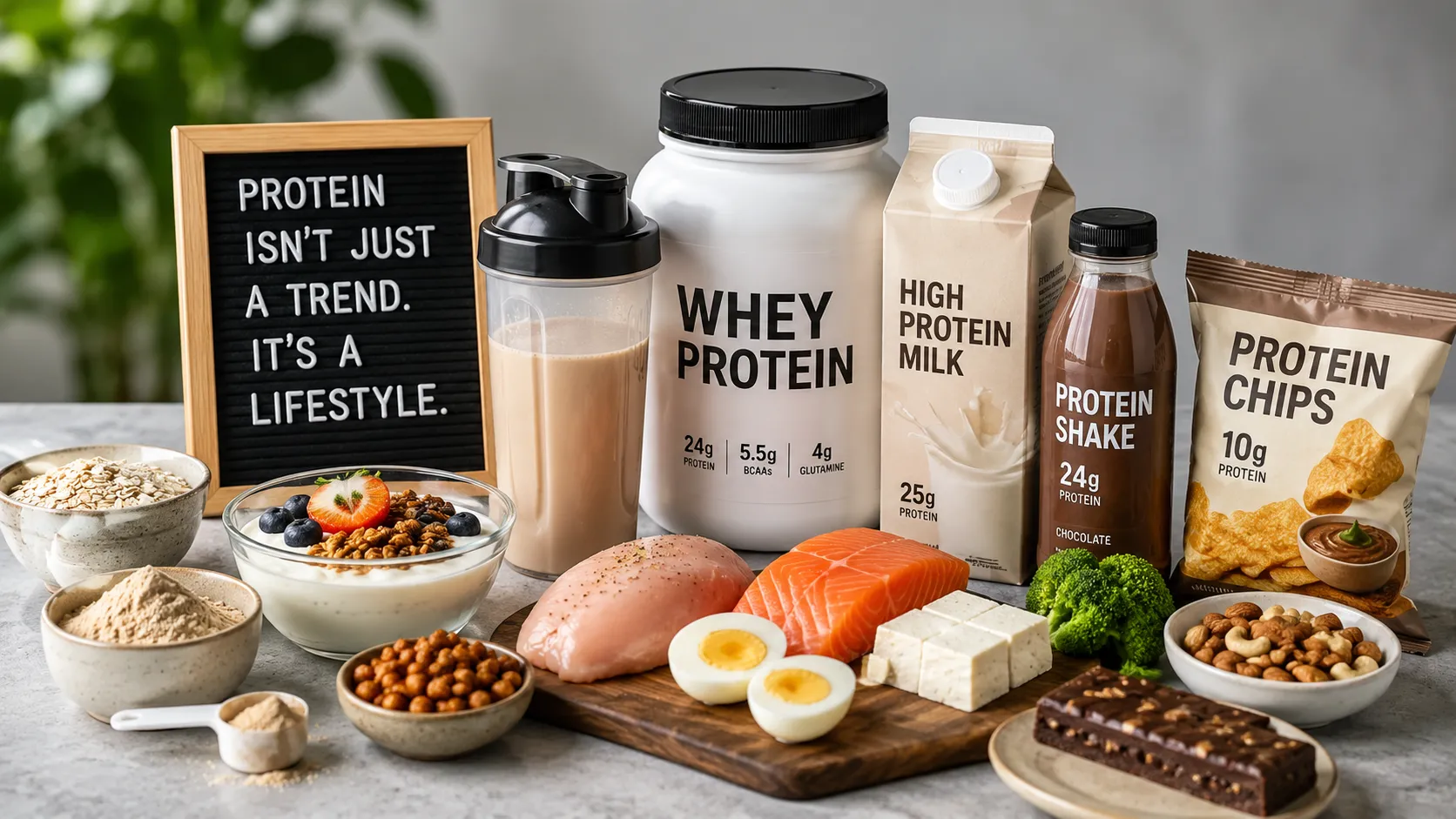
Why India’s Obsession With Protein Suddenly Became a Business, Health and Lifestyle Story
Protein is moving beyond gym culture and becoming a larger conversation involving nutrition, consumer behavior and changing lifestyles across India.

Protein is moving beyond gym culture and becoming a larger conversation involving nutrition, consumer behavior and changing lifestyles across India.

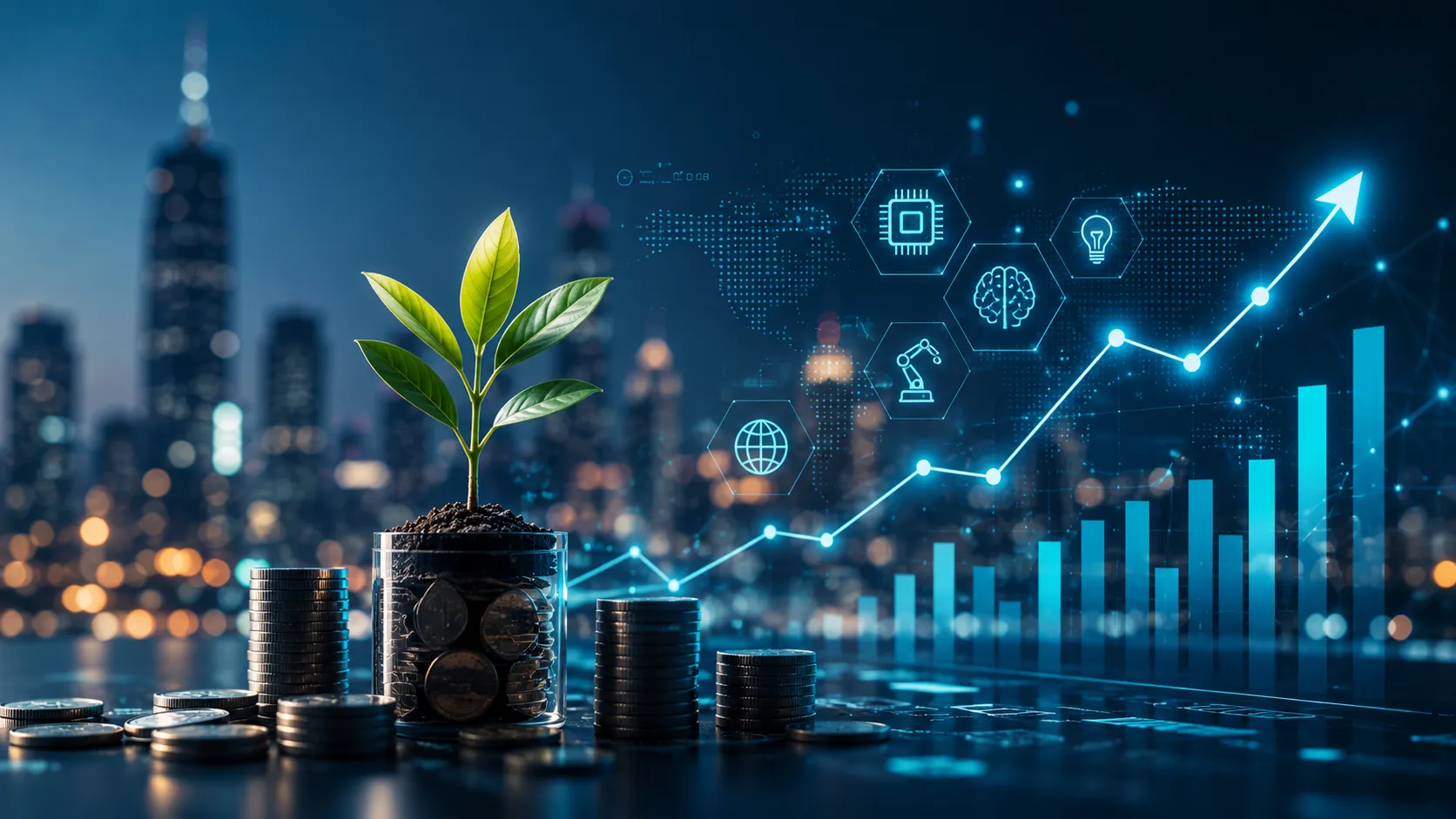
The global venture capital landscape is witnessing a massive revival, driven by an intense concentration of capital into foundational AI, deep-tech infrastructure, and resilient regional marketplaces. Data shows that Indian startups alone have secured upwards of $12 billion in the opening months of the year, punctuated by rapid early-stage momentum in agentic AI platforms and specialized consumer brands. Concurrently, international private markets are breaking records with massive multi-million dollar megadeals, signaling a market that rewards deep technological moats, structural profitability, and clear enterprise-workflow integration over speculative growth.

Rising costs, destination trends and changing preferences are reshaping India’s wedding economy and opening broader conversations around culture and modern lifestyles.

Growing debates around stray dogs are opening larger conversations around public safety, urban planning and how cities manage shared environments.

Several states revisiting school bag weight rules are opening larger conversations around childhood wellbeing, physical stress and how education systems shape everyday health experiences.

Fresh investments and rising founder activity suggest India’s defence-tech ecosystem is entering a new phase as younger entrepreneurs step into military innovation.

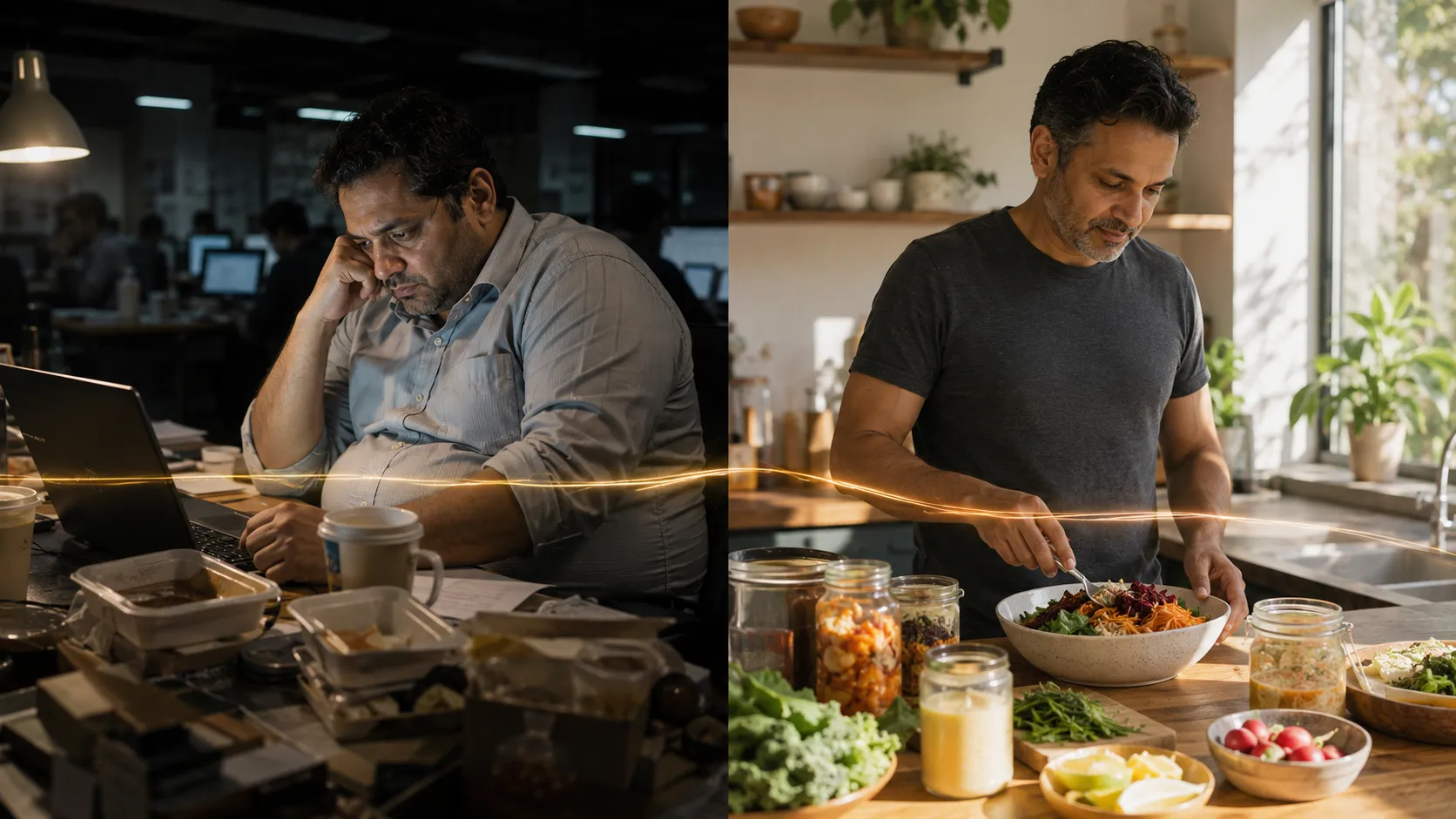
For nearly 25 years, Ritesh Bawri lived the life that millions of ambitious Indian men aspire to live. He was a fourth-generation business leader running multiple ventures. He was financially independent. He worked long hours, travelled constantly, and treated his body the way high-performers often treat their bodies—as a vehicle for achievement, not as something requiring maintenance. Food was functional. He ate standing in the kitchen, quickly, without thinking about nourishment. His diet was mostly processed carbohydrates: sandwiches, pizzas, several cups of coffee a day. Quantity mattered more than quality. Exercise was not part of his life. Sleep was irregular. Stress was unmanaged.

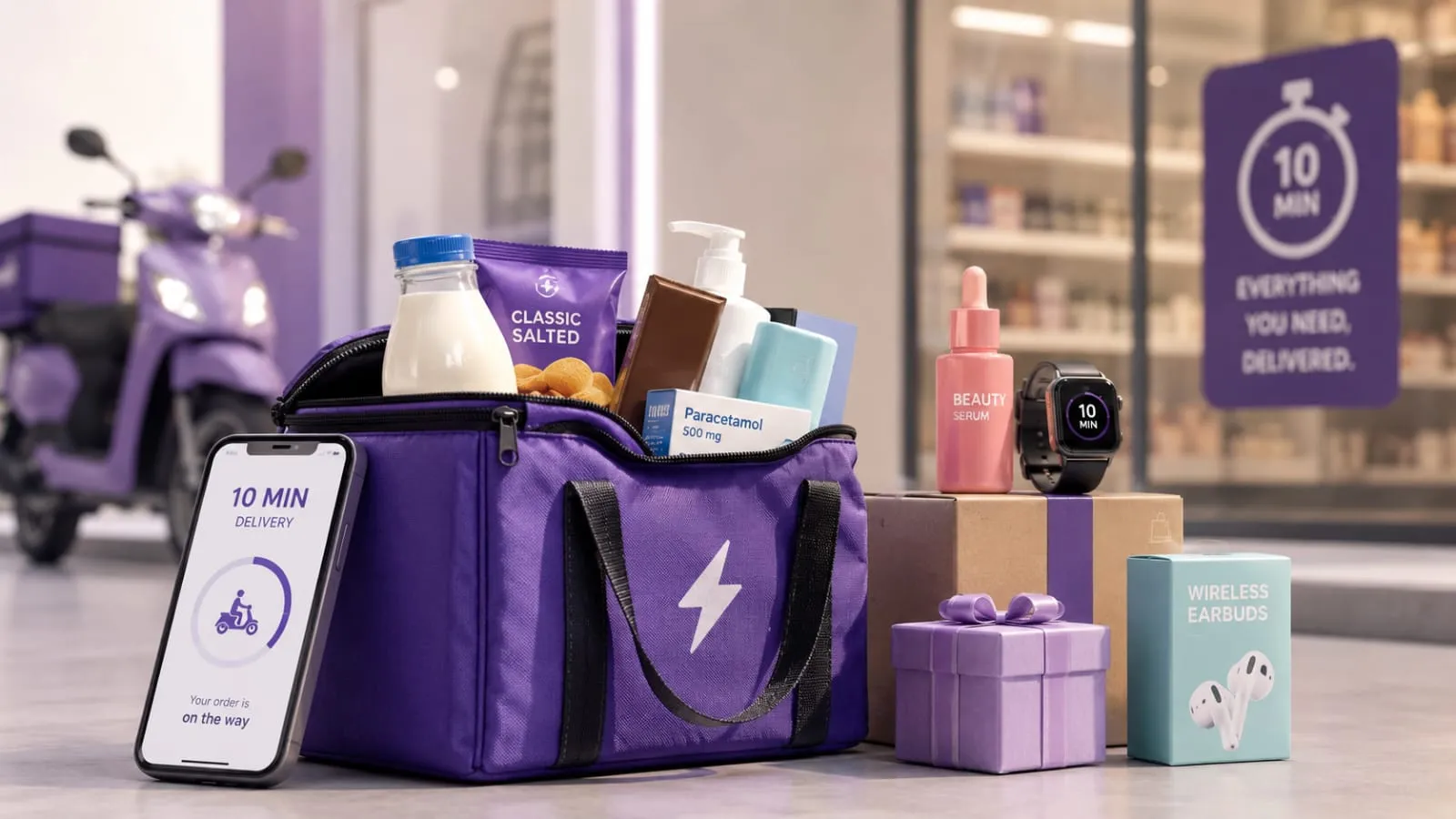
Fresh investments and category expansion across quick commerce platforms suggest the industry is evolving from grocery delivery into a broader ecosystem built around everyday convenience.

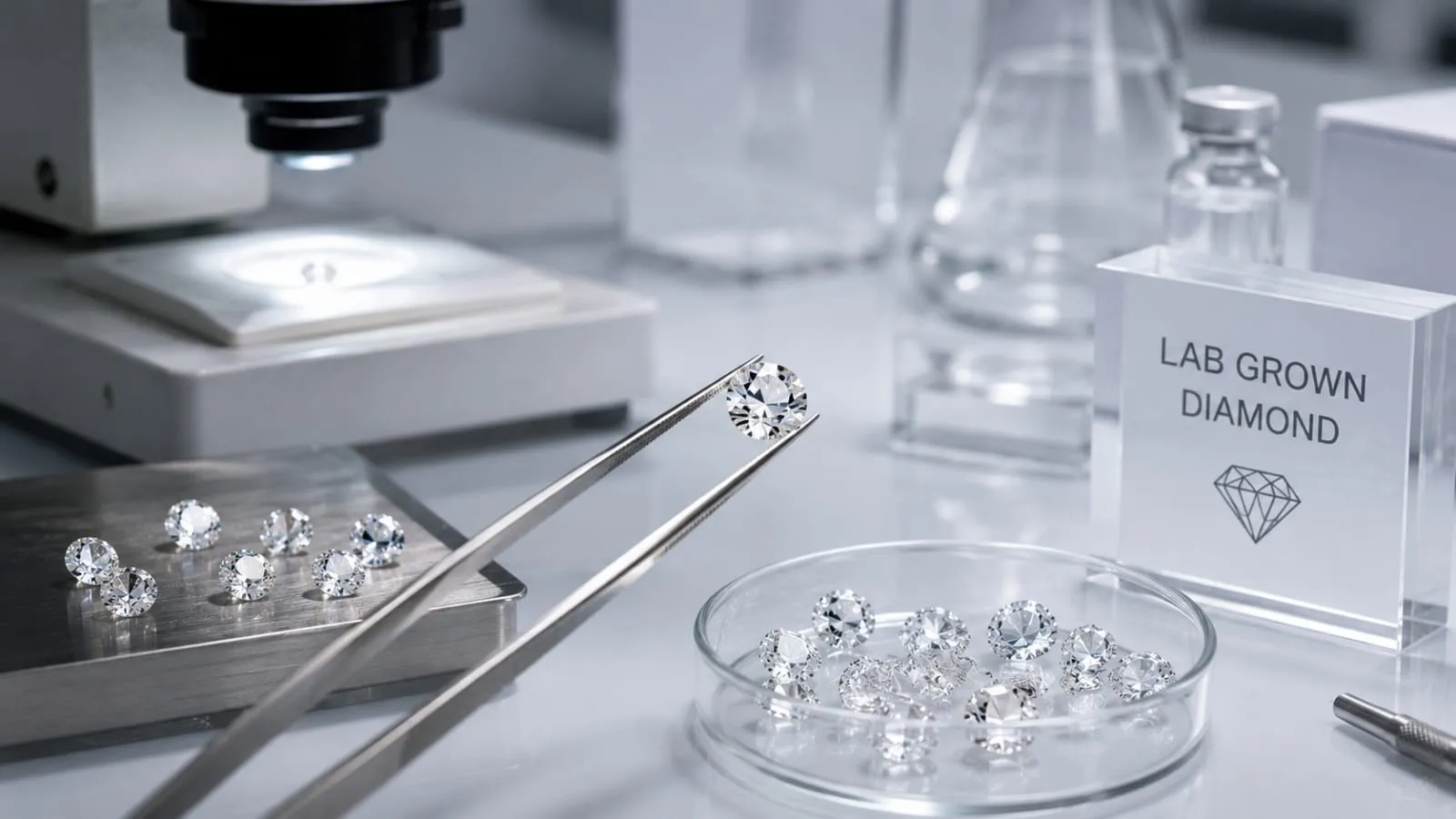
Fresh investments and expansion plans around lab-grown diamond businesses are signaling a larger shift in consumer preferences, turning alternative jewellery into a serious funding category.

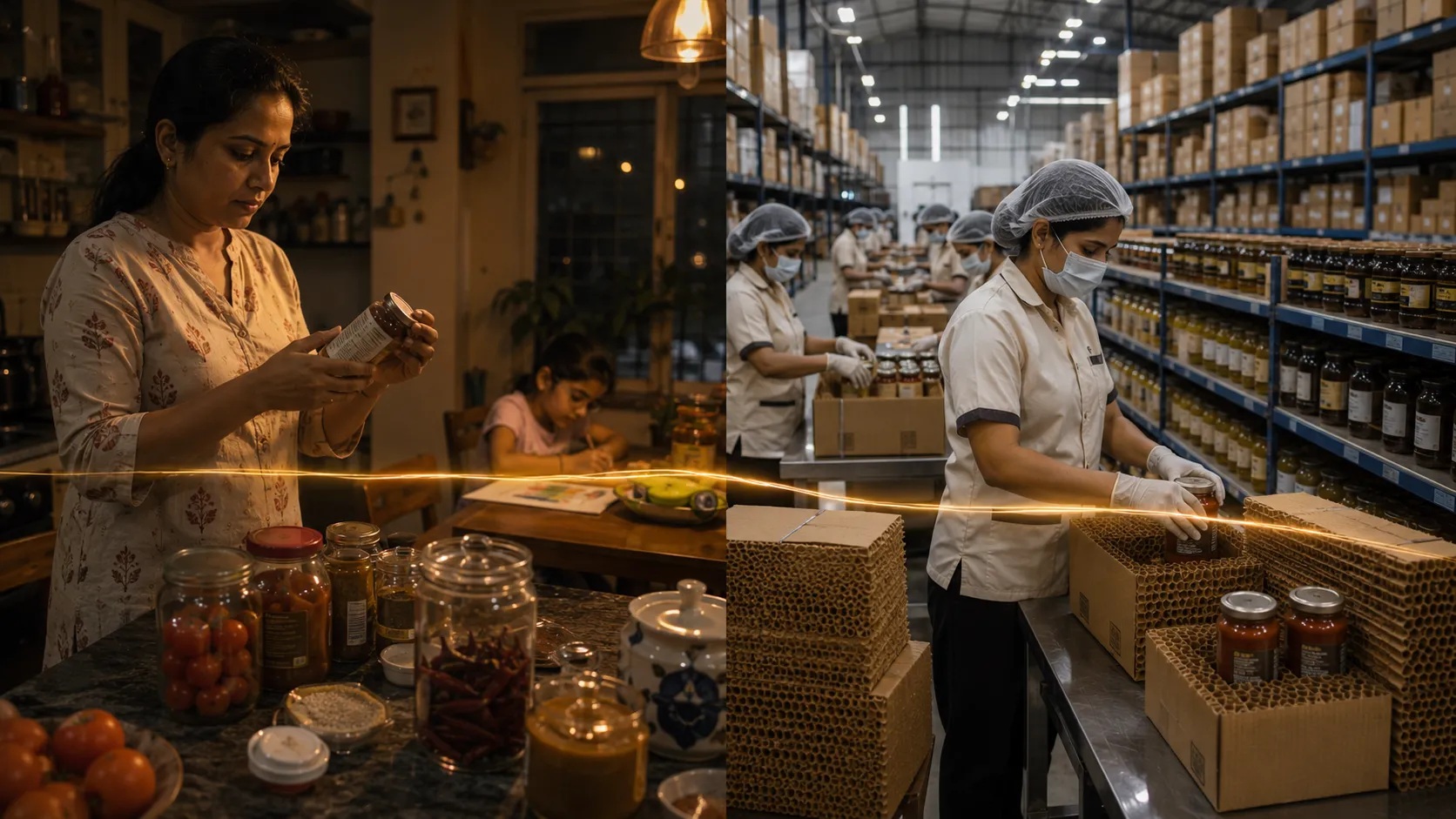
In 2017, Archana Surana stood in her kitchen in Bengaluru and did something that millions of Indian mothers have done before her. She read a food label. Not casually—not the way a hurried shopper scans the front of a package for the words "natural" or "healthy"—but forensically, the way a mother reads a label when she has begun to suspect that the food she is serving her child is not what it claims to be. Her daughter was 11 years old. The tomato ketchup the child loved was loaded with sugar, preservatives, and artificial colours. The sauces that made dinner appetising were thickened with modified starches and stabilised with chemicals she could not pronounce. The snacks that filled the gaps between meals were engineered for shelf life, not nutrition. "I realised that I was surrounded by food that lacked natural goodness," she told Flipkart Stories. "The idea for the brand grew from a personal need for wholesome, clean, truly healthy nutrition. As a mother, it was concerning. I wanted food I could confidently serve to my children and help other mothers struggling with the same."