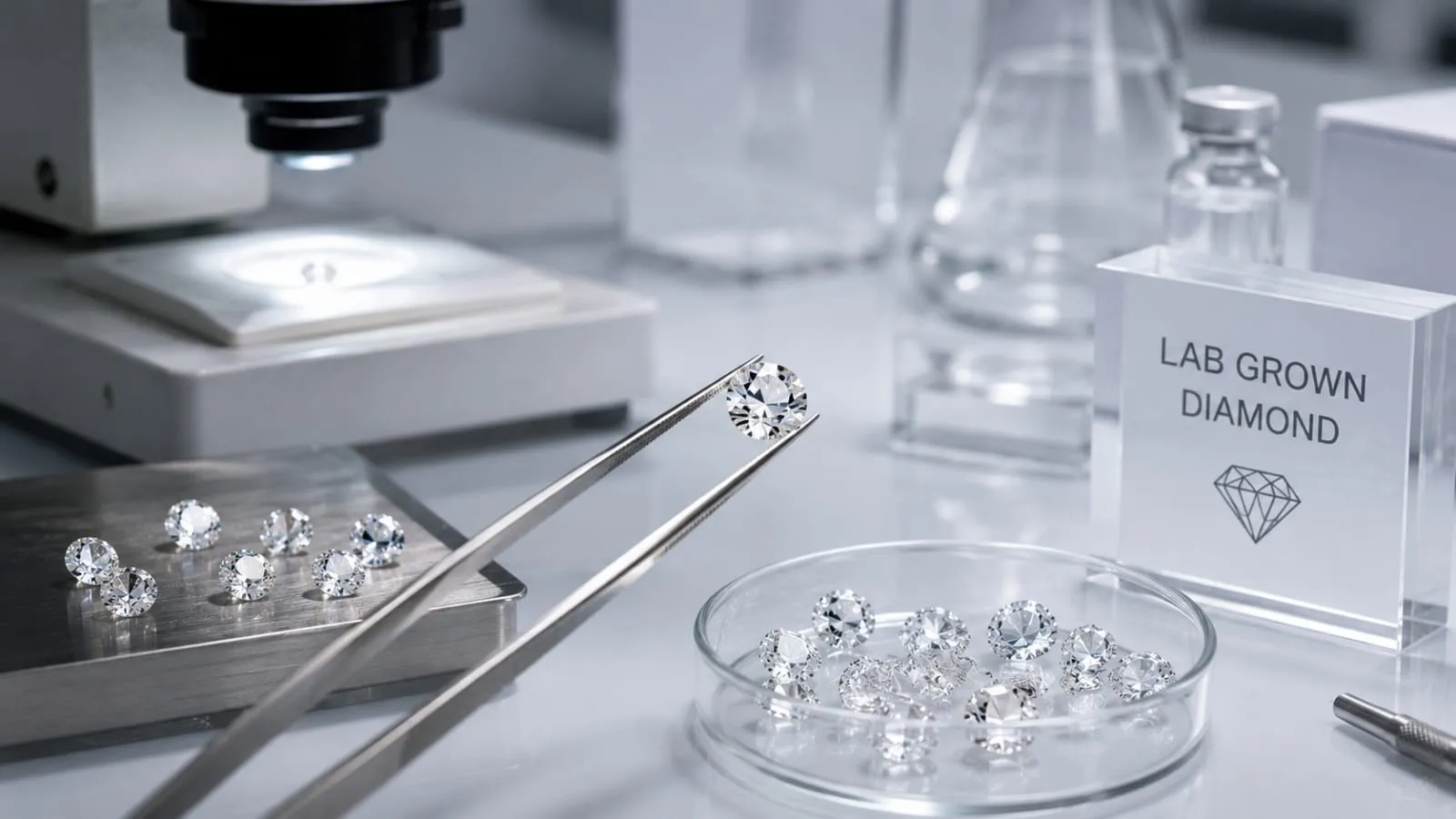
A Category Once Seen As Experimental Is Now Turning Into One Of India’s More Closely Watched Consumer Funding Narratives
Not very long ago, lab-grown diamonds occupied an uncertain space inside the jewellery industry. They generated curiosity and conversation, but many buyers still viewed them through the lens of comparison rather than preference. Traditional diamond ecosystems had spent decades building narratives around rarity, heritage and emotional significance because ownership often extended beyond purchase value. Jewellery buying habits frequently followed familiar patterns where major purchases marked life milestones and cultural moments. As a result, alternative formats remained on the edge of the mainstream market rather than at its center.
Something much larger now appears to be taking shape beneath the surface. Across India’s consumer ecosystem, younger audiences are approaching luxury and jewellery through very different expectations. Questions around affordability, design flexibility, sustainability and everyday use are beginning to shape purchasing decisions in ways older categories rarely experienced. Instead of waiting for weddings, celebrations or once-in-a-lifetime moments, many buyers are treating jewellery as a lifestyle category connected to self-expression and regular consumption. That shift may appear subtle, but changes in consumer behavior often reshape industries far faster than product innovation itself.
Fresh investor activity surrounding lab-grown diamond companies suggests this category may be entering a different phase altogether. New funding rounds, expansion strategies and stronger investor participation around emerging jewellery players indicate that institutional interest is moving beyond curiosity. Capital is beginning to flow toward businesses operating in this space because investors appear to be asking a larger question: could lab-grown diamonds become an entirely new consumer category rather than simply a substitute for traditional products?
Viewed independently, a handful of funding developments inside jewellery startups may resemble another consumer trend receiving temporary attention. Viewed through a broader funding lens, however, another conversation begins emerging beneath the headlines. What happens when a category originally introduced as an alternative slowly starts creating its own identity, customer behavior and market logic? Because consumer industries rarely transform through products alone. They evolve when purchasing habits begin moving in a different direction.
Historically, luxury categories depended heavily on scarcity because exclusivity frequently shaped perception. Diamonds traditionally carried emotional and cultural narratives tied to rarity because value often extended beyond physical ownership. The category itself operated through structures where aspiration and prestige played equally important roles. Consumers frequently purchased with long-term significance in mind because jewellery often represented permanence and tradition.
Many younger consumers today appear approaching the category differently. Buyers are experimenting with styles more frequently, exploring categories through fashion rather than ceremony and evaluating purchases through practicality alongside aspiration. Personalization appears gaining stronger importance while repeat buying behavior is becoming easier to imagine. This distinction matters because consumer markets often change when purchasing patterns shift from occasional decisions toward regular participation.
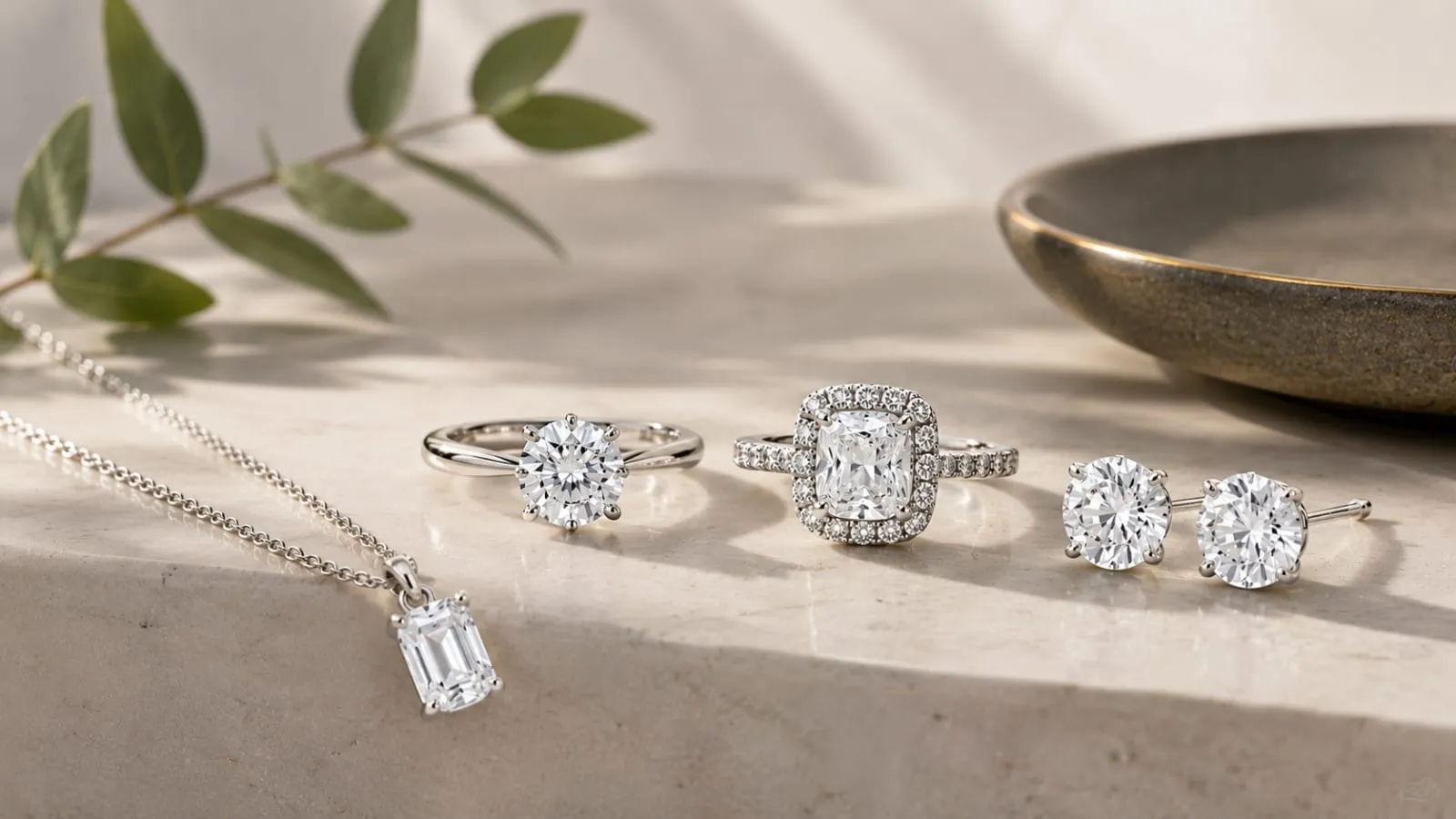
This broader transition creates conditions investors typically watch closely. Consumer businesses frequently become attractive once demand begins showing stronger predictability and recurring behavior. Funding conversations rarely depend only on whether products are selling. Investors often pay closer attention to whether categories can sustain repeated engagement and long-term expansion. Consumer confidence, repeat transactions and changing buying habits frequently create signals that indicate larger opportunities forming beneath surface trends.
Another reason this category feels important involves how technology itself is reshaping traditional ideas surrounding luxury. Lab-grown diamonds are not merely products created through manufacturing advancements. They also represent changing definitions around value, accessibility and ownership. Earlier generations often inherited expectations around authenticity through established systems. Younger consumers now appear more comfortable building their own frameworks around quality and desirability rather than relying entirely on inherited assumptions.
Perhaps that explains why the latest funding movement feels larger than another jewellery story. Because beneath conversations involving investment activity ultimately exists another reality involving generational change itself. Consumer industries often shift dramatically when people stop asking whether new products fit old categories and begin asking whether older categories still fit changing lifestyles.
The larger funding story therefore may not simply involve investors backing lab-grown diamond businesses. It may involve recognizing that one of India’s next major consumer categories could emerge from a space that many people once viewed as niche.