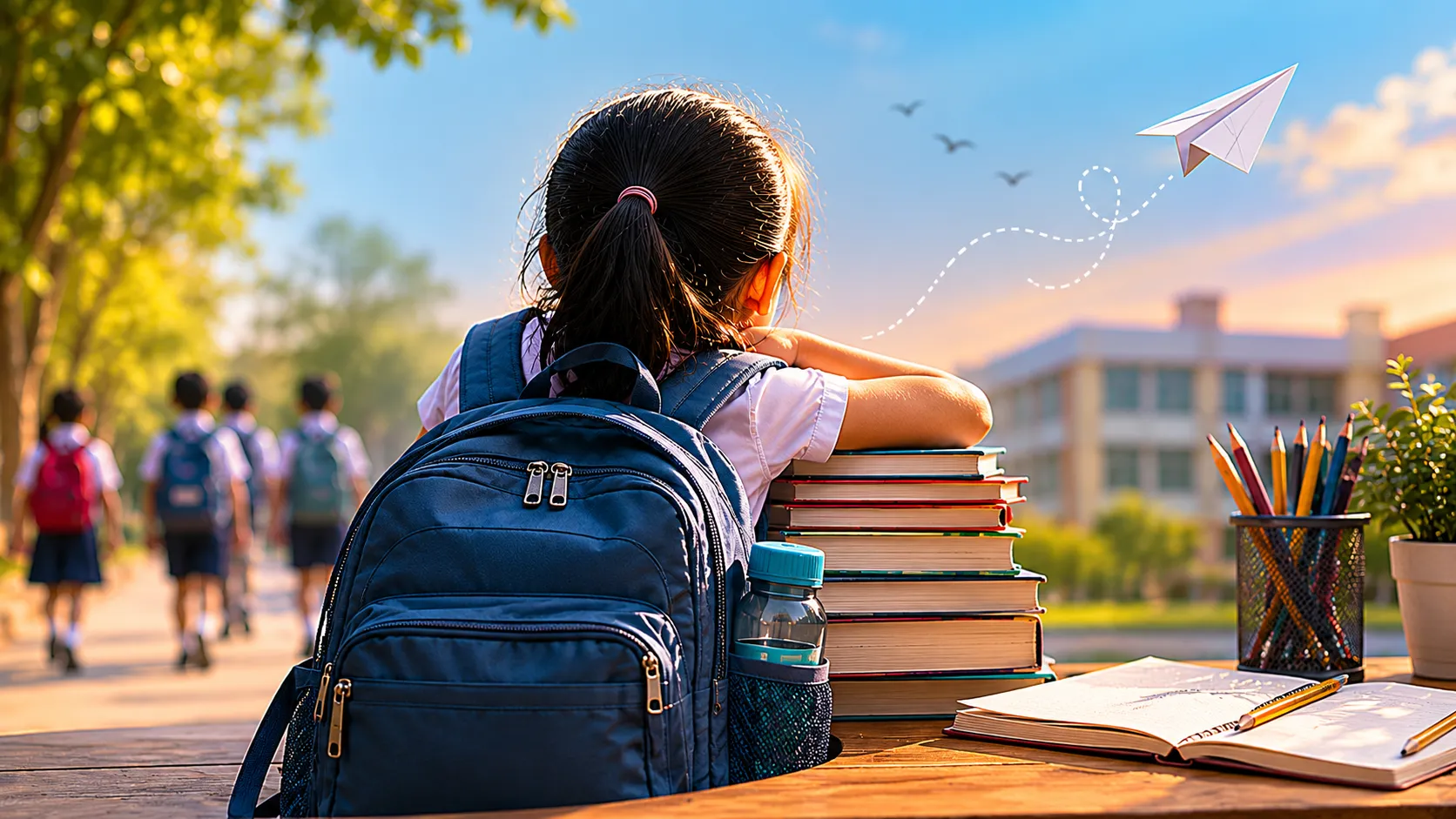
What For Years Looked Like An Ordinary Part Of School Life Is Slowly Turning Into A Bigger Conversation Around Childhood Well-Being
For decades, heavy school bags quietly became one of the most accepted parts of growing up. Parents adjusted shoulder straps before school, children carried oversized backpacks and classrooms continued functioning around stacks of textbooks because these routines gradually became deeply normalized across generations. Many families viewed heavy bags as unavoidable because academic life frequently appeared inseparable from books, notebooks and packed schedules. As a result, school bag weight rarely entered larger discussions involving student health or child development.
Something different now appears to be happening beneath that long-standing routine. Several Indian states have recently renewed discussions around reducing school bag weight and limiting unnecessary physical strain on students because concerns around student wellbeing are beginning to extend beyond grades and classroom outcomes. What initially appeared like a logistical issue involving books and timetables is beginning to resemble a broader conversation involving health, posture and the everyday experiences children carry with them.
Viewed independently, conversations surrounding backpack weight may initially resemble another education policy debate. Viewed through a broader impact lens, however, another question begins surfacing beneath the headlines: what happens when childhood pressure starts appearing physically long before adulthood arrives? Because education systems frequently shape not only learning outcomes but daily habits capable of influencing development itself.
Historically, educational conversations often revolved around performance, examination outcomes and curriculum standards because academic success frequently represented the strongest indicator of student progress. Physical wellbeing occasionally remained secondary because educational environments traditionally focused on intellectual achievement rather than broader health experiences. Yet wider conversations involving student stress and holistic development are gradually expanding how success itself gets understood.
Many childhood routines frequently appear ordinary precisely because they happen every day. Students carry school bags repeatedly throughout academic years and gradually adapt to discomfort because repetition itself often normalizes strain. Yet smaller physical habits occasionally create larger effects over time because routines repeated across months and years frequently influence wellbeing more than isolated experiences. What initially feels manageable during one school term may become more meaningful when repeated throughout childhood.
Health professionals and educational discussions have repeatedly pointed toward concerns involving posture, spinal strain and physical stress because children remain within important stages of development. While school bags alone rarely determine long-term outcomes independently, unnecessary weight and repetitive strain increasingly appear worthy of closer examination. Child wellbeing frequently depends on multiple systems functioning together because everyday experiences often shape development quietly over time.
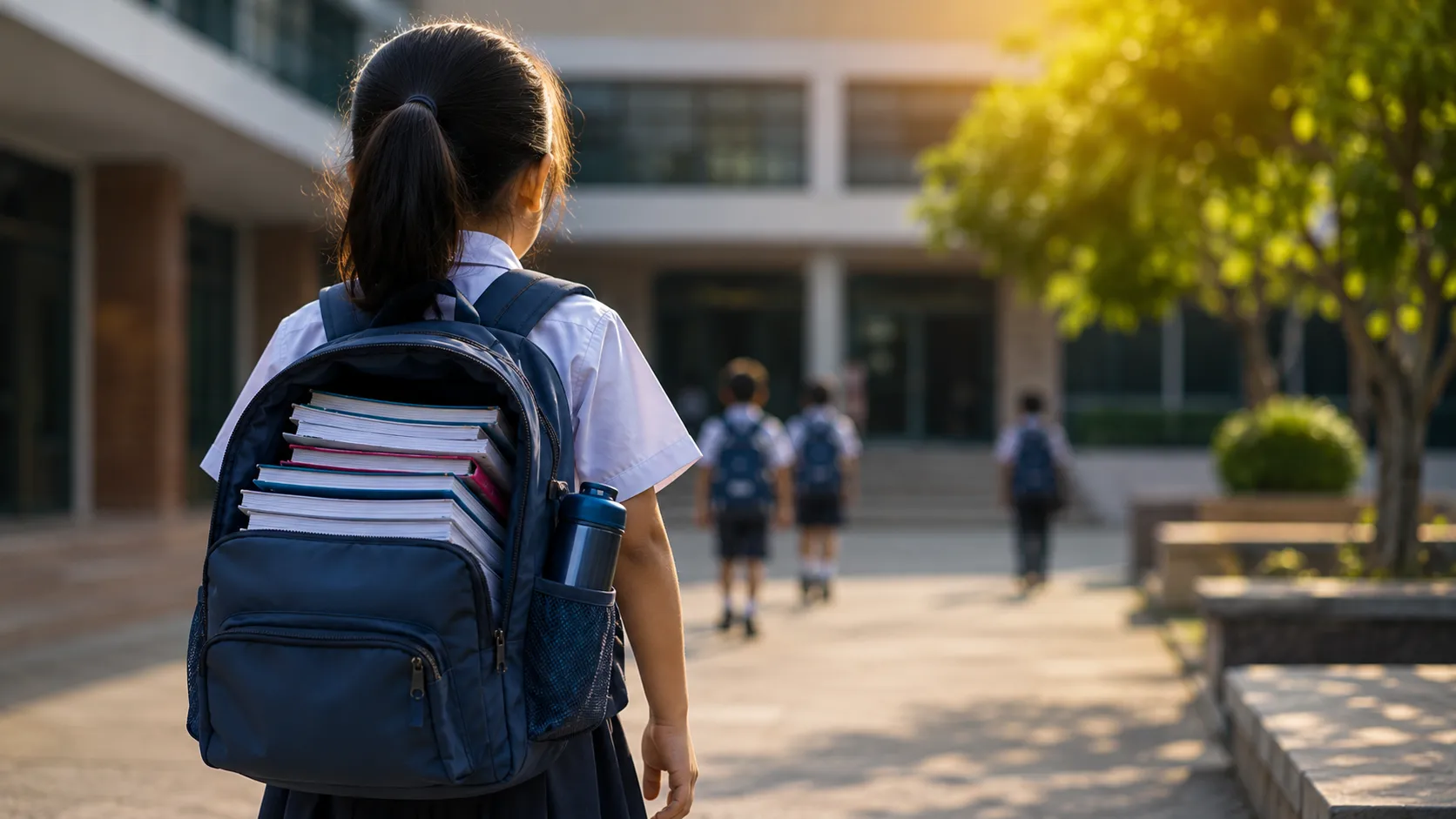
Another dimension beneath this discussion involves educational design itself. Conversations around school bag weight frequently extend beyond bags and books because they also involve curriculum planning, scheduling structures and classroom systems. Schools across different regions have explored solutions involving digital material, classroom storage spaces and timetable adjustments because reducing strain occasionally requires redesigning systems rather than expecting students to continuously adapt.
Parents also find themselves navigating educational environments very different from earlier generations because academic expectations now frequently extend beyond classroom learning itself. Supplementary material, activity books, project work and coaching resources frequently become layered onto existing school requirements because educational competitiveness increasingly shapes everyday student experiences. The result occasionally creates situations where children carry significantly more material than core learning alone requires.
There is also a larger cultural question quietly emerging beneath these conversations. For years, academic intensity frequently became associated with discipline and ambition because heavier routines occasionally appeared connected to stronger educational commitment. Yet changing conversations surrounding childhood wellbeing suggest another possibility. Stronger educational systems may not necessarily require heavier physical burdens because learning itself extends beyond quantity and volume.
Perhaps that explains why this discussion increasingly feels larger than school bags or textbook policies. Because beneath conversations involving backpack weight ultimately exists another reality involving how societies define childhood itself. Students frequently carry expectations, routines and systems designed by adults. The question increasingly may not involve how much children are capable of carrying.
It may involve asking how much they should.