What Once Lived Inside Gym Culture Is Quietly Turning Into A Much Larger Story About Everyday Consumption
Not very long ago, protein occupied a relatively narrow space within India’s wellness ecosystem. Conversations around protein frequently lived inside gyms, bodybuilding communities and athlete circles because the category itself often appeared associated with muscle-building routines and highly specific fitness goals. Protein powders sat on shelves beside sports supplements, while consumption frequently seemed connected to intense training schedules and performance-focused lifestyles. For many households, protein itself remained a nutritional term people heard occasionally rather than something they actively discussed.
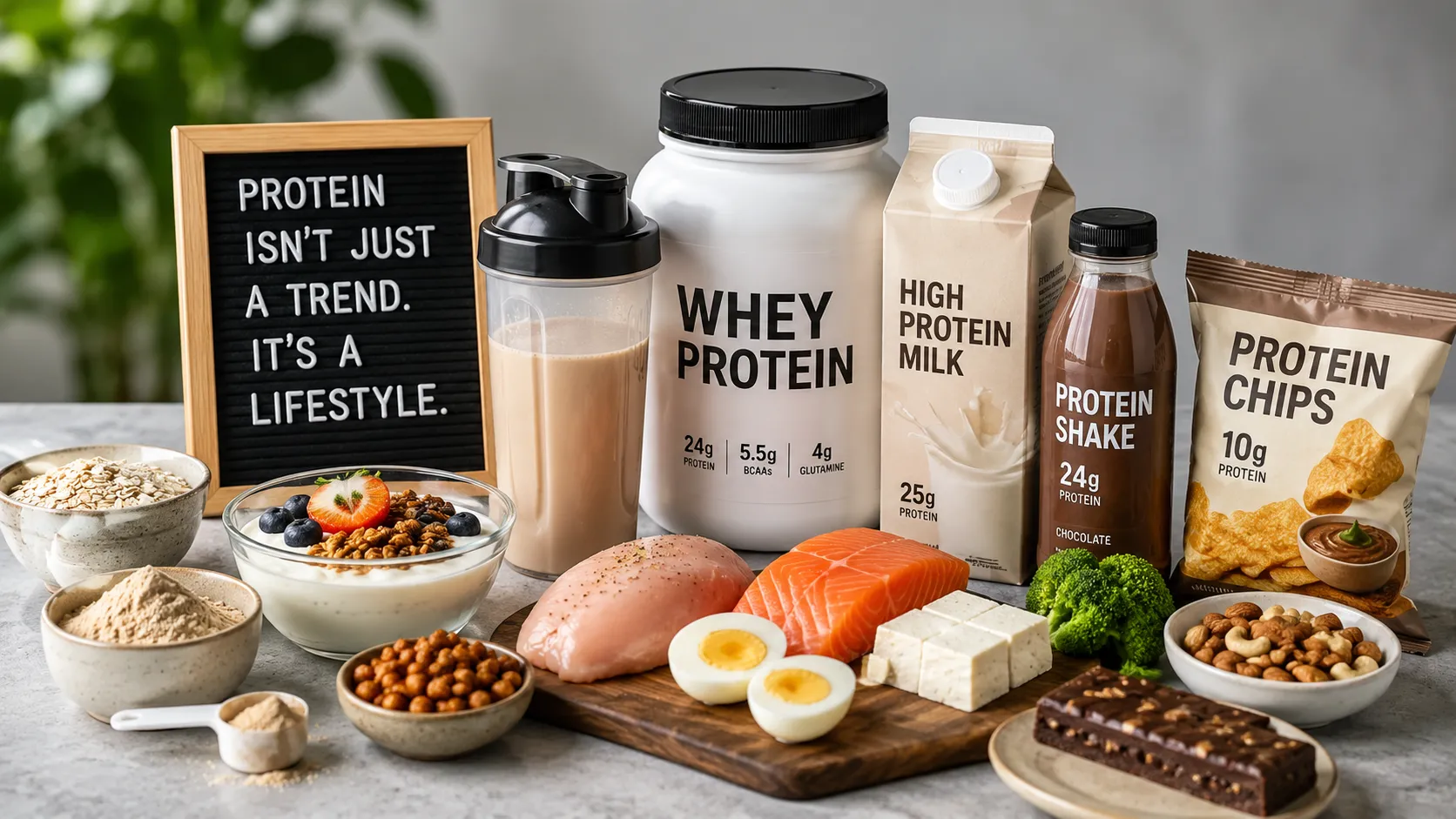
Something much bigger now appears to be unfolding beneath that older perception. Across India’s consumer landscape, protein has started moving far beyond fitness communities and entering ordinary everyday routines. Protein cereals, protein coffee, fortified snacks, protein ice cream, ready-to-drink beverages and high-protein meal products are appearing across supermarkets, online platforms and food brands because consumer behavior itself is changing. What initially looked like a health trend is beginning to resemble a broader shift involving food habits, identity and lifestyle choices.
Viewed independently, rising interest around protein may initially resemble another wellness phase influenced by social media and changing health preferences. Viewed through a broader impact lens, however, another question begins emerging beneath the surface: what happens when nutrition itself transforms from a dietary requirement into a cultural category? Because categories rarely evolve only through products. They evolve when consumer behavior itself starts changing direction.
Historically, food conversations across India frequently centered around taste, affordability and tradition because eating habits often followed routines shaped by family structures and regional practices. Nutritional awareness certainly existed, but many households rarely discussed protein intake directly because broader conversations frequently focused on calories, vitamins or general wellbeing. Protein itself often remained hidden inside everyday diets rather than becoming a visible category consumers actively tracked.
Health awareness today appears operating through a different environment. Fitness creators, wellness influencers, digital health platforms and social-media communities frequently shape food conversations because consumers increasingly encounter nutritional content every day. Terms once limited to specialist communities now appear in ordinary conversations because information itself travels differently. Concepts involving macros, gut health and protein goals increasingly sit beside lifestyle discussions rather than medical advice alone.
This distinction matters because awareness frequently changes consumption itself. Once people begin measuring and understanding specific nutritional needs, purchasing decisions frequently evolve alongside that knowledge. Consumers rarely stop at information alone because awareness frequently creates demand and demand often creates entirely new business categories.
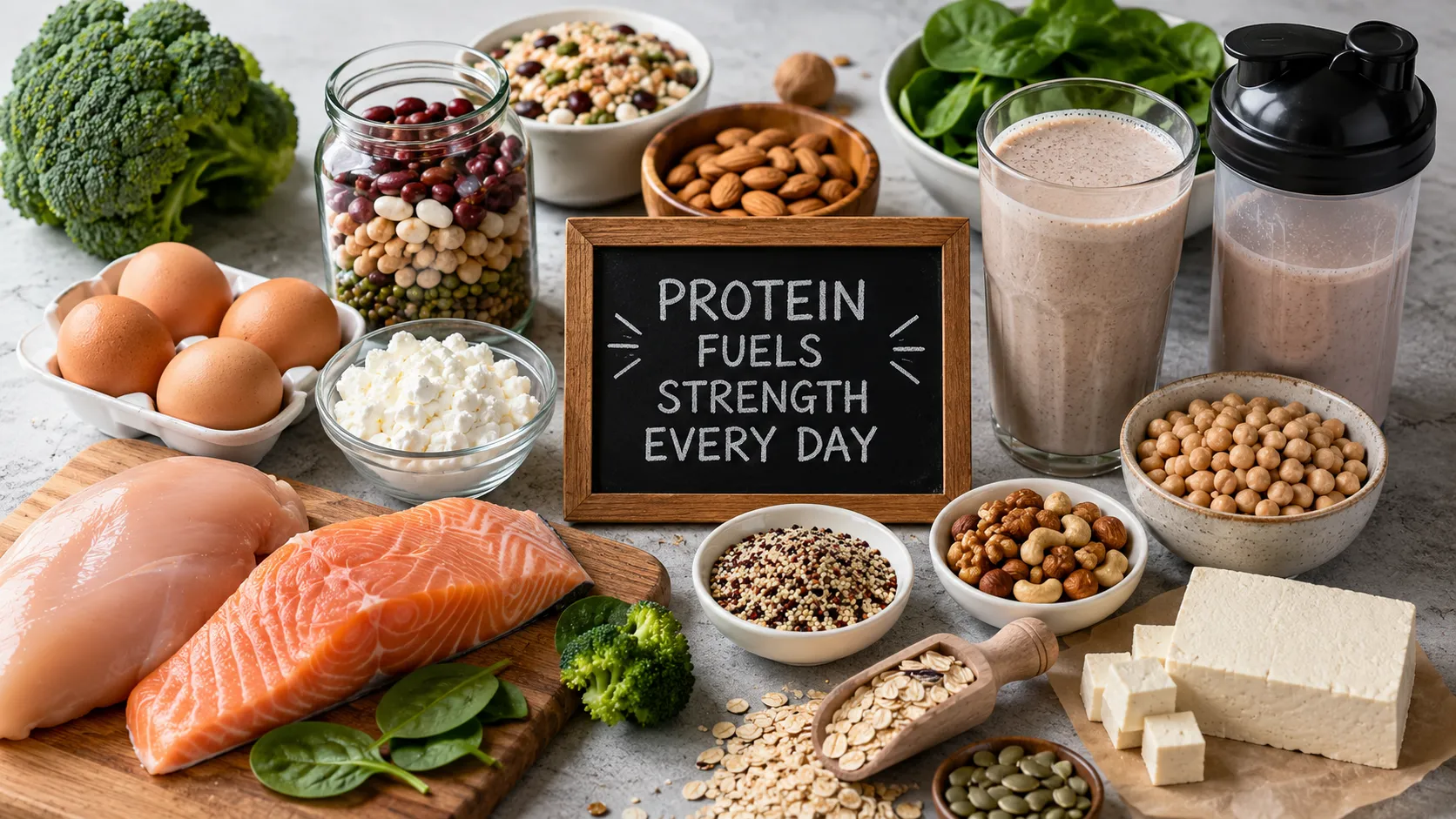
Another important dimension beneath this shift involves changing demographics. Younger professionals, urban consumers and health-conscious families increasingly appear balancing convenience alongside wellness because everyday routines frequently leave little time for highly structured diets. Businesses are responding accordingly because products increasingly focus on portability, speed and accessibility. Categories often expand quickly when they fit existing lifestyles rather than requiring consumers to build entirely new habits.
This broader transition creates opportunities extending well beyond health products. Food startups, nutrition brands, restaurants and consumer businesses are increasingly participating because protein itself now appears operating as a lifestyle signal. Similar shifts previously transformed categories involving organic food, low-sugar products and plant-based consumption because identity frequently becomes part of purchasing behavior.
There is also a larger public-health dimension quietly sitting beneath this conversation. Reports and nutritional studies have repeatedly pointed toward protein deficiencies across sections of India’s population because dietary awareness and intake patterns frequently vary across regions and income groups. As health awareness expands, broader discussions around nutrition increasingly move beyond fitness and begin touching larger questions involving preventive wellbeing and everyday health.
Perhaps that explains why this conversation increasingly feels larger than protein bars or supplement shelves. Because beneath conversations involving food products ultimately exists another reality involving changing lifestyles itself. India’s relationship with nutrition appears entering a different phase where consumers increasingly want food to do more than satisfy hunger alone.
The larger impact story therefore may not simply involve protein becoming popular. It may involve recognizing that one of India’s biggest shifts in consumer behavior is happening through everyday eating habits.